



























![HOÁ 11 [CHƯƠNG TRÌNH MỚI] - TỔNG ÔN CUỐI KÌ 1 - Buổi 2: Lấy gốc Lý thuyết Nitrogen - Sulfur](https://i.ytimg.com/vi/V4tvuplsoDs/maxresdefault.jpg)






The Haber-Bosch process is the industrial method for manufacturing ammonia from nitrogen and hydrogen gases (N2 + 3H2 → 2NH3), developed by Fritz Haber and Fritz Bosch who received the Nobel Prize for this work. The process uses specific conditions: 700-773 K temperature, 200 atmosphere pressure, and an iron oxide catalyst with Al2O3 and K2O promoters. The reaction is reversible and exothermic, so lower temperatures favor higher ammonia yield but slower reaction rates, hence the optimum temperature is used. The process involves compressing N2 and H2 gases, passing them through a catalytic chamber where ammonia is formed (15-20% yield), cooling to liquefy ammonia at -33.3°C, and recycling unreacted gases. Ammonia is a colorless gas with a pungent smell, highly soluble in water, and has a trigonal pyramidal structure with sp3 hybridization and a lone pair of electrons. It acts as a weak base, forms hydrogen bonds due to nitrogen's small size and high electronegativity, and is used in fertilizer production, refrigeration, and chemical synthesis.
P-Block Elements II: Group 15 | Ammonia & Nitric Acid | Chemistry
Added:good morning dear students in the last session we have studied about the group 15 elements general characteristics chemical reactivity and then about nitrogen element we have studied about the preparation properties and uses of nitrogen and in this session we will study about two compounds their preparation properties and uses at the beginning so to start with ammonia so compound used in industries mainly in the preparation of fertilizers so how do we get or prepare ammonia so ammonia is present in the trace quantities in the air formed by the bacterial decomposition of organic matters so bacterial decomposition of organic matter in air also produces ammonia in trace quantities for example urea if you consider nh2co nh2 this is urea first it gives ammonium carbonate which decomposes to give ammonia [Applause] so urea decomposes and produces ammonia this is the smell now this is in air then how do we prepare this ammonia in the laboratory try to recall the first year salt analysis which you have done where you have gone for zero group basic radical detection of ammonium radical where you have taken an ammonium salt like ammonium chloride or ammonium bromide add a base like sodium hydroxide or you can add the other bases like calcium hydroxide potassium hydroxide you got a pungent smelling gas that is exactly ammonia which you have already prepared in the first year practical so we will see the preparation in the laboratory by treating ammonium salts like ammonium chloride or ammonium sulphate or ammonium nitrate any salt with the sodium hydroxide bases like sodium hydroxide or even calcium hydroxide can be used to give ammonia [Applause] so ammonium chloride and calcium hydroxide we have to give ammonia gas which is a pungent smelling gas or you can use ammonium sulphate and add sodium hydroxide which also gives ammonia gas so ammonium plus water so ammonium sulphate when reacts with sodium hydroxide also gives gaseous ammonia this is you have you are doing in the second year also you are going to do it in the detection of ammonium radical in the zero group the pungent smelling gas ammonia then what is very important in wave of your examination is the next one which i am going to discuss now the manufacture of ammonia two scientists together one haber and bosch prepared it the early 20 decade so manufacturer of ammonia from nitrogen and hydrogen which you have seen in nitrogen nitrogen when reacts with hydrogen it gives ammonia with the liberation of 46.1 kilo joules per mole of heat the two scientists got nobel prize for this method of manufacture of ammonia and this is that is why called as hebrew bosch process or habers process this method is important for industries and for your examination normally from inorganic chemistry this question comes in the annual examination so haber's process of manufacture of ammonia so nitrogen and hydrogen react in 1 is to 3 ratio by volume to give 2 volume of ammonia and you can observe the sign in between the reactants and the products this is reversible and after you start the reaction there is attainment of equilibrium so about equilibrium you have studied in the first year once the equilibrium is reached the concentrations are constant then how reversible reaction is also proceeding here then how do i get ammonia in maximum amount or how do i increase the amount of ammonia or i have to favor the risk this reaction in the forward direction so forward reaction if you favor the equilibrium more amount of ammonia will be formed or otherwise the amount of ammonia will be less now we have to now remember leash a clear who says when a reaction is at equilibrium whatever we do the equilibrium does the opposite so if i increase the temperature equilibrium goes in that direction to decrease the temperature so here we will see this is an exothermic reaction so the reaction gives out heat that means to bring the equilibrium to favor the exothermic reaction i have to lower the temperature so the conditions are low temperature should be provided so low temperature will enhance the exothermic reaction or favor the exothermic reaction we get more amount of ammonia but one problem here is in general [Music] an optimum temperature is used here so but actually according to lee shuttle's principle low temperature favors the reaction but in this case we provide around 700 kelvin to 773 kelvin temperature which is medium temperature in otherwise the rate of the reaction would be very very low therefore a 700 kelvin of optimum temperature is used in this process next coming to pressure you can see there are three plus one four moles of gases here and two moles of gases on the right side so what is the effect of pressure i want the reaction to go where the number of molecules is less two so i have to apply high pressure so that the equilibrium goes in that direction to decrease the pressure by decreasing the number of moles and therefore if i apply very high pressure equilibrium will go in the forward direction and therefore i have to apply very high pressure so of course a high pressure which can be borne by the appliances around 20 into 10 to the power 5 pascal or this is also called 20 mega pascal or 200 atmosphere pressure a very high pressure is used in this method next you know about some chemical substances which increase the rates of reactions which are taking place very slowly they are called catalysts so we are making use of a catalyst here which increases the rate of the reaction that is iron oxide fe2 o3 is the catalyst used which increases the rate of the reaction along with the some substances called normally we call them as promoters which enhance the efficiency of the catalyst and it is a mixture of al2o3 and k2o alumina aluminium oxide and potassium oxide mixture promotes the activity of the iron catalyst so with these conditions we mix nitrogen hydrogen so 700 kelvin temperature 200 atmosphere pressure or you can write this at the bottom also no problem or i can write iron oxide catalyst along with alumina and k2o mixture 700 to 770 kelvin temperature and 200 atmosphere pressure when applied nitrogen and hydrogen combined to give ammonia gas now we will see the chart flow chart for the manufacture of ammonia by hypers process so there are two tubes for the nitrogen and hydrogen inlet so these two gases are passed to a tank called compressor where these two gases are compressed to high pressure of 20 mega pascal they are compressed and then from the compressor they are moving to a chamber called catalytic chamber this is called chamber where the catalyst is maintained in shells in the shells the catalyst is maintained and the temperature is also initially maintained to 700 kelvin but once the reaction begins the temperature itself ah is given out the temperature is maintained by the exothermic reaction so here monoxide and alumina k2o mixture is kept so these are this is a catalytic chamber when the nitrogen and hydrogen are entering under very high pressure in this chamber the reaction begins and ammonia is formed only maybe up to 15 to 20 percent not more than that because it is a reversible reaction so one is ammonia is formed in small quantity maybe and 20 percent the ammoni nitrogen hydrogen and ammonia are allowed to pass through another chamber called as cooling chamber where the pipe carrying these gases is cooled so in the cooling chamber these three gases nitrogen unreacted nitrogen hydrogen and the formed ammonia are cooled in a chamber where ammonia liquefies at minus 33.3 degrees and you can tap it off from here so this is liquid ammonia collected after liquefaction now what about the nitrogen and hydrogen which are unreacted so they are not liquefied now they are passed into this compressor or directly you can pass them into catalytic chamber or compressor from this or you can directly pass them to catalytic chamber also and to bring these two gases you have to use a pump [Applause] so if you pass it to compressor again the pressure will be increased so nitrogen and hydrogen in one is to three ratio by volume are passed into a compressor having where the gases are pressed or compressed to 20 mega pascal pressure and or 200 atmosphere and under pressure these gases are made to enter the catalytic chamber where iron oxide along with the mixture of these two oxides is kept in shells and the temperature is maintained at 700 kelvin the reaction begins and ammonia is formed ammonia along with the unreacted nitrogen and hydrogen is passed into cooling chamber when ammonia starts liquefying at minus 33.3 degree centigrade and the unreacted nitrogen and hydrogen are pumped back into compressor or they can directly be sent to iron oxide catalytic chamber also though this is the flow chart for habers process i think you have got the points now now next is properties of ammonia first we will see ammonia is a colorless gas with the pungent smell it's highly soluble in water very highly soluble in water now coming to the structure of ammonia you have studied in vs epr theory the structure of ammonia where the nitrogen is sp3 hybridized it has four hybrid orbitals containing single electrons out of which three orbitals overlap with the hydrogen atoms s orbital of the hydrogen atom and the fourth one has a lone pair of electrons actually the expected structure is tetrahedral with bond angle 109.5 degree whereas the according to vs epr theory the repulsions exerted by the lone pair on the bond pace decreases the bond angle to 107.8 degree and the structure is called trigonal pyramidal [Applause] the structure is trigonal pyramidal with the lone nitrogen at the apex of the pyramid with the lone pair of electron in its one of the hybrid orbitals so this is the structure of ammonia next we will see some of the chemical properties of ammonia in the chemical properties solid it is highly soluble in water so basic nature i can call it as so ammonia gas when dis passed into water dissolves to give ammonium ion and hydroxide ion ammonium and hydroxide and therefore the solution is basic in nature but the base dissociation constant kb dissociation constant of the base is very low means the dissociation process here is very partial and therefore it is a weak base ammonium hydroxide does not dissociate completely so it is a weak base so ammonium hydroxide combines with acids for example when it combines with the hydrochloric acid it gives salts called ammonium chloride or when it reacts with high sulfuric acid the salts formed are ammonium hydrogen sulphate or ammonium sulphate when it reacts with the nitric acid the source produced are ammonium nitrate so chlorides sulphates and nitrates of ammonium are the salts form when ammonia or ammonium hydroxide ammonia in water react with these acids that is about the basic nature of ammonia in this case i wanted to tell you one thing ammonia because of the small size of nitrogen the electron pairs are attracted towards nitrogen and nitrogen develops a partial negative charge and hydrogen starts getting partial positive charge and therefore these molecules attract each other forming high inter molecular hydrogen bonding so this will be attracted by some other nitrogen so the ammonia molecules due to the compact size or small size of nitrogen and highly electronegative character the electron pairs are attracted towards it and the bonds get polarized and due to which this hydrogen and the nitrogen of the other element attract each other and therefore there is inter molecular hydrogen bonding and therefore ammonia has a very high boiling point compared to the other hydrides of the family where these atoms when you move down from phosphorus to bismuth are bigger in size are not able to polarize the bond between hydrogen atoms and they cannot form hydrogen bonding so therefore in the group ammonia has very high boiling point due to inter molecular hydrogen bonding next we will see ammo is the second property with the some salt solutions when ammonium hydroxide is added to some of the salt solutions like ferric chloride zinc sulphate or magnesium salts aluminium salts their hydroxides are precipitated for example you take ferric chloride aqueous solution plus to this ammonium hydroxide is added then we get a brown phospheric hydroxide is form which then gets hydrated to form hydrated ferric oxide this is brown precipitate so ferric chloride gives a brown precipitate of hydrated ferric oxide formed when ammonium hydroxide is added in the same way if you take zinc sulphate solution and add ammonium hydroxide it gives a white precipitate of zinc hydroxide along with the formation of ammonia sulphate so when zinc sulphate salt solution is added with ammonium hydroxide we get a white precipitate of zinc hydroxide so this is how some of the metal can be precipitated as their hydroxides when the salt solutions are added with the ammonium hydroxide next ammonia is a levee space the third property is basic nature of ammonia where it is a levis base you have studied about lewis acid-base theory last year a substance which can donate an electron pair is called a levis base so ammonia in its structure has a lone pair of electron which can be donated to other substances which can receive the electron levis acids specially ammonia can donate its electron pairs to certain metal ions to form some colored changes which can be easily observed so that these reactions will help to or you need not write this help to identify these radicals for example a solution containing copper two plus ions when mixed with the ammonia in the aqueous medium of course these ammonias will donate electron pairs to copper the vacant orbitals of copper and form co-ordinate bonds these are donated to copper two plus so four ammonia molecules from four sides donate electron pairs to copper two plus thus forming coordinate bonds and these such compounds are called complex compounds and this is blue in color and this becomes very nice deep blue solution so with this formation or transition from this color to this color we can identify the copper two plus radical and one more reaction is you when you add silver nitrate solution to any chloride solution or a solution having chloride radical you get a curvy white precipitate of silver chloride which you have done in the detection of chloride radical conformatory silver nitrate test silver salt nitrate is added to any chloride solution you get a kerdi-white bristle and then in the second column you have written the kerdi white prostate is soluble in ammonium hydroxide so what's happening here this is silver chloride when you add ammonium right dissolves to give diamine silver chloride and of course water too so the curdy white crispy dissolves in ammonium hydroxide to give diamine silver chloride so this is one more reaction so we can use this reaction also the white precipitate becomes a colorless solution so this is also used in the identification of chloride radical in the laboratory during its confirmatory test with the silver nitrate solution so ammonium hydroxide or ammonia solution can be used in the identification of the metal or few radicals in the qualitative analysis by observing the color changes or the visible changes occurring in the test tube so these are about some of the reactions of ammonia then what are the uses of ammonia the uses of ammonia mainly ammonia is used in the preparation of fertilizers like ammonium sulphate ammonium phosphate ammonium nitrate urea so these are the fertilizers prepared starting from ammonia then ammonia is also used in the preparation of many nitrogen compounds mainly nitric acid can be prepared starting from ammonia as one of the reactants then liquid ammonia is used as a refrigerant due to high enthalpy of vaporization when it vaporizes it takes out lot of heat from the surroundings and surroundings get cooled on re repeating this method the surrounding can be cooled to very low temperature therefore liquid ammonia acts as a refrigerant so this is all about ammonia its preparation and properties uses next we will take another compound of nitrogen that is nitric acid one more compound of nitrogen we are going to study the preparation properties and uses of nitric acid which is one of the important acids used in the laboratory and some of the industries nitrogen forms mini oxoacids like hyponitrius acid nitrous acid nitric acid out of which we will study only the preparation properties and uses of nitric acid how do we prepare nitric acid in the laboratory laboratory preparation when nitrate salts like sodium nitrate or potassium nitrate so nitrate source when are treated with the sulfuric acid we get [Applause] we can write nitric acid [Music] and so nitric acid is formed in double decomposition reaction where sodium is replaced by the hydrogen atom so we get nitric acid formed in when nitrate salts are mixed with the sulphuric acid so this is how we can prepare nitric acid in the laboratory the next manufacture of nitric acid in industries in large scale is very very important method in the preparation of nitric acid as well as for your exams so this is another very frequently asked question how do you prepare nitric acid by oswald's process so the manufacture of nitric acid by rose walls process is an important preparation method so there are three steps in the manufacture of nitric acid so which is the first step the first step is oxidation of ammonia nh3 into no that is nitric oxide [Music] so this is the first step ammonia is oxidized into nitric oxide so what is the reaction ammonia plus so you can remember balancing the equation the numbers 45 and 46 that's why normally the students remember this 4 5 45 4 6 so the ammonia molecules get oxidized to nitric oxide and in this reaction also we have to have such conditions which give you maximum amount of nitric oxide that is we use platinum rhodium gauze as catalyst platinum and rhodium are made into gauss like virgos and around 500 kelvin temperature is used and 9 bar is the pressure so under these conditions maximum amount of nitric oxide can be produced so the first step is oxidation of ammonia into nitric oxide which is the second step oxidation of n o into nitrogen dioxide n o two nitric oxide into nitrogen dioxide so this is nitric oxide nitrogen dioxide so two n1 plus o2 gives 2 no2 so this is oxidation to give nitrogen dioxide next dissolving nitrogen dioxide in water will give you nitric acid [Applause] so the nitrogen dioxide dissolves in water to give nitric acid so these are the three very important steps involved in oswald's process of conversion of ammonia into nitric acid so that here no is formed nitric oxide is formed which is recycled to the second step so when no is needed in the second step so we can use this nitric oxide for the oxidation purpose in the we can send it to the second chamber of oxidation then the nitric acid formed is dilute which can be concentrated up to 68 percent by fractional distillation the water can be removed by fractional distillation up to 68 percent further concentration is not possible and by fractional distillation and therefore by using concentrated sulphuric acid which is a dehydrating agent the remaining water can be removed and we can get up to 98 percent of sulfuric nitric acid so nitric acid around 98 percent can be obtained by using concentrated sulfuric acid as a drying agent for 68 percent nitric acid produced so these are the three important steps prepare used in the preparation of nitric acid by rosewater's process you will have to remember you have to study write these equations 5 times 6 times t you remember all these numbers and values next we will see some of the properties of nitric acid nitric acid is a colorless liquid gets a slightly yellow color when it is exposed to air by the decomposition it gives no2 which dissolves in acid to give light brown yellow color and then around the laboratory purpose nitric acid is around 68 percent and in the gaseous state it has like this in the gaseous state and then coming to the chemical properties of nitric acid being an acid acidic property one is acidic property it dissociates to give no3 minus ions and it is a strong acid giving a lot of amount of nitrate ions and then i hno3 reacts with the bases to give nitrate salts the salts of nitric acids are called nitrates the salts of nitric acid are called nitrates next nitric acid also reacts with the or most of the compounds it reacts with the metals and non-metals by oxidizing them into nitrates and it itself gets reduced to either nitric oxide or nitrogen dioxide or nitrous oxide so the second property is action on metals so the products formed in this reaction depends on three factors one nature of the metal if you use different metals with the same nitric acid the products will be different so nature of the metal concentration of the acid dilute or concentrated acids will give you different products and then of course is the temperature so the products of these reactions between metal and the nitric acid are different under different conditions so first we will see the metals like copper zinc how do they react so metal copper when added to nitric acid which is dilute when it is added to dilute nitric acid it gives copper nitrate plus nitric oxide and water so you have eight h and o three so four water so copper when mixed with the dilute nitric acid it gives copper nitrate and citric oxide as the product whereas copper when heated with the concentrated nitric acid look at the condition this is dilute and this is concentrated with the same matter it will give same copper nitrate nitrogen dioxide and water [Applause] so the gas is no2 the other two products are same so concentrated nitric acid will give you no2 on heating whereas the dilute nitric acid will give you nitric oxide in the same way we can see this is the reaction of copper how does zinc react with nitric acid under different conditions when zinc is made to react with the concent dilute nitric acid it gives [Applause] zinc nitrate and then a gas called nitrous oxide and here you can see the product is n2o now not no like copper when reacts with nitric acid it's no but zinc when reacts to dilute nitric acid the product is n2o and you what is n2o it is nothing but laughing gas nitrous oxide so its balance okay so but the reaction of zinc with the concentrated nitric acid is very much similar to copper so it gives zinc nitrate [Applause] nitrogen dioxide and water so zinc with the concentrated nitric acid the behavior is same so this is how these two metals react with nitric acid into different conditions and the products you can see are different now nitric acid doesn't oxidize order it doesn't react with noble metals like gold platinum etcetera whereas if you consider the metals like aluminium or aluminium aluminum is actually highly electro positive element should be able to react with nitric acid concentrating but when aluminium is mixed with the concentrated nitric acid there is no reaction or even chromium has no reaction with concentrated nitric acid what is the reason the reason is when aluminum or chromium are added to nitric acid on the ear surface a stable layer of their oxide is formed aluminium oxide or chromium oxide which prevents the further contact between the metal and the nitric acid so this is called passivity the active metals becoming passive in concentrated nitric acid due to the formation of a stable metal oxide layer on their surface then the third reaction is action on some non metals when the [Applause] iodine or carbon etc are made to react with the nitric acid when iodine reacts with nitric acid it gives iodic acid with the formation of two iodic acid 10 no2 and 4 h2 so iodine reacts with nitric acid and gives iodic acid with the formation of nitrogen dioxide and water then carbon reacts with nitric acid to give carbon dioxide nitrogen dioxide and water and sulfur gets oxidized to sulphuric acid and phosphorus gets oxidized to phosphoric acid sulfur we will see the reaction s8 plus 48 hno3 will give eight h2 so4 plus 48 nmo2 plus 16 h2o so sulfur gets oxidized to sulphuric acid and phosphorus gets oxidized to [Applause] phosphoric acid so these are some of the reactions of nitric acid concentrated with the non-metals like iodine carbon sulfur or phosphorus iodine forms iodic acid carbon is oxidized to carbon dioxide sulphur to sulfuric acid and phosphorus to phosphoric acid so next we will see the brown ring test if you remember which you have conducted for the confirmation of nitrate radical in the laboratory so the nitrate radical solution the salt solution containing nitrate is prepared which is then mixed with the ferrous sulphate freshly prepared ferrous sulphate solution to which we add concentrated sulphuric acid very carefully through the sides of the test tube and in the side of the test tube when the two sulfuric acid comes down being heavier when the two meet you see a brown ring so a brown ring is formed in at the junction of two liquids what is happening here this is called brown ring test here the ferrous ions get oxidized to ferric ions and reduce the nitrate ions into nitric oxide nitrate ions are reduced in acid medium in the acid medium nitrate ions are reduced to nitric oxide [Music] and ferrous gets oxidized to ferric then the nitric oxide reacts with the ferrous ions to give a complex which has brown color nitro silicon pond of ferrous ion [Applause] [Music] one h2o goes out no comes in and one h2o molecule goes out and this is responsible for the brown color formed in the brown ring test so these are this is about all the reactions of nitric acid then what are the uses of nitric acid nitric acid is used in the manufacture of urea or it is used in the manufacture of ammonium nitrate super phosphate of lime all these fertilizers nitric acid is used in the preparation of tnt trinitrotoluene or tng which are used as explosives nitric acid along with sulfuric acid or alone in the fuming state is used in the nitration of organic compounds and it is also used in pickling stainless steel the surface to be cleaned or etching of metals in the metals to make some designs and as an oxidizer in the rocket fields these are the uses of nitric acid we have studied about group 15 elements then about preparation properties and uses of nitrogen ammonia and nitric acid till now with this the study of group 15 is over next we are going to start group 16 elements so you can see group 16 after the group 15 in the periodic table at the right extreme and group 16 elements first we will see which are the elements present in group 16 are oxygen then sulfur selenium s e and tellurium is t e and last one is polonium p o so these are the elements present in the group 16 and now we will see the occurrence where do we get these elements in nature so we will start with the occurrence and then we will study their atomic properties and the variation trends in the group and then physical properties then chemical properties and then anomalous behavior of oxygen as we have studied in group 15 for nitrogen so then some few compounds of oxygen and sulfur we are going to study in group 16. to start with occurrence of oxygen you know very well in the earth there is abundant element with 46.6 percent by mass of earth's crust is oxygen so the most abundant it is present as minerals mainly in the form of silicates oxides carbonates sulfates etc and in the air we have 20.946 percent by volume of air contains oxygen is present in the air to the percentage of 20.946 by volume that's about oxygen the next one is sulphur mainly the sulfur is present in the form of sulphate minerals sulphides and also there are other forms of sulfur we will see later so sulfate sulfur occurs in the crystal in the form of sulphates for example one important one is gypsum with the formula caso4 2h2o then one more is epsom salt with the formula magnesium sulfate 7 h2o and barite is a sulfate of barium ba so4 so these three forms of sulfates of different metals are examples for waters or minerals of sulfur in the form of sulphate then it is also present in the form of sulfide minerals sulfur is also mainly for present in those crust in the form of sulfide minerals for example sulphites are zinc sulphide [Applause] called as zinc blend let the sulphide called as galena c-u-f-e called as copper pyrites not only this in volcanoes and the exhaust gases also hydrogen sulfide is present in some countries and sulfur is also present in some organic matters or compounds in the form of different sulphur compounds mustard garlic onion eggs hair wool etc also contain sulfur in the form of different compounds then coming to selenium and tellurium selenium and tellurium are present as they are like sulphur as sulphides oxygen as oxides in the same way selenium and tellurium are present as selenides and tellurides in the earth's crust along with some sulphide wars then polonium is the metal which is radioactive and is present as or obtained as the decay product of uranium or thorium minerals so polonium is radioactive short-lived with 13.8 days of half-life period so this is about the occurrence of these elements in the nature then we will see some atomic properties as we have done with the group 15 elements electronic configuration as you know there are six electrons in the outermost shell and the outermost electronic configuration in the outermost shell that is ns2 np4 there are six electrons two in the first two in s and four here and there is one lone pair and there is another there are two lone phase in oxygen atom and two unpaired electrons in the p orbital according to one's rule now oxygen with atomic number eight it is two h2 two p4 next neon is 3s23p4 after argon selenium is 3d10 4s24p4 krypton tellurium after krypton is 4d105s25p4 and polonium with the xenon 4f14 for ud10 6h2 6p4 so you can see all these have similar outer electronic configuration and therefore their properties are expected to be the same so this is atomic number eight this is 16 34 52 and 84 then we will study the some of the atomic properties first we will see atomic ready after electronic configuration the second one is atomic radius you know very well as i have told you in the group 15 elements with the addition of new shells the atomic radius goes on increasing as you move down so when you come down the atomic radii increases and then we will see the ionization enthalpy when you move down once again with the increase of the size removal of the electron becomes easier and ionization energy decreases [Music] with the increase in the size next we will have another property called electron gain enthalpy electron gain enthalpy so when you come down the capacity of these atoms to gain electrons decreases due to the increase in the size therefore the electron gain enthalpy becomes less negative so lesser energy is given out so it becomes less negative so oxygen is expected to have the highest negative electron gain enthalpy and then onwards the value becomes more and lesser and lesser negative but the problem here is oxygen has lesser negative or less negative electron gain enthalpy than sulfur so the electron gain enthalpy of oxygen is lesser than that of sulfur which is expected to be otherwise that is due to the small size of the oxygen atom the inter electronic repulsions do not allow the easy addition of another electron and therefore oxygen even though highly electronegative it needs electron but the space is very less and already present electrons [Music] gain enthalpy is less negative than sulfur okay this is then coming to electronegativity of course due to small size oxygen is highly electronegative it is after fluorine so the value is 3.5 given in powelling scale so this is highly electronegative with the increase in the size electronegativity goes on decreasing and therefore the all these properties affect all the natures of these and therefore oxygen and sulfur two are non-metals the next two are metalloids due to the decrease in the ionization energy this is a method so all these properties are reflected in the metallic and non-metallic characters also and therefore with the increa decrease in the ionization energy with the increase in the size and increase in the electronegative values oxygen and sulfur are non-metals and selenium and tellurium are metalloid and polonium is a metal now about the physical properties we will see the physical properties of this oxygen is a gas and all the others are solids oxygen is a gas all the others are solids oxygen is a gas and others are solids and then i already told you these two are non-metals metalloids and this is a metal all these elements exhibit allotrope all these exhibit allotrope and as usual with the increase in the number of electrons atomic mass and molecular mass the melting point and boiling point of these elements increases as you move down there is a large difference in the melting points of oxygen and sulfur a large difference in the melting point is observed which is not observed in the other cases in the trends that is attributed to the atomicity here oxygen is only diatomic easier for melting but sulphur eight needs very high temperature to melt because the atomicity of sulfur is s eight so these are some of the atomic properties and their trends so with this students i'll conclude this session and the remaining chemical properties and the remaining concepts to be studied in group 16 i will continue in the next class thank you take care
Up Next

Mine Water Management: Treatment, Tracer Tests, and Geochemistry
@WitsGeosciences
152 views•2023-09-08

Biocatalysis and Catalysis in Islatravir Synthesis | Merck Webinar
@SCIwheresciencemeetsbusiness
675 views•2020-10-08
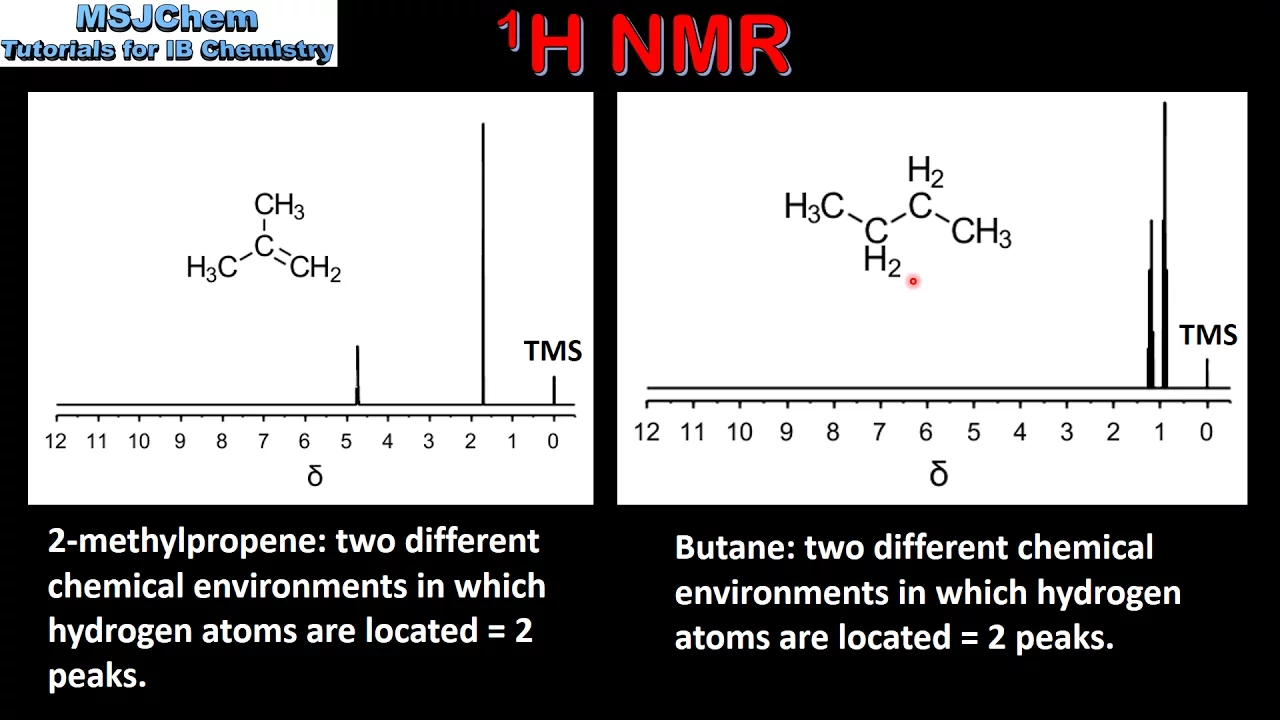
1H NMR: Determining Number of Peaks from Structure
@MSJChem
59.2K views•2017-04-06

Edible Water Bottles: A DIY Guide to Sodium Alginate Spherification
@ryan
10.5M views•2019-06-21
Related Study Plans & Knowledge Roadmaps
Structured learning paths in Chemistry