













![Analyst: PS5 Sales To Reach 8 Million By April. | PS5 Scalpers Unhappy With Publicity - [LTPS #452]](https://i.ytimg.com/vi/1FfGhRW2LHM/maxresdefault.jpg)

![A História Secreta da Obsolescência Planeada [Legendado PT]](https://i.ytimg.com/vi_webp/o0k7UhDpOAo/maxresdefault.webp)


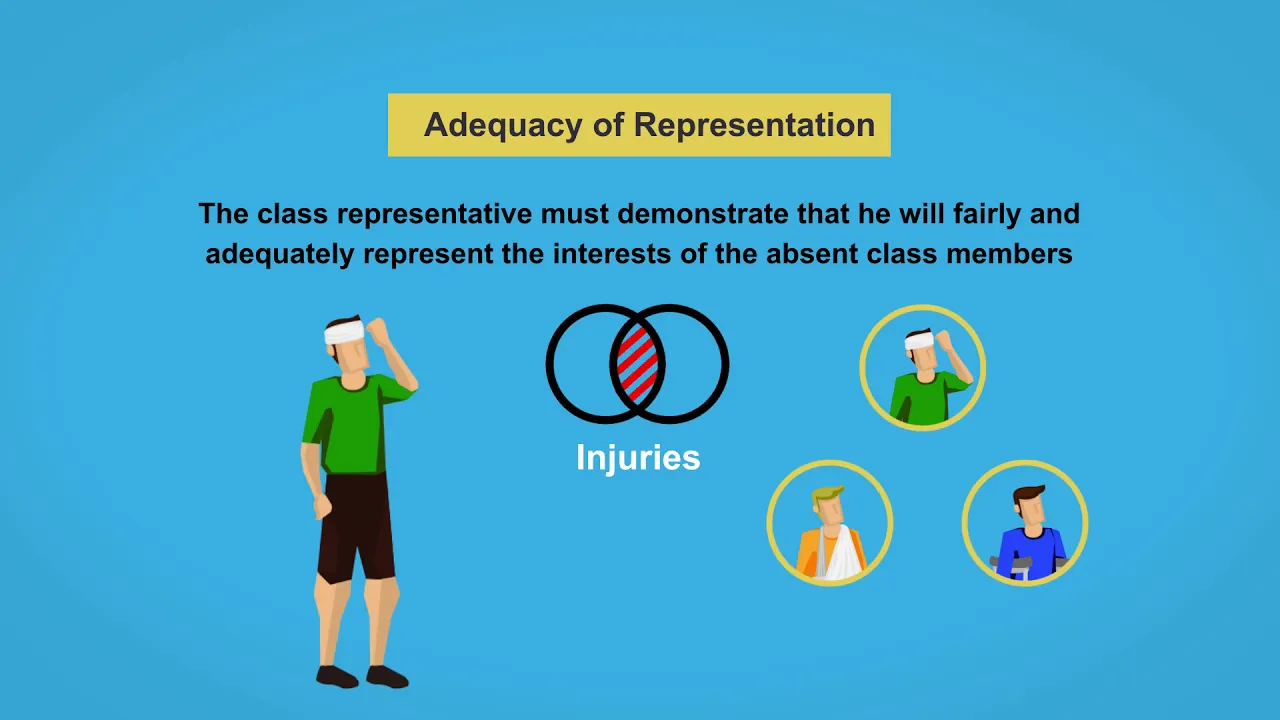
A class action lawsuit allows groups of similarly situated consumers to collectively pursue legal claims against a company, but the strength of such claims depends heavily on evidence of widespread defects, timing relative to warranty periods, and the sympathy of the lead plaintiff. In the Joy-Con drift case, Nintendo's 12-month warranty for hardware and 3-month warranty for accessories creates significant challenges for plaintiffs seeking to prove breach of warranty, as most complaints occurred outside the warranty period. The lead plaintiff's case, while within warranty, showed the product failed after 11 months, was replaced, then failed again after 3 more months, making it difficult to portray Nintendo as a 'bad actor.' This illustrates how class action lawsuits often prioritize corporate settlements over consumer compensation, with studies showing only 6-12% of class members actually receive money from settlements.
Nintendo Joy-Con Drift Lawsuit: Legal Analysis and Consumer Implications
Added:virtual legality is a YouTube video series with audio podcast versions presented as commentary and for education and entertainment purposes only it does not constitute legal advice and does not create an attorney-client relationship if you have legal questions about the topics discussed please consult your own legal counsel honestly you don't want to be taking generic legal advice from a YouTube channel or podcast in any event on with the show Nintendo soon what you need to know from the joy con drift lawsuit hello and welcome to another episode of Virtua legality I am your host Richard Hogan partner of the Hogg law business law firm of Northfield Michigan and honestly if you're not sick of virtual legality this week I don't know when you'll ever be because I think we've done four if not five episodes already and I had not intended to do an episode today but as it turns out we've got a fairly significant lawsuit on our hands to go over which if you follow virtual legality you know is something that we like to do my background is of course as a corporate attorney I'm not a litigator I'm a transactional attorney I help corporations work through their contracts work through what it is they're gonna put forth into the public eye with respect to their warranties and their intellectual property licenses and things of that nature so we've talked a lot about that in virtual legality but when it comes to actually getting sued on one of these things that's not my purview the practice of law is generally split into any number of practice areas but the major split is between litigators on the one hand those folks that you see in law and order or an other legal dramas and commercial transaction attorneys on the other hand and that's the bucket in which I fall and we you know sit in front of our computer we help people negotiate contracts we do occasionally sit in nicely appointed rooms and shake hands over deals but litigators have an entirely different set of practices and in this case we're talking about a class actions let's take a look at what Nintendo is currently facing so yesterday this happened I've pulled up an article from Go Nintendo which appears to be the origin point for this story that says law firm opens switch joy Conn drift class action lawsuit investigation this is only yesterday July 18 2019 says talk of switch joy Conn drift has been part of the discussion with fans since day one but a recent thread on reddit seems to have reignited the anger from fans all over some players of experienced joyed con drift with their joysticks reading input that the player isn't doing and others haven't had an issue those who suffer from the problem are looking for a Nintendo to offer up a fix and now a law firm is taking matters into a own hands the law offices of chemicals Schwartz Kriner and Donaldson Smith are looking to hear from switch owners who have experienced joy Khan drift if you're one of those people they want you to fill out a form with all the details if enough people pull together and there's sufficient evidence of a widespread issue the law firm will consider filing a class-action lawsuit and that's absolutely what they said for their information inquiry yesterday and this process of putting together a class action if you're not familiar with it is basically the law allows for groups of people that are similarly situated which is a legal term of art but it means that you're in the same position that the court if they decided that the company had done this particular individual wrong that's in front of them on the facts that are presented to them that everybody else of a like position should get the same redress should get the same compensation or whatever else they might otherwise get and so in order to do that in order to have a class action you have to get your class certified which is a large part of the document that we're going to see today and we're gonna skip most of it because that's a very technical legal question about whether the court has determined that all the people you are claiming belonged to this class are so like situated that a court case with these main lead plaintiff would accurately essentially portray the situation and the damages that everybody else that you're claiming belongs in this class would also face so they asked for these informational packets from people because they're looking for a good lead plaintiff there in general looking for a good sympathetic figure that's going to be the name on the lawsuit that has the most sympathetic facts surrounding them that makes the company look the worst so that they can be the lead and that they can get that class certified off of these major damages that this person has experienced and they can get the class-action lawsuit put together you see here that they reference if enough people get pulled together and there's sufficient evidence of a widespread issue the law firm will consider filing a class-action lawsuit I will tell you I would be willing to bet based on today's events that this law firm was ready to file a class action lawsuit almost without a lead plaintiff at this point based almost solely on what appears to be a reddit thread talking about joy Kandra because as of today we get a presser from that very law firm that says CSK andy files class action lawsuit against nintendo of america inc relating to joique on drifting issues CS k and d has filed a class action lawsuit against intent of america inc for claims relating to alleged defects in the joy Conn controllers that are part of Nintendo switch gaming consoles the complaint filed in the United States District Court for the Western District of Washington alleges that the joysticks on joy Conn controllers are defective leading users to experience drift issues specifically the complaint alleges that the joystick on the joy Conn controllers will automatically register movement when the joystick is not being controlled by the user and interfere with gameplay the complaint filed on behalf of purchasers of switches and joy Conn controllers brings claims under various consumer protection statutes as well as various warranty and common law claims which is good enough for a press release but it's not good enough for you if you're listening to this or watching virtual legality on youtube so that's a great abstract summary but let's actually dive into the lawsuit because that is where the fun begins so we've got here in front of us a class action complaint we see the named plaintiff is a gentleman by the name of Ryan Diaz and it says plaintiff Ryan Diaz individually and on behalf of all others similarly situated that's the establishing of a class that's what they're gonna try to say is we're trying to bring together all the people that otherwise are the same as Ryan Diaz and in this case when you're talking about a product liability action if they met their claims if the court determined that they're right that Nintendo did wrong it's pretty easy to establish a class for the most part you're basically trying to establish folks that bought this product within a certain window of time usually and those folks are entitled to whatever relief the court ultimately determines or if there's a settlement the settlement ultimately determines he's entitled to all these other people that would be in this similarly situated class so it's on his behalf and on behalf of all others similarly situated brings this action against Nintendo they say this is a class action brought against Nintendo they give a brief description of what Nintendo did here they say they manufactured marketed and sold the switch enjoy Kong controllers yet notwithstanding its knowledge of a manufacturing defect defendant failed to close the defect and routinely refuses to repair the joysticks without charge when the defect manifests and never disclosed in this material defect to consumers so there's a couple things here to unwind they're claiming here this paragraph this section says it's a manufacturing defect that's distinct from a design defect a design defect says hey when you were planning this thing it was planned to be wrong and it is in fact wrong a manufacturing defect is different I think you probably have a good intuitive understanding of this but a manufacturing defect says hey the plan is fine but the way you put the thing together the way you built your joique on the ball bearings are too small the screws are too loose though rubber pens whatever else goes into a joy con is to something and that means that as a result of your manufacturing processes it doesn't work like it was supposed to that's basically the claim and then they go on further to say as a result of defendant's unfair deceptive and/or fraudulent business practices which is big legal words to say Nintendo's a bad actor judge you should do something about this owners of switches including plaintiff have suffered an ascertainable loss of money and/or property and/or value in other words they bought a $40.00 joique on the joy Conn doesn't work anymore they lost the $40 now I'm gonna back up a step here because class actions have their own issues we're gonna talk about in just a second but one of the primary functions of a products liability class action is to prevent significant harm for the most part the law is most concerned with it doesn't mean it's not concerned with what we're talking about here but it's most concerned with injury and death did that swingset kill your toddler did those pills in that bottle were they wrongly labeled and did they wind up poisoning your grandfather that kind of thing does your joy con occasionally move link forward when you didn't intend him to move forward he's pretty low on the law's priority list doesn't mean that this isn't legitimate doesn't mean that if Nintendo knowingly manufactured defective products that there shouldn't be redress for the consumer it does mean that it's a harder road for the plaintiff's counsel for the plaintiff side of things to get to this point where you're claiming all these really bad things about Nintendo we're going to see in the fact that they present that Nintendo doesn't really look like that bad of an actor even from the lead plaintiffs perspective so that's gonna be a problem in the weakness of their class and the weakness of their claim overall but even regardless of that when you're talking about just getting the money back for a product that proves to be defective that's a tougher claim than some of these other things that really do cause major injury and death the last paragraph in this intro is accordingly plaintiff brings this action to redress defendants violations of California consumer fraud statutes negligent misrepresentation breach of implied warranty unjust enrichment and violations of the federal warranty Act and Californians consumer warranty Act and I dropped the names out a little bit there plaintiffs seek monetary relief of course they do declaratory relief as to the parties rights under defendants warranty essentially having the court say Nintendo owes repair or replacement over and above the twelve months whatever it might be and public injunctive relief that Nintendo has to stop doing the bad things that we're about to claim that they do jurisdiction and venue we can skip jurisdictions pretty easy here they've got a defendant in Washington they've got a plaintiff in California it's pretty easy to establish but let's take a look at this lead plaintiff but they actually found because earlier in this video in podcast we talked about the fact that class litigators are really looking for someone who is very very sympathetic who has a pattern of facts that the court could look at and say wow this corporation did this guy wrong and I look at who they actually chose here and I've got a couple of thoughts here but let's take a look at what they actually described as having happened on July 21st 2017 mr. Diaz the plaintiff purchased a Nintendo switch console and an extra pair of joy Khan controllers after about 11 months of use the left joystick on the joy con controllers that came with the console which is important began registering movement without being manually controlled or drifting this resulted in the joy Khan being unusable for general gameplay so keep that in mind he buys a console not the extra joy cons that he bought but the joy cons that came with the console he feels that one of them becomes defective one of them stops working the way it is supposed to at the eleven month mark keep that in mind on or around July 5th to mr. Diaz sent the defective joique on controller to Nintendo for repair under the one-year warranty three months after receiving his refurbished joy con controller so let's back that up a step because they skip an important part here he sends it back in July fifth we don't know when Nintendo gets it back to him but Nintendo takes it there's no reference to Nintendo charging him for any of this there's no reference to Nintendo not taking it back and giving him back what they described here as a refurbished joy con controller so Nintendo took it back got him back a controller which by process of elimination would appear to have worked when it was initially sent back by Nintendo three months after he gets it back in other words probably about 15 months after he originally purchased it but with 11 months plus 3 months 14 months of good solid use out of those joy cons it stops working it says he doesn't exhibits the drifting issue again and the left joystick I'm mr. Diaz extra set of joy con controllers also began to exhibit the drifting issue about 13 months after use but it was no longer under warranty so mr. Diaz did not send it in for an out-of-pocket repair 13 months is an interesting notion there as well because we will see that Nintendo actually differentiates between its warranty for your hardware system sales which I would argue the joy con that comes in the switch box is part of and accessory sales which are have a shorter warranty in which extra joy cons probably they probably get that warranty so we'll take a look at those in just a second says both of mr. joy both of mr. joy cons mr. Diaz's sets of joy con controllers were rendered unusable when the drifting occurred as a result of the defect on both of his joy con controllers mr. Diaz had to purchase two additional left-hand joy con controllers for $45 each from Amazon on April 29th 2019 now that's interesting in and of itself because that's almost a full year after he originally replaced it so you wind up asking the question of yourself okay what was he doing with the switch for that year he wasn't playing it was it really unusable he just stopped playing the switch for a year what happened that's not part of the story here but it again adds that little element of doubt as to this particular plaintiff and the story that he's telling so just based on those facts and this is the facts of the lead plaintiff this is supposed to be the most simple static person this law firm could find after 11 months which is within warranty we're gonna take a look at that he sends it back to Nintendo Nintendo sends him back a new joy Kahn a refurbished joy Kahn free of charge he gets three months more use out of that joy Kahn so he gets 14 months of total use out of the joy Kahn that he purchased in the package on a 12 month warranty he then doesn't have a joy Kahn that he feels is usable but Nintendo by all accounts did what it was supposed to and we have large periods of time where they don't establish exactly what was happening with his switch why he wouldn't ask for a replacement or otherwise cause issues for Nintendo earlier and so I look at that and say that's not a terribly sympathetic plaintiff that's not a plaintiff that really puts you in the mood to say wow yeah Nintendo really did this guy dirty which is interesting because in almost all class actions that I've ever reviewed the lead plaintiff is really sympathetic they've done something they have a specific facts the thing was broken on day 2 and Nintendo refused to fix it that kind of thing that gets you in the court and say wow Nintendo's a bad guy here and so we should really look at this class action carefully this guy mr. Diaz not that strong of a lead plaintiff but what he is what he does have as a strength is that he's a citizen of the state of California as you see in line 9 and the state of California has very unique consumer protection laws they are really unique across the United States and I'm not barred in California I'm a barred attorney in the state of Michigan and I advise clients all the time when they're dealing with consumer protection laws in California when they're dealing with Labor Relations laws in California you need local counsel for that very often you need California counsel to talk about those very specific issues because they are broader they do affect how a corporation can do business a little bit better and so I think at the end of the day when we talk about this issue when we talk about this potential claim against Nintendo it's important to realize that this plaintiff was brought in specifically to bring California into play and specifically not because of this the facts surrounding his purchase and the defects regarding his joy Kahn's so that's really my opinion on the plaintiff situation we know who Nintendo is we know what joy Kahn's are if you follow virtual reality in your video game or they talk about joy a little bit then they are trying to establish the Nintendo knew of a problem and in order to establish that Nintendo knew of a problem what they do is they go to a social media site in this case read it and they pull up all these complaints about joy Kahn defect and drift they say in item 26 here switch owners have publicly complained about the joy Kahn defect and drift the following are some of the complaints submitted on forums and social media websites by switch owners which upon information and belief is monitored by defendant so they've got a claim here they've got a complaint from November 17th of 2017 so that's within the one year window when the switch released that says I'm currently having problems with the left joy Kahn analog stick whenever I power on my left joique on the controller starts moving up even when I'm not touching it they've got similar complaints in various time frames here they've got June of 18 to lie of 18 December of 18 and again December of 18 which again I'm looking at this and I'm looking at these complaints and I say ok there's a couple of issues here one of course you've got anonymous complaints from an online message board so it's not the greatest evidence in and of itself but the other thing that I see here is you don't have a number of complaints from the first year of service of the Nintendo switch you really only brought up one November 17th to 2017 that's the only one here that I see that if you bought it at launch would have to come within the warranty period and again we're gonna look at that warranty language in just a second when we get to their claims about the warranty the rest if they bought it at launch they're all outside the warranty window and that doesn't really help this particular class action complaint because they're going to make all these claims about breach of warranty because that's the claim that they can really make and if you can't prove that this happened within the warranty time frame you've got a real issue if you got a real weakness with your complaint doesn't mean you couldn't get a sympathetic judge or jury to look at your manufacturing defect complaint to look at a fraud complaint to look at some other common law clamp claims that you might otherwise make it does mean it's a very tough road because you're outside of that warranty period so I look at this and say wow you guys couldn't come up with people that had this issue which is supposedly so prevalent that Nintendo knew of this defect that affects everybody should have to pay money to everybody because it affects everybody you couldn't come up with more complaints that even happened during the initial warranty period when we can be positive that they would have been talked about while the joy cons were still under warranty so again I look at it and I say wow that's a weak set of claims that they are using to try to establish this then they have a number of other claims in 2019 you see they're they're essentially organized by date and when we talk about warranties when we talk about consumer products like joy Kahn's we're really talking about whether or not you should be able to go and get your money back whether or not you should be able to force Nintendo to replace it for you and I will tell you right now but for the most part the law looks at a warranty and it says if this is warranteed to work for a set period of time then you basically have the rights to it for that set period of time and if it fails after that set period of time you probably don't have a great claim now you might be thinking to yourself didn't we go over this in the last generation didn't the Microsoft Xbox 360 have the infamous red ring of death and didn't that impact a lot of people outside of warranty and I would tell you that you are absolutely right that's a good memory on you by the way the red ring of death did impact a lot of people outside a warranty it was shortly after the warranty would have ended for most launch units of the 360 but Microsoft took it upon itself to essentially extend the warranty to apply to those and to replace the 360 in order to get it to function better for people I actually had to replace my xbox 360 I think it was four times until on the fourth return they actually wound up giving me the newer model number and I can't remember the specifics there and it never broke again but I absolutely had a launch unit 360 I had to replace it a number of times and Microsoft was very Pro consumer after the fact right the red ring of death in and of itself was a problem whatever failure they had at Microsoft at that point in time that wasn't terribly Pro consumer but they did the right thing to correct it they did the right thing to fix it but it didn't necessarily have to be that way depending on what would have happened what discovery would have shown in any kind of class-action lawsuit in that scenario Microsoft could have potentially said well it happened Saida warranty and we're very sorry about that but wouldn't you like to buy another 360 and we've we've improved some things on it and that might have been okay obviously that's speculative towards that specific situation but it does mean that the warranty really does matter and the claims that they wind up bringing in this class action which we're looking at count one right now a violation of the Magnuson Moss Warranty Act are mostly based around the concept of warranty it says hey you know who Nintendo is you know who our plaintiff is now and it says defendants Express warranties are written warranties within the act defendant breached its express and written warranties as described in more detail above and below and if you're following along you know that they didn't really label a breach of the Express warranties above they really just described what would be compliance with a warranty and then a failed second unit and then they said without limitation the Joye con controllers are defective and failed to operate as represented and warranted by defendant and replacement devices are also subject to the same defect so let's take a look at what the warranty actually says so I pulled up here the Nintendo warranty coverage page on their customer service and this is a brief description of what it says and we're gonna look at the actual warranty language itself Nintendo systems carry a standard 12 month warranty that's the big timeframe for your hardware your actual switch system and I would argue the Joye cons within the switch box which is one of the longest standard warranties in the video game industry games and accessories sold separately carry a three month warranty so that's if you're buying extra joy Kahn's probably you've got a three month warranty on that the warranty covers any manufacturing or workmanship defects and these will be repaired at no charge then we won't do certain things like you dropped your switch and some other stuff that we won't cover but let's take a look at these specifics of the warranty we get a little legalese language here we've got something that you're probably used to seeing on the back of your instruction manuals or maybe on the label for your fan that you're putting in your office or what-have-you and what I really want to focus on here is the limited hardware and gaming accessory warranties it says Nintendo of America warrants to the original purchaser that the hardware product shall be free from defects and material and workmanship ok sounds good for 12 months from the data purchase this is a very specific contractual obligation they say when you buy this thing we promise it won't have a defect in it for twelve months twelve months and one day you don't get the same promise from us will still run refurbishment and potentially replacement programs at Nintendo but we can then charge you for it we can then talk to you about how it happened what you might be able to do to prevent it what you might be able to do to fix it on your own those kinds of things they say if a defect covered by this warranty occurs during this warranty period Nintendo will repair or replace the defective Hardware product or component free of charge unlimited game an accessory warranty it says Nintendo warrants to the original purchaser from that the product games and accessories shall be free from defects and material and workmanship for a period of three months from the date of purchase if a defect covered by this warranty occurs during that period they will repair or replace free of charge that is the actual warranty that we're talking about I also want to throw in one extra that we're going to get to in this claim and that's implied warranties it says in addition this warranty shall not apply for open oh I've highlighted the wrong section it says any applicable implied warranties including warranties of merchantability and fitness for a particular purpose are hereby limited in duration to the warranty periods described above 12 or 3 months as applicable that's the important part here and we're going to talk about that implied warranties are warranties that are a function of law by operation of law if you don't otherwise disclaim them if you don't otherwise say hey these definitely don't apply to the product we're selling to you the common law comes in and says if you're selling a product to someone there are certain implied warranties that just automatically attach you're promising merchantability you're promising that it's a good enough state that you would ordinarily expect a merchant to sell something of this type to you the other most notable implied warranty is usefulness for a particular purpose which is to say when I sell this thing to you and it's a joy con and you think this joy con is going to be able to be used to move link through breadth of the wild it will in fact be able to do that that there's an implied warranty that it will do what you think it's going to do and what we're implying that it will be able to do and so that implied warranty does actually exist which I'll be honest I read this now I was a little bit surprised by most commercial contracts that I'm negotiating and drafting and entering into with people disclaim all implied warranties and you can understand why if you're coming from the corporation side or from someone that really wants the contract within the four corners of the document you don't want other kind of nebulous common-law equitable principles to come in and change the rights and obligations that the two parties have agreed upon so if you look at these terms and conditions on a different product if you look at them on a different video game license that you might be able to pull up you will usually see these entirely disclaimed you will usually say nothing that we don't expressly warranty shall be included including any implied warranties that might be implied by operation of law or otherwise language to that effect but Nintendo actually allows them they just allow them for the same running time as their limited hardware and limited accessory warranties so with that is the backdrop we go back to the actual claim that this this law firm has made and we see that Nintendo has a 12-month obligation that there is no defect at the eleven month mark their plaintiff asked for a refurb or ask for a repair Nintendo got it and they repaired it and then three months later it broke that's not great that's not ideal ideally your joy con would last forever but that's not real reality for any kind of mechanical product and so we look at this and we say did Nintendo actually breach its warranty they're using a lot of big language to suggest that they are really bad actors that they defrauded folks and that they should have known that this was happening and it was reckless to allow these products to go out for sale but I don't know about you my joy Kahn's work fine and I have I think eight of them now because I like the different colors and my girls like to get them for me for birthday presents and I love them for it but I think in all likelihood the folks that are most likely to have a drift problem are ones that are using the controllers a lot more maybe they only have the one set and they're using it for 20,000 hours or so I would be willing to bet that Nintendo manufacturing knows what the useful life in hours or in pushes of the joystick on a joy con is and they establish their manufacturing processes to bring in a joy con that had a useful life of between one and three years that's kind of a normal process for a corporation to undertake and does that mean that they are not selling high-end consumer goods that will last your entire lifetime sure it does but does it mean that they are fraudsters I'm not sure of that at all and in fact when you look at the warranty that they've got in place it looks like they honored it with this particular plaintiff and it looks like this isn't a terribly great claim other than the fact that drift is occurring at some percentage basis I also look at this and say when you look at the complaints from Reddit when you look at what they're stating here that everybody in this class of people that purchase joy cons should get redress should get money from Nintendo I think you have to make a better claim that this is actually a really prevalent problem I don't see that in what they've presented in this claim so far and that's gonna be an issue moving forward doesn't mean that it automatically gets the suit kicked out but it does mean it's a problem for what they're claiming the next one they say is the breach of Express warranty which is very similar to the federal claim I believe they're bringing this under what the Uniform Commercial Code and general common law principles that it's a breach of contract essentially that they had this warranty and they're not doing what they were supposed to do with it but again it's raw assertions here you've got the facts above we know what happened and then it just says defendant breached its warranties by selling to plaintiff and the class members the switches and joi con controllers with a known defect a known defect that doesn't appear to manifest in very many joi con controllers and if it manifests it all manifests for this lead plaintiff at the 11 month and 13 month marks that's not great you don't want it to happen ever but again I look at this and say wow that's a really tough claim to make and I don't see Nintendo as the devil selling things that knows to be faulty to folks that it knows will be otherwise injured or harmed by the sale they then go on to say there's a breach of the implied warranty of merchantability and again this really ties to the connection to the express warranty concept did they breach the concepts within the 12-month period that they were selling something that was going to be merchantable if they were placed at the 11 month mark I have a hard time making that claim and if you get more than 14 months of use out of something with a 12 month warranty both on the express side and then on the implied side I think you continue to have that issue unfortunately for the claimant for the plaintiff here they is really the bulk of what this entire lawsuit comes down to is these claims of breach and they don't really have Nintendo acting as a particularly nefarious corporation to defend this they then move on to California law and I'm not going to go into this too deeply because as I said at the start of this video in podcast these are very specific these are gonna be covered a lot by California case law by California decisions potentially Attorney General letters of advice to lawyers operating in the space but we can talk about what is even claimed here and say does that make sense to us from afar defendant engaged in unfair and deceptive acts in violation of this California law by the practices described above and by knowingly and intentionally concealing from plaintiff and the subclass members that the switches and joique on controllers suffer from the joystick defect so this is really a fraud claim you're talking about knowing and intentionally hiding a defect that you know is gonna cause these people problems and so this is even harder to bring a claim against than just a mere breach of warranty you actually have to show you have to go into discovery and you have to prove to the court that Nintendo knew something was wrong knew it would harm these folks and knowingly and intentionally hid that in order to sell the product that they were going to put forth into the marketplace that is a very high standard it's a very tough thing to do is it impossible I couldn't say I don't work at Nintendo could you get into discovery and could you get into the emails of the executives at Nintendo of America and could there be an email that says hey let's defraud everybody by hiding this design defect go drift go yes that could exist do I have my doubts about that of course I do I think it very unlikely that Nintendo acted in a nefarious manner to hide a defect of this type I think in all honesty what they were doing is they were building a cheap consumer grade level good in order to get that price down on the switch and if Nintendo were to come out and to defend their actions they would say this was the way we could bring it in at $40 could we make a hundred and fifty dollar version of this absolutely but if we look at our friends at Microsoft do their Xbox one controllers break more often than their Xbox elite controllers yeah absolutely they do because the Xbox has much higher grade components in the controller and you pay for it you pay hundreds of dollars for it and that's the way consumer products work is that if you want to have that long life good if you want to have that higher quality good you do pay more for it and so the joy cons that exists right now are built to live in a two hundred and fifty or three hundred and fifty dollar package with the switch and that was the design decision sure but they all fall outside the warranty when they become defective and if they don't we replace them and it's hard to see Nintendo as a bad actor for that violations of the California unfair competition law we've talked about in previous virtual legalities but this is a California law that generally attaches to another California law when you've done something bad so in this case it kind of attaches to the fact that hey if you did defraud people that's also unfair competition that it's unfair to compete with other California product providers if you're also defrauding your consumers and so California law often attaches an unfair competition law whenever you're bringing a kind of consumer-directed California law complaint then we have the California warranty Act which I think sits in the same fashion as the federal warranty Act to say if there's a breach of a warranty it's not just a contract claim that the consumer has against you it's also a breach of this specific statute in California and it's really because of all these extra California acts and the fact that they can create a California subclass that could potentially get better treatment under the law that I really think mr. diaz was chosen as the lead plaintiff because his story isn't that compelling then we start getting into the equitable and common law issues which is essentially just saying hey court we know there's not a statute on the books here but if Nintendo did defraud its consumers if it did commit unfair competition if it did do anything else bad that you might find then hey they were unjustly enriched we as people of the state of California are people the United States are people of the state of Washington we don't like our corporations to get money to get profits by doing bad things and so we've got these common law claims that we can make like unjust enrichment and other things of that nature they also ask for declaratory relief they say pleading the alternative if in essence if you're not going to give us money at least make nintendo repair and replace these things at least make nintendo stop selling the current design of the joy con things of that nature and maybe we don't need the money if it comes down to it and then you get to the end where they say hey we'd really love that equitable relief we'd really love the costs restitutions damages including punitive damages please punish them they're bad actors and other things of that nature as well as certifying the class that everybody that bought a joy Kon probably within a certain time period should be a part of this class and if we've got a big class we can get a big damage pile from Nintendo and out of that big damage pile or even out of that leverage we can make ourselves a lot of money and that's really what it comes down to from a class action perspective as you heard at the top of this video in podcast you know I'm a corporate attorney so I'm wearing my bias on my sleeve here but as a corporate attorney I have gotten the shakedown letters from people bringing or threatening to bring a class action lawsuit against some of my clients and I can tell you a lot of the times they're specious a lot of the times they are plaintiff's counsel looking for a payday and unfortunately that is my opinion over a large spectrum of class-action lawsuits in the United States and it's an unfortunate fact because I do think there is a need to protect consumers from corporations that are doing really really bad things but what we've got is a system right now which essentially incentivizes specific plaintiffs class action boutiques to bring claims against corporations that they think can defeat a summary dismissal at the court level and then essentially go and for the most part seek settlement I've brought up an article here from Forbes from a number of years back from 2013 that says study shows consumer class-action lawyers earn millions clients little you can read this for yourself there are some questions of bias as well here for the most part the studies are brought by things like the consumers Bureau and things like the defense counsel for corporations but even there they found very specific things which is they found that in five of six cases where settlement distribution data was actually available the percentage of class members who actually got money ranged from a high of 12 percent down to 6 I don't know what that is billionths of a percent with the sixth being almost 100% but related to an actual Madoff scam Bernie Madoff if you recall that name and I don't want to make any judgments for you on this virtually Goudy you can bring those judgments up yourself and certainly I think protection is important but I don't know that class action law shouldn't also seek even more reform than it got earlier this decade and even in the decade before it because I don't know that this bounty system is terribly useful to the consumers which is a long way of saying if this winds up getting settled and I would probably bet that it will because Nintendo is bringing out a new system over the holidays they're bringing out a new system of which this particular problem a joystick issue now that the joy cones are going to be attached to the device on the switch light this particular issue would be one of particular consideration for purchasers of the switch light at Christmas Nintendo is going to want this to go away and so I would suspect that if they can get past kind of summary dismissal at the court level then Nintendo is ultimately going to settle this because most of these wind up in settlement and really the reason why most plaintiffs don't get a lot of money from it is because most of the class everybody but mr. Ryan Diaz is what we would call an absent plaintiff they're not going to be part of the actual lawsuit they would essentially just get you know the check for thirty seven cents or what have you a new joy Khan potentially in seven years or what what would be the redress at the end of the court case and they won't otherwise get any money while the lawyers collect whatever it is that they collect thirty percent of the total cash payout that Nintendo pays to the entire class and while I think joy can drift for those that are experiencing it is undoubtedly frustrating and not something that you necessarily think very fond thoughts of Nintendo about I'm not sure that it rises to the level of really supporting a class action which is one very unlikely to really bring many changes to the design or functionality of the switch and to very unlikely to bring you any specific equitable relief whether that's in a replacement of your joy Khan or financial relief I could be wrong on that God knows I've been wrong before and I will be wrong again but those are my two cents on this brand-new claim that has been brought against Nintendo please leave your comments in the description if you've got any comments of your own if you think this is a great idea that a class actions being brought against Nintendo if you think it's kind of a bad idea if you have any comments on my opinions as to what was presented in the fact pattern and the claims that this particular law firm and plaintiff for trying to make please do leave those comments I love having them I love having those discussions even if you think I'm an idiot or you otherwise think that my analysis isn't a great one otherwise if you like this video please do like please subscribe to this channel we are doing this all the time we've done it a bunch of times this week already we talked about the face app terms and conditions which were in the Washington Post in the LA Times in the New York Times and everywhere else yesterday we talked about whether Ubisoft is exploiting its artists by having Joseph gordon-levitt's hit record only give $20,000 for 10 songs from a whole community of people that would be submitting songs we talked about whether Kickstarter is violating its own terms and conditions when it kicked off a fully funded campaign with a very ambiguous statement and many many many more videos including post mortems on Game of Thrones and everything else you might expect from a law firms YouTube channel again if you like this like please subscribe if you caught this on YouTube thank you so much for watching and if you listen to it on a podcast thank you so much for listening please do review it on that podcast service that you listen to it on that does a great deal of help in spreading the word about virtual legality and on both sides podcast and video please do share it around with anyone you might think would be interested in this video or podcast series because I can't get everywhere on the Internet and I love having those thoughts shared having new people come in and having those discussions with them and I will catch you on the very next episode of Virtua legality [Music]
Up Next

Torts: Strict Liability Explained | Law & Bar Exam Review
@PassYourBar
6.7K views•2018-10-03

US Secondary Sanctions Impact on EU Businesses and Blocking Legislation
@Bureauvandijk
1.6K views•2019-03-20
Trademark Infringement in Gaming: Iron Maiden v 3D Realms Legal Analysis
@HoegLaw
851 views•2019-05-31

Police Interrogation Tactics: False Confessions & Legal Reform
@LastWeekTonight
7M views•2022-04-18
Related Study Plans & Knowledge Roadmaps
Structured learning paths in Law