






![Torts Bar Review: Most Tested Areas of Law on the Bar Exam [BAR BLITZ PREVIEW]](https://i.ytimg.com/vi/LdZYeY1AuM4/maxresdefault.jpg)











Strict liability is a legal doctrine that imposes liability without fault, applying only to three major areas: (1) Products liability under Restatement 402A, which requires a defect, seller control, no material alterations, seller in business, causation, and no privity; (2) Abnormally dangerous activities (ultra hazardous activities like fumigation, blasting, or bungee jumping) requiring safety, engagement, risk, and balance of danger versus utility; and (3) Wild animals or domesticated animals with a propensity to do harm. Defenses to strict liability include assumption of risk, failure to follow instructions, and misuse of the product.
Torts: Strict Liability Explained | Law & Bar Exam Review
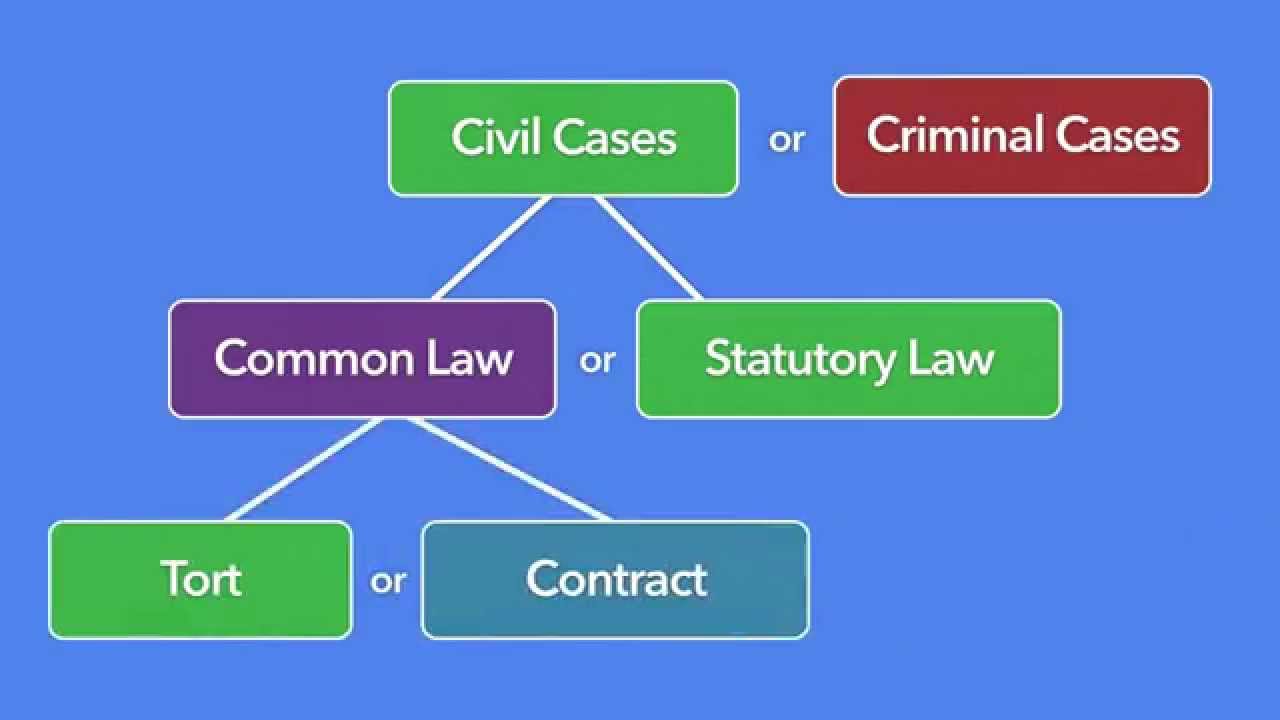
Added:Understanding the fundamental definition of a tort, including the distinction between civil civil liability and criminal liability.
The core elements of Negligence (duty, breach, causation, and damages) to contrast with liability-without-fault.
The concepts of legal causation, specifically distinguishing between actual cause (cause-in-fact) and proximate cause.
The standard of care of a 'reasonably prudent person' which serves as the baseline for fault-based torts.
In-depth analysis of Product Liability defects, specifically distinguishing between manufacturing defects, design defects, and warning defects.
Applying the risk-utility test versus the consumer-contemplation test in design defect litigation.
The Economic Loss Rule, which limits recovery under strict liability when a product damages only itself.
Policy rationales behind strict liability, such as enterprise liability, loss-spreading, and deterrence theory.
6.7K views92likes13:33Original Release: 2018-10-03
today my name's Hugh Reid and I'm the CEO and founder of rebar review and I'd like to talk to you today about strict liability now as you may know a lot of the most often tested concepts for law school examinations and on the bar exam are we've reduced to manageable memory devices mnemonics acrostics acronyms you see I'm I'm ready I'm a retired army colonel and in my younger years I was an Army Ranger and my later years I ended my career by commanding three brigades the last was an Army Aviation Brigade where we teach pilots how to fly make a long story short both Rangers and pilots loved to perform efficiently under anxiety conditions and that's exactly what we've done for law students and bar review students we've provided you with manageable bite-size memory devices for the most often tested concepts so let's talk about strict liability in torts strict liability a concept that befuddles a lot of people but let me go ahead and make it manageable for you you see there's only three major areas that strict liability applies to Paul P aw products liability abnormally dangerous activities and finally wild animals or domesticated animals with a propensity to do harm so nothing else do we apply the strict liability doctrine to so let's talk about products liability first well there are several theories that we can apply products liability to but let's talk about Restatement 402a the elements of which are don't come crying to me because of the chromium product those are the elements of products liability under Restatement 402 a so what does that stand for well the d 'dont stands for a defect some defect a condition unreasonably dangerous to a user or a consumer there's a defect in the product come stands for control control when it left the control of the seller alright even if the seller did not cause it when it left the control of the seller the second C changes changes no significant alterations to the product changes to me because B business the seller has to be in the business of selling this type of product krummy stands for causation so the damages have to result from the defect and product stands for protein no privity is required any one foreseeably endangered by the product can sue if he or she is injured or encourage damages because of this all right so Restatement 402 a I'll I'll summarize don't come crying to me because of crummy product don't defect come control when it left the control of the seller crying the C stands for changes no material alterations of the product business the seller has to be in the business this kind of business of selling this kind of product C causation and finally P privity no privity is required so if you and I are sitting around watching your TV that you just bought from Best Buy and it blows up in our face I didn't buy the product do I have to know I can sue Best Buy I can sue the manufacturer of the defect a stands for abnormally activities abnormally dangerous activities what are they well ultra hazardous activities is another way of saying it fumigation fumigation blasting operations bungee jumping bungee jumping anything that's out of the ordinary is is deemed to be an ultra hazardous activity so abnormally dangerous activities you can sue under strict liability so long as that activity is out of the norm right it's not utilities it's not electrical companies for example that's not that's within the norm something that's out of the norm blasting operations fumigation bungee jumping manufacturing of explosives those those activities are out of the norm and regardless how careful the manufacturer is or the person is who's conducting these activities we can sue under abnormally dangerous activities the a and Paul alright what is the W stand for well the W stands for wild animals or domesticated animals with a propensity to do harm alright so wild animals you know you've got a pet monkey the monkey is part of the family he receives presents he gives presents at birthday parties unfortunately for you the monkey scratches the neighbor's kid well the parents of the neighbor's kid on behalf of the kid can sue you for strict liability for wild animals because a monkey is not a domesticated animal or let's say you've got horses domesticated horses that are enclosed in a barn and they tell you in the fact pattern that the rancher or whoever keeps the horses is very careful he checks the barn he checks the gates every day the horses get spooked because there there's a lightning storm and they trample the neighbors valuable crops this was an actual bar exam a couple of years ago what is the neighbors best cause of action and the answer is strict liability strict liability because these domesticated animals have a propensity to do harm right all right so Paul products liability abnormally dangerous activities wild animals now what are the four elements of ultra hazardous or abnormally dangerous activities I remember with the acronym Serb ser be serve s safety no way regardless of care safety no way regardless of care e engagement not a common engagement the are risk a high risk to property or people and finally the be a balance of danger versus the community utility balance of danger versus the community utility and then for products liability or you can sue on five theories I remember the theories with medically fit are ends what does that stand for well the M stands for merchantability warranty of merchantability the F stands for fitness for particular purpose fitness or particular purpose the R stands for representations representations or misrepresentations or breach of an express warranty in contract the n stands for negligence negligence and finally the s in rn's stands for strict liability so you see when it comes to products liability under Restatement 402 a there are several theories that you can sue under you don't have to jump directly strict liability you can sue from medically fit or ends that is merchantability fitness representations misrepresentations negligence or strict liability all right having said the three major areas for strict liability what are some defenses to strict liability and I remember them with aim a I M a stands for assumption of risk knowingly doing something even though you know it's defective or you expose yourself to a recognize danger big sign do not cross the sign or do not cross this barrier there's blasting operations and abnormally dangerous activities and you say ah what the hell I'm gonna do it anyway well then assumption of risk would be one of the defenses that the defendant would would raise if you sue them in strict liability the I stands for instructions failure to follow instructions you know you buy a new toaster you like your toast a little bit soggy and you go ahead and wet down the bread and you hold it into the toaster electrocute yourself well you know toasters run on electricity and if you if you tend to like your toast a little bit soggy don't hold on to the toast because you've there's a failure to follow instructions failure to follow instructions that would be a defense by the toaster company and finally em in aim misuse of the product misuse of the product this is a major area they like to test on is it a misuse of a chair to stand on the chair changing the light bulb no it's not all right because that's reasonably foreseeable so if the chair the leg breaks of the chair and you fall down well that is not a defense to strict liability however let's say you know again the toaster you you like your bread a little bit soggy and you pour water into the toaster that is misuse of the product not reasonably foreseeable all right that's really all there is to strict liability nothing to worry about so simply work some questions and make sure you can apply it and if you absolutely want to get some more information on this go ahead and register an account on our website you have any questions feel free to give me a call my name's hugh reed and our number is
Up Next

29:38
Strict Liability Exceptions in Law of Torts | Case Laws Explained
@RatikaGupta
4.2K views•2021-07-07

4:27
US Secondary Sanctions Impact on EU Businesses and Blocking Legislation
@Bureauvandijk
1.6K views•2019-03-20
37:52
Hearsay Evidence Explained: Law School & Bar Exam Guide
@PassYourBar
625 views•2018-10-24

24:42
Police Interrogation Tactics: False Confessions & Legal Reform
@LastWeekTonight
7M views•2022-04-18
Related Study Plans & Knowledge Roadmaps
Structured learning paths in Law
law
Self-Defense Law: Imminence & Castle Doctrine
01Foundations of Self-Defense Law
02Imminent Threat & Reasonable Belief
03The Principle of Proportionality
+ 3 more learning modules
12h6 modules
Explore Roadmap
law
Defamation Law: First Amendment & Actual Malice
01Introduction to civil torts and the First Amendment
02Elements of Defamation: Libel and Slander
03Public Figures vs. Private Individuals
+ 2 more learning modules
8h5 modules
Explore Roadmap
law
Hearsay Rule: Trial Evidence & Exceptions
01Introduction to Trial Evidence & Courtroom Basics
02Demystifying Hearsay: The Core Definition
03Non-Hearsay: Exclusions Under FRE 801(d)
+ 3 more learning modules
14h6 modules
Explore Roadmap
law
Medical Malpractice: Law, Liability & Care
01Foundations of Tort Law and Civil Liability
02The Four Elements of Medical Malpractice
03Defining and Proving the Standard of Care
+ 2 more learning modules
12h5 modules
Explore Roadmap