



















In negligence law, causation requires proving both actual cause (using the 'but-for' test: would the harm have occurred but for the defendant's breach?) and proximate cause (whether the breach was a legal cause of the harm, broken only by unforeseeable superseding causes like acts of God, crimes, or intentional torts); when multiple defendants cause indivisible injuries, the burden shifts to defendants to prove they weren't the actual cause, and the 'eggshell plaintiff rule' holds defendants liable for aggravating preexisting conditions.
Negligence Causation: Actual & Proximate Cause Explained (Torts)
Added:The basic framework of a prima facie case for negligence (Duty, Breach, Causation, Damages).
The concept of Duty of Care, including the 'reasonable person' standard and to whom a duty is owed.
The definition of Breach of Duty, representing how a defendant's conduct fell below the standard of care.
An understanding of civil liability and the fundamental distinction between tort law and criminal law.
Advanced causation doctrines, such as the 'substantial factor' test and 'alternative liability' in multi-defendant scenarios.
The doctrine of intervening and superseding causes, which can break the chain of proximate causation.
The 'Eggshell Skull' rule and its interaction with the foreseeability of damages.
Defenses to negligence, including comparative negligence, contributory negligence, and assumption of risk.
Applying the IRAC (Issue, Rule, Application, Conclusion) method to complex tort essay prompts on law school and bar exams.
72.1K views1.1Klikes23:59Original Release: 2018-09-18
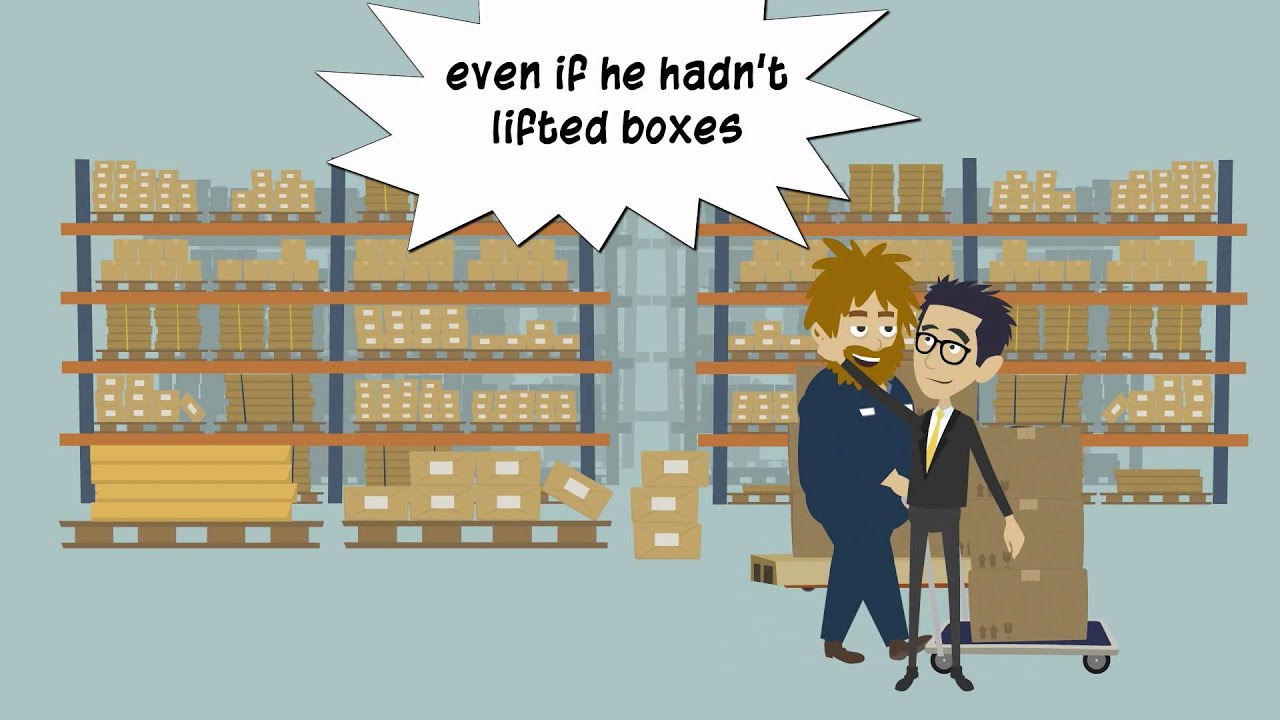
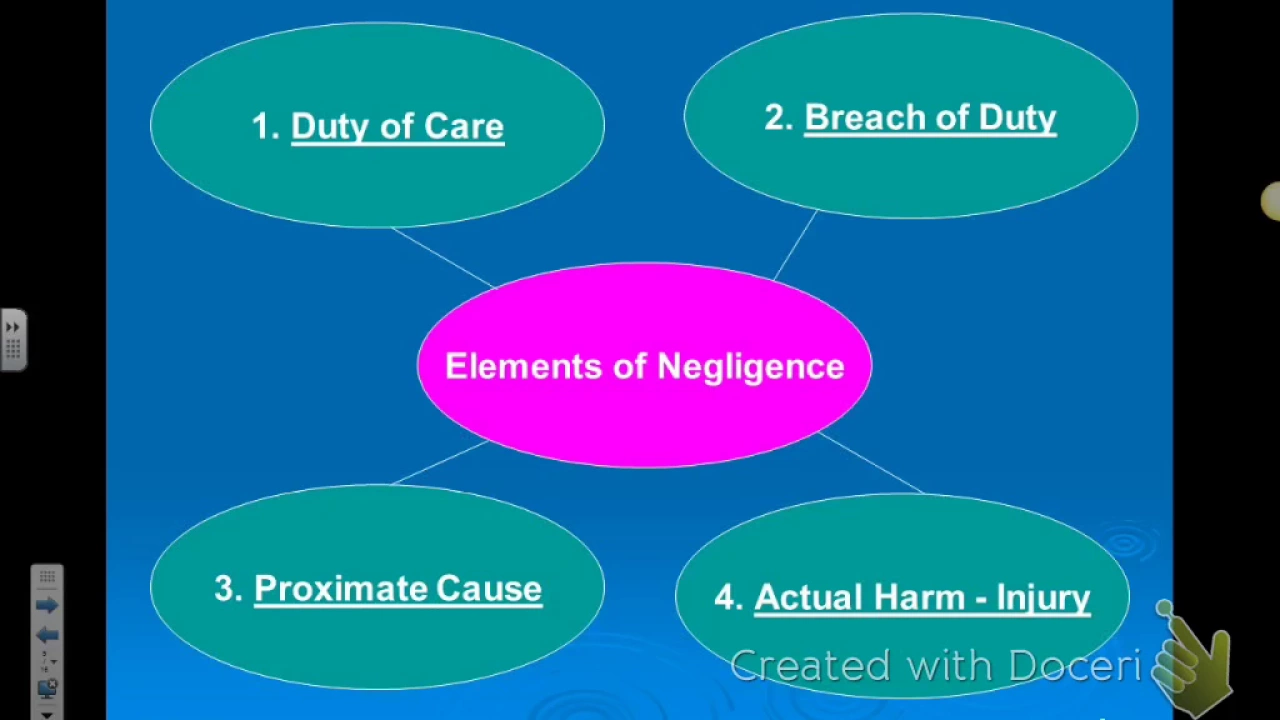
how do you analyze causation in your negligence analysis on a tort essay question we remember we said your negligence analysis was going to be centered on four elements Duty breach causation and damages and thus far we've been primarily focusing on the first two elements which are duty and breach whether the defendant owed the plaintiff a duty to conform his conduct to a specific standard of care and whether the defendant breached that duty of care now when you get past these first two elements duty and breach your third element causation is going to ask whether the breach of the duty of care owed was the actual and proximate cause of the plaintiffs harm so your causation analysis similar to your duty analysis is going to have two parts number one you're going to have to determine whether the defendants breach of the duty of care owed with the actual cause of the plaintiffs harms sometimes we call this the but-for causation and secondly you're going to have to determine whether the defendants breach of the duty of care owed was the proximate cause of the plaintiffs harm and if you have both of these things actual cause and proximate cause then your element of causation is going to be satisfied and if you can show damages then the plaintiff is going to be able to hold the defendant liable for negligence if all four elements are met you have Duty breach causation and damages prove all those by preponderance of the evidence then the defendant can finally be held liable for negligence but causation again is going to have two parts let's start with the first part which is actual cause how do you show actual cause actual cause is going to be one question you need to ask yourself would the plaintiffs injury have occurred but for the defendants reach of the standard of care of okay so if you can say that this injury would have never occurred but for the defendants breach then you're going to satisfy actual cause so let's look at an easy example here keep it really straightforward let's say that I'm driving my car down the road and as I'm driving I decide to pull out my iphone take my eyes off the road and look down at my phone and start texting one of my buddies right let's say that it's a really long text so I'm looking down at my phone for 10 to 15 seconds really long text and as I'm doing this I keep my foot down on the accelerator and I never look up from my phone and while I'm looking down I rear-ended a car in front of me and the driver of this car as a result of the collision suffers a broken leg okay so they want to sue me to recover damages resulting from that broken leg so they sue me for negligence duty and breach we've discussed at nauseam ad nauseam at this point so let's not worry about doing a duty and breach analysis let's I'll tell everyone there's cleared duty owed and I've clearly breached that duty by looking down in my phone while driving so the question is is my breach of the duty me looking down at my phone while driving texting and driving is that breach the actual cause of the plaintiffs broken leg that is going to be the question so what do you ask would the plaintiff have a broken leg right now but for me looking down and texting in my phone if you find that had I've never been texting and driving would this plaintiff have a broken leg right now and the answer here under the facts that I gave you is probably this plaintiff would not have a broken leg right now if I had never been texting and driving which means we have actual cause I am the actual cause of the plaintiffs broken leg my brief but for my breach this injury would have never happened right that's all you have to do for a but-for test now one way that this could be tricky is if I added alternative factors that contribute to the harm so our alternative factors that could have contributed to the harm so let's say that also while I was driving and I'm texting in my phone let's say that the Sun is out let's say it's right at sunset and I'm driving directly into the sunset let's say that this car has a very in front of me has a very reflective you know pink coat on it so it's blinding right even though I'm not really even looking up from my phone it is blinding the Sun is in such a way that it's very hard to see anything in front of me and let's say - at the same time that the roads are wet say that it's been raining all day long the rain has just stopped and the Sun has come up and it has also been raining so the roads are wet so now we have these other factors involved right we got a wet road bright Sun you know and I'm texting and driving that's going to make this but for question a little bit more challenging right because now if I'm the defendant I can say sure you you know but for me texting in my phone we don't know anything but for had I never been texting in my phone I still could have been sliding on this wet road I still could have not seen you even if I was looking up I still may have never seen you because the Sun was so bright is impossible to see anything so it's not a but-for cause that me texting in my phone resulted in your broken leg there was all kinds of factors that were contributing to this so I can't show but-for cause in that scenario the plaintiff might have a harder time showing that but for my breach which was looking down and texting and driving would this injury have happened he would have never had this injury but for me thing in my phone is going to be a little bit more challenging to show when we have all these other factors and conditions right so in that case what the court and a majority of jurisdictions is going to do because obviously this could lead to some pretty harsh results most courts have adopted what's usually referred to as a substantial factor test and this is worded a little bit different each jurisdiction but the main idea is if you're but for test fails the court is going to be willing to apply a substantial factor test which asks was the defendants breach of the duty of care owed a substantial factor in bringing about the harm which is a lower threshold than but-for causation so here you could maybe say that the wet road played a part and the Sun glaring played a part but me texting on my phone was definitely a substantial factor in bringing about the broken leg right so it's still gonna pass the actual cause test under a substantial factor test even if we have different contributing factors that could have contributed to the harm okay also under actual cause another situation that can come up that might make but-for causation a little bit tricky as a situation where you have multiple tortfeasors or multiple defendants contributing to one indivisible injury so the famous case here is everybody I'm sure is aware and remembers the hunters hunting in the woods right I believe they're quail hunting one of the hunters sees some quail flyby so they all take out their shotguns and shoot at this quail and of course the plaintiff is injured by some of these shells they're bullets whatever you know these shotguns are shooting the plaintiff is injured but the plaintiff can't point to any specific defendant all that we know is that each defendant that there was multiple gunshots right so you can't say but for any one action right because you don't know which defendant actually caused the harm so the defendants are sitting there saying hey look you don't know any but for causation because we're not even sure which gun which bullet caused your harm so you can't show but-for causation and the result in that scenario if you have multiple tortfeasors contributing to one indivisible injury like one gunshot or something like that then you're going to be able the plaintiff is going to be able to hold all of the defendants jointly and severally liable and the burden is going to shift to the defendants to actually show that they were not the actual cause of the plaintiffs harm so in that case the burden would shift so the plaintiff would sue all the defendants jointly and severally and have been shifted the defendants to show how they were not the actual cause and if a defendant can show that he is not the actual cause of the harm himself then he can be taken out of the lawsuit but until that happens the defendants are going to be how jointly and severally liable so those are the main two issues that can come up with actual cause showing but-for causation the idea that there can be multiple causes contributing to the harm in that case it's okay to apply a substantial factor test or if you have multiple tortfeasors contributing to one indivisible injury there you're just going to be able to hold them jointly and severally liable and the burden of proof is going to shift onto the defendants to show that they were actually not the but-for cause I mean if the defendants can do that then they can get out of being liable okay so that's the main ideas with actual cause so I'll illustrate one more example that I'm kind of lead into the idea of proximate cause so let's stick with this example right the idea that we have me texting and driving in my phone rear-end somebody and now they have a broken leg well let's say let's continue with this hypo that that plaintiff now has a broken leg so what do we do we call an ambulance to the scene let's say an ambulance comes picks this plaintiff up and on the way to the hospital this ambulance is involved in another accident the ambulance gets rear-ended by another car and this second collision causes the plaintiff to break their arm so now they have a broken leg and a broken arm am i liable the original defendant me am I liable for that broken arm clearly we said I was the actual cause of the broken leg am I the actual cause of the broken arm that resulted from that second collision and the answer is going to be well asked the same question right but for me rear-ending this this plaintiff but for my breach of the duty of care owed but for me texting and driving would this plaintiff now have a broken arm well if I had never been texting and driving they would have never had a broken leg they would have never been picked up by this ambulance and they would have never been rear-ended while driving in this ambulance oh no they would not have a broken arm but for my breach of the duty of care owed so I am the actual cause of that broken leg and the broken arm and we can continue this hypo right we could keep going down this chain of liability and I'm going to be the but-for cause of every event that happens on the chain so let's say that the ambulance gets to the hospital this guy's now got a broken arm and a broken leg so the doctor needs to do surgery so he's operating on the broken leg and he's negligent he does something horribly wrong during surgery somehow this results in a horrible bone infection so what do they have to do they have to amputate the leg what should have been a simple a broken leg you know maybe a couple pins or screws in there has now turned into a ambulate amputated leg am i the but-for cause am i the actual cause of that amputated leg yes right because but for had I never been texting and driving would this person have an amputated leg the answer is no they would not have an amputated leg but for my breach of the duty of care of if I had never been texting and driving they would not have an amputated leg right now so you can see no matter what happens after the original injury I am going to be the actual cause this could be the unluckiest plaintiff in the world the ambulance gets rear-ended the doctors committing malpractice all of this stuff resulting in more and more and more injuries and I'm gonna end up being the actual cause of almost all of those injuries that you could ever pain out in that back pattern because but for my original breach that got this plaintiff you know that broken leg which resulted in the ambulance trip which resulted in meeting surgery from the doctor but for all before my breach of the duty of care owed none of those injuries would have occurred so I am the actual cause of all of those injuries all of those harms so this an element you can see actual cause is pretty interesting you can be pretty devastating for defendants because a lot that would be almost seemingly out of your control under a but-for test you're still going to be on the hook for a lot of stuff now what's interesting though and where this can be somewhat mitigated is under the second part of your causation analysis which is proximate cause so if you're thinking about this chain of liability right and let's say that this chain of liability starts with the facts of the case so this is you know the first sentence of your tore essay question of your hypothetical is the beginning of this chain right and we have the final injury sustained so in between all of this stuff right we can have all kinds of events and causes and different interactions happening in this chain of liabilities of right here we have the first injury which would be the broken leg so in this chain of liability this chain of causation we can have a broken leg and then remember we have a broken arm when the ambulance is rear-ended and then the doctor has medical malpractice so then we have an amputated leg so let's just say hand painted leg so we have all these things happening on the chain of causation and the question is going to be under proximate cause all you have to do in the second part of your analysis is ask whether there were any events or causes that happened in this chain that were unforeseen and if any event or cause was unforeseeable that's gonna break the chain of liability and everything from that point forward wherever it is anything from that event that was unforeseeable that unforeseeable cause forward the defendant is now no longer liable the proximate cause is not going to be there from any event after that unforeseen event has occurred we called this a superseding cause in the chain of liability so if there's any unforeseen vil caused that occurs we call it superseding and it's gonna break the chain of liability and from that point forward the defendant is in the clear okay but you have to have something unforeseeable happen to break the chain and what's interesting in the fact pattern that I just drew up here let me think back through this first I did so we started with a broken lag from texting and driving rear-end okay nothing unforeseeable at this point and then that person is picked up by an ambulance nothing unforce evil there someone sustains a broken leg ambulance is going to come but then that ambulance is rear-ended by another car is that unforeseeable well the law typically says that further acts of negligence are foreseeable more negligent acts do not break the chain of liability so another car accident caused by negligence is foreseeable so this broken R is still the defendant is still the proximate cause of this broken arm because there was nothing that happened in the chain that was unforeseeable that would break off the liability okay so we're still good so the defendant is the proximate cause of the broken leg the defendant is the cause the proximate cause of the broken arm what about the amputated leg well remember we just said that acts of negligence are considered foreseeable in the eyes of the law especially for purposes of proximate cause so medical malpractice is another form of negligence so believe it or not the defendant is also a proximate cause of this amputated leg so hope in this analysis the defendant is the actual and proximate cause of all of these injuries he's the but-for cause of the broken leg the broken arm and the amputated leg and there was nothing in the chain of liability that was unforeseeable that would have broken off his liability all of this was foreseeable any act of negligence is going to be considered foreseeable for proximate cause purposes so this doctors medical malpractice that's foreseeable in the eyes of a proximate cause analysis so again the defendant is going to be the actual and proximate cause for all of these injuries so what are unforeseen believe ents that can occur that work that would be unforeseen or what are causes that would occur that would actually be unforeseeable these are sometimes called acts of God things that are caused by nature or criminal or and in channel acts so krema crimes or intentional torts so if we had something happen here where let's say that I don't know as the ambulance is driving away a meteorite falls from the sky and hits the ambulance right that's gonna be an unforeseeable event so let's say after the plaintiff broke their leg and the ambulance comes and picks them up that ambulance gets hit by a meteorite falling from the sky which causes this broken arm of course at that point when that happens the chain of liability from this point forward is going to be broken so from that moment on the defendant is no longer the proximate cause of those future harms right the chain gets broken when an unforeseen event happens that's called a superseding cause so a meteorite falling from the sky is going to be a clear unforeseeable cause that's superseding from that point forward the defendant is no longer going to be the proximate cause of those future harms okay so obviously - if there was any kind of crime or intentional act you know say some sort of car thief or car hijacker comes and tries to pick off the ambulance you know holds it up in an armed robbery that's going to be considered unforce evil or any type of intentional tort right would also be unenforceable so that's going to be the main idea with proximate cause just remember that proximate cause is all about this chain of liability if any unforeseeable events happen that's going to be a superseding cause that breaks off the chain of liability one more note to make on proximate cause and actual cause is what is called the thin the eggshell plaintiff rule right sometimes it's called the thin skull rule eggshell plaintiff rule and basically what this says is you take the plaintiff as you find him so if the plaintiff is already suffering from some sort of medical condition let's say that the plaintiff has I don't know brittle bone disease right you hear this one all the time the disease where your bones are very weak and are very susceptible to being broken in different injuries if the plaintiff has a condition like this let's say brittle bone disease then let's say in this first accident right with the broken leg happens if somebody has brittle bone disease if I rear-end somebody and it shatters everything right they have a broken back they're both their legs are broken both their arms are broken their bones are very brittle they break easily am I liable for all of those injuries the answer is going to be yes in that case you take the plaintiff as you find them this is caught the eggshell plaintiff rule pretty straightforward whatever medical condition they have if you exasperate that medical condition you're liable for those damages you know even if that would seem unforeseeable under a proximate cause analysis it's not going to be considered unforeseeable eggshell plaintiff rule you can kind of think of it as almost an exception to this proximate cause chain because you're going to find the defendant is going to be liable for the plaintiffs harm even if that harm is an exasperation of a pre-existing medical condition okay so that's really I think all of the issues that can be covered with actual and proximate cause just remember that the plaintiff is going to have to establish both actual and proximate cause to satisfy this causation element and that's gonna be all that you need to do for your causation analysis so at this point we've covered duty breach and causation all that's left to discuss is damages and if remember if the plaintiff can establish all four of these elements by preponderance of the evidence then he's going to be able to hold the defendant liable for negligence so our next video we'll finish to our discussion of negligence up talking about damages but until then guys I wish you all the absolute best and I'll see you at our next video
Up Next
9:11
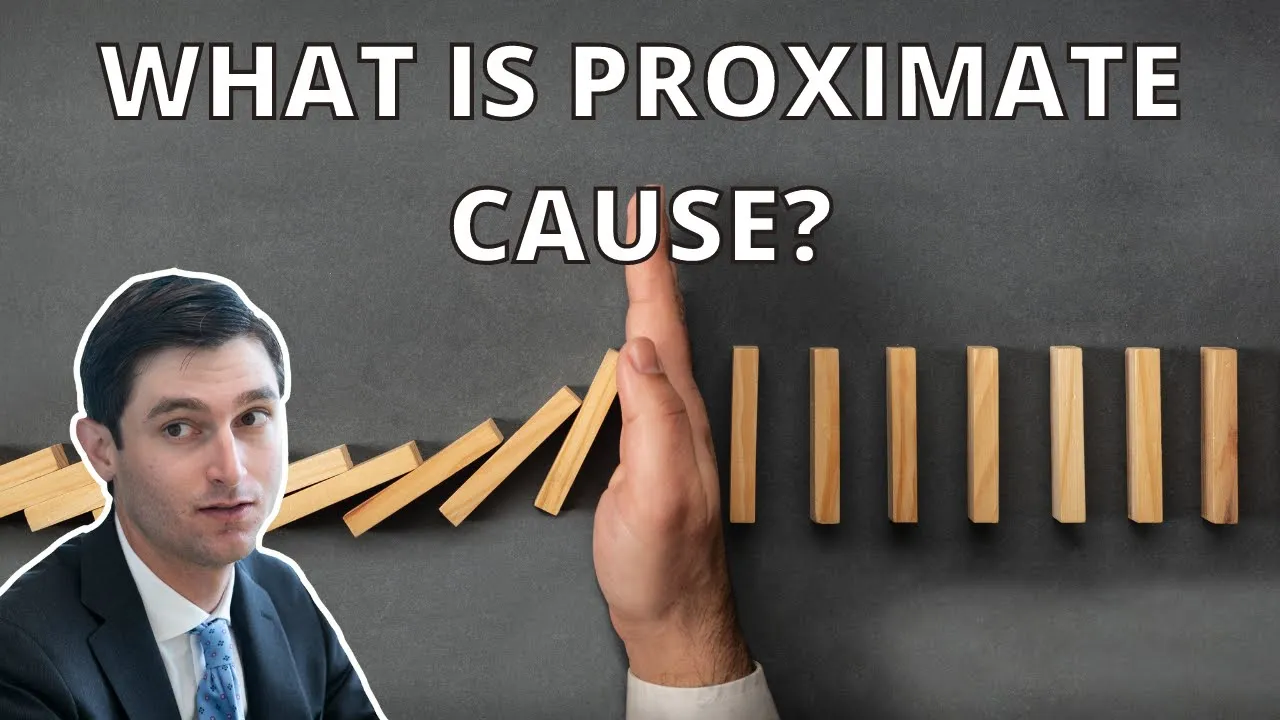
Proximate Cause Explained: Legal Definition & Real Case Example
@AttorneyTom
19.5K views•2021-04-14

4:27
US Secondary Sanctions Impact on EU Businesses and Blocking Legislation
@Bureauvandijk
1.6K views•2019-03-20
21:14
Hearsay Exceptions: FRE 801(d) Statements Not Hearsay
@studicata
63.6K views•2018-10-25

24:42
Police Interrogation Tactics: False Confessions & Legal Reform
@LastWeekTonight
7M views•2022-04-18
Related Study Plans & Knowledge Roadmaps
Structured learning paths in Law
law
Self-Defense Law: Imminence & Castle Doctrine
01Foundations of Self-Defense Law
02Imminent Threat & Reasonable Belief
03The Principle of Proportionality
+ 3 more learning modules
12h6 modules
Explore Roadmap
law
Defamation Law: First Amendment & Actual Malice
01Introduction to civil torts and the First Amendment
02Elements of Defamation: Libel and Slander
03Public Figures vs. Private Individuals
+ 2 more learning modules
8h5 modules
Explore Roadmap
law
Hearsay Rule: Trial Evidence & Exceptions
01Introduction to Trial Evidence & Courtroom Basics
02Demystifying Hearsay: The Core Definition
03Non-Hearsay: Exclusions Under FRE 801(d)
+ 3 more learning modules
14h6 modules
Explore Roadmap
law
Medical Malpractice: Law, Liability & Care
01Foundations of Tort Law and Civil Liability
02The Four Elements of Medical Malpractice
03Defining and Proving the Standard of Care
+ 2 more learning modules
12h5 modules
Explore Roadmap