












![कठोर दायित्व का सिद्धांत ।। Strict Liability [Part - 1] || Law of Torts || #youtube](https://i.ytimg.com/vi/vb5U5iY0qpo/sddefault.jpg)
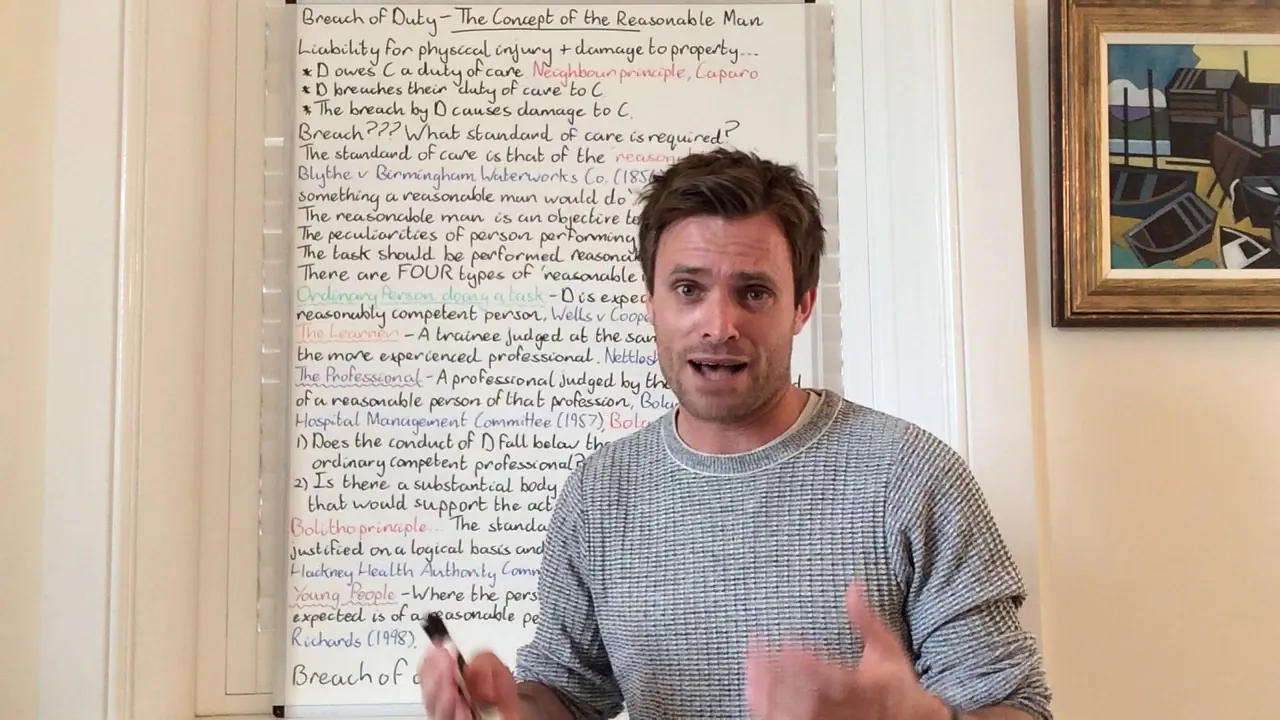
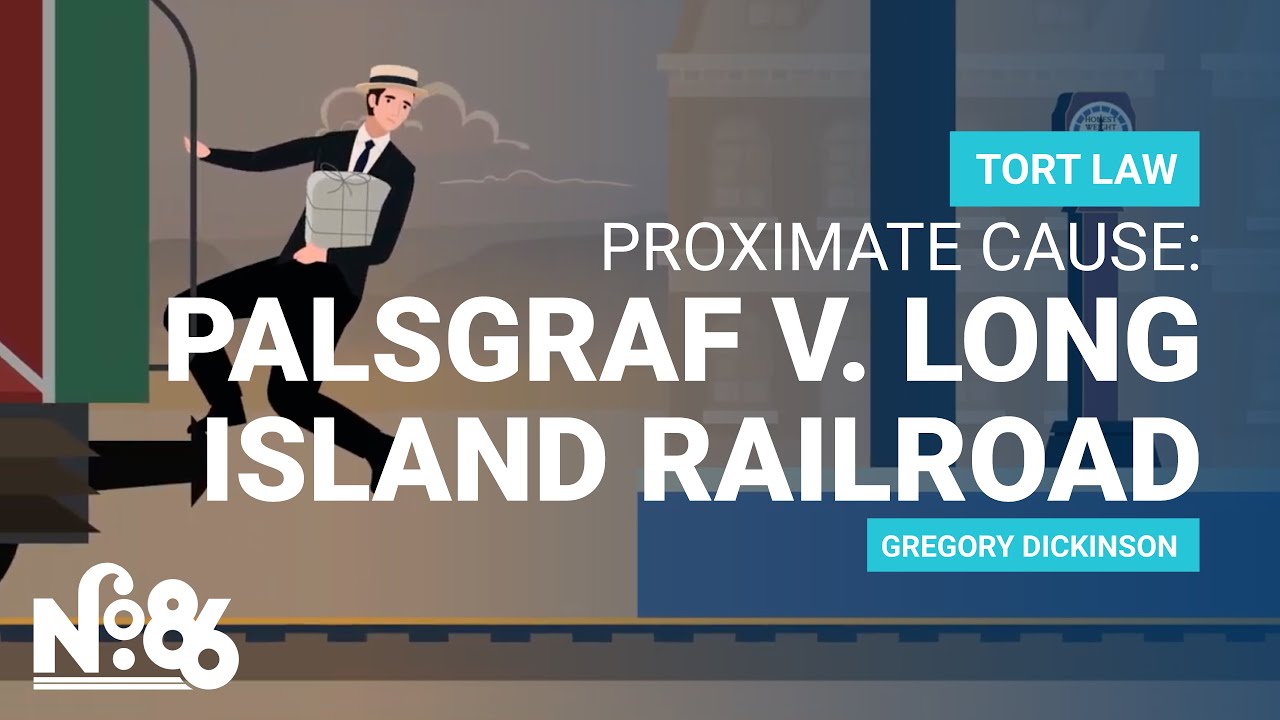
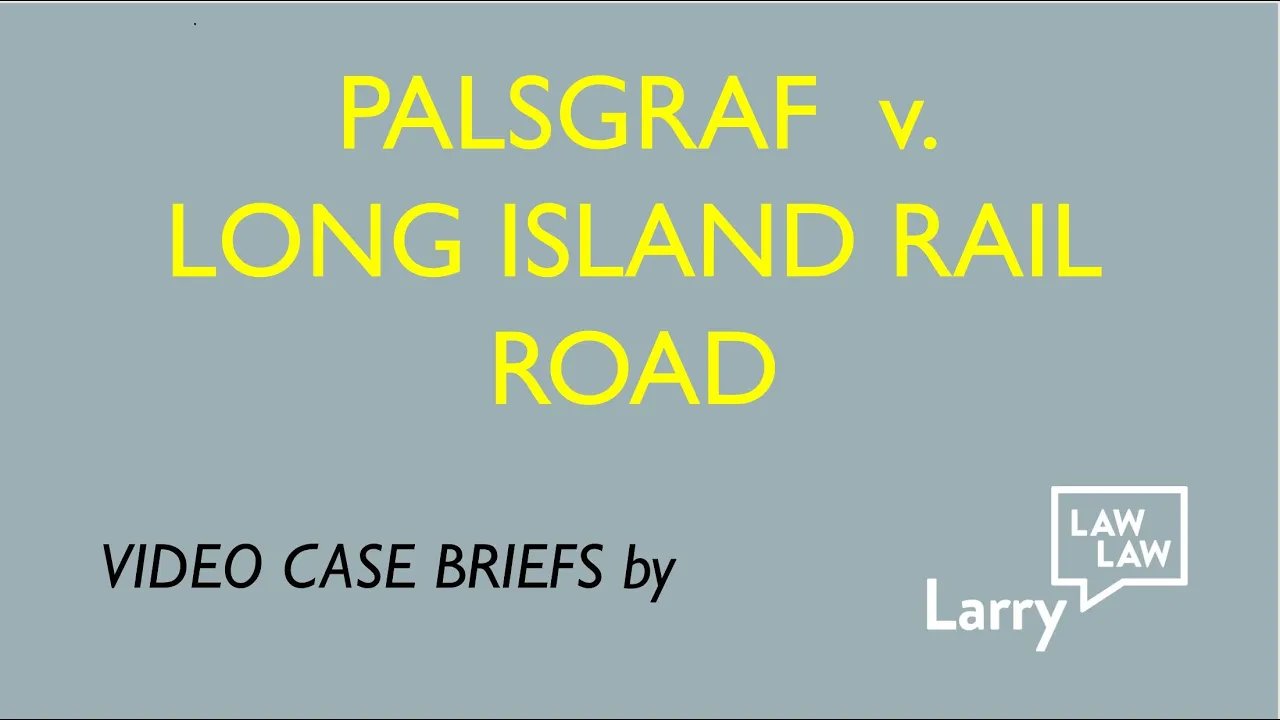





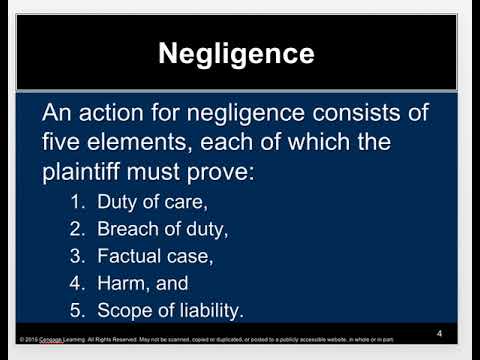



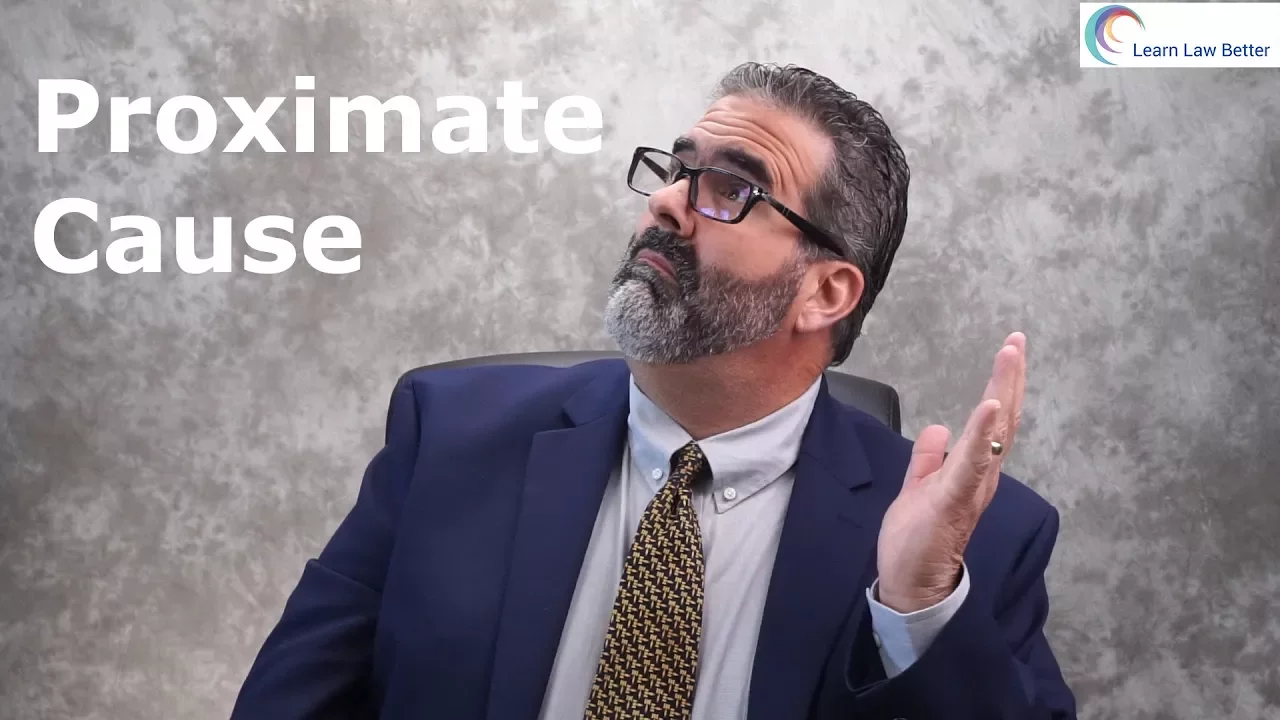



Proximate cause is a legal concept that determines whether a defendant's conduct is sufficiently connected to an injury to hold them liable, requiring that the harm was foreseeable rather than merely a hypothetical chain of events; unlike but-for causation which technically links any event to an outcome, proximate cause limits liability to factors that directly contributed to the incident and were reasonably foreseeable, as illustrated by the example of a truck collision caused by a driver running a red light due to exhaustion from a 24-hour rush order and lack of training, where all contributing factors (the rush order, fatigue, and untrained status) are considered proximate causes because they were foreseeable.
Proximate Cause Explained: Legal Definition & Real Case Example
Added:The fundamental elements of a negligence claim (Duty, Breach, Causation, and Damages).
The concept of 'But-For' causation (factual cause) and how it differs from legal cause.
The distinction between civil tort law and criminal law regarding liability and standards of proof.
The 'reasonable person standard' used to determine if a party has breached their duty of care.
Analysis of landmark legal cases on proximate cause, specifically Palsgraf v. Long Island Railroad Co.
The doctrines of intervening and superseding causes, which can break the chain of liability.
The concept of foreseeability and how courts define the zone of danger for potential plaintiffs.
How proximate cause applies to complex tort scenarios, such as product liability and professional malpractice claims.
19.5K views1.3Klikes9:11Original Release: 2021-04-14
what's going on y'all attorney tom here what is proximate cause as many of you know i'm a catastrophic personal injury lawyer what does a catastrophic personal injury lawyer do well i deal with cases that are catastrophic think refinery explosions building collapses vessel collisions things like that but also more importantly i'm now a youtuber i never thought this would actually be a thing but in my new internet persona my new not persona in my new internet status people have asked me questions i've seen comments i've been tagged in videos and i think there's a fundamental misunderstanding of what causation is specifically what proximate causes so quick video today hope it'll be fun hope maybe we can learn a thing or two and i'll give you a great example that was actually used in court that may or may not have gotten somebody in trouble but it's a great example okay so in order to prevail on a negligence theory you're gonna need four things duty breach of that duty causation and damages i was doing like a weird that's like the inglorious bastards has anybody seen that it's like oh you counted the three the wrong way okay moving on okay so this video isn't about duty or breach or damages it's about causation there's two types of causation you need both but for causation and proximate cause but for causation is more of a direct link but really if you think about it anything can be a but for causation chain but for my mother going to law school she would have never met my dad but for my mom never meeting my dad i never would have been born but for me being born i would have never made a youtube channel but for me making a youtube channel you would have never subscribed to my channel wow look at that boom hit you with the subscription deal um so yeah so you could really make a butt for argument for anything but for my mom going to law school meeting my dad who was also in law school is not really the reason why you subscribe to my channel you subscribe to my channel because my channel provides content worthy of your time and i'm always striving to provide value to you and that's why you're going to subscribe so if there was just but for causation you could literally sue for anything because i could make a butt for argument for anything so let's talk about proximate cause proximate proximity you need a close proximity to the issue to the negligence alleged in order to prevail on a negligence claim so how do you prove proximate cause well that's a great question and there's actually a lot of different prevailing theories on how you prove proximate cause but i like to think of the saying when there's smoke there's fire right so generally you just have to use your best common sense and i have a great example to show you this i'm going to prepare for this example by putting a whole lot of paper towels on the floor fun stuff leave some reserves this was an example shown to me by another lawyer said lawyer this is not myself but he works with me all the time he's very very good lawyer a fantastic lawyer a pus lawyer literally has tried some of the biggest cases ever and um he did this in the courtroom and it worked got a great verdict the judge got kind of mad at him because he got the courtroom wet here's the example ladies and gentlemen of the jury look at this cup of water [Music] [Music] now obviously i drink from it but what made this cup of water overflow was it the first pour was it the second pour was it the third pour or was it the water that was already in the glass okay let's put this in the example of a real life case let's use a trucking case an 18-wheeler case okay ladies and gentlemen of the jury the reason why this collision happened is because the 18-wheeler driver the defendant ran a red light but it's so much more than just that why did he run a red light he ran a red light because he was tired he was basically falling asleep at the wheel why was he tired he was tired because his trucking company the company gave him a rush order they told him he had 24 hours to deliver something from houston texas to california had he drove and drove non-stop from houston to los angeles he would get there in 23 hours meaning for that 24 hour period he had to be driving for 23 hours he was tired more so than just that when he was hired by the trucking company he did not receive any training he did not have a commercial driver's license he had never learned how to drive a car with air brakes or whatever you get the point so there's so much more than just running the red light that caused this incident there was water already in the cup waiting for it to be poured over which caused the spill i'm getting i'm getting getting getting pumped up mistrial not missed trial i miss trial and it's important to note that the most important factor in establishing proximate cause is foreseeability every single one of those water pours were something that was foreseeable it's foreseeable that a truck driver who is not trained to get into a collision it is foreseeable that a truck driver who was tired because he or she was put on a rush drop get into a collision because they weren't paying attention it is foreseeable that someone or a truck driver who runs a red light get into a collision but think of the cup as the collision the actual incident that happens and as you pour water into it it's essentially a loading bar and when that loading bar gets to 100 boom the collision happens and in the example i just gave that's pretty clear cut and dry the trucking company ran a red light caused a severe injury there was a whole bunch of things that led up to it but this example is actually really really useful for instances where there may be some contributory negligence same sort of facts but now the plaintiff was on a cell phone okay ladies and gentlemen of the jury i represent to you that the trucking company the trucking defendants is responsible for more than 51 percent of the water in this glass what they're going to try to tell you is that our client the plaintiff is responsible for the poor that caused the glass to tip over but there's so much more than than just that they're trying to tell you that the very last pour in the glass contributed to the overflow of the cup but that's just not the case because had the cup been empty this would have never overflowed as i've said before the driver was untrained the driver was on a rush job and the driver ran a red light [Music] and my floor is really really wet right so there you go approximate cost so you can kind of see the difference between but for causation and proximate cause causation but for causation would essentially be the argument that like uh suing the truck driver's parents for meeting and birthing the truck driver for causing the accident right under by four causation that's technically correct right because but for the truck driver's parents meeting the truck driver would have never been born but for the truck driver being born he would have never gotten a trucking job but for the truck driver getting a trucking job he never would have catastrophically injured my client right but approximately you have to look at the instances what caused the actual instance the collision and why did it happen it happened because he ran a red light it happened because he was untrained it happened because he was tired because he was put on a rush drop right so all three of those things directly touch they're the nucleus they're approximate causes for the collision so look out for people who make arguments basically just on but for causation right and it doesn't just have to be about law it doesn't have to be about you know what negligence it can be across multiple specters specters spectrums of you know just life and there you go i thought this was an interesting video i took a little bit longer than i wanted my floor is all wet i have to go sue some evil companies see y'all later foreign
Up Next
58:26
Clinical Negligence Masterclass: 10 Key Principles for Legal Practice
@kingschambers4859
144 views•2020-04-30

4:27
US Secondary Sanctions Impact on EU Businesses and Blocking Legislation
@Bureauvandijk
1.6K views•2019-03-20

5:27
Forensic Phonetics: Speaker Identification in Legal Cases
@nptel-nociitm9240
539 views•2025-03-19

24:42
Police Interrogation Tactics: False Confessions & Legal Reform
@LastWeekTonight
7M views•2022-04-18
Related Study Plans & Knowledge Roadmaps
Structured learning paths in Law
law
Self-Defense Law: Imminence & Castle Doctrine
01Foundations of Self-Defense Law
02Imminent Threat & Reasonable Belief
03The Principle of Proportionality
+ 3 more learning modules
12h6 modules
Explore Roadmap
law
Defamation Law: First Amendment & Actual Malice
01Introduction to civil torts and the First Amendment
02Elements of Defamation: Libel and Slander
03Public Figures vs. Private Individuals
+ 2 more learning modules
8h5 modules
Explore Roadmap
law
Hearsay Rule: Trial Evidence & Exceptions
01Introduction to Trial Evidence & Courtroom Basics
02Demystifying Hearsay: The Core Definition
03Non-Hearsay: Exclusions Under FRE 801(d)
+ 3 more learning modules
14h6 modules
Explore Roadmap
law
Medical Malpractice: Law, Liability & Care
01Foundations of Tort Law and Civil Liability
02The Four Elements of Medical Malpractice
03Defining and Proving the Standard of Care
+ 2 more learning modules
12h5 modules
Explore Roadmap