















![Overtime #164 [E3 2019 уже почти, догоняем]](https://i.ytimg.com/vi/W4gYNWskJBU/maxresdefault.jpg)
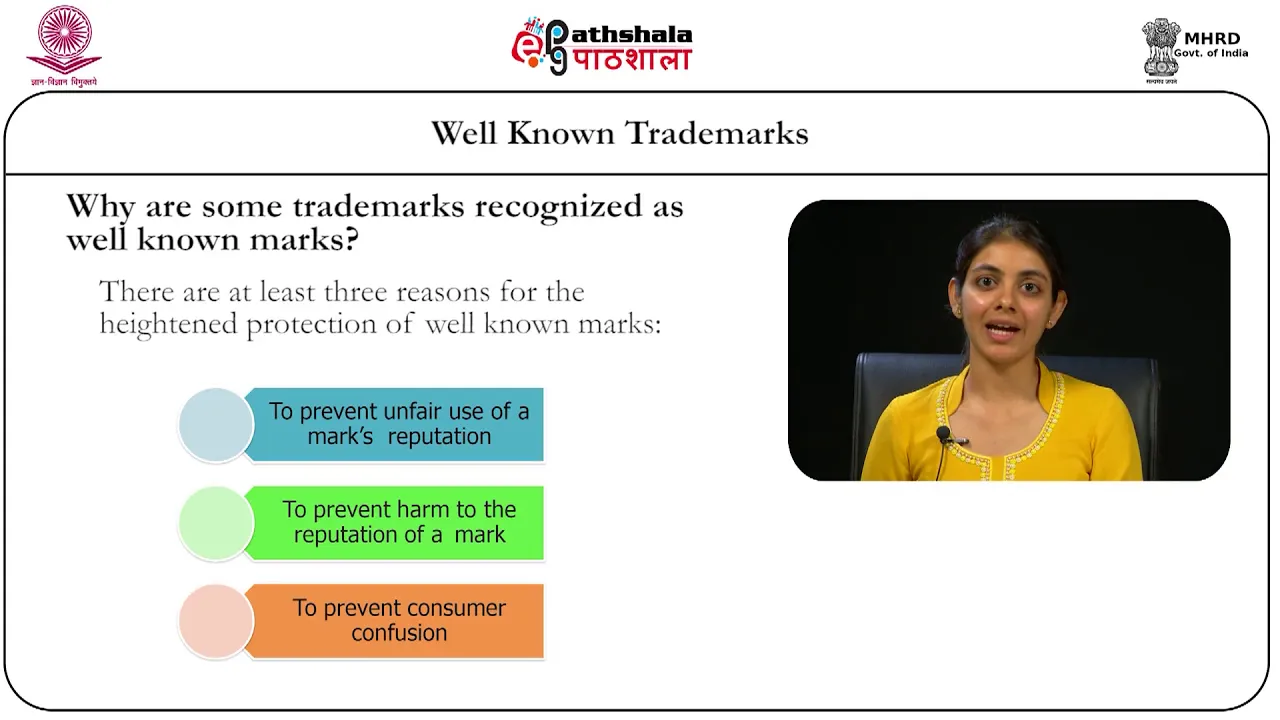
Trademark infringement occurs when a defendant's mark is likely to cause confusion among consumers about the source or sponsorship of goods or services, requiring plaintiffs to prove ownership of a valid mark, priority of rights, and likelihood of confusion; however, these cases are highly fact-based and unpredictable because judges and juries must decide based on subjective impressions of how reasonable consumers might perceive similarities between marks, making litigation difficult to predict and often resulting in settlements rather than definitive court rulings.
Trademark Infringement in Gaming: Iron Maiden v 3D Realms Legal Analysis
Added:Basic principles of Intellectual Property (IP) law, specifically distinguishing trademarks from copyrights and patents.
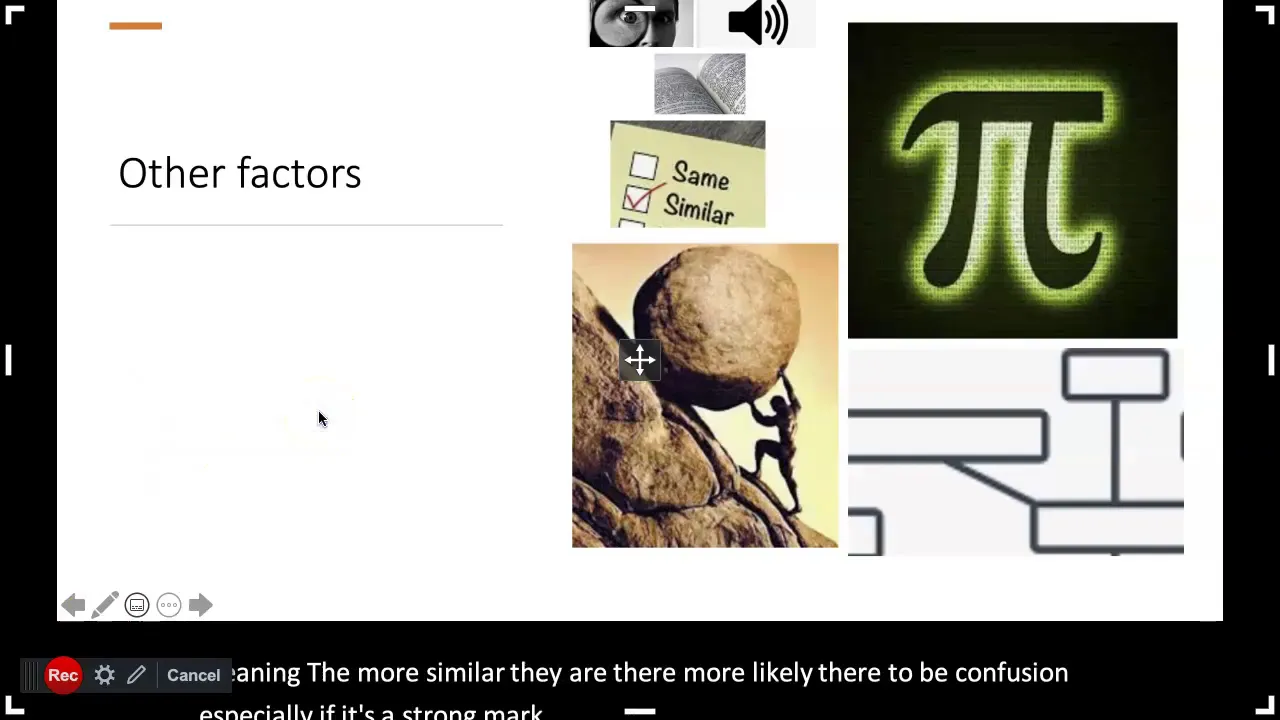
The legal standard of 'Likelihood of Confusion' and the factors courts use to evaluate it (such as similarity of marks, intent, and proximity of goods).
The concept of Trademark Dilution, including dilution by blurring and dilution by tarnishment.
The general role of the First Amendment and expressive freedom in creative media and product branding.
An in-depth study of the Rogers Test (Rogers v. Grimaldi) and how courts balance trademark rights with artistic expression in video games.
Practical trademark clearance strategies for indie game developers, including conducting search clearances and selecting legally strong game titles.
Analysis of other landmark trademark disputes in the gaming industry, such as Bethesda v. Mojang over the title 'Scrolls'.
The mechanics of settlement agreements in intellectual property disputes, focusing on how renaming remedies (like changing 'Ion Maiden' to 'Ion Fury') impact brand equity.
851 views43likes54:53Original Release: 2019-05-31
virtual legality is a YouTube video series with audio podcast versions presented as commentary and for education and entertainment purposes only it does not constitute legal advice and does not create an attorney-client relationship if you have legal questions about the topics discussed please consult your own legal counsel honestly you don't want to be taking generic legal advice from a YouTube channel or podcast in any event on with the show infringement a lawyer looks at Iron Maiden beat I on me hello and welcome to another episode of virtual legality I'm your host Richard Hogue managing partner of the Hoge law business law firm of North Phil Michigan and today we're covering another video game oriented lawsuit this time between heavy metal band Iron Maiden and 3d realms the makers of a game that they have called ion Maiden and as you might expect this lawsuit relates to potential trademark infringement iron maiden has claimed that 3d realms has infringed on their trademark with the ion maiden name and we're gonna discuss that on this episode including in an article that I gave quotes - for game daily biz which you've heard me reference in virtual legality before and is a very good website if you are interested in the kinds of topics that we discuss on virtual reality mainly the intersection between business and law and video games and in this article by Mike footer it is titled Iron Maiden files - million dollar lawsuit against 3d realms over I am maiden video game the metal band has accused the Duke Nukem developer of creating confusion through ion maidens name and logo 3d realms early access shooter ion maiden has landed the developer in hot water for being a bit too tongue-in-cheek the metal band Iron Maiden has filed a two million dollar lawsuit in the United States District Court Central District of California the group is still performing and selling merchandise and has accused 3d realms of using the band's popularity to boost attention and sales of its game now one thing I want to walk back just a second here is we're gonna look at the actual lawsuit which game daily biz does a great job of actually linking in the article to talk about what is the primary material that we're gonna discuss and in that lawsuit you'll see a number of claims that Iron Maiden makes actually I think it's iron maiden holdings the name of their IP holding company makes against 3d realms and two million dollars does pop up the two million dollars relates only specifically to one claim they actually asked for a bunch of other stuff so in its strongest possible form this lawsuit could potentially actually be for more than two million dollars but we're also going to discuss by the $2,000,000 number is basically plucked out of thin air because it's the maximum that the particular statute that they're making the claim under allows for so they hold two million dollars because it says no more than two billion dollars and then hey you pick two million dollars and you put it in your lawsuit continuing with the article iron maiden suit is in part based on its own foray into video games with 2015's legacy of the beast a turn-based RPG additionally the band asserts that Shelly Harrison who was also the main character in 3d realms as bombshell he is a play on Iron Maiden founder and songwriter Steve Harris now it's important there to note that this main character existed in a different capacity because that does go to the suggestion that this wasn't designed I on Maidan wasn't designed solely to steal the intellectual property or dilute the intellectual property or otherwise kind of carry forth on the Tailwind of the intellectual property of Iron Maiden but that's getting ahead of ourselves just a little bit the group also claims that ion maidens logo using what it calls a steel cut font and one of the icons in a game is similar enough to Iron Maiden iconography and will cause confusion look at the logos reveals that while the font might be similarly stylized they are most definitely not the same and I'm gonna comment on that in this very article in just a second but I did want to pull up the various various logos here so we can see here on the screen if you're watching this on video otherwise if you're listening to this on the podcast I apologize it's very hard to do visual examples for you but you can see here on the logo it's blue it's kind of got a stylized white line through it it's got a bomb in between ion and maiden but most specifically one of the things that really jumps out is if you look at the O's they're kind of on the diagonal they have diagonal cuts out of the corners of them and one of the things that's most prominent about the way Iron Maiden makes its name and we're gonna pull up their shop right now just to kind of show you is that they use triangles for their O's they use triangles for really the circles that are inside the various letters that form the iron maiden name and those triangles are very distinctive as a matter of fact if you look here on the shop page that I've pulled up we've got a hat a cap that says trooper and the way they've made trooper is that one o is an upward facing triangle and one o is a downward facing triangle the triangle and the red coloring and the white outlines are very clearly part of the iron maiden trademark the trade dress the way the actual word looks as they use it so when we talk about whether or not there's a substantial likelihood of confusion we're really mostly talking about the words I on maiden and iron maiden even though we're gonna see in the lawsuit that they claim that this logo the ion maiden logo which is blue doesn't use triangular O's doesn't really look all that much the same as the iron maiden logo in terms of how the font is used is infringing on their trademark because they are claiming that it is the same then we have some quotes from some really excellent attorneys here the lawyers have attempted to draft the logo and font in to the question but if you actually look at the two I don't as an outside observer see infringement on trade dress attorney Richard hug of the hog law firm told gamedaily different coloration different font take a look at the O's in particular it just doesn't rise to that level for me but reasonable Minds could conceivably differ and that's really where we're going to wind up landing on this entire video one of the things that Mike at gamedaily asked me to opine on was whether or not I thought this was a winning case and I don't think that it made it into this article necessarily and I don't want to read the whole thing because it deserves your click and I'm gonna link it in the description of this video but I said hey look trademark law is very nebulous it's very much subject to what a judge or jury is thinking in respect of very fact-based fact-based evidence patterns so you don't get something that says oh yeah that's clearly infringement or that's not clearly infringement if it's at all in the gray area and so I generally don't opine as to whether or not one of these things is going to work out in a particular way and looking at this I do think it's a close enough question that it probably doesn't get kicked out of court immediately and once you have that issue then you've got potential cost you've got potential legal fees and that's ultimately gonna wind up being a problem for 3d realms and usually the way these things work and I think this is referenced in the article is you get a cease and desist letter iron maiden send something that says hey we don't really like that you've called your thing I on maiden please stop that if they're really angry they say please stop that and send us a check for something please stop that and let's agree to license the name you so that you can use it in this fashion and it looks to me like that did happen there's reference to a cease and desist that was ignored as part of this fact pattern in this article and then 3d realms has its own lawyers look at it and say no we think we're gonna win that we're not so concerned about it so let's ignore that letter let's not deal with Iron Maiden right now and if Iron Maiden wants to make a big deal out of it they can sue us and maybe you send a response letter that says hey if you're so interested in sue us and then Iron Maiden takes the step that they did this week and says okay fine we'll sue you and it very much depends on whether or not the judge thinks that this is close enough that it's going to be a win for Iron Maiden but ultimately most of these things wind up being settled wound up being handled privately because the cost of litigation can get so high and because neither Iron Maiden nor 3d realms is really in a position to say definitively yes we are most definitely going to win this thing that's really the honest-to-god truth so hopefully their legal counsel is giving them that kind of advice because you want to get percentages you want to get a chance of victory so that you can understand what your various cost concerns are but neither side should be sitting back and saying we got this one in the bag because that's just not the way these things work so again this is the article I gave a number of quotes to it I think Mike did a really good job putting this together I highly recommend checking it out that's the baseline we're gonna get to the lawsuit which he's linked in this article and the actual complaint that's made by Iron Maiden we're gonna walk through it like we have done with other lawsuits but before we did that we've talked about it a little bit on this channel I wanted to talk about what patents are what trademarks are what copyrights are what intellectual property is so that we have an understanding of what's actually being discussed here then I wanted to talk about what the USPTO says about trademark infringement and how that looks and then we'll actually get into what is being claimed by Iron Maiden I think that's the best way to really kind of dive into what's happening here if you're not overly familiar with how intellectual property works here so I've pulled up the USPTO website the United States Patent and Trademark Office website and they have a very helpful page here and they used to have a video it looks like it's offline now that talks about the difference between the three main types of intellectual property trademark patent and copyright and what we're talking about with the iron maiden ion made in 3d realms lawsuit is trademark and that's defined as follows a trademark is a word phrase symbol and/or design that identifies and distinguishes the source of the goods of one party from those of others so let's break that down the purpose of a trademark is to be able to stamp something on a good and say you know this came from us you know when you see those triangular o's in that red logo that says iron maiden you know that we licensed our name that this is somehow coming from us and so in respect of our downloadable game legacy the Beast it says iron maiden at the top you know it's coming from us and when you look at iron maiden maybe you think it's coming from us because I on maiden is close enough to iron maiden and that's a potential problem for us the USPTO goes on to say a trademark can last forever so long as you continue to use the mark in commerce to indicate the source of goods and services trademarks are generally linked to a specific type of thing right so when you get a trademark for your t-shirt that doesn't mean you have a trademark to sell typewriters if you get a trademark for your music like Iron Maiden does that doesn't automatically get you a trademark to sell those t-shirts they actually had to go and register it for different purposes and they did do that one of the things that comes up in that article is they're bringing this claim based on a trademark for the sale of video games the sale for electronic interactive entertainment and the fact that they only filed that really at the end of last year in advance of this lawsuit and I believe after ion maiden had already been made public does present at least a small stumbling block to their claims they'll definitely have a potential common-law use of the trademark and this goes on this website goes on to talk about common law which is different than formal registered trademark you can have a certain right to your trademark just by using it in commerce but it doesn't get you the same lawsuit rights it doesn't get you the same damage rights and so you want to register before you bring a claim like the one that Iron Maiden did which is why they registered at the end of last year going back to 1999 going back to 2015 for their legacy the Beast game and whether or not that fully gets accepted as part of their claim in the lawsuit is going to be something that the parties argue about it hasn't even been published for opposition yet I don't think based on their USPTO registration page but that's trademark so when you think about trademarks you're thinking about a word or phrase a logo that's stamped on something to indicate where it comes from and if somebody gets in the way of that if it becomes confusing as to where something comes from because your mark is too close to another's mark that's what infringement is that's what it's going to come down to patents which aren't at issue here are about inventions it's a limited duration property right relating to an invention and a copyright is a protection for an original work of authorship so usually when I talk to people about this I say let's talk about this a trademark is the name I phone you you trademark the name I phone so that you know if you go out and you buy an iPhone it's from Apple we know what it is we know where it came from a patent is the protection you have on the design of the iPhone that you made whatever kind of bits and bobs wires the size of the screen everything else that goes into what an iPhone is is patented and that is protected under a patent a copyright is a work of authorship so it's protecting a little bit probably depends on how Apple operates here a little bit of the software that actually runs the iPhone definitely probably has a copyright in the documentation and the marketing materials that advertise the iPhone things that are written things that constitute a work of authorship so in any one specific device any one specific thing that's out there in the universe you might have one two or all three sets of intellectual property protecting that device or item but it's important to make the distinction because different laws apply to these different things when we had our previous virtual legality videos and we talked about the DMCA that's the Digital Millennium Copyright Act that relates to copyrights as you might suspect and not to trademarks and patents but the same kind of issues that arise from a trademark infringement suit and from potentially a patent infringement suit can kind of bleed into copyright and you can drag in other things and so it's worthwhile to note that when you've got an infringement claim of any kind there might be a situation in the near future where the party that's claiming a problem could bring in another intellectual property claim as well and that hasn't happened here yet but these things have a tendency to get out of control if the litigation continues maybe 3d realms countersue is you just don't know what it's gonna look like until you actually get a chance to see it going forward there's another website on the USPTO site that talks about what it is to infringe on a trademark we talked about this a little bit but this is gonna be important to keep in the back your mind when we go over what iron maiden is claiming says how do I know whether I'm infringing to support a trademark infringement claim in court a plaintiff must prove that it owns a valid mark that it has priority its rights of the marks are senior to the defendants and that the defendants mark is likely to cause confusion in the minds of consumers about the source or sponsorship of the goods or services offered under the parties marks so they have to show that that's registered or that they used it in common law terms and you'll see that are combined when we look at the lawsuit they have to show that they're their right to the Marquis better than the defendants that if 3d realms had been using the iron maiden name since the 1960s that might beat them because they were using it earlier and all these kinds of things that's probably not at issue here necessarily although it does go to the timing of the registration and things of that nature but the main argument when we're talking about trademark infringement is does whatever the defendant is doing in this case 3d realms in Iron Maiden is it likely to cause confusion in the minds of consumers about the source of the goods is it likely that someone looking at eye on maiden could look at it and say hey I think Iron Maiden might be behind this project maybe yes maybe no that's one of the reasons that trademark infringement suits are so difficult to kind of quantify for someone is because this is a fact-based test it's a balancing test about what some reasonable amorphous hypothetical person would think about the facts presented to the court the next paragraph of this website pretty much explains that says generally the court will consider evidence addressing various factors to determine whether there is a likelihood of confusion among consumers the key factors considered in most cases are the degree of similarity between the marks at issue and whether the parties goods and/or services are sufficiently related that consumers are likely to assume mistakingly that they come from a common source in other words if I on Maidan was a band and was selling something that was fully within Iron Maiden's wheelhouse music CDs Spotify tracks whatever it is then it's going to be more likely that the court is going to come out and say well that's infringing because you're right in the same area you're selling the same things and people could assume that you're related when it's kind of tangential like this when Iron Maiden isn't known for legacy of the Beast isn't known for its online downloadable game and this is something different this is a game on Steam this is a first-person shooter the actual games aren't confusing and there isn't that kind of existence within Iron Maiden's wheelhouse if you will then the court is going to lean towards not finding infringement that's only one part of the entire test which is why you get these kinds of ambiguities other factors that courts typically considered include how and where the parties goods and/or services are advertised marketed and sold so for they're in the same places if you're putting your eye on Maidan billboard right next to an Iron Maiden billboard if you're going to the same festivals or concerts or whatever it might be that's a problem if you're 3d realms the purchasing conditions how it looks in respect of the actual transaction how you've marketed it how you've sold the product or good in question the range of prospective purchasers of the goods or services are you hitting the same audience whether there is any evidence of actual confusion and that's going to come up in the lawsuit caused by the allegedly infringing mark as you can imagine if you can actually have some proof that some people out there somewhere think that this is from Iron Maiden when they're looking at I on Maidan that's helpful for the court to determine hey this actually can confuse people that's not the be-all and end-all determination by the way because some people are not let's say to the reasonable person standard and we can't hold everybody to essentially the dumbest among us and so the court has to determine whether it's a reasonable confusion when they're looking at these kinds of things which is why it's not a slam-dunk even if you can show actual confusion the defendants intent in adopting its mark does 3d realms have a number of emails out there between its CEO and its developers and say haha we're gonna steal the iron maiden goodwill so let's call it ion baton and go from there yes mm-hmm and the strength of the plaintiffs mark is this something that's regularly used in commerce is it something that's kind of weak that hasn't been used in commerce in a while certainly the legacy the beast iron maiden mark is not as well-known as Iron Maiden specifically acting with the music side of things and so that's gonna all go to the question of whether or not this is actually infringing this is actually creating an element of confusion the last thing you'll see here is they say it varies from case to case this is a balancing test this is a judgement based test I can say what my judgment is as we go through this lawsuit which I will do but that's not necessarily going to be the same as the judges determination reasonable Minds can differ on any and all of this which is one of the reasons why litigation is so rarely seen in the United States is because there are these huge gray areas of wildly wildly different results different outcomes Iron Maiden could lose this entirely and get zero 3d realms could lose this entirely and lose millions and so when you have that generally speaking that people come together and say I don't want to make this bet about what this guy in robes is gonna think about this so let's come up with a number that we can both kind of agree is somewhat close to what we would like to get out of this thing finally it's kind of tangential to infringement but but similar in nature it says in addition to claiming a likelihood of confusion a trademark owner may claim trademark dilution asserting that it owns a famous mark and that the use of your mark the mark of the you injure diminishes the strength or value of the trademark owners mark by blurring the marks distinctiveness or tarnishing the marks image by connecting it to something distasteful or objectionable even if there is no likelihood of confusion you see this kind of claim a lot in let's say elicit adult films where you've got something that's famous and they use a pawn they use a series of names that are related to the famous thing and they try to put it in and use it in in a way that the trademark holder finds objectionable and you can see these claims often times there are defenses that parody and satire and whatnot but you can make the claim that essentially even if you're not going to be confused by this you're trading on my goodwill you are spending and burning my goodwill and so thus I should have a legal redress against you and that's really what dilution is we're gonna see dilution brought up here but that's the framework for trademark law and I wanted to go over it a little bit before we got into the meat and the details of the lawsuit because I think it's useful to have that background if you haven't gone to law school if you haven't discussed intellectual property before or litigation before I think those are useful to keep in the back of your mind because frankly this is not a terribly detailed complaint this is not a very long document and we can get through it rather quickly but it's very important to note exactly what it is that they're claiming and what a trademark actually is so let's take a look at here here iron maiden Holdings Limited versus 3d realms entertainment this is an action for injunctive relief which means that they want to have the thing taken down and damages which means they want money under the United States trademark Act and California statutory law then they say that they have jurisdiction then they talk about iron maiden a little bit they say iron maiden is a world famous band that formed in 1975 they've done a lot of concerts they've won some Grammys or they got nominated for some Grammys they won some awards and they sell them license a huge variety of Iron Maiden merchandise including but not limited to computer games which they put up front and first because that's what they really want to talk about clothing beer mugs posters watches jewelry belt buckles key rings goblets flags banners coasters patches decals playing cards magnets shoelaces glow sticks drumsticks wrist bands skateboards and candle holders see that's a fun list to do if you're a lawyer said Merced merchandise is sold at Iron Maiden concerts and at retail stores around the world and through internet sites more than six million dollars worth of licensed iron maiden merchandise has been sold in just the last 12 months oh they're averaging multiple millions of dollars of sales even now then they say they sold began selling computer games in 1999 and has provided computer games online since August 2015 which matches up with the dates that you'd see in the USPTO office you can look at that you can look at the USPTO you can look up any trademark you want see what it is registered for when it was registered and what time they are trying to apply the first use in commerce to they said that their first video game was named IDI hunter in 1999 they also released video games named flight 666 in 2009 and final frontier in 2010 in 2015 they released their legacy of the beast video game and that their music has appeared in a number of games grand theft auto vice city Guitar Hero for Xbox etc etc etc then they describe the iron maiden mark you see here a couple pictures which are always the fun part of talking about trade dress or patent lawsuits you get a lot of pictures and they talk about the fact that this is registered for clothing registered for entertainment services including live musical performances they have this mark and it looks like this that's their claim it does appear to be a strong mark there's no reason to believe that there's any kind of deficiencies in that mark based solely on what we can see it from the outside looking in but if there are deficiencies probably 3d realms will find them and bring them up in their lawsuit defense then they talk about 3d realms and ion maiden says defendant is selling a video game called ion Maiden a picture relating to defendants video is attached here to his Exhibit B the exhibits actually aren't a part of the lawsuit document so unfortunately we don't get to take a look at those but we can assume that they are putting pictures as they described them of ion maiden to talk about how it looks like iron maiden says defendant ion maidens name is nearly identical to the iron maiden trademark in a pearance sound and overall commercial impression defendant also uses the ion maiden name to sell merchandise including shirts and mouse pads that put up some pictures of some shirts and mouse pads as well let's take a step back here so the claim is that it's nearly identical to iron maiden in appearance sound and overall commercial impression there's one thing to note here and it is noted in the game daily bizarre tackle and that is that iron maiden as you might be familiar with is not a term that is unique solely to the 1975 metal band Iron Maiden was in fact the reference to I believe a medieval torture device and that's probably what made it attractive for the name of the band in the first place back in the 70s and so when we're talking about the term iron maiden it's not protected as to anything that isn't registered it's a it's a term that is generic and can be you for anything in particular that's one of the things that will be weighed when a judge were to evaluate this position is the fact that Iron Maiden is not in and of itself something that is unique to the ban when you talk about uniqueness when you talk about things that are very specific to a trademark holder sometimes unique words can get a little bit more protection because it's essentially impossible to accidentally kind of sound like or trade on the goodwill of something that is entirely unique that's when you see kind of tech companies start up and I've got a four in the middle of their name or they've got some other kind of weird combination of words that didn't exist in the English language before now some of that is for intellectual property protection some of that is because frankly there are a lot of companies out there and it's a little bit hard to find a unique name without kind of getting into some de-facto jury-rigging of the English language but when you're talking about something like Iron Maiden it's important to note that it's not solely 1970s metal band and that's going to speak to some of this I also think that they you know go a little bit too far by saying it's identical in appearance sound and overall commercial impression as we talked about I don't think it's altogether that close in the way it actually looks obviously I on maiden and Iron Maiden are very close primarily because the way iron and ion is read is very close sometimes you can have a letter be changed and come up with a completely different sound for the word and make kind of a fun pun isn't stepping on the toes here but I will agree that the sound here is very close as you can probably hear in this video or podcast it's somewhat difficult to say Iron Maiden or ion Maiden depending on what it is that you're reading so I will grant them that it is close in terms of how it sounds decades after Iron Maiden first used the Iron Maiden trademark defendant began using the ion ion maiden name see I did it right there without authorization in an effort to confuse consumers into believing defendants products and services are somehow affiliated with or approved by Iron Maiden so they immediately accused 3d realms of bad acts hey they're only using ion Maiden as a name because they want to trade on Iron Maiden's goodwill and they want people to think of Iron Maiden when they think of ion maid defendants misappropriation and use of a virtually identical imitation of the iron maiden trademark creates a likelihood of confusion among consumers remember that trademark infringement page that we were reading on the USPTO site that's one of the main arguments that is necessary to win a trademark infringement claim they have to say that it creates a likelihood of confusion among consumers customers who view defendants video game and merchandise are likely to believe that iron maiden is somehow affiliated with defendant the results of searches for ion maiden merchandise t-shirts posters and mouse pads relate to Iron Maiden Exhibit D presumably that exhibit shows Google searches or Bing searches or what-have-you where somebody is looking for ion maiden and Iron Maiden pops up that's again some of the function of a search engine right if you've used Google before if you've used Bing one of the things that says did you mean Iron Maiden did you forget in our because we're trying to help you because you don't always type correctly and so that's one of the things that comes into play when we're talking about likelihood of confusion is people really do use search engines this way they really do get confused because they type in one thing and get something else I know there are specific things that are spelled specific ways where I will go halfway down the search page before I realize that Google quote unquote corrected something for me and has resulted in a number of results that I didn't want and so this is part of the argument and it is interesting as we would expect if you type in Iron Maiden it's not as famous as Iron Maiden and so Google is probably going to take an extra step to try to help you try to fix that for you but that's an interesting argument and I think it's one that does have to be taken into account without even examining the content of the ion maiden video game confusion is undeniable because of the virtually identical use of the iconic Iron Maiden mark for video games a product that Iron Maiden has been selling for nearly 20 years and shirts a product that Iron Maiden has been selling for nearly 40 years standing alone those facts established likelihood of confusion but there is even more evidence of likelihood of confusion that evidence includes the fact that defendant has exhibited its intent to trade off on the Iron Maiden mark by adopting Shelly Harrison as the name of its main character which is an attempt to copy the name of Steve Harris and Iron Maiden founder and primary songwriter we talked about the fact that Shelly Harrison apparently appear in a 3d realms game before this one so I find this to be a particularly weak claim adopting a similar steel-cut font for its iron maiden name knowing that iron maiden also uses a steel cut font for its iconic iron maiden mark interesting there that they try to say that they are similar font families without saying that they're the same font again we've talked about this but I don't think it's particularly similar in look creating a video game that has the same look and feel as the Iron Maiden video game legacy of the beast now we have to take a look at that because legacy of the beast looks nothing like ion maiden so first let's take a look at iron maiden real quickly here this is the ion maiden steam page it's early access it's a 3d realms first-person shooter it looks about like you would expect a 3d realms first-person shooter to look it looks like a slightly updated kind of Duke Nukem 3d style game with 2d enemies fighting in a first-person quake esque old-school first-person environment and now let's take a look at legacy of the beast because I think we will find it is significantly different let's uh let's see if we can pull up that to to show you this is an image from legacy the beast this is iron maidens page for legacy the Beast you see here that it's essentially a cartoonish role-playing game it says travel through time and space it uses some kind of I would say World of Warcraft very mobile oriented graphical design elements and it doesn't look anything like Iron Maiden at all it's a it's a role-playing game and so one of the things you see in lawsuits is you want to present your strongest case right you want to put your best foot forward sometimes lawyers go a little far when they're doing this and the complaint stage you can probably get away with it because people know that you're trying to put as strong an argument as you can out there but when you say something like the ion maiden game is has the same look and feel as the Iron Maiden videogame legacy the Beast if anybody were to look at that if the judge actually looks at this actually evaluates it if an arbitrator looked at you'd say yeah come on there's nobody that's gonna confuse legacy the beast with I on Maidan that's just out of your mind and so I probably wouldn't make this kind of claim in a lawsuit complaint if I were drafting it and again I'm not a litigator so I'm not in the regular habit of drafting complaints but I do read them a lot and I do evaluate them for my clients and so I do think that it's probably an argument that isn't worth making in this context but different lawyers can differ on this and it probably doesn't hurt them in the long run they're just trying to put up everything they possibly can up on the wall to see what sticks then they say choosing to use its I on Maidan yellow bomb emoji in its eye on Maidan video game and merchandise which is graphically similar to Iron Maiden's Eddie character who appears in all of Iron Maiden's video games and virtually all of Iron Maiden's compact discs covers t-shirts and other merchandise that appears to me to be that they are trying to declare that a skull logo is a mark that they hold and that to use a skull logo is violative of that again I don't want to hold this against them too much but they are trying to throw everything they can at the wall and a number of these things don't appear to stick as I look at them from afar I do think I on Maidan and Iron Maiden is your best argument that they sound alike that it's one letter different the rest of this stuff is trying to inform that is trying to establish the 3d realms is a bad actor you want the judge you want the court to look at 3d realms and say you guys are trying to steal Iron Maiden's goodwill some of this might work it depends on who's listening to it I think a lot of this is really speculative and pretty much reaching too far over the over the threshold of what I would consider good faith but reasonable Minds can differ on that there have been numerous instances of actual confusion with iron maiden fans believing that defendants eye on maiden products are related to iron maiden actual confusion has occurred in online articles and comments about the ion maiden video game including Iron Maiden fans commenting that they were misled into believing that the ion maiden game was an Iron Maiden game clicking on an ion made an online thread thinking that the thread was related to Iron Maiden reading an article about the ion maiden video game waiting for an explained connection to Iron Maiden wondering the whole time while reading an article about the ion maid video game how they defend in 3d realms got the license to use the ion maiden name from Iron Maiden expressing genuine excitement for an Iron Maiden video game and commenting that all that's missing is an Iron Maiden soundtrack and that the Iron Maiden song can i play with madness would fit right in interestingly enough there doesn't appear to be an exhibit that they added to the complaint for these particular forum threads it sounds like for the most part and one wonders whether or not that's because they aren't nearly as specific as they are described here certainly when we're talking about forum goers there's a lot of let's say silly commentary out there and you don't necessarily want to make millions of dollar judgments based on the silliest of commentators posting on a Steam post or something along those lines when the law actually requires a reasonable confusion and not just a silly confusion but it is interesting that they didn't include that in the exhibit certainly some of this goes to the fact that if you can demonstrate a reasonable person getting confused by these things then you've got a stronger claim than if that didn't exist in showing that a reasonable person can be confused by these things in addition a review of the Iron Maiden game stated that iron maidens name references Brit rocker Iron Maiden so they got reviews they've got other people talking about how it is related how it is evocative of that and it certainly is ion maiden sounds like an Iron Maiden it's probably picked for that purpose whether it's picked for that purpose because ion maiden sounds like the medieval torture device iron maiden or because it's trading on the goodwill of a 1970s rock band he's up for the judge to decide is up for the law to determine and I do think that is an interesting question that isn't obvious looking at this entirety of this lawsuit they go and further to say defendants infringement is incredibly blatant defendants use of the mark that is a virtual imitation is clearly intentional and calculated to deceive defendant has no consent to use the iron maiden note the iron maiden trademark is of sufficient fame that defendants use of the ion maiden name would result in prospective and actual purchasers the defendants good and services to presume a connection with Iron Maiden so basically they're saying what we described in the article when we talked about it with game daily bids but they're saying it in a lot more words because lawyers get paid by the hour don't forget and so they say the logo is the same the character names the same the look and feel of the games are the same which is you know wow the bomb logo is the same all these other things to say you are bad actors you're trying to trade on our goodwill and you owe us legal recompense so now we go into the actual claims and we see that they've claimed federal trademark infringement despite Iron Maiden's world renowned prior rights and the iron maiden trademark set forth in the registrations attaches exhibit a defendant has without the consent of iron men maiden used and continues to use in commerce the iron maiden name which is a virtually exact imitation of the iron maiden trademark defendants actions constitute willful infringement means it was deliberate it wasn't an accidental infringement because everybody knows iron maiden and they couldn't have made that infringement accidentally they use a virtually exact copy of the iron maiden trademark in an intent to cause confusion and mistake as a direct and proximate result of 3d realms is conduct iron maiden has suffered irreparable harm to the valuable iron maiden trademark and its reputation in the industry unless defendant is restrained from further infringement iron maiden will continue to be irreparably harmed interestingly enough they don't actually tie what's happening here a potential infringement with damage to the iron maiden name and so I think that could be a potential question as well they do have to actually show that they were damaged in some way to get those damaged claims there are statutory Awards solely from the infringement but they are actually claiming damages here so that's an interesting part of this if they were to get those damages they'd have to show how they were damaged Iron Maiden has no adequate remedy at law and as a direct and proximate result of defendants conduct Iron Maiden has suffered damages and other damages in an amount to be proved at trial so that's all going to say hey there was an infringement here that's why it was important that they at least tried to register their copyright and their trademark for the video games that they have made but those are still pending as far as I know and they were certainly made in the shadow of this potential lawsuit the second count is a false designation of origin or sponsorship false advertising and trademark defendant has knowingly used and continues to use in commerce the Ion made to promote and sell services that it renders defendant has used a virtually exact duplicate of the iron maiden trademark to confuse and mislead this is essentially the same kind of claim because the trademark Act has a number of different provisions that kind of go to all of these things and so whereas the USPTO website can talk about it pretty succinctly the actual law has all of these different versions of infringement so you see them brought up as separate counts in a lawsuit like this one then we see dilution which we talked about as part of that USPTO website by virtue of iron maidens long and continuous use of the iron maiden trademark in interstate commerce its mark has become and continues to be famous within the meaning of the law as such this mark is eligible for protection against dilution defendants use of a virtually exact copy of the iron maiden trademark in connection with the advertising promotion and sale of its computer game and merchandise has threatened a cause and has caused dilution of the distinctive quality of iron maidens famous iron maiden trademark by lessening its capacity to identify iron maidens goods in violation of the law and that truthfully is probably one of their strongest claims that I on maiden is close enough to Iron Maiden that even if it isn't fully confusing for somebody that it is diluting iron maidens ability to stamp things on its own that it wants to stamp to show that iron maiden is the source of things and so maybe the law should give it some kind of redress for this dilution and that's a claim that's even more amorphous than really the confusion argument and it really does depend on how people feel about the iron maiden mark how they feel about the iron maiden mark whether or not they're actually impacting each other and whether this dilution is actually occurring which is perhaps even more difficult to show than the confusion element in and of itself common law trademark and trade name infringement this talks about the fact that they have used their marks without registration in various ways in California and elsewhere for a long time and so they should get common law protection not just trademark act protection and to the extent that they win on the kind of trademark claims there actually is infringement here they probably went on all of them this is pretty much an all-or-nothing type thing you have to show the basic elements of infringement and then for the most part they're going to follow along there could be some questions about timing there could be some questions about use and commerce that the common trademark was available because they actually were using it if the registration fails if there's some kind of deficiency in the registration if the judge says hey you tried to file this right before and after you knew about I on Maidan so that creates a disparity there there could be a different disposition of these two kinds of claims but for the most part they're the same kinds of claims outside of kind of the supremacy arguments and the timing arguments so they go together count five unfair competition this is basically talking about California law that if you are trading on the goodwill of another its de facto unfair under that state's laws and that you should hold that to be a problem for 3d realms as well when you look at a lawsuit you get a lot of these separate counts that basically dovetail with each other we talked about this when we looked at the lawsuit between T foo and faze clan but one of the things that happens there is if you've got a non competition provision in California then generally speaking you bundle that with an unfair competition provision in California because if you're violating public policy in California you're pretty much already de facto unfair because unfair isn't terribly well defined and so you can claim unfairness for anything that has already violative of the law this is a similar kind of concept hey if you're infringing a trademark if you're doing something that's illegal or bad then we can also bring up an unfair competition claim under California law and so we bundle it into the lawsuit it's the same kind of notion there prayers for relief so they want a ruling that they violated USC one one one four a which is the primary a trademark infringement item they want a ruling for eleven twenty five a an eleven twenty five C which is for damages it's the remedies related to those infringement claims they want a ruling that the 3d realms has committed common law trademark infringement that they've violated California business and professional code that's the unfair unfair trade that we just saw they want compensatory damages in an amount as yet to be determined by the foregoing acts and trebling such damages which is the legal way of saying tripling I don't know why that happened exactly but troubling is the way that we say tripling in the law that they want the damages tripled under the trademark act because that's what you get for essentially infringement of a statutory trademark as you get extra damages so that you make sure that you're really penalized if you do that and then you see the two million dollars number that I wanted to point out here this is the two that we've seen attached to this story in various press outlets including game daily visits as an order requiring defendant to pay iron Madden Iron Maiden statutory damages of two million dollars in accordance with one one one seven C so I thought it would be useful to take a look at that because I think this is a particularly bad claim but it is a number that they can put in and numbers are always attractive and they're certainly attractive to the press that wants to put up exactly what this thing is potentially worth but worth but as you can see here this is just one of a list of things they want to have happen they want to have 3d realms enjoined from selling ion made and they want to get triple damages on a willful infringement they want to get all these things but what is this actual two million dollar number relate to and we can pull up here a 1 1 1 7 C in and we can see that this is for statutory damages for use of counterfeit marks in a case involving the use of a counterfeit mark as defined elsewhere which we're gonna get to in just a second in connection with the sale offering for sale or distribution of goods or services the plaintiff may elect at anytime before final judgment is rendered to recover instead of actual damages an award of statutory damages for any use in connection with the sale of the goods or services in the amount of not more than 2 million dollars per mark per type of goods sold if the Court finds the use of the counterfeit mark was willful if it wasn't intentionally used counterfeit mark and let's take a look at the definition of counterfeit mark for just a second here because I think that is useful in and of itself and it says as used in this subsection this is 1 1 1 6d for those of you following at home as used in this subsection the term counterfeit mark means a counterfeit of a mark that is registered on the principal register for such goods or services sold and that is in use whether or not the person against whom relief is sought new such mark was so registered and that's not terribly helpful right you went over to the cross-reference you're looking up the law and you say well all you basically said was a counterfeit mark as a mark that is counterfeit this sometimes happen when you're looking at cross references this is one of the reasons that legal research is so fun but you can also look at the ways these things are in by the actual government the way that they are actually looking at these statutes and how they operate so now we're at a website from the United States Department of Justice that talks about what a counterfeit mark is how it's been used in practice what they are looking for and they say in order to show that a trademark used by a defendant was a counterfeit mark the government must prove the following the mark is spurious a mark is spurious if it is not genuine or authentic so it has to be false the mark was used in connection with selling goods and services obviously the mark is identical with or substantially indistinguishable from the genuine trade mark so this is really pointed at what we think of when we think of counterfeit marks this is pointed at somebody that is actually selling a t-shirt that says Iron Maiden but maybe puts a hook on the end of the triangular oh or maybe makes it a slightly different shade of red the government goes on to say this element assures that not every case of trademark infringement amounts to trademark counterfeiting the indistinguishable from standard is to be interpreted on a case-by-case basis the phrase is intended to prevent a counterfeiter from escaping liability by modifying a protected trademark in trivial ways changing that color red changing a white outline to a gray outline doing something slightly different but it's also designed to exclude arguable cases of trademark infringement involving trademarks which are merely reminiscent of protected trademarks in this case in particular you've got a trademark with a different word you've got a trademark with a different color with a different font making a different game and so if there's anything that we could take away from this I don't think this is a particularly good case for counterfeiting the iron maiden mark you can absolutely claim infringement and reasonable Minds can differ on whether an infringement is occurring here but is this counterfeiting the iron maiden mark I think not so the one thing I feel pretty comfortable saying is very likely to get kicked out and is just there to throw things on a wall to see if they stick it's this question of whether or not the mark is actually counterfeit and that's really what I wanted to say on that because I think it is interesting I think it is pertinent to what's what's happening here that that they have thrown all of these things at the wall the two million dollar number gets doubt gets published by the various journalistic outlets which i think is absolutely within their right to do but it's probably the weakest claim that's actually in the entirety of the lawsuit and you don't know that until you actually read it or if you listen or you watch virtual legality so thank you for joining me on this trip continuing on with the claims here that the requests for remedy they want to cancel the domain name I on Maidan and transfer ownership of the registration to Iron Maiden ruling that the defendant has no right or authority to issue or grant licence or display the Iron Maiden trademark or confusingly similar marks they want to get it I on Maidan a ruling that the defendants violation of Iron Maiden's rights has been willful again we see how willful is used in the statute but it's necessary to establish a two million dollar cap for counterfeit use it's necessary to establish some of the better damages provisions that they could get under the statute a ruling that this case is exceptional in a sense of 15 USC one one one seven a now that's an interesting that's an interesting use of the term right why would they care about whether or not their case is deemed exceptional that doesn't make a lot of sense that's a weird word - oh wait one one one seven a what what happens when it's exceptional the court in exceptional cases may award reasonable attorney fees to the prevailing party ah I see what you did there mr. litigator you want the court to claim that it's exceptional because you'd really like to get those attorney fees for making this complaint and for hopefully winning the case for your client makes sense but it is interesting because you look at that and you say what is exceptional mean it means the attorneys get paid by the defendant and then they say a bunch of other stuff that you get at the end of a traditional complaint that says you know please give us these rights please help us enjoy and please get us these damages and signed by the attorney and submitted a couple days ago and that's the overall case between Iron Maiden and 3d realms and their game Aion Maiden so going back to the game daily busy article and I think the main takeaway from all this is it's an interesting case I on Maidan certainly is evocative of Iron Maiden whether or not that's evocative to you of just the phrase or the 1970s band is an open question and one that is pertinent to this case unfortunately trademark infringement cases are ones where it's very difficult to actually come up with who's going to win I think you've heard me talk about it on easy allies and help us out hug and in other episodes of virtual legality but one of the reasons fair use and fan games and everything else that we've talked about in the intellectual property sphere is as problematic as it is is because litigation is so expensive you don't necessarily have a lot of case law out there because these things get settled all the time and because they are so fact-based because everything is really a function of how any given person will see all of the evidence laid out and whether or not somebody actually could get confused by the source of these two products and services that means that a lawyer sitting in his room with his client has to say yeah I think we've got a strong case or yeah I think we've got a problem but no I don't know exactly how it will go so maybe we hedge our bets and maybe we settle this thing and that's why almost everybody does and so I think it's I think it's interesting but I think that ultimately these are the kinds of things that make it a problem for independent developers smaller developers to put things out there because the the law the intellectual property law the trademark act we the Copyright Act we've seen it with the DMCA patents to a lesser extent they can be used as a cudgel they can be used as a weapon to essentially send cease and desist out and request licensing fees for things that aren't necessarily related to you I don't know whether Iron Maiden will win this case I suspect strongly it will wind up being settled I think 3d realms tried to call their bluff they wouldn't wind up suing about this and Iron Maiden decided to be litigious and Sue on this because they thought they could get at least some kind of better settlement than they would from just walking away and allowing this to happen but is it okay is it is it a good thing for the world I think that's an open question I think I on Maidan is pretty clearly distinct from Iron Maiden as a product I don't really see in the logo or in the way that it has been sold any kind of relationship to Iron Maiden outside of the letter R but certain folks if they do have those exhibits in forum posts certainly search results for a search for Iron Men probably are resulting certain questions about whether iron maiden is related to the product I think a reasonable mind could probably settle them pretty quickly and say probably not we don't see a similar kind of logo we don't see any reference to their stuff and the fact that iron maidens music isn't in the game I reference it in the game daily bizarre Tikal I think is actually a useful data point for 3d realms to say hey if anybody's confused by this isn't it odd that there's no Iron Maiden music in here isn't it odd that Iron Maiden isn't referenced at all that a reasonable person would look at this and say yeah it's evocative of the name Iron Maiden but clearly Iron Maiden wasn't related because they have their own game that looks completely different and because they didn't put any music in this they didn't relate to it at all and it's not being sold on their website and things of that nature so I think it could go either way I think in all likelihood it'll go the way where we don't ever hear about it again until some kind of one paragraph article says oh and they settled that but hey if Iron Maiden wants to make it litigious enough if they don't want to settle if they want to make an example of 3d realms you could have this go far enough where 3d realms ultimately decides hey let's just change the name from ion maiden to whatever and maybe Iron Maiden will go away and be happy with that it's ultimately a question of leverage like so many other questions in the law and unfortunately that means that like so many questions in the law the lawyer winds up saying it depends if you've ever sat in front of a lawyer or in his office and asked a question of them you'll get a lot of it depends because it really really does and that's why I think virtually gala tea is useful I think these kinds of episodes are important but ultimately who's going to win is up to one judge or potentially a jury deciding on exactly what they think of these two piles of evidence that are set forth in front of them and that's been virtually gala tea for today if you like this video please do like please subscribe to this channel we are talking about topics like this all the time we talked about earlier this week the question of whether or not personalities from once good games and kind of funny games greg miller and andrea rene should be hosting for publishers at e3 in particular publisher Electronic Arts we've talked about the loot box bill and the issues with the law that has been proposed by the Senators in the United States we launched a brand new website series a brand new show called 200 are better than one where I talk about law and business with my brother who's a game developer at Activision studio high Moon Studios and we talk about games and we talk about the business and I think that's been a lot of fun I highly recommend checking that out and we do all this kind of stuff all the time so if you like this please like please subscribe please share it around I think we're doing a lot of good work here on the hog law YouTube channel and I've got a bunch of new stuff coming out over the summer which i think is going to be pretty exciting as well otherwise if you caught this on YouTube thank you so much for watching and if you listened to it on a podcast thank you so much for listening and please do review it on that podcast service I will catch you on the very next virtual legality [Music]
Up Next

2:20
Moseley v. V Secret Catalogue | Trademark Dilution Case Brief
@QuimbeeDotCom
217 views•2023-09-07

4:27
US Secondary Sanctions Impact on EU Businesses and Blocking Legislation
@Bureauvandijk
1.6K views•2019-03-20
40:18
Nintendo Joy-Con Drift Lawsuit: Legal Analysis and Consumer Implications
@HoegLaw
1.6K views•2019-07-20

24:42
Police Interrogation Tactics: False Confessions & Legal Reform
@LastWeekTonight
7M views•2022-04-18
Related Study Plans & Knowledge Roadmaps
Structured learning paths in Law
law
Self-Defense Law: Imminence & Castle Doctrine
01Foundations of Self-Defense Law
02Imminent Threat & Reasonable Belief
03The Principle of Proportionality
+ 3 more learning modules
12h6 modules
Explore Roadmap
law
Defamation Law: First Amendment & Actual Malice
01Introduction to civil torts and the First Amendment
02Elements of Defamation: Libel and Slander
03Public Figures vs. Private Individuals
+ 2 more learning modules
8h5 modules
Explore Roadmap
law
Hearsay Rule: Trial Evidence & Exceptions
01Introduction to Trial Evidence & Courtroom Basics
02Demystifying Hearsay: The Core Definition
03Non-Hearsay: Exclusions Under FRE 801(d)
+ 3 more learning modules
14h6 modules
Explore Roadmap
law
Medical Malpractice: Law, Liability & Care
01Foundations of Tort Law and Civil Liability
02The Four Elements of Medical Malpractice
03Defining and Proving the Standard of Care
+ 2 more learning modules
12h5 modules
Explore Roadmap