

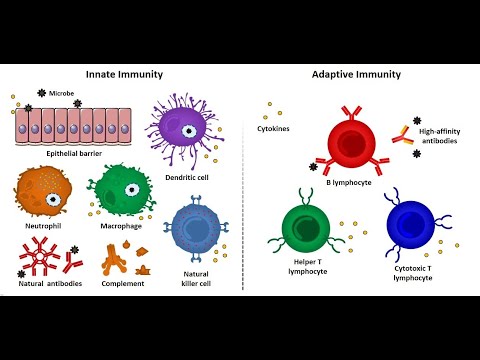










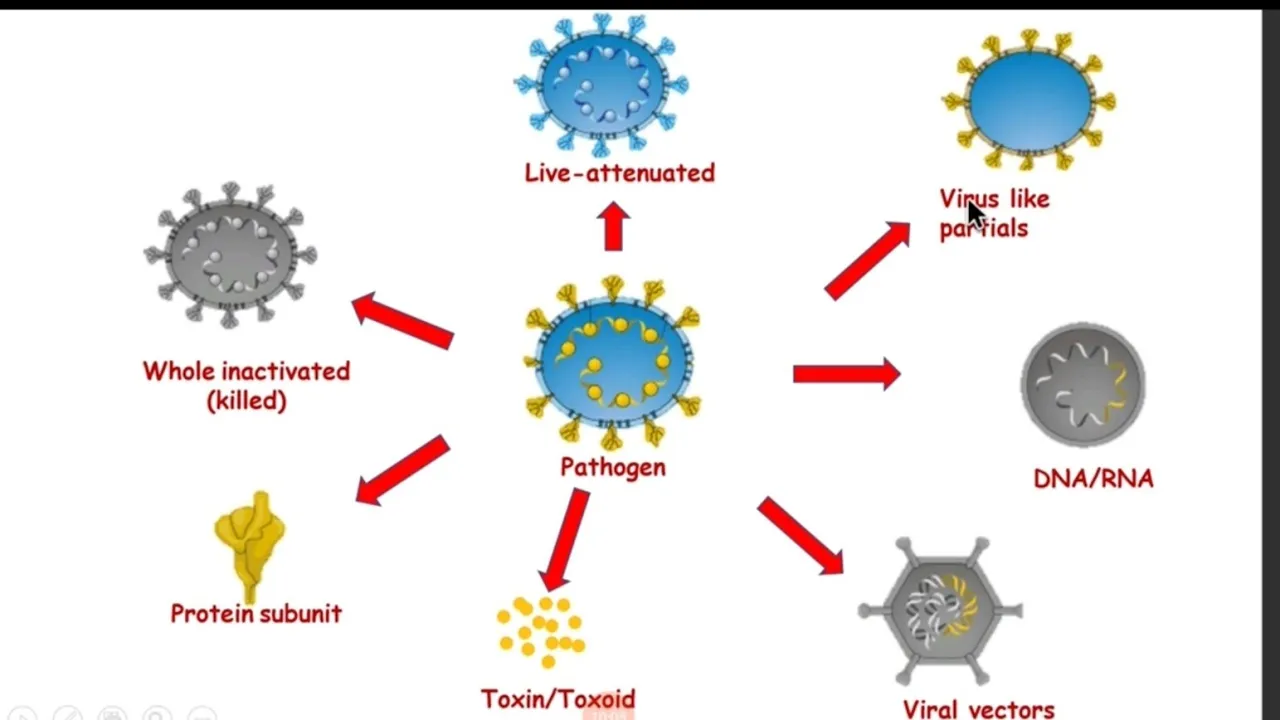
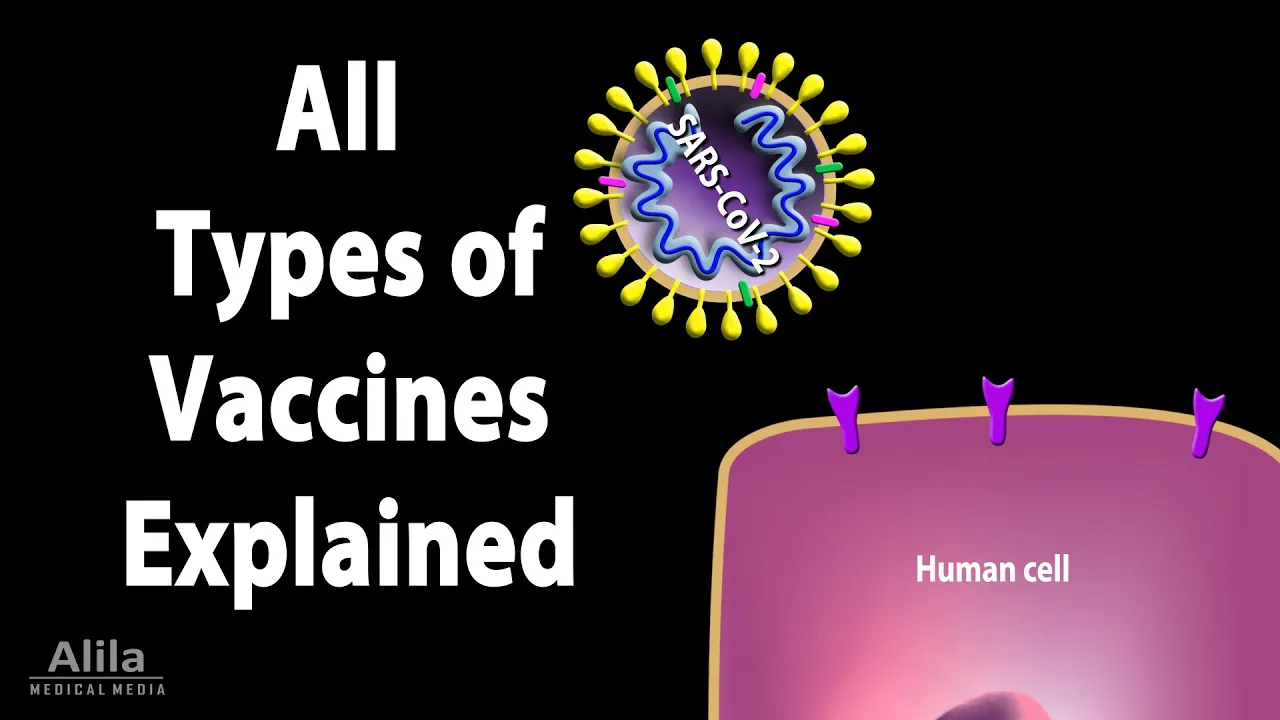






Vaccines are classified into five main types based on their composition and mechanism: (1) Live attenuated vaccines use weakened microorganisms that cannot cause disease but can replicate and stimulate strong immunity, requiring fewer booster shots (e.g., measles, mumps, rubella, yellow fever); (2) Inactivated/killed vaccines use microorganisms that have been completely destroyed with chemicals like formalin, making them completely safe but requiring booster doses (e.g., rabies, polio IPV, cholera); (3) Subunit vaccines contain only specific antigens or fragments of microorganisms, often combined with adjuvants to enhance immune response, offering high safety but potentially requiring multiple doses (e.g., hepatitis B, influenza); (4) Toxoid vaccines use inactivated bacterial toxins (converted from exotoxins) to induce immunity against toxin-producing bacteria (e.g., tetanus, diphtheria); (5) Conjugate vaccines link polysaccharide antigens to proteins to improve immune response in young children, while DNA and recombinant vector vaccines are experimental approaches using genetic material to induce immunity against challenging diseases like HIV and influenza.
Vaccination Types and Mechanisms of Action Explained | Immunology Lecture Guide
Added:[Music] hello friends welcome back to another video tutorial from somos valor G and in this video lecture we are going to talk about vaccination types we are going to talk about different types of vaccines and their use their characteristics and also we'll be seeing what are the drawbacks of utilizing different types of vaccines including the live attenuated vaccines live vaccines subunit vaccines and all so let's begin to talk about it so the first things first is the overall classification of vaccines I believe all you know and familiar with the idea of vaccination and in simple terms if I say what is vaccine we can say that it's a suspension of microorganisms that includes antibody production to protect against disease and induces immunity so in a very basic terms what we can say is that vaccine is going to induce our immunity it's going to in like it's going to improve our immunity because these are nothing but microorganisms so those microorganisms that can cause infection in us that can result in diseases in us so what we are doing is we are ingesting those little dosage of those microorganisms in activated form of those microorganisms into our bloodstream so that our body's immune system is going to become familiar with them and it's going to be influenced by them to produce proper antibody against them and once our body produces antibodies which is a very specific fighting agent against those antigen or those pathogens then in future if that same kind of bacteria or microorganisms infect us then in our body those antibodies are already been prepared so our body is already ready to fight against them so we are not going to fill like feel sick about that same microorganism infection again in future so that's the overall story of vaccines and vaccination so but but how and what kind of microorganisms that we can choose for vaccination that's always a big question we now have almost five six different types of vaccination strategies not all of them are going to work the same way they are working in a different way there four different principle and not all of them working for the same disease for different disease and infection we have different types of vaccines working better than the other so let's talk about all these types we can divide these vaccines into two different type one is the complete agent we can take the whole microorganism as a vaccine I'm just calling it as an agent so whole agent as a vaccine or we can take just a subunit or fragment of that microorganism as a vaccine so with this idea we have a whole agent vaccine as well as a subunit vaccine let me take it called a whole agent and subunit now this whole agent back vaccine can be further divided into two different type either inactivated or attenuated now there's a difference between this term inactivated and attenuated inactivated means killed that means we just kill that microorganism totally okay we kill it on the other hand attenuated one is weakened that means we are not killing that microorganism but we are we are cutting some portions of its pathogenic activity we are reducing some portions of his pathogenic activity now generally microorganisms are killed using four Moline solution we treat them with formalin and in prison no risk of getting the disease at all because we totally kill that with formalin treatment and and an example of vaccine that is killed is rabies vaccine we all take this Ravi's vaccine always so it's a killed vaccine so there's no risk of that pathogen to be present in our body again well attenuated vaccine is when we can use DNA mutations accumulated for a long term cell culture so what we do continue to change the DNA modify the DNA with chemical mutagens is going to change it and we check that for several rounds and several generations of cell culture but again there's a big question mark is always there because it's not totally killed that microorganism can reverse to a living pathogen and that can cause some infection in our body that's always a ability for attenuated type of vaccines Welling inactivated vaccine that's not a not a scene okay so attenuated vaccines example in our moms measles rubella vaccine in attenuated vaccine no booster shot is required okay booster shot means you know sometimes when we use very tiny amount of vaccinations like very small amount of microorganisms in small dose we need to take multiple doze in in interval in regular interval that's known as booster dose which we don't need for attenuated vaccine okay now what about the subunit vaccine subunit vaccine as per the name as we know it's only we take the part of that microorganism and the part of the microorganism we use adjuvant that increases the effectiveness of the vaccine adjuvant means large particles that can be tagged adjuvant means this is not a part of the pathogen we can take large detergent molecules or you know dead non-pathogenic bacteria this can be adjuvant because you know for generating immune response in our body our body needs to show a kind of very large molecule that's why the antigens that that needs to work they are bigger in size very small molecules are not going to trigger our immune response much so that's why we need to add this adjuvant full we can take other inert protein so we can take a portions of dead pathogen or we can take detergents as the adjuvant to induce the effectiveness of this of the subunit vaccine and the subunit vaccine is safer than attenuated vaccine no risk of getting the disease because you know an attenuated vaccine there is a fair chance of reversal of the disease which is not present in subunit vaccine but again subunit vaccines sometimes need repeated doses okay example of subunit vaccine is hepatitis B vaccine okay so these are the differences we can define the vaccines in different terms we can also classify vaccines in many other way but this is the easiest way that we can classify vaccines now based on this classification let me share few examples of vaccines with you and we continue with the live attenuated vaccines on lab example tuberculosis that is BCG vaccine oral polio vaccine OPV which is very common in India especially missiles rotavirus yellow fever vaccine all these vaccines are live attenuated vaccine inactivated vaccines which are killed antigen killed microorganisms that we use wholesale pertussis vaccine and inactivated polio virus IPV vaccine on the other hand subunit vaccine which is simply known as a purified antigen that means we take the whole organism we fragment eyes it we take only a few portions few subunits purify purify it and we use it as cellular pertussis vaccine hemophilia s-- influenza type B mo Phyllis influenza type B our HIV vaccine and pneumococcal vaccine there are example like PCV 7 PCV 10 and PCV 13 as well as hepatitis V vaccines can be used a hip v that's the part of the coat that can also be used as a purified antigen subunit vaccines so you can see for hepatitis we have both live attenuated vaccine I mean sorry yes as well as we have this this kind of subunit vaccine cell and toxoid vaccines toxoid vaccines are where the toxins that are generally secreted by microorganisms we dig those toxins and we exclude the toxicity part we call it inactivated toxins or toxoids and we do the same for toxoids that we do for inactivated vaccines that we treat that toxins with with formaldehyde and with high temperature and that's going to convert that toxins into toxoid and we use tetanus toxin diphtheria toxin and you convert that Eternals and diphtheria toxin to toxoid and we can use that for that particular disease tetanus and diphtheria so you know generally tetanus toxins and toxins are very common we generally take tetanus shot we need it's not going to induce our immunity for a life long time we just need to take that it's going to valid for only 2021 there's even one month two months duration only because it's only toxins not the whole body it's not even the subunits it's the toxins that is produced by by the microorganism and generally these toxins are produced from exotoxins exotoxins secreted by gram-positive as well as from negative bacteria so that's what we convert into toxoids and we can treat it we can use it okay now the final thing regarding all this stock scenes and also let me tell you the drawback of utilizing every single toxins with example for a summary you go with live attenuated vaccines we conversion of living microbes that can't cause disease but the chance the challenge is that there is a chance of mutation there's the chance of reversal the example measles mumps rubella polio which is known as having vaccine yellow fever all live attenuated vaccines second type inactivated or killed vaccines microbes killed with a chemicals heat or radiation challenges although inactivated vaccines are safest but weaker immune response and they need a boosters they need repeated interval of doses example of this kind is cholera vaccine flu hepatitis A Japanese encephalitis plague polio and rabies vaccines third type subunit type of vaccines includes antigens now that bests stimulate our immune system sometimes you also need to use adjuvant to induce so challenges are that identifying a specific antigen from a whole microorganism takes time and takes a research so development of these vaccines are expensive and time-consuming an example SEPA Titus V proptosis pneumonia caused by Staphylococcus Lamoni okay and toxoid toxoid again formerly inactivated toxins used as vaccines used when main cause of illness is a bacterial toxins so examples like tetanus or bottle ism generally caused by only toxins adverse effect it's not going to be caused by the bacterial presence itself if the bacteria releases toxin then only the disease happen that's why in those diseases only we use toxoids otherwise we cannot that's why the example diphtheria and tetanus conjugate a vaccine conjugate a specialised subunit vaccine where antigens are linked to polysaccharides as I said like you know antigens sometimes need to be linked with larger protein and polysaccharides these are most effective for immature immune system or for infants in this case the immune system is not well developed and if you provide the antigen directly their body is not going to generate an immune response based on that small antigen only so in this case they are going to leave this Diskin jiggets they need these polysaccharides along with the vaccines okay so that's why is this conjugates to use it examples influenza type B pneumonia caused by new-moon DNA vaccine we also use the DNA fragment as of X in DNA of important antigens introduced to cell but it's its role its proper use it's challenge it's still not known because it's in the experimental phase people try to use influenza and harpus as well as HIV vaccines production with the help of this DNA modification and generally they they are linked with the DNA mutagenesis to to induce this antigenic I mean immuno immuno genic feature in our body then final is recombinant a vector attenuated virus or bacterium used to introduce microbial DNA to cell it's just like you know rdt recombinant DNA technology based vaccines again we are again it's kind of limited to the DNA vaccine so that's why both are experimental level and both researchers are working for HIV rabies and influenza more because what we are trying to figure out here is that if we are using recombinant DNA plasmids that means you know if you find out the the gene products that can induce that immune response in our body and if we just insert that gene product in you know vector and transfer the vector inside inside the cell then the cell is going to have this response that's what we can do about this recombinant vector as well as this DNA vaccines drawback of different types of vaccines so that's that's kind of the end because we already talked about the drawbacks of the vaccine don't need to discuss about that either we already talked about it so that's regarding the different types of the vaccines how they're used why they are used and and all the examples that are very most famous for each of the vaccine types so if you like this video on vaccinations and types of vaccines please hit the like button share this video with your friends and subscribe subscribe to this channel click that subscribe button and also click on that notification bell so that you get a response from YouTube whenever I upload a new video and stay tuned to get more interesting video like this thank you
Up Next
COVID-19 mRNA Vaccine: Mechanism and Immune Response
@nucleusmedicalmedia
1.4M views•2021-08-03

Graphic Medicine: Comics for Collaborative Healthcare Communication
@nationalpatientadvocate
189 views•2023-12-04

Lentiviral Gene Therapy: Retrovirus Vectors Explained
@shomusbiologyofficial
56.3K views•2013-12-09
Stages of Labor and Vaginal Birth | Childbirth Animation
@nucleusmedicalmedia
52.1M views•2017-08-18
Related Study Plans & Knowledge Roadmaps
Structured learning paths in Medicine