














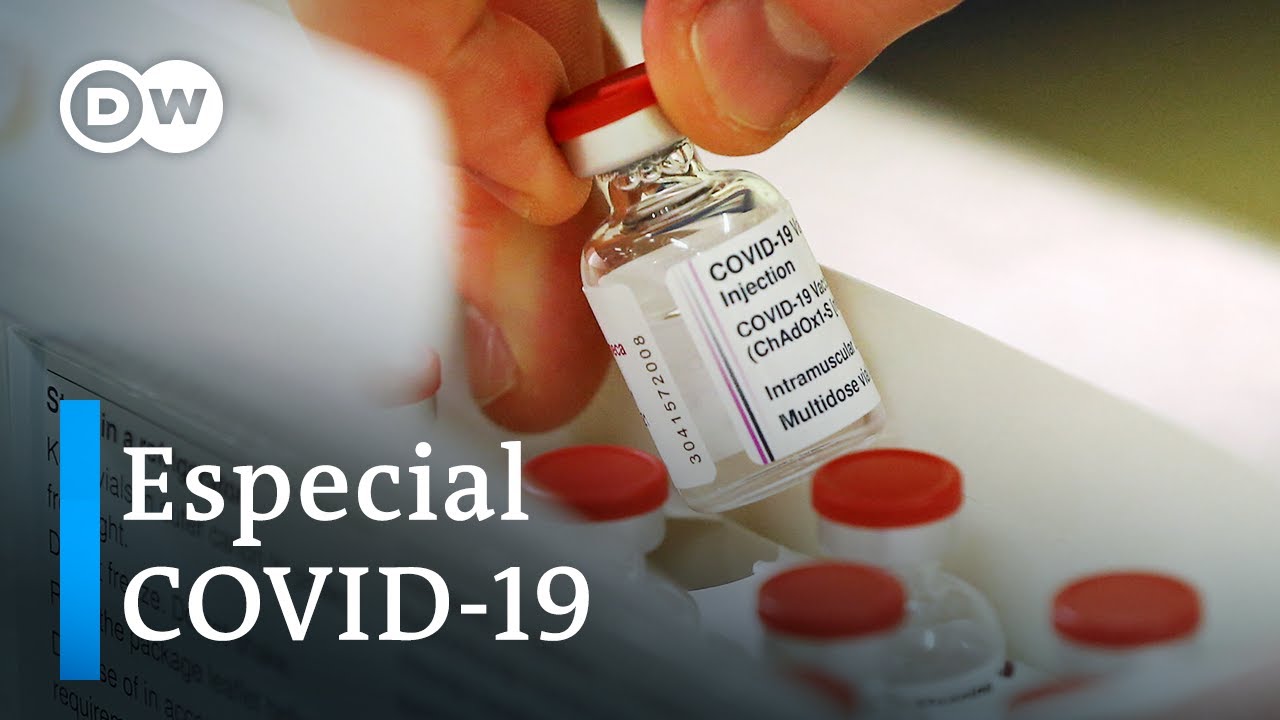

mRNA vaccines work by delivering genetic instructions to your cells to produce a harmless spike protein found on the coronavirus, which tricks your immune system into creating antibodies and memory cells that recognize and fight the actual virus if you're exposed; this process does not alter your DNA and typically causes mild side effects like soreness, fatigue, or fever as your immune system responds, with full protection developing about two weeks after the second dose.
COVID-19 mRNA Vaccine: Mechanism and Immune Response
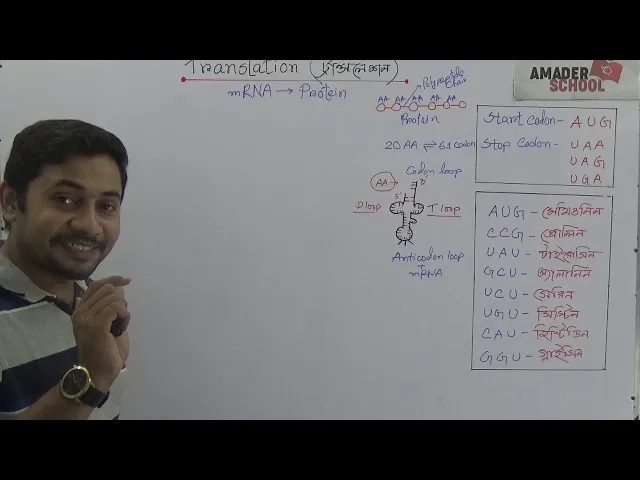
Added:The Central Dogma of Molecular Biology, specifically how mRNA is translated into proteins by ribosomes inside host cells.
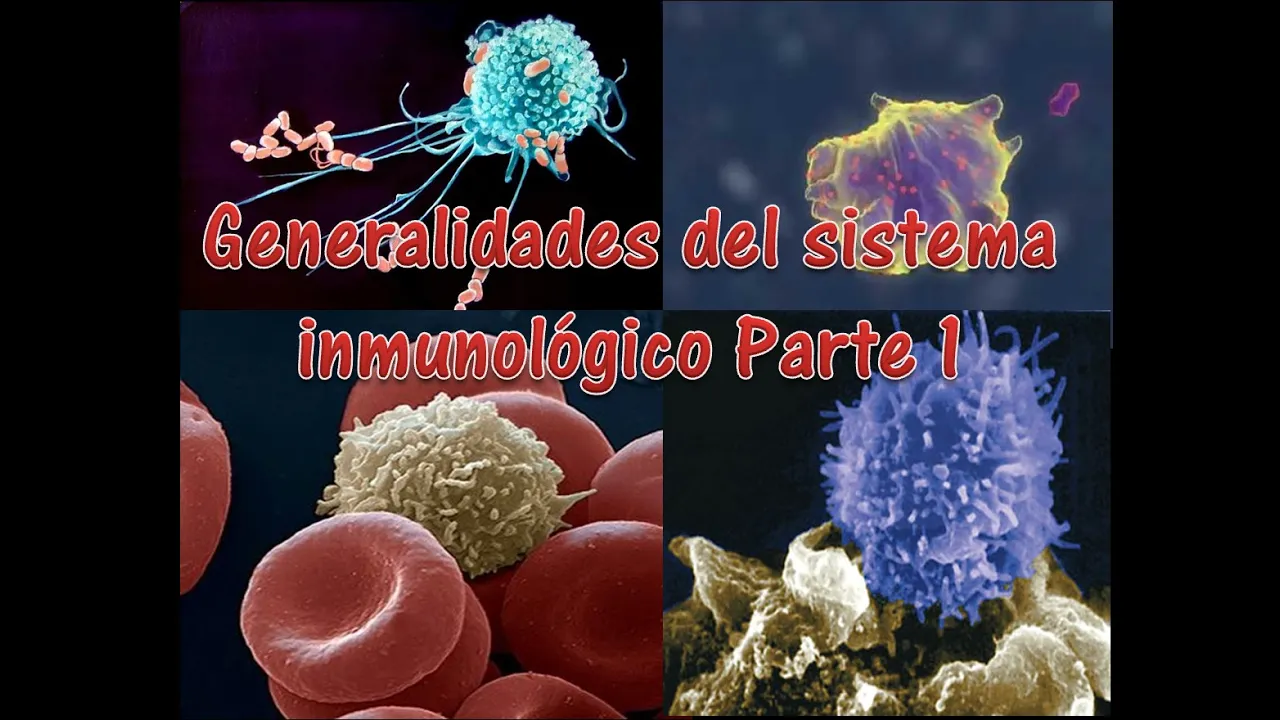
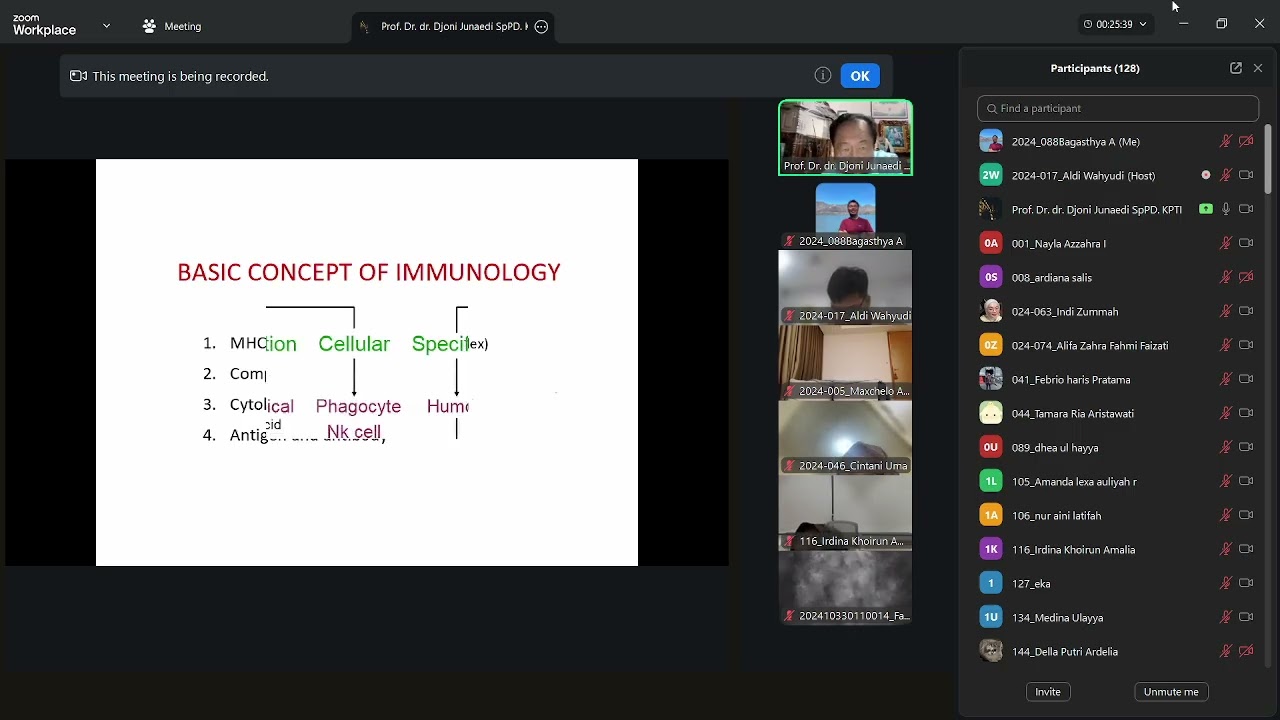
Basic components of the human immune system, including the distinction between innate and adaptive immunity, and the roles of antigens and antibodies.
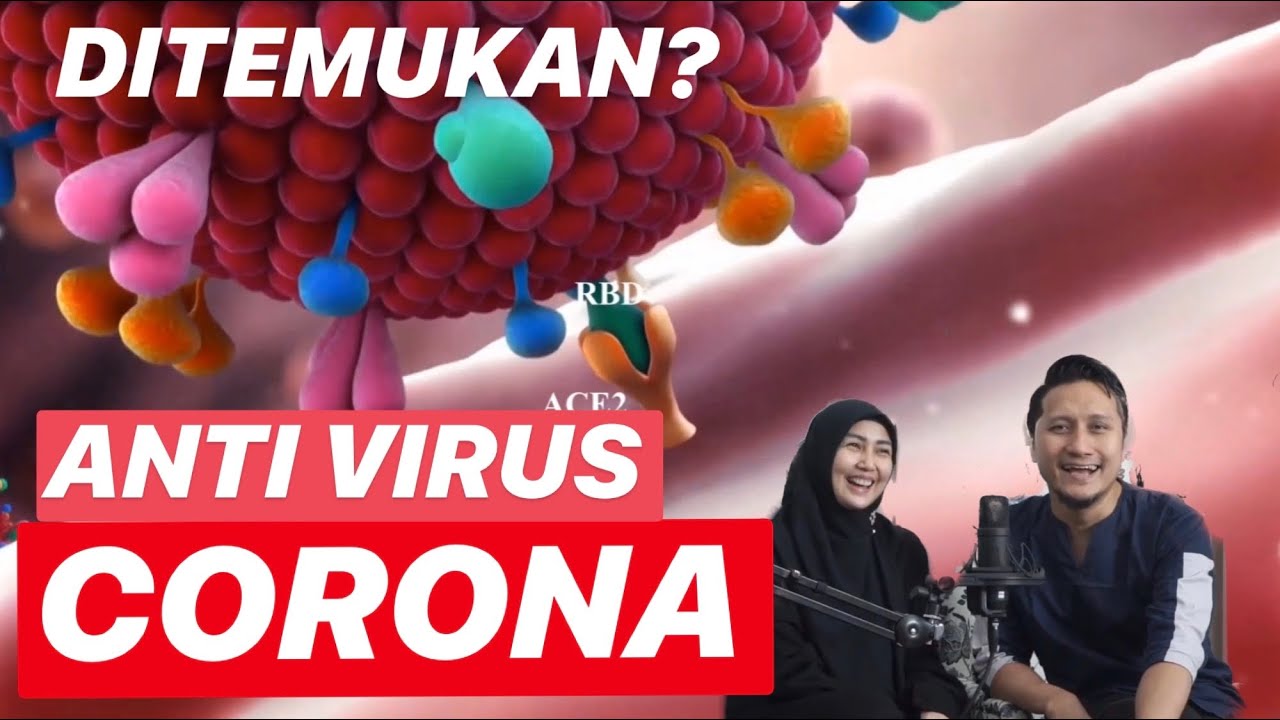
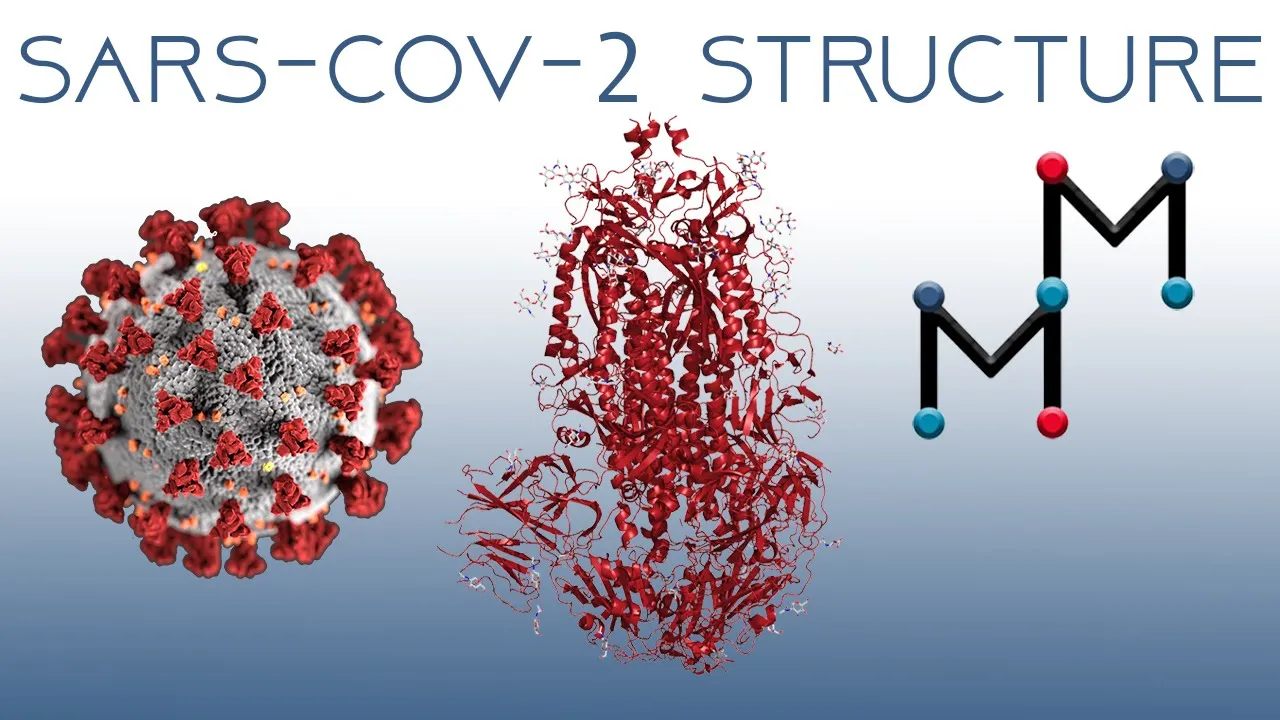
General structure of viruses, particularly the function of surface proteins (like the SARS-CoV-2 spike protein) in binding to host cell receptors.
The fundamental concept of immunization and how vaccines historically train the immune system using weakened or inactivated pathogens.
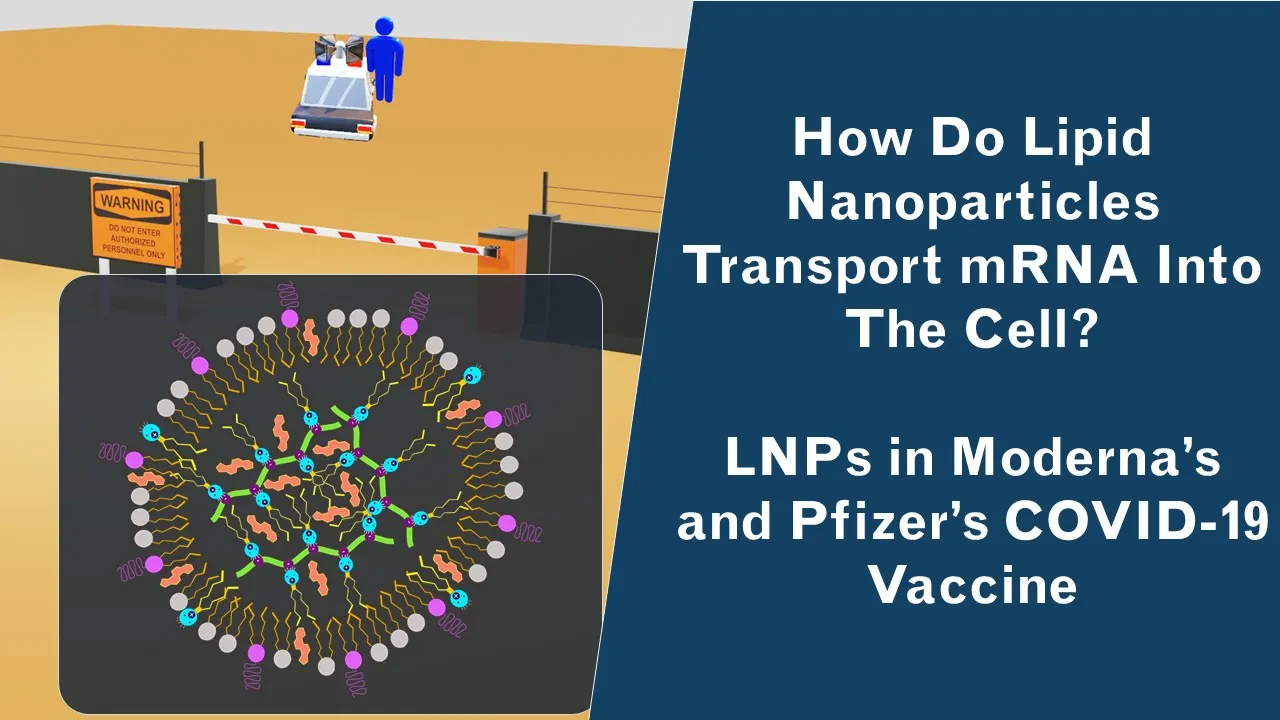
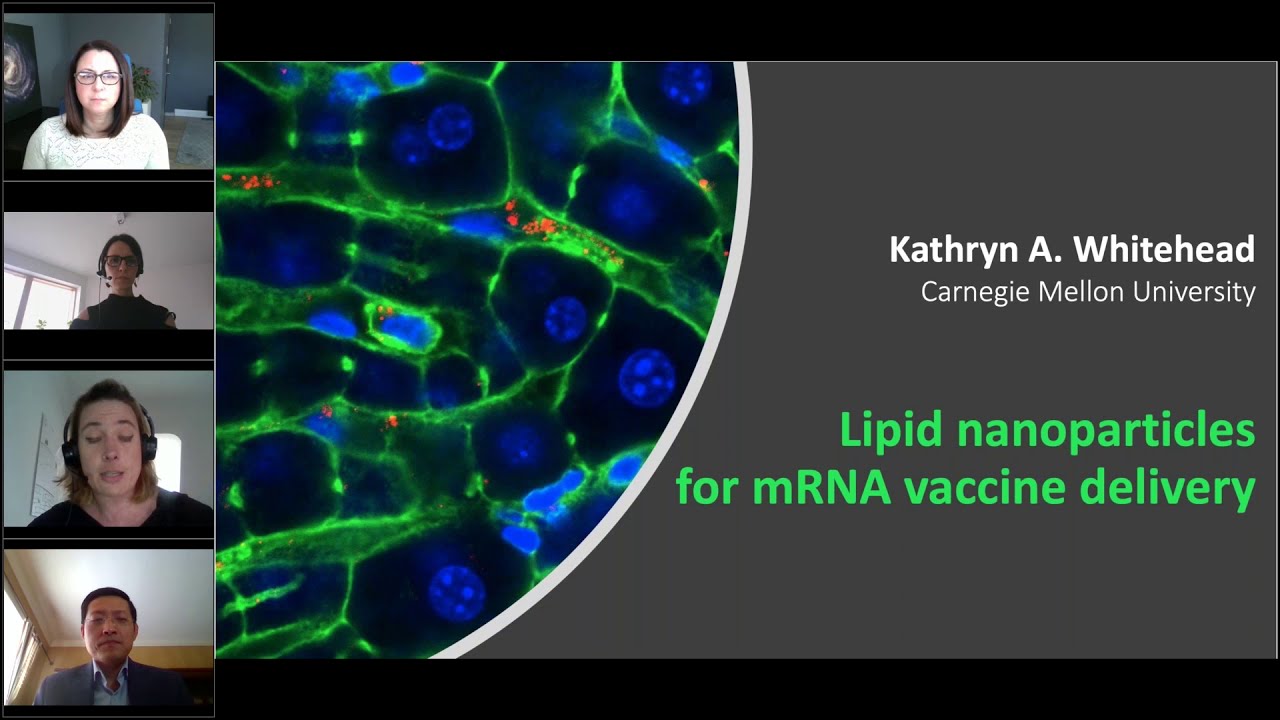
The technology of Lipid Nanoparticles (LNPs) and how they protect and deliver mRNA into host cells without degradation.
A comparative analysis of modern vaccine platforms, including mRNA, adenoviral vectors, protein subunits, and inactivated viruses.
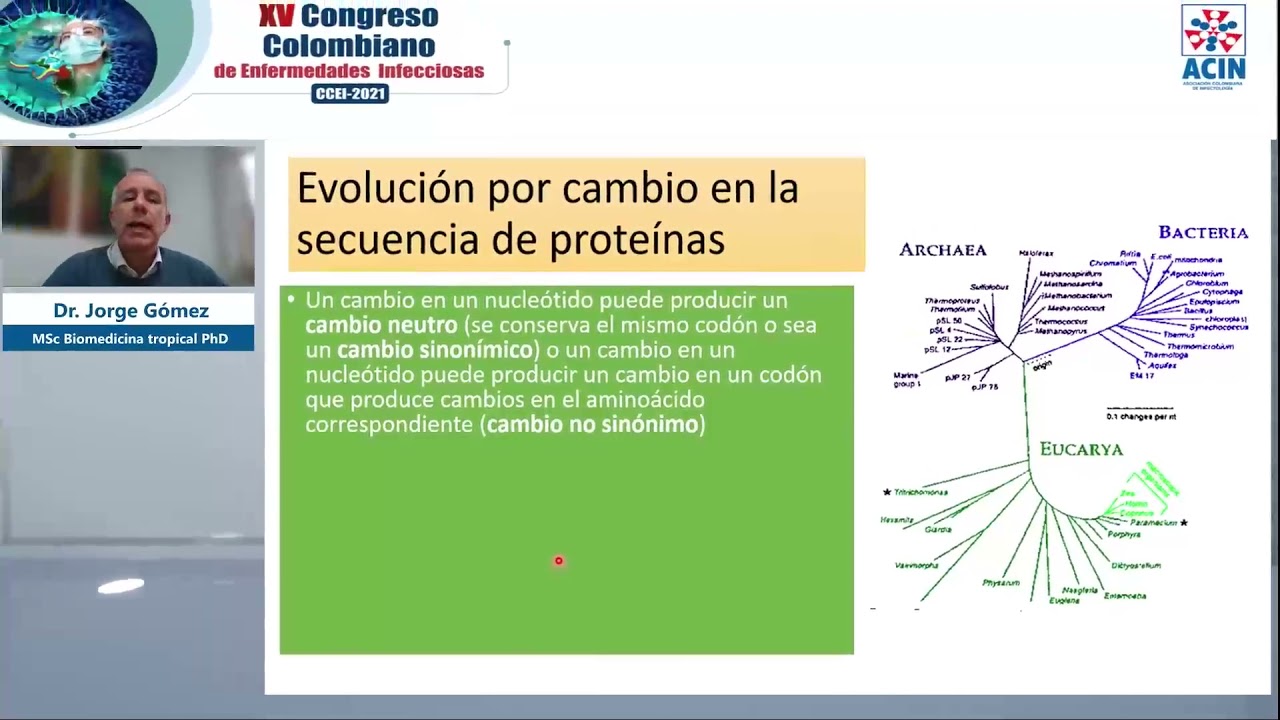
How viral mutations and genetic variants (such as variants of concern) impact spike protein structure and vaccine efficacy.
Future applications of mRNA technology in therapeutics, including cancer vaccines, personalized medicine, and vaccines for other infectious diseases like influenza and HIV.
1.4M views16.1Klikes5:42Original Release: 2021-08-03
Have you been able to get your COVID-19 jab yet?
Many countries are rolling out the COVID-19 vaccines so that the pandemic will be over and we can get back to normal.
If you’ve never had COVID-19, your body doesn’t know how to fight it off.
Vaccines help train your immune system to recognize the virus and be ready to attack.
But as we all have different immune systems, we respond differently to the vaccine and the virus.
Having side effects has nothing to do with the effectiveness of the vaccine.
So let's see what's going on once you get the jab.
Congratulations!
You’ve just had your first dose of the COVID-19 vaccine.
For this episode, we'll be focusing on messenger RNA, or mRNA vaccines.
Once it enters your body, the mRNA vaccine instructs your cells to create a spike protein.
This simulates part of the SARS-CoV-2 viral structure and tricks your body into believing that it's been infected.
The spike proteins will then head to the surface of your cell.
Your immune cells will detect these proteins that don't belong and begin making antibodies.
If you happen to catch the virus in the future, these antibodies will attach to the spike proteins on both your infected cells and the coronavirus.
This will mark them for immediate termination by your immune cells.
To be clear, the mRNA does not change your DNA in any way.
Hear what I say?
Once the spike proteins are made, your body destroys the mRNA.
Five minutes after your vaccine shot, you'll feel some soreness in your arm.
To be safe, the Centers for Disease Control recommends you stay at the vaccination site for at least 15 minutes in case of a severe reaction.
While it's rare, you could have anaphylaxis, which is an immediate allergic response.
It causes a series of symptoms such as hives or swelling.
Thankfully, trained healthcare personnel will be available at every vaccination site to treat you immediately with epinephrine.
And according to the CDC, you have a greater chance of being struck by lighting, around one in 500,000, than having an allergic reaction.
Four hours after your vaccine, you could feel nothing at all.
Lucky you.
But you could also get a slight headache or a low-grade fever and feel tired.
This is perfectly normal and is a sign that your immune system has kicked into action.
At this point, you may experience mild symptoms as your body acclimatizes to the vaccine.
You might feel tired and feverish.
Be sure to get some rest and take the day off work if you need to.
After about 48 hours, you should start to feel normal again.
So let’s keep going.
Okay, if you got the Pfizer or Moderna vaccine, you’d need to get your second booster shot three to four weeks after the first dose.
Your immune system would be stronger than the first time.
But let’s see how it goes next.
After your second dose, you might feel crummy again.
You could feel tired feverish and you might get the chills.
These reactions are more common after the second dose of the vaccine.
But they’re mainly mild to moderate and usually go away in a day or two.
And two weeks after your second shot, you’d be fully vaccinated against the COVID-19 virus.
So far, the Pfizer-BioNTech vaccine has been 95% effective at preventing COVID-19 illness.
In either case, the vaccine can prevent hospitalization and death in people who have gotten sick.
So getting a vaccine is your safest path to protect yourself, your family and your community against this virus.
It could also help reach herd immunity by having vaccinated people act as a barrier between non-vaccinated people and those who have been infected.
This video was a collaboration between Nucleus Medical Media and the What If Channel, where we usually dive into hypothetical scenarios on the human body, humanity, the planet and the cosmos.
Check out our channel by visiting the link in the description below.
Up Next

59:15
COVID-19 Vaccines and Kids: Risks, Benefits, and Myths Debunked
@ZDoggMD
85.1K views•2021-07-20

48:47
Graphic Medicine: Comics for Collaborative Healthcare Communication
@nationalpatientadvocate
189 views•2023-12-04
3:05
Stages of Labor and Vaginal Birth | Childbirth Animation
@nucleusmedicalmedia
52.1M views•2017-08-18

19:45
The Science of Fentanyl Addiction and Overdose Risks
@theanatomylab
9.1M views•2022-09-30
Related Study Plans & Knowledge Roadmaps
Structured learning paths in Medicine
medicine
Abnormal LFTs: Diagnostic Workup & Pathology
01Liver Anatomy and Basic Physiology
02Introduction to Liver Function Tests (LFTs)
03Hepatocellular vs. Cholestatic Patterns
+ 3 more learning modules
12h6 modules
Explore Roadmap
medicine
Analyzing Blood Smears: RBC, WBC & Platelets
01Introduction to Blood Components & Smear Preparation
02Normal Morphology of Blood Cells
03Erythrocyte Pathologies & Morphological Variants
+ 2 more learning modules
12h5 modules
Explore Roadmap
medicine
Mechanical Ventilation: Waveforms & Alarms
01Anatomy and Physiology of Breathing
02Introduction to Mechanical Ventilation & Core Modes
03Ventilator Settings and Waveform Interpretation
+ 2 more learning modules
12h5 modules
Explore Roadmap
medicine
Neuro Exam: Localization & Stroke Syndromes
01Foundations of Neuroanatomy and Vascular Supply
02The Neurological Examination: Step-by-Step
03Principles of Neurological Localization
+ 3 more learning modules
18h6 modules
Explore Roadmap