










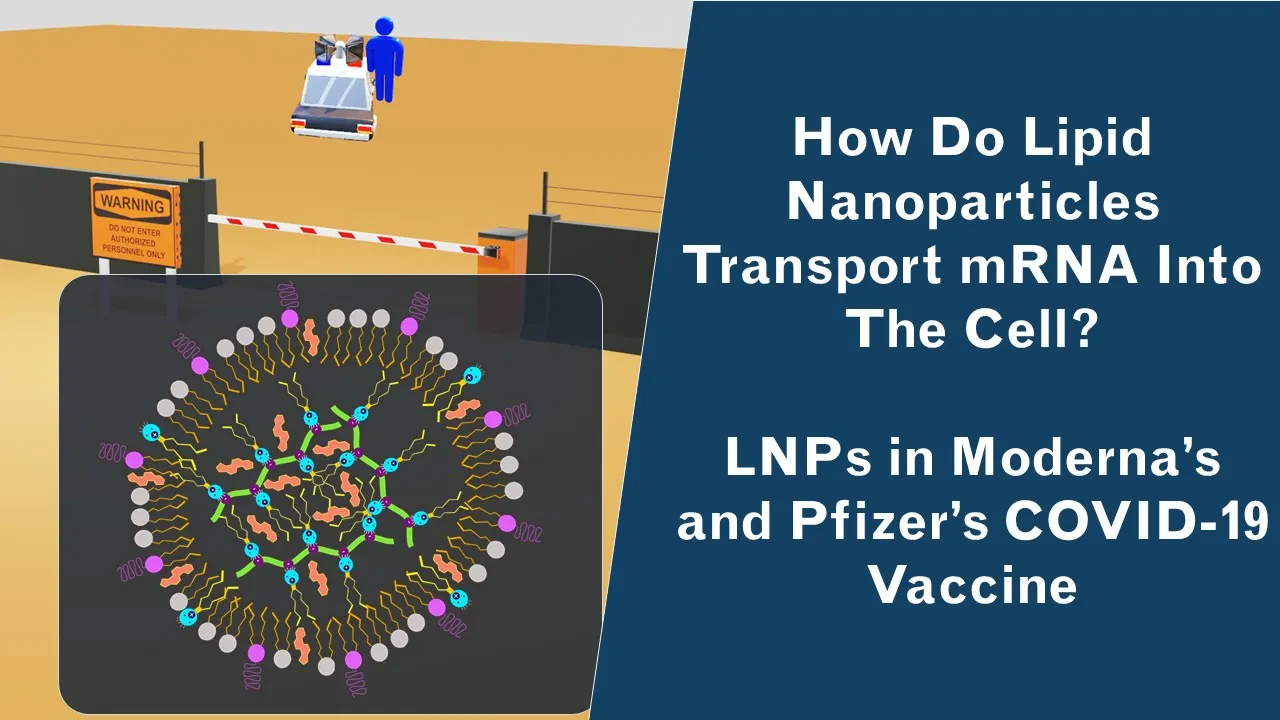

![[다큐] mRNA 백신의 진실 - 코로나 백신의 모든 것](https://i.ytimg.com/vi/gZBeRBFBzXc/maxresdefault.jpg)




![एमआरएनए तकनीक जो बनी कैंसर के टीके का आधार [mRNA Technology- Basis of Cancer Vaccine]](https://i.ytimg.com/vi_webp/4FBJnIfu6s8/maxresdefault.webp)


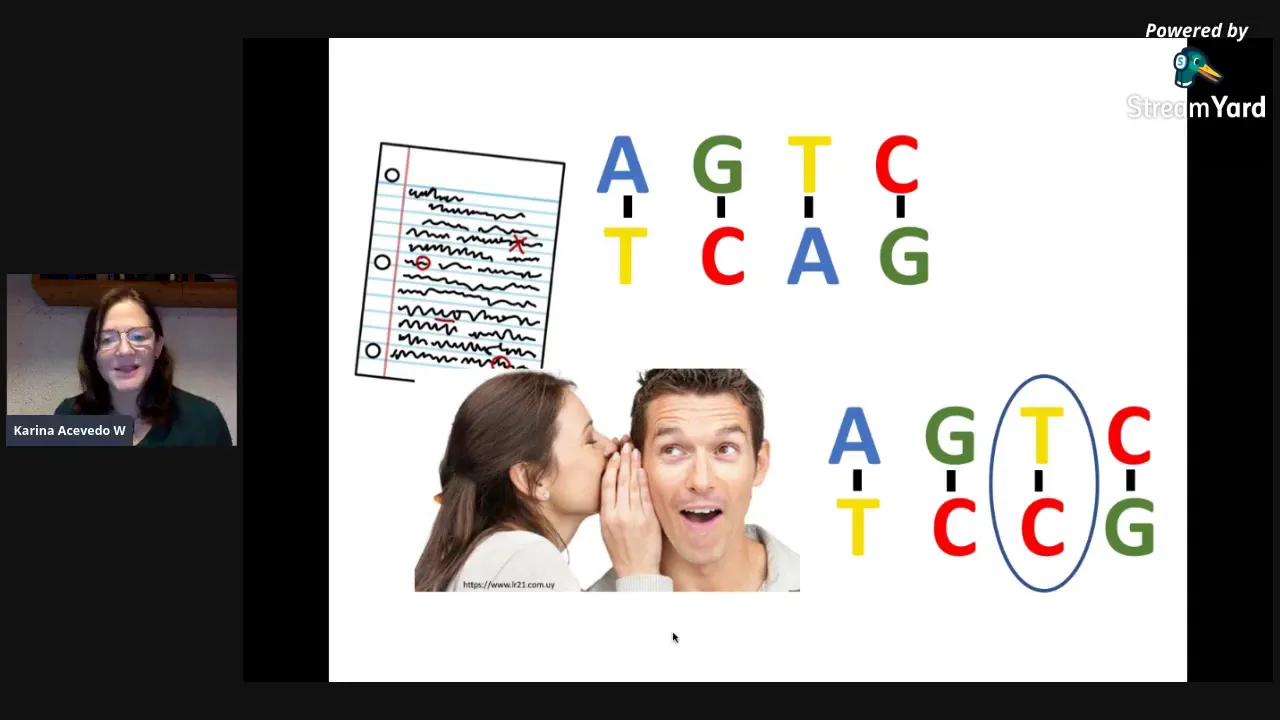




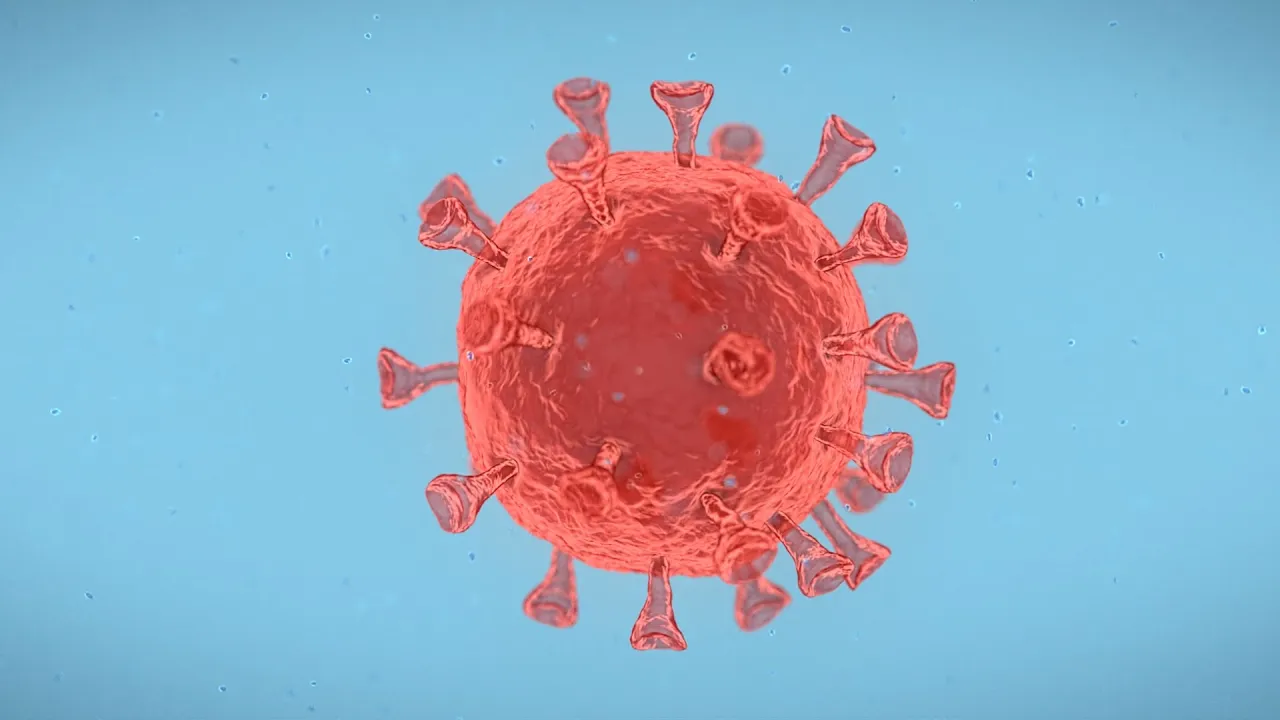
mRNA vaccines work by introducing synthetic messenger RNA that encodes a viral protein (such as the spike protein of SARS-CoV-2) into human cells, where the cell's ribosomes translate this mRNA into the viral protein, which then triggers the immune system to produce neutralizing antibodies and memory cells; this technology was accelerated by using chemically synthesized mRNA and lipid nanoparticles for delivery, overcoming challenges like mRNA instability and immune recognition through nucleoside modifications.
How mRNA Vaccines Work: Mechanisms and Safety Explained
Added:The Central Dogma of Molecular Biology, specifically how genetic information flows from DNA to RNA to functional proteins.
Basic cell biology concepts, particularly the role of ribosomes in translating messenger RNA (mRNA) into proteins.
Fundamental immunology principles, including how the human immune system identifies foreign antigens and produces antibodies.
The historical mechanisms of traditional vaccines, such as using weakened or inactivated pathogens to stimulate an immune response.
The biochemical formulation of lipid nanoparticles (LNPs) and how they protect and transport mRNA into host cells.
Advanced therapeutic applications of mRNA technology beyond viral infections, such as personalized cancer vaccines and gene therapies.
The mechanisms of viral mutation, antigen drift, and how mRNA vaccine platforms are modified to address emerging variants.
The regulatory, clinical trial phases, and safety surveillance frameworks (like VAERS) required for public approval of novel biopharmaceuticals.
201.3K views4.2Klikes19:19Original Release: 2020-12-01
hey guys dr z the other day i was talking to my supporter tribe doing a live show and we were talking about mrna vaccines and i realized there's a lot of confusion as to how these things work we're talking about the moderna vaccine the pfizer vaccine that are getting a lot of press because of their high efficacy in the early press release data now we need to look at the primary data we need to look at the safety to all of that but i want to talk about how do these vaccines work why might they be revolutionary for vaccines in general how could they be spun up so quickly and yet still be safe and effective and so it starts with mrna and how this whole thing works so when you look at regular standard vaccines there's really a couple main ways that you can maybe three main ways you can create a vaccine because the goal is always for all these vaccines is to stimulate your own immune system to recognize a threat before that threat actually shows up so by exposing an immune system to a piece of a virus right what it does is the immune system can spin up a memory response where when it's exposed to the real thing in the future it very quickly ramps up antibodies and t cells and this big immune response and knocks that potential invader out of commission quickly whereas the first time you're exposed to a virus you have to start spinning up that immune response yourself for the first time and that can take days to weeks so what the what the vaccines want to do is expose your body to that um invaders components that will trigger that immune response that'll knock the invader out of action and those are classically we call them neutralizing antibodies is one component of that so you want to create these proteins antibodies that bind to the part of the virus that will knock it out and neutralize it prevent it from entering your cells allow the rest of the immune system to be activated and mop it up and that's what you want to do so the way it's been done historically is you can take the virus itself you can grow it in culture you can then kill it and inactivate it and kind of mash it up and then inject that in a purified way into the body into um you know the intramuscular area under the skin etc and then what happens is the body's exposed to those particles they're not infectious because it's all killed and dead you mounted immune response the body remembers that immune response so the next time when the real thing comes it can quickly knock it out of commission the other way to do it is to actually take a virus and in and make it less dangerous so in other words it's somehow modified attenuated is the term so that it doesn't cause actual disease but it can still maybe even replicate and therefore generate a pretty strong immune response just like the real virus would without causing the disease and the third way to do it is to actually purify a protein component of the virus and produce just that protein component inject the protein component generate the immune response to that etc etc etc now those three ways take time there are the classic ways of doing it because they've been studied for decades it's how we have most of our vaccines for example um the the chickenpox vaccine is a live attenuated vaccine the influenza vaccine is a the injected version is a killed uh inactivated virus uh and so you have to spin them up like you know it can take six months for an influenza vaccine a new version because you got to grow it in the culture identify the virus grow it in the culture purify it get it at scale get it into the vaccine and and so on but what did we do during covet 19 well with operation warp speed and with all the work that's been going on actually over a decade on new vaccine technologies and that's what we're going to talk about right now is mrna so how how does this work and how is it faster all right first we gotta talk about how this even happens in cells and what mrna is and so on okay we've all heard of dna deoxyribonucleic acid that is the genetic code that in a double-stranded helix sits in the center of our cells in an organelle called the nucleus it's this little enclosed mini cell within the cell and that's our sort of hard drive template uh for building more life for building proteins for building cells themselves it's encoded in that double stranded dna and the way that that dna is transcribed and translated into real life i mean literally life is through a compound called rna ribonucleic acid it's slightly different than dna there's one different base pair you don't need to know all that what you do need to know is it's a different molecule but kind of related and messenger rna is a version of that that is basically transcribed by a special molecular apparatus from the dna into a strand of something called messenger rna and they call it messenger rna because it is literally a messenger it takes the information from dna encodes it in this single strand of messenger rna and that mrna can pass through the nucleus into the main part of the cell called the cytoplasm that's like goo in the center of the cell and in the cytoplasm there are these special little manufacturing protein units called ribosomes and what the ribosomes do is they read the mrna strand and they translate it into actual proteins so each of these little base pairs within the mrna gets correlated to a particular amino acid and the amino acids then it reads this thing like a little piece of ticker tape this ribosomal protein and the mrna passes through and amino acids get attached through a complex mechanism we don't need to get into and they start to chain up into a strand and that's encoded for in your dna through the mrna and it then tells the ribosome what protein to make so this big strand of amino acids happens and the beautiful thing about amino acids is they have chemical structures the way they interact with water and all of that that when they form a strand they will naturally fold into a configuration that forms their end protein and how that folds that structure of that protein determines its function and its activity in the cell and outside of the cell and in life in general it's really it it'll give you goosebumps how beautiful nature actually is so how can we hack nature that's what we want to do with vaccines we want to say okay nature's beautiful let's learn from it and adapt to it and actually use what we've learned to actually improve the flourishing of human beings right so the way you do that with mrna is you say okay well we want to make a vaccine quickly safely and effectively well what do we know about the sars coronavirus ii we know that it has these proteins on the surface of it called spike proteins now the spike protein is the business end of this virus when it comes to infection because it may be the means by which the virus enters human cells through something called the ace2 receptor yada yada yada yada yada so what does that mean it means that the spike protein early on was identified because we had experience with sars the original and mers and and related coronaviruses like that that that spike protein is the key to getting in cells so if we create antibodies against that protein you would block it and therefore disable the virus from entering cells and allow the immune system to mop it up in theory right so they said well okay how about this how about we create mrna and this is an advantage of mrna with the other uh viral vaccines you have to grow the virus in culture you it takes time and sometimes it's grown in eggs sometimes it's grown in cell lines and all this stuff it takes time and then you have to purify it to a medical grade purity and this is a lot it takes time it takes work it takes and there's a lot of steps that can go wrong with mrna it's synthesized because messenger rna is a chemical you can synthesize it you don't necessarily need to do it biologically so that means that you can create this mrna in a manufacturing process quickly they're short little simple molecules and you can tell that mrna because we have the genetic code we don't even need the original virus when the chinese discovered the virus and sequenced it all you have to do is look at the sequence and you could see oh there's the spike protein because it looks just like sar is the first one okay now i can create an mrna based on just the code that i've been given because rna is just a code so you can make this little piece of mrna that encodes for the very simple spike protein get it into cells your own human cells start making this viral protein which by itself the protein doesn't cause harm because it's not infectious it's just the outer layer of the virus it doesn't have the ability to replicate it doesn't have dna or rna itself it's not a full virus it's just this little protein that protein can then trigger our immune response because the body will recognize it as foreign and it'll trigger all the immune response that a regular infection would trigger or a a vaccine that would just give you that protein through viral inactivated virus would do so it's very it theoretically sounds great right well what's the what's the difficulty there's always a catch why don't we have tons of mrna vaccines why would these if they become fda approved be the first ever mrna fda approved vaccines for humans even though we've been working on it for you know since in 2005 with some seminal work it's been over a decade well the reason is mrna is a tricky molecule a couple things one it's innately unstable meaning it degrades very rapidly and you would want this because if you're transcribing dna from the nucleus and you're spitting out mrna and it gets into the cell into the cytoplasm of the cell you want it to do its business and then fall apart you don't want it to hang around forever or you're going to get a butt ton of protein maybe more than you want right so that's one issue so it degrades very quickly and what you're doing with vaccines is you're injecting them intramuscular so it's getting around the muscle cells and it just gets broken down doesn't last very long the other problem is it's not going to produce a lot of protein because it's breaking down so fast so you won't get enough of that viral spike protein made to generate an immune response the third problem is human immune system does not like foreign rna or dna especially rna for for some reason human cells and it makes perfect sense you have foreign viruses that that uh degrade and release their rna outside cells triggers an immune response an inflammatory immune response so you can imagine that that rna is going to trigger inflammation and is going to get broken down the mrna so that's a problem so how do you get around that and the other issue is getting it into the cells and how do you get that mrna into the cells it doesn't just easily cross the cell membrane because the cell membrane as you remember from high school biology or maybe you don't is this really fascinating thing it's really what what allowed life to happen because you have the inside of the cell separated from the outside of the cell which is a tremendous advance in everything and the way that that happened is something called a phospholipid bilayer which this is kind of fun if you've ever used detergent it kind of works in this way some chemicals love water we call them hydrophilic you know like vinegar and water just mix right like dissolves like some chemicals love fats and lipids which are fats and so we call those hydrophobic they don't get along with water very well turns out a cell membrane has a lipid bilayer phospholipid bilayer that's both it is amphiphilic meaning it loves both of them but in different ways so a lipid bilayer has a head like a little sperm it almost looks like a head and a tail the head loves water so it faces the outside of the cell the tail loves fat so it tries to get away from that water but there's more water inside the cell so what do you do another little sperm and tail so you got the sperm the tail the sperm the tail and the membrane is formed by the two heads which love water and face inside and outside the cell and then the two tails which are hydrophobic they are lipids and they form that inner side that is away from water and in it together they form this beautiful membrane throughout the membrane are channels and receptors and gates that allow different compounds to selectively get through so how's that mrna going to get through this barrier well this was the big advance in 2005 there's two things two things that they advanced in 2005 they realized we could prevent the immune response and the inflammation to a large degree by using modified rna so rna that has been modified as it often is modified in human cells but not in bacterial and viral cells and that may be part of the way that the immune system actually recognizes the difference so you can use these modified nucleosides which are the sub building blocks of rna and incorporate them into this mrna and then body doesn't break it down as fast doesn't reject it as fast doesn't generate as much of an inflammatory response that was a huge breakthrough 2005. allowed paved the way to actually do a lot of the work in these mrna vaccines vaccines that we are seeing now so that's one thing but how about the rest of it getting into the cell protecting it from more degradation ah well it turns out take a q from the cell membrane cell membrane is wrapped in this phospholipid bilayer well what if we create these lipid nanoparticles which are basically a fatty little bubble that puts the mrna inside has the fat on the outside protects it from the water base in the arm that you're injecting it to around the muscles and the extracellular fluid and protects it and then also allows it more easily to merge with the cell membrane and deliver the rna into the cytoplasm of the cell bingo well that's what they did these lipid nanoparticles and lnps are what encase the mrna in these vaccines and allowed them to enter the cell now remember they never get into the nucleus so this idea of like it's incorporating into our dna it doesn't work that way with mrna lives in the cytoplasm turns out then you produce a lot of the protein you get the immune response and boom 90 to 95 efficacy in the early data that's coming out of these trials in tens of thousands of people now what's fascinating is there are some issues that arise with mrna vaccines that we've been hearing about one is you need to refrigerate them because they're again they're delicate they they need really cold refrigeration whether it's the lipid nanoparticle stability or the mrna the modified mrna itself it needs to be very cold and once you thought you got to use it within a few days or it's not going to work so that's one interesting thing the second thing is these reports of pretty heavy-duty inflammatory responses early on that are transient by the way they go away they're not permanent may have to do with the immune system response to that mrna even though it's been modified it could be that so it could be and that can be helpful so there's some speculation that part of the reason these are so effective is that they're actually jazzing the immune response too so you're getting this very aggressive immune response that then is remembering that and when uh virus real virus comes along sars cov2 comes along it doesn't have a chance right and but you can also get negative inflammation effects like all the symptoms that you're getting and it could be that that's why people get these fevers and muscle aches and headaches and stuff from the vaccine itself because it's generating this really strong immune response which may be a good thing but it could also be that you're getting an immune response to the lipid nanoparticle itself because that's also a foreign thing so they don't know entirely but the truth is you got to look at safety data and go okay so are you seeing any signs of other autoimmune difficulties that could result from that and believe me they are looking at that because that would be an obvious thing you'd want to test for right you have enough people in these trials that you can do that so that being said this is kind of how this whole thing works mrna coding for the protein get it into the cell using lipid nanoparticles stabilize it through modification it then produces more purified spike protein for that sars cov2 surface protein that you want to produce neutralizing antibodies to those proteins are made are presented on the on the cell on the surface immune response happens immune response then is remembered real infection comes and you're good we don't know how long it lasts yet so that's still to be determined but it seems pretty robust initially we want to look at all the data i'm not taking the vaccine until i've seen final data and i've talked to experts who've either worked on it or who have looked at the data themselves directly and once we know that i'll be the first to come on and say hey this is a thing to do or you know what more data is needed right and i think a lot of health care workers even are always like wait wait wait wait this is so fast how could it possibly be safe and effective and the answer is it can possibly be safe and effective because mrna is a completely different technology now again it's new so that makes people very scared and nervous and i totally get that which is why you got us you gotta science the crap out of it alright guys i hope this was helpful please share the video i love you guys more on this coming soon and we are out yo do you think that was dope hey become a subscriber click the subscribe button then right to the right of his little bell hit that bell boo yeah you get notifications never miss any of our stuff i love you guys we out
Up Next
4:39
Adjuvants Explained: Alum & Freund's in Immunology
@sajidmicrobiology
73K views•2017-10-26
50:12
Bacterial Communication: Quorum Sensing and Biofilm Formation Explained
@JHUAAP
12.6K views•2011-06-28

5:35
Enteric Nervous System Explained: The Gut's Brain | Neurobiology Lecture
@alumniu6029
438 views•2018-09-12
7:08
Bacteriophages: Earth's Deadliest Killers and Future Antibiotics
@kurzgesagt
34.6M views•2018-05-13
Related Study Plans & Knowledge Roadmaps
Structured learning paths in Biology
biology
RNAi: Biogenesis, RISC & Gene Silencing
01Molecular Biology Foundations: DNA to Protein
02Introduction to RNA Interference (RNAi)
03Molecular Biogenesis of miRNA and siRNA
+ 2 more learning modules
10h5 modules
Explore Roadmap
biology
Mycorrhizae: Signaling, Biophysics & Ecology
01Foundations of Mycorrhizal Symbiosis
02Molecular Signaling and Root Colonization
03Biophysics and Bioenergetics of Nutrient Exchange
+ 1 more learning modules
11h4 modules
Explore Roadmap
biology
Circadian Clocks: TTFL, SCN & Periphery
01Foundations of Molecular Biology & Gene Expression
02Introduction to Chronobiology and Actograms
03The Core TTFL: Molecular Architecture of the Clock
+ 3 more learning modules
14h6 modules
Explore Roadmap
biology
Population Genetics: Math, Drift & Selection
01Genetic & Probability Foundations
02The Hardy-Weinberg Principle and Baseline Models
03Mathematical Modeling of Natural Selection
+ 3 more learning modules
18h6 modules
Explore Roadmap