




![Patología 1 | Repaso Parcial Parte 2 [Tema 5 - 6] | Enrique Aguado | 2026 - 1](https://i.ytimg.com/vi/xR_DmqtKFHY/maxresdefault.jpg)


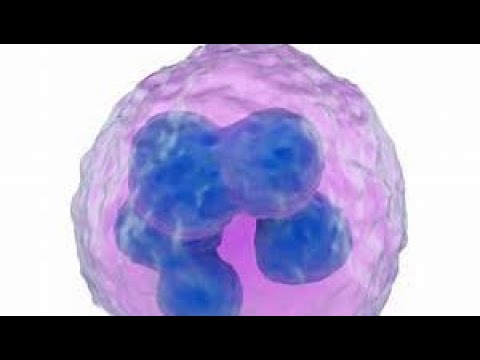




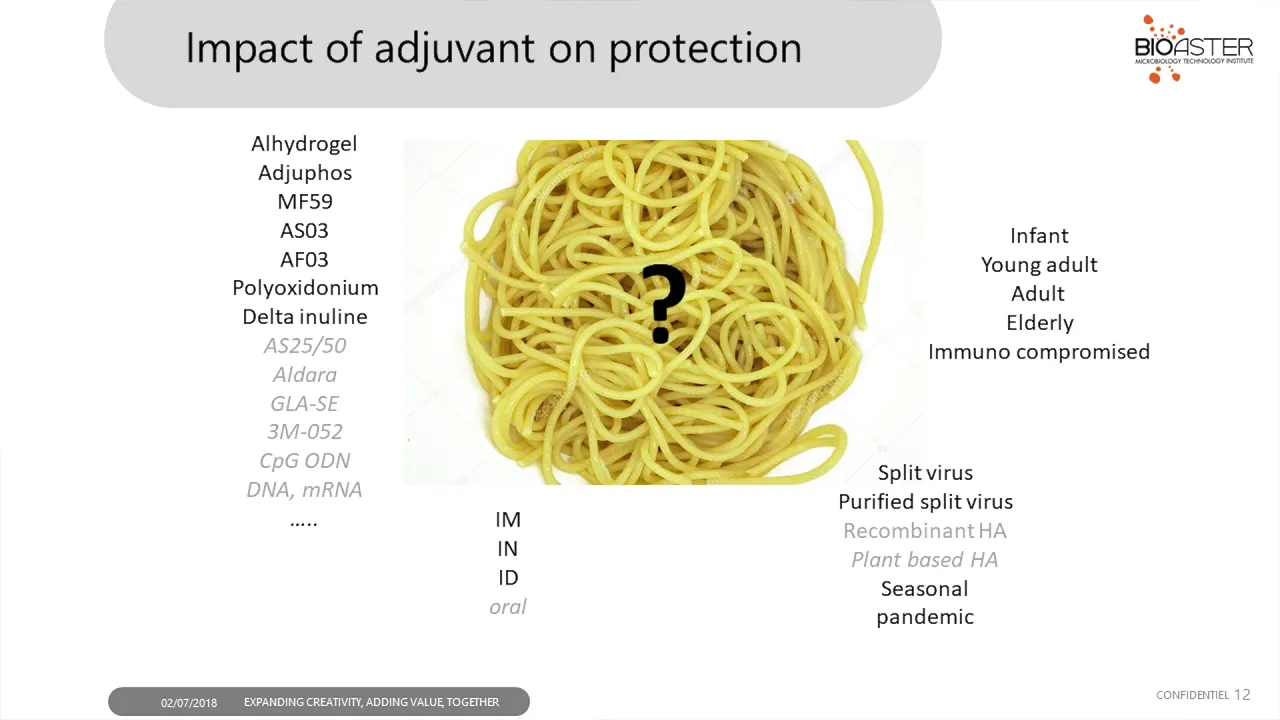









Adjuvants are substances that enhance the immunogenicity of antigens by employing various mechanisms: alum precipitates antigens to increase their size and prolong persistence at the injection site, while Freund's adjuvants (both incomplete and complete) create oil-in-water emulsions that slow antigen release; Freund's complete adjuvant additionally contains heat-killed mycobacteria that activate macrophages to express higher levels of MHC class II and B7 co-stimulatory molecules, thereby enhancing antigen presentation and accelerating immune response through local inflammation.
Adjuvants Explained: Alum & Freund's in Immunology
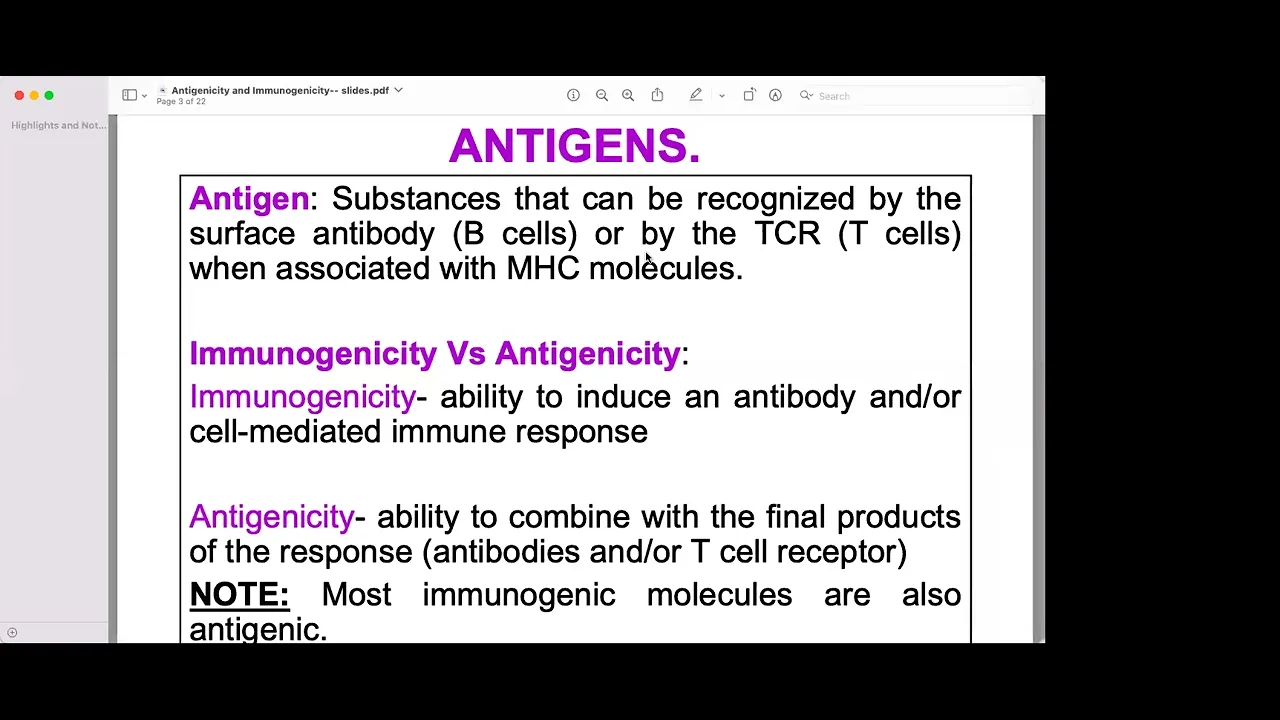
Added:Understanding the distinction between antigenicity (the ability to bind to immune receptors) and immunogenicity (the ability to induce an active immune response).
The fundamental differences between innate and adaptive immunity, specifically how innate signals guide adaptive T and B-cell activation.
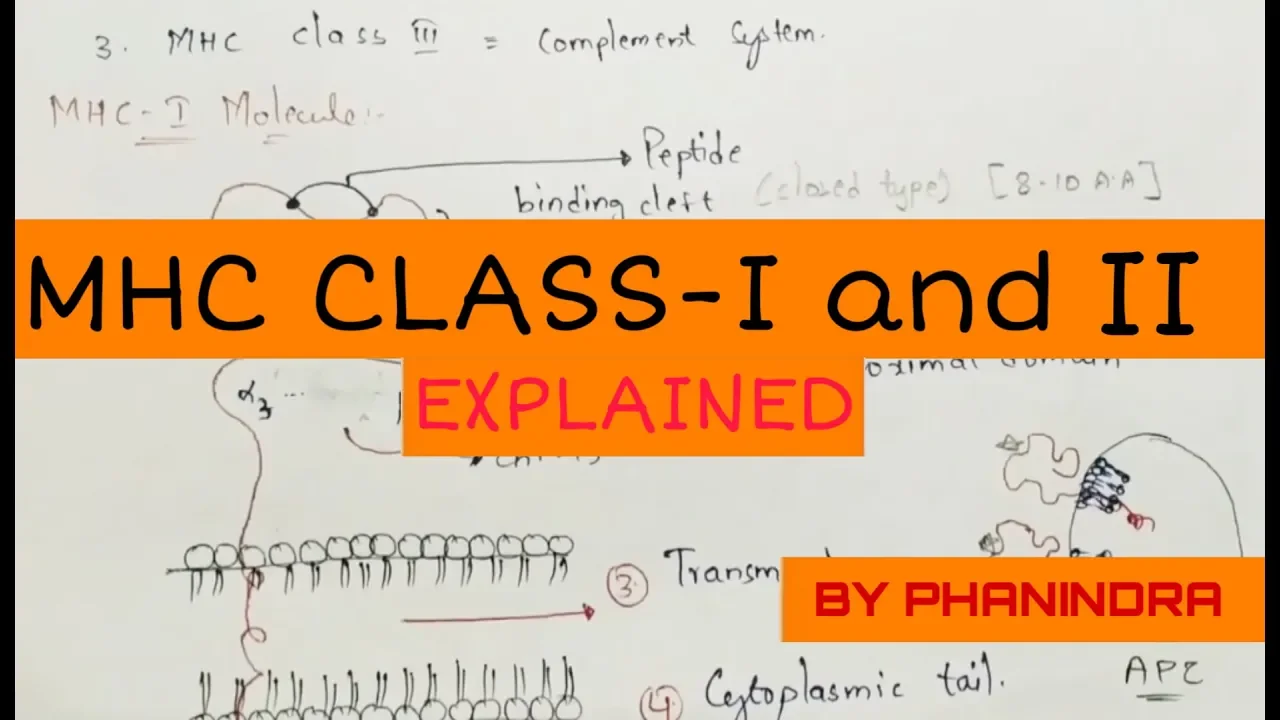
The mechanism of phagocytosis and how antigen-presenting cells (APCs) process and present foreign proteins via MHC molecules.
The physiological process of inflammation, including cytokine release and recruitment of immune cells to a site of localized tissue stress.
Exploring modern clinical adjuvant systems, such as AS01, AS03, and MF59, and how they compare in efficacy and safety to traditional alum.
The role of Pattern Recognition Receptors (PRRs), such as Toll-like receptors (TLRs), in recognizing adjuvant components like the mycobacteria in Freund's Complete Adjuvant.
The study of vaccine reactogenicity and toxicity, understanding why highly potent adjuvants like Freund's are restricted to laboratory research and excluded from human formulations.
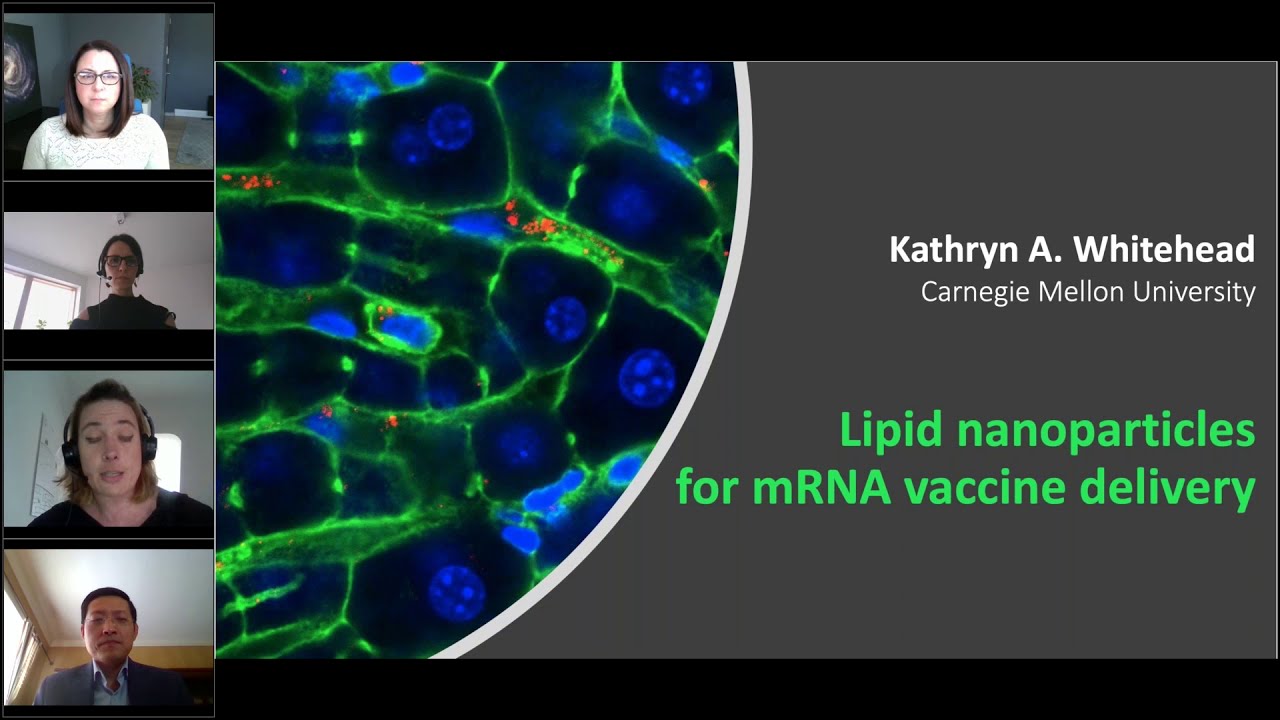
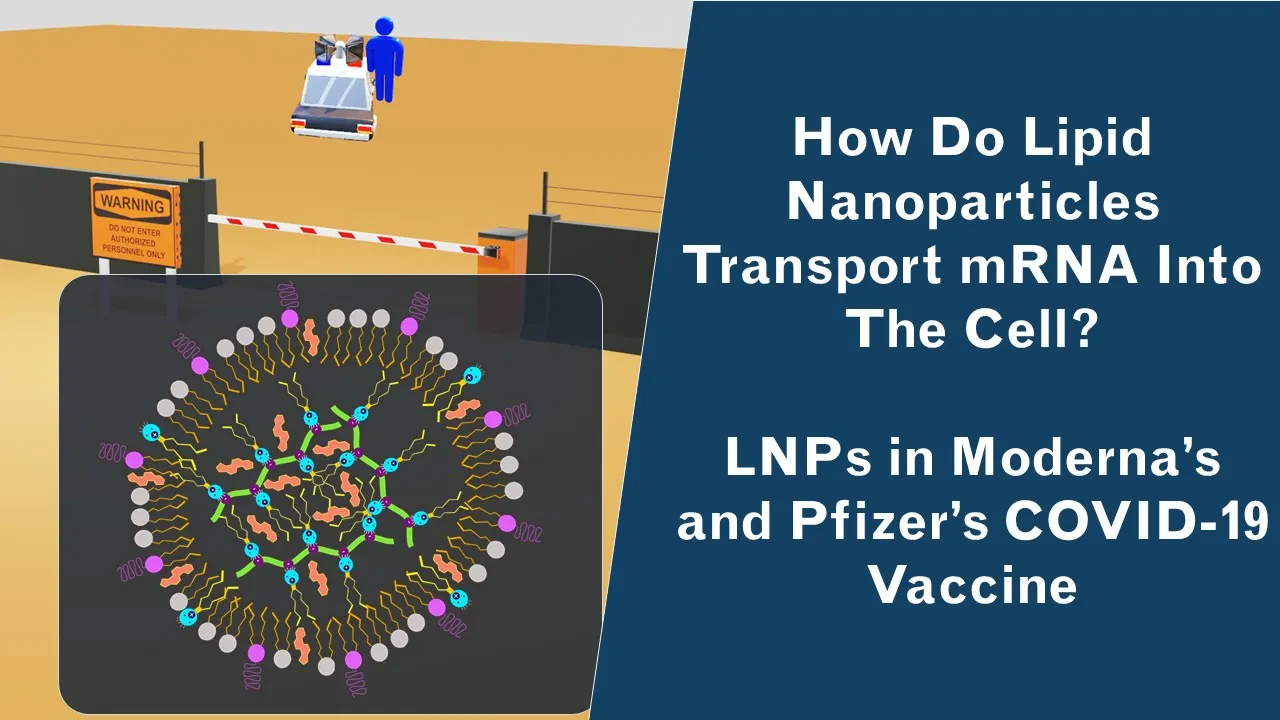
Advanced vaccine delivery technologies, including lipid nanoparticles (LNPs) used in mRNA vaccines and polymeric microparticles for controlled antigen depot release.
73K views2.1Klikes4:39Original Release: 2017-10-26
hello friends in this video session we will discuss the concept of adjuvant so adjuvant Sarge's substances which increases the immunogenicity of the antigen so before going to the concept of adjuvant you must know the concept of immunogenicity immunogenicity of the antigen its ability to produce immune response when it is injected to the animal and it depends upon the manufacturers alike size of the antigen the dose of the antigen is biochemical composition genotype of recipient animal and many more other factors and therefore every antigen differs in immunogenicity some antigens are more immuno genic in nature than the others if antigen with very low immunogenicity is injected to the animal it will produce very poor human response and maybe immunological memory may not be generated and instead such a low immuno genic antigen when mixed with the chemical collars adjuvant and then injected to the lab animal the immunogenicity is drastically increased and therefore many vaccines which are inactivated antigenic preparations are mixed with the adjoints you might be thinking now that how does adjuvant increases the immunogenicity of the antigen well different types of adjoint uses the different mechanisms for the same for example aluminum potassium sulfate better known as alum precipitates the antigen and due to this antigen is very slowly released from the site of injection this increases the contact effective time an antigen presentation becomes effective precipitation also increases the size of antigen which enhances the phagocytosis process frowns incomplete adjoin contains antigen in aqueous solution mineral oil and emulsifying agent such as the man night mano all eight in this case the small droplets of oil are produced which are surrounded by the antigen in this case also antigen is released very slowly from the site of injection the composition of fumes incomplete adjoined and fuels complete adjoined is nearly same but fuels complete adjuvant has an additional component and it is the heat killed mycobacteria the mycobacteria contains murim will die peptide in itself wall and this component of the cell wall activates the macrophage activated macrophages expressed the high level of MHC class 2 molecule as well as the p7 molecule and due to this high expression of these two molecules the antigen presentation is enhanced alum and both the type of fumes adjoins are known to stimulate the inflammation process at the site of injection due to inflammation large number of macrophages and lymphocytes are attracted at the site this again enhances the antigen presentation process and increases the speed of immune response in short a duels either precipitate the antigen and increases its size and prolongs its persistence or it activates macrophage and enhances phagocytosis and increases the expression of MHC class 2 and b7 molecule which is also known as co stimulatory signal or few adjuvant stimulate the local inflammation process hope you understood the concept of adjuvant if you liked this video please subscribe the channel and press the bell icon so that you will receive notification whenever I will post such video thank you very much and have a nice day
Up Next

24:36
COVID-19 Seroprevalence: Antibody Data Analysis Explained
@Campbellteaching
308.8K views•2022-03-04
50:12
Bacterial Communication: Quorum Sensing and Biofilm Formation Explained
@JHUAAP
12.6K views•2011-06-28

5:35
Enteric Nervous System Explained: The Gut's Brain | Neurobiology Lecture
@alumniu6029
438 views•2018-09-12
7:08
Bacteriophages: Earth's Deadliest Killers and Future Antibiotics
@kurzgesagt
34.6M views•2018-05-13
Related Study Plans & Knowledge Roadmaps
Structured learning paths in Biology
biology
RNAi: Biogenesis, RISC & Gene Silencing
01Molecular Biology Foundations: DNA to Protein
02Introduction to RNA Interference (RNAi)
03Molecular Biogenesis of miRNA and siRNA
+ 2 more learning modules
10h5 modules
Explore Roadmap
biology
Mycorrhizae: Signaling, Biophysics & Ecology
01Foundations of Mycorrhizal Symbiosis
02Molecular Signaling and Root Colonization
03Biophysics and Bioenergetics of Nutrient Exchange
+ 1 more learning modules
11h4 modules
Explore Roadmap
biology
Circadian Clocks: TTFL, SCN & Periphery
01Foundations of Molecular Biology & Gene Expression
02Introduction to Chronobiology and Actograms
03The Core TTFL: Molecular Architecture of the Clock
+ 3 more learning modules
14h6 modules
Explore Roadmap
biology
Population Genetics: Math, Drift & Selection
01Genetic & Probability Foundations
02The Hardy-Weinberg Principle and Baseline Models
03Mathematical Modeling of Natural Selection
+ 3 more learning modules
18h6 modules
Explore Roadmap