










![[16] स्वतंत्रता (Liberty) l राजनीति विज्ञान (स्कूल व्यख्याता) l By Surendra Singh Rajpurohit](https://i.ytimg.com/vi/V-qctYluPyw/maxresdefault.jpg)






![America’s Tag Team Philosophers | The Philosophers Behind the Founders [FSF Podcast]](https://i.ytimg.com/vi/j_VEtSD5Y7Q/maxresdefault.jpg)



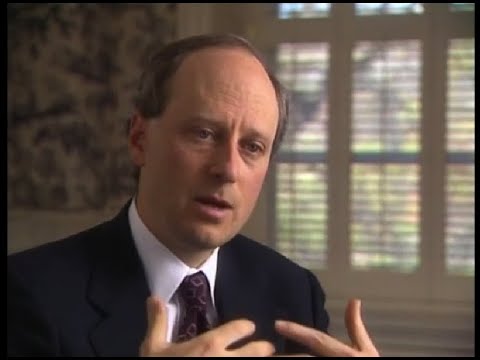
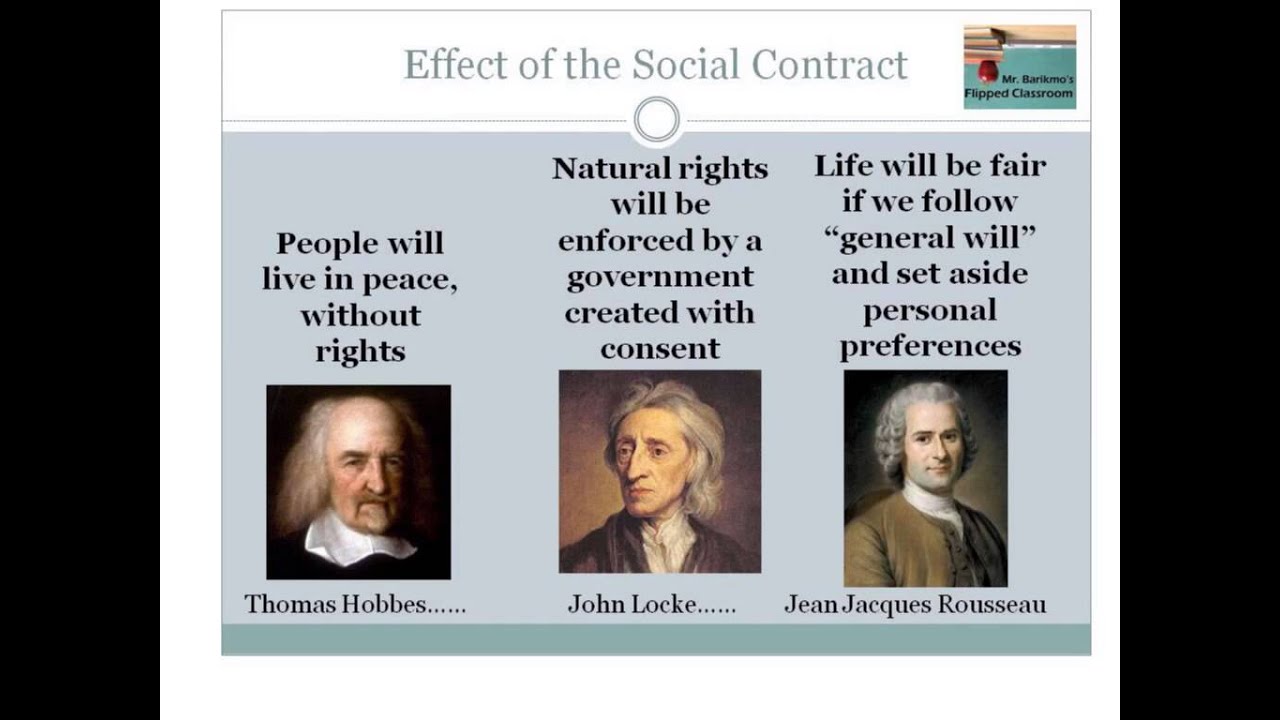
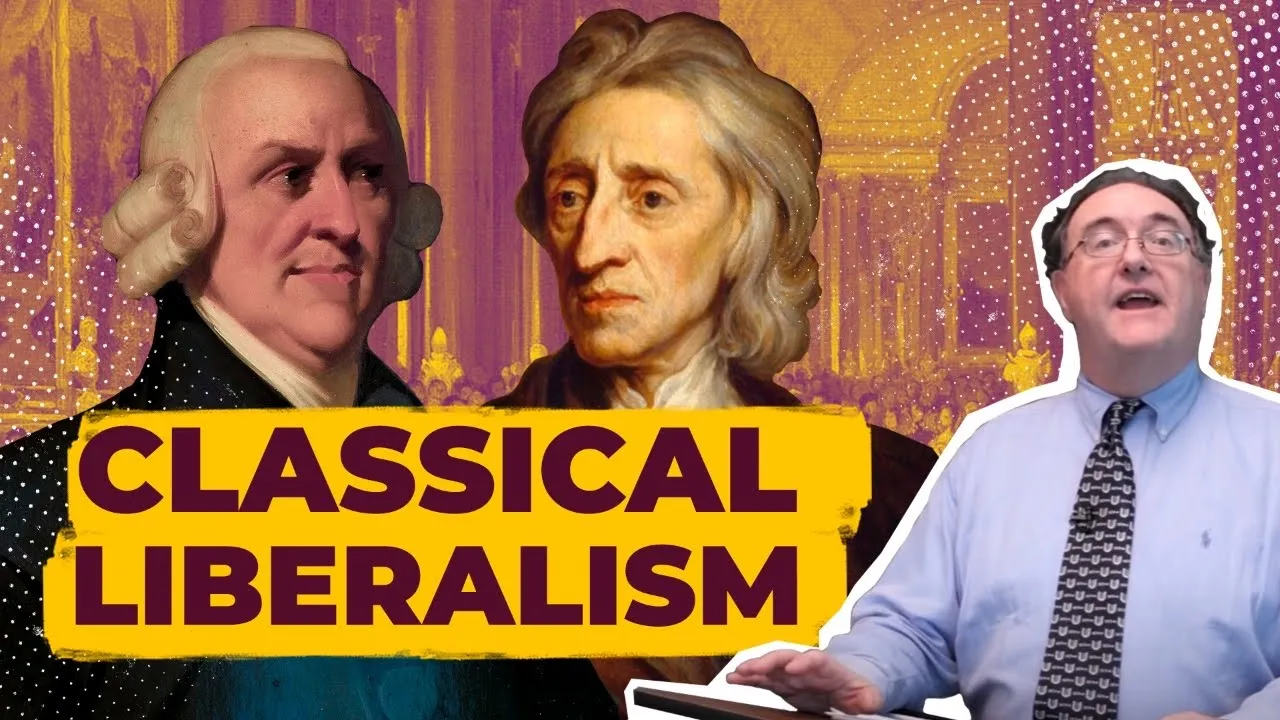
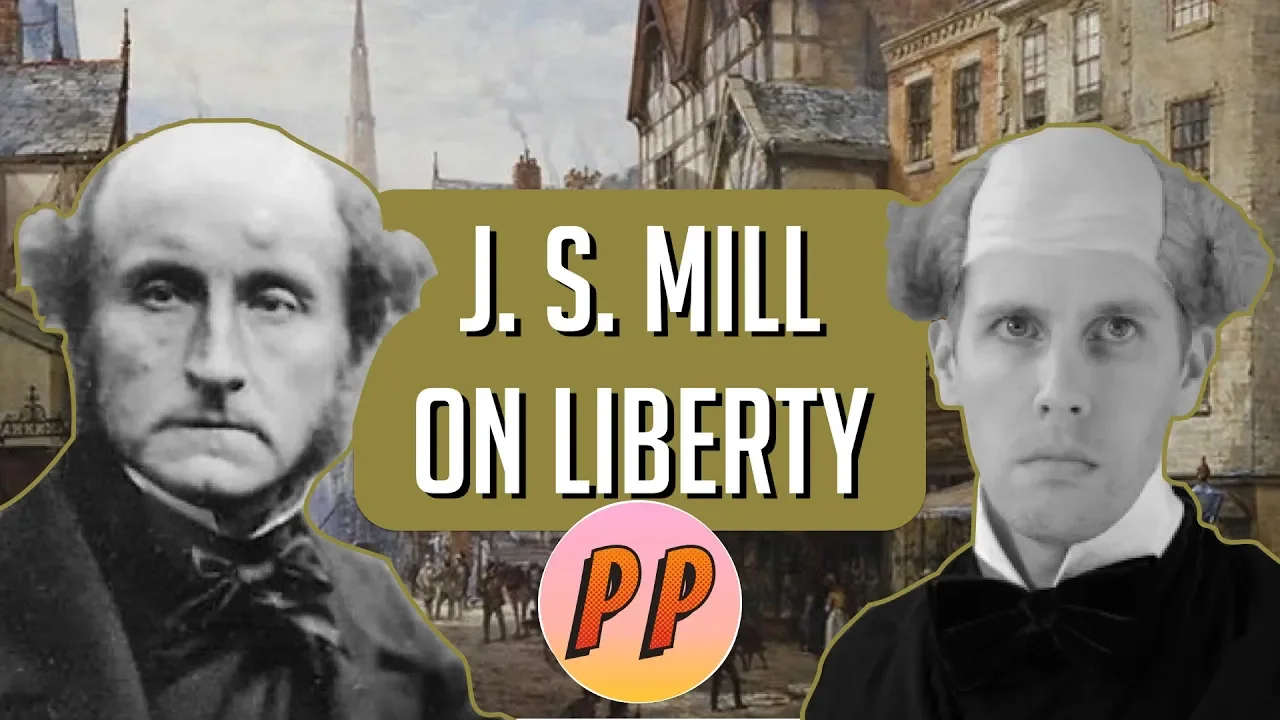
John Locke's Second Treatise of Government (1680s) established that legitimate government derives from the consent of the governed and that citizens have a natural right to resist or rebel when government violates their natural rights, a principle that inspired the American Declaration of Independence and abolitionist movements. John Stuart Mill's 'On Liberty' argued that even offensive or false views should be tolerated because engaging with them strengthens one's own beliefs and allows for the possibility that the minority might be correct, representing the original philosophical argument against 'safe spaces' and for open dialogue.
John Locke & John Stuart Mill's Political Philosophies | Rubin Report
Added:The core concepts of Social Contract Theory, specifically how individuals transition from a 'state of nature' to a civil society.
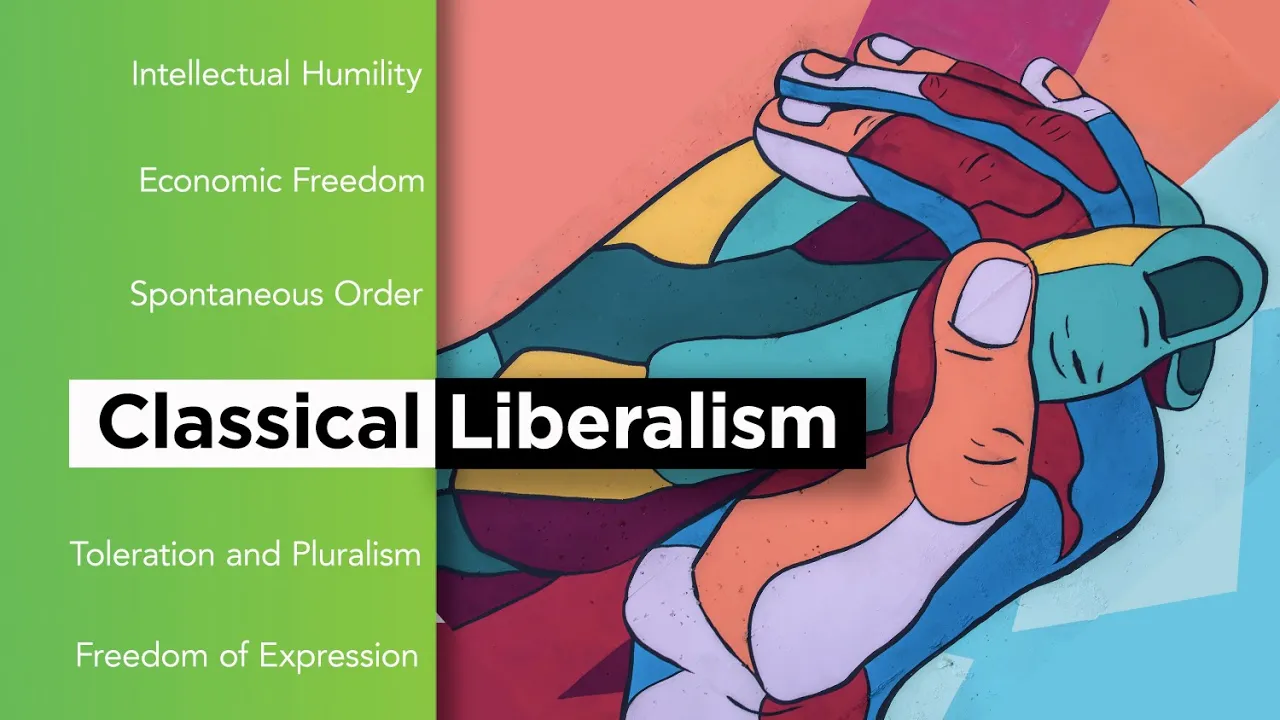
The fundamental principles of Classical Liberalism, including individualism, limited government power, and the rule of law.
An introductory understanding of Utilitarianism, which serves as the ethical framework for much of John Stuart Mill's writing.
The historical context of the Enlightenment and the transition away from the divine right of kings toward representative governance.
An in-depth analysis of J.S. Mill's 'Harm Principle' as outlined in 'On Liberty' and its boundaries on state authority.
Applying Mill's arguments for free speech to modern political discourse, including debates over 'safe spaces,' deplatforming, and hate speech laws.
A comparative study of how Locke's justification for rebellion influenced the American Declaration of Independence and the creation of constitutional republics.
Critiques of classical liberal individual rights from alternative political perspectives, such as Communitarianism, Marxism, or Feminism.
99.2K views2.6Klikes28:35Original Release: 2017-04-26
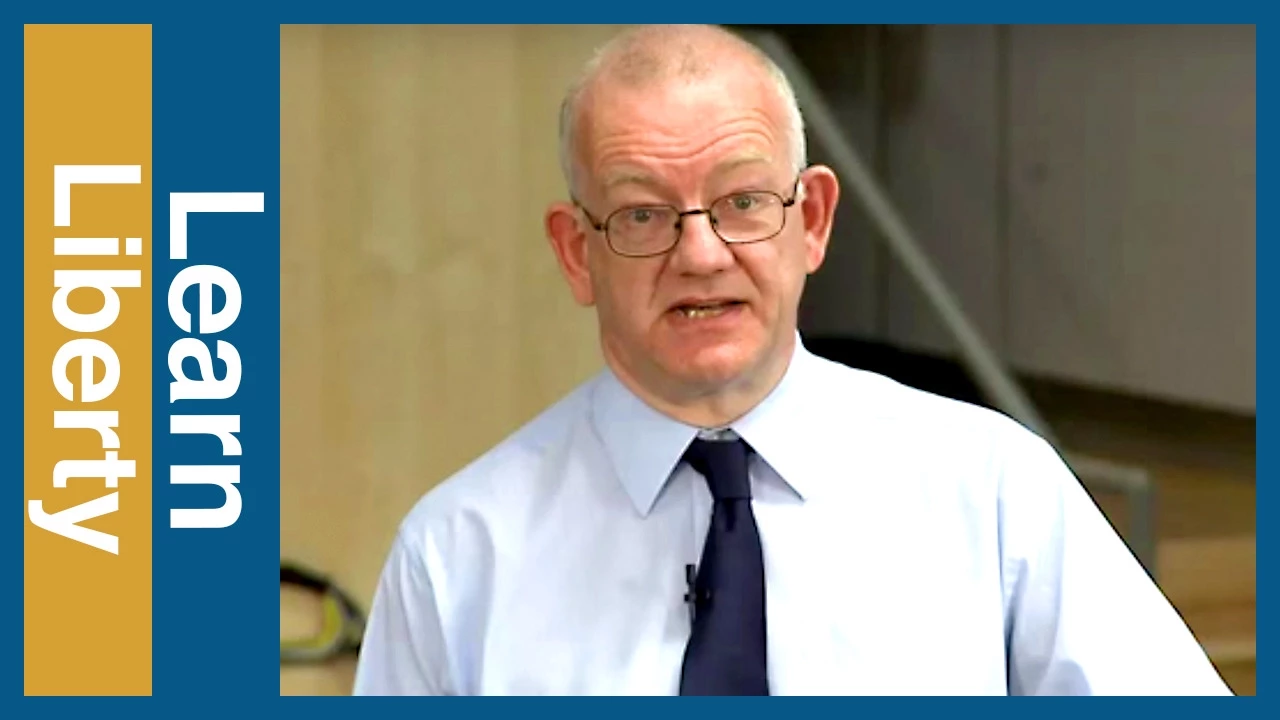
[Music] joining me this week is a professor of political Theory at Clemson University whose research interests include focus on Modern political thought particularly the British origins of liberalism Brandon Turner welcome to the Reuben report thanks for having me on it's pleasure so when I was doing research on you you sort of focus on everything that I've been talking about for the last two years so I fully expect this to be the best episode of the show that we've ever done me too are you ready yes all right so what I want to do first is because you've got a great breath of knowledge I just want to knock I'm going to name some people okay and I want you to kind of give me a little bio of them and why we should care about these people uh and in no particular order although the the first two were my personal favorites John Lock what do what do we need to know about John Lock and why is his writings and his thoughts relevant to today right so I mean lock is often considered uh what we think of as the the father of the classical liberal tradition father or grandfather depending on on who you ask um so most famously in this particular tradition he wrote the second tretis of government so this was written uh in the 1680s at some point and the basic idea behind the Second Treatise is that um you know uh we live in a world that has a law of nature a law of nature that governs it this law of nature is entitles in fact it obligates us to things like uh to labor the production of private property it obligates us to protect our natural rights and it obligates us to to consent to form a a government so in other words government based on the consent of the people all this all this good stuff but the real kind of the Crux of of the Second Treatise and why it remains uh such an important document and why it became so important in the 18th century is that lock provides I think the clearest articulation of a right of rebellion or a right of resistance so the last few chapters of the second tretis and really actually I think the whole second tretis is shot through with the idea that should a government fail to protect our rights or furthermore should a government actually become uh should a government itself violate our rights we are not only entitled to but actually we have a kind of a Duty a natural obligation to resist that government and to potentially uh violently resist it so um it's the second tretis that becomes in many ways the the basis of the ideas that that um uh that Jefferson articulates in the Declaration uh in inspirational for the French Revolution inspirational too for anti-slavery thought in the 19th century in America and elsewhere so if you look at somebody like John Brown somebody like Frederick Douglas I mean Brown in particular articulated his case for slave rebellion for whites spread slave revolts he articulated in the language of loohan natural rights so I mean that's why Lock's important in Liberal tradition he in some sense gives us the framework for liberalism as a system of natural rights and duties yeah so if we were to look at 2017 and we see you know hasht the resistance and all of these people that are that are really against Trump I think some with legitimate criticisms I think a lot of it as I say every week is sort of just kind of Hysteria and an inability to accept the election and all that um but the tradition of just sort of fighting against the government that in and of itself is pretty healthy right I'm not talking about burning the whole thing down and all that but that end of itself of just standing up for what you believe and all that yeah I so I mean it has a it has a kind of mixed it has there's it's a mixed bag in some sense on the one hand there are these great historical moments again I would I would say that the um the the 19th century Abolitionist Movement would be an example of it uh you You' even see Echoes of this in the black power movements and uh Black Panthers and all that kind of stuff who insist on being armed at all times if you look at John Brown for example John Brown used to actually he actually he created and he carried around with in this document it would have been a a con a new constitution for a new state in the image of John Brown and he in that Constitution actually one of the requirements is that both men and women would be not required but encouraged to go about openly armed at all times and the assumption is that if you don't present yourself as a kind of as a Potential Threat if you don't say listen don't push me around right don't tread on me as it were yeah because if you do I'm going to I'm going to bite back basically Brown feared and I think many people in this tradition fear that I mean tyranny is just going to be it's just going to sort of slowly um make its way in right if you don't if you don't make it known that you're not going to be pushed around there will come a time when you'll be pushed around yeah do you think we've kind of headed in that direction because we sort of are and it's why I do the show the way I do it we've become sort of just a dumb down populace we don't realize what our natural rights are and what natural laws and all I mean it's a it's a stark Doctrine in a lot I mean it's a it it requires a lot um actually the the term that often gets baned about in this tradition is it's a kind of a manly Liberty right so um I don't know I when I when I talk to my students about this you know we'll run through the lock and you know a lot of them would be on board they'll talk this is you know this is great and I you know that that these are ideas that I was brought up with and all this kind of stuff and so I ask them you know quite pointedly you know I say listen uh it's great that you're enjoying this it's great that this is that you that you feel inspired by this but let me ask you if tomorrow morning you woke up and on Twitter you found out that Trump had suspended Congress he just sent them home and you know he just you know he decided that you know Congress is it's had a good run no longer is useful he'll be the voice of the people here on out so he just kind of sent him home and maybe he suspends the Supreme Court too and he just says listen for a little while I'm going to run things on my own you know with the help of my staff or something like that in that case I think everyone would recognize this as a gross violation of a number of different doctrines and yet which one of you how many of you are going to take up arms and March up to Washington and do something about it and I suspect that the number is relatively few does anyone raise their hand and say you couple I mean you know undoubtedly you know my I I do teach in South Carolina so there is there is a certain tradition in uh in these sorts of things so you get a couple hands but for the most part I mean no I mean it's there's Revolution is expensive I mean it has a huge opportunity cost you might die uh people have projects have things they want to do um so and actually if you read the second Tre is Lock's very aware of this I mean lock lists all the reasons why Revolution is extremely rare um it's it's difficult to get the people riled up to the point where they're actually willing to take up arms and defend themselves yeah do you think that right now we're also at a strange precipice where there's a certain percentage of people who have this distrust of trump or think that he's illegitimate or whatever or Russia or all that stuff and then there's another percentage of people who think that our security services and the NSA and the FBI and the CIA that they've all become politicized so in a weird way we have two parallel movements that are both sort of fting the system I'm not even sure which one I think is better or or more legit yeah I mean so it's it the question of legitimacy is a very tricky one so I mean I would I would say this that despite all the rhetoric um and we see this rhetoric all the time I mean you you you turn on Twitter not just the the the people with the blue checks I mean you know not this doesn't mention it all the people who com in are the people with the blue checks yeah but even the you know the the kind of rhetoric coming out of I guess respectable opinionator and all this kind of stuff I mean it really the question of legitimacy is coming up more and more um than I think it has previously and so it's the question of legitimacy is a very big question it's a fundamentally different question then right is the government being run by people that I don't like is the government headed in a direction that I don't like do I find the government in some sense hostile to my interests do I feel that economically I could be doing better if the government would get out my way the I mean these are those are all sort of old school healthy things questions of policy yeah or they might say they're political questions in some sense but questions of legitimacy are something else entirely so questions of legitimacy literally the power that's being used over me is beyond this is power beyond right MH uh it's it's at some level fundamentally IL legitimate and I may need to and I may in fact um be obligated to violently resist this so I mean we do so in other words we have this kind of Rich American tradition of resistance that goes back to the revolution right men like Patrick Henry who you know fought against a a standing army you know fought for local militias because local militias would be more useful in killing tyrants and all this kind of stuff we have the second in other words we have this kind of Rich liberal Republican tradition that says listen at some point you need to be able to defend yourselves you need to be able to uh to be a kind of an individual of force right this individual capable of bearing this manly conception of Liberty and yet on the the kind of the underside of this right is Waco and Ruby Ridge um white nationalist movements and all this kind of stuff and and and and uh Oklahoma City and so um and I mean it's it's a dangerous it's a dangerous Doctrine Lo called it his peculiar uh his peculiar Doctrine it is um it it's it's troubling once you really kind of dig into it and you start to to question right what's I mean ultimately if individuals are the the Arbiters of what is and is not legitimate then you know who's to say you don't get some you know individuals with bad judgment who make uh who make bad calls on that and also it seems like if we ever rose up violently against the government I mean we know the government we we've seen tanks on our own streets and all these armored vehicles and Coop you know cops that look like soldiers and War zones and all that kind of stuff it almost seems that even if it was a legitimate reason to do it it could never end well there you know and and I guess that's really the yeah that's the little X Factor of this whole thing yeah know so this this is very interesting so that's very interesting to me the way that that locks Doctrine in particular emerged at a political moment where something like armed resistance by you know a regular and ready population could could be in some sense effective so um you know locks writing uh during a you know uh during a time of several failed plots to assassinate monarchs uh the Ry house plot of 1683 comes up a lot in this in this capacity the Monmouth rebellion of 1685 but you know that was in the 17th century and so today I mean you know the the government as it were the government and we if we're thinking about these terms has tools at its disposal that are just beyond our wildest dreams now there are obviously limits to their capacity for Destruction we see this in places like Afghanistan and if listen if America if Appalachians are willing to kind of hole up in in the holler and and you know and just kind of see how long they can hold off I mean it could be a potentially long protracted but for the most part right the all the the government's playing with a stacked hand as it were and so in other words I wonder how helpful the language of legitimacy is particular particularly when and this is the other thing I mean that so locks writing in the 1680s and this is before we had sort of regular um uh elections regular peaceful transfer of power so in other words now if we don't have if we don't like a governor that we have we don't like a president we like a congressman whatever we can just elect someone else we can vote next time and I think so in other words there's a kind of an outlet there there's a pressure valve that gets released every once in a while which is why and the question of legitimacy which is why if you focus if if you if you're focusing on something like the establishment right or the Deep State we see these terms a lot these are permanent entities they're not going away they're not susceptible to being voted out of office right they seem to have sort of wormed their way or entrenched themselves in our lives in ways that um can only be dealt with through some kind of armed resistance and so that that to me that's makes it a more troubling sort of question right if you think that no matter how many elections come and go this particular interest this malevolent interest will never leave then you might be willing to take up arms and that's particularly interesting at the moment because the phrase deep State nobody said publicly you literally I mean I you I'd hear the phrase at a at a drunk party or something some you know one of my more crazy political friends would say deep State this or whatever now it's become mainstream that that there are these vestiges in the government that exist that are I mean how real is that I mean now we're going we're going slightly off track here but let's go for I'm I'm voyaging someone out of my realm of expertise here but I think there's a couple of things going on so on the one hand in the 20th century we do get you know um in America we get this what you might call the science of administration uh or the science of bureaucracy so particularly in the first half of the 20th century there was and this is attached to the Progressive Movement in a number of ways there was this idea that um uh in some sense the systems of political organization that thrived in the 19th century have kind of run their course now we have at our disposal we have this new thing called political science and we have sociology and we have economics right we have these new Sciences of the social sphere that can help us in some sense gain control um over the just the chaotic mess that can be life in a in a mass society and you know um we can make in other words we make public life legible in some sense we can make it controllable and so we established these you know huge Federal bureaucracy the the explosion in the size of the executive branch is a um is a facet of this so we do have I mean when you teach I I occasionally teach American government you do basically have to teach four branches of government you know your traditional executive legislative and judicial but then there's this thing called the administrative State or the administrative entity it's this huge thing it employs massive numbers of people it generates laws it adjudicates disputes between parties to these laws in ways that you actually would think it runs as a kind of government so if you look at the Federal Register for example this huge body of law that's produced primarily through these executive bureaucracies and so you can think of that as a kind of permanent sitting and not particularly Democratic state so it's you know it works in some sense at the at the um through the powers of the president but for the most part this is a kind of a permanent bureaucracy staffed by sort of permanent bureaucratic um officers so there's that part of it right and then if when you when you take that when you take the kind of bureaucratic administrative State and you apply it to defense issues you generate things like the NSA the kinds of things that we did after in the wake of 9/11 then you've got a kind of different entity now you're talking about I mean you know the cia's been around for a while the FBI has been around for a while but now you're talking about a massive entity which is not only not transparent but you know very hostile towards efforts to make it more and more transparency this is where Snowden comes in right right and questionably politicized at this point and with motives and all that kind of stuff and it's well it's difficult even to tell to what extent it's politicized I mean so uh you know I know I know people who work for some of these agencies they they seem like very nice people they seem genuinely dedicated to you know keeping America safe and all this kind of stuff uh I don't think they see themselves as participating in a political project one side or another but it's it's just it really is difficult to tell particularly today when if it turns out that there is some you know Russian Trump connection or something like that it will certainly look like this kind of standing defense apparatus in some sense contributed to the downfall of a sitting president so I mean that in terms of Precedence right in terms of like is every president from now on going to have to deal with a kind of hostile permanent defense bureaucratic apparatus I mean that I think is that's a problem right so on one hand if there was some connection and that's what took him down then that would be viewed as good on the other hand the idea that this semi secret thing that that transcends administrations would be the very thing that I think John Lock and many of these other people are going to talk about would fight against because they didn't want that that giant monstrosity no but well yeah that's that's that's that's true and a number ways I mean and it's true at least in the sense that we can't check this power right they've almost become sort of power un themselves and from now I mean I think what you'll see eventually is a kind of equilibrium between presidents and this defense apparatus where you know the funding you know we'll keep the spigot open as it were in terms of funding and and leeway and getting you your you know your warrants and all that kind of stuff under the agreement that you you that you don't try to delegitimize our presidency right so in other words I think if this happens with trump it might be it'll probably be the last time it happens yeah um but it is troubling I mean this is this is it's not a particularly Democratic institution yeah and it's also one of those things that I mean we could spend five hours now just going down that rabbit hole and seeing where we get on the other side and I don't know that we'd come up with anything that would give anyone anyone great comfort right so let's move on to some of these other people uh probably my favorite political thinker uh John Stewart Mill okay talk to me about John so so with with Mill you jump up a couple hundred years um you know uh Mill you also English um he's actually a CER he was a CER bureaucrat himself he worked for the East India Company his entire life um Mills most famous for his book on Liberty which I mean based on the the themes of your of your show is is um uh a particularly apt text I mean Mills Mill's Kind of a Funny liberal in a number of ways he's not much of a rights theorist he's definitely not a natural rights theorist I mean he's avowedly utilitarian um so and I mean he you know he didn't the nonsense on stil thing on stils thing was bentham's uh description of natural rights but nonetheless I Mill is not going to Mill is not going to justify a kind of widespread resistance on the basis of natural rights being violated and all that kind of stuff so for him Liberty is Justified precisely to the extent that it is to the long-term interests of of humankind or something like that and so in a lot of ways I mean Liberty is something that you sort of as a civilization would say or as as a people you sort of grow into you have to grow to the point where the free exchange of ideas will benefit that you broadly speaking and he talks about this in the forward on Liberty but just generally on Liberty on Liberty just gives the case for why we ought to tolerate and by tolerate I mean tolerate like not just ignore someone but right confront someone with ideas that we find deeply offensive and deeply troubling and yet nonetheless allow them to say it yeah I'm glad you made that distinction though because the word tolerance even has become yeah politicize these that's right so I mean there's tolerance and there's apathy we tend to mistake the one one for the other I mean tolerance particularly like religious tolerance when lock was writing about religious tolerance I mean the demands were for this were High I mean it was a demanding Doctrine it says listen there's your neighbor he might be engaged in religious practices that you think you know not only are they um condemning him to hell but they might actually suck you down into the I mean so that's a those are high stakes right today we're like oh you know this guy eats that food and he eats that food and he wears that dress and I'm just not going to pitch a fit about it yeah um but so lock would say listen we got to tolerate people with offensive views for for for a couple reasons so on the one hand it might just be the case that they're right and we're wrong so we're the majority we're 99% of the of the of of a popular opinion on this particular issue and then you have this one guy who won't shut up uh and insists that we're wrong well I mean this is the Socrates case right so I mean it might just be the fact that that he's actually right and that we're going to be made better off through interacting with him on this and that's that's a pretty healthy way to view someone right like that that your int that your your opponent's intentions might be good might be right you know you might be wrong that's right you might be wrong which itself is a very demanding uh a very demanding Doctrine but so in but in that case it's clearly Justified to let him speak his mind because um if if you're remedied of of an error of of being in the wrong then you're made better off and so it's Justified or it could be he says it could be that the truth is maybe split between us so we we hold most of the truth we the majority opinion we we mostly right but the other side might be right in some different ways or they or the truth might be somewhere in between in which case we're going to come to a better understanding of the issue through a kind of interaction one-onone but the most interesting case though for Mill that he makes in on Liberty is what if the 1% is actually wrong like objectively wrong what if we had a machine that could tell us with 100% certainty you guys are totally right about this this person really is a crackpot she has no idea what she's talking about should we tolerate that view um and of course we can think of Parallels for this all over the place and I mean so if if um if I'm a Jewish community in skoki or whatever should I allow Nazis to walk through my streets and protest and all this kind of stuff I mean we know Nazism is wrong we know that anti-Semitism is wrong we know all these sorts of these are horrendous views and um uh and you know hold no place in polite society and all that kind of stuff so should we prevent them from speaking out and saying their mind bill says no even in that case you're actually made better off through interacting with these particular views you are um you're you you're given a chance for your views on a particular matter to become in some sense More Alive yeah to become better and I see this all the time so I mean when I teach when I teach something like lock or when I teach Mill or whatever to students today I mean a lot of my students I mean these are good 20-year-old kids they have the right views on most things MH right they know that human beings are are should be treated equally and all this kind of stuff but if you press just the slightest bit right if you say why should they be treated equally what's what you know what sort of Doctrine are views based on is it based on kind of natural equality is it I mean in other words once you start kind of poking around the edges of this view you know they they kind of they tense up a little bit they're not really in other words they have the right views but they don't know they don't know them for the right reasons they don't really remember why or how they came to these particular views they hold them in a kind of shallow or or S Hollow sort of way and so for Mill interacting with someone who pushes you on these things interacting with someone who genuinely does hold wrong views give you gives you the chance to reinvigorate your own views on particular issues so that that I mean that's the Bas argument of of on Liberty so he basically gave the original argument against safe spaces really right I mean he said let's do this let's do this and see what happens that's right so I mean uh yeah I mean I would I mean there there's some slight differences right so in other words um you know uh I think he's saying tolerate views interact with views I mean there is this it's a very kind of positive vision of what we're capable of doing um through dialogue and through discussion um and I think it's a conception of dialogue and discussion that many people don't really believe in anymore I mean I I think very very few people are willing to kind of uh to of to say you I believe that genuinely through dialogue we're all going to be made better off yeah I think today more more people are willing to say actually some people might be harmed by this particular kind of dialogue or some people might um we're only just going to entrench ourselves even more deeply in the views that we already have so in other words there is there's a sense in which Mill's view is it's an it's an empirical Doctrine right it's subject to to testing I mean it's we can say listen it doesn't work or there are certain contexts In which fighting like this actually makes things worse Twitter I think is is a good example of a place where I mean on on Twitter I am generally skeptical that um that a better that better views are being arrived at in other I mean I think there there's certain there are certain things about the context of Twitter that prevents that kind of dialogue from happening you're saying we can't solve everything in 140 characters is that what you're telling me well yeah is that what John Stewart would have said I think I think we make it worse a little bit cuz I mean on the inter on Twitter there's no like you don't interact with people on Twitter right you interact with strangers in some you interact with objects so like so you're on Twitter and you post something and someone else you know puts a a nasty snarky comment and you're like well that's just another whatever that's another sjw or another M or whatever and so you don't have there's no reason to engage with them you have a script and you're going to go off that script they have a script they're going to go off that script we're just reenacting this I mean it's almost like a game that almost like a video game right so you know they're you know it's like a it's a Street Fighter game so they're going to choose this character I'm going to choose this character I know which combos work against this and all this kind of stuff so I mean I I in that case I think Twitter almost militates against a better understanding higher understandings yeah and I feel like that's happening across social media although Twitter is a particularly good example because it's a constant snark battle it seems like what's happening everywhere even if you look at your Facebook feed where as I talk about all the time I mean people def people for having an alternate opinion or somehow you're now a bigot you know your mom's a bigot suddenly you know and and all all found out things about our grandmothers didn't want to know that that nobody wanted to know so part of this is just we're entering a strange phase just because of Technology because really the most important thing is to do this this this is what they had the luxury of doing that's right I mean and it's I mean there's a sense in which I mean argument argument particularly as argument fits into the liberal tradition it does require a particular ular context so I mean it requires an engagement with a it requires you might say an engagement with a subject if you don't think that the other person is capable of changing their mind if you don't think that you yourself are capable of changing your mind in other words if you don't think that the other person is anything other then the product of an ideology the product of class position the product of their gender the product of whatever happens to be then it was really kind of pointless to argue with them right I mean you're just I mean you're you're it's like trying to get a Mac to run a PC program or something something like that it's just not going to happen the hardware isn't there so if you don't regard your interlocutor as a subject in some sense as someone who is capable of of changing their mind of someone who's capable of entertaining different ideas of someone who is um capable in other words of of of what we would think of traditionally in very traditional sense as being rational U being susceptible to reasons then I mean it's we do have to wonder like what it is that we're doing the inter isn't that true bigotry it well it is right so I think well it so it's interesting I I'm not I wouldn't go so far as to call it bigotry I would say that there is that we're encouraged to think about people in these ways in a number of different from a number of different directions so you see there something like this in the in I what we think of traditionally is the Marxist tradition so in the Marxist tradition we are all of us um we are you know consciousnesses that are formed by our position in the class struggle right so the ideas in our head all of our ideas our ideas about religion our ideas about sex about marriage about children about work about all this kind of stuff these are determined by our position within a class structure so when we tell someone oh you're being very Bourgeois this is exactly what we mean we mean that you are uh right you are very much a product of your economic position we would say um so in that case right we do have to wonder like if if it's the case that I am just merely right this the the outcome of a process has already been predetermined right in what sense am I really engaged in in a dialogue so we in other words we so we see that position on in some camps on on the left but we see it too on the right so in other words if I there's there's there's an affinity for example in libertarian circles for evolutionary psychology evolutionary biology and I'm not crazy about this for for very similar reasons right so the emphasis on signaling and all this kind of stuff it says listen um when I'm engaged in argument I'm not actually engaged in argument I'm actually trying to convince you of anything I'm not treating you as a subject and I'm myself in not subject what I'm trying to do is I'm trying to improve my position in in a in a in a hierarchy and so I will use whatever tools I have at my disposal whether it be moral outrage whatever kind of strong signals I can send to other people around me that indicate in some sense my superiority to you this is we see a ton of this these days we we so in other words in the internet I think encourages that kind of be that kind of behavior but both lenses though I think the Marxist lens and the evolutionary psychology lens I think it discourages us from treating other people as as again as sub as subjects as saying listen I don't care what class you're from I don't care you know what your position is in the in the evolutionary structure or something like that I I think that you're capable of being persuaded I think you're capable of having a conversation and I'm willing to sit down and and talk these things talk these things over so I mean I think it's we have in other words we have a lot of tools at our disposal these days for writing off everything that we see around us for reinforcing our own views of our own rightness yeah um and on they're on both sides of the political spectrum and I think that we're that we're well suited to identifying and distancing ourselves from those [Music]
Up Next

39:20
The Gaze Explained: Sartre, Berger, Mulvey, Foucault, Fanon
@LCLupus
11.5K views•2023-01-15

164:01
John of Damascus on Holy Images: A Theological Defense
@BannedBooks
139 views•2026-04-25

68:32
Should We Destroy the Machines? Big Tech Surveillance Critique
@TheStoriesWeTell303
167.9K views•2025-11-30
4:57
The Myth of Sisyphus: A Greek Legend of Eternal Punishment
@TEDEd
8.6M views•2018-11-13
Related Study Plans & Knowledge Roadmaps
Structured learning paths in Philosophy
philosophy
Frankfurt School: Critical Theory & Culture
01Foundations of the Frankfurt School and Critical Theory
02Horkheimer & Adorno: The Critique of Instrumental Reason
03The Culture Industry and Mass Deception
+ 2 more learning modules
12h5 modules
Explore Roadmap
philosophy
Philosophy of Language: From Frege to Austin
01The Linguistic Turn: An Introduction to Language in Philosophy
02Gottlob Frege: Sense and Reference
03Early Wittgenstein: The Picture Theory of Meaning
+ 3 more learning modules
15h6 modules
Explore Roadmap
philosophy
Feminist Epistemology: Standpoint & Injustice
01Introduction to Epistemology and Feminist Critiques
02Sandra Harding and Standpoint Theory
03Donna Haraway and Situated Knowledges
+ 2 more learning modules
12h5 modules
Explore Roadmap
philosophy
Environmental Philosophy: Ethics & Deep Ecology
01Foundations of Environmental Ethics & Anthropocentrism
02Biocentric Individualism and Animal Liberation
03Ecocentric Holism and Deep Ecology
+ 1 more learning modules
10h4 modules
Explore Roadmap