


























Adolescents aged 10-25 are not biologically incompetent but rather respond to threats to their core psychological needs for status and respect; adults can effectively motivate young people by communicating respectfully, acknowledging their autonomy, and framing tasks as opportunities for contribution rather than demands, which activates the mentor mindset that balances high standards with supportive guidance.
Motivating Young People: The Science of Status and Respect | David Yeager & Angela Duckworth
Added:The core concepts of Carol Dweck's 'Growth Mindset' theory, specifically how beliefs about intelligence shape academic resilience.
Basic adolescent developmental psychology, particularly the neurological and social shifts that heighten sensitivity to peer status, belonging, and respect.
The distinction between intrinsic and extrinsic motivation, including the foundational principles of Self-Determination Theory (autonomy, competence, and relatedness).
Angela Duckworth's concept of 'Grit'—defined as passion and perseverance for long-term goals—and its role in student achievement.
The 'Wise Feedback' intervention model, which teaches educators how to combine high academic standards with explicit assurances of a student's capability.
Adolescent neurobiology, specifically how the brain's reward centers (such as the striatum) process social rewards, reputation, and peer influence.
Practical strategies for implementing a 'Mentor Mindset' to replace authoritarian or permissive parenting and teaching styles.
Systemic educational design, focusing on how to restructure school environments to reduce negative social hierarchies and foster cooperative learning.
7.6K views109likes49:10Original Release: 2024-12-20
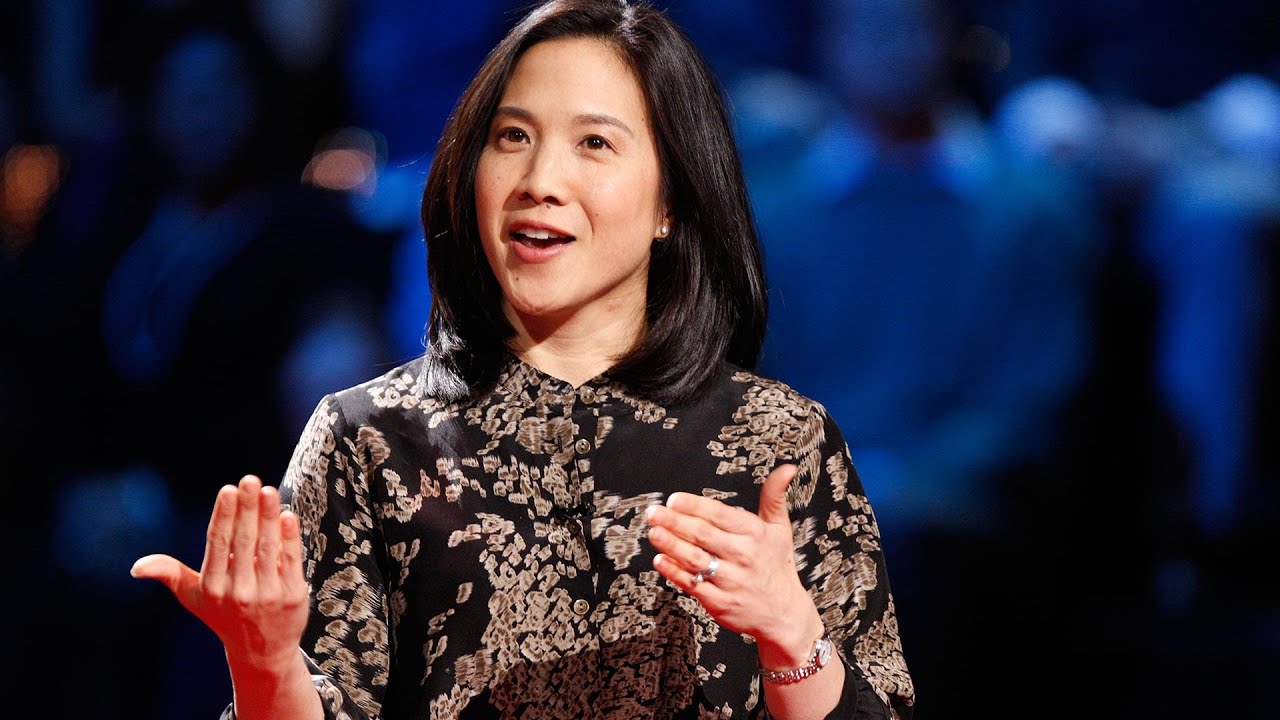
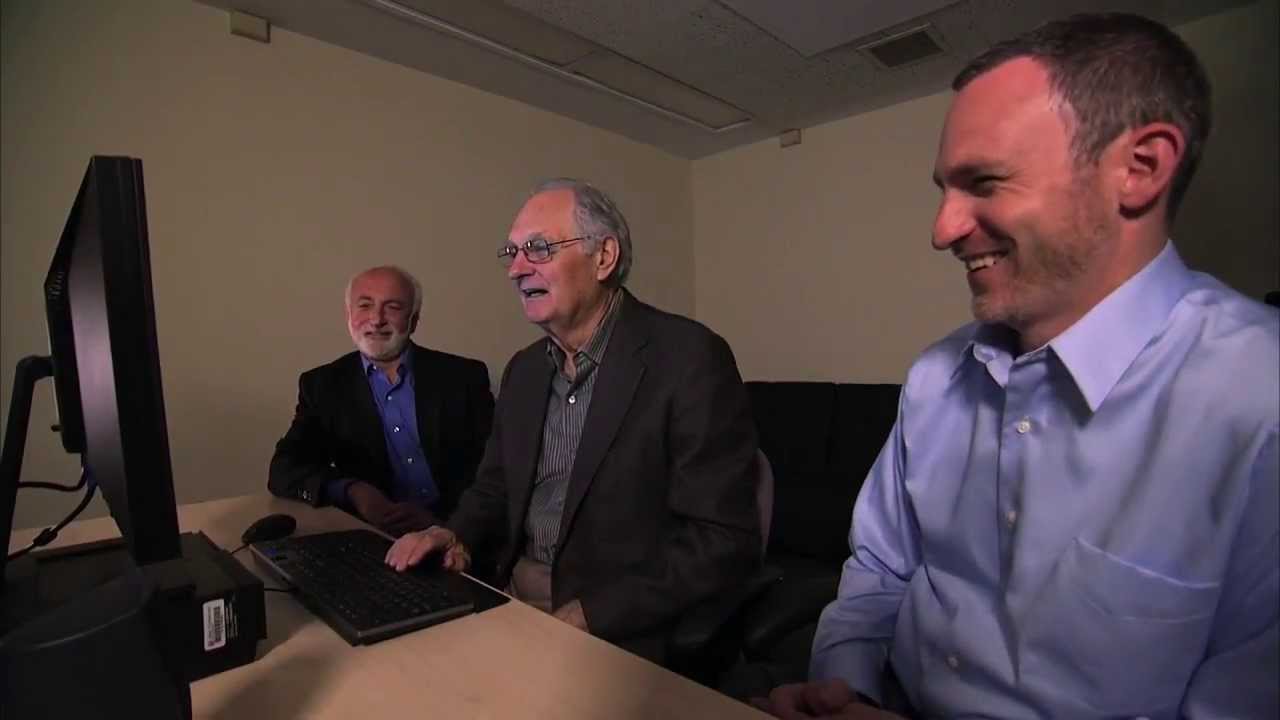
hello hello everyone David I'm so glad to see you it's been I don't know how long it's been since we've texted or called but it's been a while since I've seen you in person yeah it's great to see you again David and I know each other but I'm going to try to um uh Channel my David Jer ignorant uh self um and begin with the most obvious question I think it's the best question to begin with which is David dieger why did you write this book yeah so I wrote 10 to 25 uh really just just to capture about a decade and a half of research that we had done uh so just as a backstory I was a middle school teacher as my first job out of college and I loved being in the classroom but I felt like there were a lot of challenges I mean really getting young people to you know Master the complexities of writing essays and um you know grammar all those things those are hard but I even struggle to do things like get them to line up and walk down the hallway without punching each other uh stuff were you teaching uh Tulsa Oklahoma Tulsa Oklahoma and um I left the classroom ultimately because I felt like I wanted to do research on better approaches and for me I wanted to stand in front of rooms of parents teachers youth workers Etc and be able to say look if you say this it's going to be more effective than if you say that that like the the clarity of the experimental method was kind of my uh North Star and for a long time as you know we had a lot of success we we published a lot of papers and uh ultimately a big Insight was that we need to also address the adults in the room who are working with young people and we have to think about what approaches they're taking and how do we influence them to try to change their behavior and that led me on this journey of learning to write the book and so I spent a long time tracking down great mentors experts managers coaches like the adultss who are getting it right yeah the people are getting it right and then some level the people are not getting it right and I wanted to figure out what they did and distill that and share it with the world so you you think that a lot of adults do have things wrong about this age group and and and actually let me just ask you about the title 10 to 25 so I think when people think of adolescence they probably think of the teenage years but 10 to 25 suggests that adolescence precedes the teenage years or at least 10 and 11 12 right and then extends Beyond 18 so can you say anything about what is special about this developmental period and why you have extended it Beyond teenage years yeah so there there's two reasons for the re for the title 10 to 25 one is that I can have an infinite number of sequels so you're ready for 26.5 to 26.6 Yes uh thanks to the number line uh but the real reason is is look around pubertal maturation starts around 10 and specifically uh there are two axes in puberty adinar and gonad adinar is like kind of cortisol ends up in oily skin that kind of thing gonad is an increase in testosterone estradiol that's preparing you for sexual maturation yeah reproduction and that stuff happens even if you don't see it so a 10-year-old can still look like they're Tanner stage one which is a staging for puberty but underneath they could already have this massive surge in testosterone that's affecting their brains so uh scientists are kind of wise to the impact of those hormones on reward sensitivity in the brain in those earlier years which is why they're a critical period so that's why it goes down to 10 25 well adolescence is defined as generally taking on an adult-like role in the culture and in our global economy that happens later and later and later and so 25 is a kind of average of when that tends to happen in our culture and the neuroscientists are now showing that the brain is still developing even in that 25 but it's not so it's a biological onset a sociocultural offset but the key inside of the book is that there are influences of pubertal maturation on the brain that continue to shape what motivates young people throughout that range so the kinds of things that tend to motivate a 24 yearold are surprisingly far more similar to the things that motivate a 10-year-old than people think and so let's get to the heart of that because this is the you know you take a a provocative and um uh I think it's like not a very well-known stance about like how to understand this age group because there's a lot of complaining about this age group by the way that is this gen Z am I correct is it 10 to 25 gen Z yeah and then I think there's a one behind it Alpha I mean it's there's always someone trying to uh you know sell a Consulting around some letter generation Next Generation and that there's yeah they can just cycle through all the letters every every few years uh so what do we get wrong about this generation I mean this age group right not necessarily when they were born but this developmental period what do we get wrong about adolescence and yeah and then correct us like give us give us your theory yeah I mean it's interesting the there's a narrative about young people that they are incompetent short-sighted selfish impulsive impulsive as you know um and that's not a new idea you can look back at Aristotle in the red complaining about people right and yeah I mean you could read Aristotle writing about teenagers and it could look like an opet in the Wall Street Journal that you could have read yesterday kid kids these days yeah yeah so that's been going on forever yeah um and there's a a classic idea in in Plato in the fedis which is a dialogue and the idea is that the um there are two winged horses that are like Pegasus that are unruly and that are kind of spiraling around unable to be controlled and then a charioteer kind of needs to lash them enough to discipline those passions and that idea of an emotional brain and like a rational problem solving you know uh thinking logical brain uh whereas the in the latter has to control the former that's a just a classic idea in the western tradition and then it became kind of codified in our neuroscientific literature in the 90s so you didn't have to read philosophy to get this idea of the teenage brain being all gas and no breaks and there's a reason why that was a popular idea so um some work by people who we like and and know and admire um showed that uh if teenagers aren't able to control their impulses then it doesn't make sense to give them for example life without parole or the death penalty if they do some heinous crime right and so scientists successfully lobbied to the Supreme Court in multiple cases to Outlaw the juvenile death penalty and the juvenile you mentioned this in the book right in the MacArthur I think Network yeah yeah and and that's important work but once you once you conclude that young people make irrational decisions and can't be trusted to make their own choices then you can start creeping into other things like well maybe they shouldn't decide who they have relationships with or whether they have sex or if they use contraception maybe young people you know under 25 shouldn't be allowed to vote if their brains are still developing and there's a kind of cultural idea that I call the neurobi biological incompetence model and the idea is that teenagers brains are a wash in hormones and there's a disconnect between the prefrontal part and the rest of the brain the lyic regions and because of that they're incapable of thinking carefully but that model is overly simplified and even though it was ethically applied to some important legal cases when applied in general to thinking about all young people it leads adults to do some pretty dumb stuff that never works with young people and it leads young people to in turn uh feel kind of outraged and disrespected and it it actually leads us to create some of the very problems that we complain about as a society so let's get specific before I ask you to say more about this um you know natural for lack of a better word like need for status and respect that underlies your theory but let's get really specific this like for example what would a mom or a dad do wrong yeah well-intentioned but wrong in terms of like managing their High School junior uh son or daughter yeah so if you start from the neurobiological incompetence model the idea is that young people can't think rationally about important decisions and so if you're concerned about them then you as the adult whether you're a parent or manager or a teacher you should do the thinking and then you should impart that reason that came up in you came up with in your mind to the young person I call this grown plaining and I'm now going to mansplain grown splaining to you great uh and so grown splaining is is simply the idea that uh we think about what's a logical and good decision and then we convince ourselves that if only we say it enough and loudly enough to the young person and again and again and again and again then they will they will make a good choice and if they don't it's because they're recal Trent rebellious like ad right right and um it it's adults often Act like Americans visiting foreign countries when they don't speak the language like you're in Italy and you just you meet someone who only speaks Italian and then you just yell English at them louder yeah right all caps bold yeah it's like pasta and then I don't know what they're talking about uh that's how we talked to teenagers and I read about this study uh that I love uh Ron do our our friend and collaborator um wrote about uh what happens in the teenage brain when moms nag their daughters and they they a daughter in the audience and this trigger warning for the daughter yeah it could have been dads and Sons uh or or you know any of the other combinations but it happens to be moms and daughters and the way that the study works is they had moms record themselves finishing the sentence what bothers me about you is so it's like you're already not off to a good start uh right yeah this is a trigger warning situation for a lot of people uh and then they bring the daughters in to the fmri machine and it's a huge magnet that wors around their head heads and it's detecting blood flow in different regions of the brain as the daughter is listening to the mom complete that sentence so an example in the study is um her own mom uh yeah it's their own mom that did it in advance and then the the teenage daughter this is a very real scientific study with lots of acronyms and very lots of brain pictures and it says the following something like uh I tell you to take your shoes downstairs and you don't ever do it I tell you not to yell at your sister and you keep yelling at her I walk past your room and I say this is sweeping and dusting and you don't do anything about it you just need to calm that down and uh I'll tell you what doesn't happen uh the daughter doesn't say you know Mom you've got a point yeah I love that perspective I had never thought of those things yeah like I'm really glad that I now have this very clear list of things to change it's amazing uh and um I can't wait to get to work so good CH yeah um so that's not what happens that's not what happens shocking um instead what you see is an increase in Anger regions of the brain yeah uh so a network related to affect um and then you see a decrease in prefrontal regions specifically the dorsal lateral prefrontal cortex which is reason and logic reason and logic that's the Chari right that's shut off and then the third is is super interesting is the social cognition so the temporal parietal Junction so if people have seen Sarah Jane blak Moores TED Talks she talks a lot about that's the kind of mind reading section of the brain and that's not immediate obvious why that's important but um think back on what the mom so this gets activated or that's turned off that's turned off the mind reading social mind readings turned off and that's important because a lot of times what adults say is there's an unspoken part of it where the young person has to infer the meaning and then especially to make a choice right happens in all conversations right you have to infer meing but there are more or less literal ways to talk and often so take the example I said of the mom walks by and says your room needs sweeping and dusting right you know it needs to be cleaned taking that literally right the daughter could be like you're right someone should clean this room right like it needs sweeping and dusting right I wonder who's going to do that yeah right and but the mom thinks it's clear as day I told you to in the room right and the kids interpreting it literally and not thinking that so it's like mom is like I told you to do this the kids like that's an interesting observation and Mom's like why are you not doing what I say and the kid's like why is this lunatic yelling at me ah because you think in part because they have this anger response and because they are shutting off well because they feel like their rights have been violated like a lack of status and respect in that their rights are violated because I don't think there are a lot of teenagers who are like oh I literally just thought you meant that the room had to be well they self-interested reason to draw that conclusion right um and and teenagers love to like throw their parents' words back in their faces yes be as literal as possible yes um and so the so that's an example of grown splaining like what happens in the teenage brain and then as you've alluded to the my argument is that anytime you threaten core needs like competence autonomy relatedness for a young person then it uh it makes them feel disrespected and the teenage brain doesn't like being disrespected in part because one of the things that puberty is doing is is trying to make you go out and find a way to feel respected in your culture to gain a reputation of someone who has value and who is worthwhile and so a parent has like caused a conflict with the core motivation of the person you've now imperiled the one thing number one thing interested in care about and you use status and respect in the book I think usually together status and respect is there any difference between those I mean do you want to well it's like what is it psychologically what is the umbrella is more your your social standing um and and the reason why um it just in English th those words have over overlapping meaning and I want to capture both of them but what I don't mean is just how many likes you get on Facebook or it's not popularity it's yeah social standing and I'm I'm influenced a lot by The evolutionary Anthropologist this isn't my field but I'm summarizing i' I've interviewed a lot of these people and and what they argue is that in our evolutionary history when we're on the humans are on the Savannah um when you're a child the parent takes care of you you wander around from resource to Resource and the parent takes care of you not because the four-year-old is good at foraging but because the four-year-old is your child you care for them you're you're helpless but if you're like 14 and you and you bring nothing to the table and everyone else is like killing enemies to protect you and bringing you like no no one's going to keep you around anymore so the developmental challenge of this stage is to is to have a contribution like to have a meaning have contribution that is seen by others and respected who are socially valued in the group so it's have it's it's what the Anthropologist call earned Prestige you have to have done something in the eyes of others whose opinions you care about and whose opinions matter for the social success of the group to prevent them basically from abandoning you and leaving you behind in the animal world so I write about this interesting work by a bunch of chimp researchers I didn't think I was going to write about chimps when I started the book but then I met but there's Adolescence in in other you know actually I think some of the most interesting adolescence research is with chimps and I interviewed these Harvard anthropologists who every joen what's that is it Joan Rick's lab they're no um they're he's heon do primates stuff no that's true but he's a uh but but so they're uh one of them Aon sandal is now at UT where I work um and every summer they go to Africa and they sit right on the edge of this park where the chimps are and they wake up at 4:00 and they've got like a long long pole with like a bucket and so they wait for the chimps to pee at 4 in the morning and have to catch the pee to like test the hormones so they know everyone's pubertal status at all times because they're catching their pee every morning um and it's very interesting life I don't personally want to do it but um the and then they just watch The Chimps all day and they take notes and uh chimps just like humans start puberty around 10 and the mom stops protecting the N9 and 10 year-old chimp and they now let the N9 to 10-y Old chimp go basically be in the town square with all the other Adolescent and mature in adult chimps and if they read the situation wrong like if a ski a skinny nerdy 10-year-old chimp tries to mate with another chimp they're not supposed to they'll like rip it to shreds they'll beat the absolute out of it right because we are also a deeply hierarchical species it's deeply hierarchical and so getting status stuff wrong is literally life and death for not getting beat up and destroyed but also you'll never mate if you don't know the hierarchy because you'll never figure out who you are allowed to mate with and so you basically you die alone if you don't figure out status and respect so this deep evolutionarily uh preserved or um generated need for status and respect for social standing let's go back to the mom and the hypothetical mom the hypothetical daughter and the hypothetical messy room and I will try not to project onto this um but what advice you know what should the mother do or say in that situation yeah so we've we we've done a bunch of experiments on how surprisingly small differences in communication can have a profound effect on young people's willingness to take the actions that the adults in their lives want them to take um one example is an experiment we did on medication adherence so this is if people have read the book it's a vomite study um and so the pre setup for the study is uh that and I'm not sure if you know this but 50% of all teenagers who have gotten an organ transplant don't take their anti-rejection meds so they've got they've got the kidney and by the way to the credit of teenagers 50% of adults who need to take their statins don't take their Statin is bad we are not good at but just like the crime curve it Peaks from 10 to 25 so it's like it's lack of adherence yeah the lack of ader it gets better every year after 25 um and 50% of cancer patients like teenagers who are outpatients they don't take their oral chemo now the conventional view is to grown Spain the health consequences of their actions right so you're not taking your medicine if you don't do this then right right uh and I interview tons of transplant recipients and the main thing doctors say to them is we're going to increase your meds we're going to force you to come back it's basically threats escalating threats that and what I thought was well maybe there's a social status and respect issue happening here and there I think there are two one is that taking your meds every day is uh there are social cost to it so for instance I interviewed this one kid who had to take basically two fistfuls of steroids uh every day uh to stop some inflammation um and so he'd go to a party and then have to hide in the bathroom and have like Pockets full of steroids you know and then his other meds made it so he couldn't drink he had super bad breath and gave gave him like erectile problems wow this is it's like like what what does a normal teenage boy want to do at a party right it's like not it's make out Etc make out and drink and so the meds are like preventing you from doing the normal teenager thing um and they they know they don't want to go back on dialysis and lose the kidney it's they're fully aware they don't need any to grow explain that to them um and so uh but so so one is that there are social consequences of feeling weird and different the other is the way doctors often talk to patients is very disrespectful so they often it'll be like the teenager and the mom usually and then they'll talk directly to the mom not the teenager and the conversation will mostly be about how to threaten and twist the arm of your teenager who will evitably screw up and that's what they do in front of the kid and so the kid's like all right well first of all I've learned my mom's in charge not me me second of all I've learned everyone thinks I'm an idiot so why would I do anything any different right um and so we did an experiment to just test the effect of better communication now you can't do an experiment with real transplant recipients because I don't want my control group to like die or lose a kidney right because it's like you know we we crapped on you and now you don't have a kidney and yay our study is published like we didn't want to do that right so we needed a medicine that was unpleasant was as inconvenient as the two fistful of steroids that has side effects but it was presented to them as plausibly healthy and good for them and so that's why we turned to uh having them eat a spoonful of veite so if you don't know veite I highly recommend Marmite uh well we tried both and we had a a in our lab we did a taste test and veite was twice as bad in rating I thought they were just the same there was a lot of piloting I had this is a my student who later worked under Tim Wilson she also tried snorting um tobasco sauce which was just we were worried about lawsuits so we didn't do that yeah um and then I was like wait I'm your employer and you did that so we should not talk about that yeah um I did not I did not tell her to do that I will say tonight yeah at any rate uh so we settled on a spoonful of vegine if you don't know what it is I encourage you to Google Google the YouTube video Americans eating Australian foods and the section where they eat the Vegemite is the funniest part of that video by far uh so veite is Imagine You brewed a barrel of beer and then you took out all the beer and all you had had left was the yeast sludge and then you put that on toast yeah so we had uh 18 to 25-year-olds take huge spoonfuls of vomite um to sample it they all know it's bad and then we had a doctor uh on video you know it tastes bad they they know it tastes bad to Americans in other countries it's an acquired taste they like it but in the US it's considered disgusting and um and lots of other countries too um and so the we either ask them respectfully in a grown splaining or disrespectfully in a grown splaining way or respectfully and it turns out that little subtleties so for instance um not saying you should or you have to but instead saying things like you might consider that kind of thing made a difference uh also in our disrespectful condition we said things like I'm the doctor I'm an expert I know what I'm doing therefore you should listen to me in the respectful condition it was and these were UT undergrads so it's like look you're a UT student you're going to understand the real reason for this let me explain you know the real reason for it we also framed the whole experiment as uh you're contributing to science so um in the disrespectful condition we said there may be an unpleasant taste try to ignore that which is impossible to do uh in the respectful condition there there might be an unpleasant taste think of that as you doing your part to help others in advance science right so reframing that yeah yeah and when it was framed as you have a choice um and you're making a difference and uh and I value your opinion and I think you're smart then they were twice as likely to take the Vite and then the interesting thing is that we also tested uh the impact of testosterone so these were young adults but we could temporarily turn them into teenagers with a nasal inhaler of testosterone so for people who started out as a low low they did an inhaler where they it was testosterone or one where we told them it was and it wasn't so it was a placebo and we found that they became hyper sensitive to the difference between being asked respectfully or not and what that suggests is that a lot of the most frustrating kids these days Behavior might be in part a response to how we're communicating with them and then the which should give us pause and make us think about how good we're doing as a society and certainly if the smartest doctors in the world can't figure out how to get more than half of adolescent patients that take medicine then clearly as a society we're doing something wrong um but the but the optimistic part is that there are ways of influencing young people by being attuned to our communication and there's a clinic at Sanford where my wife was a nurse she was a pediatric now pediatric nurse practician she used to work at the PQ and the liver Clinic doesn't have the high non-adherence rates they have teenagers who take their meds but it's it's a whole status and respect thing that they do from the moment that the young person gets their transplant they talk to the young person not the parents they they get young people to feel like their K their liver is a gift and they're honoring the person who gave it to them every time they take their meds so every single day is like a status reinforcement of your value as a person your leadership your wisdom and then they also put them in community so they're like to go to summer camps together Etc and that to me suggests that there's something to this idea of instead of thinking the Adolescent of the Adolescent brain is is irretrievably incompetent it's instead something where where we need to be more aware of how we're communicating and what the status and respect implications of certain behaviors are so that we can then optimize both how we communicate with them and then how we present things to them so let's apply this uh perspective to something that has been talked about a lot recently which is social media yeah and you know smartphones Etc so uh we've had brief conversations about this but as as some of the people in this room know there is a bestselling book by uh John height uh who's at NYU that argues that social media is one of I think he's very careful to say one of but no he says it's the main cause okay like of the rising tide of anxiety uh and depression um and you know and loneliness uh you know essentially mental health problems in and Adolescence and there is a rising tide I don't think anybody is going to uh disagree with that so as to researchers who study adolesence we believe there is a rising tide of adolesence for 10 years for sure right and I think goes back 20 right so like so um so what's the David jerger perspective on on this issue because as as you were about to say I think um uh you know there are academics on the other side of this um you know debate I will call it because it is it is ex it's an argument yeah it's a so um the I have reviewed the literature but I'll just say that the editor of Science magazine who's the nature I think it's nature there might well Candace published something in nature right Candace aers and then the editor of Science magazine wrote an editorial oh it was the editor of science I thought it was the editor the overall editor and it's very rare for the editor of a scientific mag azine to say look these people are using the science all wrong right and science is you know again I think this audience knows like science and nature are like the Premier Outlet in the world certainly in America came out and said look um Height's misrepresenting the science this is there's all kinds of ethical issues with that I don't need to review that but I refer people to that research uh but the but the here are the things that are generally well accepted uh every year since the Great Recession teenage mental health problems went up um so the the rate of clinically significant anxiety and depression has increased um interestingly other teenage risk behaviors have gone down so teenage pregnancy car crashes crime so on all those things that we were really worried about in the 90s um about the coming wave of like a crime wave of teenagers almost all those things have gone down uh since since then but mental health problems have gotten worse as have uh really just opportunities to get in the labor market so economic inequality educational inequality has gone up every year there are a lot of people who think that that's that those two things are related that the feeling like you're supposed to toil away right now as a young person factoring trinomials and doing sociometry and basically delaying gratification for the promise of a better grade a better college and a good job so I could hardly afford a mortgage in my 30s like that that's the the idea that that's the promise for your self-control now um and that that promise is less and less true for fewer and uh it's it's less and less true for more and more people in America right now that has it any age since the Gilded Age but according to some sociologists um it it's possible that that's a major cause of anxiety but there are lots of other causes that make sense too um in addition to the economic inequality and and so on there's Global Wars uh there's you know pandemic um there's global warming there's just a host of problems that young people are aware of and concerned about and they're often talked about more and more and more by an always on news media culture um so every headline is all caps breaking news breaking crisis Etc and so I think there's a lot of reason to think that just the problems of the world that young people are more and more aware of is a reasonable cause for uh a a big part of the anxiety epidemic um I I'll say that I told my 14-year-old daughter about the anxious generation and I was like Scarlett uh so there's this guy who says that uh your your generation has an anxiety problem she's like well that sounds right to me I believe that and I and she's like why does he think it's happening it's like oh because of your phones and she's like well that's not true I don't have a phone and I'm super anxious and uh and I was like what do you think the cause is and she's like well it's obvious like what do you mean it's like it's obvious to every single teenager like what do you mean and it's like the world is ending and your generation is doing nothing about it like all you guys do is like bicker and complain it's like my team is this and your team is that and it's like you don't solve anything like show me a law that you've passed since 2009 it's like you don't do anything and my generation is going to have to clean up your mess and then you only talk to young people for like 6 weeks before an election and then you go back to not caring about us and take away from me is I have to trust the Baby Boomers well like you had your chance baby boomers so like I interesting conversation with a 14-year-old but like I I think that's true for at least some kids that that they are young people are hyper attuned to unfairness in the world that's just like ask any kid um what's something wrong with the world they will tell you immediately and you know your copi on our purpose research we've we we surveyed a nationally representative sample of uh freshman and like tell me something problematic with the world and 90 something percent of kids filled out that question they didn't have to it was not hard for them to think of things that were wrong in the world and if if they're thinking about that a lot and they think that no one's going to fix it that's a totally do you think there's no role of social media and smartphones or uh well so we as you know my um my student hon Lee and I we did a series of experiments on social media and we randomized teenagers to join a social media Network that we created it was like Facebook and they post something about themselves and then we um tell them they're joining a group of other people who are all logged on at the same time and over five minutes you have the chance to like everyone else's posts created an experimental social media we created an experimental controlled social media and we randomized whether the part the kid participants in our study either got the second most likes out of 12 people or the second fewest likes out of 12 people and what's interesting is there's no comments so no one got insulted trolled made fun of it just like thumbs up thumbs down well just thumbs up thumbs up no negative feedback right and kids felt terrible if they were the second Fest uh it was like one of the biggest effects we've ever studied half standard deviation to a full standard deviation on self-esteem other things like that um so insufficiently positive feedback itself was a negative stressor which is interesting because a lot of people think it's the cyber bullying it's all the it's the absence of likes or the delay of well relative to others comparison which of course they are always doing yeah and so I think that I think the plausible story for social media harming mental health is that you have more access to Impossible standards right than ever before imperative social information where you are never going to be at the very top right and as you know Dan Gilbert's research and other people right that one of the best ways to kill happiness is to compare yourself to people who have more and I think it was Herman Melville who said comparison is the thief of Joy really he's a good guy that's a that's a I should he very Melville was he uh was he an author uh call me Ishmael you know yeah yeah 100 pages about wailing I skipped all the Wailing chapters me too yeah uh but so the so anyway Dan Gilbert I think compelling research that if you do upward comparisons it kind of makes you less satisfied with what you have now so I think that the a plausible role of social media is that you're exposed to examples that you can never live up to and those examples are in a fake way making it seem like they're normal people that anyone could attain but a lot of it is manufactured Impressions or they're just super outliers for so what is the cell phone policy in the Yer household how does scarlet not have a cell phone oh well mainly I just don't want to deal with it I mean like I don't think so do any of your kids have cell phones how old are your kids but they have iPads I mean they can talk to people I just yeah I I'm I'm not worried about cell phones for mental health I'm worried because they're super distracting you have to think about them all the time right right so you're worried more just in terms of like how they're displacing attention from yeah SC was on the basketball team and take the bus to the game and everyone they' ride back that's when I the most fun was like actually talking to people just bsing on the bus and everyone was just on their phone the whole time so you're not saying that cell phones aren't an issue to worry about you're just saying like a direct link mental health but it to expect the increase in access to cell phones to track with the overall explain the trend in adol Trend in health problems it also has to not have positive effects and there's a ton of evidence that it they have positive effects it could just be that the negative effects are bigger than the positive right right or they they they cancel out uh and so the but but the the kids who tend to have the highest rates of mental health problems of anxiety and depression are kids who have marginalized identities so often like queer youth trans youth minoritized youth Etc and kids in those communities get more access to supportive voices and people from social media uh than they could in a world where those things didn't exist so um there is a there there's a lot of research on this that uh young people who feel othered marginalized Etc can get social support that they Safe Harbor in certain right because they can find virtual community and then for any kid social media is a place to speak out about Injustice and that's a lot of what happened in Co right was young PE everyone's people blame social media for mental health problems during Co but it was also a huge source of activism and so Banning you know cell phones in in general is um also potentially a way of silencing young people's voices and so something that could provide mental health support for young people could be taken away so let's talk about a um an adolescent subgroup that a lot of people are worried about these days boys yeah so um uh as we both know from our separate and Collective research uh boys underperform girls now academically they uh apply to college at lower rates they enroll in college at lower rates they graduate at lower rates so tell me about 10 to 25 and boys versus girls yeah and I I I'll just say this is a huge problem a lot of people have written about this I'm not in no in no way the only Authority uh but um I also have three boys one of them seventh grader so it's something I'm super worried about uh in in a study that you were you helped on the national study of learning mindsets we surveyed kids in 76 Public Schools randomly selected from across the country and then we tracked them through the end of high school through their transcripts so we know every course they took and then into college through the national student Clearing House a database that you can follow people over time so we have the most recent longitudinal study of boys high school cour taking grades and then progress to and through college and I think this year was their sixth year of college so when they should have been graduating uh and what we find is that college freshmen are about uh 60 to 65% girls and then boys make up the two to one you know so that's there's a huge disparity there and we can trace that disparity more or less to ninth grade I mean that's when our study starts I'm sure it started earlier and a big contributor is that uh boys are far less likely to make the next step in the academic chain like to make progress uh in math and science for example so the normal sequence of math is algebra 1 geometry good to dispel all the stereotypes by the way girls do better than boys in stem classes all stem classes and yeah well and and academic in grades anyway they and when we have Micro level it's they're doing twice as much homework is the big yes thing yeah um and so the uh so boys are much less likely to go from Algebra 1 to Geometry they just stay in Algebra 1 and then sces social economic status is involved as well so Lowes Boys in America for the most recent data uh about 25% of the time did not progress to the next math class in the sequence so one out of four one out of four and it was only 4% of High sces girls and sces has the same effect of gender so you can kind of do the math to separate between um and so then that raises interes in questions like what's going on with the classroom and what what happens a lot of the times is uh a lot of it is how teachers do discipline and how teachers deal with mistakes so a conventional teacher thinks about a kid's mistake on a test or a quiz as the teacher already explained it to the kid the kid chose not to listen because they were goofing off um and they the fact that they chose not to listen means that they are rebellious that they are goof off that they don't care they're insolent and and so a mistake is a character problem in a lot of teachers minds and so their response to the student mistake like a kid can't figure out the nonlinear function problems for example uh the response is to say I already explained this to you you have to go review what I already told you before I'll help you so now teachers are trying to teach responsibility and I get that that kids need to learn how of be responsible for their stuff and be held accountable but a kid who's like legitimately confused about nonlinear functions is is basically being told that their their intellectual confusion is a moral ethical problem right and that's disrespectful so you've be because what like a core cause of disrespect like if you ask kids what made you feel disrespected one of the first things they'll say is an adult made an assumption about me that was unfair and yeah and I'll give you a concrete example uh in the book I read about this guy named Sergio Estrada who's I think America's greatest Equity promoting teacher at least according to analysis I did if only Texas uh but as a Texan then Texas if you're the best in Texas the best in the world and that logic is airtight I don't want to hear any debates about that uh anyway Sergio's fabulous uh teaches at El Riverside High School in El Paso uh it's called Riverside because it's right on the border you can see Mexico out the window and he has kids who walk an hour from Mexico wait across and go back so they're commuting two hours each way uh 2% of his kids are college ready if you look at SATs and 95% of his kids pass college physics every single semester he's an amazing teacher and I I've write about him throughout the book Carol DW and I called him every Friday uh for about three years and uh one day I called him on a Friday and during his off period And if you ever spent much time in urban Public Schools kids are just wandering the Halls at all times for no reason and so and no one but because the school's kind of like we're glad you're here at least even though you're wanding the Halls um because it's over 16 like they don't have to go right the treny officers can't go to their houses so when kids don't feel like doing anything they wind up in their favorite teachers class and so Sergio always had like five to 10 straggling extra kids yeah which meant I got to talk to these kids and so one time this kid emilano um and Sergio was like look if you saw this kid you would judge him he has like a you know tattoos under his eye like a money bag it's got a big neck tattoo he's huge and but I talked to him and he was just like a sensitive kid and and I I was like Hey Amano who's the opposite of Sergio who's the anti-s Sergio teacher at your class he's like oh it's my English teacher I was like well what does she do he's like well I uh we had an assignment where we had to write an essay with two sides like pro and con and I can only think of half so I went to the teacher's class after school and asked for help on the other half I was like I only got half and she told him which is you didn't you didn't understand it because you didn't want to and he was almost in tears as he told me this and he's like it was so unfair to assume that about me and I was like what do you mean and he said I have ADHD I only understand half of what anybody says to me like this is how I get the other half he also has a great sense of humor like I couldn't possibly have wanted more to to get the information than to spend my own time and come after class and talk to a teacher who normally trashes me so the teacher's mind she's like I already explained it read the stack of papers you need to be accountable in Emiliano's mind he's like I'm Being Earnest here and I think that kind of thing happens a lot where I I think teachers are trying to help kids parents too be accountable you know be a role model do what's right but it comes across in a way that's hyper disrespectful and ailano is not going to go the extra mile and work hard in her class ever and he told me that and I think that happens a lot in classes we have some questions from the audience and I know we don't have much time left only a few minutes before David does a book signing which he looks forward to um uh and um I'm going to um uh say that this question is about you know teaching young people about you know are we being too accommodating and I know backstage you wanted to bring up the question of neurodiversity yeah um and so if that's our final question depends on how much you have to say about it then then we'll end there and if not we'll have one more after that yeah um the question is about accommodations you know being too accommodating yeah and and if whatever you wanted to say about neurodiversity which I think is related to this question so so one thing I hear a lot is would would when I say young people need status and respect a lot of adults are like no they need to respect me like they're like they're out of line they're they're disrespecting me they don't respect my authority and I'll respect them when they do once they respect me yeah right um and a lot of it comes around the word listening so an adult I mean I'm guilty of this too when you when an adult says my kid doesn't listen to me what they mean is my kid doesn't do exactly what I said the first time with no complaining right that's what listen means is like unquestioned compliance immediate a kid says my parents don't listen to me they mean they didn't understand me and my needs as a person that's very different from unquestioned compliance and so the so I think there's this tension where adults think kids need to prepare for a real world they don't need to be coddled and we don't need to cater to them all the time and I I sympathize with that idea um but I don't think treating someone with dignity and respect is cuddling them I think it's um empowering them and so in the book I write about this idea of a mentor mindset which is that you have very high standards so you demand a lot you're preparing them for a tough rigorous future but you're supportive enough so they can meet that standard and that comes across respectfully because like I'm expecting a lot of you because I think a lot of you I think you have a lot of potential but I'm not leaving you alone the adults who say they have to respect me before I respect them they have what I call an enforcer mindset and that's very demanding standards but no support without the respect without the support yeah and so and that comes across very disrespectfully because you're like an authoritarian dictator right it's like you're you're not happy unless like in the movie Whiplash you know where Miles teller's hands are bleeding because he's practicing drums so much um and and and in an enforcer mindset you tell yourself that the the price of doing my job and helping to raise or motivate or lead a young person is that they're going to be uncomfortable and they might dislike me but that I just have to do that um and a mentor mindset there's very high standards so there is discomfort but it matters to you that that they succeed and so you accompany what you do with respect now I think the if the question is about are we too accommodating there's another wrong view that's opposite of the mentor mindset and that's what I call the protector mindset and that's very low standards but very high support and that I think legitimately should be criticized the the person who says oh kids need they've got so much going on they've got toxic stress they have the anxiety and and all these other things let's not expect so much of them we can't expect very much of them and i' I've interviewed so many kids and they don't feel respected when we have those low coddling standards and they feel afraid because they think that all these adults think they can't do anything and that makes them afraid for their future so what I write in the book is that if you've got the enforcer mindset you've got half the the deal you've got the standards great add the support if you got the protector you got half of it you got the support let's add the standard you're halfway there yeah and so I don't want to like condemn and blame and shame adults anymore than I think we should do that for kids I think it's there's a process and in the book I I write a lot of about examples of people like Sergio who didn't start out with Mentor mindset they had to acquire it over time well David I want to say this and I said it backstage before you got there I was like oh David joerger is like an academic Beyonce and it's so true but you wrote a beautiful book it's very personal it's very warm uh your personality comes through and so when do you get a book from an academic super star who also knows how to write things that are practical actionable advice so thank you very much and thank you 92nd Street y thank you for
Up Next

60:13
How to Build Grit: The Science of Passion and Perseverance | Angela Duckworth
@TEDAudioCollective
23.6K views•2022-06-19

68:32
Cognitive Skills for Differentiated Instruction | Teacher PD
@BrainWareLearning
631 views•2017-12-17

9:55
Thinking, Fast and Slow: Daniel Kahneman Animated Book Summary
@FightMediocrity
2.3M views•2015-06-05

6:40
The Nocebo Effect: How Beliefs Can Cause Real Harm
@CGPGrey
10.4M views•2013-12-23
Related Study Plans & Knowledge Roadmaps
Structured learning paths in Psychology
psychology
Neuroscience of Creativity: Networks & Training
01Foundations of Creative Cognition
02The Cognitive Neuroscience of Insight & Fixation
03The Triple Network Model of Creativity
+ 1 more learning modules
15h4 modules
Explore Roadmap
psychology
Imposter Syndrome: Etiology & CBT Framework
01Defining the Imposter Phenomenon
02Socio-Developmental Etiologies
03CBT Fundamentals & Thought Distortions
+ 2 more learning modules
15h5 modules
Explore Roadmap
psychology
Adult ADHD: Executive Dysfunction & Scaffolding
01Neurobiology of the ADHD Brain
02The Core Triad of Executive Deficits
03Executive Dysfunction and Emotional Regulation
+ 2 more learning modules
12h5 modules
Explore Roadmap
psychology
Loneliness: Evolution, Neurobiology & CBT
01Evolutionary Origins of Human Connection and Loneliness
02The Neurobiology and Physiology of Chronic Loneliness
03Maladaptive Social Cognition: The Psychological Loop
+ 2 more learning modules
12h5 modules
Explore Roadmap