


















![8 Mind Traps That Secretly Make You Lose Money [The Art of Thinking Clearly]](https://i.ytimg.com/vi_webp/TO9q59VCIXs/maxresdefault.webp)





Grit, defined as passion and perseverance for very long-term goals, is a significant predictor of success that often exceeds the predictive power of IQ. Unlike short-term self-control (like delaying gratification in the marshmallow test), grit involves sustained commitment over years or decades, combining resilience against obstacles with daily dedication to improvement. While grit can be developed through experiences that build confidence and self-efficacy, it is more malleable than innate traits like height, making it possible to cultivate through intentional practice and supportive environments.
How to Build Grit: The Science of Passion and Perseverance | Angela Duckworth
Added:Carol Dweck's Growth Mindset theory: Understanding the belief that intelligence and abilities can be developed through dedication and hard work.
The historical debate of IQ vs. non-cognitive skills: How psychology transitioned from prioritizing cognitive intelligence (IQ) to recognizing the value of personality and character traits in predicting success.
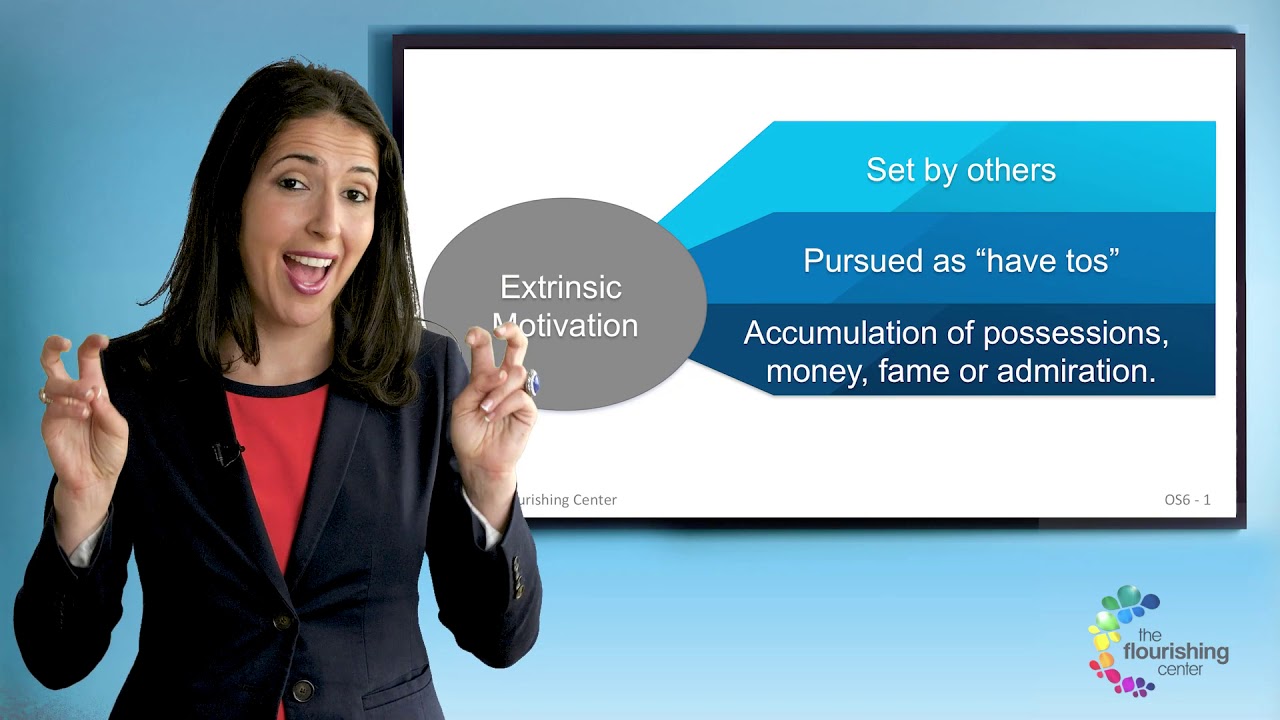
The distinction between intrinsic and extrinsic motivation: Understanding how internal drive and personal alignment differ from external rewards in sustaining long-term effort.
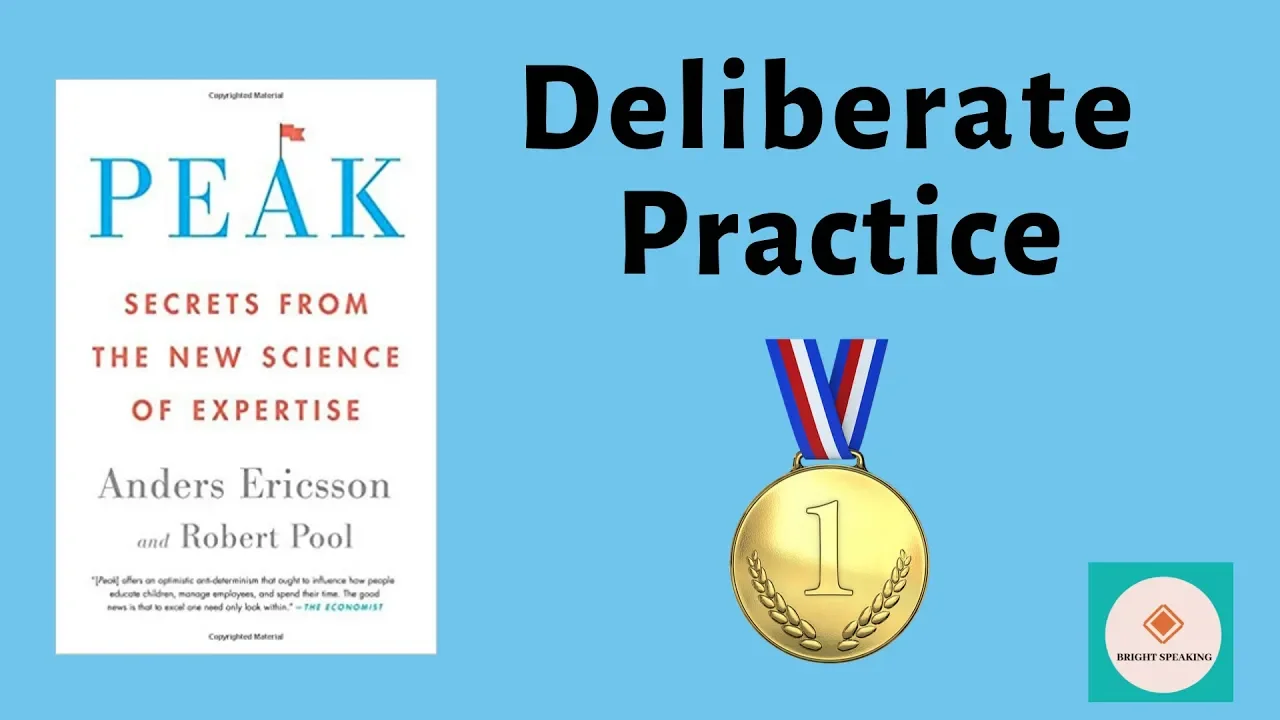
The concept of Deliberate Practice: K. Anders Ericsson's research on highly structured, goal-oriented practice designed to improve performance continuously.
The WOOP Framework (Wish, Outcome, Obstacle, Plan): Learning practical cognitive strategies developed by Gabriele Oettingen to bridge the gap between grit and daily execution.
The limits of grit and the 'Sunk Cost Fallacy': Exploring the cognitive biases and circumstances where persistent effort becomes counterproductive, and understanding when to strategically pivot or quit.
Systemic grit and environmental design: Investigating how schools, organizations, and parenting styles can build environments that foster resilience rather than relying solely on individual willpower.
Neurobiology of self-regulation: Studying the prefrontal cortex's role in delayed gratification, executive function, and long-term goal management.
23.6K views345likes1:00:13Original Release: 2022-06-19
[Music] hello hello welcome to the Ted interview I'm Chris Anderson so I have a hunch that today's conversation May strike you as kind of extraordinary we're talking about ideas that could actually change how we manage Our Lives how we reach that extra level if you like that's because I'm talking today with Angela Lee Duckworth she's a psychologist who has dedicated her career to understanding one of life's most consequential questions what does it take to be successful and I don't just mean successful in the financial sense but successful in in whatever way you want to Define it why does one person realize their goals while another doesn't what really makes the difference so after years of studying this what she found went in the face of what I think so many of us instinctually believe this is how she explained it at Ted all the way back in 2013 the one thing we know how to measure best is IQ but what if doing well in school and in life depends on much more than your ability to learn quickly and easily I started studying kids and adults in all kinds of super challenging settings and in every study my question was who is successful here and why my research team and I went to West Point Military Academy we tried to predict which Cadets would stay in military training and which would drop out we went to the National Spelling V and tried to predict which children would Advance farthest in competition we studied rookie teachers working in really tough neighborhoods asking which teachers are still going to be here in teaching by the end of the school year and of those who will be the most effective at improving in learning outcomes for their students in all those very different contexts one characteristic emerged as a significant predictor of success and it wasn't social intelligence it wasn't good looks physical health and it wasn't IQ it was grit grit is passion and perseverance for very long-term goals grit is having stamina grit is sticking with your future day in in day out not just for the week not just for the month but for years and working really hard to make that future a reality so Angela introduced this idea of grit as a predictor of success that is often even more powerful than IQ which raised a question for a lot of other people every day parents and teachers ask me how do I build grit in kids what do I do to teach kids a solid work ethic how do I keep keep them motivated for the long run the honest answer is I don't know now Angela was still early in her research but here we are 8 years later and her discoveries around this same question how can we wire ourselves to achieve great hard things have deepened some of that is because she received push back and she's woven a lot of this into her latest ideas anyway today I'm really thrilled to spend an hour talking with Angela and exploring with greater nuance and depth such an important question let's Dive Right [Music] In okay Angela Duckworth welcome to the Ted interview thank you Chris I'm delighted to be talking to you we're going to be speaking together about really some of the the most important things there are to talk about you know what it takes to actually make the most of your life like it's hard to imagine topics more important than this going to be talking about words like self-control and determination and grit and perseverance and other related terms and um Angela could you start by tell us some of your story and how you got interested in these topics I think like so many people when you ask why am I doing this you can go all the way back to your childhood and you know it's not an exaggeration to say that I grew up in a family with a father just obsessed with achievement I mean the highest Heights of human achievement so my dad was probably one of the very few people who eagerly awaited the announcement of the Nobel Prize winners each year and just marveled at Human Excellence really in all its forms you know the Olympics and whoever was winning the accolades in any field that what obsessed my father and I think to some extent my extended family you know growing up in that kind of family culture you have to ask yourself what about me what what platform am I going to stand on someday to earn my father's adoration and I quickly figured out that I wasn't the smartest person even in my Elementary School Home Room of 30 kids so that suggested that I was not going to end up being one of these outliers in achievement that my dad so much admired and I think in some ways growing up to become a psychologist who studies things that my dad didn't talk about as much you know loving what you do for a really long time sticking with things for a really long time even when progress is uncertain or faltering I think in a way it was you know a big Grand Arc of trying to prove my dad wrong talk about a couple of incidents that made you think that um there was a different narrative to to tell when I looked at my dad as a role model for me you know not what he would talk about at the family dinner table which really was a lot about implicitly about giftedness but I mean like the conversations would be like who was the smartest scientist ever was it Einstein or was it Newton and you know who is the most gifted artist ever was was it Picasso or you know was it Saison these conversations had this implicit narrative that you know what you were looking for are those like rare Geniuses who changed the world and they're not like us but that didn't exactly connect with what I saw him doing so my dad was a chemist he immigrated to this country when he was a young man and and did his PhD at the University of Cincinnati in organic chemistry he ended up quickly finding himself to DuPont the chemical company and my dad was so passionate about what he did I mean it was Automotive refinishing product so you get your car dented and you know you want the color blue that matches the rest of the car but your car is three years old so it's been through the sun and the rain and my dad worked on that but he really did uh I think love what he did I mean he he he clearly thought about it like seven days a week morning noon and night and talked about it all the time and he was an incredibly hard worker so I had this contrast between you know a narrative which at least I heard heard as being very much about you know who's special but then his lived example was very much about about what I call grit you know passion and perseverance over very long time periods your success in life is not just due to what people think of as kind of innate Talent OR god-given gifts or however you want to frame it it's what you do with those things and of course there's this mystery as to whether grit itself is to some extent a god-given gift but I think it's important first of all that we get some kind of landscape of the different terms so talk about your early Research into these topics and the path of discovery that you yourself took to understand these topics better for me the beginning of my scientific career at least as a psychologist I was a neurobiology major as an undergraduate I had picked up a masters of Neuroscience somewhere along the way but really in the 10 years since graduating from college I spent most of it with kids so I was a teacher I started and ran a summer school for um less advantaged school children and I ran a nonprofit with somebody else anyway I entered the PHD program in psychology at the age of 32 is at the University of Pennsylvania came to work with Marty Seligman a very famous psychologist who I I knew so little about psychology I didn't even know he was famous but when I started I had a question which I think is the most important thing to have as a doctoral student you know an authentic question from your lip experience and for me it was why is it that so many of my very very bright young students in my classroom when I was a math teacher why is it that they didn't learn as much math as I expected them to because they were so bright so it was a mystery to me I really didn't understand my failings as a teacher to bring out their potential the first work that I did with Marty Seligman was on this idea that when a person young or old has a choice between doing something not so fun in the moment like your algebra homework that you don't quite understand and takes a lot of attention and effort and you have a choice between that and you know almost anything else like just lying down on the couch and hanging out or thinking about your friends or or playing video games I mean if you have that choice between something that's immediately gratifying like those games and something which is delayed gratification but more valuable it's always a struggle and my first study with Marty just showed that young people who were better able to choose longer term rewards over immediate gratifications predicted their year-end report card grades better than IQ tests that we administered also at the beginning of the year so for me it was the first step in this journey to say Well it can't all be about your measured IQ because look here's report card grades that depend also on this thing that is not very highly correlated with your IQ you and I guess that is the core idea behind the famous possibly over famous marshmallow test you know kids who are given single marshmallow can have two marshmallows in 15 minutes if they can wait and then they're left with a single marshmallow sitting there the ones that can refrain from eating that marshmallow turn out to have allegedly much better outcomes in school and and in life in in general it's essentially it's the same idea correct it was absolutely uh inspired by that classic study you know I think the technical term is the preschool delay of gratification Paradigm but colloquially and much more memorably it is called the marshmallow test and I will tell you that in the last couple of years there's been some debate some controversy over how predictive the task really is of your long-term life outcomes the original claim and the original findings that were published said look the number of seconds you can wait for two marshmallows instead of gobbling down one right away the original claim was that it predicted everything about your life you know your your likelihood of committing a crime you know your your income your mental well-being your relationships and then scientists came along and analyzed the same data but also some additional data that have been collected and I think there's a lively debate about how predictive it is my own Read Of This research is that this delay of gratification task the marshmallow test is predictive of Life outcomes but when scientists say oh it predicts your life outcomes I think what most people hear is it's like determinative like I can count the number of seconds you wait and then I can pretty much guess you know your salary when you're 45 and it's not at all like that it's a probabilistic weak relationship meaning that yeah better than chance I can guess but not much better than chance and U one of the things that I've most recently you know last I guess a year or so I've been uh really profoundly impressed by is that life is extremely unpredictable and yes there's grit and yes there's ability and yes there's self-control and yes there's socio economic status but all of these things have an element of luck to them and in addition to them there really is this complex unfolding of a human life that for many reasons is hard to predict okay so we're going to come back to this question of you know nature versus nurture and the um you know what you might do as a kid if you discovered that you you were really bad at the marshmallow test or whatever but let's let's first of all go on and tell me where you went from there and how you know self-control if you like or the ability to delay gratification how does that relate to grit and to some of these other terms that you use so uh grit is the perseverance and passion for long-term goals the distinction is this at least it seems like this to me people can disagree with me when we talk about like waiting for two marshmallows versus one you know it's really a short time frame I mean we're first of all talking about the order of seconds or maybe minutes the same for us grown-ups you're like you know should I have that second scoop of Ben and Jerry's Chubby Hubby or should I not so that time course is very short right you don't feel regret like 20 years later you you feel it probably five minutes later now the time course of grit really is different and I think the Dynamics and the fundamental causes of grit can be different you know when I talk about gritty people I talk about people who continue to work on it for a very long time that time course I think of of goal commitment does not come from like oh I'm really good at suppressing my impulses or I have these tricks that I can play to you know delay gratification I think it comes from a different place and in part it comes from really caring in a way that resonates with your values and your deepest interest about what you're doing and the ability to overcome you know disappointment that really shakes your confidence and all of those Dynamics are maybe cousins of of what goes on with self-control but not exactly the same thing and last thing I'll just say on that you know topic is that um many of the grit Paragons I call them Paragons of grit because to me they just exemplify uh passion and perseverance for long-term goals you know some of them are walking around with diagnoses of ADHD right like they're not especially good at riging in their impulses or controlling their attention but that doesn't um mean that they can't have grit H wow I actually find that hugely um relieving to hear because I I I really struggle with short-term impulse control like certainly when it comes to food sometimes and you know to ask for example um but longterm that there is a sort of constancy to some of things I'm truly passionate about so so it sounds like your definition of grit that there are several words that are key to it and one of them is long-term you described it as the long-term pursuit of those things that you really care about I think give give me the more detailed um definition of grit well I'll trade you I'll give you the more detailed definition of grit if you wouldn't mind elaborating because I am really curious about um you know how you came to have the goal that you have but I'll I'll go first so grit is the perseverance and passion for long-term goals that I alluded to more specifically what perseverance looks like over stretches of Years or or decades is really two things uh one is resilience in the face of obstacles and setback so you know you don't get tenure and you go find um your way at a different University or your first and second and third attempt at a startup are catastrophic failures and you're undaunted and you try for a fourth time maybe in a different way but you're still trying uh to build something that's one kind of perseverance it's kind of rising to the occasion perseverance but the other kind of perseverance is like lowercase PE perseverance and I think this is less glamorous but but just as essential and that is that people who uh are gritty tend to be working in a diligent daily way to improve so I think this is the mundanity of Excellence that a sociologist named Dan chamblas wrote about he stayed as a resident with uh swim teams at all levels you know including Olympic hopefuls but also the swim team around the corner and what he said after half decade of study is that when you really ask the question what makes an Olympic Athlete an Olympic Athlete you know it's it's mundane it's it's this daily um dedication to trying to improve in tiny tiny ways to become better at the craft that you've devoted yourself to so that's person and more fine grain detail and then passion I think is uh really a kind of a commitment that comes from having interest in what you do which is itself fascinating because people have interests in in things that I don't think people fully understand why I mean I'm interested in Psychology and also I'm interested in food I love words why why am I not interested in history I don't know why why did I not grow up to love art the way my mom does I I I really don't know but my interest is in Psychology and then my values I love kids I really do I care about them more than grown-ups and I I I think for me you know my work has this passion because it's at the intersection of a few of my interest psychology writing Etc and my values like helping kids and I think if you put all that together you get a pretty complex portrait of what it means to be gritty and what leads to grit and if you then start to ask yourself like oh is that the same thing as being able to delay gratification when you know the second marshmallow is there but you have to wait for it like you you quickly realize it it can't quite be exactly the same thing I mean look this this goes to the fundamental riddle about your work because I think um the critique of your work if I can summarize it would be something like Angela it sounds like what you're saying is that kids fail because frankly they're just not trying hard enough they're not working hard enough how tonee can you be do you have any idea what it's like for some of these kids what if you grew up in a home where your parents didn't have any time to read with you or work with you what if you woke up hungry what if you came to school in a neighborhood where you felt unsafe you know how how dare you focus on the individual instead of addressing structural issues yeah that's a sort of an extreme version of the yeah it's not that extreme actually I think it's pretty accurate so this critique has been um I think louder and louder in in recent years and I think that's partly because a society as a whole is kind of waking up to the inequalities uh and the unfairness that has been around for a very long time you know really all over the world but certainly in the United States and then that would lead you to say well why are you talking about you know individual capabilities like grit and you know what an individual can do despite the odds that sounds like you're ignoring the odds and maybe um undermining the greater good by um diverting attention and energy and maybe even resources away from what we should be doing like you know policy changes and scholarships and more than just scholarships right like make the playing field even don't celebrate the people who dug themselves out of a hole and I think there's a legitimacy to that that I first want to just agree with I think most social scientists are well A Ware that there is no Mythic place where you know your life outcomes are just about your individual agency and there's no such thing as societal in Opportunity or factors or luck I I think those things are are real and um in fact I would just ask the gentle reader to come along One Step farther in the logic which is to say that you know I don't think of the individual and their situation as a tug ofwar where you know if you say the individual matters then you're saying the situation doesn't or if you're saying that the situation matters you're saying that the individual doesn't I think we need a different metaphor and the best one I've been able to come up with it's like a dance you know I think I have an effect on my situation also I think my situation has an effect on me we dance with each other and you know if there is a critique that says hey don't forget about the situation that's legitimate and if I need to say more loudly that I believe that that's important then I [Music] should if you said that the key to grit is to you know to pursue over the long uh the things that you really care about does that imply that you need to know now what is worth caring about for the long term because it's it's I think a lot of people and I would include myself in some aspects of this don't know really what the longterm should look like for them so many of us you know have been brought up especially in recent years say since the 60s or whatever to believe that passion is all that you know you are a special person you have unique passions you can be whoever you want to be find those passions and pursue them and the world is your oyster and that that is wonderful in some ways because passion is actually I heard you say a key part of great you need that passion to to sort of pull you through but if you don't know passion for what you are lost it's terrifying I actually got a journal from a student who was graduating it was a gift and on the cover was the famous quote by Joseph Campbell follow your BL and I think it's terrifying because if you don't know what your passion is then now you're really screwed right like oh my God like I I would follow it but now like what do I do and and and how do I even begin to quote unquote find it I think my thinking about this has really shifted or evolved I don't know what the right way to describe it is but when you look at somebody in the full maturity of their career it looks like maybe there was a blueprint that was written I think that is actually what I used to think maybe happened you know that at some point you write down all your goals you draw lines between them so that your one-year goals connect to your five-year goals and your five-year goals connect to your tenure goals and then you just execute but I've since thought about this more and I think the farthest anybody could really see into the myth of the future is probably like 2 or 3 years and um what I think instead is that you have a kind of north star or a compass you know something directionally where you're like kids psychological science right that's for me you know like okay if I am navigating my professional Life by some kind of compass that constellation in the sky has to include kids and psychological science and maybe it'll include writing because I really love words but I don't know the exact map I don't know where I will be 9 years from now on this journey um but I can look maybe 2 or 3 years into this future and I want to make sure that the two or three years that I've mapped out the projects I've committed to the grants that I've written that these two to threeyear commitments are directionally aligned with those far off uh values and interests so I think maybe I you know probably should find a better metaphor and maybe being on a journey with a constellation in the sky and just knowing that you have to plan out the next couple years of your journey maybe right just so you can make some progress and not have no plan is better than what I used to say which is like a pyramid of goals right that and that sounds like you could write them all down yeah so if you don't have a picture of what that long-term vision is and what your long-term passion might be or whatever what are some other shortterm uh things you can see that will help you take a step in the right direction will help you know that I should work at taking this particular step right now rather than having another milkshake um I have three things to say I guess you could call them I have three recommendations so um one is conversation Brian graser the Hollywood producer who I'm sure you know I don't know I think he must have set a world record for the number of Emmy and Oscar awards he's been nominated for but he has this little trick that he's been using since he was a young man kind of like you know a nobody in Hollywood who's just trying to get in and that is to have a curiosity conversation and that is a conversation with somebody you don't know and whose work you're curious to learn more about and he started doing this when he was in his 20s and he still does them today it's kind of how I met him like he was like do you want to have a curiosity conversation I said well I'm curious to know what a curiosity conversation is um and I think if you're really struggling to figure out like what your constellation is and what direction to set off and you're paralyzed just standing in one place like a potted plant then I think a curiosity conversation of 15 or 20 minutes with somebody who you think gosh that sounds interesting I wonder what it is like to be a product designer or a you know a midwife or a food writing editor you know just uh having those conversations I think can give you like a mental model of what that path would look like and that can be helpful the second thing I would recommend is a bit of reflection right like now that you know that human beings can be motivated by many things but I I think the most enduring of our motives are tied to our interests and our values then um maybe you could write down in your journal or just take a walk and think about you know what are things that interest you and if you're having trouble thinking about that then think about the things that are boring to you right to me it was like oh I definitely do not want to become uh you know anything to do with Finance like that I mean I don't even know how much money I make that's probably not a good idea um what what subjects did I hate in high school well I didn't like history then that will probably lead you to like by contrast I really liked my class in uh neurobiology or or math or whatever so reflection is a second recommendation but the third recommendation I think is the most important and that is to do anything yesterday I was on the phone with um Luis vanan he's the founder of du lingo the language app and also MacArthur fellow and also the chair of my board for my nonprofit and um we were having a conversation about you know something that we had to do in this nonprofit profit that had to do with like setting a price and he said here's the most important thing and I was like what and I literally had a pen in my hand I was like what $18 like 40 like what and he was like just do something you know don't make the critical error of dithering for a year or two or three while you try to figure out the perfect next move because whatever you do is probably deeply wrong and you're going to learn like a lifetime of knowledge when you make that wrong step and then you'll correct it in the second step and then you'll correct it again so you know these recommendations are conversation reflection and action but I think the last one is so important and I see very very uh bright wonderful people in their paralysis of not knowing what the quote unquote right or best next step is like just doing nothing and I think that's the critical error I mean perhaps you could even extend that and say just do anything that will build knowledge or give you here the thingis anything will build knowledge right the reason I think sometimes young people hesitate is they're like well I want to do the thing that's like I can learn a lot from or the most from I just want them to know that not um making the phone call not trying to do a summer internship like that that's a decision too and then you learn nothing right okay so the bigger point I was going to make was the knowledge that all knowledge is connected I think it's not obvious some people think if I don't know what direction I'm going I'm going to learn something that's going to be completely irrelevant but it turns out some of the most surprising insights come from way outside the field that you think you're in like I had a really boring summer once where I worked for my mom she had a needle point store and I had to like take off these little stickers that said made in Taiwan off you know these canvases I hope that was legal but anyway that's all I did for an entire summer hours and hours and hours of it and I hated it and I remember thinking at the time like what a waste right this is way that wasn't a waste I mean first of all I learned what I didn't want to do right and I you know started to like learn things about myself like what do I do when I'm bored where does my mind go so I I think that knowledge is connected Chris and I think that's something that we have to remember nothing is wasted if you don't waste it yeah and if you apply that to really painful experiences as well it sort of gives some kind of healing potentially even eventually Simon cynic in his podcast episode in the series he he answered a question actually not from me from someone in the audience this is recorded live who asked a similar question how do I found out my mission my why he said go to a friend a good friend not a family member who's too close but a friend and just ask them why are we friends and don't stop until they give you a really thoughtful answer keep pushing them what you will discover is what is special about you I thought that was really interesting I'd never actually heard that exercise before I haven't heard of it either but there is something that is maybe related in spirit basically you get people who know you I think this also includes you know you could have your mother do it but but yeah you want like a broad you know circle of people just uh write about you it's like your reflected best self it by the way is a guaranteed tearjerker right but I think the idea is that we all need a mirror right you actually can't see yourself without a mirror but then you can use your friends and your loved ones as that mirror and then when you see your your reflection in their gaze you say oh I didn't know I was funny are you sure am I actually funny like oh I didn't know that you thought of me as an empathic person and yeah I think that's a it's a wonderful exercise to do so connecting with some of the Dots here I think what I'm hearing you say is that you know essential to grit is the notion of a sustained a long-term series of actions in your life in pursuit of goals that you care about but you do not have to know what the end goals are at the start of that journey I I think that's right I I think I just want to say two things uh Chris one is that young people can't know most of the people that I interview would say of their careers in the current position there that they didn't even know what that job title was you know like what is somebody who does logistics for hospital equipment you know and Manu like you know you don't know that when you're 18 or 22 or or so so that's one thing I just want to say and the second thing is just I don't want to say that git is the only thing that you need to be successful at the highest level but I will stand by my claim that when people do great things those great things take a very long time to do and they're very very hard and you don't get there by being a dilatant and you don't get there without that steadfast and unsung sometimes effort that you're investing uh daily uh Without End so actually you asked me you know how how I um got to you know running Ted after presumably years and years and years of dreaming about how to share ideas more curious about that well well there weren't years and years of dreaming how to share ideas effectively around the world that that is the whole thing I had no idea I was going to end up in anything like Ted you know I grew up as the child of missionaries Christian missionaries who certainly you know their whole their whole conviction in life was that our purpose here was to work for something bigger than we are and I I I lost belief in that world in my 20s or in that world view and um I spent most of my 20s and 30s in terms of the really deep long-term goals not knowing like I didn't what were you doing like so I was an entrepreneur I got really excited about computers and about um the fact that it was possible to produce magazines cheaply and I started my own computer magazine company and actually there's a story here that goes to grip because I I still have this riddle of where where grit comes from so let me connect a few of these dots and I want to come back to one particular story so I spent 15 years just building a successful Media Company it was in course of that that I bumped into Ted went to it it was a conference at the time and I just fell in love with it I sort of couldn't imagine how a 4-day experience could be so moving and so inspiring and uh I started to think about how all knowledge is connected and that that this was bringing Knowledge from lots of different fields and they were connecting together and and then I had a chance as an entrepreneur to buy it and then like technology came along and made it possible to share it with the world that suddenly seemed like the right things to do so so the different pieces of the journey kind of came along as surprises I suppose there was an underpinning long-term desire to want to find the thing I could do that was bigger than I was M it goes back to you don't have to know you don't have to know what the longterm thing is you have to have some kind of desire to find I don't know to find a life of of what of value of meaning of of interest of of passion at some point and be willing to work in whatever way you can to get there is that is that fair I think that is fair I think the uh idea of passion when I think of grit isn't that you figured it all out that you have all the answers it have a blueprint or a road map but you do have a desire you have a a craving and when I went to graduate school when I was 32 I said to my husband don't let me quit for 10 years I literally said that to him aloud why did I say that why did I say that aloud to my husband plaintively you know please don't let me quit for I had a craving I had a desire to be deeply into something I hoped it was going to be psychology because I was like well I'm 32 I'm not going to live for forever I don't get that many chances you know to take a long run at something but I think that um more important than having it all figured out knowing where is having a desire to maybe in your case in your words you know to to do something and be part of something larger than yourself for me it was like I had a craving after 10 years of doing lots of different things I had a craving for death and I wanted to become excellent and useful in a deeper way than I had in anything I had done before so let me tell you the uh one story that happened in my in my own entrepreneurial Journey because it goes to a question I've asked myself many many times so about 3 years into the magazine publishing business I was starting we gambled a lot pretty much bet the company on a big launch for these new computers that were coming out they suddenly had much higher resolution graphics and uh much better games and and to give it a chance I had to go out personally and um meet with all the key advertisers in that market to beg their support we were using new desktop publishing technology for the first time and the first issue came back from the printer and I just it broke my heart it was a disaster it was it was it it was awful it just looked awful we had it Tred to design on screens turn out to be much harder than we had had realized and I I Can't Describe to you how sick I felt thought we' completely blown it I definitely wept our chief designer saw me slam my head against the desk I was just so upset and angry about it and um it felt like psychologically it felt like I was breaking at that moment and the difference between kind of giving up at that point and fighting it was was really fragile it was it was like on a hair a little bit of different biochemistry or a little bit of something and we were done and the company would probably never happened and you and I wouldn't be talking today because none of the rest of this would have happened but somehow I started getting really angry and determined I decided for the next 3 weeks I was going to cycle to work it was like a 12m cycle up and down Hills and I decided I had to call every one of these advertisers and tell them I'm so sorry we screwed up it's not great I promise you we are going to make it great and and it was really hard but it amazingly eventually with the the whole team pulling together whatever it you know it worked in the end became the key economic driver that allowed the company to thrive and pave the way for a lot of other things so the point is there was a moment where determination or not determination determined huge things in my own future where did that come from like I this probably possibly sounds like a terribly boasty story it honestly genuinely it's not meant to be it's me like somehow like was this something that was in my genes was this something I had learned from my parents seeing them work themselves to the Bone were there previous examples in my childhood where I'd seen that if you if you showed persistence it would work that gave me confidence and just just enough self-belief to try I don't know what I do know is that since that event that every other tough challenge in the company since then faded into insignificance relative to that cuz I knew what empty felt like and you knew that it didn't defeat you yeah I mean look this this goes to the fundamental riddle about your work because I think if it's true and it seems like you've presented such compelling evidence that grit is even more important than IQ and many other sort of psychological traits that people have used to try and correlate with long-term success all the more reason to ask the next huge question okay how do we build grit let's recognize it's fully accept that this is a deeply unfair playing field in one sense everyone's coming to from a different Point what are the different things that cause grit and can build grit so one thing is I I think it's important to recognize that for certain outcomes right like getting through the highest attrition periods of West Point that grit is more important than your measured you know IQ uh at least you know as a proxy we have standardized tests or your you know U measured physical ability yes in certain circumstances where the challenges are um are really high and the domain is really meaningful I do think that passion and perseverance for long-term goals can be a more important predictor than measures of ability but for others it is not more important and I don't want to paint with too broad a brush stroke so apologies for going backwards for that no this is great by the way this is one reason why uh we introduced format allows you to do that right it allows us a little more you know an hour is longer than 18 minutes or 12 we we can go into a little more Nuance which is which is great and so I I I guess in that regard I a key question I'd ask you is this is grit more like height or like weight height most of us can't do anything about I guess some people can be stunted if they're if they're really starved but basically you can't do much about your height weight many of us have a battle with we can do something about it but some people are dealt a crueler hand than others shall we shall we say is grit more like weight than than height connecting back to your story of you know a low a real low and the publication of this magazine that looked like hell on which you bet the whole house there are so many uh ways in which you would want to understand why it is that on that knife edge your anguish turned to anger and that doesn't happen for everyone right for other people the anguish could lead to giving up right and and I think this this does tie in all knowledge is connected to your question about height and weight and Circumstance and individual agency in that if I want to understand why you you know curled your uh hands into fists and said you know I'll show you in so many words I think that's uh that's the most frequent thing that I hear in my interviews with high Achievers is that when they tell story like this they had an anger response that was you know some mix of defiance and um kind you're not even necessarily angry at the world you're kind of angry at yourself you know at at C but but you you have a kind of like I'll prove you wrong like just give me a chance like here here I'm going to rectify things um so if I have that right then I want to understand why it is and this gets to um you know situations and individuals my guess is that in your life partly or even largely without your doing you had a series of experiences that gave you confidence that you could really do something and that if anything should just amplify our sense of urgency in like giving all kids the kind of life experiences and life opportunities to give them message that like you know what you can be down but you're not out and you could have screwed up and it's not the end of the story so I know I haven't quite answered your height versus weight um multiple choice question but I did want to get in my opinion on some of the things that you you said so go ahead and answer the height like if you had to pick one is it more like height or or weight was more like height or weight and you want to say that height is something you can't change very much and weight is something you can uh I hope I'm not more like weight it's more like weight well I mean you know in my head I'm thinking about the fact that like you know thinking about nature versus nurture and height is um not entirely um uh people sometimes think of height as being like all in your genes right like what are you going to do like how can you will yourself to get taller so first of all let me just answer your question weight I choose weight right but I just want to say that both height and weight are products of your genes and your environment and the reason why people are taller today than they were a hundred years ago across all countries is not because our genes have changed it's because we have better nutrition and other features like medicine so it's complicated that's why you're not in the middle of a 8 Minute Ted Talk you're in the middle of a one-hour conversation but um I chose weight because Chris um height it is uh true that it's a product of environment and genes however um you can't change your height after a certain age and um I have long wanted to be taller than 51 but um that's not a realistic goal for me at age 50 my weight I do have the ability to move up and down at any age and I think that personality and character and grit included um are more like weight than height in that whether you're you know 14 24 54 or 84 there's still the possibility of intentionally actually moving up or down those aspects of your character or personality that you care about so weight obviously there there are famous interventions that include diet exercise I I would love to explore with you what the equivalent of those are for uh grit and and perhaps one one place to to start is just to to ask you about this term um growth mindset what is that because if if I understand it right it's alleged that the injection of a single belief into a kid's mind actually might make a meaningful difference into to their level of of grip it's an academic concept that Carol dwek a Stanford psychologist um has been working on really for her whole professional career and it's the idea that you have beliefs that drive your motivation and your behavior and of course we have lots of beliefs you know do I believe most people are good do I believe most people are bad do I believe that uh human abilities are malleable that's growth mindset or do I believe that they are fixed that's a fixed mindset we have lots of beliefs why why is it that um the popular imagination has taken hold of this one belief that Carol D has been studying I think it's because it's a very high leverage belief I don't want to oversell it it's not the only thing that matters the Miracles don't happen when you do a growth mindset intervention but there are measurable changes in motivation and outcomes for example um David joerger is a you know brilliant developmental psychologist who was a student of Carol DX led a team of scientists randomly assigned ninth graders to two conditions there was a a condition where these ninth graders all across the country learned that the brain actually is malleable that Neuroscience confirms that the brain can change and therefore there's good reason to think that you could get smarter the alternative condition was not a fixed mindset condition I think that would have been unethical but just a placebo control about you know the brain Etc so in this study if you follow these ninth graders over the course of the school year you find out that there is a small but measurable difference between the grades of the 9th graders who learned about growth mindset and the ninth graders who didn't and that's experimental evidence suggesting that this belief about human nature has causal impact on motivation and outcomes you know academic performance but there's a big butt right the effects are not huge I mean it's not like oh all kids need is a you know two class period growth mindset intervention and then miracles happen and you know everything else doesn't matter anymore so the effects are small and they are really dependent on the school context so again getting back to our context our situation things outside of ourselves in the schools where there was a norm of challenge seeking which I can say more about how that was measured that's where the influence of the intervention was greatest and in the schools where that was not the norm that kids were not you know typically embracing risk and Challenge and trying to do hard things even if it meant that they were going to make mistakes and maybe not look so smart those schools did not see a great benefit of the intervention so growth mindset is I think uh important it does have influence on our motivation to to do things that are hard it's reciprocally correlated with grit meaning that if I measure growth mindset and grit at multiple time periods I can see a virtuous cycle where young people who have more of a growth mindset later develop more grit who then later develop more growth mindset and so on and so on but I don't want to oversell I mean that uh possibility of self-reinforcement sounds plausible to me I mean if you're right that both you and I have benefited from prior experience building our confidence for the really tougher experiences you could easily see that that the right time to measure the impact of growth mindset is not a year later but it might it might be seven years later after someone's been through several cycles of actually saying wow this really does apply to me so I think that the way to think about growth mindset and grit in this virtuous cycle is that under certain circumstances you can absolutely see how you know that little bit of confidence is going to get you to try a little bit harder raise your hand ask a question try five minutes longer on that problem that makes you feel stupid you know you'll see the fruits of that labor which will incline you to be just a little more confident the next time and so on but you don't exist in a vacuum and when your teacher says to you you know what I'm really excited that you struggled a little longer today in class I noticed that I'm so glad you asked a question that makes a difference if the teacher doesn't say that that makes a difference so yes to virtuous Cycles but uh human beings and their circumstances exist in a dance and they are always dancing with each other so we should keep that in mind and not then come to conclusions like you know two class periods of intervention are going to you know solve all the problems in the world Angela You' set up the thing called the character lab tell us what what that is so character lab is a nonprofit that these two Educators and I created we do two things we help scientists like Carol DW run experiments and surveys with students in schools all over the country so we're trying to advance the science of how kids Thrive and the second thing we do is we try to give it away so if you go to character.org you can see what scientists have written in their own words as advice for parents and Educators who feel like they need a little guidance in in helping kids develop ways of being with each other ways of thinking and ways of uh reaching their goals that aren't things that we all are born knowing but we need a little guidance in can you give us some practical examples of what a teacher or a parent could do to help that you know that child obtain greater grit so every week at character lab there's a tip that is written by scientists often that scientist is me but increasingly mercifully it's not me there's a tip with actionable advice based on a scientific study and uh this week Julia Leonard wrote a tip she's um a student to be professor at Yale and her study was about how when a young child is struggling with a really hard thing you know a puzzle they can't put together a homework assignment maybe as they get older that they they really can't get it right right like what do you do when your child struggles in her study what she finds is that many parents instinctively reflexively and immediately intervene you know like oh you can't solve that I'll solve it for you like you can't reach that I'll reach it for you you know you can't get it right I'll get it right for you and what she finds is that leads to lower perseverance and so the message to parents is get out of the way you know or just hit the pause button right like if you find it hard to watch your beloved daughter or son have a little bit of frustration disappointment uncertainty then just wait a little longer than you might otherwise be inclined to do because they need to figure out first of all that struggling isn't the end of the world there's nothing bad about it necessarily and they need to solve some of their own problems and they need to learn you know both from things that are you know going well but also from things that are not going so well so that is an example of the sort of thing that I think science has to say now to parents that these parents may not have known and also that we didn't know as a scientific Community until recently are there any specific books um that a young kid could be encouraged to read that sort of almost sort of show I don't know grit in action in an inspiring way or that that that that you've seen to be effective one of the books I read recently and I just loved it uh was by our good friend Adam Grant and his wife uh it's called leaf and the fall and it's about a little leaf who learns about persistence I won't give away the plot line or the punch line but I I highly recommend it I mean there there are so many cultural references to this it's as if at some Level Society feels an important urge that this this message has to be inst St in kids I was thinking of Jimmy Cliff's wonderful song you can get it if you really want and you know there's there's some but you must try and try try well can can we actually um Edge in a little bit of luck here because that that there is a complaint about this grit narrative that says wait a second what about luck what about good luck luck and what about bad luck how many things in our lives the person that we ended up marrying you know Ted you know uh my work you know the fact that I have the two daughters that I have and I don't have I don't know two sons or zero children like how much of that is luck good and good and bad um and I think that's a very important thing to to think about um because I don't I don't know what you think about that I I 100% agree you know there's there's this sort of class I would say American um narrative that you know the American dream is you work hard and you can achieve you know whatever you're willing to work yourself to do and at some level it there may be truth to it but where does that desire to work come from it itself is luck and so it's not just it's not just the individual circumstances that we go through in this life it's the hand that we're dealt you know no one chooses their own parents or their own upbringing it's that it there's nonetheless an important distinction it's distinction you you made between height and weight Angela which is nonetheless what are the things that we can attend to now that will actually give us more grip so so what are some other of those things like talk to Asos what what is something that someone can do to build habits that will help them be more determined exercise if you like the control of their reflective mind over their lizard brain nonetheless would be a great book title you know nonetheless right like yes there's there's circumstance and there is luck and there are things that you cannot see into the future uh that will happen to you that are going to dramatically influence what happens to your life um nonetheless I I think that if you recognize the enormous power of luck you don't curl up into a little ball and do nothing I think actually it might make you lean harder into you know what you can do because you also recognize that that's not a complete picture the human mind is not very good at taking in lots of things at once when you focus on luck people worry that you won't remember that you can do something when you talk about that people can do something many other people worry that you're neglecting luck and the situation I think we should try to step back far enough that we can see the big picture we can say yes there's luck good and bad yes there are circumstances uh and structural problems uh and opportunities yes there's individual agency but if you see the big picture I think you are not only gritty as opposed to the opposite but I think as you say you are more generous and more humble because you recognize that you don't really know everything that's going on in another person's life or or your own and and actually I think that perspective may be the most important thing to you know really developing character and all of its facets because when you see the big picture of this you know complex Tableau that is the human predicament right all of us here trying to do our best not really knowing what's going to happen bumping into each other living in societal structures that we inherited from our forbears it makes you I think a little more human and to me it's not a pessimistic View and it's certainly not one that leads to like a istic well I'll just go home and do nothing I think quite the opposite Angela I could talk with you about this for hours and hours thank you so much for this conversation with us and for the work that you've done it's so so interesting and important Chris I loved the ability to have a conversation of this length with you and I hope it is not our last one Angela duck thank you so [Music] much okay so that was Angela Lee Duckworth now obviously there was so much more we could have discussed and so just to close out on that final question if you want to learn more about how to cultivate grit Angela's organization character laab at character.com is worth a visit that's character.com every week she and her team post tips and resources about grit and how to teach it to others if you'd like to cultivate grit in yourself I'd really encourage you to check out a book by Carol D who Angela and I discussed earlier Carol's focus is on the growth mindset which is such a key element in this quality of grittiness so that book is called mindset the new psychology of success now look I I always love hearing what you think if you have any feedback on this show or ideas for future guests you can write to me directly at Ted Chris ted.com that's te d c r i s at ted.com I will read every one of those emails I'd also encourage you to submit reviews to Apple podcast or wherever else you listen the Ted interview is part of the Ted audio Collective a collection of podcasts dedicated to sparking curiosity and sharing ideas that matter the show is produced by Kim naan petersa and edited by Grace Rubenstein and Sheila orano our mixer is s be fact check is by Paul Durban and special thanks to Michelle Quint col Helms nickol bod and Anna felin thank you for listening see you next time
Up Next

123:36
Self-Determination Theory: Motivation in Organizations | Edward Deci
@HebrewUniversity
11.8K views•2012-07-04

68:32
Cognitive Skills for Differentiated Instruction | Teacher PD
@BrainWareLearning
631 views•2017-12-17

9:55
Thinking, Fast and Slow: Daniel Kahneman Animated Book Summary
@FightMediocrity
2.3M views•2015-06-05

6:40
The Nocebo Effect: How Beliefs Can Cause Real Harm
@CGPGrey
10.4M views•2013-12-23
Related Study Plans & Knowledge Roadmaps
Structured learning paths in Psychology
psychology
Neuroscience of Creativity: Networks & Training
01Foundations of Creative Cognition
02The Cognitive Neuroscience of Insight & Fixation
03The Triple Network Model of Creativity
+ 1 more learning modules
15h4 modules
Explore Roadmap
psychology
Imposter Syndrome: Etiology & CBT Framework
01Defining the Imposter Phenomenon
02Socio-Developmental Etiologies
03CBT Fundamentals & Thought Distortions
+ 2 more learning modules
15h5 modules
Explore Roadmap
psychology
Adult ADHD: Executive Dysfunction & Scaffolding
01Neurobiology of the ADHD Brain
02The Core Triad of Executive Deficits
03Executive Dysfunction and Emotional Regulation
+ 2 more learning modules
12h5 modules
Explore Roadmap
psychology
Loneliness: Evolution, Neurobiology & CBT
01Evolutionary Origins of Human Connection and Loneliness
02The Neurobiology and Physiology of Chronic Loneliness
03Maladaptive Social Cognition: The Psychological Loop
+ 2 more learning modules
12h5 modules
Explore Roadmap