Enzymatic browning is a natural food chemistry phenomenon where cut fruits and vegetables turn brown when exposed to oxygen, caused by phenolase enzymes converting phenolic compounds into melanin pigments through oxidation reactions; this process can be controlled through methods including preventing mechanical damage, removing oxygen via modified atmospheric packaging, using acids to alter pH, applying heat to disrupt enzyme activity, and adding antioxidants or chelating agents that bind copper ions in the enzyme's active site.
Enzymatic Browning in Food: Principles and Control Methods
Added:Deep Dive
Basic enzyme-substrate kinetics, including how enzymes act as biological catalysts to speed up chemical reactions.

Cinética enzimática: Michaelis menten el Km y la Vmax, la mejor explicación.
262.8K
Enzymes are proteins that act as biological catalysts, capable of increasing the speed of chemical reactions by thousands of times. There are many different types of enzymes, each classified according to the specific reaction they can catalyze. Understanding enzymes requires knowledge of their mechanism of action on substrate molecules.
Click to watch →
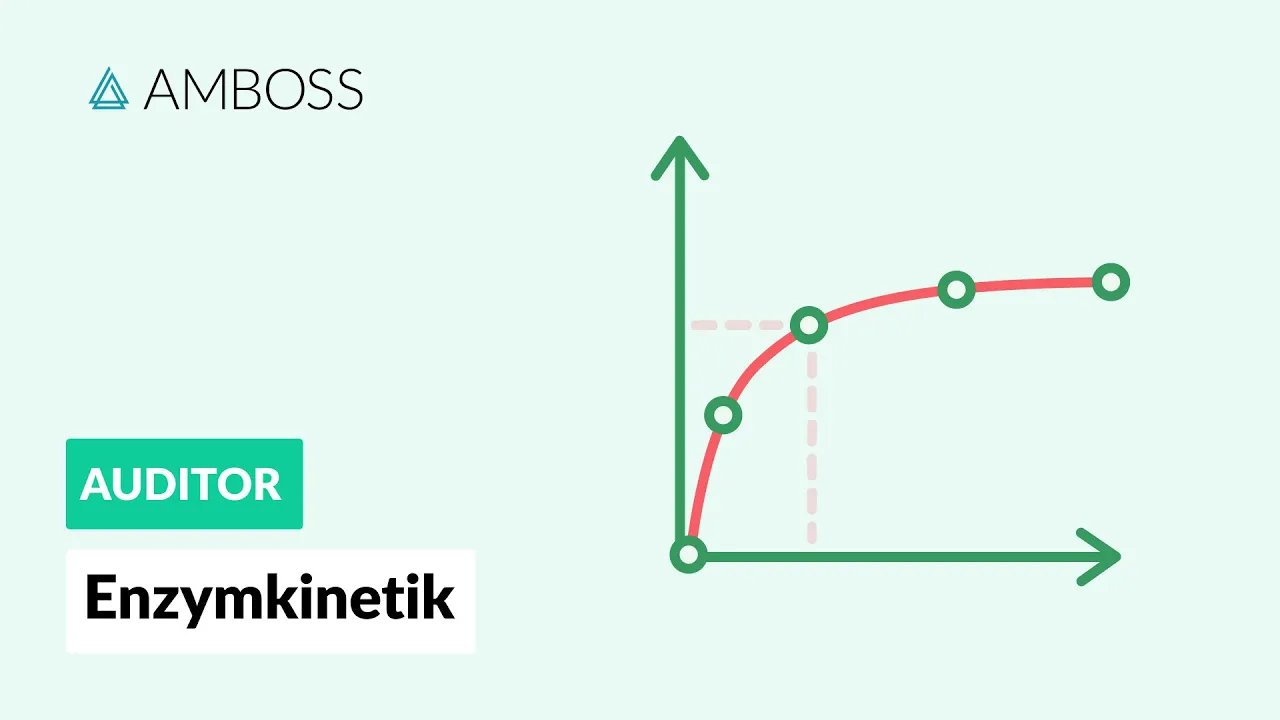
Enzymkinetik - Wie schnell kann ein Enzym arbeiten? AMBOSS Auditor
113.7K
Catalysis promotes chemical reactions through catalysts that remain unchanged. Catalysts bind to transition states, lowering activation energy by forming lower-energy intermediates. Enzyme kinetics studies reaction rates and courses. Reaction order describes rate dependence on concentration: first-order depends on one molecule, second-order on two. Rate constants (k) determine reaction speed—larger k means faster reactions. Enzymes act as substrate-specific, reaction-specific biocatalysts. The reaction mechanism involves enzyme binding substrate to form an enzyme-substrate complex, which then converts to product and releases free enzyme.
Click to watch →

Cinética Enzimática
134.2K
Enzymes are biological catalysts that accelerate chemical reactions by reducing activation energy. They bind substrates and bring them together for reaction. Enzyme kinetics studies reaction rates using the Michaelis-Menten model, showing how velocity increases with substrate concentration until reaching Vmax when all enzymes are saturated.
Click to watch →

34. Kinetics: Catalysts
42K
Catalysts are substances that speed up chemical reactions without being consumed, working by lowering the activation energy barrier and stabilizing the transition state, thereby affecting reaction kinetics but not thermodynamics or equilibrium constants; enzymes, as biological catalysts, follow Michaelis-Menten kinetics where the reaction rate depends on substrate concentration according to the equation v = (Vmax × [S]) / ([S] + KM), with Vmax representing the maximum reaction rate and KM representing the substrate concentration at which the reaction rate is half-maximal.
Click to watch →

Clase teórica UNIDAD 5 18 hs
5K
Enzymes are proteins that act as biological catalysts, increasing the speed of chemical reactions. Without enzymes, many metabolic reactions would take years to occur, but with enzymes, the same reactions happen in seconds. Enzymes have an active site where substrates bind, and they are called catalysts because they increase reaction rates without being consumed or changed in the process.
Click to watch →
Deep Dive
The concept of protein denaturation and how environmental factors like temperature and pH alter enzyme structure and activity.

Notes for IB Biology Chapter 2.4
39.8K
Protein shape is determined by amino acid sequence, hydrogen bonds, and R group interactions. Denaturation is a permanent loss of protein shape due to environmental changes. High temperatures break hydrogen bonds holding secondary structures, causing unfolding. pH affects proteins by disrupting hydrogen bonds—hydrogen ions from acids or hydroxide ions from bases interfere with electrostatic attractions. Enzyme activity follows a bell curve with temperature and pH, with optimal conditions at the peak and denaturation causing sharp activity drops beyond optimal values.
Click to watch →
GCSE Biology - Enzymes - How Temperature and pH Affect Rate of Reaction (2026/27 exams)
328.3K
Enzyme activity is highly sensitive to environmental conditions; as temperature increases, reaction rate initially rises due to increased particle kinetic energy and collision frequency until reaching an optimum temperature (typically 37°C for human enzymes), beyond which high temperatures cause permanent denaturation by breaking bonds and altering the active site shape. Similarly, pH affects enzyme function by changing the active site's shape—extreme pH values denature enzymes, while each enzyme has a specific optimal pH (around pH 2 for stomach enzymes, around pH 7 for most body enzymes) where it functions most efficiently.
Click to watch →

TYT Biyoloji FULL TEKRAR | MSÜ Son Tekrar
394.4K
Proteins exist in four structural levels: primary, secondary, tertiary, and quaternary. Only tertiary and quaternary structures are functional. Denaturation disrupts protein structure through heat, pH changes, or chemicals, while renaturation can restore structure under certain conditions. Enzymes are classified as simple (protein only) or complex (protein plus cofactor). Complex enzymes consist of an apoenzyme (protein portion) and cofactor (non-protein portion). One apoenzyme can work with one cofactor, but one cofactor can work with multiple apoenzymes.
Click to watch →

Biomolecules by Ritu Rattewal Lecture 8 | Free Mini Series on Biomolecules | NEET Biology | NEET2024
120.2K
Low temperatures cause reversible enzyme inactivation - enzymes can regain their activity when temperature is raised. High temperatures cause irreversible enzyme inactivation (denaturation) - the enzyme's tertiary structure is permanently damaged and it cannot regain its function. For example, when milk is refrigerated, bacterial enzymes become temporarily inactive, preventing spoilage. When heated, these enzymes are permanently denatured.
Click to watch →

CUET 2026 Organic Chemistry PYQ Series | Best MCQ Practice for Top Scores #cuetchemistry #chemistry
25.3K
Enzyme denaturation involves loss of secondary and tertiary structure, causing loss of biological activity. Denaturation is caused by high temperature, UV radiation, and extreme pH. The primary structure (amino acid sequence) remains intact. The helical structure of proteins is stabilized by hydrogen bonds. Understanding protein structure and denaturation is fundamental to biochemistry.
Click to watch →
Deep Dive
Fundamental principles of oxidation-reduction (redox) reactions in biological chemistry.
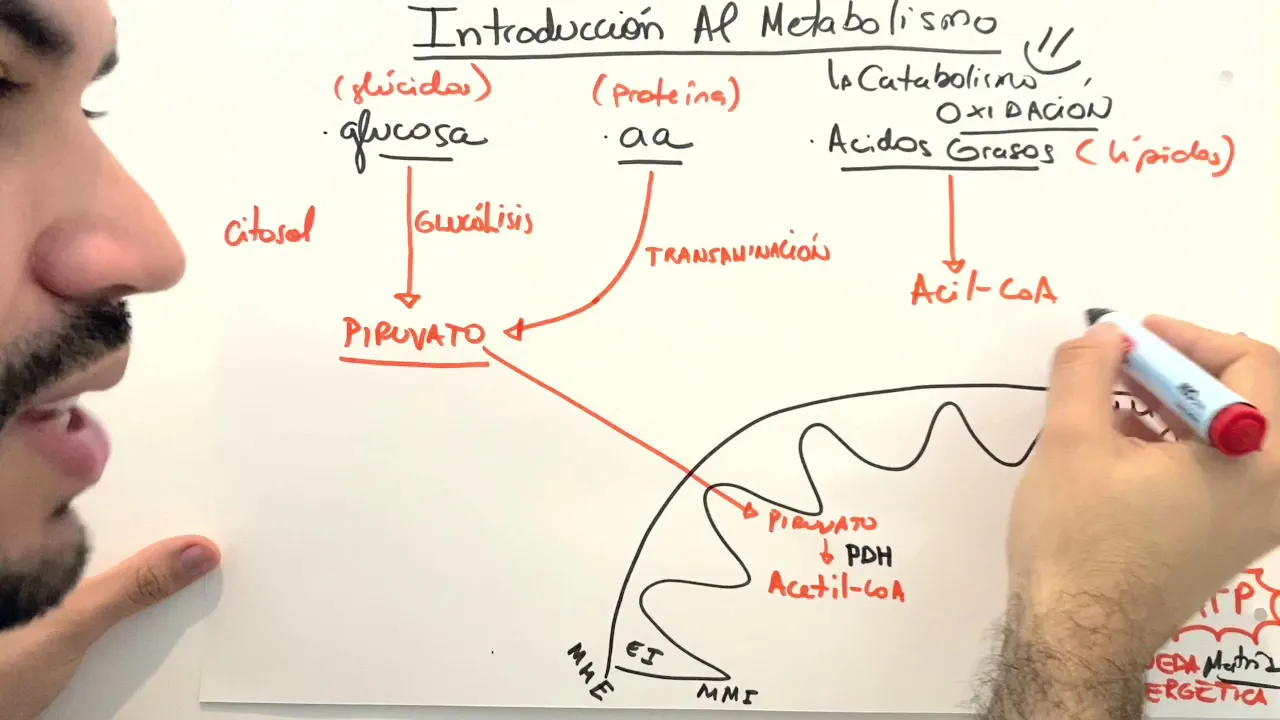
OXIDACIONES BIOLÓGICAS 1
8.3K
This section establishes the fundamental principles of redox (oxidation-reduction) reactions that underlie all metabolic processes. Oxidation is defined as the loss of electrons, loss of hydrogen atoms, or gain of oxygen atoms. Reduction is defined as the gain of electrons, gain of hydrogen atoms, or loss of oxygen atoms. These reactions always occur in pairs because electrons cannot exist freely in biological systems. Oxygen plays a crucial role as an oxidizing agent—when oxygen is added to a molecule, that molecule is oxidized. Free radicals, which result from incomplete redox reactions, are highly reactive molecules with unpaired electrons that can cause cellular damage. They are involved in cellular aging, skin aging, and can damage DNA, potentially leading to cancer. Understanding redox reactions is essential for understanding how cells protect themselves from oxidative damage.
Click to watch →

O-chem for biochem: Redox Review (recognize when it is & isn't occurring & determine oxidation #)
600
Redox (oxidation-reduction) reactions are fundamental to biochemistry, particularly metabolism. Oxidation is loss of electrons (OIL RIG mnemonic), while reduction is gain of electrons. In biochemistry, redox is understood through electron density shifts rather than whole electron transfer. Electronegativity determines electron distribution: oxygen is highly electronegative and typically causes oxidation when bonded to, while hydrogen is less electronegative and typically causes reduction. The substance that gets reduced is called an oxidizing agent, while the substance that gets oxidized is called a reducing agent. Common biological reducing agents include glutathione, DTT, and beta-mercaptoethanol.
Click to watch →

Bioquímica: Aula 35 - Bioenergética - Introdução às reações biológicas de oxidação redução
30.7K
Oxidation-reduction (redox) reactions are fundamental biochemical processes where electrons are transferred between molecules: oxidation involves the removal of electrons from a chemical group, while reduction involves the addition of electrons to a molecule. These reactions always involve a reducing agent (electron donor) and an oxidizing agent (electron acceptor) working in complementary pairs. In biological systems, redox reactions are essential for energy production, including glycolysis (glucose oxidation), fatty acid oxidation, and oxidative phosphorylation through the electron transport chain, enabling cells to generate ATP and power metabolic processes.
Click to watch →
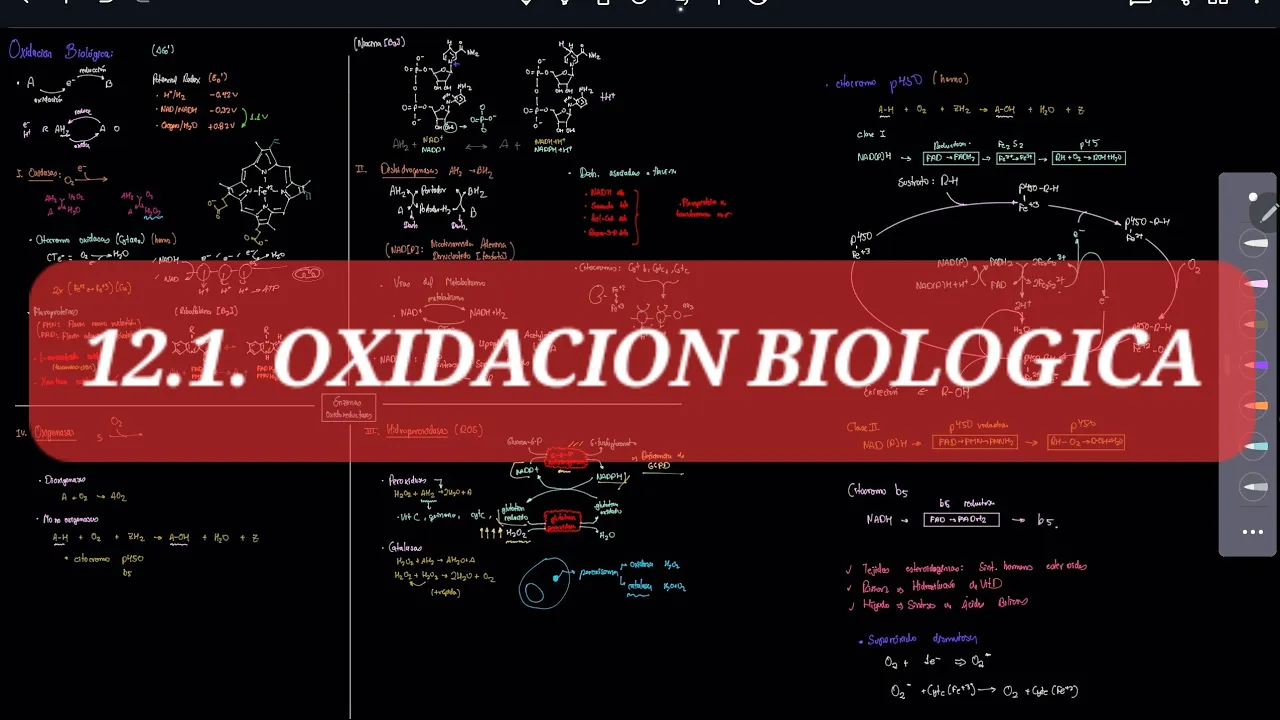
BQ 12 Oxidasas y Deshidrogenasas - Oxidación Biológica - Parte 01
1.3K
Biological oxidation encompasses oxidation-reduction reactions in the body, mediated by oxidoreductase enzymes. Oxidation involves electron loss, while reduction involves electron gain, and these reactions are always coupled. Reduced molecules are represented with electrons and protons, while oxidized molecules lack them. Redox potential (measured at pH 7.0) indicates electron-donating or accepting tendency: Hydrogen (-0.42 V), NAD+ (-0.32 V), and Oxygen/Water (+0.82 V). The electron flow from NADH to oxygen has a potential of 1.1 volts.
Click to watch →

Ch 7 Redox Reactions
105
Oxidation and reduction reactions always occur simultaneously as paired processes involving electron transfer. Oxidation involves the loss of electrons, while reduction involves the gain of electrons. These reactions require an electron donor and an electron acceptor. The term 'oxidation' relates to oxygen's strong ability to accept electrons. The mnemonic OIL RIG helps remember: Oxidation Involves Loss, Reduction Involves Gain. In biological systems, electron transfer often occurs alongside hydrogen transfer, which is crucial for understanding cellular respiration and energy production.
Click to watch →
Deep Dive
Plant cellular anatomy, specifically the compartmentalization of enzymes and substrates within cell walls, vacuoles, and plastids.
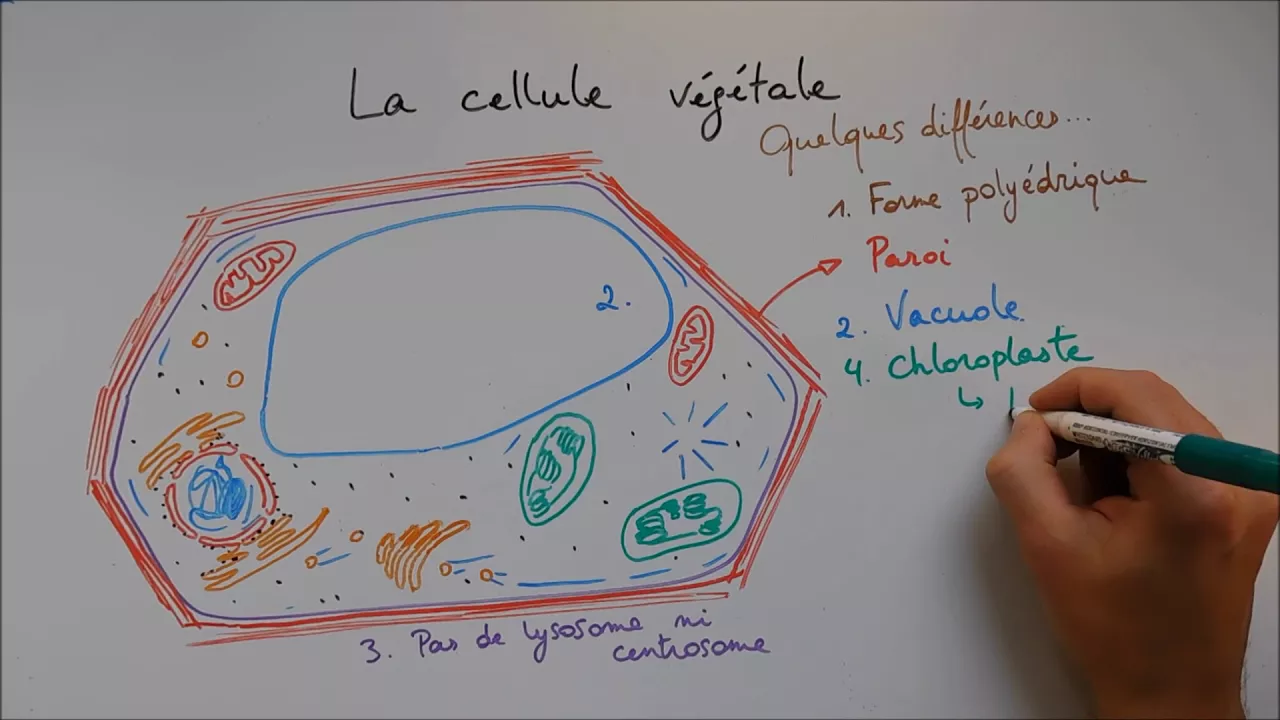
Structure cellulaire 3 - La cellule végétale
346.4K
Plant cells differ significantly from animal cells in three key structural features. First, plant cells possess a rigid cell wall composed primarily of cellulose (a polysaccharide made of hundreds to thousands of glucose molecules) and pectin, which provides structural rigidity and distinguishes plant cells from the flexible animal cells. Second, plant cells contain large central vacuoles that store water, waste materials, and various molecules; this water storage creates turgor pressure against the cell wall, giving plant cells their characteristic rigidity. Third, plant cells contain chloroplasts, complex organelles with three membrane layers (outer membrane, inner membrane, and thylakoid membranes) that form stacked structures called grana. These thylakoid membranes house chlorophyll molecules essential for capturing light energy during photosynthesis.
Click to watch →
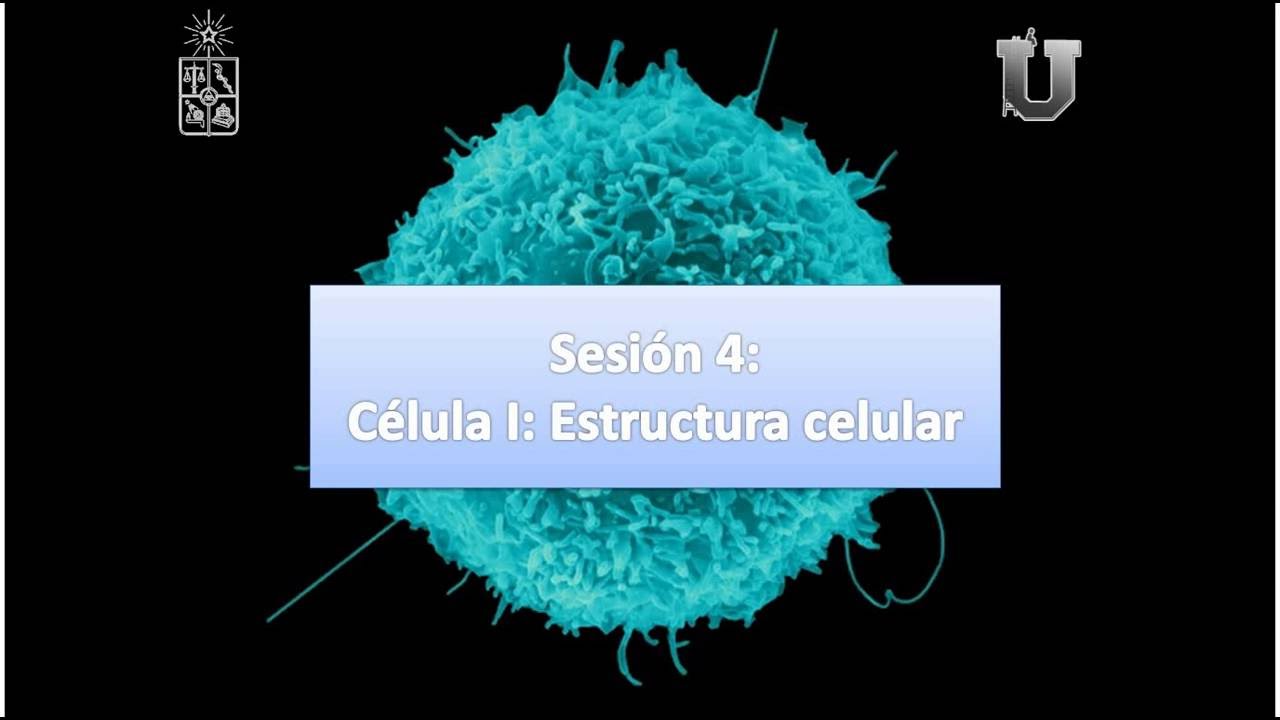
PreuMed PSU / Biología Común / Clase 1. Introducción a la célula
4.7K
Membrane-bound organelles provide evolutionary advantages by creating distinct microenvironments within the cell, enabling simultaneous occurrence of different chemical reactions. Different organelles contain different enzymes, preventing harmful reactions like lysosomal enzymes digesting other organelles. This compartmentalization enables cellular self-regulation through autophagy (destroying damaged organelles) and apoptosis (programmed cell suicide). Plant cells (eukaryotic) have distinguishing features: cell wall made of cellulose, large central vacuole occupying approximately 70% of cytoplasmic space containing water, proteins, carbohydrates, and toxic compounds, chloroplasts for photosynthesis, and nucleus displaced by the vacuole. The vacuole maintains turgor pressure for structural support, stores nutrients, and serves as a defense mechanism by storing toxins that deter herbivores.
Click to watch →

JET/CUET Biology | कोशिका (Cell) | Class - 2 | Theory Fast Revision | Cell Chapter by Manvendra Sir
174
The cell wall is the outermost layer of plant cells, primarily composed of cellulose. It has three layers: primary cell wall (cellulose, hemicellulose, pectin), secondary cell wall (cellulose, hemicellulose, pectin, lignin, cutin), and tertiary cell wall (cellulose, hemicellulose, lignin). Plasmodesmata are channels in the cell wall allowing communication between adjacent cells. Vacuoles are membrane-bound organelles surrounded by tonoplast containing cell sap (water, minerals, vitamins, proteins). They maintain turgor pressure for cell rigidity and support plant structure. In adverse conditions, vacuoles help absorb and retain water. Xerophytes have large vacuoles for water storage, while hydrophytes have small vacuoles. Animal cells typically lack large vacuoles. There are three types of plastids: chloroplasts (green, found in leaves and young stems), chromoplasts (colored, found in flowers and fruits), and leucoplasts (colorless, found in roots, seeds, and underground stems). Leucoplasts store nutrients: amyloplasts store carbohydrates, elaioplasts store fats, and aleuroplasts store proteins. Chloroplasts contain thylakoids (coin-shaped structures) that stack to form grana, where light-dependent reactions produce ATP and NADPH2. The stroma contains enzymes for light-independent reactions producing glucose. Chlorophyll (containing magnesium) gives leaves their green color. Chloroplasts are called the kitchen of plants and the center of photosynthesis. Photosynthesis includes both light-dependent and light-independent reactions that convert carbon dioxide and water into glucose using light energy, releasing oxygen as a byproduct.
Click to watch →

Строение клетки - ОРГАНОИДЫ для ЕГЭ |ЕГЭ БИОЛОГИЯ 2024|Freedom|
30.5K
Plant cell walls are rigid structures outside the plasma membrane, primarily composed of cellulose. Functions include mechanical protection, structural support, and maintaining turgor pressure. Plasmodesmata are channels through the cell wall connecting adjacent cells for communication. Vacuoles store water, ions, nutrients, and waste. In mature plant cells, a large central vacuole occupies most of the cell volume. Functions include maintaining turgor pressure (keeping plants upright), storing pigments (giving fruits and flowers colors), and regulating cellular pH and ion balance. Plastids are membrane-bound organelles found only in plants: chloroplasts (green, with grana containing chlorophyll for photosynthesis), leucoplasts (colorless, storing starch), and chromoplasts (colored, containing carotenoids for fruit and flower coloration). Photosynthesis equation: 6CO2 + 6H2O + light energy → C6H12O6 + 6O2.
Click to watch →

ВСЯ ботаника за 60 минут: что нужно знать для ОГЭ по биологии | Умскул
82.2K
The cell wall and cell membrane are different structures. The cell membrane is thinner and found in all cells, located beneath the cell wall. The cell wall is more massive and provides greater protection, primarily composed of cellulose. Plant cells contain three types of plastids: chloroplasts (containing chlorophyll for photosynthesis), chromoplasts (colored plastids in shades other than green), and leucoplasts (colorless plastids for storing substances). Vacuoles can indicate cell age—young cells have many small vacuoles, while older cells have one large central vacuole. Plants store energy as starch, while animals and fungi store as glycogen.
Click to watch →
Prerequisite Knowledge
- Concept 01Basic enzyme-substrate kinetics, including how enzymes act as biological catalysts to speed up chemical reactions.
- Concept 02The concept of protein denaturation and how environmental factors like temperature and pH alter enzyme structure and activity.
- Concept 03Fundamental principles of oxidation-reduction (redox) reactions in biological chemistry.
- Concept 04Plant cellular anatomy, specifically the compartmentalization of enzymes and substrates within cell walls, vacuoles, and plastids.
Subsequent Learning
- Step 01Non-enzymatic browning pathways, such as the Maillard reaction and caramelization, and their distinct chemical mechanisms.
- Step 02Chemical inhibition techniques in food preservation, including the use of reducing agents (e.g., ascorbic acid) and chelating agents.
- Step 03Industrial food preservation technologies, such as Modified Atmosphere Packaging (MAP) and high-pressure processing (HPP) to extend shelf life.
- Step 04Biotechnology and genetic engineering applications, such as using CRISPR-Cas9 to knock out polyphenol oxidase (PPO) genes in commercial produce.
Enzymatic Browning
Prevention Methods
Enzymatic Browning
0:02Playing Section
- 1
Phenolic compounds oxidize into melanin, causing browning in cut produce.
- 2
Fresh seafood also suffers from this enzymatic deterioration process.
Beneficial Enzymatic Browning: The Value of Polyphenol Oxidation
While enzymatic browning is often treated as a defect or spoilage mechanism to be suppressed, it is actually a critical and desirable process essential for developing the characteristic flavors, colors, and aromas of many major food products. In commodities like black tea, coffee, cocoa, raisins, and prunes, controlled enzymatic browning by polyphenol oxidases (PPOs) is deliberately encouraged to generate complex taste profiles and consumer-preferred dark pigments. Furthermore, the resulting brown compounds (melanins) possess significant antioxidant, antimicrobial, and health-promoting properties. Relying heavily on traditional control methods like thermal pasteurization or synthetic chemical inhibitors (such as sulfites) can degrade these beneficial bioactive compounds, strip foods of their natural nutritional value, and trigger adverse allergic reactions in consumers. Consequently, a modern food science perspective advocates for harnessing and optimizing enzymatic browning for its functional benefits rather than universally treating it as a preservation hurdle.
Deep Dive
Non-enzymatic browning pathways, such as the Maillard reaction and caramelization, and their distinct chemical mechanisms.

F.4.6 Compare the two processes of non-enzymatic browning (Maillard reaction) and caramelization.
30.6K
Non-enzymatic browning in food occurs through two distinct chemical processes: the Maillard reaction, which involves a condensation reaction between amino groups (particularly lysine, which browns fastest) and reducing sugars (like glucose), producing desirable golden-brown colors and caramel aromas in foods like toffee and fudge; and caramelization, which occurs at temperatures above 120°C in high-carbohydrate, low-nitrogen foods, where sugars melt and undergo decomposition. While both processes enhance food appearance and flavor, they reduce nutritional value by consuming amino acids and carbohydrates. The Maillard reaction is catalyzed by pH extremes (pH >9 for bases, pH <3 for acids), whereas caramelization primarily depends on temperature.
Click to watch →

Pardeamiento enzimático y no enzimático - Bioquímica de los Alimentos
5.2K
Non-enzymatic browning produces brown pigments without enzyme activity through Maillard reaction and caramelization. The Maillard reaction involves amino groups reacting with carbonyl groups, progressing through four phases: initial sugar-amino acid alliance, Amadori rearrangement, intermediate degradation forming reactive compounds, and final melanoidin formation with volatile aromatics. It affects protein quality and nutritional value. Caramelization occurs when sugars heat above 150°C. Variables affecting Maillard reaction include substrate (low molecular weight sugars more reactive), pH (6-8 favorable, 2.5-3.5 weak), and water activity (exponential increase with higher activity).
Click to watch →

Browning Reactions in Food | Maillard Reaction | Enzymatic Browning | Caramelization | SK Sharma
6.9K
Caramelization is sugar thermal decomposition at 110-180°C producing caramel flavors through maltol formation. Rate depends on pH—near-neutral minimizes reaction. Maillard reaction requires sugars and amino acids in three stages: condensation/rearrangement, fragmentation, and polymerization forming brown pigments. These reactions develop desirable flavors and colors in baked goods, meats, coffee, and confections, making them fundamental to food science and culinary arts.
Click to watch →

MECANISMO DE REACCION COMPLETA DE LA RX DE MAILLARD
4.8K
Non-enzymatic browning reactions in food include caramelization, Maillard reaction, and ascorbic acid oxidation. These reactions produce non-nutritive, highly reactive carbonyl derivatives formed through sugar-amino acid interactions. The reactions proceed through three stages: initiation (formation of reactive carbonyl compounds catalyzed by acids, free amino groups, and elevated temperatures), induction (accumulation of intermediates and brown pigments), and production (formation of volatile compounds and high-molecular-weight pigments through aldol condensation). Inhibitors like bisulfites can delay the induction stage. High-molecular-weight brown pigments form through aldol condensation of ketosamines and aldoses, producing both volatile compounds and brown pigments.
Click to watch →

ගුණාත්මක ආහාර නිශ්පාදනය BST 2026 part 01
646
This section covers non-enzymatic browning processes. Caramelization occurs when sugars are heated, causing water to evaporate and the sugar to change color through stages: caramelization (කැරමලාන්), caramel (කැරමලීන්), and humification (හුමීන්). The Maillard reaction occurs between reducing sugars and amino acids under heat, producing brown-colored compounds. These processes are used in making caramel, toffee, and baked goods to achieve desired brown color and flavor. The instructor explains that these processes are distinct from enzymatic browning and occur through thermal reactions rather than enzyme catalysis.
Click to watch →
Deep Dive
Chemical inhibition techniques in food preservation, including the use of reducing agents (e.g., ascorbic acid) and chelating agents.

Enzymatic Browning & Its Control
4.9K
Enzymatic browning is a chemical reaction involving polyphenols, oxygen, and polyphenol oxidase that causes undesirable discoloration in cut fruits, vegetables, and seafood; it can be controlled through physical methods (blanching, refrigeration, modified atmosphere packaging, vacuum packaging, immersion) and chemical inhibitors (sulfites, ascorbic acid, chelating agents, complexing agents, enzyme inhibitors, reducing agents), with sulfites and ascorbic acid being the most effective inhibitors due to their multiple modes of action targeting different stages of the browning reaction.
Click to watch →

কর্মমুখী রসায়ন । কেমিস্ট্রি মূল বই সিরিজ । শান্ত ভাইয়া । Battles Of Biology
8.4K
Antioxidants prevent oxidation in food and are classified as free radical scavengers (BHA, BHT, TBHQ, propyl gallate) and oxygen absorbers (Vitamin C, Vitamin E, sulfites). Natural antioxidants include Vitamin C, Vitamin E, and selenium. Chelating agents remove trace metals that cause spoilage. EDTA (ethylenediaminetetraacetate) is the most commonly used, donating 6 lone pairs (hexadentate ligand).
Click to watch →

কর্মমূখী রসায়ন (Vocational Chemistry)। All in One
189.1K
Food preservation is essential for food security by reducing waste and extending shelf life. Natural preservation methods include: (1) Salting (curing) - creates a 7-8% salt solution that draws water out of food through osmosis, (2) Sugar preservation - requires 60-70% concentration, (3) Vinegar preservation - creates an acidic environment (pH below 4.5) where microorganisms cannot grow, (4) Mustard oil preservation, and (5) Alcohol preservation. Natural antioxidants include beta-carotene, tocopherol/Vitamin E, and ascorbic acid/Vitamin C. Artificial preservatives include: (1) Antimicrobial agents (sodium benzoate, sorbates, nitrites, sulfites, acetic acid), (2) Antioxidants (BHA, BHT, TBHQ, propyl gallate), and (3) Chelating agents like EDTA that bind metal ions catalyzing oxidation. Vinegar production involves fermenting ethanol to acetic acid using acetic acid bacteria, then diluting to 6-10% concentration. Invert sugar is produced by hydrolyzing sucrose with invertase enzyme, yielding equal parts glucose and fructose. Zymase enzyme ferments these sugars to produce ethanol and carbon dioxide.
Click to watch →

Browining reactions in food Part II
256
Chemical inhibitors prevent browning through multiple mechanisms. Antioxidants (ascorbic acid, glutathione, cysteine) react with oxygen and intermediate products, breaking chain reactions. Ascorbic acid reduces quinones back to phenolic compounds but may impart unpleasant taste at 0.75% concentration. Sodium chloride generates chlorine dioxide under acidic conditions (pH <5) with pH-dependent inhibition. Chelating agents (citric acid, kojic acid, EDTA) bind copper ions essential for PPO activity; kojic acid at 1-4 mM inhibits PPO and bleaches melanin. Sulfites (SO2) prevent both enzymatic and non-enzymatic browning but may cause tissue softening and toxicity (WHO limit: 0.7 mg/kg body weight). Firming agents (calcium lactate, calcium chloride) strengthen cell walls preventing compartment destruction. Acidification below pH 3 inactivates PPO; ascorbic acid is more effective than isomers.
Click to watch →

এক ক্লাসেই কর্মমূখী রসায়ন ১০০% কভার বোর্ডের জন্য | CQ + MCQ Basic
37.8K
Anti-oxidants prevent oxidation spoilage: Natural (Vitamin C, Vitamin E, sulfite salts); Artificial (BHA-C11H14O3, BHT-C19H24O, TBHQ-C10H14O, Propyl gallate-C10H12O5). Chelating agents like EDTA (Ethylenediaminetetraacetic acid) bind metal ions (Fe2+, Fe3+, Co2+, Cu2+) that catalyze oxidation reactions. The nitrogen atoms in EDTA have lone pair electrons that bind metal ions, deactivating them and preventing food spoilage.
Click to watch →
Deep Dive
Industrial food preservation technologies, such as Modified Atmosphere Packaging (MAP) and high-pressure processing (HPP) to extend shelf life.

Industrial Packaging Podcast Episode 11: Modified Atmosphere Packaging
2.6K
Modified Atmosphere Packaging (MAP) is a food preservation technique that extends shelf life by manipulating the atmospheric composition inside packaging; it works by removing oxygen and replacing it with gases like carbon dioxide (which inhibits microbial growth by lowering pH and disrupting biological membranes) and nitrogen (which prevents oxidation and maintains package volume), though it requires careful monitoring as reduced oxygen environments can potentially allow anaerobic pathogen growth such as Clostridium botulinum.
Click to watch →
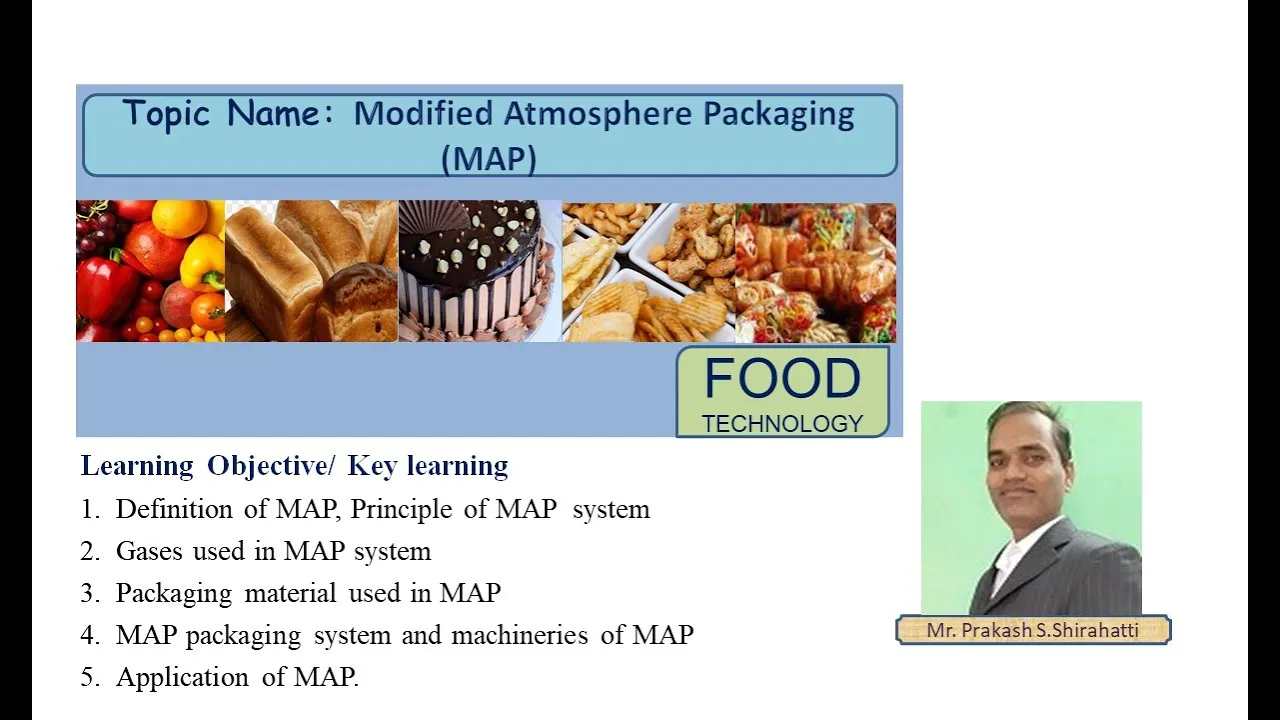
Modified Atmosphere Packaging MAP of Food
9.7K
Modified Atmosphere Packaging (MAP) is a food preservation technique that extends shelf life by modifying the surrounding atmosphere of packaged foods, primarily by reducing oxygen levels and increasing carbon dioxide or inert gases; this system works by reducing respiratory activity in fruits and vegetables, inhibiting microbial growth, preventing oxidative reactions, and slowing enzymatic and biochemical changes, with different implementation methods including active MAP (using oxygen scavengers and CO2 emitters), passive MAP (using semi-permeable breathable films for respiratory foods), vacuum packaging, and gas flushing techniques.
Click to watch →

MAP and skin packaging for seafood and RTE products under HPP
364
This presentation explains how Modified Atmosphere Packaging (MAP) and skin packaging serve as complementary solutions for seafood and ready-to-eat (RTE) products processed with High Pressure Processing (HPP), with skin packaging offering advantages in operational efficiency, merchandising, and plastic reduction while both packaging types require careful consideration of product characteristics, pack geometry, and barrier requirements to ensure optimal HPP performance and extended shelf life.
Click to watch →

How High Pressure Processing works to give food a longer shelf life
54K
High Pressure Processing (HPP) extends food shelf life by applying extreme pressure (87,000 PSI or 600 MPa) for 180 seconds at low temperatures (42°F/5°C), which kills harmful microorganisms while preserving the food's nutritional value, flavor, and texture; however, successful HPP requires compatible packaging that can withstand compression without deforming or breaking, with vacuum packaging being the most effective option as it also improves processing efficiency by reducing water requirements and eliminating gas dissipation wait times.
Click to watch →

Emballage sous atmosphère modifiée - introduction et fondements
3.2K
Modified Atmosphere Packaging (MAP) is a modern food preservation technique that extends shelf life by modifying the atmosphere surrounding food products—typically by removing oxygen and replacing it with a mixture of carbon dioxide and nitrogen—to suppress oxidation, bacterial growth, and mold growth without thermal or chemical treatments; the specific gas mixture varies by food type, such as high oxygen for red meat to maintain color, low oxygen (<1.5%) for fatty snacks to prevent rancidity, and high carbon dioxide (up to 100% for hard cheese) to inhibit microbial growth.
Click to watch →
Deep Dive
Biotechnology and genetic engineering applications, such as using CRISPR-Cas9 to knock out polyphenol oxidase (PPO) genes in commercial produce.

CRISPR e Editing Genetico - una biotecnologia politicamente dirompente
63.1K
The US has approved CRISPR-edited products including non-browning mushrooms (where the polyphenol oxidase gene was turned off) and Arctic apples (also non-browning). For mushrooms, CRISPR was used so they are indistinguishable from spontaneous mutations, while apples used traditional genetic engineering and are classified as GMOs.
Click to watch →
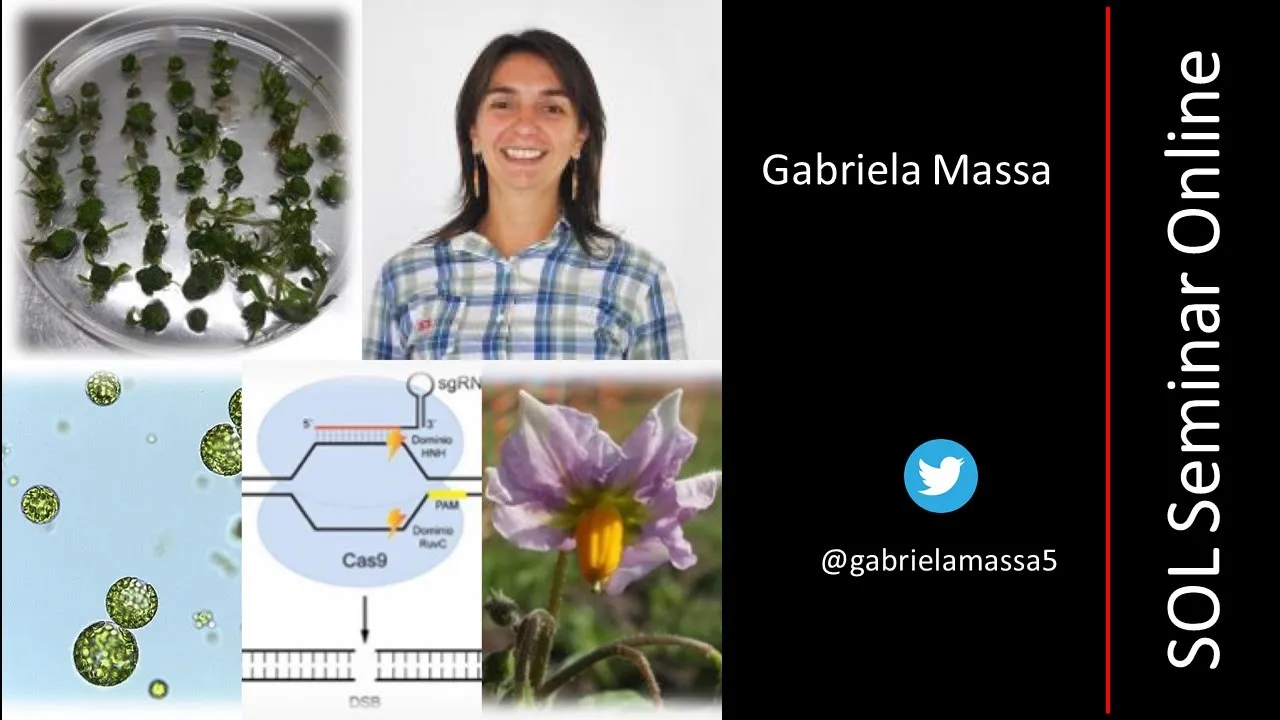
Gabriela Massa - Advances and perspectives of potato breeding by gene editing
287
Enzymatic browning in potatoes results from polyphenol oxidase (PPO) enzymes converting phenolic substrates into brown pigments during harvest, storage, and damage. Research demonstrated CRISPR-Cas9's effectiveness by designing guide RNAs targeting PPO2 gene regions, transfecting protoplasts with ribonucleoprotein complexes, and screening for edited events. Results showed 68% of events contained at least one edited allele, with 24% achieving complete knockout. A successful line (event 801) demonstrated 73% reduction in browning index and 69% decrease in PPO activity without off-target effects. This proves CRISPR-Cas9 can precisely silence specific genes in potato, offering a targeted solution to this industry problem.
Click to watch →
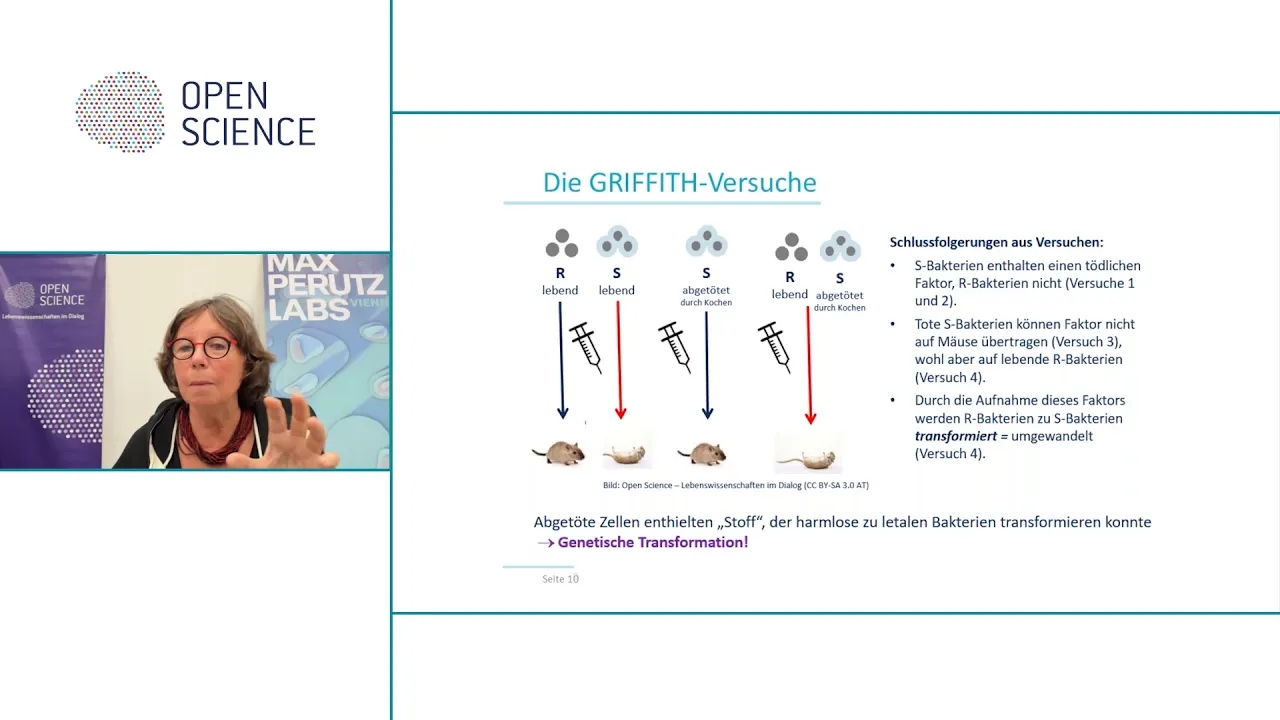
Webinar zur Genschere CRISPR/Cas mit Renée Schroeder
3.3K
CRISPR-Cas9 has become routine in research for gene knockout (disrupting genes to study function), gene knockin (inserting specific sequences), gene activation/repression (using modified Cas9 fused to transcriptional factors), and visualization (fusing Cas9 with fluorescent proteins). In agriculture, it has created disease-resistant plants like cacao plants resistant to viral infections. In food science, it reduces browning in fruits by disabling polyphenol oxidase. In industry, it modifies bacteria for improved fermentation processes like yogurt production.
Click to watch →
Using CRISPR to Engineer Traits Into Crops With OSF's Sarah Evanega
204
CRISPR gene editing technology can be used to turn off specific genes in crops, such as the polyphenol oxidase enzyme in apples, which prevents browning when fruits are bruised or sliced, resulting in longer shelf life and more convenient consumption while maintaining the fruit's natural flavor.
Click to watch →
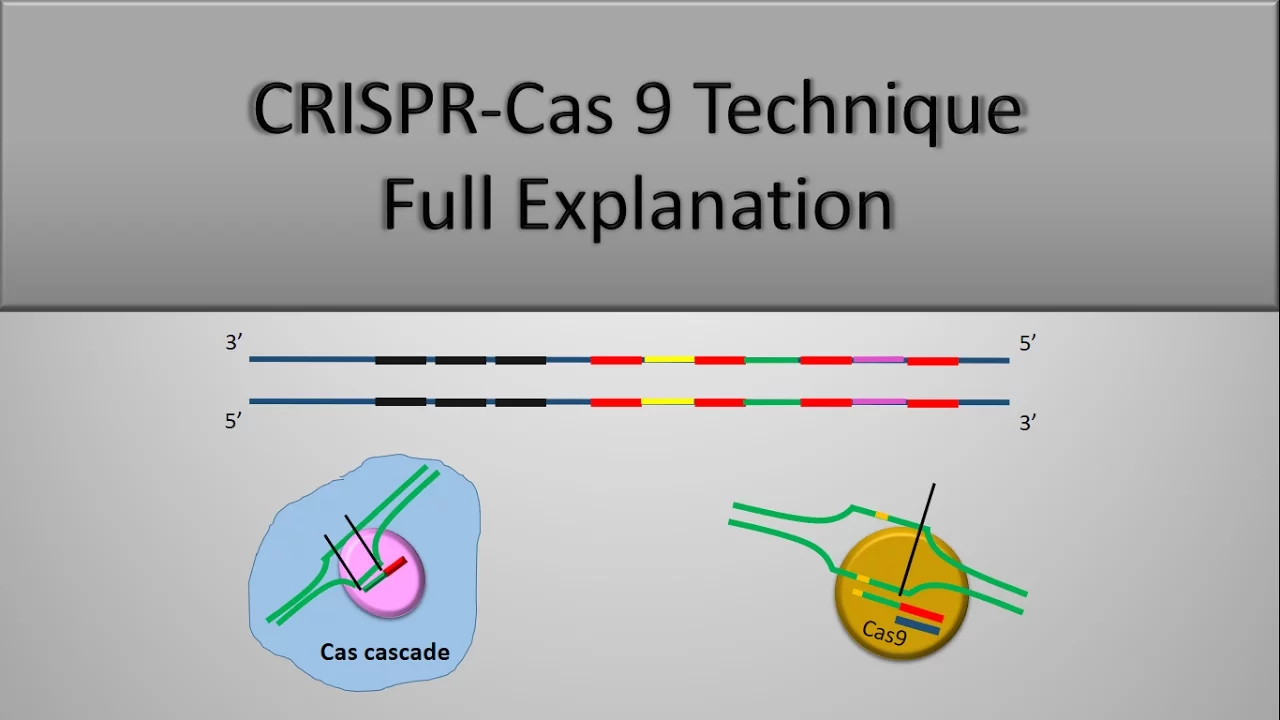
CRISPR CAS9 Gene Editing Technique, The Full principle (Part 2)
80.9K
CRISPR-Cas9 gene editing works by delivering a plasmid containing crRNA, tracrRNA, Cas9 enzyme, and a DNA repair template into embryonic stem cells; the Cas9 complex recognizes and cuts the target gene at specific sites (guided by crRNA and PAM sequence), and the cell's repair machinery uses the provided DNA template to replace the gene with the desired modification instead of repairing naturally.
Click to watch →
Enzymatic Browning
Prevention Methods
Enzymatic Browning
0:02- 1
Phenolic compounds oxidize into melanin, causing browning in cut produce.
- 2
Fresh seafood also suffers from this enzymatic deterioration process.
Beneficial Enzymatic Browning: The Value of Polyphenol Oxidation
While enzymatic browning is often treated as a defect or spoilage mechanism to be suppressed, it is actually a critical and desirable process essential for developing the characteristic flavors, colors, and aromas of many major food products. In commodities like black tea, coffee, cocoa, raisins, and prunes, controlled enzymatic browning by polyphenol oxidases (PPOs) is deliberately encouraged to generate complex taste profiles and consumer-preferred dark pigments. Furthermore, the resulting brown compounds (melanins) possess significant antioxidant, antimicrobial, and health-promoting properties. Relying heavily on traditional control methods like thermal pasteurization or synthetic chemical inhibitors (such as sulfites) can degrade these beneficial bioactive compounds, strip foods of their natural nutritional value, and trigger adverse allergic reactions in consumers. Consequently, a modern food science perspective advocates for harnessing and optimizing enzymatic browning for its functional benefits rather than universally treating it as a preservation hurdle.
Basic enzyme-substrate kinetics, including how enzymes act as biological catalysts to speed up chemical reactions.
The concept of protein denaturation and how environmental factors like temperature and pH alter enzyme structure and activity.
Fundamental principles of oxidation-reduction (redox) reactions in biological chemistry.
Plant cellular anatomy, specifically the compartmentalization of enzymes and substrates within cell walls, vacuoles, and plastids.
Non-enzymatic browning pathways, such as the Maillard reaction and caramelization, and their distinct chemical mechanisms.
Chemical inhibition techniques in food preservation, including the use of reducing agents (e.g., ascorbic acid) and chelating agents.
Industrial food preservation technologies, such as Modified Atmosphere Packaging (MAP) and high-pressure processing (HPP) to extend shelf life.
Biotechnology and genetic engineering applications, such as using CRISPR-Cas9 to knock out polyphenol oxidase (PPO) genes in commercial produce.
153 views5likes4:06@foodscienceacademyOriginal Release: 2025-01-24
we have observed on multiple occasions that half cut apples bringel or poto tone Brown quite rapidly this is because these plants contain phenolic chemicals that can be oxidized by a class of enzymes called as phenol lasis the basic function of phenolic chemicals in plants is protection when you expose these compounds to oxygen phol are converted to dienol and subsequently to quinol the quinol produced undergo a series of polymerization reactions to yield menins which contribute to the brown color formation in Cut apple brols or potatoes does the word melanin ring a bell it is the same pigment responsible for skin color in humans since an enzyme is resp responsible for conversion the reaction is called as enzymatic Browning the enzymes involved include phenol polyphenol oxidase cathol oxidase or any other oxidase that is capable of breaking down your phenolic compounds now this enzimatic reaction can be desirable in several foods like Kua tea date but undesirable in fresh fruits and vegetables fresh seafood is also susceptible to enzimatic Browning so how can we control enzymatic Browning first and foremost ensure safe transport of fruits and vegetables from Farm to for so if during mechan uh transport we have some sort of mechanical damage that is caused to our fresh fruits and vegetables it can promote enzyme activity resulting in mending production suppose let's say an apple undergo some sort of mechanical damage during transport when we cut open that part of Apple we can see that it is brown in color due to enzimatic Brown and you don't want to sell such an apple to your consumers because there's no economic value nobody will be willing to buy for that uh willing to buy that apple or pay for it second one is the removal of oxygen using map modified atmospheric technique so the reaction can only proceed in presence of oxygen if we remove oxygen from our packages the probability of enzimatic Browning is reduced third one is use of acid enzyme generally tend to work at an optimum pH and temperature range so if we make use of acid like acetic acid citric acid we tend to reduce the pH of the medial meaning it does not facilitate enzymatic acity so when you increase the temperature the principle is the same enzymes cannot act at varying pH or temperature because you need particular Optimum range for that activity to occur fourth one is use of antioxidants antioxidants they reduce the Browning Effects by their ability to interact with oxygen finally you have certain chalating agents so polyol oxidase it has a pro prosthetic Group which is copper made up of copper ions then we add chating agent it can suppress the activity of enzyme because they tend to bind with copper ions thank you for staying with me through the video in case you have any queries please feel free to put that in the comment section and I'll get back at the earliest
Up Next
18:23
Food Dispersion: Colloids and Emulsions Explained
@foodforknowledgeofficial2809
560 views•2022-10-09
83:56
Biocatalysis and Catalysis in Islatravir Synthesis | Merck Webinar
@SCIwheresciencemeetsbusiness
675 views•2020-10-08
10:06
1H NMR: Determining Number of Peaks from Structure
@MSJChem
59.2K views•2017-04-06

17:31
Edible Water Bottles: A DIY Guide to Sodium Alginate Spherification
@ryan
10.5M views•2019-06-21
Related Study Plans & Knowledge Roadmaps
Structured learning paths in Chemistry
chemistry
Nuclear Chemistry: Decay, Meds & Fuel Cycle
01Introduction to Nuclear Structure and Radioactivity
02Decay Dynamics and Kinetics
03Radiation Interaction and Detection
+ 2 more learning modules
24h5 modules
Explore Roadmap
chemistry
Supramolecular Chemistry: Forces & Machines
01Foundations of Chemical Bonding and Intermolecular Forces
02Introduction to Host-Guest Chemistry
03Thermodynamics and Dynamics of Self-Assembly
+ 2 more learning modules
16h5 modules
Explore Roadmap
chemistry
Photochemistry: Excited States & Reactions
01Foundations of Light-Matter Interactions
02Molecular Orbitals and Electronic States
03Photophysical Processes and Jablonski Diagrams
+ 2 more learning modules
18h5 modules
Explore Roadmap
chemistry
Coordination Chemistry: Bonding & Properties
01Introduction to Transition Metals and Ligands
02Crystal Field Theory (CFT) and Geometry
03Magnetic Behavior and Spin States
+ 2 more learning modules
14h5 modules
Explore Roadmap