




![GEOGRAPHY P.2 2025 LAST MINUTE [THUNDEREDUC] GRADE 12 GEOGRAPHY GRADE 12 PAPER 2 -TRIAL EXAMS FINAL](https://i.ytimg.com/vi/ErkjjBlK2bQ/maxresdefault.jpg)












![[HD] Mobilizing Communities for Environmental Justice](https://i.ytimg.com/vi/kYYWiEWTXGs/maxresdefault.jpg)


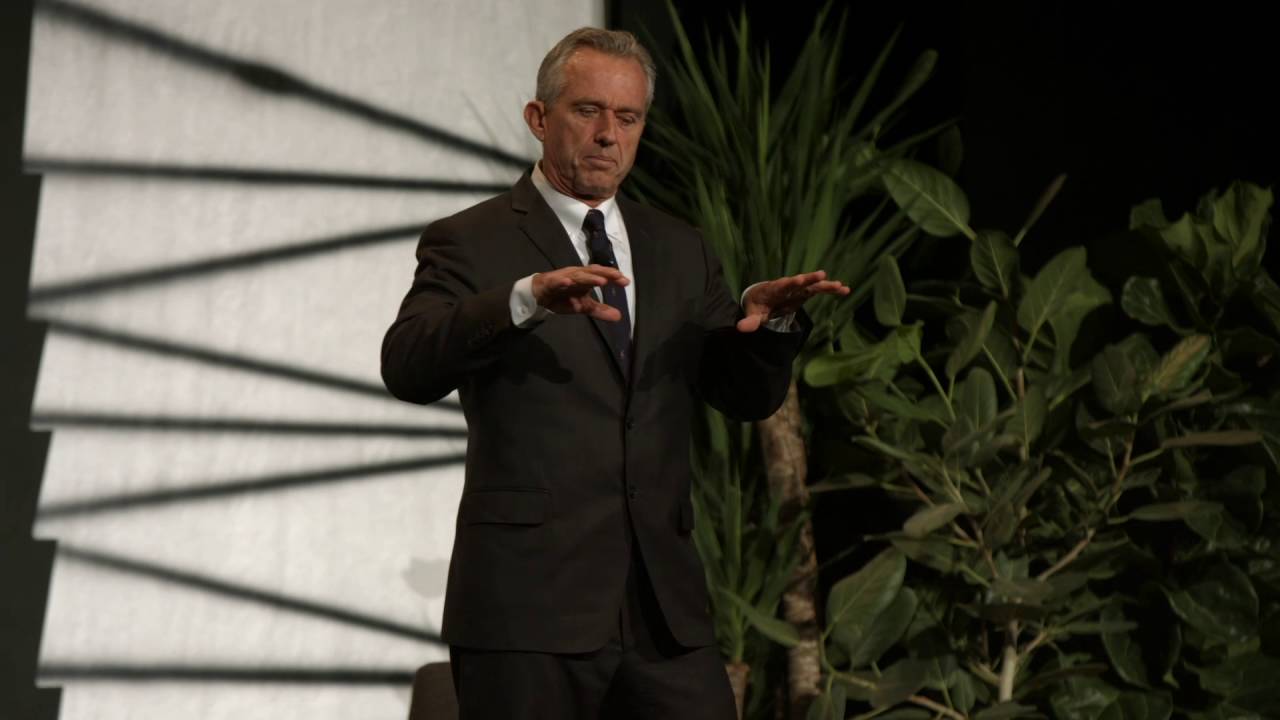
Political ecology is an interdisciplinary framework that examines how ecological issues are inherently political, arguing that all questions about nature and environmental management are shaped by underlying political ideologies, power relations, and social imaginaries; it specifically applies this lens to urban contexts, demonstrating that cities cannot be understood without examining their environmental dependencies and the political processes that shape resource allocation and environmental governance.
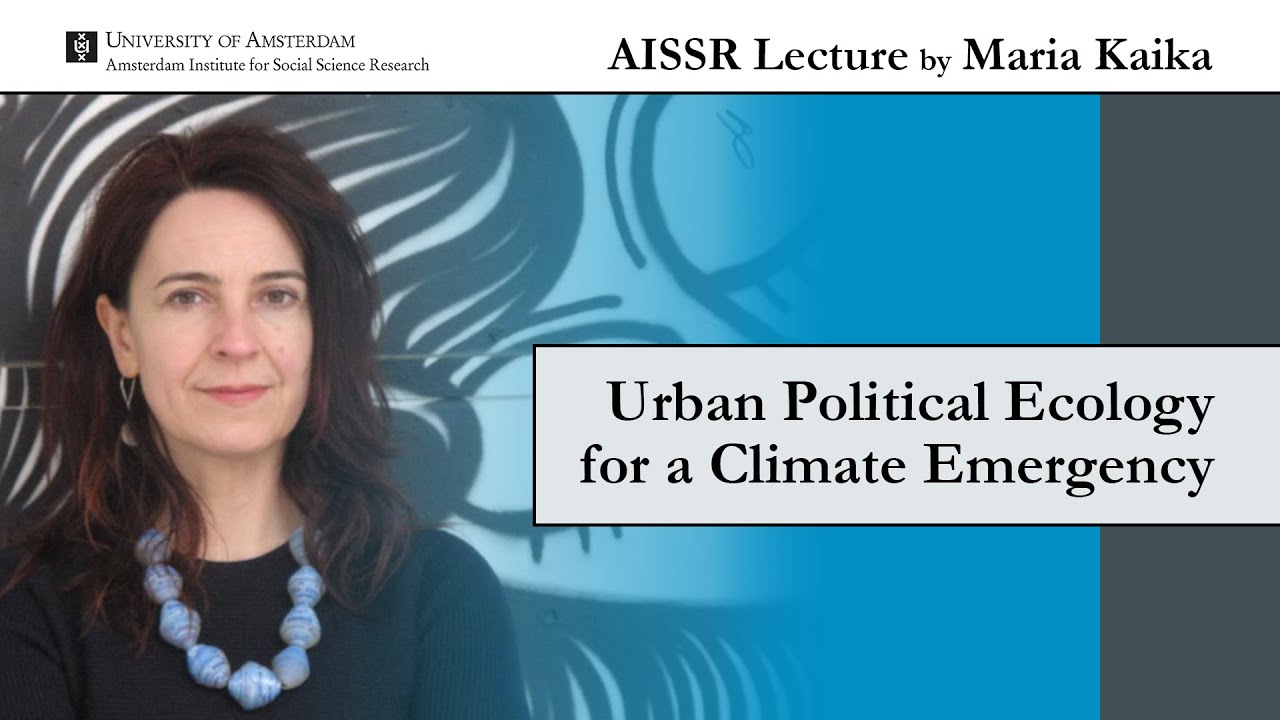
Maria Kaika: What Is Political Ecology? Explained
Added:Fundamental concepts of Political Economy, particularly how capital accumulation, labor, and technological advancement drive societal structures.
The distinction between traditional ecology (focusing on biophysical systems) and environmental sociology (examining human-environment interactions).
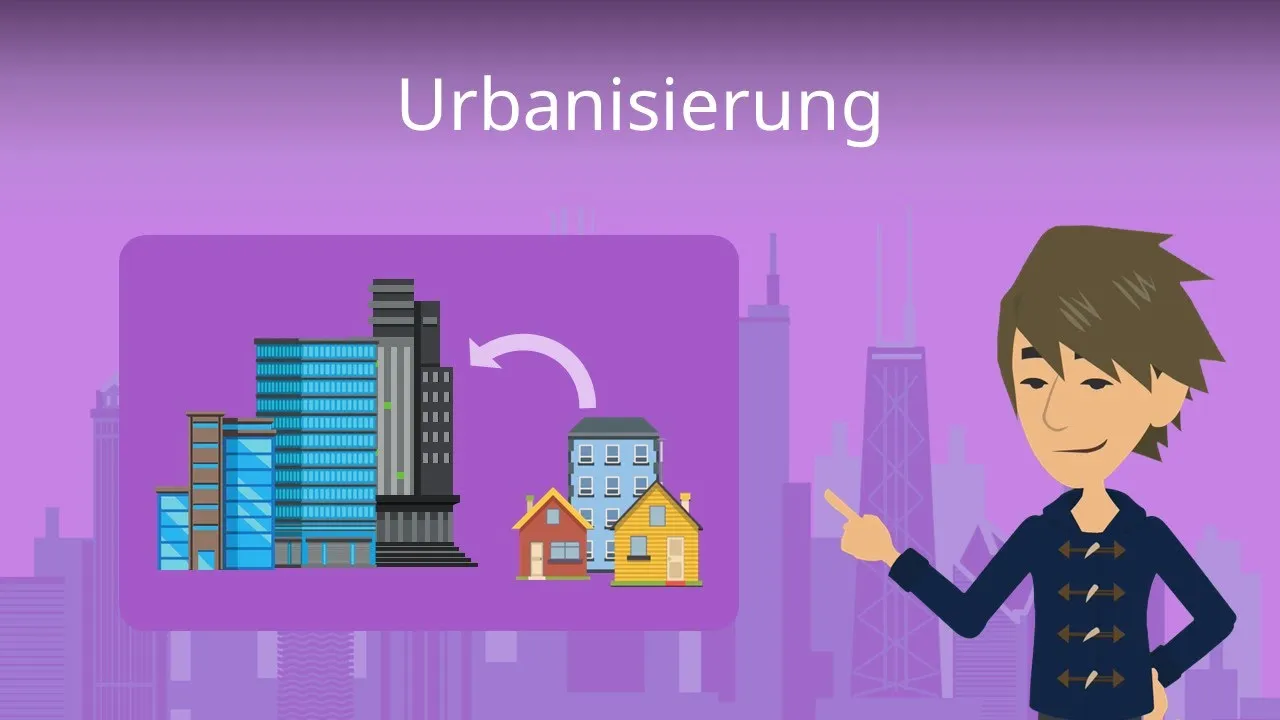
An introductory understanding of urbanization processes, including how cities expand physically and economically.
The concept of the 'Social Construction of Nature,' which posits that what we call 'natural' is often shaped by human culture, power, and history.
The framework of Urban Political Ecology (UPE), focusing on how infrastructure networks (like water, waste, and energy) unevenly distribute resources and risks.
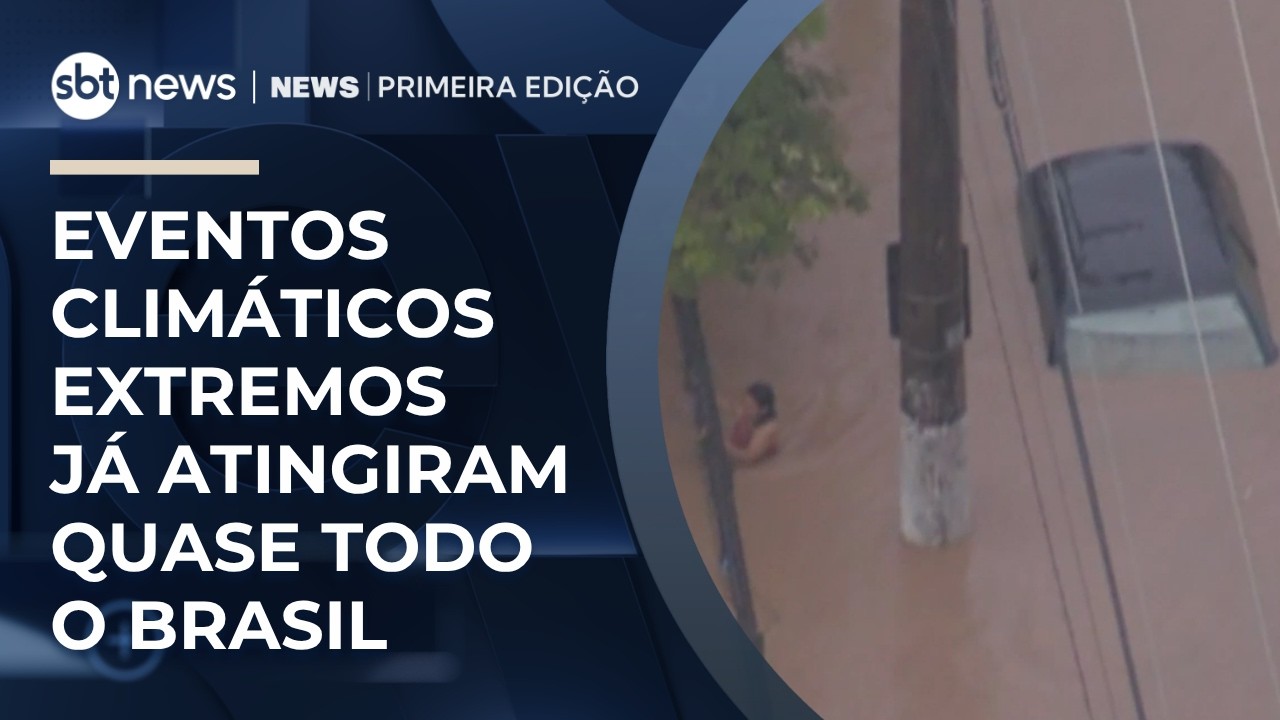
The study of 'socio-natural disasters' to analyze how events like floods or heatwaves are amplified by political decisions and socioeconomic inequalities.
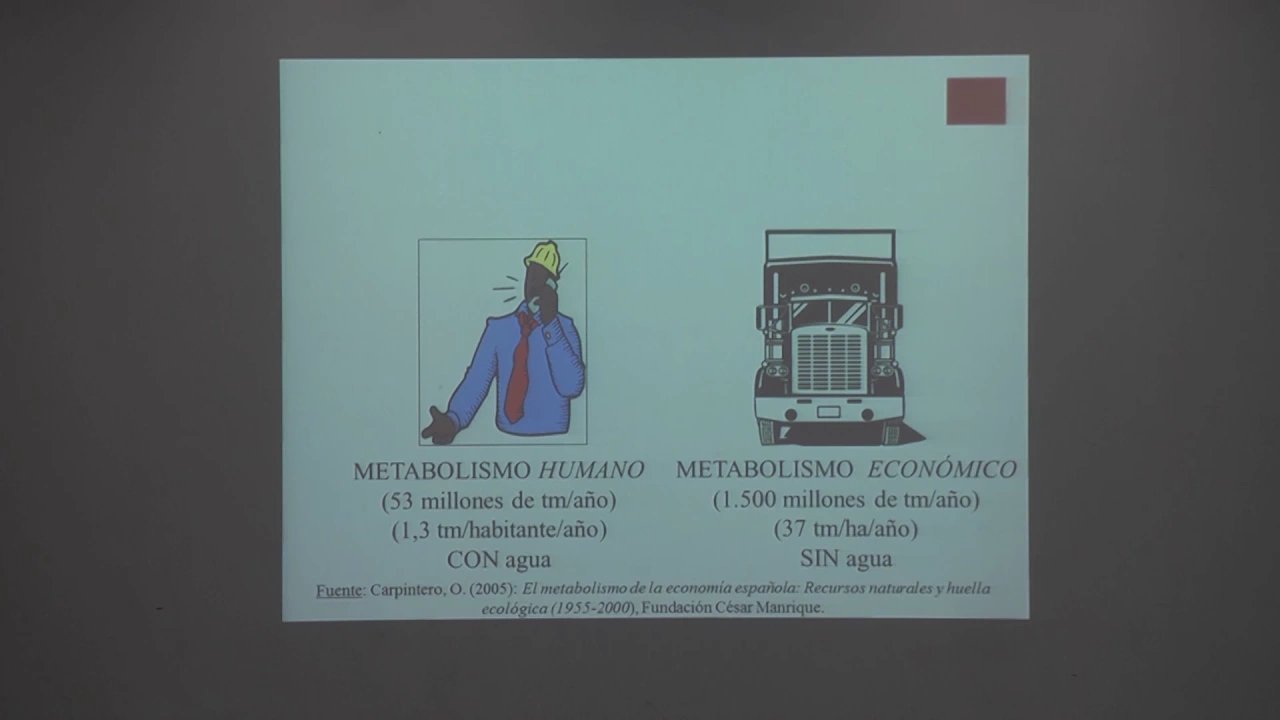
The concept of 'Urban Metabolism,' exploring the biological and technical flows of materials and energy that sustain urban environments.
Environmental Justice movements, examining how marginalized communities mobilize against systemic environmental hazards and unequal urban planning.
22.5K views267likes12:27Original Release: 2014-02-05
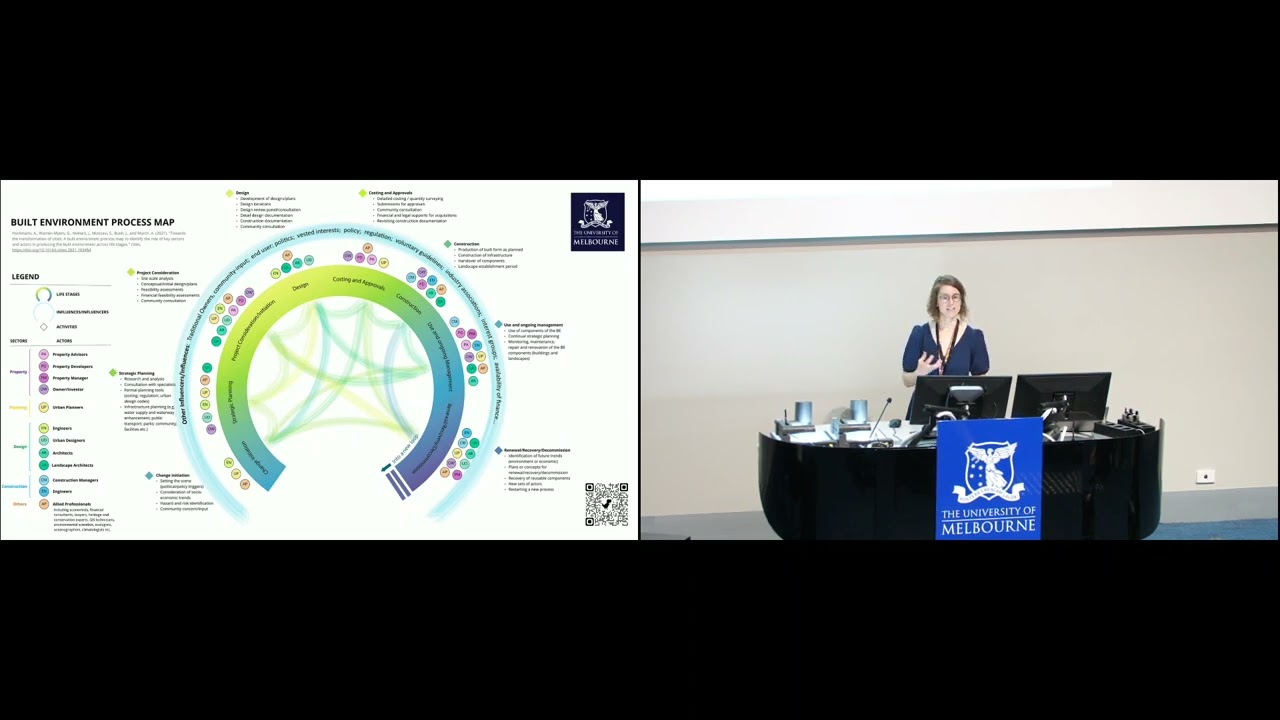
in an Ideal World the political should be redundant from this term because ecology can only be political science produces knowledge but the way this knowledge is put into practice is always and can only be a political question think of the question what is nature whether you like it or not the answer you give to this question is always political depending on the answer you give to this question you consciously or unconsciously align yourself with particular political practice and political thought and political understandings of the world around us you take a political position by answering the seemingly simple question what is nature for example if you start thinking about answering this question and start thinking oh to me nature is this high moral ecological order uh it is something to be protected at any cost it is something to be cherished something to look up to then you are aligning yourself with a political thought and practice that is linked to deep ecology if by contrast to the question what is nature you answer oh it's a frontier that needs to be further conquered is an endless source of resource that we can um tap upon then you're aligning yourself to a very diff different understanding of Nature and to very different political um practice of the way human societies engage with nature so any question related to ecology is and can only be political the term natural disasters has now permeated everyday language we hear about it every week in the media uh we read about it um in academic and gray literature the fact that the term natural disasters has entered our everyday language is actually now shaping the way we understand of disasters as the acts of nature disasters are called natural as if nature were the executor and not the victim of this act and I'm quoting here Eduardo galano however a political ecology framework takes this a step further for a political ecology framework natural disasters are all always the result of a socioeconomic production of Nature and of the way we manage the relationships between society and the environment when a natural disaster occurs it creates a kind of shock and it's a shock to the to our imaginary to the imaginary of Western societies that we can expand at infinitum the production and consumption of resources the commons and the way of administering the nature Society relation and as a way of managing resources allocation carries a very heavy uh intellectual and itical baggage the commons have been vilified as a tragedy when used for managing Natural Resources by the seminal work of Harding 1968 the Comm has also been depicted as an alternative way of coping um with Resource Management in the work of elen orone and more recently the comms has been glorified as a emerging new alternative way of managing uh resource allocation however the idea and practice of the commons as a way of managing uh resources is neither good or bad per se it's neither better or worse than say a private management of resources or a public management of resources per se so focusing on the model uh within which we manage resources actually takes the discussion and the focus away from where the real problem is the problem of resources is not one of management the problem lies with a particular social imaginary of Western of the Western World which sees um as the aim of the society and the economy as being the continuous and endless resource exploitation and the continuous and endless um increase of production and consumption so F focusing on the on a model for managing resources actually takes away uh attention from from where the real problem lies of course the commons is a tragedy when it operates within a capitalist production logic that se sees as the sole aim of the society and of the economy The Continuous expansion of produ production and consumption a private or public management of resources under the same capitalist logic is also a tragedy as we see around us so the question is not one of management the question is one of creating this the new a new set of social imaginaries that depict um the role and aim of our society is something different to The Continuous production and consumption Urban political ecology why Urban why what is so special or unique about cities that we should offer them a particular special place within the political ecology agenda apart from the obvious U fact that half more than half the world's population lives in cities there are a number of less obvious but equally important reasons to focus on the urban within a political ecology framework so Urban political ecology Advocates that we cannot uh understand or address Urban problems without understanding and addressing environmental problems and vice versa for example think of Las Vegas um a strip uh of land in the middle of the desert that has been uh developed as a high density UR settlement a strip of land in the middle of the desert with countless number of swimming pools with neon lights flickering 24 hours a day and night uh with um jackpot machines um running around rolling away 24 hours a day how is it possible to have such an dense Urban settlement and such a dense um concentration and use of re resources in the middle of the desert It seems impossible but now if you travel a few hundred miles further and you visit the Hoover Dam then it all comes together then you see how the massive transformation transmutation of that landscape where the dam is now located is actually the premise upon which Las Vegas can exist as this dense concentration of resources and human beings in the middle of the desert it is the transformation of the landscape hundreds of kilometers away that enables this Urban settlement to exist and be there but you don't even have to go as far as Las Vegas if you are living in the Western World the very simple gesture you perform every morning the turn of the top that that gives you fresh clean water coming out um is a self- understood um gesture however in order for that to function the way it does every morning in your own home a very intricate set of networks of Technology of human labor of resources um has to be in place underneath and outside your city underneath your home through your neighborhood outside the city uh that that will take this water all the way from the source through a reservoir through a a chemical treatment plant and into your uh everyday life so it is impossible to address the urban question without addressing the environmental question it is impossible to understand cities without looking underneath and outside cities to all the intricate networks of Technology human labor capital investment and natural resources that bring the urban together and make it function um the way it does um relatively smoothly most of the time indeed Jacobs um in her 1960s work um depicts that Urban environments are as natural as beds of oysters or colonies of ants and David Harvey um claims that there is nothing unnatural about New York and if you think about it everything that we see around us in cities is nature transformed commodified um with the input of human labor technology and capital investment all the bricks uh that make up building is fire Death with human labor um technology and capital investment the same with a steel framework for Skyscraper the Pavements um we walk upon every day it's all nature and yet it isn't because it is nature that has been transformed uh and produced through human labor technology and capital investment but on the other hand of this spectrum there is nothing entirely natural about a park for example if you think of every any single Urban Park you that comes to your mind in order to first of all produce this as Urban nature and in order to maintain the park looking natural it takes a daily input of human labor and capital and resources simply to make it look natural and park-like so taking its queue from work um uh from Neil Smith um Leu earlier David Harvey an urban political ecology framework tries to move away from this dualism between nature and the city the whole history of planning ideas and practice is a history of ideas that try to reconceptualize and to retweaked relationship between cities and nature so the key question the urban political framework asks is how does the city and nature relationship evolve um in human history what are the power relations involved D in the reconceptualization of this relationship between nature and City during each particular historical period who decides at every given historical moment and every given his geographical location who decides what constitutes a good Urban environment and what not and who wins and who loses out of these decisions
Up Next

17:58
Indigenous Wisdom for Sustainability | Robin Kimmerer
@TEDx
92.8K views•2012-08-18

12:54
Triumph of Orthodoxy Icon: Byzantine Art & History Explained
@BenCallan
2.1K views•2024-08-06

9:49
FastAPI vs Flask vs Django: Choosing the Right Python Web Framework
@TechWithTim
302.5K views•2024-05-26

1:42
Game of Thrones Opening Credits: A Cinematic Analysis
@gameofthrones
46.3M views•2011-04-18
Related Study Plans & Knowledge Roadmaps
Structured learning paths in General & Interdisciplinary Studies
general-studies
Elevator Engineering: History, Physics & Cities
01From Hoists to Safety Brakes: The Dawn of Vertical Lift
02Hydraulic vs. Traction: The Engineering Physics of Elevators
03Modern Speed, Safety, and Algorithms
+ 2 more learning modules
12h5 modules
Explore Roadmap
general-studies
Rubber: Material Science, History & Geopolitics
01Origins of Natural Rubber & Mesoamerican History
02The Chemistry of Natural Rubber & Vulcanization
03The Geopolitics of the Rubber Boom & Colonization
+ 2 more learning modules
12h5 modules
Explore Roadmap
general-studies
Containerization: Evolution, Logistics & Trade
01Ancient Trade & Bulk Cargo: Amphorae to Barrels
02The Industrial Revolution & Cardboard Packaging
03The Containerization Revolution: Malcom McLean
+ 2 more learning modules
12h5 modules
Explore Roadmap
general-studies
Textile Tech: Evolution, Labor & Global Impact
01Pre-Industrial Textiles: Handloom & Cottage Industry
02Mechanization: The Spinning Jenny to the Power Loom
03The Factory System & Global Labor Transformation
+ 2 more learning modules
10h5 modules
Explore Roadmap