













![EP12 [MEDICAL TODAY S2] Rheumatoid Arthritis & Systemic Lupus Erythematosus (SLE)](https://i.ytimg.com/vi/ssnugPSfq6M/sddefault.jpg)








![Tolerância Imunológica - Resumo [ Imunologia ]](https://i.ytimg.com/vi/ocvGryHpAg0/maxresdefault.jpg)


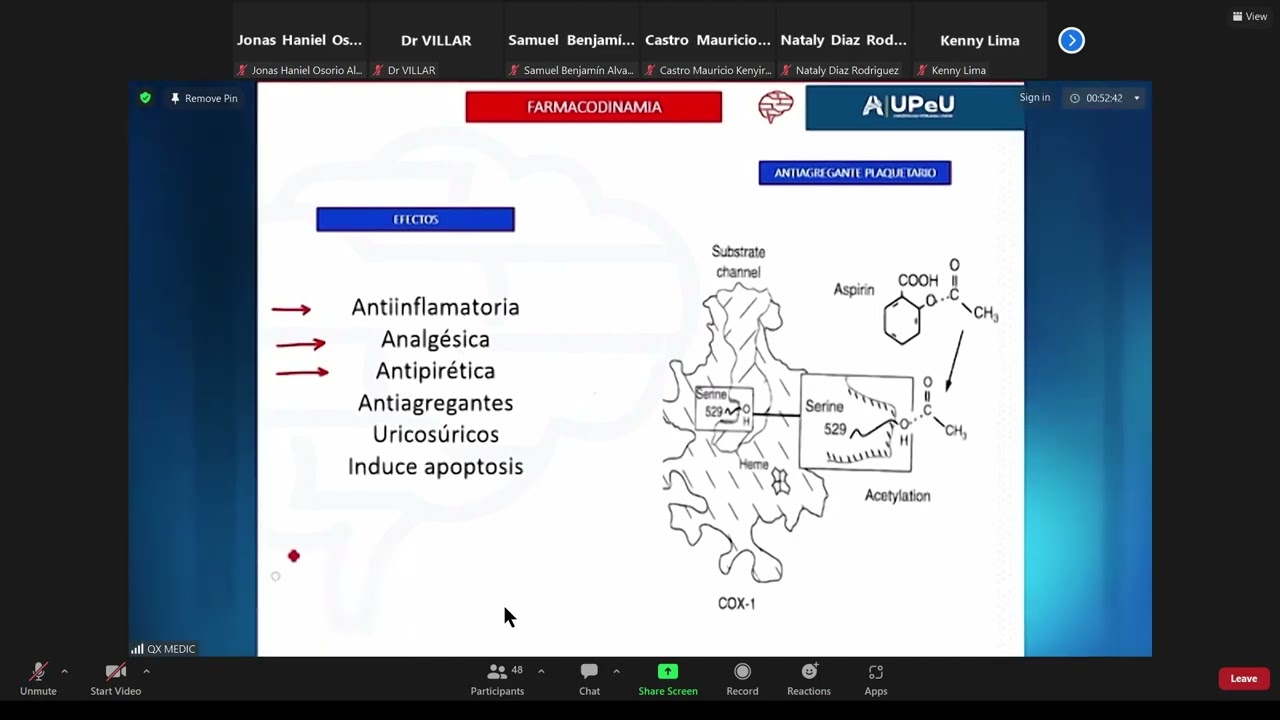
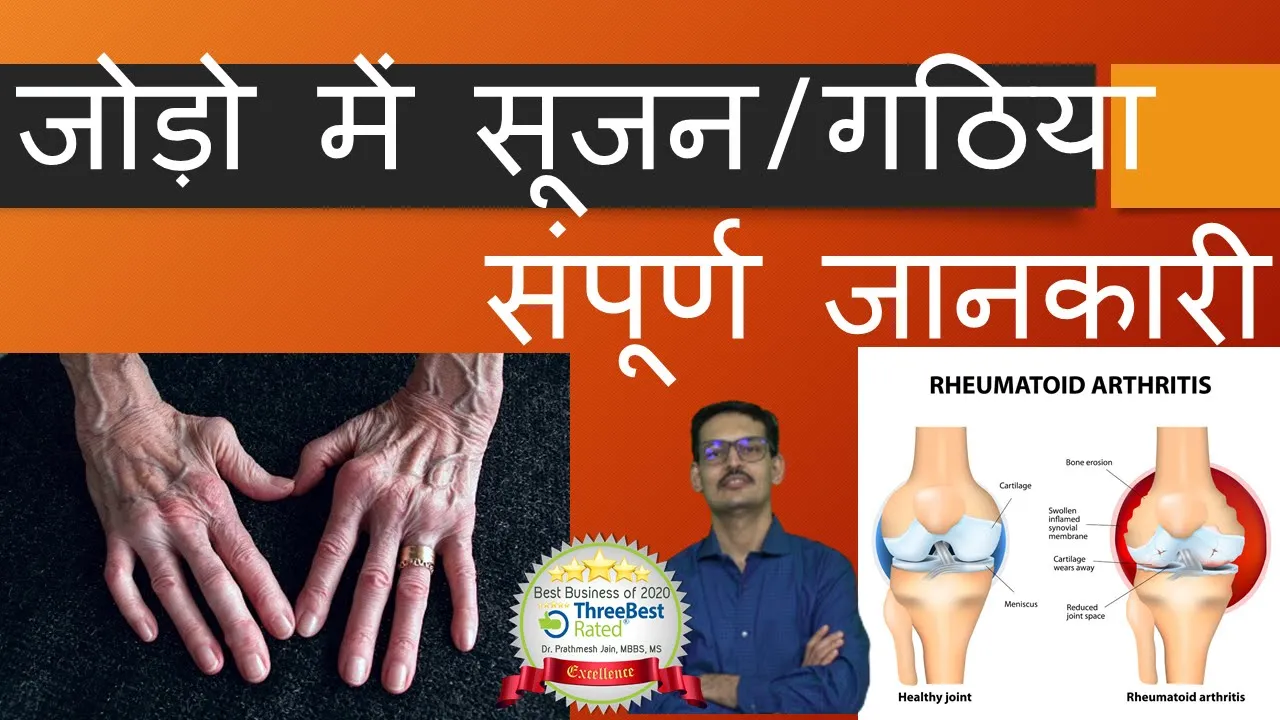

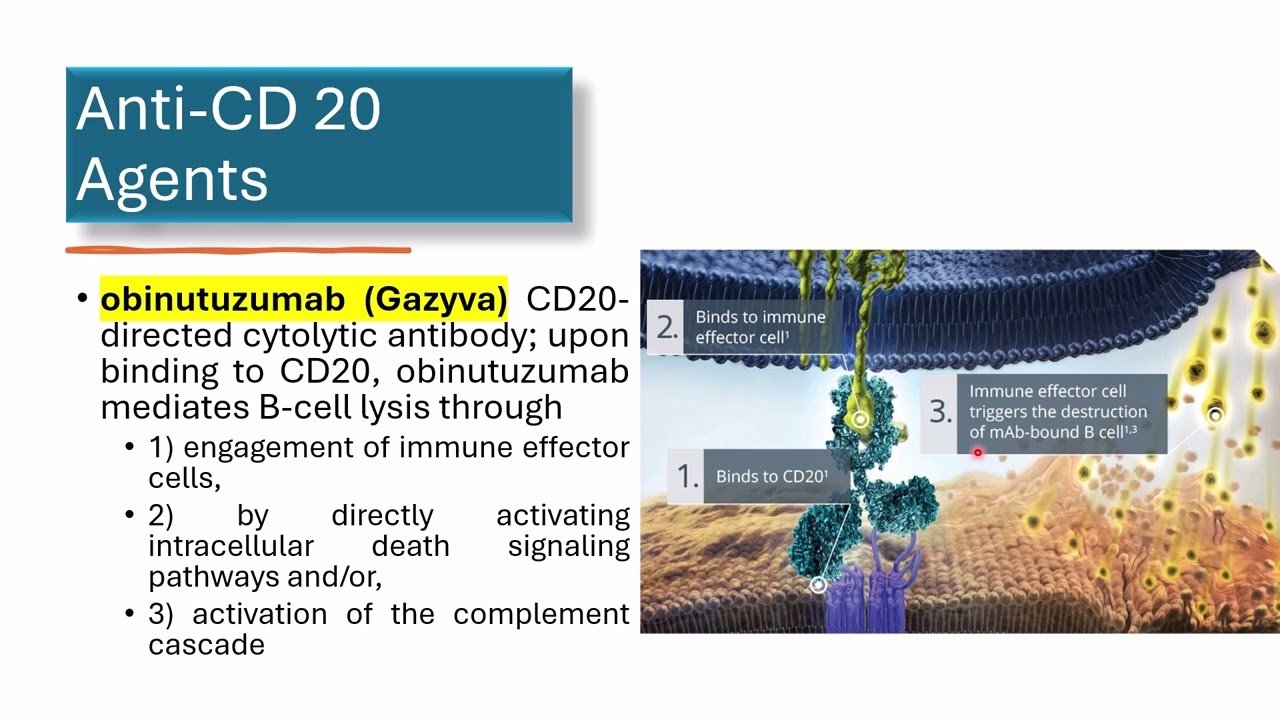
Autoimmune diseases are conditions where the body's immune system attacks its own tissues, with over 80 described diseases that are interrelated and often triggered by genetic, environmental, and hormonal factors; laboratory testing for these conditions is complex because autoantibodies frequently appear before clinical symptoms manifest, yet most people with positive autoantibody tests never develop the associated diseases, making widespread screening problematic and emphasizing that testing should be guided by clinical suspicion rather than routine use.
Understanding Autoimmune Diseases: Antibody Testing Explained
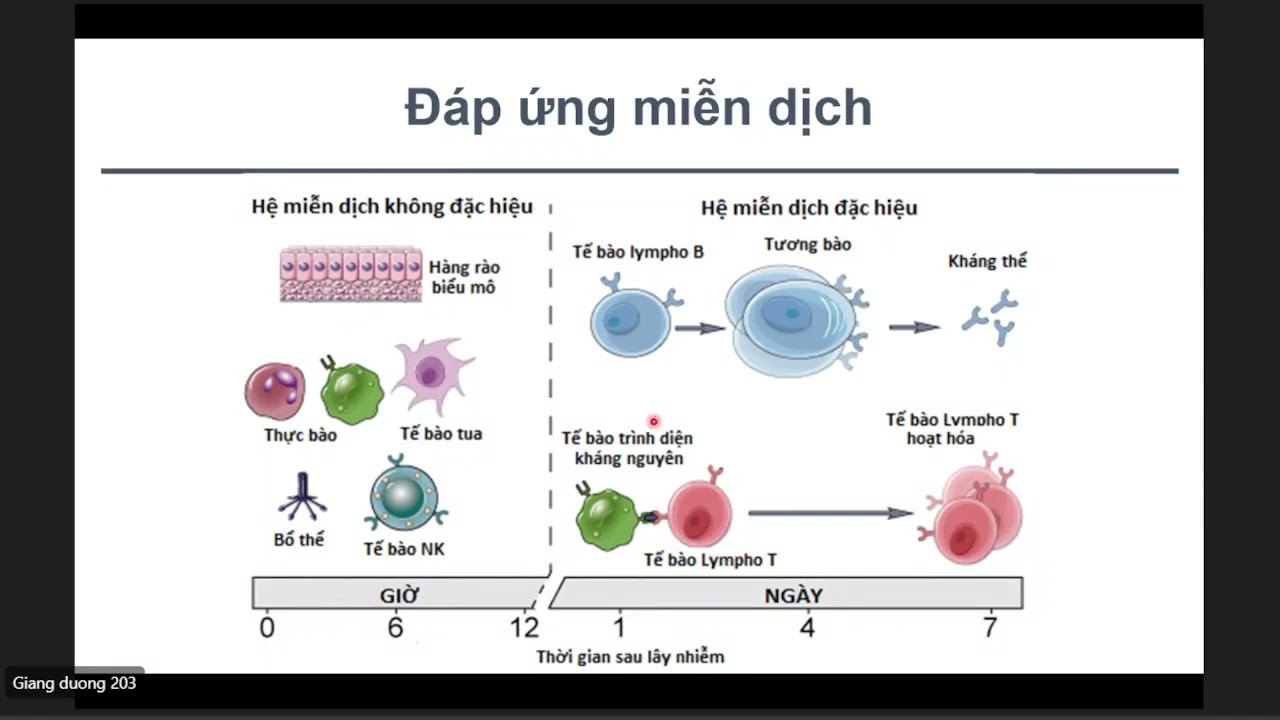
Added:The fundamental structure and function of the adaptive immune system, specifically the distinction between antigens and antibodies.
The basic concept of autoimmunity, where the body's immune response is mistakenly directed against its own healthy cells and tissues.
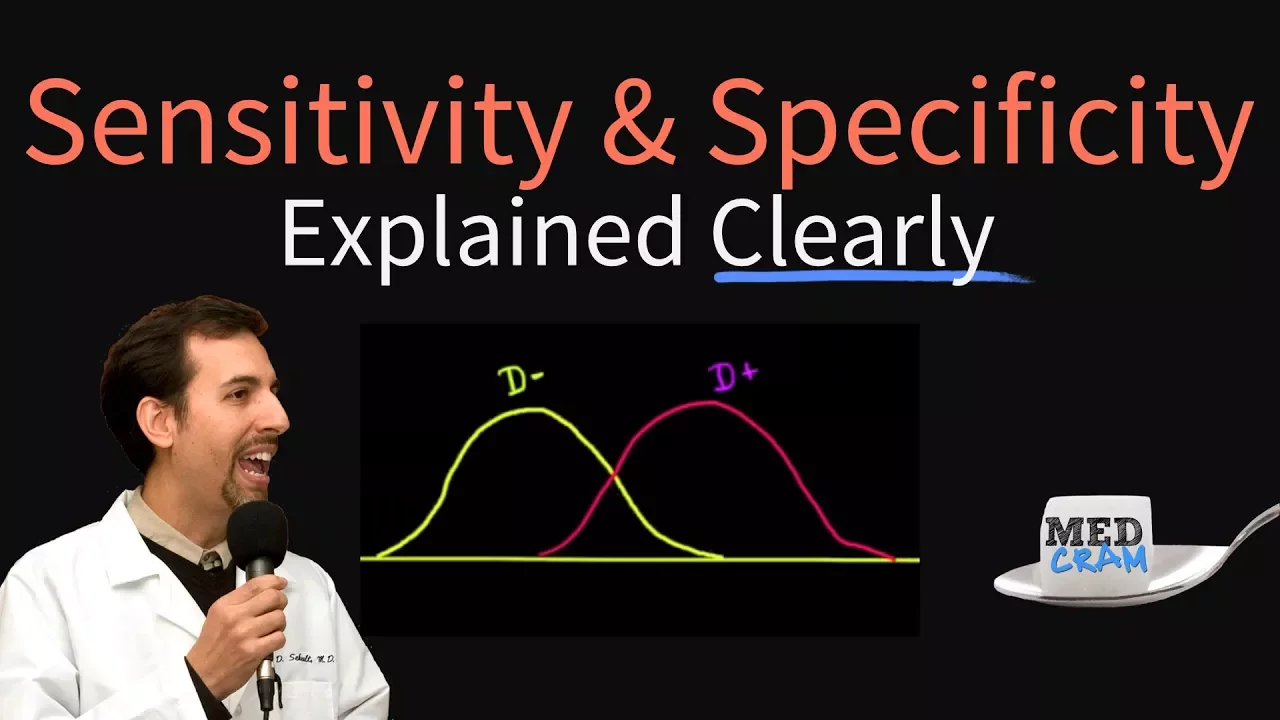
Statistical concepts of diagnostic testing, specifically the definitions of sensitivity, specificity, and what constitutes a false positive.
An introductory understanding of systemic autoimmune disorders, such as Rheumatoid Arthritis (RA) and Systemic Lupus Erythematosus (SLE).
The clinical diagnostic frameworks (such as ACR/EULAR criteria) that integrate laboratory antibody tests with patient history and physical symptoms.
Reflex testing protocols, such as Extractable Nuclear Antigen (ENA) panels and double-stranded DNA (dsDNA) testing, used to narrow down a broad positive ANA result.
The immunological mechanisms of self-tolerance (central and peripheral tolerance) and the triggers that lead to its breakdown.
Modern therapeutic interventions for autoimmune diseases, including immunosuppressants, DMARDs, and targeted biologic therapies.
30.4K views0likes1:33:23Original Release: 2013-10-23
so I'm Mike asan division chief of laboratory medicine at Seattle Children's Hospital I'm a professor of laboratory medicine uh at the University of Washington department of lab medicine and today I'm going to talk about understanding autoimmune disease and the alphabet soup of tests used in their diagnosis and monitoring uh so today I'm going to talk I'm going to give you an O this is an overview lecture uh so I'm going to introduce autoimmune diseases uh trying to work more in generalizations and then I'll talk about I'll talk about some of the specific diseases and syndromes a little bit of the epidemiology I'll spend some time on social aspects of autoimmune disease because there's uh uh a lot of people believe that they have these diseases when in fact they don't and that's kind of an interesting social phenomena D driven by Laboratory Testing I'll explain why you why your Laboratory Testing for these diseases is increasing and will probably continue to increase because of Google and social networking and I'll illustrate Auto antibody testing principles using the systemic Rheumatic diseases as an example with lupus being the prototype for the systemic Rheumatic diseases and I'll specifically talk about Ana testing rheumatory Factor testing and um testing for anti-ccp a little bit on Trends and perspectives and I'll conclude so what are autoimmune diseases the definition I think that's when I got from my favorite place to practice medicine now I used to use PubMed and a variety of things in the University of Washington care provider toolkit which is tremendous as gives you tremendous uh access to Scientific databases and scientific materials but now I just use Wikipedia seems to be more accurate and uh I like to Wiki everything you a Wiki so this from wikip immunological destruction of tissues by the body's own immune system and you know in popular belief uh lay people the non-medical people just view autoimmune diseases as the attack on oneself and it's very complex it's a very very complex area of medicine uh there's many different diseases there's over 80 autoimmune diseases that have now been described they're interrelated if you have one you're more likely to get another uh they're comp very complicated uh interaction between the Gen genetics and the environment uh different triggers that set them off or cause flares so the most common ones United States most common ones PRI autoimmune thyroid disease Celiac dis very common as well and that'll be discussed that in some detail so I won't talk about it most of the 80 however are uncommon some of them are primary that means you you get the disease and you don't appear to have anything else setting it off some other disease and some are secondary so for for example anif phoso limpid syndrome which will be talked about in quite a bit of detail is often secondary first people have Lupus is their is considered their primary disease and then they also have the anti phospholipid syndrome sometimes they're P primary as I mentioned sometimes they're secondary to cancer for example par neoplastic syndromes uh secondary to cancer and I'll talk tiny bit about bit about that and like I said unfortunately it's a lightning strikes twice situations patients with one autoimmune disease are at higher risk for others now these diagnosis take many of them not all of them but many of them especially the systemic Rheumatic diseases can take a long time to diagnose so rheumatologists who diagnose a number of the disease especially the systemic Rheumatic diseases like lupus and rheumatoid arthritis shog and syndrome they have to be tremendously tremendously patient and they can be very very frustrating for patients because it take years for for things to declare themselves in a way that become clear these diseases are usually diagnosed by Specialists but unfortunately in the United States they become the domain of naturopaths uh and other alternative providers who really do not have the knowledge base to uh to make these diagnoses which are very very complicated and unfortunately they've given um the disease to a lot of people these diseases to a lot of people who don't have them using alter ative methods and not using any kind of conventional uh testing technology celiac disease may be the worst case where there's a lot of naturopathic places you can go to and you you you just get the diagnosis uh without any kind of um conventional medical testing it use you know alternative means so uh that's been a problem uh in terms of overdiagnosis of these diseases in general most Auto if if you are a Lovel one have an autoimmune disease it really most of them should be diagn noed by a specialist with the possible exception of autoimmune thyroiditis which is so common um these diseases tend to have patterns of flares and remissions uh and they're often treated by some form of suppressing your immune system some form of uh stopping the attack on yourself now autoimmune diseases are associated in very complex ways with circulating Auto antibodies in general so there's three kinds of Auto antibodies pathogenic meaning they cause disease so I'll I'll I have a list of those in the next slide so I'll defer talking about them those that are in effect of the disease meaning they're an epip phenomena you have the disease and then you you develop these an auto antibodies and they're useful in diagnosis but they're not causing your disease so you know if you look at all the antibodies to RNA polymerases and people with systemic lupus they're not probably not causing the disease but they're they're an epip phenomena they can be used potentially for diagnosis and this occurs in many many Auto antibod disease and then the most troubling aspect of Auto antibodies is that some are naturally occurring and uh those of you how many by show of hands how many people have suffered with the Ana IFA test over the years so a lot of you so you'll notice that an Ana IFA test is almost never really Darkly negative right if we turned off especially you know if you turn off all the lights in the room you know you do it in a dark room and you're at some kind of Rich hospital that can Ford like a Mercury Ark lamp and you can you don't and you don't run it till it explodes at 600 hours it's nice and bright everybody's a little bit positive and the problem in the United States with Ana IFA testing is if you don't use controls and you put in that new or Mercury Arc lamp or some other new lamp you tend to call things positive over time so the false positive rate and I'll show you some older studies that are Classics are it's very very high and that's because everybody has a little general stickiness to their antibodies and then there's naturally occurring Auto antibodies and that makes for a diagnostic a bit of a diagnostic conundrum and then these things tend to occur in higher higher tighter in women and so that means you can't just willy-nilly test for these Auto antibodies because if you test for enough of them for all these this different diseases you're surely going to be positive for the auto antibodies but most people with the auto antibodies especially in low titer never go on to get the disease never go on to get the disease so these diseases for the most part are not defined by laboratory tests Laboratory test is an adjunct but it can be very very complicated so the interpretation of Auto antibody testing is difficult and auto antibody testing should be done very very carefully and shouldn't be part of any kind of General health screening and I'll go into that in a little bit more detail later of Interest though and this complicates the problem is that Auto antibod in almost every disease where it's been studied so almost every autoimmune disease whether it be you know type 1 diabetes lupus the antiphospholipid syndrome rheumatoid arthritis when you go when you take a person who has the diagnosis so in this slide it would be at this point when they have they meet the criteria because they have the signs and symptoms they have radiologic findings whatever it is to meet the criter IIA for the disease if you look back at banked serum on those people if you're fortunate enough to have banked serum the auto antibodies were present first so this seems to be a general rule of autoimmunity that the auto antibodies were present first but the conundrum this is the problem so people say well don't you want to know don't you we should get all get tested to find out but most people who have these Auto antibodies don't go on and get the diseases that's why you can't just test willy-nilly but it's interesting that they're present first so the idea over time is could you you know using Auto antibody testing and some other factors could you is it possible to predict who will go on to get the disease now if it were then you could have some major public health interventions for major health problems like type 1 diabetes and those those kinds of studies are underway but it's a very difficult area now pathogenic Auto antibodies are the ones that actually are associated with causing disease and I list four here now some of them are quite easy to understand you know if you have the lamber eaten syndrome there's an antibody against anti anti-calcium um there there's calcium channels in cell membranes and it's an antibody that blocks that channel and the symptoms of weakness poly neuropathy Etc are associated with it engraves disease there's an anti- TSH receptor antibody it actually stimulates the TSH receptor that gives you your symptoms systemic lupus produces all kinds of Auto antibodies a broad brisk Auto antibody response It's Not Unusual for people to have on on average D you know during a either a flare or initial diagnosis if they have a a a fairly dramatic presentation on average they'll have three four Auto antibody presence most of those are epip phenomena but there's one anti- doubl stranded DNA which is actually pathogenic and the mechanism there is double stranded DNA binding through its antibody and depositing get an immune complex deposition and then the body responds to that to produce some of the um characteristic findings myos gravis where we actually have an antibody um to the cicolin receptor it blocks the receptor and produces the characteristic findings but most autoantibodies are not pathogenic they're Epi phenomena that can be used diagnostically the ones I've listed here as well as a few others that'll be discussed today uh some of them are epip phenomena and some that'll be discussed today are actually disease causing now there's more than 80 diseases in syndromes that can be classified as autoimmune diseases and that that's a very very large number and there's test testing for a good hunk of those and there's been a variety of classification schemes that have been used over the years to try to group these things and none of them are perfect this is a common one which is to group the 80 diseases in three categories systemic Rheumatic diseases organ specific diseases and this intermediate group associated with pulmonary renal syndromes and the problem with the the main problem with the classification is that many of the organ specific diseases aren't really specific to that organ they PR primarily affect that organ but then these people are more likely to go on and have other organs affected or go on and get other autoimmune diseases so that's been the main problem in classification but I think for the per purposes of briefly just showing you how how big the list is this will work and it also gives me a chance to discuss in more detail some of the prototypical systemic Rheumatic diseases which is worth doing here because I'm going to talk about the testing for that because in terms of the the high volume tests in your laboratory outside of celiac disease the high volume test in your laboratory in Immunology is really driven by the Ana group that's where the uh the V you know the majority of the that's the highest volume test in in in most clinical Immunology lab are driven by the systemic Rheumatic diseases so your Ana group your rheumatory factor and now your anti- CCP so I'll talk a little bit more detail about systemic romatic diseases and it also gives you a feel for some of the some of the difficulties in this area of diagnosis so with systemic romatic diseases you know and Ana testing so you know you take a history in physical and then may maybe these things are suspected now at the Family Practice level what the family practice or general practitioner is trying to do is send something to your laboratory and hopefully get a negative result so that they can move on to what the patient is most likely to have because in General systemic romatic diseases are not that common uh in a family practice they occur but they're not as common so if people come in with classic symptoms of a systemic romatic disease which might be know hair loss fattig hair loss fatigue and some joint pain most people you know I have hair loss fatigue and joint pain I have it every day I don't have systemic romatic disease so you can you know you rule me out because I'm driving you crazy I come in with this gigantic list of tests that I think I should have because I have a computer and it's connected to the internet and a friend of mine told me about you know some crazy uh crazy website and um so then you they want it just to be negative so that it rules out and if it's positive they're probably going to refer to a specialist now this leads to a problem so in the United States the number one reason for referral to a rheumatologist is a low tighter positive AA test and that is what you're lab is producing uh unfortunately that's a problem and then there's a shortage of rheumatologists so the average age of rheumatologist in the United States is around this approximate around five 600 years old and uh which makes you know for medical technologists and people it makes us feel younger because they're actually the only group them and nurses and rheumatologists are the only two groups that are older and um so there's a shortage of rheumatologist not the best paid specialist and so their their clinics get clogged with these patients when patients with the diseases who need to be treated by specialist if you have Scleroderma you need to be treated by a specialist and so it's can be difficult for people who need to see these people to see these Physicians to see them because we get clogged with these low tighter positive that turn out to not be systemic romatic diseases in in most cases so so at this level Family Practice general practice wants to see a negative it's positive they're going to get screened but the when these diagnoses are made they're not based just on laboratory tests so I want to distinguish sort of rheumatic diagnosis and this applies to a lot of autoimmune diseases not just Rheumatic diagnosis from other kinds of diagnosis that we use lab tests for so uh Rheumatic diseases lab tests are just a helper as opposed to say infectious disease where the isolation of an organism literally is necessary for the diagnosis to be made you can't have you know hi you can't have AIDS you can't have HIV without a positive HIV test you can't have you know chronic hepatitis C without having a positive hepatitis C test if you have a heart attack you have a positive tronent coagulation tests can be lit Co coagulation disorders can literally you know some of them can be literally defined by testing that is not the case here it's not like when you go to an emergency room and your lung is consolidated and you got a big fever and you Huck out something green and you grow it on the and you grow it on a plate and it's strep pneumonia that is your diagnosis that's not Sy systemic romatic disease um testing that's not romatic disease diagnosis and that's not the diagnosis in many many of the ad autoimmune diseases what what happens here is you have a constellation of signs and symptoms and you combine it with diagnostic testing and many of the diseases you do not need the diagnostic test test be positive and you can still meet in some cases the criteria for the disease so this is a a difficult area and then and most of the positives will turn out to be false and so after the Ana screening test is positive you have to do more and one of the things that you have to do more of usually is weight and that can be very very difficult for example if a disease P if you need four criteria or if clinicians are using the presence of four out of 11 11 criteria or three out of seven criteria and you only got two and you're suffering that can be very very difficult to wait rheumatologic diagnosis is difficult and autoimmune diagnosis in general can be very very diff this is a list of the systemic Rheumatic diseases lupus is considered the Prototype shog and syndrome and autoimmune dry I dry mouth Progressive systemic sclerosis uh dermat pyos mixed connective tissue diseases undifferentiated connected tissue diseases and rheumatoid arthritis and Ana testing is valuable for all of this except rheumato except for rheumatoid arthritis which tends which uses a different series of tests which is the anti-ccp um uh test and the rheumatoid Factor rather than the Ana test now another thing that's really troubling and difficult about systemic Rheumatic diseases is that over the course before the diagnosis is made a tremendous number of patients fall into to the category of undifferentiated they do not have enough criteria met in the clinician's eyes to be called a specific diagnosis like lupus but they're suffering and so maybe they're called lupus like and treated as if they have Lupus but you still have to wait the other Pro and in some series you know people estimate that as many as 30% of patients are are at some point considered undifferentiated without a defin meeting definitive diagnostic criteria that's difficult the other thing is overlap syndromes where people have you know look look like they have pieces of um two syndromes so it's a very very difficult area of diagnosis now this these are two common phenomena in autoimmune diseases which is hair loss and renod phenomena two common findings and but unfortunately most people with hair loss and renod most people with renod phenomena have renod phenomena they have it I'm I'm I'm not going to ask for a show of hands because a hip up uh but some of you in this room have Reen notes phenomena and sometimes it can be so bad you got to move to warmer climates but most people with renod phenomena don't get Scleroderma but almost everybody with Scleroderma has renod phenomena so you can see why that would lead to a problem if you are a googler because Scleroderma is very very difficult frequently fatal disfiguring disease and you know it's not something you want to even have in your mind so back you know in my grandparents day when you had rodes phenomena they'd say I got a little bit of this with happens I go to Florida I'm okay now they say oh my God I'm going to get Scleroderma and you can you know you you commence to worrying yourself to death that's you know a problem so lupus is the Prototype it's a a multi- systemic disease with variable presentation and course and it it commonly includes arthritis rashes and and rashes and sometimes in especially in the bad cases involves the cases that are fatal involve renal involvement and neuros psychiatric disease those are the most difficult aspects of it but many people it's variable some people get lupus they live for 60 years not on not uncommon you die something else some people have Lupus they're dead in a year and a half you it might not be one disease because it's so it's manifestations are so different in different people and I'll talk about why that might be or speculate in a in a couple of minutes it's there's a positive Ana if you press hard enough over the course of the whole disease the Ana is is almost always positive now in any one presentation this number falls into the low 90s in terms of sensitivity but over the course of the disease if you press hard enough you will find a positive Ana the the antibody response is Broad especially you know if you have a lot of symptoms at presentation on average you get three of the sevenly commonly tested antibodies and there's more than that usually present but we don't we don't test for all of the you know 75 Auto antibodies that have been found in lupus but of the common ones it's not three out of seven for people with an active presentation and the markers that are more specific for Lupus are Smith and double stranded DNA and double stranded DNA is pathogenic so it's part of the disease causing um in lupus especially in patients with um renal involvement so this is the criteria in in the United States especially the American College of rheumat Rheumatology classification criteria are important and they even though they're you know the classification criteria for research the fact is they strongly influence diagnostic practice and what you see here is a list of 11 criteria and if you have four present you can you can be classified as having lupus and you'll notice that hair loss isn't in there even though it's one of the most common presenting features of Lupus fatigue another extremely Comm common presenting feature of Lupus is not in there why not because these things aren't differentiating they don't help you in the diagnosis from the point of view of differentiating it from the 4,000 other causes of fatigue and the most common cause which is being alive so so you'll see here you see here the things that differentiate it where four out of 11 things can differentiate it you'll see that the first three are things that you might see in a dermatologist office and in some cases of Lupus that are mild often the the dominant finding is the SK are the skin findings and people don't have much more than that you know so-called cutaneous lupus but mailor rashes discoid rashes photosensitive rashes another thing that you see in a dermatologist office will sometimes be oral ulcers so four out of those criteria arthritis ostis the renal Disorder so seven and eight are particularly problematic and people have who have um very poor prognosis in lupus and who have to be treated much more intensely you'll often see criteria seven or eight and you'll see you don't get down a lab test until 10 and 11 positive Ana and double stranded DNA or Smith and so you can have a Ana negative lupus it's possible it's all these criteria aren't equal because it's very rare to have AA negative lupus but you can have Ana negative lupus and you frequently have double stranded DNA or Smith negative lupus those are specific findings but they're not sensitive so that is the some diagnostic criteria it's actually slightly more complicated than that but I'm simplifying for the from the point of view of an overview lecture shogran syndrome is an autoimmune dry I dry mouth is is a gal with an inflamed paraded gland from autoimmune infiltration uh if you know if we took out her paraded gland and took a took a a look at it you'd see all kinds of inflammation lymphocytes Etc this is a fairly common autoimmune disease especially mild versions of it and the uh lab tests that are frequently positive or Ana SAS SSB but just to show you how crummy this area of testing is uh most patients a tremendous amount of patients with shogran Syndrome have positive rheumatoid Factor so here's people who frequently present with arthritis and they have shrin syndrome but they have a positive rheumatoid Factor so do you think some of these patients are misdiagnosed and mistreated yes and that's why they need to be seen by a specialist you know you don't want your you know Marcus wellbe I mean I love my family practitioner I go to see Granny from The Beverly Hillbillies uh she's my uh remember granny from The Beverly Hillbillies with The Jug you know she come in she talk about the rheumatism and give you the jug with the three x's on it um but you know Marcus well that's a good doctor it's the kind of doctor I could sit down with and have a good session with uh but you don't you don't want to go to a general practitioner to make this diagnosis you want to get referred and you can see that these things are misnamed shog and syndrome a shog and syndrome B if you take all the people in the world who are sick and if they if they're sick and they have shogen syndrome a you're more likely to have Lupus than shogran syndrome so these things are misnamed the most named misnamed test in laboratory medicine the one with the name that deserves it least is rheumatoid Factor because if we had it you know what happens is there's a study done who knows how many years ago decades ago and you you know you measure some patients who have rheumatoidarthritis and some that don't you think oh my God this thing's very specific look at this so you publish in the New England Journal of Medicine now now over time it's a act absolute law of medicine that the specificity of a test the specificity of a test will decrease over time from it's from the time it's discovered as time progresses so specificity means the probability that you'll test negative given that you don't have the disease being tested for you wish everybody who didn't have the disease being tested for is negative but unfortunately we have false positives for a lot of reasons lab errors overlap of disease and health Etc so the specificity of a test declines over time after its Discovery and so rheumatoid factors discovered it's yippee rheumatoid Factor we got to test for rheumatoid Factor now if that thing was renamed now knowing what we know now first of all we might have to call it the test for hepatitis C that's number one and number two we really should call it the crappy test that turns positive for no reason you got a cold you got a sharan syndrome your in-laws are in town you ate at a new restaurant you don't like your new boss boom rheumatoid factors POS so these tests now now they're misnamed Shar and syndrome a is misnamed if and this creates a problem with the public if you tell a person you tell my aunt that you have you know here's your test results and you have shogran syndrome a now and now they she gives it to her daughter and they get on Google I mean is it possible to have any diagnosis besid shogan syndrome the next day when I see my aunt she'll be puffing out her cheeks she'll look like a chipmunk she'll stuff nuts in her cheeks she'll start walking with a limp she'll have dry eyes and dry mouth she'll be walking around like and that is what go that's what goes on in American medicine so these things are often they're misnamed they're better off you're better off we're better off with row and law we're better off when they were named after patients because the specificity decreases over time in the pharmacy we have the exact same thing going on in Pharmacy the side effects of a drug increase over time right it's released like when I was in when I was in medical school I I remember I had terrible allergies and this drug came out seldane does anybody remember seldane well sell sellan became the leading you know leading drug it was the leading selling drug in the world at one point it like a the first billion doll drug and I'm you know so happy because I'm not falling asleep in lecture and I'm just gobbling this stuff down and then boom you know and then you it's got because it's got no side effects it's got it comes out no side effects because you know side effects before that youed to have to take benad you're falling asleep through medical school I'm getting like D's in medical school that and a fear of touching people led me into clinical pathology and then this thing comes out and then boom like two years later say oh oh there's a side effect we're pulling it off the market I'm think oh there side effect you know you get a funny you got a you know you got a rash on your toe or something I'll keep taking it and and the side effect does any remember the side effect cardiac sudden death that's that's pretty severe it's not common but it was pretty severe so I had to stop taking it you it's disappointing your nose is running the next 5 years but the side effect effect of drugs increase over time the specificity of lab test so when people come out and tell oh this is a specific lab test we just discovered it we got this study where we took four people here and 18 people here that's that's misnamed that's misnamed and I'm sure you've had this in your lab where you know paper comes out and then a physician calls you and say when you going to have it online yeah you know I got a form letter for that I I developed a form letter for that it's uh it's beautiful it's it's and it's long it's just just about like the history of lab tester and how hard it is for lab testing to climb the ladder and actually become a clinical lab test that there's a difference between two populations that had that don't overlap that much for this test and then it becoming lab test and how most tests don't make it and it's very very long and I sent it for years and everybody thought it was the greatest letter and people would be borrowing it and then I sent it to someone when battic peptide came out like this Test's never going to make it you know just you're a jerk you're an idiot and then you know now it's an unbelievably popular test that guy that guy still rubs it in my face when he sees me he he was the head of family practice for a while and I'll see him in the hall and he be like Mike be nature pepy like that's stuff so now I don't send the I don't send that letter anymore so I talked about shog and syndrome talked about lupus Progressive systemic sclerosis more severe disease there's a couple of variants though one is less severe that's the crest variant and most of you are who do auto antibody testing are familiar with it because it's associated fairly specifically with antient antibodies so antient antibodies are important to be able to identify because you're giving people a better prognosis and that matters and they're also important diagnostically here's two findings on your right with people and people with um Scleroderma one is the sort it's hard to see but they the very characteristic findings on their fingertips tightening of the skin deposition of collagen they get these uh this pitting on their fingertips and then rodes phenomena which is not diagnostically in the criteria but very very common in Scleroderma I list some of the lab tests associated with Scleroderma and what's interesting with Scleroderma is that now here you have me many patients with Scleroderma do not have a positive Ana even though it's in the criteria the sensitivity starts to drop so whereas the sensitivity for Lupus of the Ana test is in the 90s you know in Scleroderma drops down into the 70 so there's plenty Ana negative Scleroderma in the worst variant you see ant 70 Topo isomerase antibodies and then the antient in the better variant to have and then there's a whole bunch of other ant antibodies and many of them are associated with the anti-nuclear which is that for those of you who do IFA like we do the sort of bare paw kind of patterns uh and those are associated with a bunch of specific Auto antibodies that are Epi phenomena rather than um currently considered EP phenomena rather than disease causing so my main teaching points about systemic romatic diseases is that they're based on a laundry list and testing is important but it's not the only thing and one of the biggest problems we have is when non-specialists overinterpret those laboratory tests and it's actually one of the main problems that that a that a that a company like biorad would have too because you know Physicians who are not particularly skilled will will often say you know why is my test slightly positive when the patient doesn't appear to have the disease and of course the right answer is why are you testing if you don't think they have the disease so um laundry list and auto antibodies are usually present before clinical accent onset an Ana testing is a screen for a good hunk of the diseases uh and it can but it can be a difficult screen to use now I'm just for a couple slides I'm just going to go through a list just to give you a flavor for the world of autoimmune disease I'll just list some of the organ specific autoimmune diseases and and for those of you who do lkm testing and these kinds of testing primary bosis testing um you're familiar with some of these tests there's you know three kind there's actually more than three kinds of autoimmune liver disease I list three here there's a bunch of things that affect the gut celiac disease will be discussed in quite a bit of detail um renal involvement the renal good pastor s syndrome some of the more interesting ones affect the nervous system uh I mentioned the lambertin syndrome which often arises in patients with small cell carcinoma the lung so it's considered a secondary autoimmune disease and it has what's interesting about it is it has a pathogenic Auto antibody why patients with this particular cancer develop an antibod to calcium channels is uh much speculated about but these these paraneoplastic syndroms can be very very difficult to have and can be it's a a really a terrible thing a tragic thing you know you already have cancer and then you get one of these terrible syndromes it's one of the worst areas of medicine as far as I'm concerned there's a couple of skin diseases I mentioned myasthenia gravis would probably be the prototype for an autoimmune disease that affects the muscles and that's that one is pathogenic antibody against a cocoline receptor and then there's the the vasculitis Group which this kind of an interesting phenomena socially as well so Wagner's granulomatosis I mean lupus is relatively uncommon but it's commonly tested for but Wagner's granulomatosis I mean that is in the rare disease category it's unlikely that anybody in the room has Wagers or even knows somebody with Wagers It's Not Unusual for Primary Care practitioners to never in their entire career see a patients with Wagner Wagner's granulomatosis same campy set of Lupus most people in the room they'll probably someone who has it or knows somebody with it uh it's commonly tested for so here you have this disease that's actually quite rare and the the testing growth has just been unbelievable this thing has been a tremendous Revenue generator in our lab and why is that and the this is the kind of thing that couldn't possibly rise to this level of testing without social networking and Google and uh you know when you have a runny nose you usually have a runny nose like a allergy or some form of rhinitis that's common like a virus you probably are not going to develop this debilitating off you know fatal if untreated disease but unfortunately you know if you have a pulmonary if you have pulmonary signs or pulmonary renal signs you got to rule it out now so you get you get this testing and it's it's be it's very important for people with the disease uh and can be actually a one of most AO most of the time with auto antibody testing most of the time it's not from a patient safety perspective it's it's not the test that you know leads you into court okay it's unusual you know troponin is more likely to land you in court things done in acute testing but Wagner is an unusual one because sometimes the patients are too sick to have a definitive biopsy of their lung and so the Anka tests can actually be critical uh in the diagnosis and it is critical because if you don't diagnose a a patient with Wagers they can have there they can have this fluid pulmonary renal syndrome can be disfiguring you can you'll see you can see pictures in medical textbook people losing part of their upper Airway you can lose your nose um and so it's fatal if you don't treat it and yet that and if you misdiagnose it the treatment is fairly toxic and immunosuppressive so there's there's a bunch of CAS series of people who actually had infectious diseases and false positive C Anor results and they were treated with immunosuppressant so immunosuppressant plus infectious diseases and those patients died so it's this is an unusual an interesting area of testing and what I usually recommend is that people don't do Anka testing unless they have it in some volume and that and that they be willing to refer their positives for either a second opinion or uh or make sure it's positive by second method and that's in fact what the international consensus statement on Anka testing uh uh which has been uh around since the mid 90s and has been you know ratified a few times states that should have two methods because it's an unusual area all right what causes autoimmune disease of course the answer is we know a lot but it's hard to put it all together and some of our experts this afternoon will probably go into more detail in their specific diseases I'll just talk in general so these are multifactorial there's clearly a role for gender I'm going to show you in a couple slides how much more frequent these diseases are on average in women there's a role for genetics environment the role for each of these things in in every in in the diseases is very variable and as I mentioned the diseases may not be you know lupus probably isn't one disease so there's a role for environment there's a role for genetics and normally you know these things affect your immune system and you usually produce a Brisk and wonderful normal immune response okay and then you know people have natural Auto antibod so there's some sort of light Auto antibody response it may serve some important purpose that's debated that may be involved or it may just be an epip phenomena in some cases but in any event this this is what you know a way of looking at it and it's hard to distinguish in autoimmune diseases what is a trigger for example in a patient with lupus they can go out in the sun and it can trigger a flare or they can be stressed out wedding divorce death of a loved one boom lupus flare what's a trigger versus an infectious disease can be a trigger you know you get you get you get a cold of some sort you end up with an autoimmune disease like Gan Beret syndrome so what's a trigger and what's a Cause when is the infection you know the cause of an autoimmune disease or many drugs can trigger autoimmune disease can they cause autoimmune disease diet nutrition pregnancy sunlight stress other diseases so it can be very tough to distinguish and in most in many cases you can't distinguish something that's exacerbating versus something that is causing oh sorry and then so this is a normal autoimmune response a very light and then in patients with autoimmune diseases you know it's out of whack there it's it's too much and you start to attack yourself and I'll just use lupus as a prototype again and like I said our other speakers will speak about their areas so just looking how complicated this can be if you look at just the environmental factors associate sometimes associated with lupus there's over 350 drugs that have been associated with lupus over 350 drugs drugs can certainly be a trigger and then drugs can be a trigger for a disease which is you know lupus like a drug induced lupus but may not have all the full-blown symptoms there's increased risk with oral contraceptions there's a big debate about infection as a trigger versus cause most people think it's a trigger but there's a group that there's still a group out there that thinks that um certain U viruses are cause of Lupus a number of different organisms can act as these triggers there's a there's a whole just as an illustration there's a whole literature on lipstick usage in lupus for a long time there was a thing about breast implants silicon breast implants in lupus which has kind of Fallen by the wayside I think larger Studies have largely dis proven that although you know plenty of people still debate it and there's an increased risk if you live in urban area so see there's just some you know some factors and then the genetics are very complicated in almost all the auto immune diseases there not a single genetic factor it's multiple genetic factors and if you look at say 30 genes associated with a particular autoimmune disease they separate into high medium and low risk and this is a very good reason not to have genetic testing there's a whole group of Laboratories that have um that are uh starting to flourish in the United States giving you genetic risk profiles you don't want to know these things um because you because no one knows what they mean no one knows how to interpret it if you have a medium risk Gene present for Lupus why why do you need to know that you have no idea and that has to be interpreted in the context of all of this stuff you know if you live in the country and you know you who knows so you don't want that testing there's a few obviously there's a few areas in medicine where genetic testing is very helpful you know in breast cancer a few other areas but still even then you should meet criteria to have those tests otherwise the the harm from those tests outweighs the benefits especially you know with the single biggest medical problem United States today is worry people just were literally taking themselves out of the game with wor like a lot of my friends they're out of the game you know and they have the same story you know the painter came over and painted and I've never been the same since or you know the Exterminator came by and you I went and had saw a naturopath and I sent these tests to this lab in Texas and I have 17 nutritional deficiencies and I'm not getting enough selenium my chromium is off I I may have been exposed to burum even though I don't work in an atomic energy Factory and then that's it they're out they're out they got the foot in the sand they got the symptoms you know they got the foot in the sand and then boom just walking like this the rest of their life they're out and it's tough for me and I try to talk them out of it and I'm like why they're like why why are you trying to talk me out why do you think I got nothing and I said I need to talk you out of this because I want to put my foot in the sand I need you to stay in the game so that I can stay in the game like in my house to get out of a chore you would have to I got two kids two cats older parents all kinds of of problems all kinds of problems to get out of a chore in my house I mean you have to be sick like you know like you'd have to have a limb fall off if I told if I told my wife you know I don't feel well I'm going to take a break I'm going to go watch you know king of Queen's repeats for two days CU I got a cold and my back is killing me she's like what what are you talking about like if my arm fell off if I had a grapefruit sized tumor growing out of any orifice she'd give me a break and I feel the same way about her you got to show you know there's got to be blood there's got to be spontaneous hemorrhaging something unusual you got to lose an organ so you don't tell me about the painer coming over or that you had chromium testing and you're out of the game because you had your chromium test you don't need your chromium test so you don't want these you want to stay in the game you don't want these tests but these but I'm letting you know about these things so you know that it's comp complicated so there's 30 to 40 genes conferring risk varying risk from low to high and if I was presenting the same slide for diabetes I could say the same thing the genes will be different actually some will overlap the genes would be mostly different but this would be the same if we presented it for any autoimmune disease so so there's you know a good example of a high-risk gen is congenital c1q deficiency and that's very rare so some of the high-risk things are very very rare you shouldn't test for them there's some specific genes in hlr region chromosome 6 to confer risk that risk is commonly low obviously there's a difference in men versus women so there's something genetic there there's particular predisposing genes in women and some involved the the relationship between hormones and autoimmune disease is unbelievably complicated and and obviously and each of those hormones is under genetic control so this it's a very rich environment and you can see why this you know why would it why would it be it should be a a disease with many different manifestations people shouldn't be the same because people are different and in terms of you know straightforward examples of triggers causes people with gon bra syndrome following viral in is usually follow some sort of viral infection and I mentioned small cell carcinoma of the lung and paraneoplastic autoimmune syndromes this is the um um autoimmune diseases including the most common autoimmune disease in United States hashimotos thyroid most P most people with um who are hypothyroid in the United States it's caused by an autoimmune disease hotus thyroiditis it's it's treatable by in this case we treat with replacement um but look at these ratios tremendous um um number of women relative to men um get autoimmune disease and then for most autoimmune diseases that have been studied this is the case the most complicated thing of all is the relationship between pregnancy and autoimmunity and if you think about it you know it makes sense that this is complicated because when you're giving birth or when you when you're carrying a baby when a woman's carrying a baby me this is a foreign body this has a lot of components on it this baby has a lot of components on it from your husband you probably shouldn't have married he's bringing all these foreign things I mean it's it's very symbolic of the whole relationship he's a bringing this all this foreign stuff into your body and now you know you got to decide that you're not going to react to it or you got to turn off the autoimmune response to this conceptus right you have to just you know this just like in a marriage you you know you got to decide that you're just not going to react everything I bring bring into the house I like to drink milk directly from the carton I leave the socks all over the house I like to sleep with the cat you know these are things you gota you got to just deny these things so pregnancy and autmun is very complex relationship because pregnancy as I mentioned is immunologically unique bringing a lot of foreign things into circulation and of Interest pregnancy doesn't have one effect on autoimmune disease so there's been there's a bunch of paper showing some improvement in rheumatoid arthritis and then there's a debate whether pregnancy exacerbates lupus and it's not an easy debate to resolve because there's stress in pregnancy there's all kinds of other factors but it's a very complicated state of Interest also is that some some things about pregnancy are more direct so the the big one of the biggest issues in pregnancy and I'm sure the speaker on is going to talk about anti phospher lipid syndrome is going to talk about this is the passive transfer of maternal Auto antibodies so let say the mom has lupus um and um or the M the mom may not have Lupus but she may have antiphospholipid antibodies uh they're associated with fetal loss so when you do a workup on a woman who can't get pregnant this is part of the workup it's to look for anti phospholipid syndrome and and for women with lupus who have anti SSA or ant SSB antibodies when those cross they can actually cause a neonatal lupus syndrome and in the worst cases you can get death from neonatal heart block and so the you you have to treat in these cases so this is a more of a direct effect a passive transfer of Auto antibodies that cause a poor outcome but it's an important aspect of pregnancy and Obstetricians have to learn to management often learn to manage this often um working in collaboration with other Specialists I want to talk a little bit more about social factors I've referred to them a number of times but I'll try to put it in a more systematic context so why are too many Auto antibody screening tests ordered now before I I go into into this I I I don't want to over represent you know my opinion so my opinion is that lab testing is unbelievably helpful for sick people I it's tremendously helpful for sick people if you have cancer you're going to need lab test if you have transplant if you're transplanted the lab is an unbelievably important part in saving your life we're going to monitor your therapeutic drugs we're going to look at the way your organ functions we're going to chronically monitor any infectious disease problems you have if you're sick lab testing is very very important but what do you do with Mo most human beings H also have vague symptoms of daily living and this has led to a tremendous amount of testing in a number of domains Auto antibody being one domain nutrition is another domain over testing analogy is another domain and then over testing of things that you need so instead of ordering like a lipid panel you order the Berkeley heart panel so instead of spending 50 bucks you spend 450 bucks you get $400 of information that no one knows what to do with so Auto antibio is one of those areas where there's a lot of over testing so the disease that's based in truth the diseases are real some of them are increasing in frequency others are increasing in Awareness so they've always been out there but now we're increasingly aware that they are they're in the population in higher frequency but they're not in the population at the 25% level and so these things can spread they can spread through schools the fix false and it's not just autoimmunity it's food it fix false belief that all the kids have lime disease in a western state is a good example in a western we have very little lime disease in Washington state so little that we don't even test you know we we send it out to Mayo here it's very common so it's a little bit different so that's the context for for this section so autoantibody testing very very very helpful if you're sick can be helpful as a rule out um but it's over tested and it's because rare diseases have common symptoms people Google they bring in their list Physicians feel pressured so they order um some autoimmune disease are actually very common they're common and have common symptoms like Celiac diseases patient pressure of googli foration and also through social network so Google you know gives you the false information you need and then social network allows you to spread it so Google allows you to become an idiot and Twitter allows you to te Facebook allows you to tell everybody that you're on this new Bizarro diet or you've been poisoned by The Gardener okay and there's a tremendous growth in quackery non you know people going to Matchbox University and in in Washington State where the the politics are just slightly left of KL Marx uh anybody can hang a shingle everybody is hanging a shingle up and giving out eoni Golden Rod and garlic um now the irony of course the tremendous irony of the wellness movement and this is an un couldn't be more ironic is that it makes everybody sick that's the unbelievable irony of it if you're if you get tested if you get your stealth if you get these big panels they always come back positive so we're making people sick um and this is an example of what happens with autoimmune diseases so here I've Googled joint pain and I've gotten rid of the quack sites because a lot of stuff comes up a lot of quack sites come up you know you may have and it's usually you may be suffering from a par a stealth parasite infection or you may be suffering from a a nutritional deficiency or metal toxicity or you may have an autoimmune disease but here I've picked up the first good site that came up in other words a site that I would trust my relatives to and this is Medline plus which is sort of the public version of of Medline Pub Med and each of these things you can click on sprains fractures gout now you're starting to see lab tests right septic arthritis very large group of lab tests when you click here then just the just the viruses I mean you know right there you got six six tests influenza so there you know there's a few hundred testing and you don't get get down to rheumat arthritis and lupus here and when you hit lupus you get the whole alphabet soup double stranded DNA Smith SSA SSB and you can go deep if you keep clicking you get down to pcna you get down to some deep deep stuff and then you come in with that big list because most of these symptoms of lupus and these other diseases are common but the um diseases are rare the wor the worst single case over testing in United States now is thyroid disease food is up there but thyroid is the big one now one one problem is thyroid disease very common and then the other is if you Google a symptom the thyroid comes up for every single symptom there's not a symptom that you can put in that wouldn't give you a positive test for thyroid disease so you're a little bit hot you feel a little bit hot it's your thyroid you're a little bit cold could be your thyroid you're gaining a little weight you're gaining a little weight you're losing a little bit of weight you're anxious you're angry you're apathetic you don't care about anything you lost your appetite you got too much appetite you're gaining hair you're losing hair you're wet you're dry it's your thyroid your heart's beating a little bit fast it's not beating at all you're sleeping a lot you don't sleep at all it could be your thyroid so T the number one test in my lab in Ambulatory Care is TSH that is unbelievable more than cbc's and more than basic metabolic an unbelievable totally driven by Google so just to show now I want to show you the problem with over testing an autoantibodies so when you over test well people with auto antibody here's three people and you say to yourself whether these people are low medium or high probability of having lupus so a 40-year-old guy presents with a burning feeling on urination he says his new girlfriend was recently diagnosed with lupus he read about lab test for Lupus online he wants an Ana test and now look at this person 40-year-old woman Pres presents with Progressive fatigue hair loss M rash oral ulceration on the inside of her lip joint pain bilaterally her hands rest this this lady's going to have Lupus right this person has less than a one in 1,000 chance of having lupus right and then this person's in the middle so this is the person who lab testing helps the most there 41 year women they have a month of fatigue hair loss so two common symptoms of Lupus but that are usually not lupus but then they describe something that's of real concern which is a a maler type rash but it's faded so this is where real medicine has to be pract and where an Ana test can help determine whether you're going to need a referral to a rheumatologist and the problem with this is a graph of preest probability so pre-test probability 1% 0.1% would be 1 a, so our guy burning P new girlfriend guy he's down here pre-test probability wise he's over here but I'm going to give him a break and say he's here our Our Lady our lady with the oral ulcers and the progressive joint pain all that she's up here she's a very high preest probability and this positive predictive value so this is says given that the test has come back positive what's the probability the patient has the disease okay so this this graph is an driven by an equation where you plug in the sensitivity and specificity and pre-test probability of the test and it produces positive predictive value and I've plugged in the typical numbers for Ana test which is a specificity of a of um of 85% and a sensitivity of 95% that's what I've plugged in to get this number and then most labs in most Labs the specificity of an IFA test is actually 68% on average in United States not 85% so this is lupus on a good day this is the Ana test on a good day performing the IFA and look what it produces so this means down here that if Mr Mr P burning P guy gets a positive you can virtually assure him virtually assure him that he doesn't have the disease being tested for and that's why you don't test and that's why there's a myth about screening in the United States because you can plug these Curves in for almost any test and most positives will be false and that's why in the United States we've never had more tests available when I started in lab medicine there were two tests tasting the urine and looking at it now I have 4,000 tests on the menu but we've never we have never if you look at us preventive service task force clsi any evidence-based group that that makes screening recommendations we've never never recommended fewer tests for asymptomatic or vaguely symptomatic people coming in for you know what I would call well patient screening General Health screen screening population screening and so that's and this is why whereas the gal who has a positive test over here now why is this guy positive he's positive because you bought a new Mercury Archy lamp he's positive because there's natural autoimmunity he's positive because I've mislabeled the specimen there's an overlap between disease and health there's interference interfering substances in blood so he's positive but he doesn't have disease being tested for that other lady does so when she's positive you can virtually assure so people say and but the advantage of Laboratory testing is that you can Bank on negatives in the low pre when Mr burning P has a negative test his negative predictive value meaning the probability that he doesn't have the disease being tested for that's negative predictive value is virtually 100% so these tests are valuable when they're negative but the problem is when you do a hundred of them or you do a crummy test like an Ana test is hard it's a hard test it has a high false positive rate eventually you will give you'll run into the problem of the positive and that positive is false and Physicians missed very much very much do not understand how what the curve looks like over here they think it comes up nice like this but it's down in the low pre-test probability setting very few tests even if I plugged in 95% 995 uh 95% sensitive 95% specific would be of any value there if they're negative you can rule a patient out um that's very very helpful but eventually you run into false positives so in the the latter part of the lecture I want to just talk about about testing principles okay Auto and I'll use Auto antibody testing as my example this is the this is the uh set at the University of Washington Immunology lab where I was for 20 years this is um the current methods that are being used and we use an Ana screen by IFA uh and then follow up the testing mostly most of the follow-up testing now is done by multiplexing and the trend was that it went from uh uh diffusion you know octone based assays uh then enzyme amuno assays and now to multiplexing and then for rarer stuff pcna for example we're still doing IFA and there's still plenty of eia around so that's just just a general Trend there's been a a movement from subjective assays to objective assays and a movement towards more automated assays that's just been our Trend now I list these things up because the university does it right but just so you have um uh comparison and we're not what what we're doing at at Seattle Children's is actually it's a smaller menu but it's has a similar philosophy more automation less subjectivity more objectivity I metion oh there's only one thing I want to mention on this slide which is that in a kit insert for an IFA it'll tell you that normal adults less than 60 should have a 5% false positive rate that there's just no chance that's on a different planet than the one I'm living on I'll show you what the actual numbers are in a second from a classic study by tan okay so what are the methods of testing out there for anas IFA eia multiplexing this one is shrinking this one's holding steady and this one is growing and what's interesting is how little this is actually shrunk over time like it's shrinking but when when I was in medical school in the 80s I was told not to learn this test because it's going away going to be replaced by Elisa by the end of the 80 now it's 20 years later and there's still a lot of ifas done and not only that it's made a bit of a comeback because the American College of Rheumatology has declared it a gold gold standard that's because they don't understand the reality of the test is done they don't understand that that you only have two med techs left in your in your in your department who can do it and one one one only has one eye from reading it for so long and she and and she wants to retire but you won't let her because you have no one else who could do that the American College of raty is unaware of your oneeyed wanting to retire is seeing everything green reading 300 a night Tech Fool's Gold so but it's made a bit of a comeback it's considered a gold standard now I have no idea how this test is done and how subjective it can be so the main trend is an increase in mult the based multiplexing assay so this is about 10% of labs now but it's more than 20% of assays because most larger lab larger Labs tend to choose highly automated methods similarly eiia it's 25% all but it's 40% of the assay United States and these are just some estimates that I made and then the technology of the future is micro arrays but um it there and there plenty of papers on it but there's no commercially available microarray for auto antibodies and I don't know when there will be and when there is and you can test all all 8 for all 80 autoimmune diseases on one chip with one specimen that's when every single person in the United States will have an autoimmune disease except me um because I get tested only when I'm very very sick um okay so this is the IFA many of you are familiar with it um these are the multi-well plates coated with hep2 cells these are this is an antigen on the let's say double stranded DNA antigen on the hep2 cell this is the patient's Auto antibody in red and then the fluorescence conjugated antihuman antibody which is the signaling antibody and then this is interesting is there a way Mary to turn the lights down I don't know if I can't see it up here there's anything but this is a negative this is an endpoint control endpoint control and this positive so to be positive you have to have two criteria one is that you have um uh enough intense that you're greater than the endpoint control and then the other is that you have a defined staining pattern in this case is a homogeneous staining pattern and if we may not be able to turn the lights down but if we did you'd see that this negative will get much brighter that would be the point of turning the lights down and and you can see right now yeah so you can see that that's your problem and then this can start getting very close to this and that essentially is the problem with the Ana IFA test and then there are these patterns that Loosely correlate with specific antibodies and that correlation has become looser why has it become looser it's become looser because you can't do the test anymore because everybody's retiring and so then Physicians say there is no assoc in my institution they'll say there is no association and there isn't and there because because in because in that institution they started calling cir patterns speckled discreetly speckled patterns a long time ago and so this is this still so there's a debate about how meaningful these patterns are but the debate in itself is actually often cast in the wrong light because in many institutions it's still meaningful if you have a program in place for people to call these out consistently in a way that's reproducible those patterns can still be meaning meaningful especially the Centere pattern which is highly associated with the crest variant of Scleroderma so this is homogeneous speckled cir and the bear claw which is the nucleolar pattern um and then this is Tighter and Tighter unfortunately um Labs disagree so much there's so much interlaboratory um variation with titer that cap doesn't have a a correct tighter on your C there's a correct answer for positive negative but not for Tighter and pattern because there's not enough consensus it doesn't reach the 90% consensus this is a patient with a 1 to 320 here's the control so when you tighter out this patient you know at one to 320 they look like the control so we call out the 1 to 320 it's certainly true that patients with higher tighter are more likely to have a disease you can have you can have high Tighter and have a false positive from an infectious disease but you are obligated to figure out what a has once they're at 640 and certainly repeat testing it's these 1 to 40s that kill people and give us a ton of false diagnosis and the problem with Ana IFA test is that it's problematic because you know a bunch of different things this is a photo bleaching so I can remember when I learned this test you know you'd be looking at it and then I'd be showing it to a student and then I'd be looking at it and they be by the time we were done there was nothing left because the thing was photo bleaching especially if you have a good um if you have a good lamp um and this is this is the area that we haven't we were just moving to we just moved the microscope objective from here to here and you can see this is faded the methods are not standardized uh there's all kinds of different substrates out there they're fixed in different ways people use different kinds of microscopes your lab might be well off and have a Mercury Arc lamp at 10 hours another person might be using a flashlight because they got budget constraints it's timec consuming it's fatiguing it becomes impossible when done in high volumes I visited labs that were before they switched from IFA were doing 300 a night um and that's very you end up having to use a low power objective and just kind of zipping through um truthfully that's what happens and then it and then to do this well it requires a commitment to training and competency assessment this is why many years ago we did this we did that AA tutor for ourselves to to achieve a um consistency amongst ourselves and then it turned out to be of interest to other labs locally and then we made it into a you published it as a product with biat Etc um but if you maintain this Commitment if you already have this expertise it's very valuable as an anchor tenant for the your Rheumatology Outreach it's it's gold and once you get the Ana then you get the rest of it and so you know from a financial point of view you can it's very very good and then you're doing good medicine so it's hard to climb this mountain but if you've already climbed it you know and you still got a few people around you don't have to get off the top of that mountain if you're exhausted if everybody's retiring you know sure you got you're going to have to move to automation or you have people who don't you know you you're now you're going to bring it on for the first time because Google has driven you to have you're sending too many out and you're going to bring it on for the first time you're probably not going to go to this method you're not going to bring in the microscope you're probably you're know going to go to an automative method you can turn on the light up the lights now I appreciated that and just to show you what the false positive rate is this is a classic study from 97 where 15 different Labs that considered themselves expert in Ana testing used their whatever they did whatever they used for an IFA that's what they used in the study okay and they took 125 normal sah they snuck them in there blindly into these Super Famous labs and they produced a false positive rate of um they they produced a false positive rate boy there's a bullet missing here unfortunately of 32% at one to 40 so they produced a false positive rate at of of 32% at um 1 to 40 and uh and they have to get up to 1 to 80 to start knocking it down into the teens and then to get to that uh false positive rate of 5% you had to have a you had to have a um cut off of 1 to 160 and a lot of labs running when you go around the country and give these kind of workshops you a lot of labs have raised their tighter for example how many people here use a titer of 180 or above as a cut off tighter who do I IFA so there's always a couple and then makes sense because otherwise you're driving people crazy now in Pediatrics we use 1 to 40 but remember naturally occurring Auto antibodies occur more as you get older and in women more than men so then um I think Mary explained that the next thing that came in was Ane here you coat those hep2 cells onto uh into a solid phase here's the antigen uh here's the patient's Auto antibody and now instead of florene you're using an enzyme that conjugates color conjugated to any human antibody which catalyzes color change reaction and these are different colors you know this patient would be very positive and then that's a negative and then there's kind of some intermediate stuff here um and usually most kits now that are eia for he for Ana use um the hep2 cell with some uh extra things stirred back into the soup to um uh help get over problems with destroyed antigenicity when in the preparation and multiplexing um which is the bead based asset and is described which is in the room as well here in one reaction vessel you have beads and the beads can identify so you'll have couple of hundred double stranded DNA beads couple SSA this is a patient with an SSA Auto antibody right here and then a signaling molecule signaling antibody um here attached to it so there's 200 ssabs 200 Smith there's controls to make sure you don't have a short sample um there's some other kinds of control to make sure you don't have a lot of background stickiness staining so and these what's beautiful about this is it's all in one reaction vessel so instead of having to run you know separate EAS after this is all over um it's all in one reaction vessel which is very very nice this is a patient with a positive SSA antibod so and then the anatomy of a single bead is this is the surface of the bead this is the antigen let's say it's the SSA an SSA antigen here's the patient's Auto antibody here is the patient here's the anti-human um detection antibody conjugated to Florine and the way you actually detect these things is is you uh the beads you know after you interacted with the patient so the beads are either coated or they're not uh with the patient Auto antibody each bead goes up in a a Flo cytometric column and is interrogated by two different systems the first system which is shown by this red laser asks asks the bead hey what are you what kind of bead are you and that's based on the die content of the bead and they'll say hey I'm the SSA bead right there I am an SSA bead and then the second system says are you C you got anything on you you carrying that's what this green guy is and then you do that thousands of times get a statistically valid sample and if any one of the auto antibody specificities here is positive we call that a positive AA and that's essentially how multiplexing works and it's obviously becoming part of the mix of methods for um Auto antibody testing and significantly impacting Auto antibody testing so there's essentially many paths up the top of the auto antibody mount mountain there's no one correct way to do auto antibody testing there are just the trends that um I mentioned uh but this is significantly impacting Auto antibody testing and the number of assays available is increasing and you know the million-dollar question that we always get is what should I do and the million doll answer is always the same which is I don't know no but I'll give some guidance uh There's No One path but it depends on a bunch of things and I and I make them I make all my key points in this one slide there's more than one path to the top of the mountain and that comes from a quote from Rabbi Eugene marovich who I grew up with and he used to say this when we'd ask troubling religious questions say there could be one more than one path to the top of the mountain um so there's no gold there's no true gold stand standard there is no 24 karat gold standard there's no Atomic absorption spectroscopy you know for an ion we don't have that here it's a mess there are differences between the methods and within a method and that's because if you look at what each manufacturer puts in the soup or on the bead it's not the same so we shouldn't expect that in a study they'll behave the same the assay components differ the cut off differ and the assay quality is variable that makes for a very confusing literature you're going to have to do your own checkout and you're going to have to compare it to your existing method now one of the ironies of comparing it to your existing method is you might be doing a lousy job but it's your lousy job and your clinicians have gotten used to it and they've relabeled your lousy job the lab that I love what I'm used to this it's a crazy marriage I love this [Laughter] lady and those false P I love this 55% false positive rate I love it because in my own mind I've changed the cut off to one and 160 that's what clists do and um so they've gotten used to it so when you make a change to a better method and it may in fact be better they hate you for it that's an unusual part of change management the easiest change is when you get when you move from what you're doing to to a new method that's better for you quicker faster and it and it kind of acts the same then you get then you have no change management issue so it's one of the ironies of improving is that people don't necessarily love you for it um and that's um that's just the way it is so the literature is confusing for the reasons I mentioned it's it's unbelievably easy to it'll happen if you switch you're going to find patients negative by one method that are positive by another it's an absolute truth it is going to happen and you're going to get a complain about it but you can't manage you can't manage your lab based on anecdote you know the plural of anecdote is not data it's just more anecdote and you have to look at the overall sensitivity specificity and then the big response to this is not to defend your method it's not to defend it it's to have more than one method available if the clinical findings are not matching what your lab is producing then test by another method or as I like to say in our lab send it to Mayo that's what I always say send it to Mayo let's see what they get or send it to you know other labs that I like um that's led to a lot of jokes around my like M Mike Mike then if I don't want it sent like if I believe in the result say you want to send it to men I say hold the mail hold the mail but you got to have more than one method don't rush to defend the multiplex will sometimes give a different answer than the IFA the IFA will give a different and it can go in either direction one's negative the other's positive you got you got to it's just good lab medicine this really isn't about Auto antibody testing this is what you always do in lab medicine it just you have to do it more in Auto antibody testing because Auto antibody testing is horrible it's more horrible than every kind of testing basically is there any testing worse than Auto antibody testing allergy used to be worse but maybe not So Much Anymore can anybody name testing that is worse then I guess anything on stool is worse parasites are still worse but Auto and but the thing about Auto antibody testing is getting better it's actually getting better it's getting more scientific it's getting more automated it's getting more reproducible um so it's getting a lot better I thought I'd never say that but it is and when you switch methods you got to communicate to care providers how the method is going to be different and you got to remember that the ACR position American College of Rheumatology position on IFA is flawed it's important it's important because rheumatologists are are doing and it makes you want to if you're doing a good job on your IFA and you're servicing a lot of rheumatologists you you want to hold the line on that uh if you can if people are still around to do the test but you have to remember that this is flawed and then you're going to need you may need someone to deal with your rheumatologist if you you know especially you an Outreach business and you don't have Rel you know deep relations you may need your pathologist or if you have a crummy pathologist you may need um you know to get someone involved in your practice a rheumatologist in your own practice or medical director um because I wouldn't say this is an area of strength for most Pathologists if those of you working in Community Hospitals May I'm not I don't want to impune my colleagues but they they may have a tendency to look at anatomic pathology specimens more just a little bit and um and they may prefer billing 888305 over and over and over again because you can buy some tremendously nice things now uh on the internet uh there's TVs boats uh with that whereas if they go have get into a fight with a rheumatologist about you know a particular case related to Auto antibody testing that's not very lucrative and it's annoying that's why people hire Pathologists like me because we love it uh so the main point is that since their many pass to the top of the mountain um a lab can successfully switch to a solid phase assay if they want to and you just have to do the keep in mind the things I just mentioned um one thing we did successfully when when going between methods is we we at the ud we would save patients that we were following over long periods of time and so if we switch methods we'd rebaseline them and then that takes away a lot of you you Bank some old specimens and you rebaseline them with a new method say your new double standed DNA method that can take a lot away a lot of fears from clinicians when you make that change that's that's not the easiest thing in the world to do uh in a university setting it's the kind of thing we do um so but should you should you implement a solid phase and that's complex clearly there's a movement towards solid phase um but the it's comp complicated americ col of raty loves the IFA you can have re-education if you're doing a good job with pattern and Tighter and then you take it away people want their pattern and Tighter so a lot of times people use uh all kinds of different ways of getting around that like if it's positive they'll still give them a pattern and Tighter um so it's complex if you're you know like I said if you're doing 300 of them you're going to have to go automated if you um if you're losing all your historical momentum because your techs are retiring or you have no historical momentum because you're bringing on Ana for the first time um then you're going to have to go automated if you have built a practice around IFA you and you're doing a good job you want to hold the line the hardest thing in switching is the double stranded DNA assay because it's a pathogenic antibody It's associated with the sickest patients it's the one that's followed quantitatively in patients with lupus nefritis and there's a lot of different assays out there uh and they don't measure the same thing so it's the same issue where they don't compare well because they don't measure the same thing and uh and so when you switch methods and they were following this it can lead to a problem and you have to know um how your method behaves for that patient's double stranded DNA rebas lining is the best it's not always realistic um but that's what we like to do and um the main thing is don't defend your method if it's not working use a different method okay the m multiplexing is the most automated method period and it will keep getting more automated although the different multiplexers in the market uh vary quite a bit with regard to how much automation they have I think the bioplex is the most automated um luminex based method borad can correct me if I'm wrong does biad want to say anything negative about the mul blex 2000 just correct me if I'm wrong but I I actually do think it's the most oated um what do you do when when the tests are positive when the tests are positive you have this Al when the Ana is positive then you know we used to before multiplexing have to individually test for the entire alphabet soup and like I this has gone from from octone based assays or diffusion based assays to eia and now a multiplex and uh but that's your choice for panels and Labs that have a solid phase assay uh they have a choice they can either report out negatives as negative and they almost everybody does that but if they're positive what do you do and the conservative approach is to give them a pattern en tighter in other words reflex to IFA what's the problem with this the problem is you don't get rid of your IFA you got to bring that one person back on Mondays that's the whole thing where you beg a tech you've all done this you beg Mega Tech you know just come in on Mondays just read out a few on a Monday just for a couple hours we'll set it all up for you and everything you just come in read a couple out the aggressive though is to get rid of pattern and titer and just do followup testing and only use an Ana IFA when there's some kind of discrepancy or problem and you send it to another lab both techniques are out there and over time in the beginning with EAS the first solid phase assay everybody was doing conservative management except for only a couple Labs I think the mo the one that was aggressive earliest was Henry Ford lab almost everybody was reflexing so that people wouldn't get rid of their pattern and Tighter now the aggressive approach is predominating and the beauty of multiplexing of course is that you don't have to do all that extra testing in most cases for the common Auto antibodies for the common uh Ana you just release the results they're already in there and that's a lot less testing that's just done in software so it's just a beautiful release if you have to do some rare testing say for anticycline or some rare Auto antibodies you're going to have to break out assays or send out but there's uh I think 13 Auto antibodies in the uh is it 13 Auto antibodies in the bioplex 13 and then bunch of control so those 13 you just released like these beautiful balloons I'm not going to go through the literature but it's expanding on IFA versus you know it's like when I was a kid there was like Frankenstein versus werewolf werewolf versus The Mummy now it's eia versus IFA IFA versus Multiplex more than one path to the top of the mountain you can be successful with any one of the strategies uh I'll talk I'll finish by talking briefly about um in the last 10 minutes about um rheumatoid arthritis so this was uh the criteria that were in place for a long time from the American college Rheumatology about rheumatoid arthritis um you had have four out of seven of these criteria with criteria 1 through four pers persisting for more than six weeks and you'll notice that there is a positive number six positive test for rheumatoid Factor um and most assays you know concentrate on the IGM rheumatoid Factor because that's the most common you can have an IG rheumatoid factor or an IGG but the common aate commercially available is an IGM and you'll notice anti-ccp wasn't in there there's no anti-ccp in there until recently and this is what the new criteria looked like I won't go through all of them but you'll notice in the domain of corology you get points and then you try to get this rheumatoid arthritis score and patients get the diagnosis if they get a score of six or greater and you get you know you get you get points for joint pain uh uh inflammation of the synovium other lab tests and then and then for auto antibodies you get now you get a point um for either RF or anti-ccp and then you get another point if it's positive highly positive versus negative so now anti-ccp is part of the picture and the main cutting to the chase on that this test this is a test that is more specific it's about the same sensitivity but it's more specific than the rheumatoid factor which is the least specific test I've ever seen in my life and cause I used to have hair you know um and tests like the rheumatoid Factor are really the hair loss tests because just like you know people the call you what does it mean I don't know what it means I don't know what it means you know your patient has a positive rumor F I don't know they can have anything from feeling great and being in the Olympics through cancer that's those are your choices and every disease in between but now we have a test that's more specific and it really really is helpful and the argument for testing and early um diagnosis in rheumatoid factor is to prevent these crippling um uh sequella uh in the joints through treatment and it's it is amazing what can be done through Pro uh you know through providing chronically good care to the patients with these chronic diseases and you can see that the the CCP it's got about the same um sensitivity of as a rheumatoid Factor but its specificity is quite a bit better and when I when I see a specificity of 85% for rheumatoid Factor that's that's an OP that's like the inventor of rheumatoid factors view of it that's like the positive View um the glass is half full View and um this is much more specific and there's a couple of places clinically where this really really matters and the big one is Hepatitis C so hepatitis C is a big cause very common and it's a big common cause of arthritis and um the problem with rheumatoid factor is it's frequently positive in hepatitis C and that's very confusing and leads to misdiagnosis and the anti-ccp test is very rarely positive in patients with hepatitis C and that is very in a poll of a rheumatologist that I work with that's what they love the most because this is where it's commonly very very useful and uh so rheumatoid that's the thing about rheumatoid Factor false positive with h and this is just a review of rheumatoid Factor usually they're IGS against the FC portion of IGG now of Interest this is pretty interesting so the in at UW um um the Ana is the most common this is a a monthly tally a recent monthly tally so the this is just this is not the Outreach business so this is my colleagues the way they practice within W medicine Health System no Outreach um and so this is you know fairly highly managed practice so Ana is the most common Immunology test in Immunology lab and then rheumatoid factor is second and then CCP you know is rising is rising but there's still many more rheumatoid factors ordered than anti ccps and um I'll show you the reason for that is fairly interesting so anti CCP has been around now for quite a long time cyclic citrated peptide it's been around for quite a long time but this is what primary care practitioners um do when faced with a case of rheumatoid potential rheumat arthritis so this is a test ordered I just pulled this out of computer relatively quickly 25 cases where a primary care physician was entertaining a diagnosis of rheumatoid arthritis initially so like initial presentation and you can see that they order the RF and CCP in seven of the cases and they're still ordering rheumatoid Factor only even though every guideline is that you order both so even after 10 years of this test being around in a university system where this stuff is lectured on constantly most primary care care practitioners still don't know about the anti-ccp test and that's not serving patients well and of interest when we do CME presentations for family practice we use this um audience response system and uh the people who give the lecture which is usually my colleague Mark wner occasionally me will ask you know how many of you ordered this test at rhe arthritis and they still most of them still have never heard of it or would or don't order it so that's what that's why you know you'd expect the rheumatoid Factor number to be and the CCP number to be closing on each other but the Gap is coming from um primary care so um in finishing the clinical lab perspective on Ana testing Auto antibody testing in general is that the IFA is problematic but still worth keeping in many many Labs including the University of Washington lab um and the labs that tend to keep it you know are banking on it in some way but the biggest problem are these high false positive rates and I I talked a little bit about that many there's many paths to the top of the mountain the ACR um view is important but flawed but in the long term better more automated methods will prevail but no one knows how fast it's easy to say that robots are the future um but no one knows when those robots will dominate now family practitioners like this excellent looking man right here are not knowledgeable about Ana testing their perspective is different they want the test to be negative they want you to raise your cut off or choose a eia or Multiplex that performs in a way that's much less sensitive and much more specific you drive them crazy with low tighter positive some of them have switched in their own mind and made the cut off higher than what you are publishing and they are going to refer to rheumatologists at the first sign of trouble rheumatologist perspective which is the last P perspective I'll present they're knowledgeable but they're not and they're comfortable even with the borderline interpretations because they're comfortable saying you have a 140 40a and I don't think you have a systemic Rheumatic disease I'll see you in a year or I don't need to see you again um sometimes they'll do something clever and retest at a lab they know has a higher specificity and then get a negative and say I don't know what that lab was doing that's smart that's good medicine um it is it's good medicine for the worried well it's good medicine find a lab that'll prod a reputable lab that'll produce a negative that's very good medicine for the worried well um which encompasses my entire extended family and friends they're not but they're not knowledgeable about methods they love the ACR they so if ACR tells them that this things that this etel is a gold standard this Yugo is a gold standard uh they will say it is a gold standard and buy one um they're comfortable with all the tests in the panel and they're the ones who manage the patients with a systemic rat disease and um and in conclusion so no gold standard you should be able to explain your any testing strategy including potential problems to ordering Physicians it's a very difficult area of testing um and you should have more than one method available and when cases don't match what you're producing in the lab you should test by another method anti-ccp you may think it's common and everybody knows about it they don't it's a better test but primary care practitioner still don't know about it even though it's in the official criteria now for diagnosis um I talked about the overall Trends being more Automation and a gradual progression of more automated objective methods I want to thank biorad for inviting me today they told me I was giving a 90-minute lecture that's a long lecture you know I'm earning earning my keep there ion um but I enjoyed being here it's a very nice group and I'll be around till like just around after lunch if anybody wants to be us or ask me questions because the one thing I bring um that could be helpful if you have questions is a just 20 years of total and complete suffering in the lab I mean I have really suffered deeply in laboratory medicine and so if you find that helpful or if it even cheers you up through shameful Joy uh I'd appreciate it so thanks for um for listening and and coming today
Up Next

60:27
Master Rheumatology Differential Diagnosis: Case-Based VMR | Joining the Academy
@clinicalproblemsolvers
397 views•2025-07-09

48:47
Graphic Medicine: Comics for Collaborative Healthcare Communication
@nationalpatientadvocate
189 views•2023-12-04

10:28
Neuroanatomy: Central and Peripheral Nervous System Divisions Explained
@AKLECTURES
136.2K views•2014-09-20

3:05
Stages of Labor and Vaginal Birth | Childbirth Animation
@nucleusmedicalmedia
52.1M views•2017-08-18
Related Study Plans & Knowledge Roadmaps
Structured learning paths in Medicine
medicine
Abnormal LFTs: Diagnostic Workup & Pathology
01Liver Anatomy and Basic Physiology
02Introduction to Liver Function Tests (LFTs)
03Hepatocellular vs. Cholestatic Patterns
+ 3 more learning modules
12h6 modules
Explore Roadmap
medicine
Analyzing Blood Smears: RBC, WBC & Platelets
01Introduction to Blood Components & Smear Preparation
02Normal Morphology of Blood Cells
03Erythrocyte Pathologies & Morphological Variants
+ 2 more learning modules
12h5 modules
Explore Roadmap
medicine
Mechanical Ventilation: Waveforms & Alarms
01Anatomy and Physiology of Breathing
02Introduction to Mechanical Ventilation & Core Modes
03Ventilator Settings and Waveform Interpretation
+ 2 more learning modules
12h5 modules
Explore Roadmap
medicine
Neuro Exam: Localization & Stroke Syndromes
01Foundations of Neuroanatomy and Vascular Supply
02The Neurological Examination: Step-by-Step
03Principles of Neurological Localization
+ 3 more learning modules
18h6 modules
Explore Roadmap