






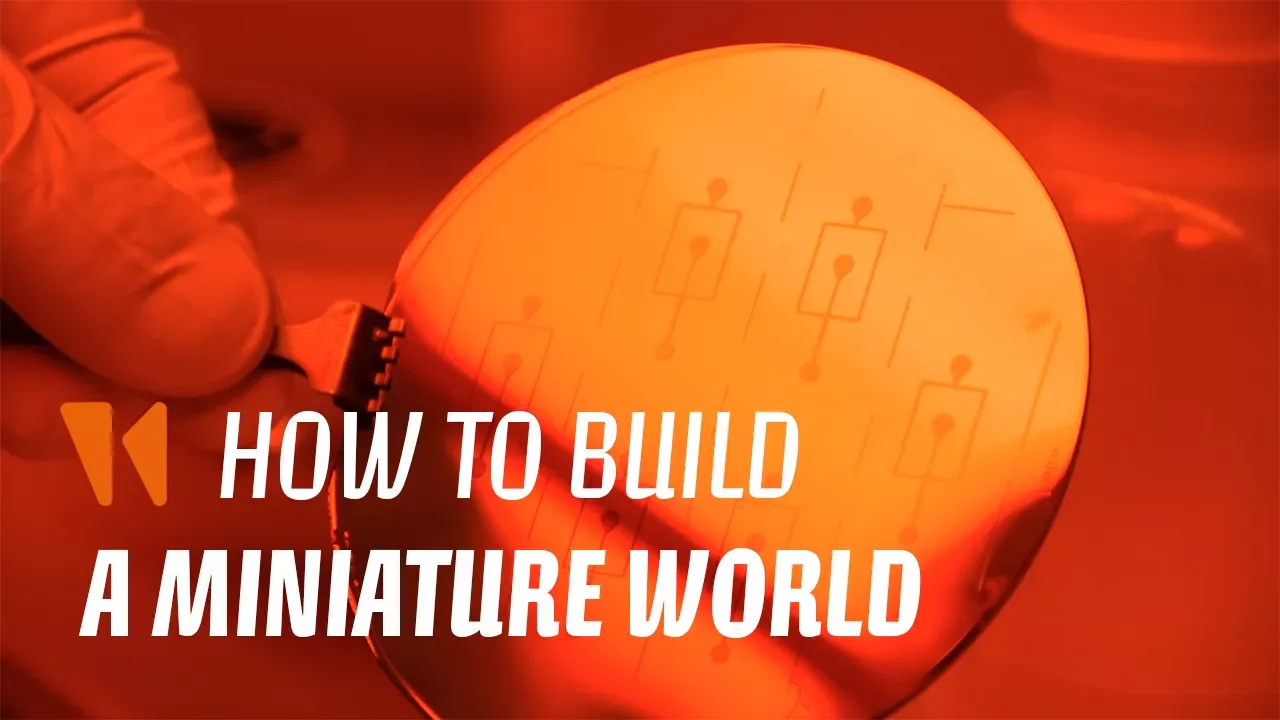






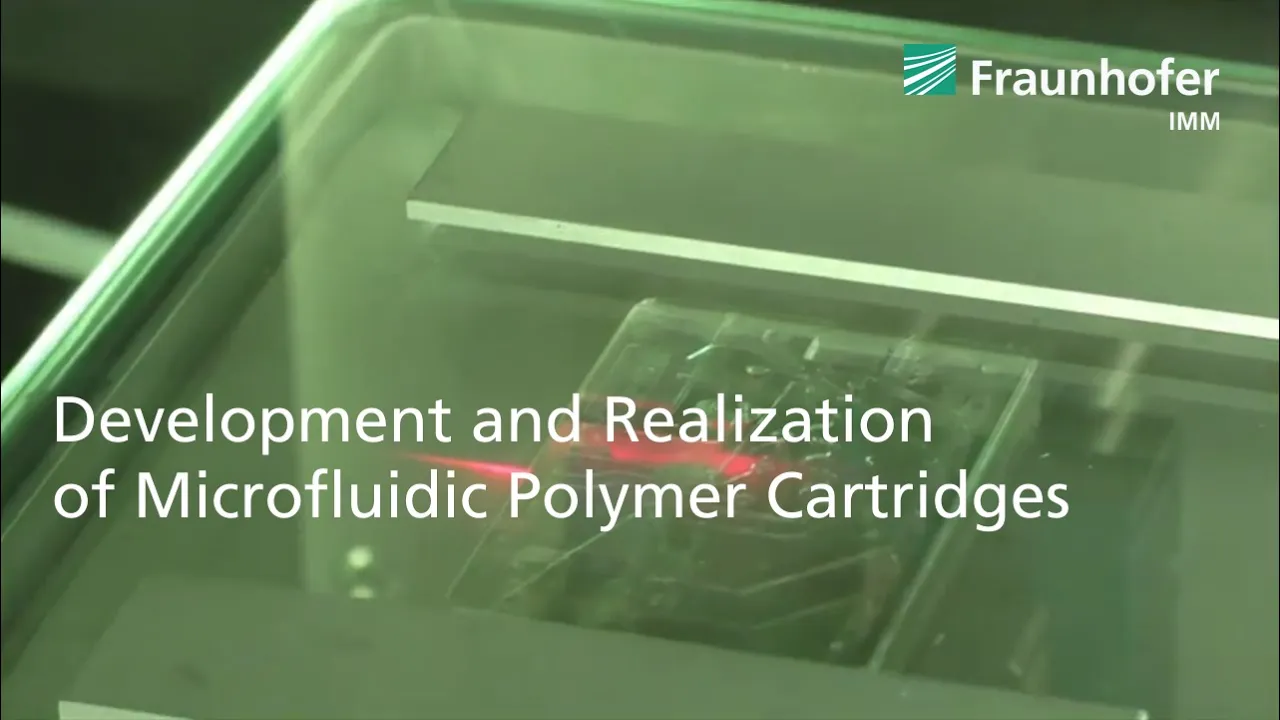




Vivalytic is a universal molecular diagnostics platform that miniaturizes laboratory processes onto a chip-sized cartridge, enabling fully automated pathogen detection through nucleic acid amplification (PCR) and microarray analysis in approximately 39 minutes, with the 'Vegas rule' ensuring that all sample processing occurs within the sealed cartridge to prevent contamination between tests.
Vivalytic: Molecular Diagnostics Platform for Rapid COVID-19 Testing
Added:Principles of Polymerase Chain Reaction (PCR) and nucleic acid amplification used in molecular diagnostics.
Basic virology of SARS-CoV-2, specifically its RNA genome and how it differs from antigen-based targets.
Fundamental concepts of microfluidics and 'lab-on-a-chip' technology, including fluid behavior at microscopic scales.
The distinction between traditional, centralized laboratory testing and decentralized, Point-of-Care (POC) testing.
Multiplex molecular panels, exploring how a single chip can simultaneously test for multiple respiratory pathogens (e.g., Influenza, RSV, COVID-19).
The socioeconomic and epidemiological impacts of rapid testing on pandemic surveillance and hospital triage systems.
Advanced manufacturing processes and material science challenges involved in mass-producing microfluidic cartridges.
Emerging diagnostic modalities, such as CRISPR-based point-of-care diagnostics and isothermal amplification techniques (e.g., LAMP).
2.5K views19likes28:48Original Release: 2020-12-11
melena how's the uh whole remote studio thing going i saw some of your pictures on on social oh yeah i saw that you saw that um yeah i shared a picture of my um trying to make my gym slash office slash walk-in closet sound proof so that's where i'm sitting at the moment well i gotta say it's uh it's working pretty good it sounds great does it yeah so bed sheets and towels are working yeah absolutely spot on [Music] from know how to wow the bosch global podcast [Music] welcome everyone my name is geoff gustitus hi everybody my name is melena ortwerth melena how are you doing today um thanks for asking uh pretty good actually i cannot complain i'd say how are you i have to say that that's what i would call a quote typical german answer to the question i can't complain yeah but but it's true i can't complain either so fair enough don't you feel like the question how are you has become a little more difficult to answer in well the crazy times that we're living in at the moment yeah yeah i think that's uh i think that's fair to say uh the corona pandemic certainly has made it more complicated like it made it life in general a little more complicated for sure and personally i'm i'm finding myself asking you know should we really be going through with things that normally we wouldn't even worry about asking you know right can i go to this birthday party for example should i go to work is it safe to go to the grocery store is this a safe distance was it just a normal sneeze can my kid go to the playground how do i feel about traveling on a plane what's the risk of chatting to my neighbor can i go see my family for christmas so yeah it really seems as if the question who are you got a little more difficult to answer these days yeah yeah it has and the pandemic is basically the topic of this episode and i mean even when looking at our podcast um i mean at least i can see you in a video call so that's great yeah but we'll do the entire recording remotely well not just us also with steph our editor and producer sitting alone unfortunately in the podcast studio so again remotely hi steph hi steph hello melena hello geoff this is the podcast studio calling i'm so happy to hear you guys [Music] so in this episode we're looking at how cutting edge technology helps to cope with the pandemic namely by providing fast test results because especially testing has been a bottleneck waiting three four five days for test results can be very annoying and in some situations of course it's also just impractical so with that said let me introduce you to vivalytic vivalytic is a universal platform for molecular diagnostics which enables various laboratory tests to be performed fully automated at the point of need that's martin schulz of bosch healthcare solutions he's responsible for the product vivalytic it's a tabletop device probably the size of a small tower pc [Music] so imagine if you will a small sleek shiny black device with a built-in screen let's have a look at the bosch tutorial on youtube could you test one more sample sure won't take long so to to describe vivalytic and the device itself a little further it has a slot at the front but not for old-fashioned floppy disks no not at all in that slot goes something just a little bit more high-tech than your old school floppies it's called a lab on a chip by the way we provide the link to this video in the show notes of course and we'll talk some more to our bosch colleague martin schulz he'll tell us all about that let's just say that that slot where you put in the sample that you collected from a patient the sample yeah so the nasal swab for example uh and and by the way i learned that uh our bosch experts they prefer to call them the nasopharyngeal or oropharyngeal swabs a mouthful but let's actually go to one of those points of needs that martin schulz mentioned where swabs are collected and where you want to analyze them a hospital right we talked karolin graf a hospital hygienist at paracellus clinics in germany i can clearly remember our very first covet patient we diagnosed you can imagine at the beginning where it started we really tested every patient with cold symptoms because no one knew exactly where the journey was going and of course you didn't really know which symptoms were really pathognomonic then we actually had a whole series of tests at the beginning that turned out negative i was asked very often do you think the device really measures reliably and i just kept saying yes i looked at the process i looked at the methodology i know which quality controls the device and i trust the results and then the day actually came when we had the first positive corona test result with the device and that was also patient for whom it was very very important that we get the result very quickly that was an elderly gentleman whose state of health was not very good and we were able to quickly comply with the measures and to be honest as paradoxical as that sounds there was a bit of the aha effect among the employees like ok the device is also able to correctly display positive results just like karolin her entire team knows that they can trust vivalytic's results it's as accurate as lab tests just easier in the end you really only have to prepare the patient's sample into a test cartridge scan a barcode and everything else runs fully automatically i still remember when we had the briefing here in the clinic that worked just fine in corona times people cannot be sent to people everywhere to instruct them it was also done via a conference call with a video connection and that was such a real aha experience for us and the employees of the intensive care unit also it is demonstrated once then you can ultimately do it yourself so that the employees were basically familiar with the technology from the start and can now do it independently in the meantime the devices are also connected to our it if there are updates if there are new tests if something changes then it can simply be uploaded to the devices via the internet without service staff having to come on site so that saves valuable time and this is especially true in the day-to-day use of vivalytic it's a much faster way for them to know if a patient is sars cov 2 positive and if that's the case they gain potentially life-saving time for treatment in early spring when the pandemic just started and they didn't have vivalytic they had to deal with the friction in the traditional lab system we ended up having to send our samples to an external laboratory, we don't have our own laboratory in-house and I think very few hospitals have such a test device in-house so of course you often have the problem that there are bottlenecks in the laboratories and that you have to wait between one and three days for a test result it is of course not at all practical for everyday clinical practice because patients who are suspected of having an infection have to be laboriously isolated complex personal protective equipment is required for the staff when the staff goes into the room they have to dress very costly and undress again accordingly so the effort with the suspects is immense plus vivalytic also makes it possible to test quickly the hospital staff this prevents staffing shortages in case people were potentially exposed and otherwise had to wait for a test result for days and well it's so good to know how time is of the essence in karolin's work and how faster tests can really make an impact on how the clinic operates um so should we take a look at how vivalytic works let's go into detail yeah i asked martin schulz to give me a short version of that introductory webinar that karolin and her co-workers went through ah cool usually when you arrive at your doctor's office or in the hospital a throat swab is taken that swab is then transferred into a transport medium which is uh up to a milliliter or two milliliters of a transport medium which has two functions one is to release the cells from that swap and the second one is to inactivate the virus and make it less dangerous for handling afterwards a defined volume of their transport medium is then pipetted into the cartridge the cartridge is closed and scanned at the instrument so that it recognizes what cartridge is being used and what test is about to be run and then the cartridge is entered into the instrument and from there on you just have to wait for a defined period of time until the result is shown on the screen um can you talk more about those cartridges well they're about the size of a smartphone and they contain all the raw materials if you will to do the testing so for example all the different compounds and regions that vivalytic needs to analyze a sample okay um but how exactly does it do that how does it find especially the corona virus then in the sample where does the magic happen inside the vivalytic device well it's it's actually pretty similar to what happens in a real lab okay it's just fully automated and on a much smaller scale but the biology is really the same in short it looks for a genetic signature of the virus and the long version goes like this the first step of the cartridge is to prepare the sample which is to open the cells you do this with a biochemical reaction or by ultrasound for example and then you obtain the rna and dna which was previously in that cell in the next step you perform the purification of the nucleic acids meaning you get rid of all the parts of that sample that you don't need for further analysis and try to keep only the relevant dna and rna information the third step is the amplification which is a polymerase chain reaction where through temperature cycling and some biochemical processes you amplify the amount of rna and dna until it becomes detectable through an optical system either on a microarray or through a fluorescent signal wow that sounds like like a fully functional lap so cool what's a microarray though it's basically a dna test imagine a black surface on your desk and on that surface you've placed some specific dna strands in certain spots when a complementary dna strand is present it bonds to the first one on the surface and that makes a spot on your otherwise dark surface change color and basically turn white oh okay so that reminds me of an allergy test where they put allergens on your iron and then check which spots show an allergic reaction it's a little bit like that yes depending on what spot reacts you can determine what allergen or in this case pathogen you're dealing with okay from this you can say what is the type of pathogen that you identified what are the characteristics of this pathogens is it resistance to a certain type of medication for example or this type of information so microarrays are really great for that especially if you're looking to gain a lot of information from just one sample got it if i could distinguish between different infections this way that means vivalytic can tell me when i have a cough or when i'm sneezing is it the flu is it just a common cold or is it covid or maybe even something entirely different right yes that's exactly what the test does and there's another test that works a little differently and only detects whether a sample contains the novel coronavirus or not but it's faster and you get your results after 39 minutes as karolin graf the doctor also mentioned before 39 minutes that's way faster than shipping the sample to a lab and waiting for them to process it yeah exactly and and that's 39 minutes maximum cool in this case for the real-time pcr we use a different amplification and detection technology where we detect the fluorescent signal while the amplification is still running especially if you have a sample with a high viral load that is possible so you don't have to wait the whole 39 minutes but maybe only 29 or 25 minutes for a result so from the technology perspective in vivalytic that means that the software inside inside the instrument itself is intelligent enough to decide this is strong enough evidence and i can call a positive result and i can fully understand why karolin was so excited by vivalytic it's fantastic we heard about bosch in the media the management of the clinic decided very quickly to purchase these devices and we were lucky it worked out that we initially received eight of them so i can really see now how it not only makes a difference in hospitals i mean with this speed you could use in other places too say nursing homes where you want to make sure that staff don't carry the virus maybe it could also allow visitors to come in again when without tests care facilities like that were on lockdown or i imagine school or kindergarten there are so many use cases that i can think of right now that's right as one doctor at a bosch plant put it very well that's literally invented for life the bosch slogan right however there's a caveat vivalytic is brand new technology before they even knew of the coronavirus the team around martin schulz expected a much slower rollout the demand appears to be endless in the current pandemic so we decided to increase our production volumes this year by 500 percent and that is a challenge on its own for sure it is a challenge yeah and they use a lot of know-how from different departments around bosch to scale up the production which is something bosh specializes in but don't expect to see vivolitic in every hospital and every doctor's office just yet you know they've been working on this for 15 years on the development of the product and they really just launched it at the beginning of 2020.
so it's really pure coincidence that the pandemic hit at the same time and we were ready i mean it seems like they were prepared at least vivalytic can detect the virus well they developed the test specifically for it that was just six weeks and they brought it to market oh wow okay that must be record time then but uh kind of begs the question for me what was vivalytic originally developed for what else can it do aside from detecting covid those melena are perfect questions for the second part of our episode but enough about that let's leave the coronavirus behind and think about the future a bit where we no longer have to worry about it um yeah i mean personally i'm not sure if it will ever be as it was before um and honestly i mean i kind of got used to wearing face masks when using public transport for example or entering a supermarket yeah okay me too but yeah i mean of course you're right visiting friends and family for celebrating birthdays things like that that would be nice definitely miss that yeah me too as we're still going to talk about diseases though vivalytic can detect not only all kinds of viruses but also bacterial infections or even fungi [Music] let's have a closer look at the technology uh it's it's at the concept of the lab on a chip what's the idea behind that well first first things first the lab if you try to find pathogens using a typical laboratory process what does that process really look like in a lab you would use a lot of different instruments of course a lot of disposables and you usually have to do this in separate rooms to keep the processes separated from each other especially those that you do before the amplification and after the amplification to avoid any impact of previous tests on the following tests through contamination this process is basically miniaturized the lab is put on a chip that's not a computer chip made out of silicon but a biological chip made out of plastic in a computer chip you have electrons moving around to execute mathematical algorithms in the lab on a chip you have liquids moving around according to a certain protocol so when you say when you're talking about a chip so that's the cartridge that we talked about earlier that's right what you mentioned as not a floppy disk everything is happening on the cartridge okay got it the vivalytic cartridge is a closed system so once you have entered the sample you close the lid on the cartridge and then it is fully sealed from the outside world the instrument never comes into contact with any of the reagents or the sample inside of the cartridge during processing so there is no risk of contamination between two test runs for example and also there is no risk of contamination between different process steps because all of them are fully automatically executed on the cartridge in the microfluidic systems so just to make another great comparison unlike computer viruses these don't spread through the entire system that's right or as martin schulz puts it on the cartridge there's the vegas rule it's what happens on the cartridge stays on the cartridge that's perfect it should make that their marketing claim what happens on the cartridge stays on the cartridge okay so everything happens inside that little capsule what does the vivalytic device do then that basically operates as the lab technician the way it works is the cartridge tells the device what the test is made for and then the software on the device runs the specific test protocol the cartridge is like a fluidic microprocessor which can be programmed to do certain things it has pumps it contains valves and many other functional elements and the instrument has everything on the outside to actuate those elements on the cartridge it has a camera system to detect the optical systems it has heating and cooling systems to create the right conditions on the cartridge for the biochemical reactions that are required but it also consists of the uh for example the ultrasonic horn which we use to break open the cells during the sample preparation step so the device manipulates from the outside what's going on inside the miniature lab i do have another quick question to what martin just said i noticed that he said it's a fluidic microprocessor and if i remember correctly earlier he said it's a microfluidic system so micro that means we're talking about micrometers and everything happens on a tiny scale micrometers yes but since we're dealing with liquids or fluids it's actually microliters okay so looking at the microfluidic parts of the cartridge we handle liquid volumes at around 20 microliters or less and we have to handle them with very high accuracy okay wait um that would be 20 millionth of a liter correct so how much can i can i even can i still see that yeah all together it's a it's about the size of a small raindrop oh okay um yeah please continue that how do you accurately control a raindrop geoff well martin says that during the development process the team learned a lot about of the ways not to do it but of course they eventually figured it out basically what we do is we laser weld a flexible membrane between two plastic molded components and those plastic molded components have different structures in them to either bleed through channels vacuum or pressure to actuate this flexible membrane in those areas where structures are present and then on the other side of the structure we have the fluidic network where those little plugs of liquid are and if you if you think about it if you press via overpressure this little flexible membrane against the fluidic network in one of those channels you can close a channel and if you relieve the pressure you can open it back again it's like a little balloon that you press against the plastic okay and if you have a chamber for example holding a small liquid plug you could do the same thing you can move this plug in or out of a chamber by either pushing it out or sucking it back in i guess it's it's a little bit like a lab technician indeed moving the test sample from one room to another only that the rooms and hallways are just a few micrometers wide that's right but they have an unexpected advantage over a human scale lab martin was saying that they weren't aware of it in the beginning but when they realized it it's a giant breakthrough moment for the development of vivalytic they thought they would have to deal with some of the same limitations that you would in an actual lab for example how fast he can do an amplification and then showing that those limitations that usually are present with current lab equipment can be eliminated on the cartridge for example really fast temperature cycling by just heating and cooling small liquid plugs of 20 microliters instead of having a big heating and cooling block with bigger disposables and that's lab on a chip technology for you yeah that definitely sounds like an advantage pretty fascinating really cool that's it just fascinating really cool no wow okay all right i'm pretty close yeah yeah okay okay well there is one more thing we designed vivalytic as an open platform we support many different technologies for sample preparation amplification and detection we also created a tool set for developers of molecular essays and tests that can help them to easily integrate their test onto the vivalytic cartridge in the future with this we provide tools that are very similar to the development tools that are provided for development of apps for smartphones for examples so wait they they created a tool set so if i knew a little more about biomedicine i could develop my own test and then bosch would distribute it as a vivalytic cartridge correct and there could probably be almost as many different types of vivalytic cartridges as there are apps on the app stores martin says that he can't even imagine all the different analysis that could run on vivalytic but he knows that it won't be limited to infectious diseases and pathogens in the future vivalytic can also be used for example in the area of cancer treatments or cancer therapy and cancer detection and many many other applications it all depends on what the developer community comes up with that is super fascinating so it's such a smart move to make it as open and versatile as possible yeah and and with that certainly vivalytic can have an enormous impact on the healthcare sector right do you know what i find most amazing about this the serendipity of it all it's been 15 years of development and just as they're as they're coming into fruition this pandemic starts yeah so right from the start of it right from release there are very real urgent problems like making covid treatment a little better that we can help with this must feel so incredibly good i mean as you said just look at the timing wow the unfortunate part of the timing though the fact that we weren't able to see and talk to our wonderful producers steph in person staff you're still there yes of course are you wowed overwowed if this is just an english word that's great overwowed we should make it so from my side what i find uh most fascinating and most promising is how they've structured vivalytic as a platform absolutely we've seen we've we've seen that that platform concepts are becoming a basic strategic approach for all the big players in all sorts of industries and for us to have control of that platform and then offer it to the developer community is going to be extremely powerful yeah i think i think the the size of the device itself makes it very accessible to areas that you know developing developing markets developing nations for example where yeah they they often don't have the material wealth uh to contribute to the healthcare sector but they certainly have the the intellectual capital to develop these things and really make a big impact there so i think the platform approach is uh is going to be a big winner here yeah that's what i thought as well i mean it's also so cool to hear what people like karolin graf are saying about it it's it's great to listen to people who yeah you read my mind there yeah who already tried it who experienced it and who can now really tell us about what great and positive impact it had on her daily business pretty much in a hospital yeah it's very gratifying very gratifying to hear that because you know we harp on the uh invented for life thing uh but when you hear karolin talk about it you know that that's really that is really the case which is very gratifying from know-how to wow [Music] the bosch global podcast so thanks for listening and don't hesitate to check our show notes for future information or further information such as videos and you'll also find the links to our previous episodes and of course we also appreciate very much if you give us a like or comment or if you mail us to [email protected] if you have any further questions about our topic about us about bosch just write us see you next time where we will talk about fuel cells in general and sofc in particular stay healthy everyone and please wear your masks bye bye guys
Up Next

40:59
IoT Tutorial for Beginners: Complete Guide to Internet of Things
@SimplilearnOfficial
58.6K views•2021-08-26

12:54
Triumph of Orthodoxy Icon: Byzantine Art & History Explained
@BenCallan
2.1K views•2024-08-06

9:49
FastAPI vs Flask vs Django: Choosing the Right Python Web Framework
@TechWithTim
302.5K views•2024-05-26

1:42
Game of Thrones Opening Credits: A Cinematic Analysis
@gameofthrones
46.3M views•2011-04-18
Related Study Plans & Knowledge Roadmaps
Structured learning paths in General & Interdisciplinary Studies
general-studies
Elevator Engineering: History, Physics & Cities
01From Hoists to Safety Brakes: The Dawn of Vertical Lift
02Hydraulic vs. Traction: The Engineering Physics of Elevators
03Modern Speed, Safety, and Algorithms
+ 2 more learning modules
12h5 modules
Explore Roadmap
general-studies
Rubber: Material Science, History & Geopolitics
01Origins of Natural Rubber & Mesoamerican History
02The Chemistry of Natural Rubber & Vulcanization
03The Geopolitics of the Rubber Boom & Colonization
+ 2 more learning modules
12h5 modules
Explore Roadmap
general-studies
Containerization: Evolution, Logistics & Trade
01Ancient Trade & Bulk Cargo: Amphorae to Barrels
02The Industrial Revolution & Cardboard Packaging
03The Containerization Revolution: Malcom McLean
+ 2 more learning modules
12h5 modules
Explore Roadmap
general-studies
Textile Tech: Evolution, Labor & Global Impact
01Pre-Industrial Textiles: Handloom & Cottage Industry
02Mechanization: The Spinning Jenny to the Power Loom
03The Factory System & Global Labor Transformation
+ 2 more learning modules
10h5 modules
Explore Roadmap