













![GraphQL With React & Apollo [2] - React & Apollo Setup](https://i.ytimg.com/vi_webp/-XwkFm5a9lw/maxresdefault.webp)

![GraphQL With React & Apollo [3] - Finishing The App](https://i.ytimg.com/vi/DKzprvzbS14/maxresdefault.jpg)
![GraphQL With React & Apollo [1] - Express GraphQL Server](https://i.ytimg.com/vi_webp/SEMTj8w04Z8/maxresdefault.webp)


GraphQL is a query language and runtime for APIs that provides a single endpoint for fetching and manipulating data, unlike REST which requires multiple endpoints; it allows clients to request exactly the data they need in a single request, reducing over-fetching and under-fetching issues, and supports both querying data and performing mutations (create, update, delete operations) through a strongly-typed schema system.
GraphQL Tutorial: Build a Server with Node.js and Express
Added:Fundamental proficiency in JavaScript (ES6+), including asynchronous programming (Promises, async/await).
Basic understanding of Node.js and the npm ecosystem for package management.
Familiarity with the Express.js framework, including routing and middleware concepts.
Understanding of REST API design principles, HTTP methods, and status codes.
Integrating a database (e.g., MongoDB, PostgreSQL) with GraphQL resolvers using ORMs like Prisma or Mongoose.
Implementing authentication and authorization mechanisms (e.g., JWT) in a GraphQL server.
Optimizing GraphQL performance using DataLoader to solve the N+1 query problem.
Connecting a frontend application (e.g., React) to the GraphQL server using Apollo Client or Urql.
Exploring advanced schema design concepts such as GraphQL Federation and schema stitching for microservices.
777.2K views17Klikes39:43Original Release: 2019-03-02
in today's video I'm going to be teaching you what graph QL is why you should be using graph QL and by the end of the video we're going to create this application that you see here which is a fully functional graph QL server let's get started now let's get started by talking about what graph QL is you may be thinking that graph QL is this brand new really big complex thing but in actuality all graph QL is is a specific way to use tools that we already have graph QL is just a specification built around HTTP for how you get and receive resources from a server normally you'll be using something like rest when you interact with a server and you're using restful endpoints and the HTTP POST get delete update all that fun stuff for HTTP requests using rest but graph QL gets rid of the whole idea of rest and all those different endpoints and gives you one single endpoint and the way you determine what data you get back from that endpoint is based on the query that you send to that endpoint instead of based on which endpoint you send the data to so let's look at an example of how a graph QL query works versus a rest query to get a better idea of the difference between the two imagine that you have a application that has books and authors as your two resources and each of these resources has maybe 15 fields in each one so a book could have name description page count ISBN book cover etc and same thing with author and you're building a front-end application where you want to access just the author name and all of the books and their name for that particular author so you want to get all the authors and their names and all of the books by all the authors and just get the name of those books and you want to display that on your application as quickly as possible for your users using a typical REST API endpoint as our first choice we have two endpoints we can use which is the author's endpoint to get all the authors and then a separate endpoint to get all the books for a particular author so the first thing that we need to do is we need to access that authors endpoint to get back a list of all the authors and with that list of authors we're going to be getting back the ID of the authors and the name which is what we want for our application but we're also going to be getting back a bunch of extra information such as where that author lives and how old that author is which we don't b14 this page that were displaying then once we have that list of authors we can take the idea of each author so for each author we get back we can call our server again to get the books for that particular author and then so if we have five authors we get back we're going to be having to call the API five more times to get the books for those authors and each time we call that we're going to be getting all the information back for the books not just the name even though all we really want is the name so by using a REST API in order to access our data like we're used to we have to call our API many more times than we really want to and we also have to get a bunch of extra information back from our server which we don't actually need now let's look at how graph QL will handle this situation with graph QL what you do is you compose a query of exactly the data that you want so you tell graph tool that you want to get a list of all the authors you want their name and you want to get all the books for each of the authors and the books names you tell graph QL that single query which is going to be very small you send it to the server and the server which is your graph QL server is going to parse that query and send you back exactly that information so with just one query to the server you're going to be getting back a list of all of the authors and their names and a list of all of their books and their names and no extra information you get only the information that you ask for it and you can get as much information as you need or as little information as you need this is incredibly powerful and is the real reason that graph QL is so important and picking up so much speed the ability to be able to not only query specific information but also query nested information such as books inside of those authors without having to call your server more than one time is absolutely amazing and this is really just the beginning of the power that graph QL has since it's built just on the normal HTTP protocol that we already used we don't have to use anything new or fancy in order to get started with graphic ul which is amazing there's also plenty of different libraries out there for tons of different languages that implement all of the graph QL features for you in an easy-to-use way in our example later we're going to take a look at building a graph QL server using node.js and Express another thing that graph QL does that's incredibly power is it allows you to mutate data on your server so it allows you to create update and delete data just like you could do an arrest API and the same thing applies to these create delete and updates as with your actual get queries you can specify exactly what you want to be returned from those queries let's say that you're going to be adding a book to a server you can say that you want to add a book you give it the name you give it the author you give it all the other information you need to but let's say all you really want back is the name of the book so you tell it I want you to add a book with all this information and then just return back the name for me so then it will return you the name of that new book and maybe you want the idea as well sort of return you the name and the ID of that newly created book this is incredibly powerful it also has support for errors so you can do error handling outside of graphical and really it does everything that a REST API can do except for it makes it so much easier for the front-end to work with and it makes it so much lighter weight since you only have to access the server one time each time you need something instead of multiple times to get all the information you need so now that we have a basic understanding of what graph QL is and why it's so powerful let's get started by building out a node.js Express application using graph QL what we're going to take that book and author example and fully implement the server side of it to get started the very first thing that we needed to do is actually set up our Express server which is just going to be a very basic Express server the first thing that we need to do is to run NPM in it in order to create our different package JSON files and we just hit enter a bunch of times here to get all the default values and as you can see we now have a package JSON file with all of our information inside of it then in here I'm just going to change our main file to be called server digest because I prefer the name server / index for this instance next we need to install all the dependencies that we're going to be using just type in NPM I and then we need to put the different names of our dependencies in our case we're going to be using Express we're going to be using Express graph QL which just lets just use graphical and Express easily and we're also going to install dependency called graph QL which is going to give us all the different functionality that we need in order to use graph QL and if we hit enter let that run it's going to install all these different dependencies and add them to our package JSON file and now that we have all those installed there's one last dependency that we're going to stall to make working locally easier and that's called node mon-sol npm install and we want to just do this as a dev dependency so we just say save dev and we can put in here node Mon which will allow us to reload our server whenever we save our files instead of having to reload our server manually by stopping it and starting it and at once that all finishes installing we're going to create a single script here in order to run our node bin server so if we can just type in here dev start since this is what we're going to use when we do development we can just say dev start and we just want to run node mung server Jas now that we have that setup we can create our server dot JSON file over here now we have our server JS file we can set up just the most basic Express application so we're going to get expressed here from our packages and then we're going to get the app part of Express so we just call that Express function to get our app and we just need to tell our app that we want it to listen on port 5,000 and then just so that we know that this is actually running let's just put a simple function in here that just says that the server is running and now if we save that and run the command that we created by coin NPM run dev start since we called the dev start and we hit enter you should see that it says that our server is running and if we go to localhost 5,000 you'll see that it says cannot get indexed because we don't actually have any routes credit but we do know that our server is now running so let's actually work on adding graph QL into our server in order to do that we need to require graph QL so we need to require our Express graph QL which we imported earlier with our package JSON so we just type that in Express graph QL just like that and we can actually add a route for our application so we can just say app dot use and we want this to be at grab QL so when we go to / graphic ul localhost thousands / graphic well it's going to run the code in here we can just say Express graph QL and in here we just leave an empty object for now since we don't have anything actually to pass to it other than the fact that we want to say graphic you'll graphical we want to pass true to this which is going to give us an actual user interface to access our graph QL server without having to manually call it through something like postman now if we save that and go to that URL graph QL you'll see that we get an error saying that we need a schema for our graph QL and the way that graph QL knows which data to access based on the query that you send it is you have to define a schema of how all of your data interacts together and that schema is what we need to pass into our Express graph QL function so that our Express craftool knows what our actual graph QL data looks like so let's just create a dummy query here to see how this works so in order to create a query we actually need to import a few things into our application so if we go up here we can say that we want to import a few different things from the library of graph QL that we mentioned earlier and we want to import our schema first of all so there's an object called graph QL schema and we also want to import the object type because in graph QL everything is actually strongly typed so an object type just allows you to create a dynamic object full of a different other different other types so in here we can just say graph QL object type and that'll be an actual object type that we can import and now we need to create a new schema so we'll just call our schema here equal to a new graph QL schema and in here is where we define our actual schema so like I said we're just going to be creating a dummy schema here so the first thing we want to do is define the query section which is essentially the getting of data so we'll define the query parameter here and we want to set this query here equal to a new graph QL object type and inside of this object type we're just going to give it a name of hello world and in here we need to define the fields that hello world returns so we can save fields and we just set this to a function here so we'll just create a function and inside of this function we actually return the different fields that we want to return so in our case we're just going to be returning an object and this is going to have a message here and this message is actually going to be an object which is going to define the type of our message so we just put an object in here and we know that we want the type of this to be a string so we need to actually import the graph QL string object so up here we can just say graph QL string import that and then we can use that as our type down here for our message so now graph QL knows that our hello world object has a message field and that message field is going to return a string and then lastly we needed to tell graph QL where to get this message from so in our case we just want to give it a static message of hello world and this is going to use the resolve section of this object which is just going to be a function that tells graph Q where to get the information from so we just have a simple function here and this function is just going to return hello world now if we actually pass that schema into our function down here by saying schema and we call that object schema so now if we save that and refresh over here you'll see that we get this graph QL interface over here and you'll notice immediately that we get an error saying that the name for our hello world does not actually work because it contains a space which is not valid so we'll just remove this space here and resave it and if we refresh this you'll see that we no longer get any errors in our graph QL server and we can actually query our graphical server and we can even look at the docs over here and as you can see it says that we have a single query called hello world which returns a message that's a string so let's call that query we just have to say query and inside of our brackets here we want to put what we want to query in our case we just want to query the message and if we hit run you'll see we get message hello world back and we can actually remove query here because by default graph QL will use the query keyword instead of actually adding data so if we run this again you'll see that we get our message back even though we didn't specify that said query that is just the default and from this very simple example we can already kind of dissect how this graph QL library works and how we can use it to build larger applications so the first thing that you see here is that we have our schema which defines our query section and this query section defines all of the different use cases that we can use for querying in our case this will be authors and books in our real application but for now it is just a single hello world object next inside of each of our different objects we have what are called fields which are all the different sections of that object that we can actually query to return data from in our case just a single field of message but for a book this could be the name of the book the ISBN the cover art of the book and so on and then we have a resolve function down here which is going to be what actual information are we returning for this field how do we actually get the information for this field and return it as resolved function also comes with a few arguments such as the parent that it's being called from and different arguments that you pass to your query but in our case we don't really need to worry about those for this simple example but as we can already see from just this really simple example we can build out pretty much any type of objects that we want just by passing it the different fields tell me that what types those different fields are and then resolving those fields to a specific type if need be if for example our graph QL object is returning an object a JSON object the resolve will automatically default to that value on object so if we have an object with a property of message on it we don't actually need to put resolve here because we resolve were already called a message attribute of that object we'll see that later on as we dive into this book and author example so now that we have this finished up with our early example let's dive directly into creating these author and books example the first thing that I'm going to do is just paste in some placeholder data that we're going to be using in our application this is just data for three different authors and eight different books associated with those three different authors and we're there's going to be using this in place of something like a database because we don't actually want to worry about hooking up a database for this simple application and these two collections of data this authors variable and this books variable will just be our database for this application next we're going to want to create what's called a root query scope essentially this is just going to be the root query that everything is going to pull down from right now our root query is just this single hello world object but as you can see we can only weary from this hello world object the messages field and we want to be able to query books authors single books single authors and so much more from this route query object so we want just one place where we can define all the different objects that we can query it from our graph QL server here so let's remove what we have right now and create that route query type so we can just say create a variable we'll call it route query type and this is just going to be an object so we can just set it to a new graph QL object type and this works just like the object type we just created but instead of using HelloWorld is the name we're just going to give it a name of query since this is just our query we can give it a description which will show up in our documentation over here right now it says no description so we can just give this a description here of route query so we know this is the top level and then our root query is where we can find our actual fields so we'll just pass this a function and the reason I'm wrapping this function in parentheses that's return here is that I don't actually need to add a return statement since this will just return everything inside of the parentheses which is just this single object so it's just saving us a little bit of writing there and what we want to do is we not actually return books from this query so we can say we want to return a list of books which is going to be this books keyword here and we just need to supply a different object for this and we need to give it a type and in our case books is just going to be a kuffs accustomed graph QL object type so we want to create that graphical object type we'll just call it book type but we haven't created it yet but this is just a placeholder for that type we will be trading will then give it a description here and we're just going to give this the description of a list of books and then we need to do resolve for this so in our case this resolve is going to be extremely straightforward this shows going to return that book object that we had if you had for example a database here you would query the database for your books but in our case we're just returning that single object and instead of actually returning a single book type we're returning what's called a list of book types so we need to actually import the graph QL list object so we have graphic you list here and now we can use that grab cue list wrap our book type inside of it so we just say new grab ql list and we've passed it the actual type for that list so this is a list of book types so now that we have our books query defined here let's actually defined the book type that we'll be using for this query so as we already know this book type is just going to be a custom object so we can call create a variable called the book type set it equal to that new graph QL object type since this is a custom object and in here we need to do the same thing we need to give it a name which in our case it's just going to be called a book give it a description this is just going to say this represents a book written by an author and we need to specify the fields for the book so again pass this a function wrapping it in those parentheses so we can just return that object and in here we need to define our fields as you can see we have our ID field our name field as well as our author field so let's specify those now we have ID this is going to be the type of graph qo int which we haven't actually imported yet and this is just saying this is going to be an integer so let's import this type up here and one other thing we need to import is what's called the graph QL non-null and essentially this means that you can never return a null value for this type an integer is always going to be supplied it's never going to be null so we can actually just wrap this in a new graph QL non null actually you don't even need the new here so we just said graph QL non no graph QL int and that's the type of our ID and we don't actually need to supply a resolve for our ID because as I said earlier since we have an object here that already has an ID property it'll pull that ID property directly from that object so the next thing we want to do is add the name in here which is going to be very similar to the ID but the type in here instead is going to be a graphic you'll string and again it's going to be non nullable so we got the non null and that's all we need to do we don't need to add a result again for this and lastly we have our author ID which is going to be exactly the same as our int for our ID up here so we can just copy and paste that down and there we go we have our full book type already defined so now that we have our root query type which is using our book type we just need to create a schema and then use that schema so just create a variable here called schema we're gonna set it to a new graph QL schema and the schema as I said it's going to take a query object and this is just going to be our root query type now if you say that you see that we get no errors and if we come over here and refresh our page remove all this code that we have so we just have a blank start you can see our documentation Explorer we have this query object and inside of here we have books which will allow us to get a list of books and we can go through and see what a book is its integer name author ID and so on so let's actually use this so as we know we need to put these inside of curly braces and all we do is say books and then we specified the fields for the books we want so let's say we just want to get the name of every book if we run that you see over here we get the name of every single book that's in our list right up here and as you can see it's the same exact list we can also get ID for example and we just hit go and you see now we get the ID and the name and if we didn't want name just remove that hit run and there you go now we're just getting IDs and the syntax over here for searching graphic you'll is very similar to JSON like syntax but you're only specifying the keys you're not really specifying the values of it so as you can see here we're saying that we want to get books and in the books we want to get all the different IDs and we want to get author ID for example we can run that in here and there we go now we're getting the author ID for all the different books and it's really powerful but what if we wanted to get the author and we wanted to get the name of the author for example just like this right now our server can't actually handle this because we don't have an author field on books so let's work on adding that into our application so all we need to do is add another field here that's going to be author and we need to give it a type and this type is going to be a new type this is going to be an author type just like we have our book type this is going to be an author type and since our actual array of data appears you can see four books doesn't have an author field we need to specify a custom resolve for how we get this author so let's add our resolve make it a function here and this function we just want to return here we want to return we want to search the authors and we want to find the author and we want to find the author with the ID from the book but how do we get the book that this is being called as I mentioned earlier this resolve takes a parent property here which in our case is just going to be a book so this author is inside of this book type so this is going to get the book passed in here that is being queried for this field so we could just check when this author ID is equal to the book author ID then we know that this is the author for the book and now what we need to do is create this author type so that we can actually return it and we're just going to do that exactly like we created the book type here I'm actually just going to copy this because a lot of it is going to be exactly the same so we know that our author has an ID it has a name it's not going to have an author ID and it's not going to have an author so we can remove those sections for now and we just need to change the type here author change the name of the variable to be author type and we just want to change the description because it's going to be representing an author of a book and now if we save that you'll see that everything runs fine over here and if we refresh over here you now see that we're getting the authors inside of our books array and this is where the power of graph QL really comes into play all we had to do was define this author type define this book type and tell the book type how to get the actual author from the book and there we go our authors are being populated and if we don't want authors we can just remove that from our query and we're no longer getting the author data and it no longer has to call this function you really start to build the think of your data in graph form because as you can see when we look at our Docs over here the start of our graph is this query object and then we have a new node for books and this book returns and in here our book has an author and as you can see it kinda just graphs down through all of our different objects and we can slowly query down to more and more specific sections of our application but as you can see we don't have a query for authorship so let's add that author's query in and it's going to be incredibly simple we just go to our root query and right now we have a books query let's just copy that and we'll just add in a query here for getting the authors and we want the type here to be author type instead of book type I'm going to get a list of all authors and instead of returning books we just return authors now if we come in here we can query our authors and set up our books if I spell it right query authors and we want to get the name for example and if you run that you see that works and the reason is showing it error is I just need to refresh our page so that it actually knows what the syntax is this is just a problem with graphical so now you can see we're able to query the authors and their names we can put in the ID here for example but let's go back to our earlier example where we said that we wanted to get a list of all the authors and a list of all the books for each author right now we can't do that because if we try to clear in the books for example and get the name of all the books and we run that you see that there's no books field for author so let's add that in now we just need to go up to our author type here add a new field which is going to be called books and this field is going to be a list type so again we can use that graph QL list that we talked about earlier give it the book type since we want to have a list of books and then we just need to pass it a resolved function so pass it resolved give it a function definition here and this is just going to return all the books for the author so again we have that parent method in here which is just the author since we're inside of that author type I just want to return so we search our books list filter that books list and we just want to get it where the books the ID for the author is equal to the author ID and this is just going to give us a list of all the books for the author and now if we save then refresh over here you now see that we get a list of all of the books for each author and that's perfect this is one single query that we're running here and in a normal rest this would require us to run one Curie for the authors another query for the books for author one author two and often three so that would be four queries total and it would return us a bunch of information that we don't actually want such as the ID of the book and the author idea of the book but what if we want to just get one single author instead of getting a list of all the authors every time well that's also incredibly easy to do with graph QL because we can actually pass arguments to our graph QL methods here so let's look at doing that if we go down to our root query here we can just define a new query so instead of querying books let's say we just want to query a single book and this is going to work very similarly to books here so I'm just going to copy this and paste it down here and we aren't returning a list this time we're just returning a single book type so we can change the description here as well to just say a single book and instead of returning books here we normally turn just a single book based on the argument we pass in so in our case this result is going to take our parent which in our case we don't actually want but the second parameter here is arguments and we're going to pass in our arguments from graphical over here so we wanted to find which arguments are valid for our query and we do that using the args parameter and this again just takes in object and this object defines our arguments so we want to pass in the ID of the book we want to query and we just need to give it a type here so we can just say the type here is a graph QL int and now we've actually defined that this book query right here for a single book takes one single argument of ID and in here we can actually use that ID argument to query our books so we can just say book stop find we want to get the book with that ID so args the ID is going to be that ID argument we did find right here and this is just going to get a single book based on the ID again if you had a database you would do database queries in order to get this and now if we go over here into graphical refresh it so that we get our syntax highlighting we can query book and we just pass an ID in here both let's say we want to get the very first one ID one and we want to get the name of that book we run it we see that we get Harry Potter and the Chamber of Secrets and if you look up here that is the book with an ID of number one and we can even get the author of that book so we can just say author and we want to get the name of that author and it gets the name of the author for us perfectly fine as you can see we didn't have to touch these graphic you'll object types here we defined our types of once and then we actually use those types in various different ways with our different queries and that is something that makes grab queue all really powerful it makes creating end points really simple since you don't have to spin up new routes and everything to create an end point you just create a single query field which are going to query for that actual object and once that objects defined you don't actually need to do any hard work to redefine how that objects used for the new query you just use that object that's already defined and we can do this exact same thing for authors for getting a single author so let's copy this authors down and change it for getting a single author as we know we no longer need a list we can just get a single author type change our description here to be a single author and we wanted to find our arguments so in our case our arguments here are just going to be an ID which is going to have the type of graph QL int and lastly inside of there is all function here we just want to find the author with that ID so we say author ID is equal to RG ID and there we go we've created our syntax or our function here for crane and author so let's do that let's just go author we want ID two for example and we want to get their name now if we run that you see that we get an error and that's because in a result function here we actually need to specify that we're using the arguments and now if we save that and rerun it you'll see that we're actually getting the author and if we look that is the author with the idea of two here which is exactly perfect and now Before we jump into actually modifying data on the server I want to mention one thing about how fields is returning a function instead of an actual object because as you can see all it's doing is returning a function that returns an object and the reason we can't return just an object here instead of a function that returns an object is that this book type references author type so we need book type to be defined before author type but author type defines book type so we need author type to be defined before a book type so if we don't have this inside of a function here we try to run it you'll see that we get an error saying that it can't actually find author type because author type is after book type so you may think ok we'll move off their type to be above book type so now book type or author type can find book type but if we save then you see that we get a new error and that error same book types not defined and that's because book type is inside of author type and they reference each other so that's why we use a function so that everything can get defined before they actually start getting called so let's just undo all that back to where we were with using functions and now if we save that we should get no more errors and this should still work perfect now we can jump into actually modifying our data which is what we use mutations for mutations are graphic US version of using post put and delete on a rest api server so we actually want to create a new object type which is going to be just like our route query type but this is going to be our route mutation type because our schema actually down here takes what's called a mutation so we're gonna pass it our route mutation type which we are going to create so right below our route query type here let's create a new type called route mutation type and this again is just going to be a graph QL object type lots of things in graphic you are just custom objects full of different parameters such as integer string and so on so really is just typing out your different objects is what graph QL is all about so in here again we want to put a name or just call it mutation since it's our root of our mutations description it's going to be route mutation and then we can define the different fields and these are essentially the different operations that we want to do for our different mutations and again we're going to pass it a function as I mentioned earlier and here first let's work on adding a book to our database so we can use that as the name of our field which is just going to be the name that we pass in over here so a set of author this would say at book and we define this just like any other field so we give it a type in our case adding a book is going to return a book type for us give it a description just say add a book and then we want to pass arts because we actually need data to pass to the server for us to add a book in our case we only need two parameters we need a name first of all for the what the book is going to be called and this is going to be a type which is going to be a string type but again we don't want people to pass in a null value for name name needs to be required so we need to say that it is not null and we need to wrap that inside of that non-normal and we want to do the exact same thing for the author ID so instead of using name here we'll use author ID in a set of string an author ID is going to be an integer and then our resolve function instead of actually querying to return data it's going to add data to our list so we can say resolve we are going to use parent and args here again because we want to be able to access that artist parameter and then the first thing we want to do is we want to create a book so we'll create a book object it's going to have an ID which is just going to be the length of our books array plus 1 if you had a database this this would be automatically generated so you really don't need to worry about this too much our name is going to be args dot name and our author ID is going to be ours author ID if I can spell that properly there we go so now we have our book created and now we need to add that book to our array so we could say books push book this you're just going to add that book to our array of books already have and then we can return that book since this is actually returning a book object and if we save that refresh graphic you'll over here and we try to use that function of add book we call add book you can see it's not actually here it's not actually highlighting add book and that's because by default graphical uses a query and we want to use a mutation now we have our add book up here we just passed in our different parameters we'll pass in a name for example we'll just call it new name and one thing to note here is you need to use double quotes for specifying strings because grab QL uses syntax very similar to JSON so single quotes will not actually work so we pass it the name we're gonna pass it the author ID which we'll just use as one for now and then what parameter we want to be returned in our case we'll just return the name and the ID for our book now if we run that you should we get an ID of nine and a name of new name which if we look up at our array over here we see that the ID of nine is the next in the list which is perfect so now if we go to query all of our different books and if we just want to get the ID and the name and we run that you see that we now get our ninth book down here with that new name that we specified now as soon as we restart our server this is going to be disappeared because we're not actually persisting to a database but you can see how this works for if you wanted to use it in a real application with the database you wouldn't have to worry about that problem of it disappearing so now we can do the exact same thing with author and it's going to be very similar to how we'd used for books so let's just copy everything we have for add book but instead of calling it add a book we're going to call it an author and it's going to be an author type it's going to add an author we have our name which is what we're going to add and we don't actually have anything else that we need to add for an author and our resolve down here is going to look very similar but instead of being a book we're going to be creating a new author it's going to be authors dot length for the ID and we don't actually have an author ID for our author and we want to add this to our authors array instead of to our book array and then return that author and every go we've created for adding an author we save it we get no errors and we can go in here run the mutation for adding an author and if we just refresh you will actually get our syntax highlighting we want to add it with a name and we'll just say new author is going to be our name and we want to return the name and the ID of that author if you run it you see that we get that author its ID and the name of that author and now we can actually query all of our authors and we can get the ID and name run that and there we go we have our fourth author that we just added and this even still works if we wanted to get the books for example except for this new author just doesn't have any books so it returns an empty array and everything works perfectly fine and this works just like a rest tapi would have we have the ability to create things would have ability to read things and we can even add the ability to update things which is going to work exactly the same as the ads except for you a changes to update you have passing an ID and then you would do an actual update of the instance in the database the really great thing though about this graphical instance is that it's incredibly small this entire thing our server including our models is a hundred and thirty-five lines and a lot of that is taken up up here with the actual data that we imported into our application so essentially in about a hundred lines really fit our entire application code for creating a simple authored and book API which is incredibly powerful you couldn't do this in a REST API in such a short amount of space also on the server or on the client side you were able to query exactly the data that you want to in our case we can query just the author's ID name and all their books in their name in one single query so the information being sent to the client is so much smaller and so much more specific and it's easier to work with since you don't have to create a bunch of custom endpoints every time you want to get a different set of data back you just tell the server you want different data and it gives it to you it just is smart enough to know that and that's all the basics of what you can do with a graph QL server using these tools in this video you can create an infinitely large graph QL server that can do everything from updating to deleting to creating to getting data in a much more efficient and faster way than a REST API ever could if you guys did enjoy this video please make sure to check out my other JavaScript related videos over here and subscribe to my channel for more videos just like this thank you guys very much for watching and have a good day
Up Next

28:45
AssemblyScript: A TypeScript-like Language Compiling to WebAssembly
@ChromeDevs
23.7K views•2021-04-06
87:26
Introduction to Secure Multiparty Computation with Yehuda Lindell
@fhe_org
7.7K views•2021-02-04
14:53
JWT Explained: How JSON Web Tokens Work and Their Benefits
@WebDevSimplified
1.4M views•2019-07-27
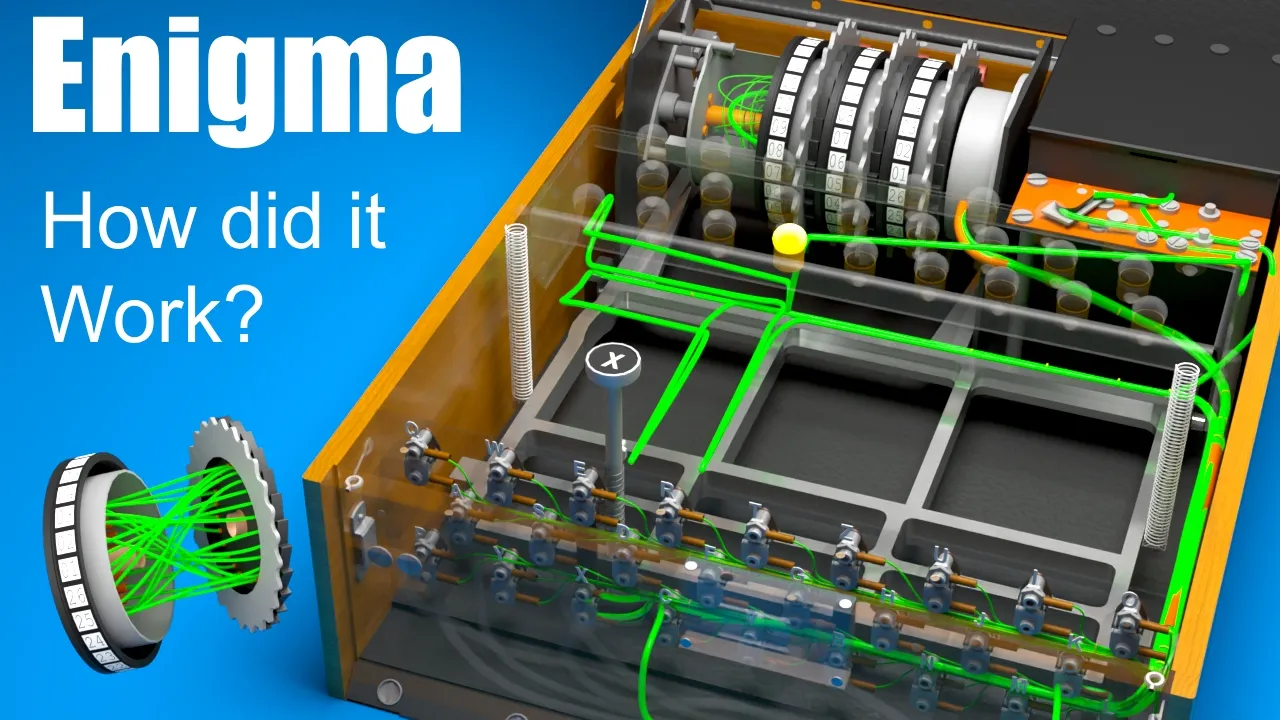
19:25
Enigma Machine Mechanics: WWII Encryption Explained
@JaredOwen
13.2M views•2021-12-11
Related Study Plans & Knowledge Roadmaps
Structured learning paths in Computer Science
computer-science
Container Runtimes: Namespaces, Cgroups & Go
01Linux Systems & Go Programming Foundations
02The Core of Isolation: Chroot and Filesystems
03Linux Namespaces: Process Isolation
+ 3 more learning modules
32h6 modules
Explore Roadmap
computer-science
Building a CHIP-8 Emulator: Rust & CPU Basics
01Computer Architecture Foundations (Bits & Bytes)
02Rust Programming for Systems Development
03CHIP-8 Virtual Hardware Specifications
+ 2 more learning modules
32h5 modules
Explore Roadmap
computer-science
Building BitTorrent: Go, P2P & Concurrency
01Go Fundamentals & Concurrency
02Networking Foundations & P2P Architecture
03Bencode Parsing & Torrent Metadata
+ 3 more learning modules
26h6 modules
Explore Roadmap
computer-science
Actor Models (C++ Concurrency & Lock-Free)
01C++ Multi-Threading Foundations
02Thread Pools and Task Scheduling
03Atomics and Lock-Free Queue Design
+ 3 more learning modules
45h6 modules
Explore Roadmap