


![[2025/24년] 전기기능사 필기 이론 - 03강 전기회로의 법칙](https://i.ytimg.com/vi_webp/YQ4_MZ06iis/maxresdefault.webp)




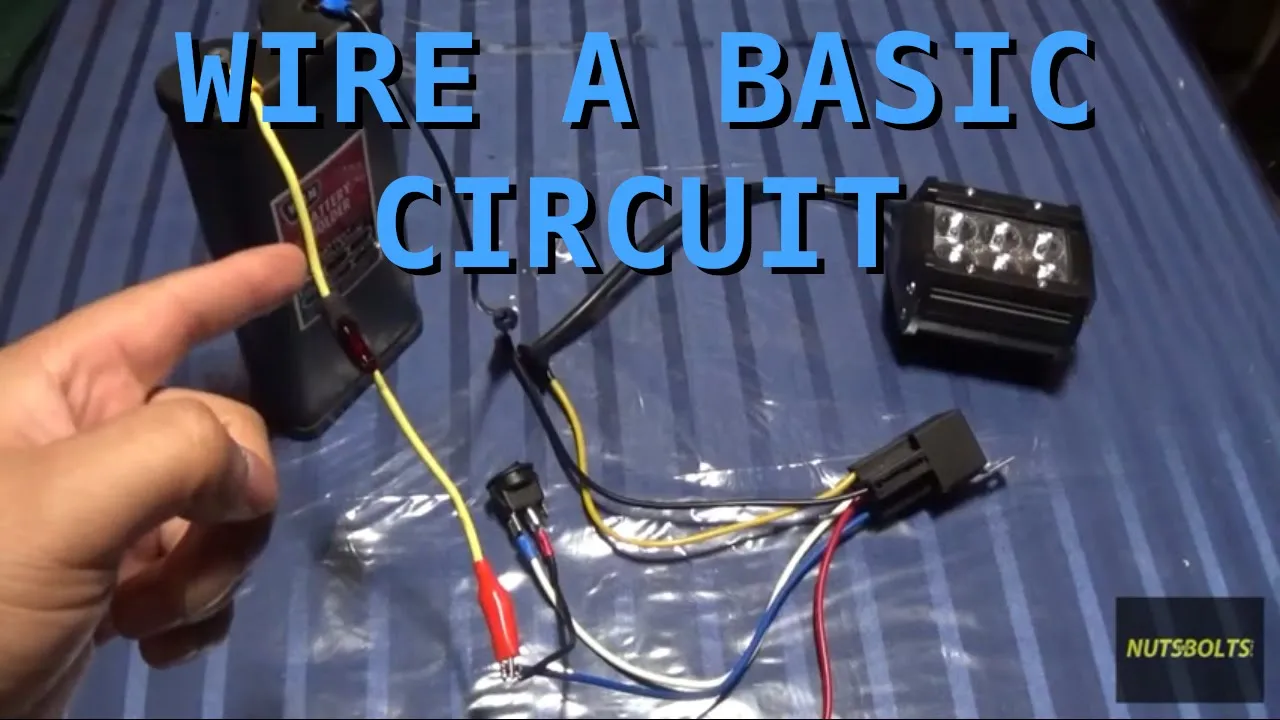


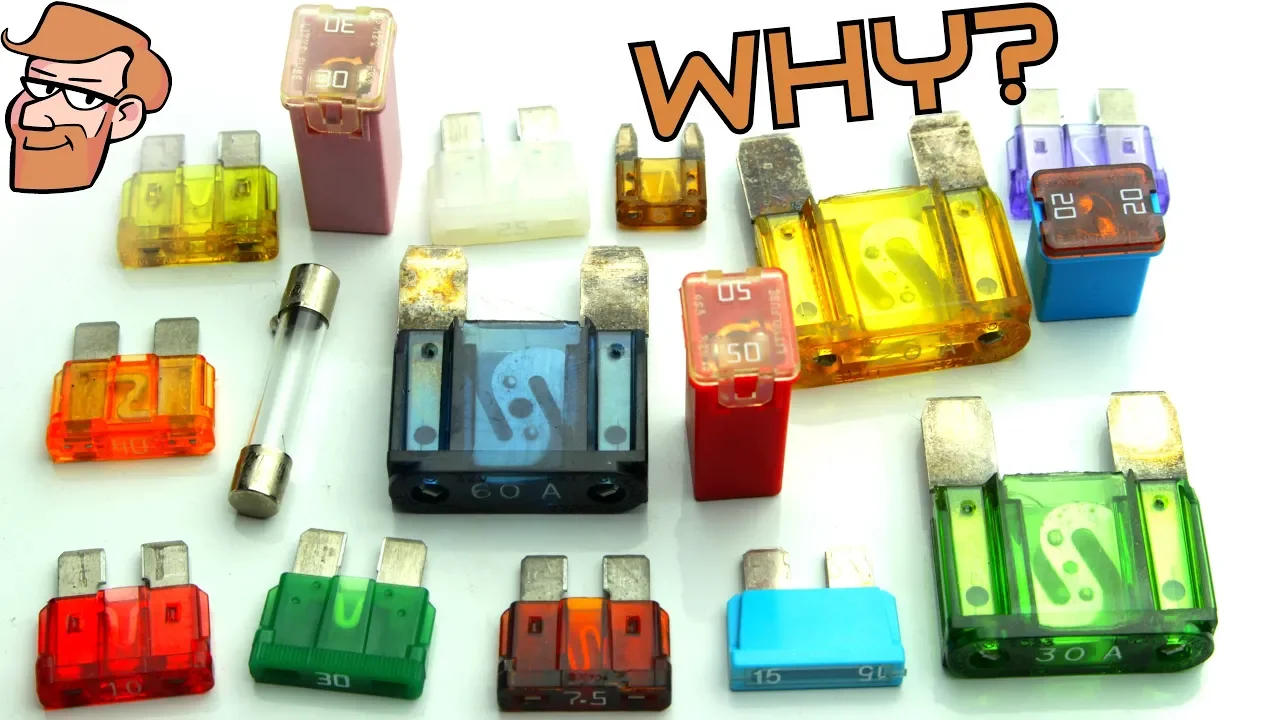





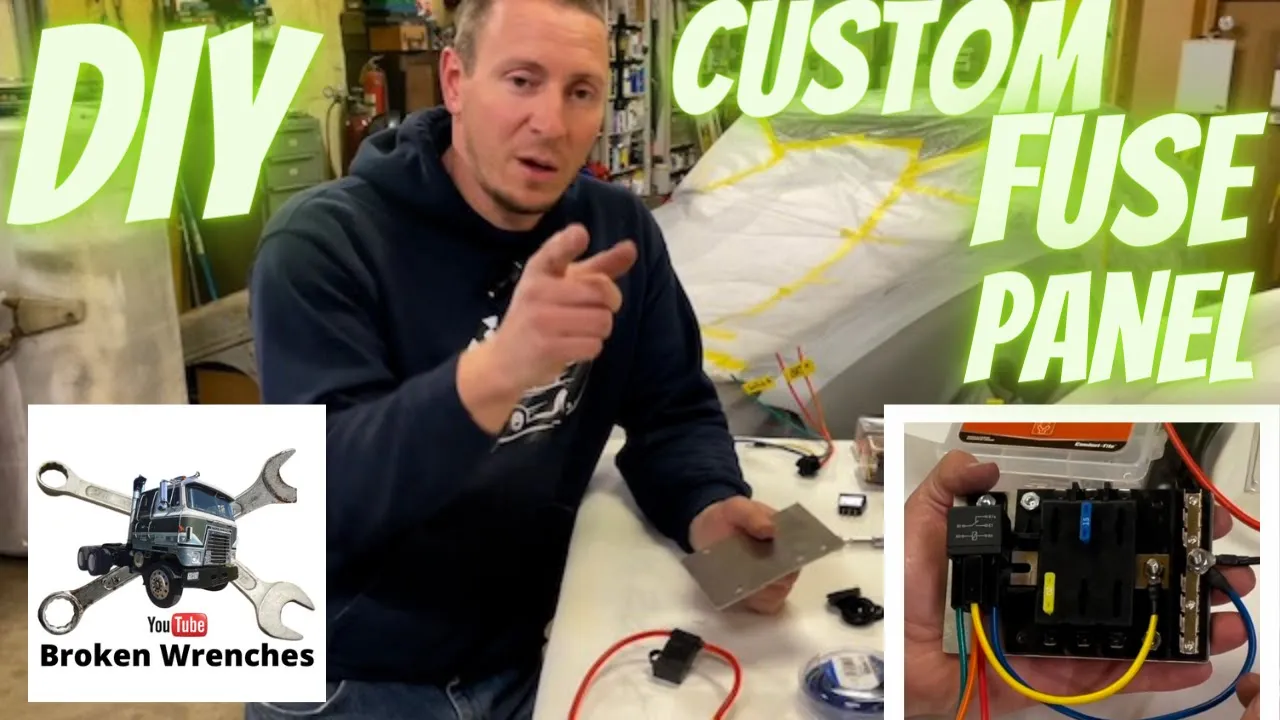
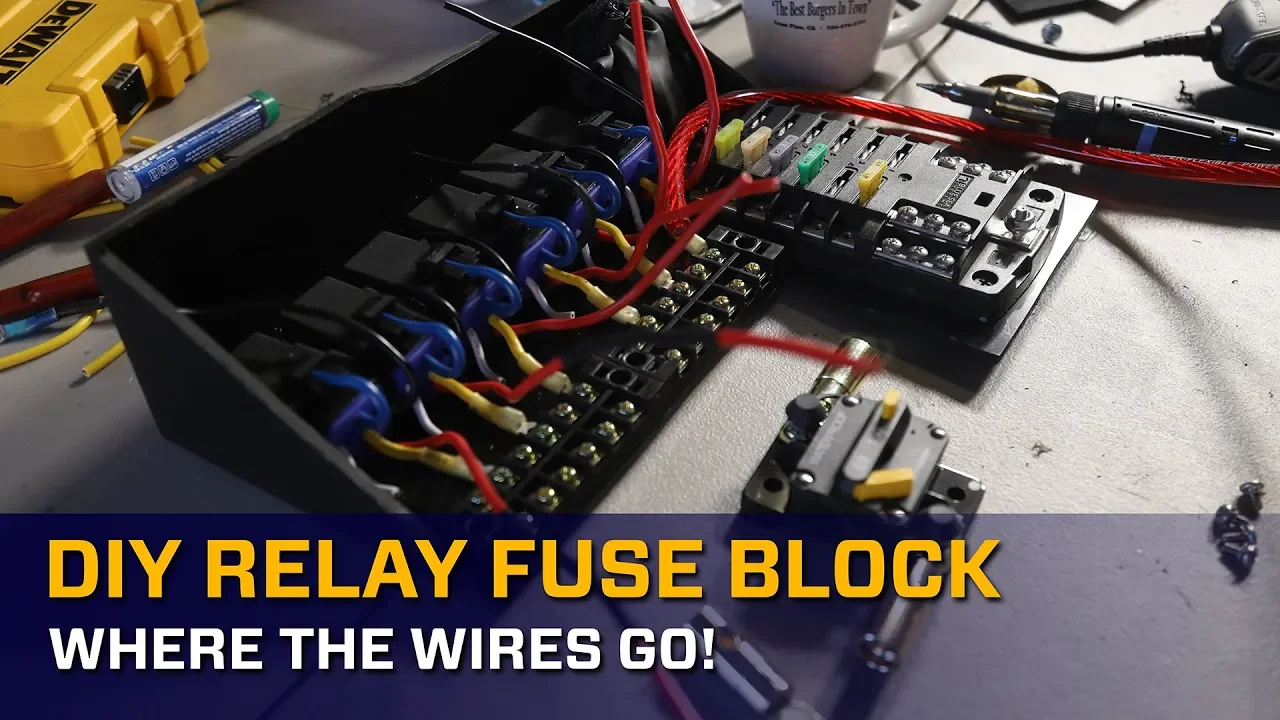

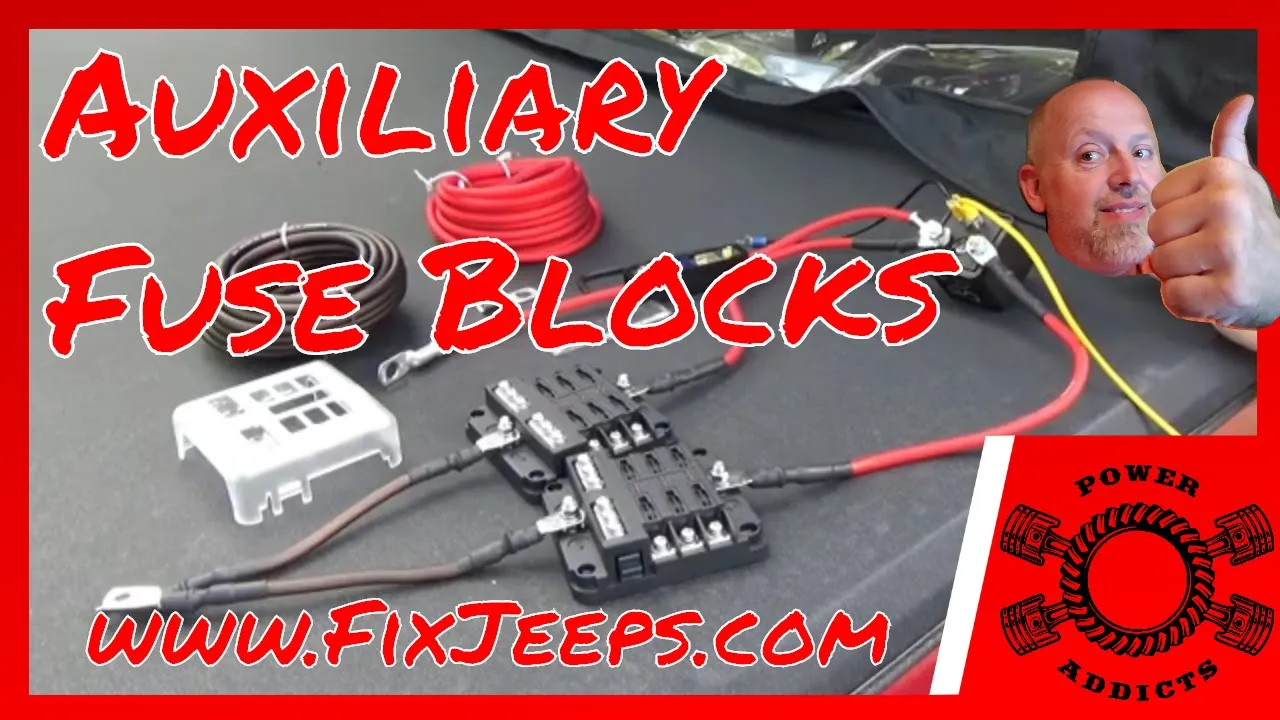


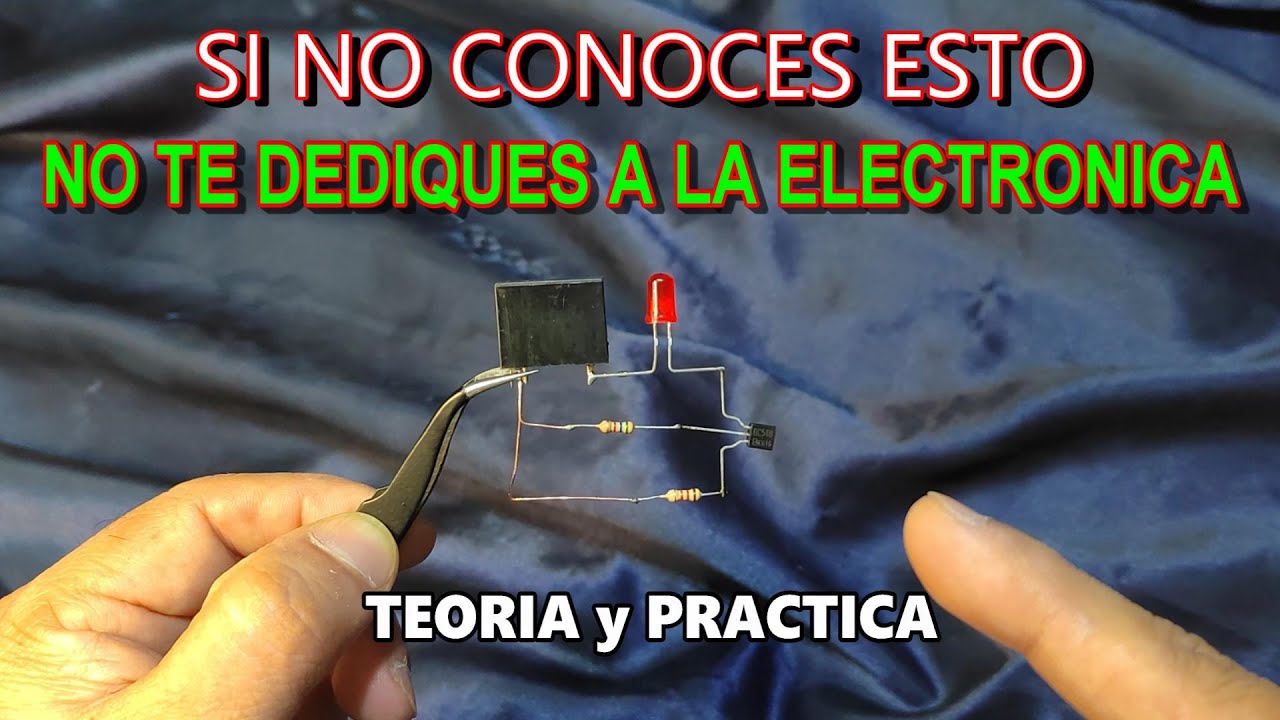



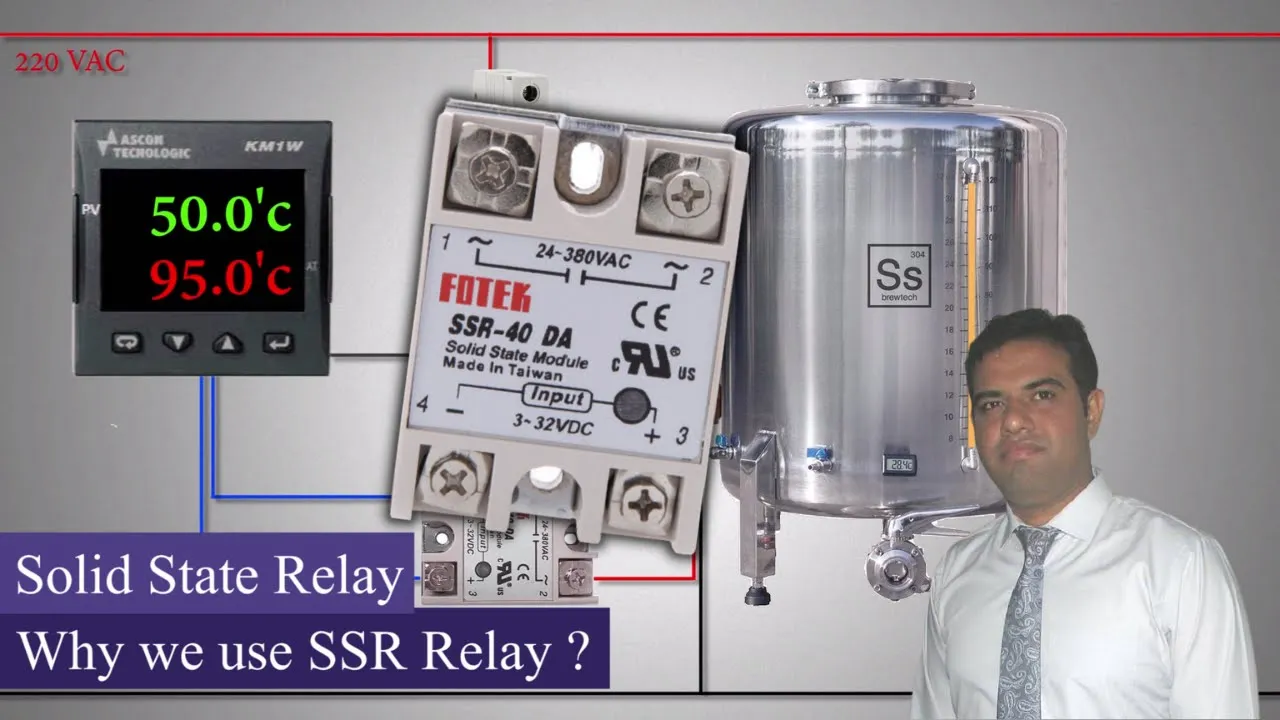
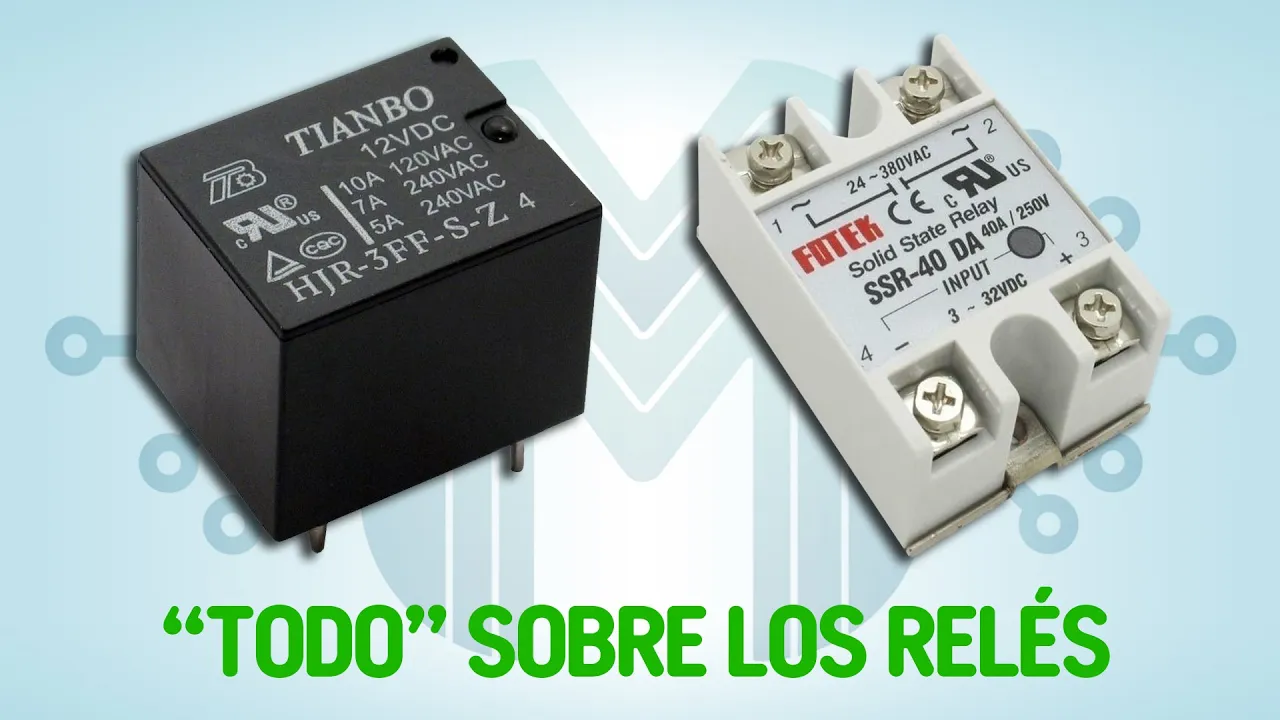



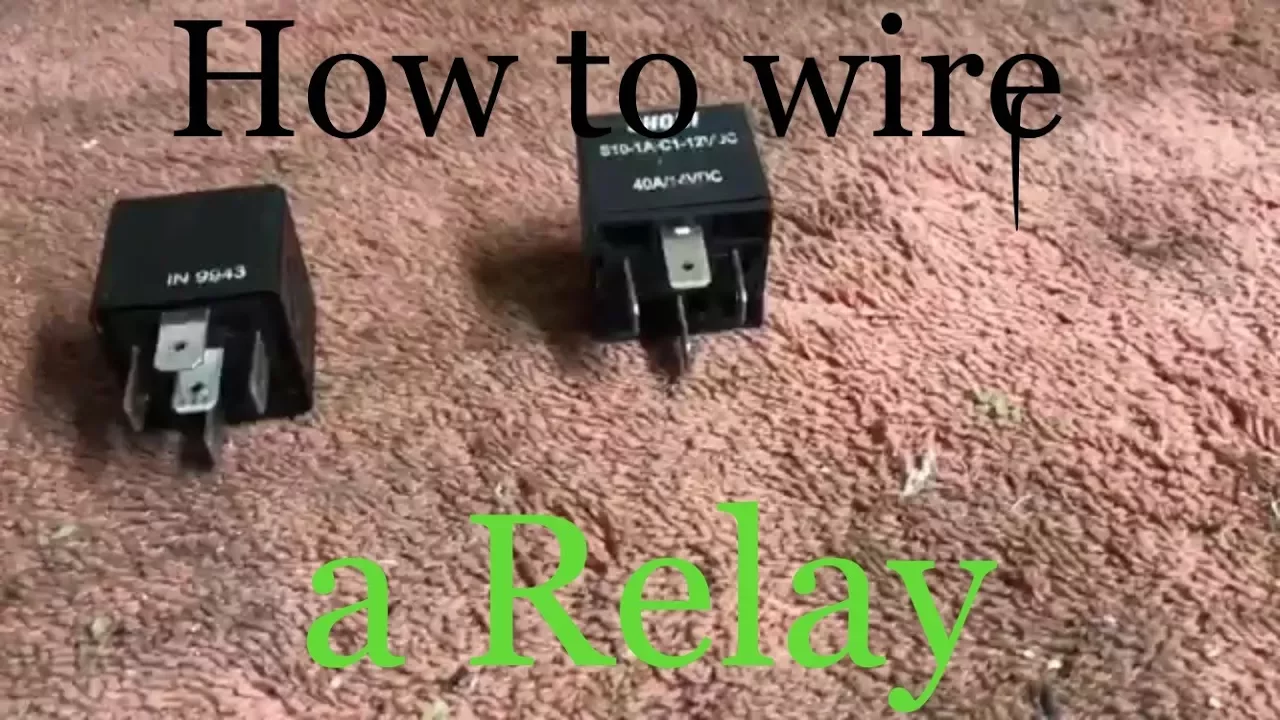
Relays are essential power distribution switches that enable high-current automotive components (fuel pumps, water pumps, fans) to operate safely and efficiently by separating the low-current control circuit from the high-current power circuit, thereby preventing voltage drop, wire melting, and fuse blowing while improving component performance; proper relay selection requires matching the relay's amperage rating to the component's requirements and using appropriately sized wire, with standard 4-pin relays having pins 30 (battery power), 86 (ground), 85 (control input), and 87 (output to component).
Relay Wiring Guide for Automotive Electrical Projects
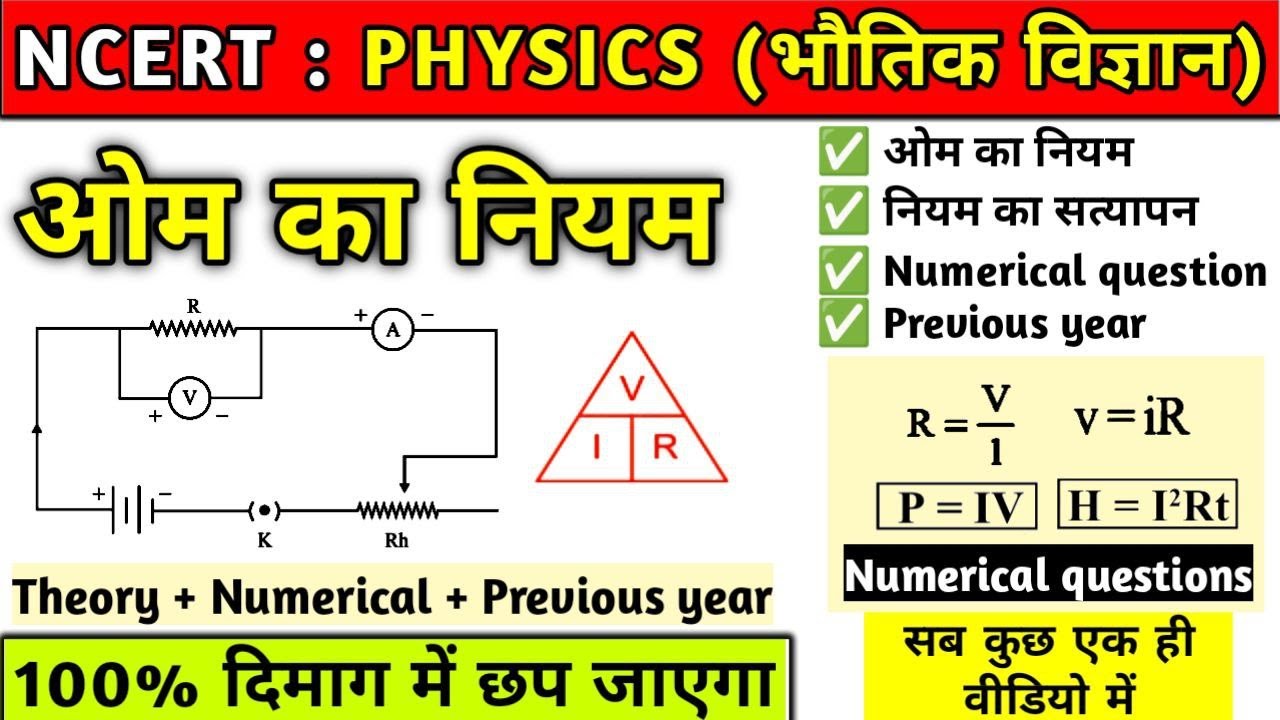
Added:Fundamental principles of DC electrical circuits, specifically the relationship between voltage, current (amperage), and resistance (Ohm's Law).
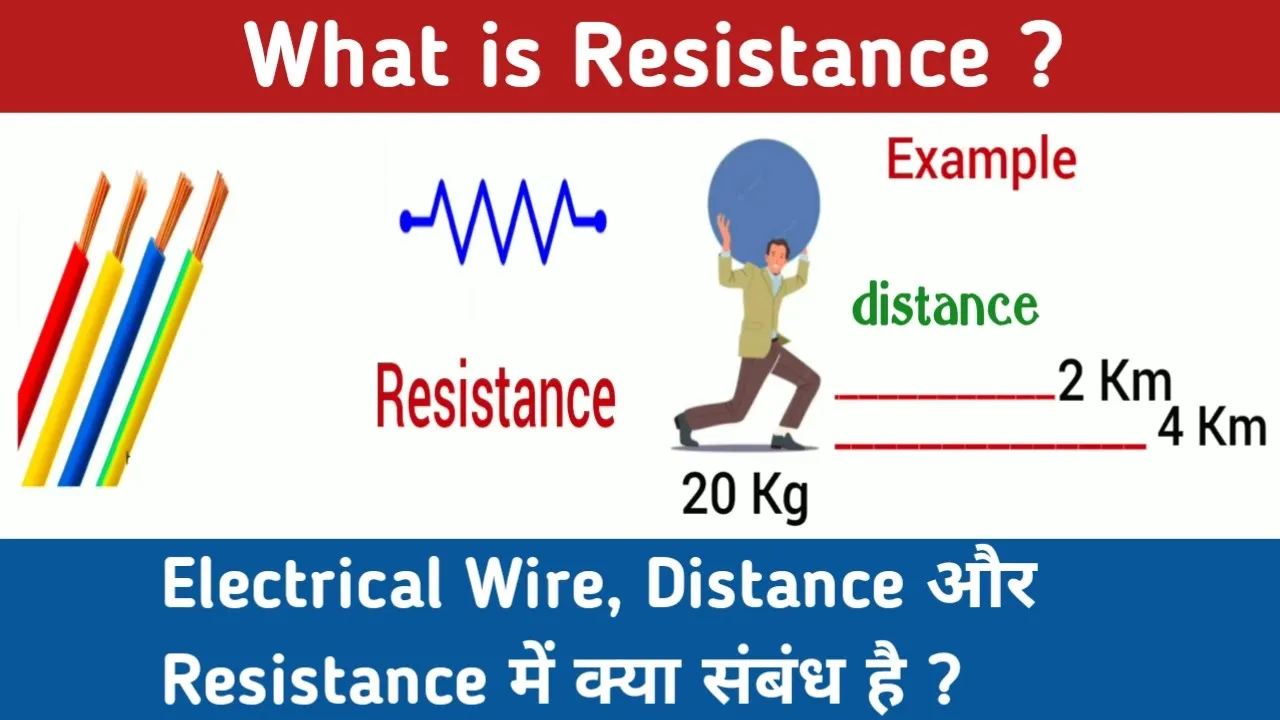
Understanding the concept of voltage drop and how wire gauge and length contribute to electrical resistance and power loss.
The basic functions of common automotive electrical components, including batteries, chassis grounds, switches, and fuses.
How to read and interpret basic electrical schematics and circuit wiring diagrams.
Designing and wiring custom multi-relay power distribution blocks (auxiliary fuse panels) for complex vehicle modifications.
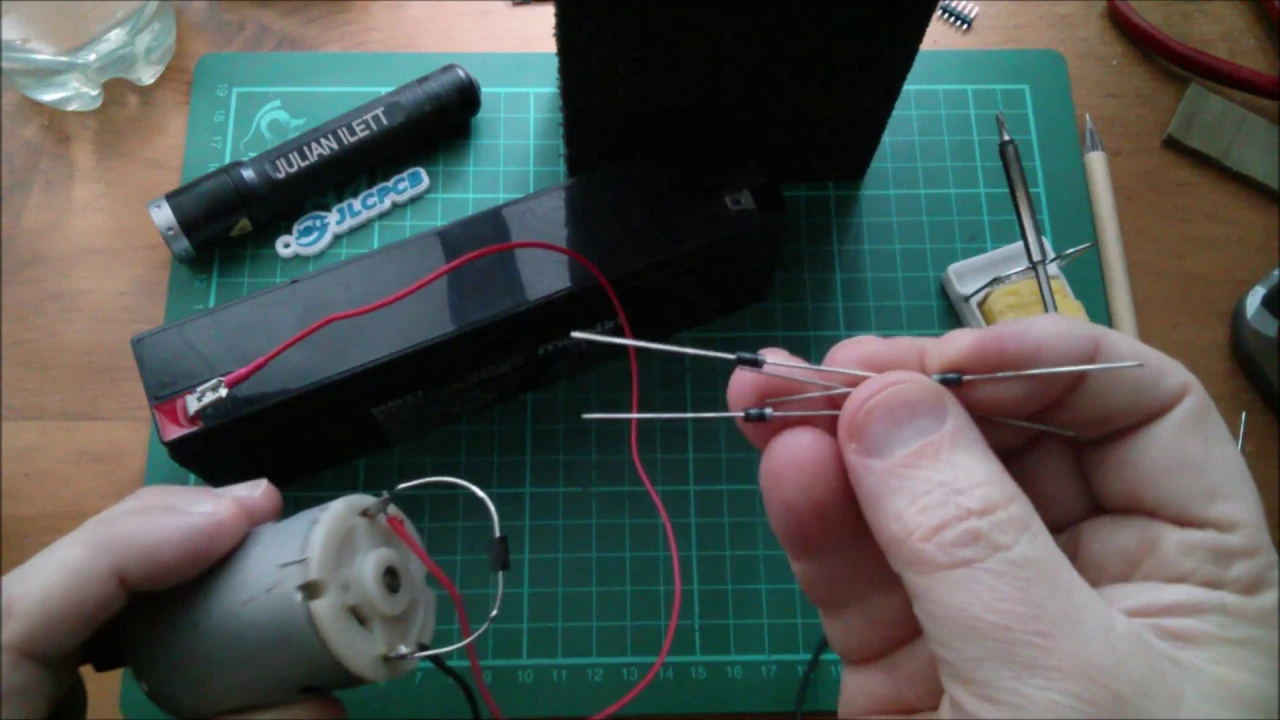
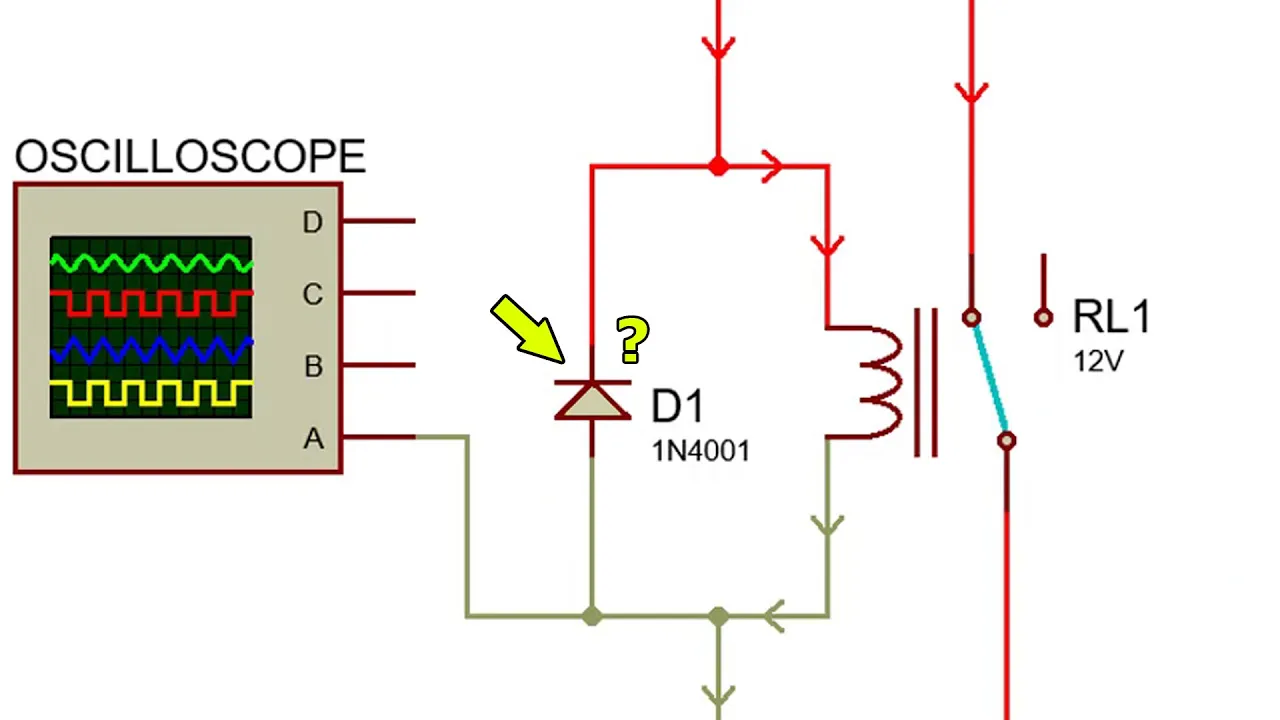
Understanding flyback voltage spikes and how to implement suppression diodes across relay coils to protect sensitive automotive control modules (ECUs).
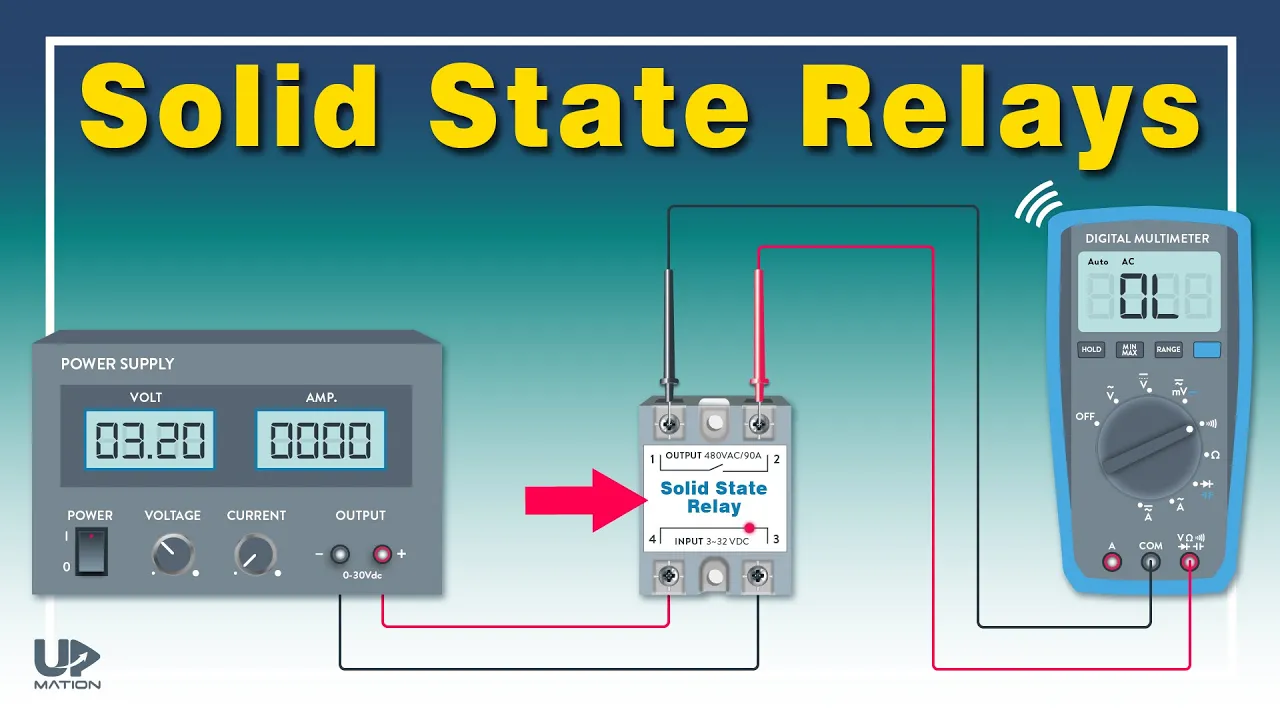
Exploring the differences, advantages, and applications of Electromechanical Relays versus Solid-State Relays (SSRs).
Advanced troubleshooting and diagnostic procedures using a Digital Multimeter (DMM) to test relay function, coil resistance, and circuit integrity.
306.6K views5.8Klikes22:25Original Release: 2020-04-28
hey guys it's Doug here from ocean I'm back with another tech tip Tuesday I know a lot of you are rounding the corner in your projects and it's time to start wiring if it's your first project or if you've done five of them I hope this video is helpful this is something's confusing to a lot of people today we're talking about relays wonder when they should be used how they should be wired you know the different types of relays and what they need to be used on and all of that there's a lot to cover I'll probably split this up into two videos today we're just going to focus on your standard 4 or 5 pin relays there's a lot of confusion there a lot of you've never learned about it and just only see them you know built into components but don't know when to use them on your project and it can save you a lot of heartache it can make your fuel pump water pump whatever it is perform better your fans it'll keep you from blowing fuses melting wires and overall make for a better safer build that performs better to start with I would just want to go ahead and clarify a fuse is not the same thing as a relay so you might ask yourself what is a relay if you're familiar with this you can either tune out or listen I think you'll learn some things a fuse is basically a circuit protection that means if it sees a huge load it's gonna blow two separate things so you don't burn your car down so we're done with that a relay on the other hand is basically a power distribution switch it allows you to turn it on and off and take a large high current based off of a switch that is a small gauge small current capable system and a good example of that is you know when you're switching on a fuel pump a lot of EFI systems a lot of switch panels have a small fuel pump wire you never want to run a aftermarket high performance fuel pump off of that small wire that wire is made to be a trigger for a relay and what that means is it's not made to carry a huge amperage load it's simply made to trigger this so that the big amperage load off of this relay can then be sent to the fuel pump and what that means is basically you have battery power in coming in on a larger diameter power cable and then in turn that larger cable carrying a bigger bridges then going out to your fuel pump and the advantage of that is that you can basically have a couple power distribution places for instance if you're building a car like this and you can run one big cable to a central location like a battery post in the front in the back if I'm wiring a car myself I'm gonna have a power distribution up front and one out back and that doesn't mean coming off the starter or the alternator but what it is it's a post with like a zero or two gauge wire that runs directly to the battery and now I have all of the ability to branch out from there power wise obviously you can't switch off of that post but you can feed a relay and that's the beauty of a relay if you're not familiar with wiring and 12-volt or any type of electricity the longer length of a run you have the more voltage drop you have for instance on a fuel pump or any electric motor the more voltage it has within reason the better it's going to perform if you take your standard magnet fuel 4303 pump and you give it like eleven point four volts it is gonna make way less power than if you had like twelve point eight volts a ka a good alternator charging your system you see I see a lot of people call in and they have issues but they have like 110 amp alternator and they're running a water pump and a dual fan setup and a fuel pump and every other thing you can imagine and it's just basically drawing the system down so take that and magnify it because if you run a power cable from your battery and a front all the way to the back and it's a small 16 gauge wire 12 gauge wire or something that length is gonna knock that voltage down even more making the pump a work harder but be perform less for instance a lot of 12 electronics are actually designed to hold up to 16 or 18 volts you definitely want to check into that but you know a lot of fuel pumps if you see a voltage increase to 16 volts they usually will flow like twenty or thirty percent more fuel that's why you'll see a lot of people run booster pumps so to expand on that a little bit further say you have a 99 Camaro it was wired for electronic fuel pump from a big factory but you're gonna drop in a dual four or 50 or triple four or 50 or something the wire and the rating on that was built specifically for that little pump that was enough fuel to make maybe four or five hundred horsepower now you're trying to do 1200 you need to use that wire now as a trigger for your relay and that'll allow you to run a bigger gauge wire over to your Junction for those pumps to power them with enough juice to a not ruin the motor inside of it and be perform like they need to I'll show you some components on a vehicle where you would use a relay or a set of relays so the first one in the biggest one I see cars almost catch fire annually when new projects come out our fans for instance this is a pair of the doral II fans they flow like 3500 CFM they're huge they work extremely well and they do a great job of cooling however this can't be run with like a single 16 gauge wire you need to run a relay for each fan at minimum and that's gonna allow them to spin faster and cool your car better but be keep it from burning up the wiring that's in there that's a huge point of contention I see a lot of people melt wiring and have fuses blow and trip and everything's just off of fans the next one is gonna be a water pump and obviously a lot of these depend upon which brand you're using you know a brushless motor is gonna use a lot less juice than a brushed traditional style motor but it's always good to have a relay for something like this because ideally you're gonna put a relay semi-closed to where it's at so you're gonna have less voltage drop basically feed it with more power so it can flow more now all of this is not only a safety but it's also so that you can just get more out of your components again an intercooler pump in the car is a good option and then the number one is always going to be your fuel system this Aeromotive brushless five gallon a minute pump uses considerably less amperage but it's still going to want voltage to work properly so this one they suggest using a 40 amp relay with it so if you took your standard you know switch panel it has like a 30 amp switched power and ran a wire all the way from that to this a it it would be tending up short and be it's gonna have voltage drop across that length of wiring from usually you put your switch panel stuff up and underneath the dash so if you ran that all the way to the back here it's gonna have a huge drop and of course it's even worse if you run that little baby ECU wire all the way back here so to have a relay that's properly rated next to it is of key importance to a you will ruin a fuel pump by not having enough voltage in it because the motor is having to work harder and it's gonna put a bigger strain on the motor and eventually burn it up but B it won't make the fuel you know flow that you think it's gonna make I have a lot of people call from time to time will sell them a fuel system they will say I was on a dyno it only made 900 you guys said it would make 1,100 I'm like it will make 1,100 check your fuel filters they're like they're clean how do you have it wired what you know I have a I have this on it that's not enough the recommendation is this they change it all sudden things the clouds part and everything works really well for them so always important to look at the instructions you get with the fuel pump for instance like a magnet fuel 4303 has a traditional wound brush style motor and that one is going to need to 40 amp relays Bar None no question has to have it a for durability and be for it to work correctly whereas a brushless pump is gonna use 140 amp relay does it make it a better pump man maybe but it's just what it needs so make sure whatever component you're using look up the amperage rating look at the wire size compare it and there's tons of stuff on Google it's your friend as far as amperage and wire size and length and all that I'll drop a chart below but you can see if you click on this chart the voltage drop over different lengths with a different size wire so definitely something to keep in mind you can't just go about this stuff shooting from the hip you might be able to but it's not always going to work perfectly for you another confusion point is a lot of switch panels for instance this is an a RC auto rod controls almost all switch panels are built with either you know however many circuits you have but they have a 30 or 40 amp relay built into them some are solid-state some are not but that gives people a little bit of false scent of sense of hope because like I said before you'll put this under the dash and you're like let's already relight I don't need to put a relay well yeah you do so for instance on this it'll have a rating of 40 amps n Oh which is normally open in 30 amps and NC normally closed we'll get to that open and closed here in a few minutes but right here you're at 40 amps so if you have something needs 40 amps and then you run a 8 or 10 foot length of wire to it it's obviously gonna have a some voltage drop and B it's on 40 amps so if you need a fuel pump that needs to 40 amp relays that's gonna be an issue if you have one wire that's triggered off your switch panel that's going to two fans to turn your fans on and they each need a 40 amp relay well that's also an issue a lot of electronics can be run directly off these relays but a lot of these the relay is just built into the board for function of the board don't think that you don't have to run a relay right next to the component you're running because it can be a little bit of a false sense of safety so the nice thing is if you look online there's dozens and dozens hundreds maybe thousands of options for relays your standard 4 or 5 pin which I'll cover the difference between those here in a minute automotive relays for 12 volts you'll see a variation from you know your inexpensive black box ones they're just very standard component all the way up to solid state the nice thing is that if you don't have the actual size say you need like an 80 amp relay and it's just not a very standard thing so unless you order it ahead of time you might have it or the parts store might not have it you can always double up the relays so Magna fuel for instance on their forty three oh three and forty seven oh three pumps has this double relay setup and basically you just take all of the leads and combine them and that's case of a double the capacity of it so you know you're gonna trigger it off the same wire you're gonna ground off the same wire all just tied together and then obviously your two powers and your two powers to the component you'll want to run those you know in tandem with each other so it's kind of a nice option if you run and do a pinch where you don't have say a 70 or 80 amp relay and that's what you need you only have like a 40 or 30 you can just double them up so we get a lot of questions about solid-state relays solid-state relays are great they typically trigger faster on and then release faster because there's no internal moving components like I said I'll make another video on solid-state relays in the future those are gonna be more for a situation where you're controlling solenoids or trans brake solenoid that type of thing where you're really concerned about how fast something is turning on and off you might also use it on a circuit where you PWM with this which is pulse width modulated basically pulse width modulated is giving you different voltages to basically slow or speed up and a motor when it's not needed so for instance on a fuel pump a traditional brush style fuel pump you can PWM the fuel pump and that will basically slow down the flow so that you're not overflowing the engine not all situations need that and not all situations need a solid state relay which is why these are either a less expensive and easier to come by but the one thing you'll want to watch in a solid-state relay is a lot of them aren't always faster to turn on and off definitely look at the spec sheet your use and we found several over the years that it's kind of confusing it'll either be a slow off or slow on and not all relays are created equal you definitely along with anything else you buy want to buy from a reputable company you'll see a lot of knockoff relays out there from China or whatever the best ones are honestly all joking aside made in the USA Japan Germany maybe a few other places but definitely get yourself a good one because it can also cause you problems okay so now that we have explained where you would use a relay and in what situations and how they're a benefit let's talk about how you wire them so the nice thing about relays is they're standard as long as it's not a solid state relay some of those will change but your standard 4 & 5 pin relays are all identical and really even your 4 pin and 5 pin are the same except for the addition of the center pin which you can see here which is called a t7 a 4 wire a relay won't have that pin a 5 wire obviously will the only difference between a 4 and a 5 wire is it gives you that ability to have power running to a component without turning the switch and then when you turn the switch it turns it off but we'll talk about that more here in a minute the standard positions as you look at this relay you can actually see that all of the pins are parallel to the side they're on except for though the locating pin number 30 and that is going to be your power from the battery that so that wire is gonna go right to battery 12 volts or positive side of the battery or to your power distribution log whether it's in the front or the back as you can see in this harness they actually have that one as read nicely enough and that wires a bigger gauge than the rest because it's carrying all of the current just like you would feed a fuel pump with a bigger line than what you're putting out of it on a relay you're gonna put a bigger wire from the battery going into the relay than what's going to the component so let's just go ahead and go through all of the pins on this as you can see this is an exact duplicate and on actual relay here you can see the numbers and like I said these are standard these numbers are gonna be every relay regardless of where it's made as long as it's a four or five pin relay this style it's they're all going to be numbered so it won't throw you know different manufacturers don't have a different number so it won't confuse you so we'll start with number 30 that's our locating pin or our power from the battery that is always going to go to your battery then we're gonna move to 86 that's always going to go to your ground so these two 86 and 85 are going to be essentially what flips the switch on the actual relay I'll actually erase this 87a here for a second and kind of show you how this works so essentially we're just trying to get powerful a big power from here and then out of this side but by doing this in a standard mechanical relay like this it looks like this inside and a mechanical relay basically once this is energized and gets +12 it's actually going to move this little finger over to here which obviously it'll move and then it will complete that circuit so now you have bridge between your battery and what it's going out to this is always gonna be coming from your ignition switch an auxilary switch like if you have a switch panel in your car for instance if you know you take that little bitty fuel pump wire that comes off with a lot of efi systems like on a holley you will put that into this because it's carrying a small current and all we're physically doing it is to switch this so that we can run a bigger current to our component hope that makes sense basically this is always going to be whatever you're wanting to trigger the relay with is going to go into 85 and then 87 is gonna be what we're finally trying to power so that can be anything like a fuel pump water pump fans could be used for coils on a coil harness ignition coils some guys will wire even fuel injectors off of it so that they can pass a high current that's turned on by the ignition the nice thing about if you do that which we're kind of getting off in the weeds here is if you have your fuel injectors and your ignition coils powered through a relay that's triggered off of say a switch in a car you're not just praying that the efi system works correctly if you want to kill the car you can always just reach up and kill that button and it's gonna kill all power to ignition and fuel injectors at the same time so the motor is dead one of the problems with that internally circuited efi system is it could get a back feed from something that could keep powering those coils or injectors you might kill one or the other or neither or both and you just don't know for sure but if you power them through a coil harness separately but then just trigger them with the regular efi you can always kill the power that feeds them as you can see you're basically using these two pins to complete a circuit that moves your contactor over and then it basically creates a bridge that allows the battery 12 volts through that big red wire to go to your fuel pump water pump whatever so very simple if you really break it down you're triggering a circuit that moves a mechanical switch that then allows power straight through the relays and when I say power through relay I mean a bigger wire to carry a bigger current to lose less voltage you know over distance and that's just basically the con that we talked about before the the only difference on a solid state relay is that this isn't a mechanical function it's done internally through electronics inside of the relay on a solid state and what happens is that time for that mechanical switch because it's not a mechanical switch is faster so it'll turn on and off faster true functionality of relay on a mechanical relay it turns on faster than it turns off basically the reason why they used to have that 87a is because before you power this you know turn a switch on this would always be powered as soon as you switch it and it moves that contactor it's gonna turn that off so before solid states came into play and people were worried about speed to turn something off that's why they had something like that so as you can see a mechanical switch having that extra pin allows you you can actually put a something on each one of these just not very commonly used this day and age because you have a lot of you have boards and you have solid States and everything so it's kind of done away with that but there might still be some instances in it but for the most for most people you're only trying to turn a component on a fuel pump off and whatever so a lot of times people just don't hook that 87a up anymore if you have a five wire system you don't have to hook do anything with that 87a you can wire it just like a four wire which is nice because depending which one you have makes things really easy these are all standard so every relay that you're gonna get is gonna have those same numbers but I would suggest what I do because I wire car maybe every three months six months a year I don't know not very often not every day so I kind of need a little bit of refresher real quick question myself whatever I will drop a link to a diagram what I would suggest is printing that off tape it to the wall in your workshop put in your toolbox that we can always reference it once you learn how to wire these it's really simple and the benefits are huge hopefully it all makes sense just remember number 30 is you're always gonna be your battery plus 12 coming straight from the battery 86 around we're using these two to connect to whatever component 87 is gonna be your component this is what your switch is gonna come from your ignition your auxilary switch or your EFI system or whatever you're using to trigger things again not to be too elementary but you can actually hook a spade connector that you can get at a hardware store right to any of these pins but that's kind of a pain and it doesn't really secure on very well you can also buy from a variety of different places even a lot of Hart Park stores have these just pigtail style harnesses some of these are even weather sealed but this one for Magna fuel is just pre crimped if you don't have the crimper and it just kind of Clips right in there which is really nice comes pre-terminated with all the wires good way to wire things though spades tend to pull offs we sell these on our website I will grab these for projects around the shop often they have you know 40 amp relays they also have a dual 40 amp relay I'll put those part numbers down below as well it's a nice handy inexpensive option to grab and then you don't need any special tools to install okay guys so a couple key takeaways I hope this video is super informative for you if it's your first time your 5th time and you weren't doing it correctly before I hope it kind of opened your eyes let's just go over a few key components behind this first thing you want to do is understand the amperage rating that your component is using second thing is take that information on what your component is needing for amperage and voltage and match your relay or relays to match that third thing you want to do is make sure your wire size will carry the load of what your component is demanding obviously the closer this is to your component to better but your power is coming from somewhere so make sure your wire sizes are appropriate last thing I was gonna mention to you guys you can still use a fuse in line of a relay just make sure you aren't using it in place of relay I hope this all makes sense to you guys of course if you have any questions or comments concerns or if you want to know what your fuel pump your fans are gonna need you can always give us a holler call our phone number it's in the description below or jump on our website we have all the instruction manuals in the product listings we will see you guys next time thanks for tuning in don't forget to hit the subscribe button [Music] [Music]
Up Next
28:27
How Relays Work: 12V Relay Wiring Guide for Automotive Systems
@siTTinLo
189.6K views•2017-10-10

30:32
Ultrasonic Transducers: Resonant Frequency Measurement and Horn Design
@imajeenyus42
229.9K views•2017-02-22

54:16
Polymer Environmental Degradation: Mechanisms & Stabilization
@iit
1.8K views•2012-07-10

33:39
How a Student's Question Saved a NYC Skyscraper from Collapse
@veritasium
22.8M views•2025-04-26
Related Study Plans & Knowledge Roadmaps
Structured learning paths in Engineering
engineering
Building Acoustic Levitators: Physics & Arduino
01The Physics of Sound and Standing Waves
02Piezoelectric Transducers and H-Bridge Drivers
03Arduino Programming: Generating 40 kHz Signals
+ 2 more learning modules
14h5 modules
Explore Roadmap
engineering
Building Peltier Cloud Chambers: Particle Tracks
01Cosmic Rays & Cloud Chamber Physics
02Thermoelectric Cooling (TEC) Fundamentals
03Custom Liquid-Cooling Loop Design
+ 2 more learning modules
18h5 modules
Explore Roadmap
engineering
Yagi-Uda Antennas: Modeling, Build & VNA Test
01Introduction to RF and Antenna Fundamentals
02Yagi-Uda Antenna Design Principles
03Antenna Modeling and Simulation in 4NEC2
+ 2 more learning modules
18h5 modules
Explore Roadmap
engineering
ECG Monitor Design: Op-Amps, Filters & Noise
01Electronics & Breadboard Basics
02Op-Amps and Instrumentation Amplifiers
03Bioelectricity and ECG Fundamentals
+ 2 more learning modules
18h5 modules
Explore Roadmap