




![[한식조리기능사 무료강의] 한식조리기능사 필기 《제1강》 명품기본이론 [개인위생관리 & 식품위생관리] 정유진 교수](https://i.ytimg.com/vi_webp/dIjXYGUARdM/maxresdefault.webp)





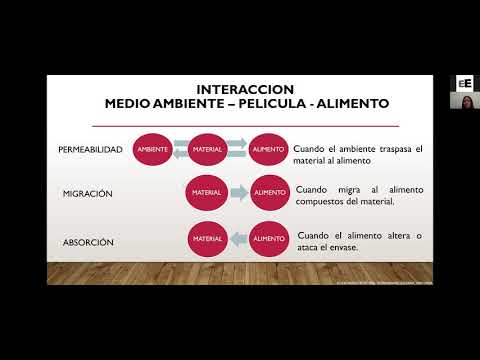
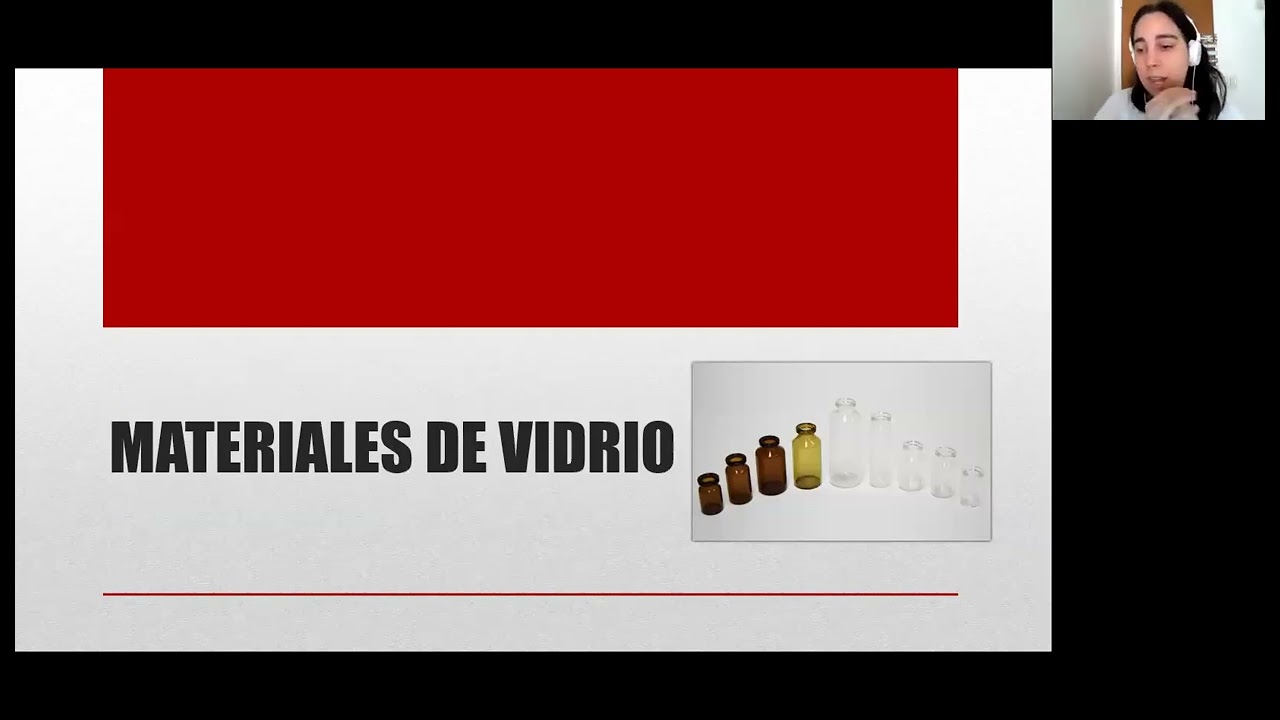






Modified Atmosphere Packaging (MAP) is a food preservation technology that extends shelf life by replacing the natural atmospheric gases (oxygen, carbon dioxide, nitrogen) around food products with optimized gas mixtures tailored to each product type; this technique suppresses spoilage mechanisms like oxidation, bacterial growth, and mold development by using specific gas ratios—for example, high oxygen for red meat to maintain color, low oxygen (<1.5%) for oily snacks to prevent rancidity, and carbon dioxide for cheese to inhibit microbial growth—while relying on either passive packaging (where product respiration generates the modified atmosphere) or active packaging (where gases are artificially introduced).
Modified Atmosphere Packaging in Food Preservation | Food Science
Added:Understanding of food spoilage mechanisms, including lipid oxidation, enzymatic browning, and microbial activity.
Basic knowledge of food microbiology, specifically the distinction between aerobic and anaerobic microorganisms.
Concepts of cellular respiration in fresh produce, including how harvested fruits and vegetables consume oxygen and release carbon dioxide.
Fundamental properties of atmospheric gases (oxygen, nitrogen, and carbon dioxide) and how gas diffusion works.
Advanced study of polymer science and the barrier properties of different packaging materials (permeability to gases and water vapor).
Exploration of Active and Intelligent Packaging technologies, such as oxygen scavengers, moisture regulators, and freshness indicators.
Comparison with Controlled Atmosphere Storage (CAS) systems used for bulk transport and long-term warehousing.
Analysis of microbiological safety risks in low-oxygen environments, particularly concerning anaerobic pathogens like Clostridium botulinum.
1.6K views32likes10:32Original Release: 2025-01-26
are you someone who values fresh longlasting food and to reduce waste then this video is for you let's explore the science behind modified atmosphere packaging and how it is transform in the way we preserve food [Music] hello everyone welcome back to my YouTube channel esculent when packed in air food is susceptible to three main spoilage mechanisms simple oxidation bacterial growth and M growth however all of these can be suppressed or reduced by packaging the food in the appropriate modified atmosphere in this video we are going to learn about a modern method of food packaging called modified atmosphere packaging or M A so to figure figure out what MP exactly is let's start with the basic concepts in simple terms this method enols altering the atmosphere around the foot product by removing the air inside its packaging and replacing it with the gases that are safe for both the food and consumers this helps regulates biochemical antic and micro IAL activities without relying on temperature changes or chemical treatments in most cases map is aimed at eliminating or reducing oxygen inside the packaging and replacing it with the mixture of carbon dioxide and nitrogen in other words the gases employed for modified atmosphere packaging includes carbon dioxide nitrogen and oxygen all of gases are naturally present in atmosphere and in here carbon dioxide actively eliminates growth of bacteria and mols oxygen causes oxidation of oil or fats present in the food product it also allow aerobic bacteria and M to survive nitrogen is essentially inert presence of nitrogen gas prevents the package collapse that can take place because of of high concentration of carbon dioxide therefore whenever required the balance of modified atmosphere is created with nitrogen in special cases such as pecking red meat and fresh produce the oppacity is correct we will not eliminate the oxygen but instead increase its concentration to prevent anerobic growth therefore normally it may be required has a mixture of at least two gases and the optimum proportions vary from product to product as it was paion we are not going to mix these gases in the same way for all kind of foods depending on the type of food products and specific causes of their spoilage or quality deterioration the gas mixture would be different this table gives gas compassion for some of the food products packed using modified atmosphere packaging for example mechanisms that limits the shelf life or raw red meats are microbial growth and oxidation of the red myoglobin pigments and convert it to oxidize Brown metmyoglobin for this reason High concentration of oxygen are necessary in order to maintain the desirable red color for a long period period of time with the right mixtures the Practical shelf life of consumer packed meat can be extend from 2 to 4 days to 5 to 8 days at 4 Celsius also carbon dioxide has a strong inhibiting effect on the growth of bacteria of which the pomas present in the greatest problem of fresh meat as another examples let's consider dry foods and snacks like peanuts potato chips and the baby milk powder these foods contain unsaturated fats that make them sensitive to oxidation and rancidity when oxygen is around so the oxygen amount must be reduced to under 1.5% and the rest of the air inside of the package must be replaced with nitrogen in the packaging of some other type of food such as cheese the mixture is completely different in this case carbon dioxide is used first and foremost the carbon dioxide level in hot cheese packages is up to 100% And for soft cheeses the level is usually restricted to 20 to 40% the reason for this is to prevent the package from collapsing under atmosphere pressure as the carbon dioxide dissolve in into the water content with the ready meals and CED food customers expect healthiness and high quality with long shell life without chemical attitudes and with minimal preparation in order to meet this demand atmosphere control combin with the correct temperature is the best solution there are lots of other food categories requiring specific map gas mixtures fresh producers are one of them there are two main methods for creating modified atmosphere conditions they are passive packaging and active packaging in passive packaging modified atmosphere is passively generated inside a sealed package this is happening as a result of a product respiration that is utilization of oxygen and release of carbon dioxide th passive packaging is also known as commodity generated map generally the gas permeability of the packaging coveries such that oxygen can easily enter the package and excess carbon dioxide can defuse out from the package if products respiration values matches with the permeability attributes of the film at that time a favorable modified atmosphere could be passively built inside the package in active packaging modified atmosphere is generated by dragging a modest vacuum in a package and substituting the package atmosphere with the required compression of gases also active packaging can be established by using ethylene scavengers or emitters matching scavengers or emitters can quickly create modified atmosphere within sealed packages by employing active packaging technique modified atmosphere is more rapidly created than using passive techniques now let's see how we select the best packaging material as it is essential to maintain the quality and safety of map Foods there are six main characteristics to consider resistant to puncture sealing ability antifogging properties carbon dioxide impa permeability oxygen impermeability and low water transmission rate all in all there are lots of benefits of using M increased shelf life little or no need for chemical preservatives improved presentation Clear View and reduction in production and storage cost so at last but not least let's learn about the advantages and limitation of M M map can offer advantages like followings it can retain original quality of food product and it maintains the texture flavor and taste of food products also shelf life of the food items can be increased and Retail waste is reduced chemical preservatives are not required and it reduces the aerobic growth of microorganisms and their effect although MB is a good method of preservation there are limitations also gases and packaging material used in M are very expensive and capital cost of packaging machine is high also costly examination is required to calculate the desired gas composion for the map and there are chances for possible developments of foodborn pathogens and advantages of M are completely lost if package is damaged and finally in some cases of flavors are developed when food is packed under map so this is the brief overview of modified atmosphere packaging if you like this video please give a thumbs up and subscribe for more videos like this we will see you with a new lesson and and until then thanks for watching
Up Next

0:47
How Refrigeration Revolutionized Global Food Systems and Society
@WhatWouldHappenAfter
551 views•2026-04-16

12:54
Triumph of Orthodoxy Icon: Byzantine Art & History Explained
@BenCallan
2.1K views•2024-08-06

9:49
FastAPI vs Flask vs Django: Choosing the Right Python Web Framework
@TechWithTim
302.5K views•2024-05-26

1:42
Game of Thrones Opening Credits: A Cinematic Analysis
@gameofthrones
46.3M views•2011-04-18
Related Study Plans & Knowledge Roadmaps
Structured learning paths in General & Interdisciplinary Studies
general-studies
Elevator Engineering: History, Physics & Cities
01From Hoists to Safety Brakes: The Dawn of Vertical Lift
02Hydraulic vs. Traction: The Engineering Physics of Elevators
03Modern Speed, Safety, and Algorithms
+ 2 more learning modules
12h5 modules
Explore Roadmap
general-studies
Rubber: Material Science, History & Geopolitics
01Origins of Natural Rubber & Mesoamerican History
02The Chemistry of Natural Rubber & Vulcanization
03The Geopolitics of the Rubber Boom & Colonization
+ 2 more learning modules
12h5 modules
Explore Roadmap
general-studies
Containerization: Evolution, Logistics & Trade
01Ancient Trade & Bulk Cargo: Amphorae to Barrels
02The Industrial Revolution & Cardboard Packaging
03The Containerization Revolution: Malcom McLean
+ 2 more learning modules
12h5 modules
Explore Roadmap
general-studies
Textile Tech: Evolution, Labor & Global Impact
01Pre-Industrial Textiles: Handloom & Cottage Industry
02Mechanization: The Spinning Jenny to the Power Loom
03The Factory System & Global Labor Transformation
+ 2 more learning modules
10h5 modules
Explore Roadmap