The invention of mechanical refrigeration enabled fresh food to travel for weeks across ships and trains, creating a global food system that transformed diets by allowing people in cold climates to eat summer fruits during winter, improved public health, enabled cities to grow larger, and fundamentally changed how the world connects through food.
How Refrigeration Revolutionized Global Food Systems and Society
Added:Deep Dive
Basic principles of thermodynamics, including heat transfer and how phase changes absorb or release energy.

TERMOQUÍMICA - Conceitos Iniciais
31.5K
Thermodynamics studies heat in chemical and physical processes. Temperature represents average particle agitation, while heat is energy in transit. Phase changes involve specific energy transfers: fusion and vaporization absorb heat, while liquefaction and solidification release heat. Endothermic processes absorb heat (causing cooling sensations), while exothermic processes release heat (causing heating sensations). A system is the portion being studied, with everything else as surroundings. Energy content increases in the order: solid < liquid < gas.
Click to watch →

ساينس سادسة ابتدائي ترم اول | مراجعه ساينس الصف السادس الابتدائي
43.3K
Heat transfer requires two objects at different temperatures and contact between them. Heat flows from hotter to colder objects until thermal equilibrium is reached. Phase changes involve energy transfer: (1) Melting (solid to liquid) at melting point, (2) Freezing (liquid to solid) at freezing point, (3) Evaporation (liquid to gas) at any temperature, (4) Condensation (gas to liquid), (5) Sublimation (solid to gas), (6) Deposition (gas to solid). Each phase change involves energy absorption or release.
Click to watch →

التغيرات الحرارية المصاحبة للتغيرات الفيزيائية تانيه اعدادي | شرح اول درس علوم تانيه اعدادي ترم تاني
19.8K
Matter exists in three states: solid, liquid, and gas. Phase changes include melting (solid to liquid), vaporization (liquid to gas), condensation (gas to liquid), freezing (liquid to solid), sublimation (solid to gas), and deposition (gas to solid). Phase changes from solid to liquid, liquid to gas, or solid to gas absorb heat (endothermic), while changes from liquid to solid, gas to liquid, or gas to solid release heat (exothermic).
Click to watch →
ply wood sheet craft # wooden craft
715.2K
Heat energy is absorbed or released during phase changes without a change in temperature. During melting, heat is absorbed to break the solid structure, and during freezing, heat is released as the liquid solidifies. Similarly, heat is absorbed during vaporization and released during condensation. These phase change temperatures are characteristic properties of each substance.
Click to watch →

Cambios de Fase y Calor Latente
1.7K
Heat is energy transferred through temperature or phase changes, divided into sensible heat (temperature change without phase change) and latent heat (phase change at constant temperature). Phase changes occur at saturation points where two phases coexist, with energy transfer requirements: boiling and melting require energy addition, while condensation and solidification require energy removal. Latent heats are defined by enthalpy differences between phases. Phase diagrams show regions separated by saturation lines. Entropy and internal energy increase with phase energy: plasma > gas > liquid > solid. The first law of thermodynamics applies to analyze these energy transfers in systems.
Click to watch →
Deep Dive
Traditional, pre-industrial food preservation methods, such as salting, smoking, fermentation, and natural ice harvesting.
Open Classroom - 1/18/12 #2 James E Tillotson
184
Traditional food preservation methods include drying, salting, smoking, and fermenting. These techniques were developed historically to extend the shelf life of food before modern refrigeration was available. Drying removes moisture to prevent bacterial growth, salting creates an environment unsuitable for microorganisms, smoking adds preservatives and flavor while reducing moisture, and fermenting uses beneficial bacteria to preserve food.
Click to watch →

❄️🔧O Refrigerista Mudou o Mundo (E Quase Ninguém Percebeu)
327
Before modern refrigeration, people used various methods to preserve food: (1) Ice storage - during winter, ice was harvested and stored in insulated locations with sawdust, lasting months; (2) Salting - used for meat preservation (carne seca, bacalhau); (3) Smoking - meat was placed in enclosed spaces with fire to create smoke for preservation (linguiça, bacon); (4) Drying - fruits like grapes were dried in the sun to create dried fruits (uva passa); (5) Pickling - foods were preserved in vinegar or oil.
Click to watch →

Unidad 5 TÉCNICAS DE CONSERVACION DE ALIMENTOS
135
Traditional food preservation methods include drying (removing water naturally or artificially), salting (using sodium chloride to draw out moisture and inhibit bacteria), fermentation (using microorganisms like bacteria, molds, and yeasts to transform food components), sugar preservation (using sugar to create hypertonic environments that inhibit microbial growth), smoking (using wood smoke to kill microorganisms and enhance flavor), and acidification/pickling (using vinegar and salt to create acidic environments that prevent bacterial growth). These methods have been used for thousands of years and remain essential for food security.
Click to watch →

Lecture 1 Introduction of Food Processing
109
Traditional food preservation methods include drying (removing moisture to inhibit microbial growth via sun, air, heat, or vacuum), salting (using salt or brine solutions to control molds, bacteria, and yeast), curing (adding preservatives like sodium nitrate/nitrite under regulatory limits), fermentation (using beneficial microorganisms like bacteria, mold, or yeast to convert unstable elements into stable forms), and smoking (applying smoke and heat to create preservative chemicals while partially drying food).
Click to watch →

10 Traditional Ways to Store Food Without a Fridge
312
Ten traditional methods of preserving food without electricity: (1) Salt curing draws moisture from meat, preventing spoiling; (2) Fermenting invites good bacteria to crowd out bad ones, creating a protective sour environment; (3) Smoking dries food and deposits natural preservatives from wood smoke; (4) Root cellars use earth's stable cool temperatures to keep vegetables crisp; (5) Drying removes water entirely, making food light and long-lasting; (6) Keeping in fat seals out air; (7) Vinegar's acidity creates an environment where spoiling organisms cannot survive; (8) Honey's low water content and natural properties make it self-preserving; (9) Lye, while ancient, is dangerous and requires expert handling; (10) Ice houses store winter ice in insulated pits to keep food cool through summer.
Click to watch →
Deep Dive
The biological mechanisms of food spoilage, specifically how temperature influences the growth of bacteria and other microbes.

صلاحية الاغذية في الثلاجة والفريزر
30.5K
Food spoilage occurs when bacteria grow and multiply on food at temperatures favorable for bacterial growth. The 'Danger Zone' for bacterial growth is between 24-28°C. Bacteria can cause food spoilage in two ways: either the bacteria themselves are pathogenic (like Salmonella), or they produce toxins that cause illness. Understanding these conditions helps in preventing food spoilage by controlling temperature.
Click to watch →

Food Microbiology lecture 1 | food processing and poisoning
137K
Food spoilage depends on multiple interconnected factors: physical structure (hard outer layers protect against microbial entry), oxygen availability (aerobic bacteria require oxygen while anaerobic species thrive without it), and temperature. Mesophilic bacteria grow optimally at 25-40°C, causing rapid spoilage in warm climates, while psychrophilic bacteria survive refrigeration temperatures (5-15°C). Microbial growth is controlled by intrinsic factors (food properties including composition, water activity, pH, physical structure, and biological state) and extrinsic factors (external conditions like temperature, relative humidity, atmospheric oxygen, and initial contamination). Different food components undergo distinct biochemical transformations during spoilage: protein breakdown through proteolysis produces putrefaction, generating foul-smelling amines that render food inedible; carbohydrate fermentation by anaerobic microbes releases carbon dioxide, creating bubbles and foam; lipid hydrolysis breaks down fats into fatty acids and glycerol, producing rancid odors. These reactions determine whether spoiled food remains consumable.
Click to watch →
Temperatures Effect on Bacterial Growth: Microbiology
21.4K
Microorganisms are classified into five temperature-based categories: psychrophiles (grow at cold temperatures like freezers), psychrotrophs (grow at refrigerator temperatures and cause food spoilage), mesophiles (grow at moderate temperatures including body temperature and are primarily human pathogens), thermophiles (grow at high temperatures like compost piles), and hyperthermophiles (grow at extreme heat like thermal vents). Mesophiles are most important for human health as they grow at 37°C (body temperature), while psychrotrophs are critical for food safety as they cause refrigerator temperature spoilage.
Click to watch →

Microbial Growth
247
Microorganisms are classified into five temperature-based categories: (1) Psychrophiles prefer cold temperatures with optimal growth at 15°C or lower, found in polar regions and glaciers; (2) Psychrotrophs are cold-tolerant, growing between 0-35°C, responsible for refrigerator food spoilage; (3) Mesophiles prefer moderate temperatures (25-40°C), including most human pathogens; (4) Thermophiles are heat-loving with optimal growth at 50°C and maximum around 80°C, found in hot springs; (5) Hyperthermophiles thrive at 80-110°C, some surviving at 121°C (autoclave temperature). Refrigeration slows microbial growth but psychrotrophs can still multiply slowly, causing food spoilage over time.
Click to watch →

انكليزي مهني 🔥 صناعي _ حاسوب|| يونت 1 م ( 1 ) تمرين (1.1 ) ( 1.2)
256.5K
Bacteria (بكتيريا) naturally exist in food and can cause spoilage. Microorganisms (مايكرو اورجزم) require specific conditions to grow: moisture (مويستر), nutrients (نوتر), and suitable temperature (درجة حراره ملائمه). Understanding these factors helps explain why food spoils and how preservation methods work.
Click to watch →
Deep Dive
The general structure of 19th-century global trade and the historical limitations of shipping perishable agricultural goods.
CBSE Class 10 History Notes Chapter 4 - The Making of a Global World(notes in discription)
175K
Railways, steam ships, and telegraphs were substantive means of communication and transportation in the 19th century. After refrigerated ship technology was introduced, animals could be slaughtered at their origin point and transported as frozen meat, solving problems of high costs and disease spread that occurred when live animals were transported over long distances.
Click to watch →
Kym Anderson, University of Adelaide and Australian National University
472
Nearly 30% of the world's workforce consists of poor farmers, with two-thirds of the world's poor living in rural developing countries. Despite overall declines in malnutrition, rates remain very high in sub-Saharan Africa and South Asia. Public investment in agricultural R&D has not kept pace with agricultural GDP growth, while climate change demands more research. Two centuries ago, David Ricardo's theory of comparative advantage influenced British policy, leading to the 1846 repeal of the Corn Laws and trade reopening with France in 1860. Before the 19th century, agricultural trade was limited due to high shipping costs; technological advances like steam engines, refrigeration, and telegraphs enabled feasible international agricultural trade, initially dominated by fiber exports (cotton and wool) during UK industrialization.
Click to watch →

What Travel Was Like Before Trains (It Was Brutal) | History for Sleep
416
The economics of long-distance trade in early 19th century America were constrained by transportation costs, limiting commerce to goods that could justify movement expenses. Merchants calculated whether the profit from trade justified the cost of transportation—luxury items, manufactured goods, and anything with a high value-to-weight ratio could bear transportation costs. However, bulk goods, agricultural products, and perishable items often couldn't justify the expense. This is why most commerce remained local—farmers sold produce within a few miles of where it was grown, and craftsmen served customers in their immediate area. Stagecoach companies themselves operated on thin margins, with substantial costs for horses ($50-100 each), coaches ($500 to build), relay stations, staff, maintenance, and insurance. They carried mail and freight alongside passengers to maximize revenue, but even successful companies were vulnerable to competition, changing settlement patterns, and technological innovations like canals or railroads.
Click to watch →
The Making of Global World Class 10 cbse full chapter |NCERT Class 10 History Chapter 3
48.8K
Economists identify three interconnected flows of international economic exchange during the 19th century: trade (goods like cloth and wheat), labor migration (people seeking work), and capital movement (money invested across countries). These flows were closely connected and profoundly influenced people's lives. In Britain, the Corn Laws restricted food imports to protect farmers, but abolition allowed cheaper imports, displacing British agriculture and forcing farmers to abandon land. Around 50 million Europeans migrated to America and Australia, with 150 million people globally moving for opportunity. By 1890, a global agricultural economy had emerged, with food grown far from consumption centers on large farms requiring railways and ships for transport. World trade increased 25-40 times between 1820-1914, with 60% being agricultural products and minerals. Technology like refrigerated ships transformed trade, allowing meat to be slaughtered in distant colonies and shipped frozen to Europe, lowering costs and improving diets for the poor.
Click to watch →
Class 10 History Chapter 3 | The Making of a Global World | Class 10 Cbse Full Chapter ✅
147
The 19th century saw three major flows: trade in goods, labor migration, and capital investment. Britain's Corn Laws were repealed, allowing cheap grain imports that destroyed domestic agriculture and forced millions to emigrate to America and Australia. By 1890, a global agricultural economy existed with food traveling thousands of miles. Refrigerated shipping enabled global meat trade, reducing costs and improving nutrition. However, this era also saw the Berlin Conference partition Africa, and the Rinderpest epidemic killed 90% of African cattle, forcing people into colonial labor systems. The indentured labor system sent millions of Indians and Chinese to colonies under exploitative conditions, creating diaspora communities worldwide.
Click to watch →
Prerequisite Knowledge
- Concept 01Basic principles of thermodynamics, including heat transfer and how phase changes absorb or release energy.
- Concept 02Traditional, pre-industrial food preservation methods, such as salting, smoking, fermentation, and natural ice harvesting.
- Concept 03The biological mechanisms of food spoilage, specifically how temperature influences the growth of bacteria and other microbes.
- Concept 04The general structure of 19th-century global trade and the historical limitations of shipping perishable agricultural goods.
Subsequent Learning
- Step 01The engineering and logistics of the modern global 'cold chain,' including refrigerated containers (reefers) and temperature-controlled pharmaceutical distribution.
- Step 02The environmental history of refrigeration, from the introduction of ozone-depleting CFCs to modern transitions toward low-GWP (Global Warming Potential) refrigerants.
- Step 03Socioeconomic impacts of home refrigeration on 20th-century urbanization, consumer habits, and the rise of the supermarket model.
- Step 04Advanced food science preservation technologies, such as flash-freezing, freeze-drying, and modified atmosphere packaging (MAP).
Old Preservation
Refrigeration Shift
Global Food Net
Dietary Leap
Urban Growth
Silent Revolution
Old Preservation
0:00Playing Section
- 1
Before cold boxes, food safety relied on salting, smoking, or ice.
- 2
Traditional methods were limited and seasonal in their effectiveness.
The Hidden Costs of Cold: Environmental Degradation and Food System Vulnerability
While mechanical refrigeration enabled global food distribution, critics highlight its severe environmental and systemic drawbacks. The global 'cold chain' relies heavily on energy-intensive technologies and chemical refrigerants—historically ozone-depleting CFCs and currently potent greenhouse gases (HFCs) that accelerate climate change. Furthermore, this reliance has marginalized sustainable, traditional preservation methods like fermentation, salting, and drying, fostering an industrialized food system dependent on continuous energy. This centralization creates immense vulnerability to power grid failures and supply chain disruptions, where a single break in the cold chain leads to catastrophic food waste and the proliferation of pathogens like Listeria, which thrive in chilled environments. Thus, critics argue refrigeration has locked humanity into an ecologically damaging and fragile food paradigm.
Deep Dive
The engineering and logistics of the modern global 'cold chain,' including refrigerated containers (reefers) and temperature-controlled pharmaceutical distribution.

The Reefer. Refrigerated, temperature controlled containers on container ships
434
Reefer containers are temperature-controlled units used for transporting perishable goods like food, chemicals, and pharmaceuticals. They share standard container dimensions but include insulation, compressors, control panels, and ventilation systems. Ships can carry 1,000 reefers with 1,000 power sockets. Monitoring systems (RCM) transmit real-time data to shore, with daily physical inspections required. Power comes from auxiliary engines (3,000 kW each) or shaft generators. Reefer workshops contain spare parts for on-board repairs. This integrated system enables global transportation of temperature-sensitive cargo.
Click to watch →

Afinal o que é Container Reefer?
103
Refrigerated containers (reefers) are essential for transporting temperature-sensitive goods globally, maintaining specific temperatures through built-in refrigeration systems with four main components: condenser, evaporator, expansion valve, and compressor operating at 440 volts. Brazil's main exports include frozen meats, tropical fruits, and cheese products. Cold chain management ensures temperature-controlled logistics from production to delivery, with temperature classifications including frozen products at -20°C or lower and chilled products at -1.4°C to 0°C. Controlled atmosphere technology extends fruit transportation by managing internal gas composition, slowing respiration rates. The global supply chain involves manufacturers in Singapore and China, with major shipping companies as key customers. International operations require specialized technical support networks spanning multiple countries, with training programs conducted at international locations.
Click to watch →

Refrigeration Transport | Informative Lecture By Ramzan Saeed
289
Cold chain is a system maintaining temperature and humidity of commodities from source to consumer. Different products require different temperatures: frozen items need frozen conditions while dairy products need chilled temperatures. Global cold chain infrastructure is massive: 600 million cubic meters of cold storage, 3.3 billion refrigeration systems, 4 million refrigerated road vehicles, 1.2 million refrigerated containers, and 1.2 million refrigerated trains. Medical products require specific temperatures: 15-25°C for medicines and 0°C or below for vaccines. The transport refrigeration industry consists of five main segments: refrigerated vehicles, refrigerated air cargo containers, refrigerated containers with atmospheric control, refrigerated trains, and refrigerated ships. Refrigerated vehicles use engine-driven systems or standalone units with eutectic solutions that function as backup cooling batteries, maintaining temperatures around -1 to -20°C through phase changes. Refrigerated air cargo systems include passive systems using only insulation and active systems with cooling devices. Intermodal refrigerated containers are designed for long-distance shipping, built according to ISO 1496 standards, with sensors and Wi-Fi connectivity for real-time temperature monitoring. Controlled atmosphere cold storage manages CO2 and oxygen levels to slow natural ripening and oxidation processes in fruits and vegetables.
Click to watch →

The Cold Start Problem That Keeps Engines Running 24/7
740
Refrigerated trailers (reefers) must maintain precise temperatures, sometimes as narrow as 1°F windows, to preserve cargo integrity. The refrigeration system manages heat from three sources: residual air inside the trailer, heat infiltration through walls and door seals, and heat generated by produce respiration. Fruits and vegetables actually create heat as they continue to ripen, and warmer temperatures accelerate respiration, creating even more heat—a vicious cycle. Precooling matters significantly—a trailer should be cooled for at least 4 hours before loading, with cargo already at correct temperature. Temperature differences between delivery and return air can reach 7°C if systems aren't properly configured. For frozen cargo, more temperature variation is acceptable, but fresh produce requires strict control. This precision requirement means that if the engine cuts off and the trailer warms up, thousands of dollars of medicine or produce can be lost in hours.
Click to watch →
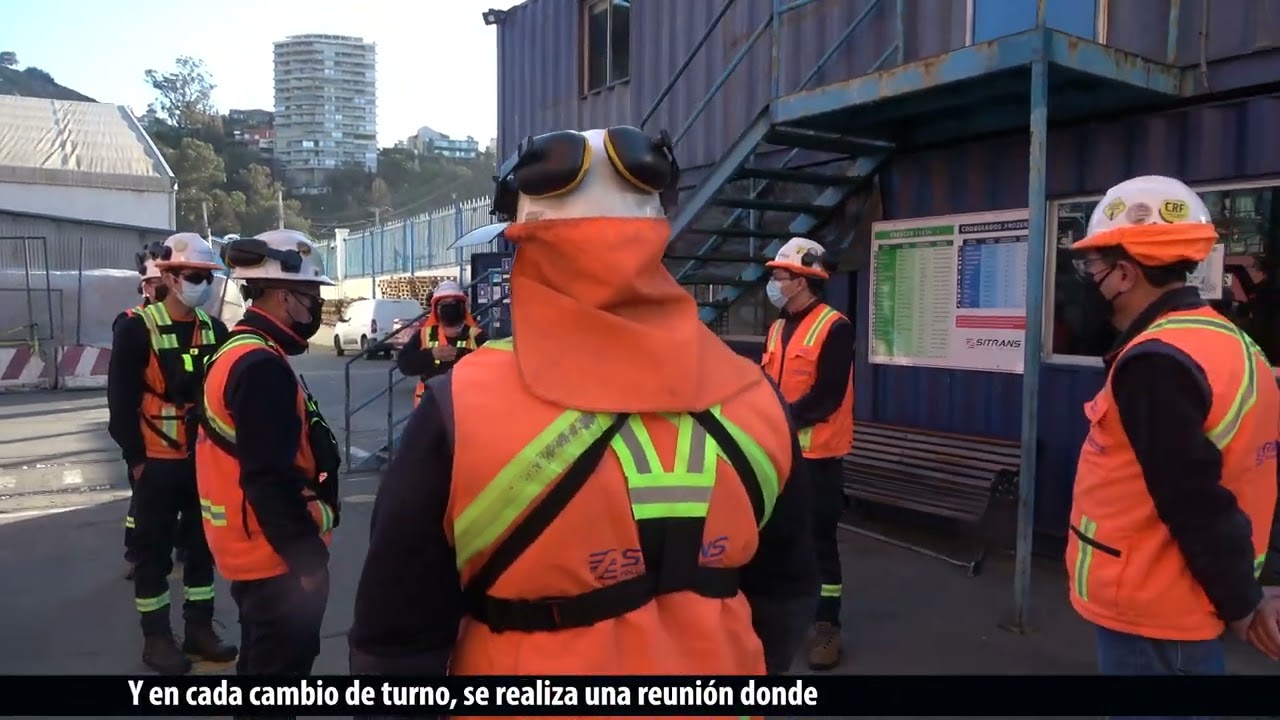
Conozca la Unidad Reefer de Sitrans en TPS
2K
Cold chain management in refrigerated container logistics involves continuous temperature monitoring and control throughout the transportation process, from production to final destination, using specialized personnel (frigoristas), technological systems (such as tablet-based monitoring with algorithms), and rigorous international standards to ensure products arrive in optimal condition, thereby protecting business operations, maintaining product quality, and representing the country's image abroad.
Click to watch →
Deep Dive
The environmental history of refrigeration, from the introduction of ozone-depleting CFCs to modern transitions toward low-GWP (Global Warming Potential) refrigerants.
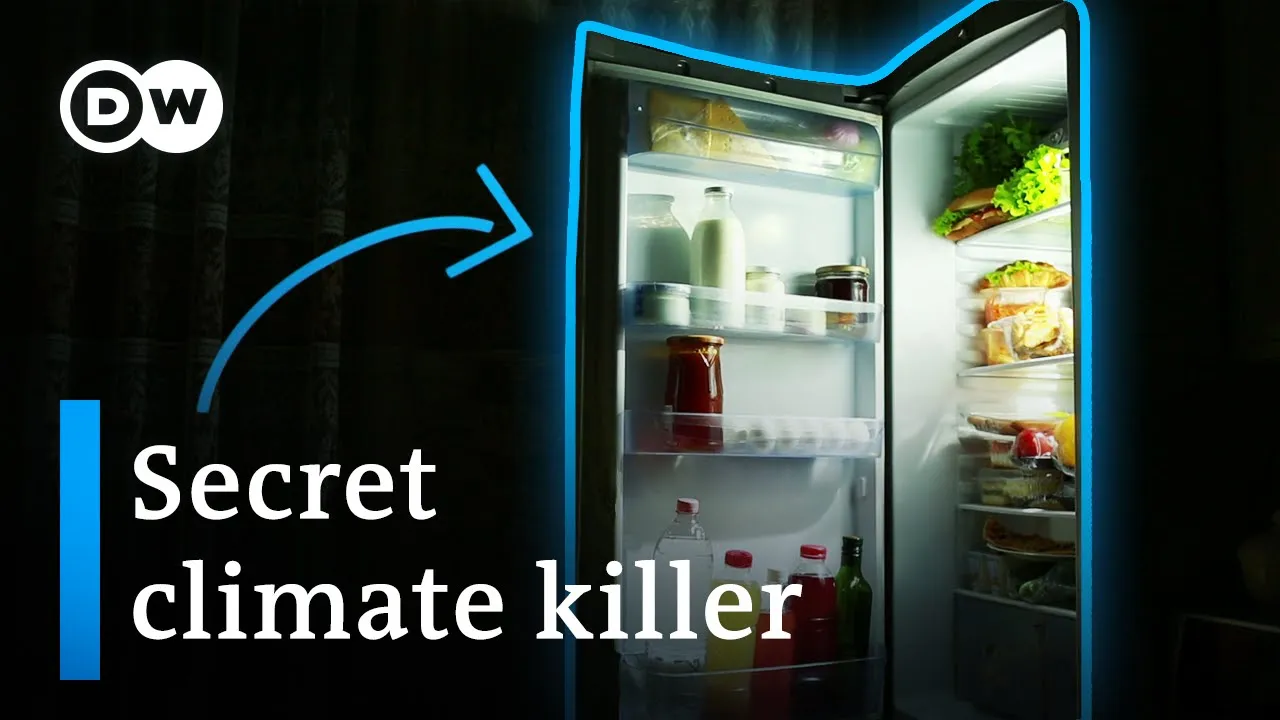
Refrigerants: The climate killer hiding in your kitchen
101.4K
Refrigerant history reveals a pattern of unintended consequences. Ammonia (1850s) was phased out due to toxicity, replaced by CFCs and HCFCs. Scientists discovered these caused ozone layer depletion in the 1980s, leading to the 1987 Montreal Protocol. Second-generation HFCs solved ozone problems but created new climate crises with GWP in the thousands. The 2016 Kigali Amendment addresses this, but synthetic alternatives like HFOs raise new concerns about side products and persistent compounds like TFA. This evolution shows how technological fixes often create new problems requiring ongoing international cooperation.
Click to watch →
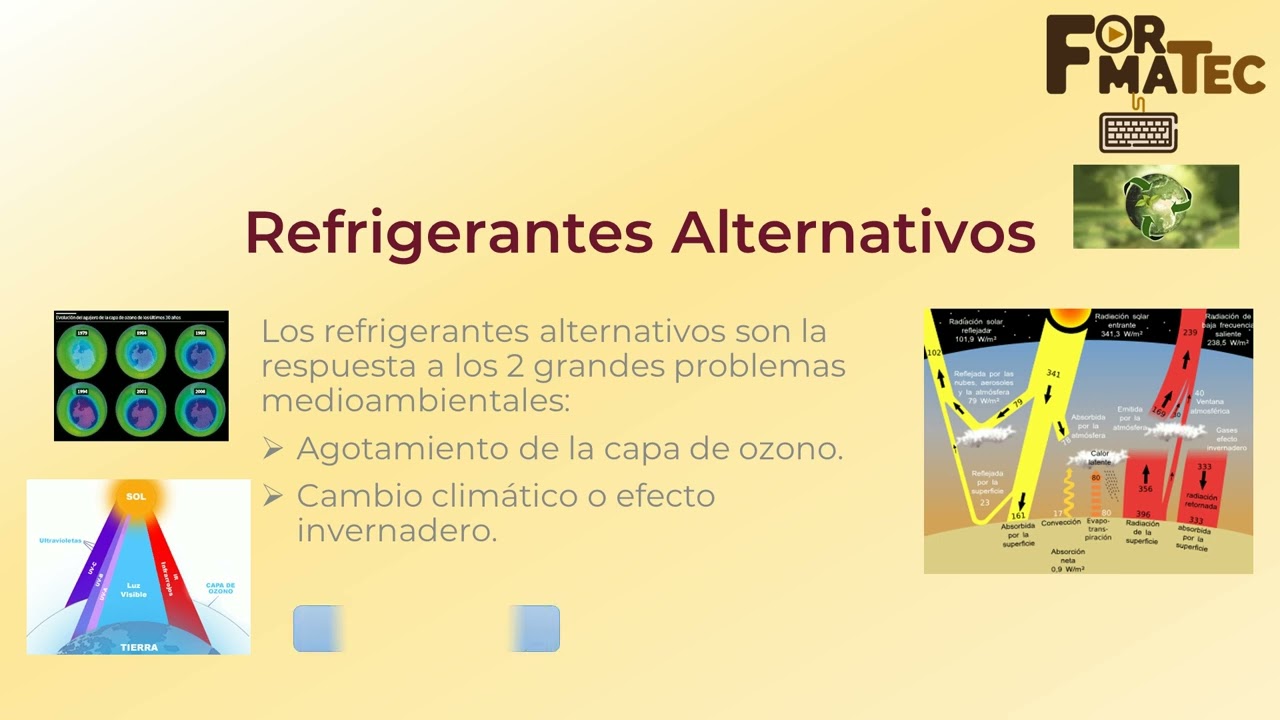
Video Impacto ambiental Sistema Refrigeración TEWI
1.1K
Thomas Midgley developed CFCs in 1928, revolutionizing refrigeration by replacing toxic alternatives. In 1974, Rowland and Molina discovered CFCs destroy the ozone layer through chlorine-catalyzed reactions, where one chlorine atom can destroy over 100,000 ozone molecules. This led to the ozone hole over Antarctica, causing increased UV radiation reaching Earth's surface, resulting in skin cancer, cataracts, immune damage, reduced plant growth, and decreased agricultural yields. The Montreal Protocol (1987) established international agreements to phase out ozone-depleting substances. Refrigerant evolution progressed from natural refrigerants (CO2, ammonia, hydrocarbons) to CFCs (R12, R502) for safety, then to HCFCs (R22) as transitional substitutes with lower ODP, and finally to HFCs (R134a, R410) with zero ODP but high GWP. The Kyoto Protocol addressed global warming concerns, while European regulations like F-Gas progressively restrict high-GWP refrigerants.
Click to watch →

Jornada RSIF y RITE
9.8K
Refrigerants are evaluated using two key environmental indices: ODP (Ozone Depletion Potential) measuring ozone layer damage with chlorine as reference (ODP=1), and GWP (Global Warming Potential) measuring greenhouse effect with CO2 as reference (GWP=1). The refrigerant evolution has cycled from natural refrigerants (hydrocarbons, CO2, ammonia) in 1880, to CFCs for safety, to HCFCs for ozone protection, to HFCs for zero ODP, and now returning to natural refrigerants due to climate change concerns. Natural refrigerants like R32 (GWP=675) offer approximately 50% of R410A's environmental impact, making them attractive alternatives within current EU regulatory limits.
Click to watch →

History of Refrigeration full details
184
Refrigeration, the process of cooling substances for preservation, evolved from ancient Chinese ice collection to modern systems. In 1834, Jacob Perkins developed the first closed-loop refrigeration system using refrigerants that undergo phase changes. Chlorofluorocarbons (CFCs), developed by General Motors in 1920 and marketed as Freon, were widely used but caused ozone layer depletion by releasing chlorine atoms that catalyze ozone destruction. This led to the Montreal Protocol and the phase-out of CFCs. Modern alternatives include HFC-134a (zero ozone depletion but high global warming potential) and hydrocarbons (low environmental impact but flammable). The ideal refrigerant should have zero ozone depletion potential, low global warming potential, and low flammability.
Click to watch →

Teoría de lubricación en compresores de refrigeración y selección correcta de tipos de lubricantes.
5.4K
Refrigerant evolution has followed environmental concerns: (1) Early refrigerants (CO2, NH3, hydrocarbons) had zero ODP and GWP; (2) CFC-12 (1930s) was widely used but has high ODP; (3) HCFC-22 (1980s) was a transition refrigerant; (4) Montreal Protocol (1987) began phase-out of ozone-depleting substances; (5) Kyoto Protocol (1997) addressed global warming potential. Modern refrigerants (HFCs, HFOs) have lower environmental impact but still require careful selection. HFCs (R-134a, R-404A, R-407C) are common refrigerants with moderate GWP. HFOs (R-1234yf, R-1234ze) are newer refrigerants with very low GWP.
Click to watch →
Deep Dive
Socioeconomic impacts of home refrigeration on 20th-century urbanization, consumer habits, and the rise of the supermarket model.
![[Conférence]Benoît Heilbrunn - Repensons la consommation pour mieux vivre ensemble](https://i.ytimg.com/vi/5TOEP82nR88/maxresdefault.jpg)
[Conférence]Benoît Heilbrunn - Repensons la consommation pour mieux vivre ensemble
466
Possession has costs beyond the purchase price: storage costs, mental costs (responsibility for what you own), and maintenance costs. At 40% of American garages cannot accommodate their cars because they are filled with boxes of 'stuff'—things bought but never used. The market for storage has grown significantly in 20 years, reflecting the problem of accumulation. The refrigerator is a fundamental object of consumer society because without it, there is no hypermarket culture. Americans created a 'fresh food' culture in the 1920s, which led to refrigerating cinemas and shopping malls. The refrigerator enabled food storage, which changed food practices and social relationships. Without refrigeration, excess food would be shared with neighbors, but with it, food can be stored indefinitely. This changed sociability in cities—people no longer know their neighbors, as the refrigerator eliminated the need for food sharing.
Click to watch →

127 The History of Ice and Refrigeration in the US
293
The ice box preceded modern refrigerators—wooden cabinets with ice compartments that allowed daily deliveries but had cleaning difficulties. Electric refrigerators emerged around 1915, perfected by General Electric in 1927. Despite the Depression, they sold rapidly due to reliability and lower long-term costs. By WWII's end, most Americans owned refrigerators. Supermarkets adopted refrigeration for visible storage, enabling frozen food aisles and weekly shopping. Americans now have the world's largest refrigerators, storing everything from groceries to prepared meals, fundamentally changing eating habits and food preparation.
Click to watch →
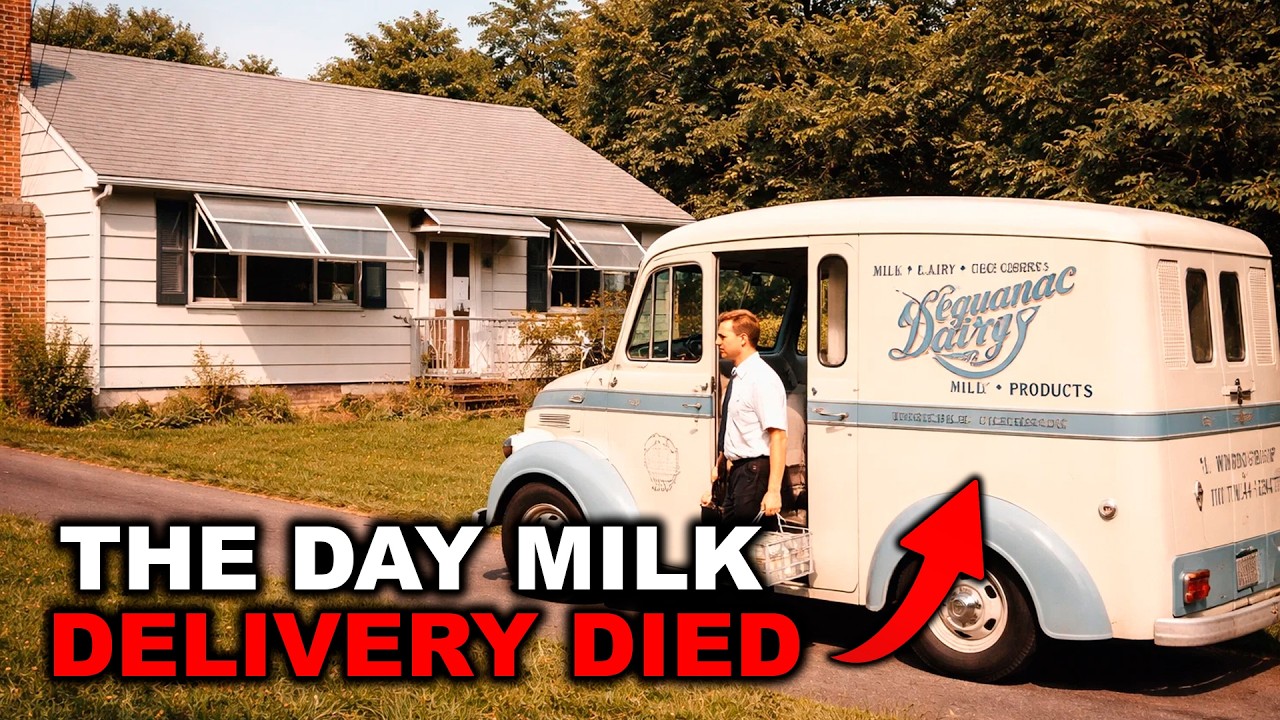
The Divco Milk Truck Tragedy: How America's Most Recognizable Delivery Vehicle Vanished Forever
3.4K
The first supermarket opened in Queens, NY in 1930, eliminating delivery, clerks, and service. Customers drove to large stores, selected products themselves, and carried purchases home. Lower overhead meant lower prices. This model required widespread car ownership and home refrigerators. By 1950, prerequisites arrived: suburban expansion meant nearly every household owned a car, postwar prosperity meant most homes had refrigerators. The weekly grocery trip became feasible, making bulk buying more economical than daily delivery. For dairy companies, this created a brutal dilemma: home delivery was expensive while supermarket distribution was cheap. To supply supermarkets profitably, dairies had to cut costs—the easiest cost to cut was home delivery. This created a death spiral: raising prices made home delivery less competitive, accelerating customer exodus. By 1950, 63% of milk was delivered to homes; by 1960, 38%. The decline was linear, predictable, and unstoppable.
Click to watch →

How Supermarkets Took Over | Full Documentary
117.1K
Clarence Birdseye developed fast-freezing technology in the 1920s, but adoption was limited because few households had domestic freezers. The advent of home freezing in the 1940s transformed food consumption by allowing households to store perishable foods for months rather than hours or days. This technological advancement meant consumers could buy perishable items without immediate consumption pressure, fundamentally changing weekly shopping, meal planning, and cooking habits. Households could now purchase larger quantities, knowing they could preserve excess food for future use.
Click to watch →

Why nobody goes into town anymore.
2.4K
The introduction of household refrigerators and automobiles fundamentally changed consumer behavior and retail patterns. Before fridges, people needed to go into town every couple of days to buy food because they couldn't store perishables. Once fridges became common (around 1967-68 in Colchester), people could store food for 2-3 days, eliminating the need for daily shopping trips. This technological advancement enabled bulk shopping, which in turn required cars for transportation. The fridge essentially freed women from daily shopping responsibilities and enabled the shift to weekly supermarket shopping. This shift was crucial because it enabled the move to out-of-town retail parks where larger stores could operate with lower rents. The combination of refrigeration technology and automobile ownership created the conditions for the decline of high street retail and the rise of suburban shopping centers.
Click to watch →
Deep Dive
Advanced food science preservation technologies, such as flash-freezing, freeze-drying, and modified atmosphere packaging (MAP).

Bachelor Recap: Finale | Love Triangle Of Sadness - Ep 207 - Dear Shandy
28.8K
Flash-freezing technology rapidly freezes food products at extremely low temperatures within seconds, preserving the cellular structure and preventing ice crystal formation that damages texture. This process maintains food quality, taste, and nutritional value better than conventional freezing methods. Frozen meals using this technology can retain freshness and flavor while remaining convenient for quick preparation, representing an advancement in food preservation science.
Click to watch →

SEVEN Food Preservation Ideas For Winter
62.2K
Freeze-drying extends food preservation beyond traditional canning. Boiled cranberries lose vitamin C but retain flavor—freeze-drying preserves this flavor for baked goods like muffins. Similarly, freeze-dried tomato sauce creates powder that instantly thickens liquids like tomato juice. Pre-canned chili base dramatically reduces meal preparation time—simply empty into pot, add pureed garlic, tomato juice, beef broth, refried beans, and kidney beans. This saves approximately 5 minutes compared to starting from scratch.
Click to watch →

Я ПОПРОБОВАЛ САМЫЙ ДОРОГОЙ ИРП В МИРЕ 🇺🇸 (15 лет хранения!)
360.6K
Sублимация is a food preservation method where food is first frozen and then placed in a vacuum chamber, causing ice to transform directly into vapor and removing water at the molecular level, which prevents bacterial growth and extends shelf life to 25-40 years; this technology, originally developed for space missions and military use, has evolved to create modern survival food products that claim to contain 40+ vitamins and minerals per serving, though actual taste quality varies significantly between products.
Click to watch →

Saturday NIGHT with Danny and Wanda - Live Chat!
24.3K
Advanced food preservation requires understanding equipment capabilities and limitations. Freeze-drying takes approximately 24 hours for watermelon when properly prepared. Pre-freezing food before placing in the freeze dryer optimizes efficiency by eliminating the time needed to bring food to freezing temperature. Oily foods resist freeze-drying due to oil interference with the sublimation process. Successful preservation requires matching techniques to food characteristics and understanding equipment operation.
Click to watch →

They Escaped the City & Make Money Homesteading
496.6K
Freeze-drying preserves food by removing water while maintaining flavor, texture, and nutrients. The Hills use a freeze dryer costing approximately $3,500, with batch costs ranging from $2-6 depending on size. They prepare eggs by scrambling before freeze-drying, as whole eggs don't process well. They rehydrate foods by adding boiling water and letting them sit for 15 minutes. Freeze-dried herbs retain superior flavor compared to dehydrated herbs, with tiny amounts creating intense flavor in broths. They store food in Mylar bags with oxygen absorbers for 10-year storage, or use vacuum sealers for shorter-term storage. Proper storage conditions significantly affect food preservation quality. The Hills store freeze-dried food in a room reaching 76°F in summer and cold enough to require space heaters in winter. They rotate food annually, using older stock first and replacing with new harvests. Properly stored freeze-dried food lasts about 10 months before quality degrades.
Click to watch →
Old Preservation
Refrigeration Shift
Global Food Net
Dietary Leap
Urban Growth
Silent Revolution
Old Preservation
0:00- 1
Before cold boxes, food safety relied on salting, smoking, or ice.
- 2
Traditional methods were limited and seasonal in their effectiveness.
The Hidden Costs of Cold: Environmental Degradation and Food System Vulnerability
While mechanical refrigeration enabled global food distribution, critics highlight its severe environmental and systemic drawbacks. The global 'cold chain' relies heavily on energy-intensive technologies and chemical refrigerants—historically ozone-depleting CFCs and currently potent greenhouse gases (HFCs) that accelerate climate change. Furthermore, this reliance has marginalized sustainable, traditional preservation methods like fermentation, salting, and drying, fostering an industrialized food system dependent on continuous energy. This centralization creates immense vulnerability to power grid failures and supply chain disruptions, where a single break in the cold chain leads to catastrophic food waste and the proliferation of pathogens like Listeria, which thrive in chilled environments. Thus, critics argue refrigeration has locked humanity into an ecologically damaging and fragile food paradigm.
Basic principles of thermodynamics, including heat transfer and how phase changes absorb or release energy.
Traditional, pre-industrial food preservation methods, such as salting, smoking, fermentation, and natural ice harvesting.
The biological mechanisms of food spoilage, specifically how temperature influences the growth of bacteria and other microbes.
The general structure of 19th-century global trade and the historical limitations of shipping perishable agricultural goods.
The engineering and logistics of the modern global 'cold chain,' including refrigerated containers (reefers) and temperature-controlled pharmaceutical distribution.
The environmental history of refrigeration, from the introduction of ozone-depleting CFCs to modern transitions toward low-GWP (Global Warming Potential) refrigerants.
Socioeconomic impacts of home refrigeration on 20th-century urbanization, consumer habits, and the rise of the supermarket model.
Advanced food science preservation technologies, such as flash-freezing, freeze-drying, and modified atmosphere packaging (MAP).
551 views15likes0:47@WhatWouldHappenAfterOriginal Release: 2026-04-16
Before cold boxes, keeping food safe was hard. Traditional preservation used salt, smoke, or ice cut from winter lakes, but the invention of mechanical refrigeration caused profound and unexpected transformations. Suddenly, fresh food could travel for weeks on ships and trains, creating a new global system. This single idea led to huge dietary changes. For the first time, people in cold places could eat summer fruits in the middle of winter, improving health for millions. This also sparked major economic and societal growth. The ability to move food allowed cities to become much larger than ever before. A simple invention quietly changed what we eat, where we live, and how our entire world connects, proving that keeping food cold could start a revolution.
Up Next
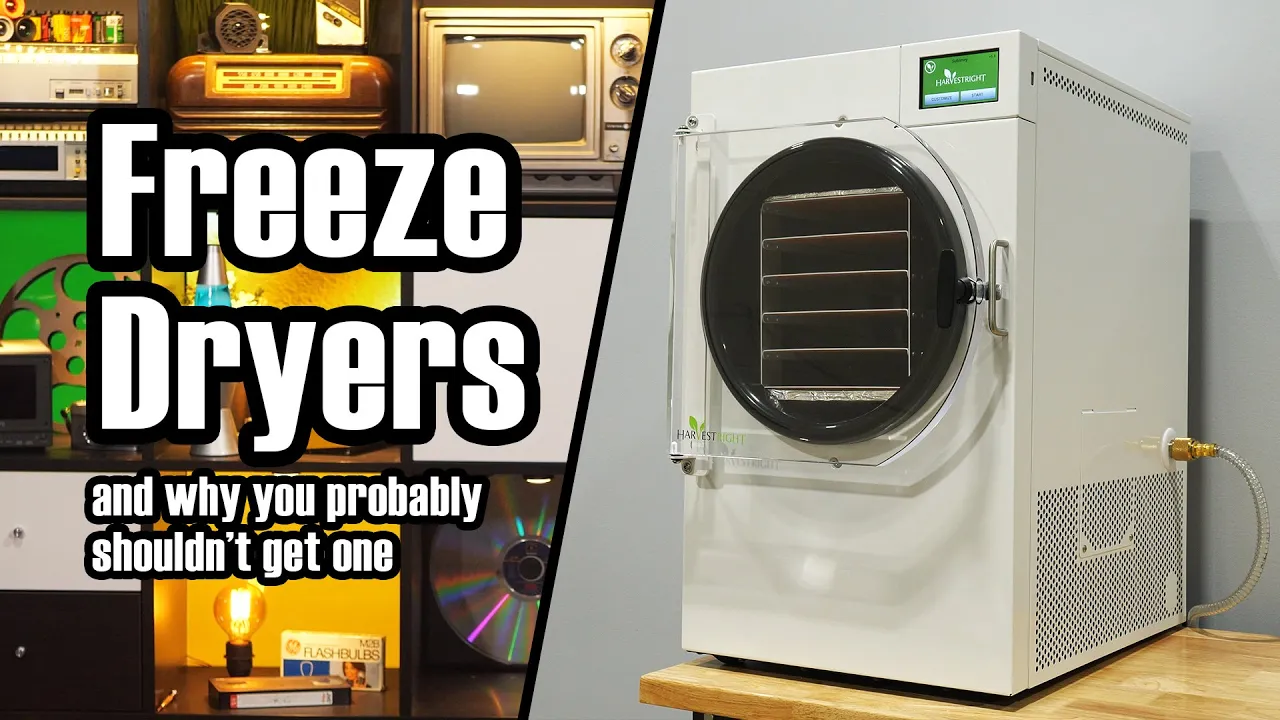
60:15
Freeze Dryer Analysis: Performance, Costs, and Maintenance
@TechnologyConnections
3.5M views•2024-10-31

12:54
Triumph of Orthodoxy Icon: Byzantine Art & History Explained
@BenCallan
2.1K views•2024-08-06

9:49
FastAPI vs Flask vs Django: Choosing the Right Python Web Framework
@TechWithTim
302.5K views•2024-05-26

1:42
Game of Thrones Opening Credits: A Cinematic Analysis
@gameofthrones
46.3M views•2011-04-18
Related Study Plans & Knowledge Roadmaps
Structured learning paths in General & Interdisciplinary Studies
general-studies
Elevator Engineering: History, Physics & Cities
01From Hoists to Safety Brakes: The Dawn of Vertical Lift
02Hydraulic vs. Traction: The Engineering Physics of Elevators
03Modern Speed, Safety, and Algorithms
+ 2 more learning modules
12h5 modules
Explore Roadmap
general-studies
Rubber: Material Science, History & Geopolitics
01Origins of Natural Rubber & Mesoamerican History
02The Chemistry of Natural Rubber & Vulcanization
03The Geopolitics of the Rubber Boom & Colonization
+ 2 more learning modules
12h5 modules
Explore Roadmap
general-studies
Containerization: Evolution, Logistics & Trade
01Ancient Trade & Bulk Cargo: Amphorae to Barrels
02The Industrial Revolution & Cardboard Packaging
03The Containerization Revolution: Malcom McLean
+ 2 more learning modules
12h5 modules
Explore Roadmap
general-studies
Textile Tech: Evolution, Labor & Global Impact
01Pre-Industrial Textiles: Handloom & Cottage Industry
02Mechanization: The Spinning Jenny to the Power Loom
03The Factory System & Global Labor Transformation
+ 2 more learning modules
10h5 modules
Explore Roadmap