





















Cultural appropriation in food occurs when individuals or groups with greater resources profit from selling simplified, watered-down versions of traditional foods from other cultures, often without understanding or respecting the authentic preparation methods, which results in less delicious food and threatens the survival of traditional culinary practices.
Does Cultural Appropriation in Food Exist? A Korean Chef's Perspective
Added:The sociological definition of cultural appropriation and how it differs from cultural exchange, appreciation, and assimilation.
The concept of 'foodways' and how culinary traditions are inextricably linked to cultural identity, history, and community heritage.
The role of power dynamics and historical inequalities (such as colonialism and globalization) in shaping how cultural elements are adopted by dominant cultures.
An understanding of culinary authenticity and how the perception of 'authentic' food is constructed and valued in global food markets.
Guidelines and ethical frameworks for practicing respectful 'culinary appreciation' and proper attribution in professional and home cooking.
The economic impact of food gentrification and how the commercialization of marginalized cuisines by outsiders affects minority-owned food businesses.
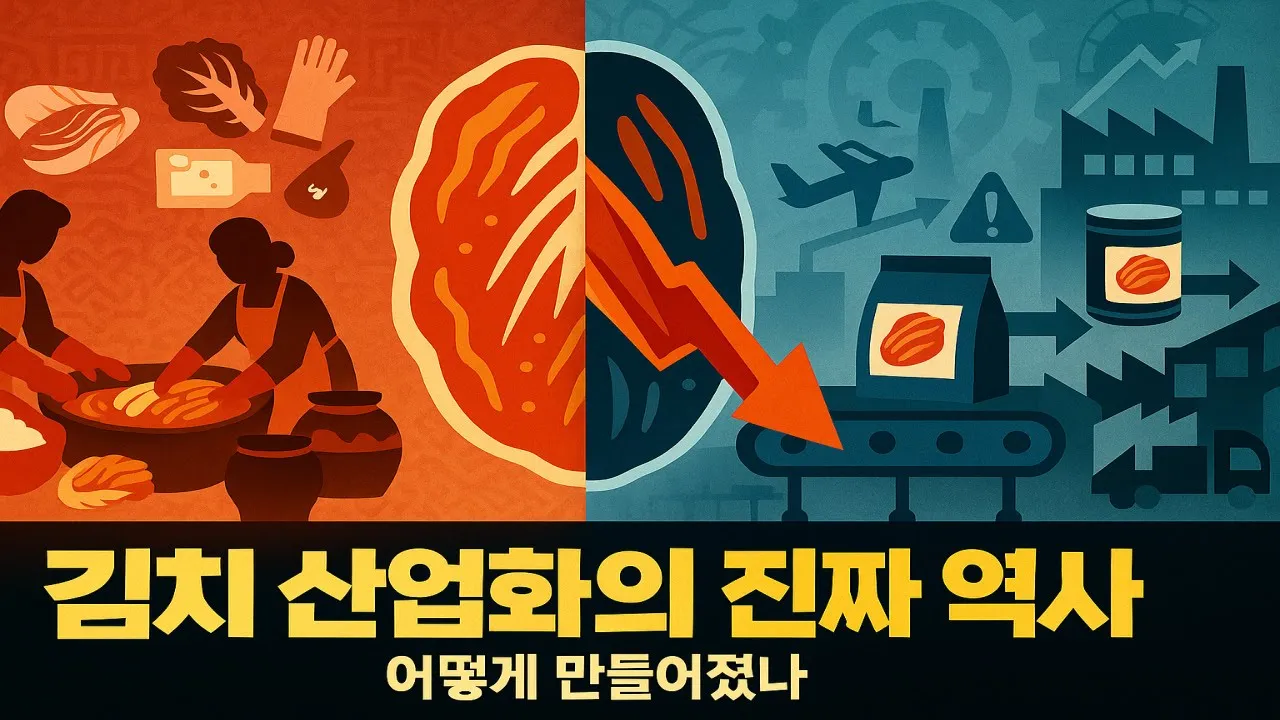
Case studies of recent culinary controversies (e.g., the rebranding or patenting of traditional ingredients like kimchi, pho, or turmeric) to analyze public and industry reactions.
Legal and institutional mechanisms for safeguarding culinary heritage, such as UNESCO's Intangible Cultural Heritage designations and Geographical Indication (GI) status.
160.2K views12.8Klikes2:41Original Release: 2022-04-05
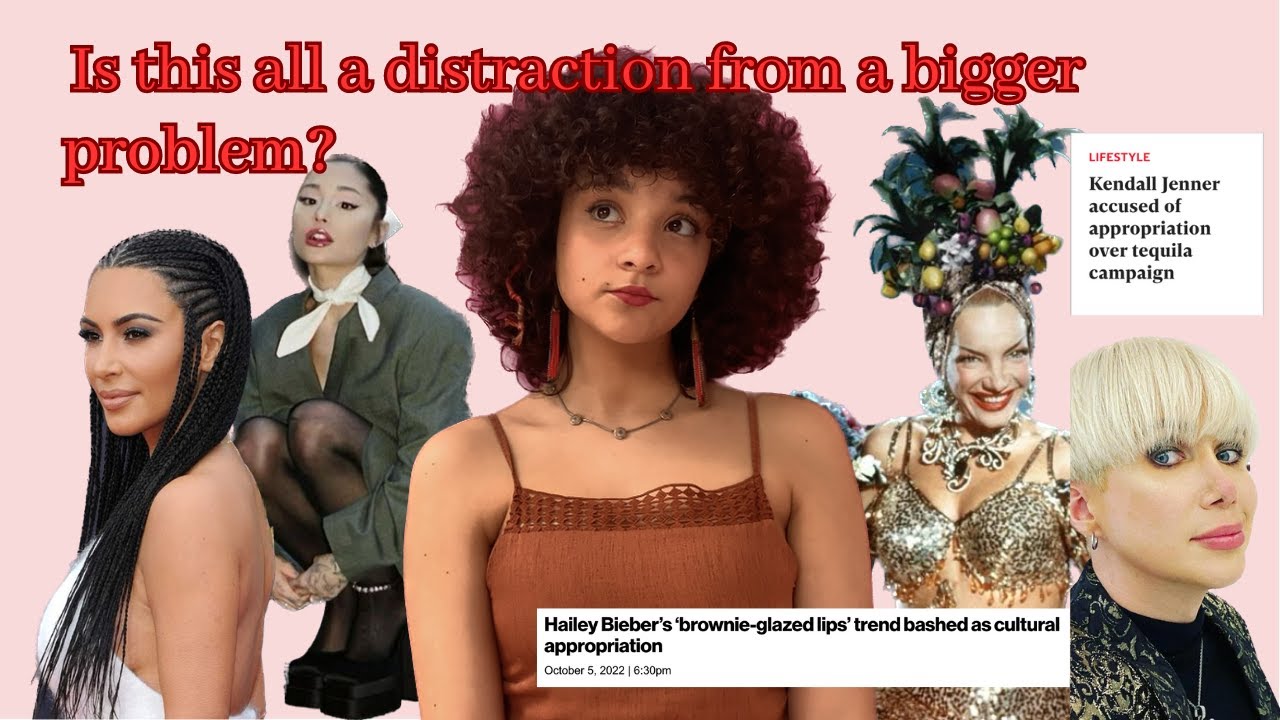
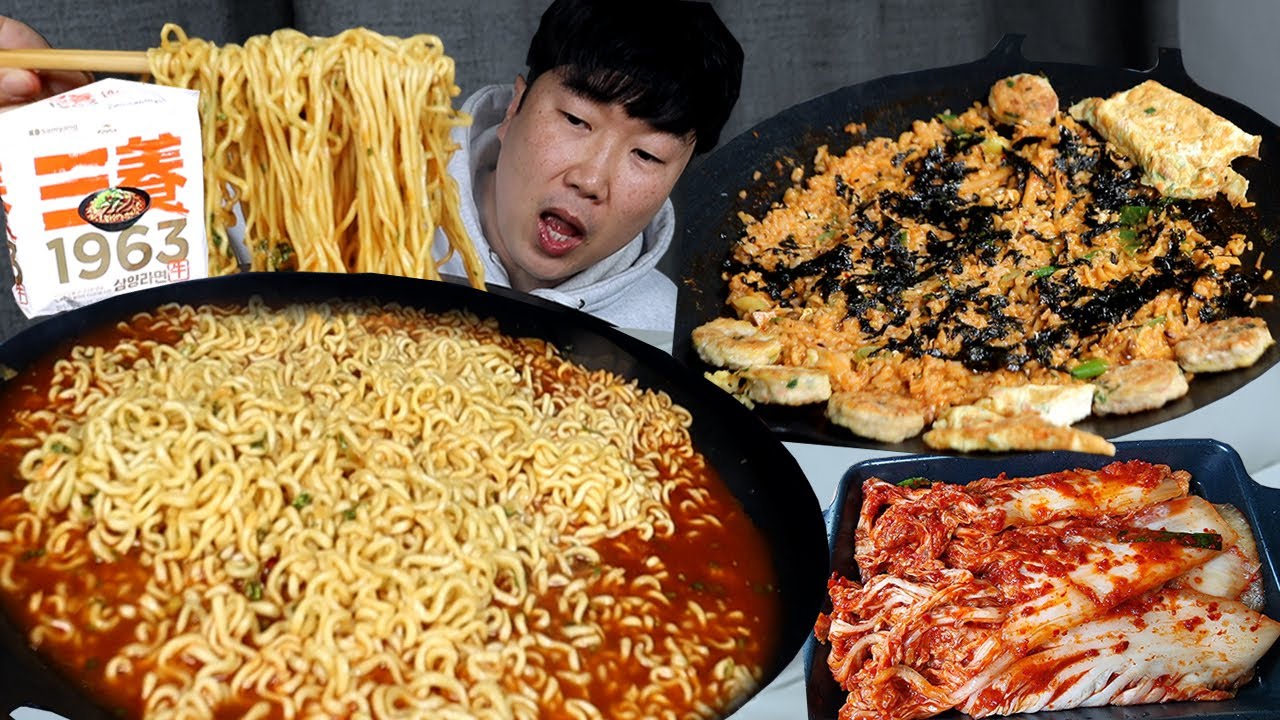
i never thought that oi kimchi or cucumber kimchi would be the center of so much controversy i know cultural appropriation and food is admittedly a tricky issue and some people think it just doesn't even exist but imagine if your family owned a small bakery one filled with all the delicious breads and cakes your grandma made when you were little and there was a chain bakery across the street one that spent a good chunk of its seven-figure marketing budget telling everyone how strange and gross your bakery is it hurts your business it hurts your feelings but you stick to it and keep making and selling what you love and then a few years later all of a sudden the chain bakery starts making a cheap knockoff of the very same breads and cakes they used to tell everyone was disgusting and because their budget is a thousand times larger than yours they're able to outsell you and what's worse their breads and cakes don't taste nearly as good as your own but now because so many people are eating the knockoffs they've been misled into thinking this lesser version is the way it should taste and as you shudder your doors and file for bankruptcy you start to wonder if i can't compete with chain bakery making watered-down versions what's going to happen in 10 20 50 years will grandma's breads and cakes still even exist or will they get lost between big dollar budgets and the reach of those who have always had more i know what you're thinking this is an exaggeration but that's the point in law we're taught to apply a concept to the most exaggerated scenario in order to derive the rule because it's those rules that prevent these exaggerated hypotheticals from ever happening but as a cookbook author and recipe developer of korean descent i can tell you this is not an exaggeration it's frustrating when i see non-asian cookbook authors creating watered-down versions of korean food who sell more books who get more views who derive far greater profit margins than those who've spent their whole lives eating and cooking korean food including those people who've made fun of us for eating that food simply because they were born with greater resources it's also very frustrating to see non-korean food bloggers chop up their kimchi with a knife because it's easier without taking the time to understand why we use our hands to tear the leaves why we roll them into tight packages before pressing them down into our kimchi jars instead of chopping them up into bite-sized pieces that so much gets lost with the mass proliferation of culture when neophytes masquerade as experts i've said it before and i'll say it again i don't care what you make in your own kitchen i also don't care if you mix and match and try new things and i don't particularly care whether something is authentic or not bottom line cultural appropriations i.e when certain persons or groups leverage their privilege to profit off the sale of someone else's culture without commensurate compensation results in less delicious food period
Up Next
4:37
Saving Face in Cross-Cultural Communication: Essential Skills
@cherylobalcrossculturalexpert
2.6K views•2021-09-13

38:41
Astrobiology Through an Anthropological Lens: Field Insights
@georgiatechastrobiology
128 views•2021-04-14

4:45
Proxemics Explained: The Study of Personal Space
@Vox
536K views•2016-07-05

10:38
Psychology of Internet Trolling and Pranks Explained
@AzzyLand
10.7M views•2017-12-20
Related Study Plans & Knowledge Roadmaps
Structured learning paths in Anthropology
anthropology
Space Anthropology: Analogs, Culture & Habitats
01Foundations of Space Anthropology & Cosmic Imaginaries
02Extreme Isolation & Micro-Societies in Orbit
03Space Analog Habitats & Earth-Based Simulations
+ 2 more learning modules
15h5 modules
Explore Roadmap
anthropology
Legal Anthropology: Customary Law & Pluralism
01Foundations of Legal Anthropology and Social Justice
02Legal Pluralism: Coexisting Legal Systems
03Customary Law and Indigenous Dispute Resolution
+ 2 more learning modules
15h5 modules
Explore Roadmap
anthropology
Global Tourism: Gaze, Authenticity & Heritage
01Introduction to the Sociology of Tourism
02The 'Tourist Gaze' (John Urry)
03Staged Authenticity in Tourism
+ 3 more learning modules
14h6 modules
Explore Roadmap
anthropology
Modern Kinship (ART, Adoption & Chosen Family)
01Foundations of Kinship and Family
02Assisted Reproductive Technologies (ART) & Relatedness
03Transnational Adoption and Global Kinship
+ 2 more learning modules
12h5 modules
Explore Roadmap