










![Stigmatisierung in Perfektion - KLARTEXT [PI POLITK SPEZIAL]](https://i.ytimg.com/vi/DUBRmlQPs2g/maxresdefault.jpg)





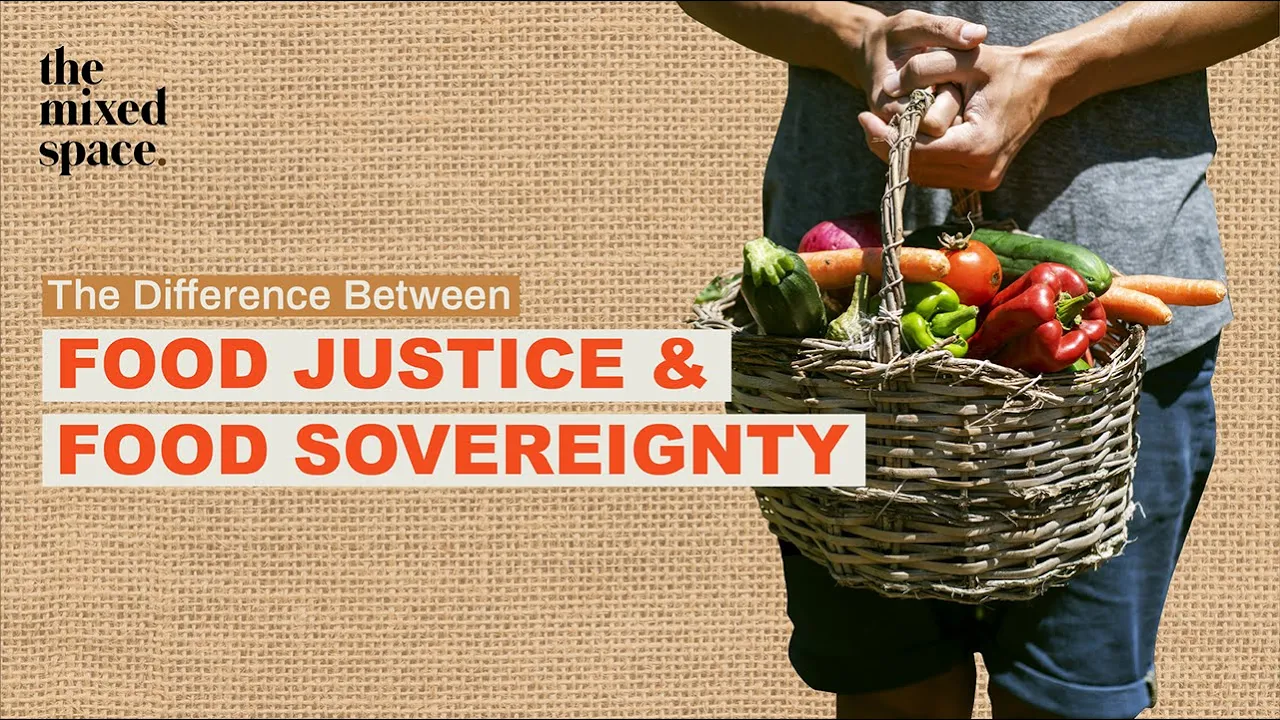











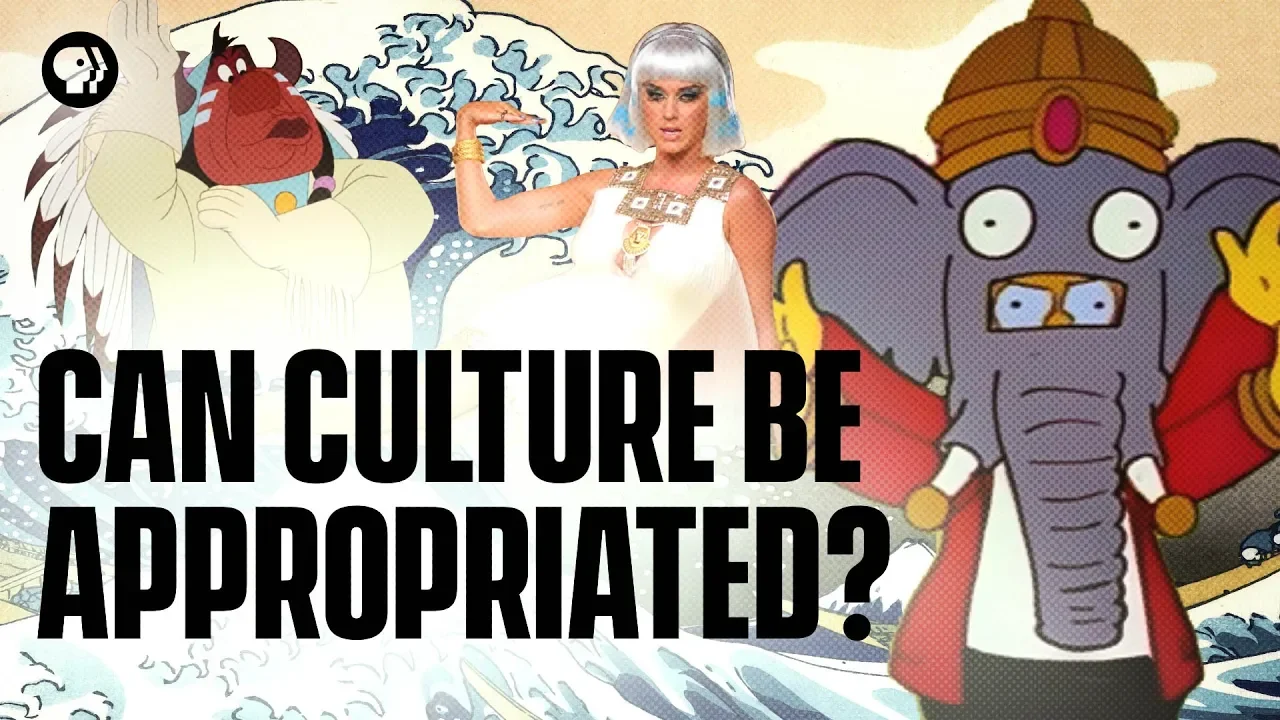
Food gentrification occurs when dominant groups take traditional dishes from marginalized cultures, rebrand them with new names, and claim credit for them, stripping the original cultural context and history from the food. This process transforms authentic cultural foods into trendy innovations, often while the original creators receive no recognition or credit.
Cultural Food Appropriation and Gentrification in Media Analysis
Added:The sociological definition of cultural appropriation, specifically the power dynamics between dominant and marginalized groups.
Basic concepts of gentrification, including economic displacement, demographic shifts, and urban development.
The relationship between foodways, cultural heritage, and personal/collective identity (the sociology of food).
Fundamentals of media analysis, including how framing, narrative construction, and representation shape public discourse.
The principles of 'culinary justice' and 'food sovereignty,' exploring how communities reclaim control over their food systems.
Policy and planning solutions to mitigate food gentrification, such as community-owned grocery stores and zoning laws that protect legacy food businesses.
Ethical guidelines for food journalism, culinary marketing, and social media content creation that avoid exploitative practices.
Deep-dive case studies on specific ingredients or dishes (e.g., quinoa, kale, tacos) that have undergone global commodification and cultural erasure.
173.8K views10Klikes28:12Original Release: 2026-02-25
Whoa. It's a beautiful day to do these reactions, man. Listen, like it before you like it. Hit the sub before you hit the but join the team before you hit the green, dog. I found a funny ass video to really really It's just going to piss a lot of people off who don't look like me and you. But it is what it is, dog. So, it what prompted it was this first video. This Asian dude basically coming for white folks about how they are basically gentrifying their food. And this [ __ ] really had me laughing cuz he went in, bro. [laughter] Hit the sub button and hype the video up, man. If you got some hypes left over, bro, I need all the hypes. I need it like a crackhead need a pipe, you dig? That was my little fake pug uh impersonation. Don't don't don't unsub, bro.
>> Let's talk about black people in Asian business. I came across this video a couple of weeks ago, and it's a video of a black woman making oxtail fu. She made oxtail fur, not African noodles, not Asian soup with oxtail. Respect, solidarity. A perfect blend between boundaries and mixing of culture. Black people, Asian people. Now, let's see what happens when these whites gets their powdery ass hands on our culture.
First of >> I love how he said these whites.
Usually, whenever we hear something along those lines, it's them saying those other people. white saying those blacks, those Hispanics, those illegals.
You know what I'm saying?
>> Foremost, we got brothy rice. One of these white signature moves is that they would take people of color struggle meals and then rebrand it into some white [ __ ] [ __ ] Asians would eat broth with rice or whatever soup we have with rice because that's literally all we had at the time. Now, of course, with their full cacity, they would come in and call it >> I like that. He said coauacity. I like that.
>> This whole concept and call it brothy rice. In this particular case of colonization, she calls it viral detox brothy rice. [ __ ] do you even know what those words means? Now, I really want you guys to notice these are not even clan level whites and they're already this bad. They're [ __ ] pretentious. They're sanctimonious and they think they invented all of this [ __ ] Saying [ __ ] like one pot hot pot.
Logan, every hot pot is a one pot hot pot. Your brain is smooth as an egg. By the way, why are all the white twings just straight up evil? And let's just stop for a second because I want to talk to all the black people that are watching this video. Despite what I've said at the beginning of this video, respect, solidarity, black people, this participation is from your end. I don't think I have to warn you guys at all to be careful around some Asians because sometimes when we participate, we got [ __ ] like K-pop. Yuck. Let me put it in a way you guys would understand immediately. A lot of Asians are really comfortable inside the house. There are three very big Asian creators on this app, and I'm going to use these pandering ass pandas to describe to you exactly what >> this [ __ ] man.
I'd like to buy you a beer, sir.
[laughter] >> I mean, first of all, they are not the new age clan. That will be too simple.
As a matter of fact, just like liberal whites, they are exactly what Malcolm X warned us about. You usually would not know that they're dangerous until they do [ __ ] like ignore stuff like this or dockpile on an Asian lady when she's speaking facts. One of these Asian creators behaves exactly like a white woman. Crying on camera, manipulating the narrative, tagging and calling the FBI and [ __ ] doxing Asian women. Let's talk about >> I ain't going to lie, I like this dude.
This video alone just made me follow him on TikTok. He mentioned Malcolm X. He know about some [ __ ] He's been studying. He's been perusing these African-American study streets, man.
Foundational black American, whatever you want to call it, sir. But nah, y'all got to see this [ __ ] right here, bro.
Dear white people of Tik Tok, we need to have a conversation about the remnants of your ancestors colonizing genes that still live in your body. I just came across three videos of three white women telling me that they invented something called brothy [music] rice.
>> You guys went wild for my viral detox brothy rice. And this is another variation of that recipe that you get to just throw [music] in one pot.
>> You know what I want from you? I want you to sit down and I want you to shut the [ __ ] up. Upon further review, brothy rice just seems to be a rice dish that is like a soupy dish from a lot of cultures that exists around the world.
But in true fashion, you guys discover something from a new culture, try to rebrand it, rem repackage it, and remarket it to us and say, "Look at this new new thing I discovered."
>> It's kind of like rock and roll.
different the asopa than I've had in DR or or the sinopa I had in Philippines when I went there or how black people make stew or or or or or smothered meat with gravy and how that's in the rice or gumbo for all that matters. But Asian people in particular have been making the the style of brothy rice you're saying forever. It's an everyday occurrence in their country. And you guys did this with spa water when you tried to repackage Aqua Fresca. You guys you did it with oxtail.
>> My first time [music] trying oxtail protocol to eat with your hands because I do.
>> Someone let me know if this is protocol.
I'm going to eat it with my hands.
It's delicious.
>> It does taste like short rib.
>> You guys did it with tacos and you did it with with with with with [music] caviar cowboy caviar salad, which is just salsa. you do with Tiny's Mac and Cheese. Everything is Tin's Mac and Cheese. Tiny's mac and cheese.
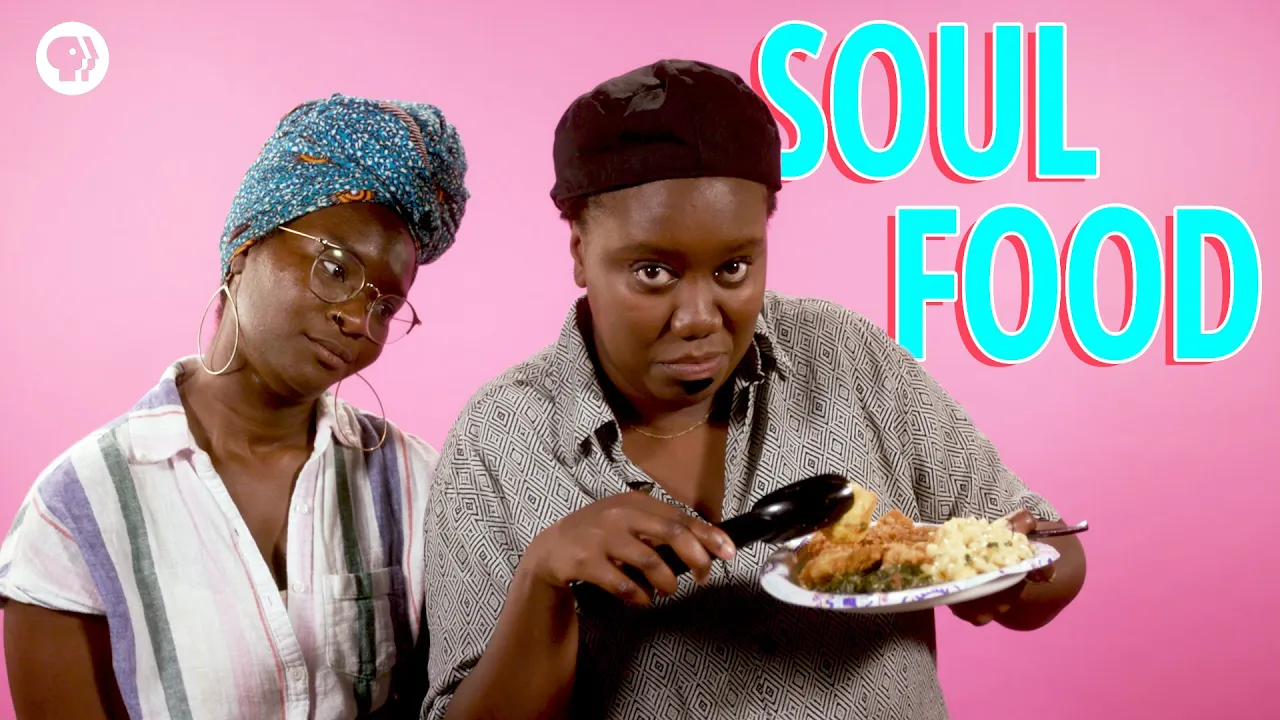
[music] >> My husband made me Tiny's favorite >> T's mac and cheese when it's just black people baked macaroni and cheese, which is soul food.
>> Quick side note, at least once a day I get a comment or an email asking, "How do I do this YouTube thing? How do I make reaction videos?" If you're interested in making money on YouTube and not just arguing in the comment sections, I run a private YouTube growth group. We do weekly calls, live channel audits, and you get to see how other creators are making money, plus how I got this channel to where it's at 37,000 today when it only had 3,000 in October and how I plan on making this channel go to 100K before the end of the year. Link in the description.
Every time you guys discover something, instead of just appreciating it and making it, you're like, "This is this new thing. I did I created brothy rice."
All you had to do was say, "Hey guys, I'm really inspired by Asian cultures and Asian dishes and how they eat rice [music] based soups. Look at this. Look at this dish I learned from my Vietnamese friend. Look at this dish I learned from my Filipino friend. Look at this [music] dish I learned from my Japanese friend." But no, say my question is, have they ever done that? Hey [clears throat] guys, look at this unclaimed land I found over here in in the Americas. [laughter] Let me just take it.
Hey man, real talk. One time dog, I ran into a white dude, right? And we was in uh uh San Francisco, right, at the airport just randomly making small talk with this white dude. Heavy heavy southern accent. I'm going to try to impersonate him.
You know, uh San Francisco is known for their Mexican food, but I tell you what, I have a brother-in-law, right, from Arkansas. He makes the absolute best tacos you've ever had in your life.
Yeah. Yeah. Yeah. I know that white I mean white people didn't invent tacos, but my brother, I promise you I would not steer you in the wrong direction. If you ever find yourself in Little Rock, check him out. And I forgot the name of the place, dog, but that's how he was sounding telling me this [ __ ] And I'm just like, damn, dog. [sighs and gasps] The nerve, man. a country ass white dude think his people make better tacos than the Mexicans in San Francisco. I just was I was taken a back when he told me this [ __ ] I was just laughing in my head, bro. I ain't going to lie to you.
>> A few weeks ago, I made a Tik Tok about the gentrification of food right here.
And I got a lot of comments saying that gentrification can only happen in neighborhoods and that I was using the word gentrification out of context. But if you are a person of color, then you would know that gentrification is happening not just in our neighborhoods.
It's happening with literally every aspect of our diaspora. Food, our clothing, our music, like literally everything. Let's talk about the current food trend. The Korean soy sauce marinated eggs. Mayok eggs. I think that's how you say it. I'm not Korean, but I do love me some Korean soy sauce marinated eggs. Mayok eggs are not new.
This has been around forever and now it's getting rebranded as Courtney Cooks soy sauce eggs or Courtney Cooks weird food combinations which also sounds like a microaggression in my opinion. I don't watch Courtney Cook's videos a lot but I do know a little bit of her background.
I know that she's really appreciative and open to Asian food. I have no hate against her, but I do think it's funny that Asian food is only appealing to white people when another white woman is able to translate it for them and basically make it seem more edible for them. This is what food gentrification looks like. The food itself doesn't change, but the audience does. Once it's validated by white creators, suddenly it's innovative. It's accessible. It's aesthetic. It's so cool. It's so smart.
There's never any contacts. There's never any credit. There's never any history on it. And I'm not saying gaykeep Asian food. Nobody here is gaykeeping anything. Eat it, love it, share it, do whatever you want. But at least name it, and respect where it comes from. That's literally the bare minimum. Feel >> say dog. Y'all know what's interesting though, man. This gentrification [ __ ] is real. I was thinking about it. I used to work at a seafood restaurant and I learned while working there that lobster cuz we sold lobsters like big ass stupid lobsters, dog. And I learned that lobsters used to be considered a poor man's food. Real talk, bro. Now you associate lobster with like high-end steakous and [ __ ] Like you can add a a 8 oz lobster tail, Alaskan lobster tail to your [ __ ] right? That [ __ ] used to be cheap back in the day, man. White folks didn't gentrified oxtail. That [ __ ] expensive as hell now. You might as well buy your steak dead ass. Because I can think of some white people right now. These are white owned businesses.
Y'all ain't never heard of no oxtail before, bro. Oxtail was the cheapest [ __ ] you could buy. Your grandma used to put them in soups and [ __ ] Now they putting them on smokers and they and they stole that too because the first person I seen smoking oxtail was your boy Ellies barbecue. That's the first person I seen. Real talk. He was talking about softballs. That's what he was saying. And next thing I know, I started seeing white dudes smoking them. And that's when the price went up, dog.
Oysters. That's another one. It's poor man food. Y'all done gentrified the food. Not a [ __ ] expensive. Crazy work, man.
>> Oh my gosh, you guys. I discovered this brand new thing. like no one's had this before. So, everyone was asking me about it. I'll drop the recipe soon, but it's from Trader Joe's. It's brand new. It's never been done before. So, it's called a sloppy joe flatbread. So, it comes like this, but they do like Brooklyn style. So, you actually fold it to eat it, but it's so good. So, it's like chopped up meat, kind of like sloppy joe style, and you can put like hot sauce on it if you want. They gave me like the option for onions, but I didn't want to have onion breast, but anyways. So, it's the sloppy joe flatbread, and you just eat it Brooklyn style. It's so good. But I'm going to drop the recipe soon. You can only get all these items at Trader Joe's. Literally, nowhere else has this kind of flatbread and this meat. Um, and then I'll show you guys the tin that I've been putting on my >> Bro, this this funny cuz this really how they be and I'm going to prove it to you.
>> I know I ended the series of white people food, but this comment brings me back to it. I saw this comment just now on this video and it reminded me of a recipe that I saw, well, a recipe that I saw a white British person making and they called it Jamaican Jell-O rice and it is indicative of them remixing and making new recipes and titles it jelloff rice and peas. Two dishes that are from two different countries thousand miles apart that have nothing in common and should never be combined. Watch. Hey guys, today we are making a Jamaican jellof rice and peas. So we got our oil.
You >> know that's about to be nasty.
Don't even have the decency to cook real rice, bro.
>> Give it a good stash and then add some chickpea to it. Some chickpeas.
>> [ __ ] peas. That's what you about to have. [laughter] Just >> a little bit. Add your some gel off.
>> Oh my god, this is horrible.
>> That smells like a knife seasoning.
>> Wow.
>> Now, please step away from the kitchen.
>> Add some salt.
>> Well, at least she's seasoning the [ __ ] though. I ain't going to lie, you not I'm not used to that.
>> Stir and then wait for this my jalof.
Then follow me on Instagram. any country come over and try for free. I don't charge.
>> Yum. Yum.
>> Operas. [laughter] >> I need to add this meme to my repertoire. [screaming] [laughter] This some funny [ __ ] dog.
But did y'all see that [ __ ] bro?
Jamaican Jolaf Rice, [ __ ] That I What?
Jolaf rice and peas, dog. You know what's interesting? Used to work at another restaurant called Zas, though. I ain't even going to lie to y'all. It's It's like an American inspired food. And then I'm thinking about it now cuz all of this video is making me think about it. Wasn't nothing American inspired in that [ __ ] man. We had the Asian almond shrimp. Now, mind you, three white men own this place. Asian almond shrimp, Thai ribs. They had guacamole. They had duck empanadas. They had um the crispy duck, a Asian inspired dish. What What American inspired is about the dishes that I just told y'all about, bro? They had hummus, [laughter] dog. Like, dog, bro, the most American thing on the menu probably was like the Philly uh cheese steak or some [ __ ] and a burger and some I about to say French fries, dog. That's crazy, bro. Food good though. I ain't going to hold you. Hey.
Hey, them white boys at that [ __ ] can cook. The food good, but ain't nothing American inspired about that [ __ ] >> The pretentious spoon.
The subliminal knife.
One egg flew over the cuckoo's nest.
The spinach and the egg.
The salty [ __ ] cafe.
>> The ruby slipper.
>> The normal place.
One more olive.
The kind fork.
>> Another broken egg.
>> The go-to diner.
Drink served too.
Yeah.
>> The verbose napkin.
The nonchalant knife.
The expeditious ery. [laughter] >> That's really what they be naming these [ __ ] though.
>> The place next to that place.
The bodacious beastro.
Yeah, >> the what the [ __ ] cafe, the rolled oat hotel and ery >> and charge your ass $31 for some eggs, man. That's what they do. Food be expensive for no reason, man.
>> Hi everyone. And since yall liked my last recipe video, I figured I'd share something that I make all [music] the time when I am just too tired to invent a brand new creative recipe like my sausage tacos. [music] This is poo alinoio with some cheesy soapa fio. And I actually can't take full credit for this. This is something that my salsa instructor showed me and I'm [music] obsessed. I use these microwave ready things from Trader Joe's and that way I have a quick, >> y'all heard that Trader Joe's dog.
>> Easy meal that's nutritious and balanced.
[music] The puyo actually goes amazingly well with the American salsa de tomat that I showed y'all yesterday. So, I'm going to use that. [music] Spicy. When that happens, I put my own little twist on it by actually just dipping them in water. And it completely gets [music] rid of any culture and flavor of the dish.
So bland. I love it.
>> Hey, bro. This might be why they getting on the internet saying you don't have to feel guilty for being white no more, bro. This got to be it. Cuz dog, these videos is coming out left and right. It ain't just from black people no more, bro. A lot of people starting to be like, "Damn, dog. I'm starting to notice that it it the blacks be kind of they they might have been on to something this whole time, bro. All right, Tik Tok family. We are at episode 18 of gentrific frying Mexican food. You see, this is the very reason why, sorry, my hydro codone kicked in. This is the very reason why nobody likes white tea people. A hard shell taco with two weenies, [music] mac and cheese, ketchup, and [laughter] no.
Somebody thought it was a great idea to uh This is what I imagine the man from Arkansas's brother's restaurant food look like. This This is what I imagine it looks like.
>> Stacked chili, cheese, and chiladas with rice and beans.
I'm trying to hold my food down. And just given the fact that this came from Taco Bell, I'm sure this is from Taco Bell. I'm sure they made this. And this is probably from a can.
This is why you are not like white people.
>> Hey, I'm going to show you ah my newest obsession. I call these my sausage tacos.
>> Is this what cultural appropriation feels like? Hey, I'm [laughter] seen videos about spa water and cowboy caviar by now. I wouldn't be surprised if one of the next things to become whitewashed is tomb, which is this. It's a Lebanese uh garlic sauce. It's made of garlic, uh oil, salt, and lemon juice.
And it's just mashed together, blended together. It's delicious. And if you've ever had it, you'd know. With the like garlic girl thing and the kind of moment that garlic is having right now, I wouldn't be surprised at all to see this become co-opted.
>> Hey, bro. At the moment, I can't think of your boy name. Most famous chef of all time, dog. White dude from uh from the UK. Bro, I just know he he doing a Birdman hand rub when he come across that. You know what I'm saying? I know it. But he's so I'm not going to hold y'all. The dude his knowledge is so cold when it come to cuisine. He done stole so many recipes from all the different cultures around the world. He probably already know about this. He's been gatekeeping it cuz he know the rest of y'all going to steal it. People and their unseasoned food isn't just a meme.
It's a historical [music] fact. In the Middle Ages, spices in Europe were rare and expensive. So having well seasoned food was a display of wealth and [music] success. Cardamom, ginger, clove, and saffron could all be found on the estate of the wealthy. But by the 17th century, spices were affordable. And even the poor were able to afford well seasoned food. Since the poor were able to afford spices, they were no longer a status symbol. So what were the European elite going to do? Well, they stopped seasoning their food. But why? Well, the wealthy landowner said that their [music] food was so good that it didn't need any seasoning. That it was so well grown and so [music] well cooked that you should just taste the food, not seasoning. So the next time your uncle Jimmy says that you don't need to season your steak, tell him that he only thinks that because some wealthy Europeans wanted to feel special.
>> Bro, I swear to God, man, if he didn't say what he was just about to say, that was a point I was going to bring up because every white dude that I ever seen on Tik Tok or YouTube with a steak tutorial, a cooking steak tutorial.
Don't overseason it cuz you want to taste the meat. I'm like, damn, dog. You You really want to taste that meat, huh?
You want to taste that meat in your mouth? That's that's that's crazy.
That's diabolical. He wants to taste meat and meat alone. He like meat in his mouth. That's That's crazy, bro.
>> You often hear me say that British food is the top three worst cuisines in the world.
>> It is. Has to be. I've seen what a British breakfast look like. Horrible blood size. English muffin. Nah, we ain't going for that. That's disgusting.
>> And what are the other two? Well, one of the other worst cuisine in the world is white American food. Particularly white American food from the Midwest. And guess who they're descendants of? The British >> chicken and rice is what's for dinner.
I'll check back in a little bit. Should be about 20 minutes or so.
>> You know what? Keep keep gentrifying people's food, bro. Everybody deserves good food. I don't want y'all eat though some of y'all [ __ ] up. I don't want y'all eating this. Y'all don't There's better options out there, bro.
>> Look at that. Cooked to perfection in 20 minutes.
[music] Dinner is served.
>> [laughter] >> on our salad bar today. Marinated salad, tuna salad, salad, dijon ham, your pears, mayonnaise and cheese, little coal, [music] tuna salad.
>> I would hate black people too if I ate like this every day.
>> Salad, shredded carrot.
>> I would hate all peas >> cuz look what I'm eating, man.
>> Can't be happy in life eating [ __ ] like this.
>> Butter beans, pineapple casserole. WHAT IS GOING ON?
WHAT IS going on?
>> This might be contributing to the to the low birth rate. It has to be cuz dog eating like this can't be good for fertility, dog.
>> Oil, otherwise known as the day we all completely enjoy our delicious food, share the Tik Tok only to be told we didn't do it right. We've been doing this for many, many years now. And while you may have your own way of doing it, this is how our family likes it. And it was delicious. Where's the flavor?
Where's the flavor in this? I don't taste anything.
>> First, let's undress these bananas. And next, brush the bananas with lemon juice so they don't brown. Coat one side of the ham with a horrifying amount of yellow mustard.
>> I know you're not going to wrap them [ __ ] in banana with a slice of mustard ham. Put the bananas into a 400°ree oven for 10 minutes. Powder.
>> Yo, these videos are popping up randomly. I hope you >> sauce and back in the oven for 5 minutes. Have it. Ham and BANANAS HOLIDAYS.
>> GOD DAMN. GOD DAMN. GOD DAMN.
>> Extra crunchy. Some pickles.
Oh my god. I can't believe. or you pregnant with twins or something. Bro, what's the why you got these weird food cravings, dog?
>> There's nothing more Midwesty than cannibal sandwiches, aka raw beef sandwiches. Basically, you're taking some rye bread, topping with pepper jack cheese, raw ground beef, onions, salt, and pepper. This is super traditional.
>> GIVE ME [laughter] If you don't die, you going to be [ __ ] for weeks, man. You going be [ __ ] out tapeworms, Eoli, all kind of [ __ ] dog. It makes so much sense now, dog. Oh my god, it makes so much sense now.
supposed to season potatoes or onions?
If you're seasoning potatoes, somebody didn't teach you how to cook, okay? Cuz you're literally not supposed to season potatoes.
>> Hey, fellow white people. How you doing?
Really?
How does a restaurant run out of mayonnaise? Honestly, you should sue anyway. How do I put this delicately?
We got to get our [ __ ] together, right?
The other race is already laughing at us for our weird jello mold recipes or the fact we can't dance, which listen, guilty, right? I look like a a gazelle having a grand mall seizure. But I feel like the least we can do to mitigate some of that is season our food. So, while I'm fairly certain that this is just rage bait, and that's totally fine, I still feel like this was a important PSA out of 10. Jesus Christ. Y'all are the victims.
That looked like a shitty situation, bro. That that that look like you going to the hospital, bro.
>> White American food has to be top three worst cuisines in [music] the world. I'm on I'm on my way to a shoot right now and I made the mistake of stopping and looking at some videos y'all tagged me in and I have to show it to you guys [music] cuz what is going on?
>> Dinner tonight. We got a steak medium uh I [music] can't think. medium rare.
>> Not only is the steak medium rare, she didn't have the culinary expertise to know that you should sear the [ __ ] so it don't look pink on the outside. At least you got to sear it on both sides and get a crust. You got to develop a crust. A crust. [laughter] Cuz dog, what the [ __ ] [ __ ] milk, butter, and lots of pepper. Please [music] don't eat until you try it. So, >> you don't GET THE HELP.
>> POLICE HELP. POLICE HELP. Oh [ __ ] >> man. This is gross.
[music] Hey, bro. I ain't going to lie, dog. You tell a [ __ ] like this you can't cook, she'll be like, "At least I ain't black." [ __ ] [laughter] I'll take black any day, [ __ ] God damn.
I used my own vaginal yeast to make these cakes. So, I thought I'm going to try it in front of you guys and let you know what it tastes like.
>> Let's make some good old thickening potato. Salt and pepper. And >> it's okay. Gentrify all the food you can. [ __ ] I'd say like a half a cup of cold pad. What can you cook? Okay, >> man. Just gentrify the flour.
>> Hello. Because I'll after I add in my flour mixture, then I'll put it back on there and let that cook for probably like 15 20 minutes just to thicken.
Okay.
So, you're just going to slowly add this in. There's no clumps in your mix.
You're going to add about a half a cup of milk. Okay. So, >> could you imagine coming back from a 12-hour shift to this?
>> What this is going to look like? Okay. I always like to taste it before I add any more salt and pepper. I'm sure >> Oh my god. That That man, bro, this is why they had to change the laws, man.
Real talk. You know, back in the 70s, a man come home, he beat the [ __ ] out the family, bro. Cuz cuz his wife didn't cook that [ __ ] They had to change the laws, man. Look, it's not okay to hit them no more, man. But this is why they was getting hit. That's [ __ ] up, man. I'm not trying to make light of it, but just imagine, man, you got the man's foot on your neck all day and your wife come you come home and your wife done cooked some [ __ ] man. That's and that's this a everyday thing. Oh, man.
That's a shooter waiting to happen right there, guys. Listen, if you like this video, you can go and watch another one like this. cuz I'm going to holl at y'all on the next one.
>> [snorts]
Up Next

2:41
McDonaldization Theory by George Ritzer Explained
@hillvalleylabs
308.4K views•2007-10-24

54:57
Contemporary Sociological Theory: Micro, Macro, Integrative
@NaSESYNC
45.7K views•2016-02-17
19:23
How to Analyze Conversations Scientifically | Elizabeth Stokoe | TEDx
@TEDx
1M views•2014-12-04

9:41
What is Sociology? The Sociological Perspective Explained
@crashcourse
4.6M views•2017-03-13
Related Study Plans & Knowledge Roadmaps
Structured learning paths in Sociology
sociology
Celebrity Culture: From Hollywood to TikTok
01Foundations of Celebrity Sociology
02The Rise of Micro-Celebrity & Digital Platforms
03Parasocial Relationships & Algorithmic Intimacy
+ 2 more learning modules
12h5 modules
Explore Roadmap
sociology
Hostile Architecture: Space, Power & Control
01Introduction to the Sociology of Space
02Social Control and Surveillance in the City
03Hostile Architecture and Defensive Design
+ 2 more learning modules
12h5 modules
Explore Roadmap
sociology
Loneliness Epidemic: Third Places & Isolation
01Foundations of Social Capital and Community Cohesion
02The Death of Third Places and Urban Space Erosion
03The Privatization of Leisure and Atomization
+ 2 more learning modules
12h5 modules
Explore Roadmap
sociology
Sociology of Tourism: Gaze, Power & Heritage
01Foundations of the Sociology of Travel and Leisure
02John Urry and the 'Tourist Gaze'
03Staged Authenticity and Cultural Commodification
+ 2 more learning modules
14h5 modules
Explore Roadmap