



















In Riley v. California (2014), the Supreme Court addressed whether warrantless searches of cell phones during arrests violate the Fourth Amendment, distinguishing smartphones from physical containers like wallets because they contain vast amounts of personal data (photos, videos, communications) that represent a much greater intrusion into privacy than traditional searches; the Court ultimately ruled that such searches require a warrant, establishing that digital content deserves heightened constitutional protection.
Riley v. California: Fourth Amendment Cell Phone Searches
Added:The basic text and purpose of the Fourth Amendment, specifically regarding protection against unreasonable searches and seizures.
The warrant requirement and the constitutional standard of probable cause.
The 'Search Incident to a Lawful Arrest' (SILA) exception to the warrant requirement, historically established by Chimel v. California.
The legal concept of a 'reasonable expectation of privacy' as defined in Katz v. United States.
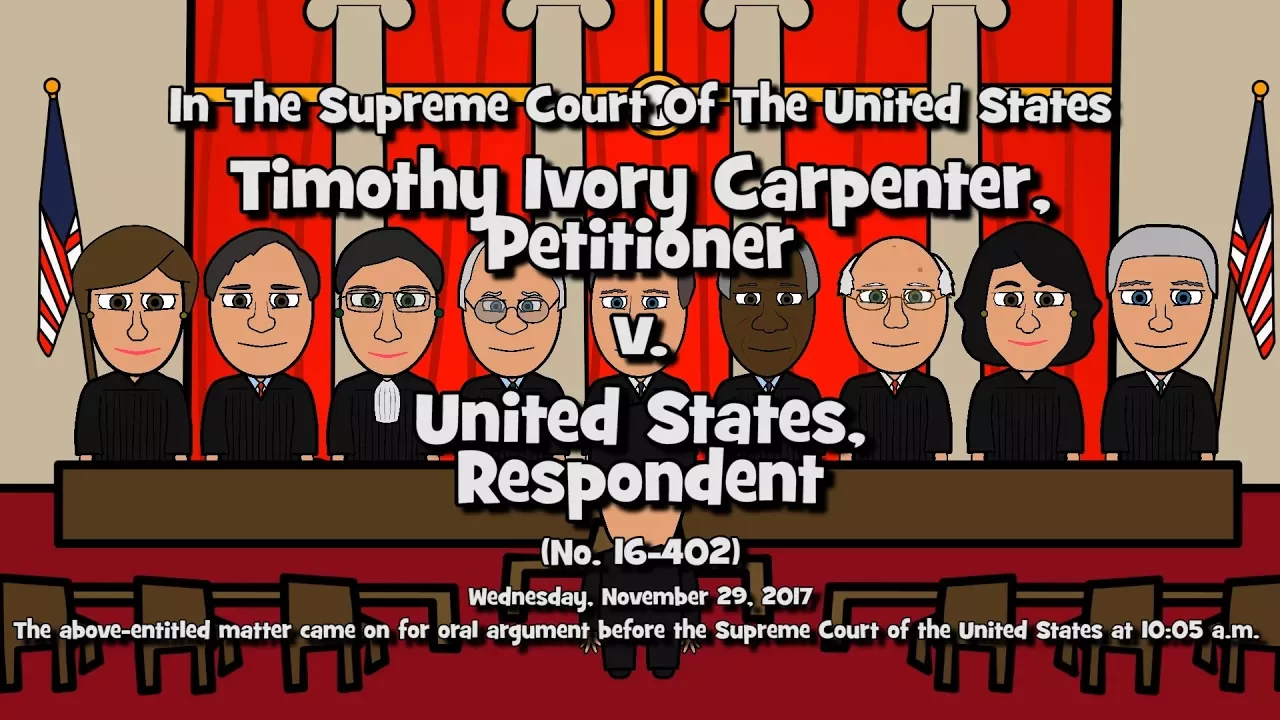
Carpenter v. United States and how the Fourth Amendment applies to historical cell site location information (CSLI).
The evolving status of the Third-Party Doctrine in the digital age, regarding data stored in cloud services.
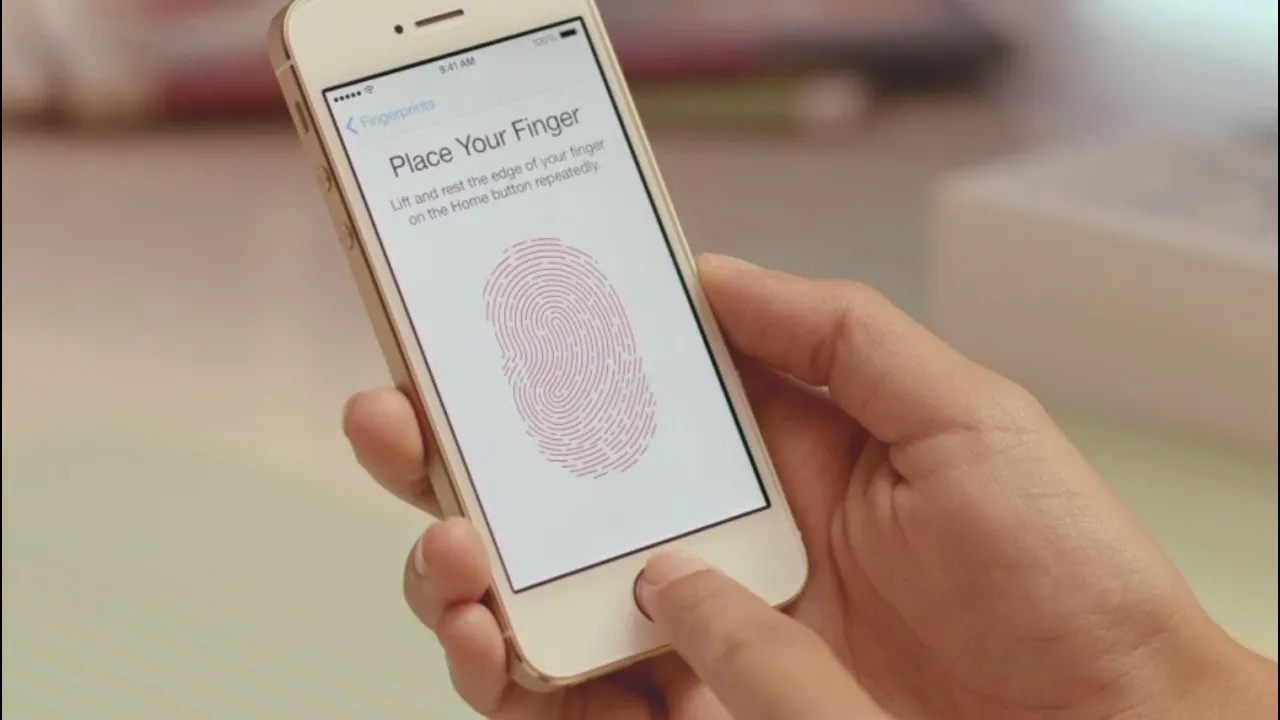
The intersection of digital forensics, compelled decryption (such as biometrics vs. passcodes), and the Fifth Amendment's self-incrimination clause.
The limits of the border search exception as it relates to the forensic imaging of travelers' digital devices.
17.9K views115likes5:57Original Release: 2014-04-25
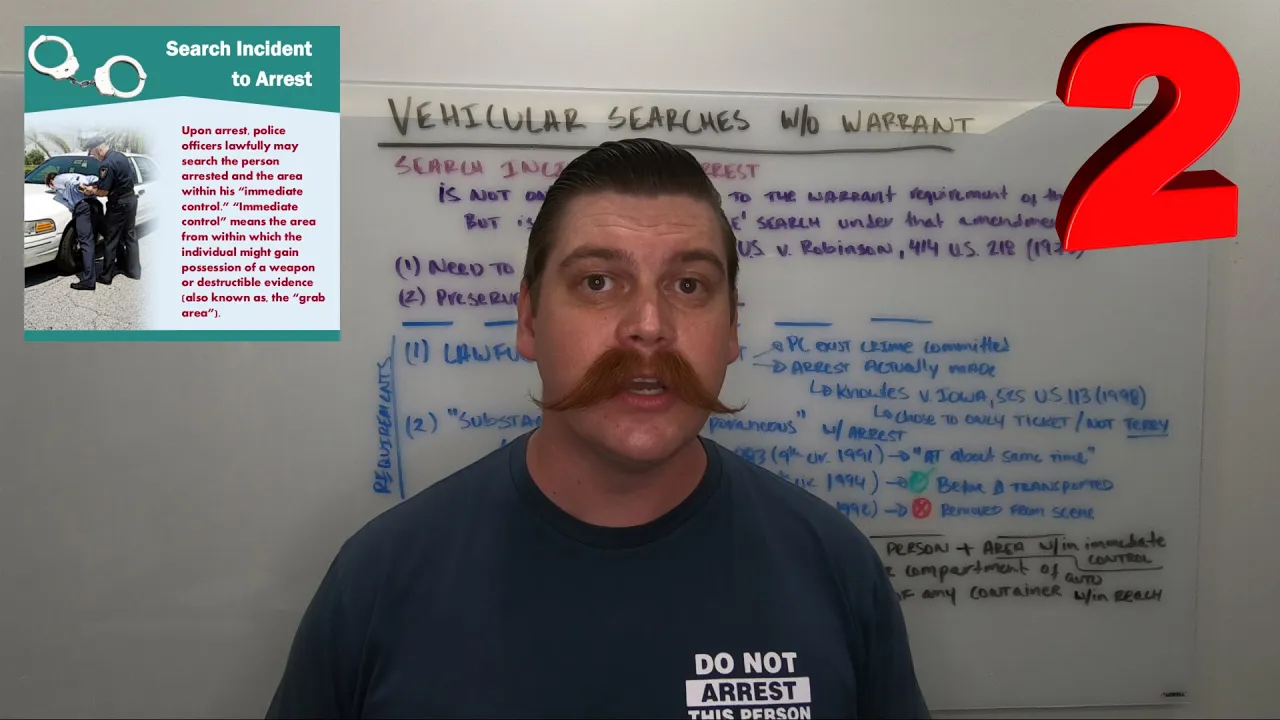
so later this month the Supreme Court is going to hear the case Riley versus California um the issue in that case was whether certain digital material that was found on the on Riley cell phone after he was arrested um the use of that evidence at his trial was unlawful under the Fourth Amendment um in terms of the background facts what happened was Riley uh was pulled over um during a routine traffic stop the police stopped him because had expired license tags um when they questioned Riley um they determined that he was driving with a suspended license at that time they impounded his vehicle in compliance with local law and upon that inventory they discovered two loaded firearms in the hood of his car um and so they then arrested him for having concealed loaded Firearms um at the time time of his arrest they one of the police officers did a cursory search of his phone looking at the text messages and in looking at those messages he saw abbreviations that seemed to affiliate Riley to a local gang um later on after he was arrested about two hours later at the Station House one of the um gang officers an officer who was an expert um in gangs in the local area then did a much Fuller search of of his cell phone um looked at the digital um content including pictures and videos and during that search he discovered a couple of photos of Riley um in one of the photos it appeared he was making gang signs there also was a red Oldsmobile in the uh photograph that was believed to have been involved in a previous shooting um it turns out that the guns that were found in Riley's car also were connected to that shooting um in addition there was video on the phone um where essentially uh the individuals were engaged what's called Street boxing um and in those videos although Riley was not engaged in the boxing um he made comments that could have Affiliated him with being part of a gang as well so the question was whether the use of the photographs that were found during the search two hours later after the arrest and the use of the video uh was a violation of Riley's rights um when it was used at trial so really what's that issue here is whether the search of that cell phone was or came under the category of What's called the search incident to arrest Doctrine so generally speaking any time the police conduct a search without a warrant that is deemed per se unreasonable however the Supreme Court court has said that when a person is lawfully arrested they may conduct a search incident arrest of the person and this can be a full search so for example if they discover someone's wallet they can look inside the wallet at that time without a warrant and there are essentially two justifications for allowing this type of warrantless search that were expressed in the chimal opinion um a few decades ago so the first justification is this idea that we need to allow officers to protect themselves um the idea that an individual could have weapons on his person that could harm the officer and others and the second justification um is the idea that we don't want to allow suspects to be able to destroy evidence so one argument that Riley's attorneys are presenting is that these justifications simply don't apply when it comes to the digital content of one's phone mean on the one hand it's certainly not a danger to the police officer any contents in the phone and in terms of the risk of destruction of evidence mean there is a potential possibility with respect to some smartphones which is what Riley had in this case that evidence could be um destroyed remotely um however there are ways to prevent this in terms of yes even though we have this General justification with respect to searching the person um it really doesn't apply according to Riley's attorneys when it comes to cell phones now related to that is this question of is the search of a cell phone the same as the search of one's wallet um or a cigarette pack which is what is was that issue in the Robinson case several years ago um because you know to search one's wallet that's a f amount of material that's going to be found there but when we start talking about smartphones we're talking about email communication personal photos personal video the level of intrusiveness of one's privacy is much greater when we start talking about technology like smartphones versus one's pockets and other types of containers that a person might hold and so because the level of intrusiveness is so much greater um Riley's attorneys and many other organizations who are concerned about privacy rights have argued that cell phones should be treated differently when we're trying to weigh the level of intrusiveness versus the reasonableness of a search without a warrant so those are essentially the legal issues in this case and I think it really is going to come down to this question of how the court is going to treat technology and the advancement of Technology um and and how we should treat that under the Fourth Amendment
Up Next

8:23
Supreme Court Rules on Cell Phone Location Data Privacy
@hak5
12.6K views•2018-06-26

4:27
US Secondary Sanctions Impact on EU Businesses and Blocking Legislation
@Bureauvandijk
1.6K views•2019-03-20

5:27
Forensic Phonetics: Speaker Identification in Legal Cases
@nptel-nociitm9240
539 views•2025-03-19

24:42
Police Interrogation Tactics: False Confessions & Legal Reform
@LastWeekTonight
7M views•2022-04-18
Related Study Plans & Knowledge Roadmaps
Structured learning paths in Law
law
Self-Defense Law: Imminence & Castle Doctrine
01Foundations of Self-Defense Law
02Imminent Threat & Reasonable Belief
03The Principle of Proportionality
+ 3 more learning modules
12h6 modules
Explore Roadmap
law
Defamation Law: First Amendment & Actual Malice
01Introduction to civil torts and the First Amendment
02Elements of Defamation: Libel and Slander
03Public Figures vs. Private Individuals
+ 2 more learning modules
8h5 modules
Explore Roadmap
law
Hearsay Rule: Trial Evidence & Exceptions
01Introduction to Trial Evidence & Courtroom Basics
02Demystifying Hearsay: The Core Definition
03Non-Hearsay: Exclusions Under FRE 801(d)
+ 3 more learning modules
14h6 modules
Explore Roadmap
law
Medical Malpractice: Law, Liability & Care
01Foundations of Tort Law and Civil Liability
02The Four Elements of Medical Malpractice
03Defining and Proving the Standard of Care
+ 2 more learning modules
12h5 modules
Explore Roadmap