
















A post-capitalist solidarity economy can be built through collective ownership across multiple spheres including workplaces, communities, and natural resources, requiring three key action steps: (1) Access - ensuring solidarity economy projects have access to existing infrastructure like government programs; (2) Advantage - providing incentives and underwriting support from philanthropy and institutions; and (3) Power - deploying organized power through federations, associations, and networks to create democratic economic institutions that serve people and planet rather than profit.
Cooperative Economics: Pathways to Shared Ownership Futures
Added:Basic understanding of traditional capitalist business structures, specifically the differences between shareholder-owned corporations and sole proprietorships.
The core principles of democratic decision-making and how they can be applied outside of electoral politics to organizational governance.
Fundamental economic concepts of labor, capital, and resource distribution, including how wealth inequality is generated in conventional markets.
An introductory awareness of the labor movement's history and the concept of collective bargaining.
Advanced legal and financial frameworks for establishing worker-owned cooperatives, including cooperative bylaws and patronage dividend allocation.
The study of 'Platform Cooperativism' and how digital gig-economy models can be re-engineered for shared worker ownership.
Analysis of large-scale international cooperative networks, such as the Mondragon Corporation in Spain, to understand scalability and systemic resilience.
Policy advocacy and municipal governance strategies that foster community land trusts and local solidarity economic ecosystems.
279 views7likes1:01:23Original Release: 2022-09-15
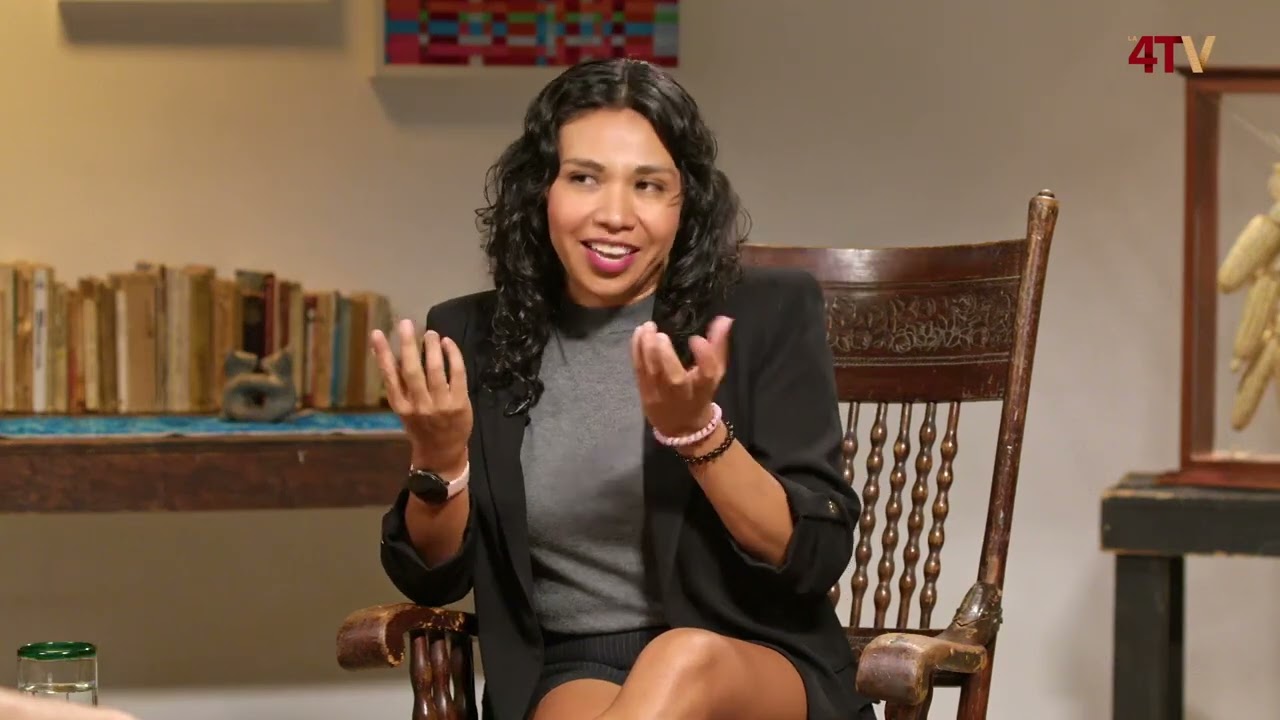
good afternoon welcome to remaking the economy owning our future i'm steve dubb senior editor of economic justice here at nonprofit quarterly coming to you from boston on when historically stewarded by the massachusetts nation in this webinar we ask how do we create an economy in which ownership is truly shared and which we all co-own the future to address this question today we bring together four authors uh from mpq summer economic justice magazine on owning our future and owning our economy to expand on their ideas of how to structure ownership at the level of business at the level of culture in the nonprofit sector and at the workplace our panelists are kamuela enos is director of the office of indigenous innovation at the university of hawaii and a long time indigenous rights activist rodney foxworth is ceo of common future which works in over 100 low-income communities and communities of color across the country emily cuano is co-director of the wellspring cooperative corporation in springfield massachusetts and a co-founder of the u.s solidarity economy network and estevan kelly is executive director of the us federation of worker cooperatives and a long-time co-op and solidarity economy activists a few notes first we're very excited to take your questions we will start with a few of our own and then get to yours so please enter your questions into the question box at the bottom of your screen and i will share as many of them with the panelists as i can uh second uh we will share the slides and recording after the webinar so no need to put in the chat will i get the slides recording uh you will i also encourage you to join the conversation via social media we have the hashtag hashtag rebuild the economy one last thing before going to our panel i would also like to gratefully acknowledge the support of your part-time controller llc yptc which provides customized accounting and financial management services for over a thousand nonprofits nationwide learn more about their services at yptc.com thanks for joining us and please complete the brief survey after the webinar to inform our future work and with that i will pass the baton to kamuela enos who will offer a brief ceremony to open our conversation um thank you so i'm going to open this space traditionally in the communities of practice i've come from we always open the space with intention so i'm going to share my channel only that was taught to me by my mentor that was used before entering into a space where we're about to learn something so that we may put ourselves all under the kapoor or intention of listening and hearing today and sharing and being present with what is being shared and then carrying it with us forward to be implemented [Music] oh [Music] new one thank you steve sorry thank you um uh camus and i want to get started with the panelists and i'll go first to um esteban uh kelly um so could you talk a little bit about um the article you wrote in mpq and particularly what is the vision of the feature that you outline in your article yeah thanks steve um and i'm very happy to be here today to to share a little bit about a little more about what what it is that we contributed i co-authored my piece with melissa hoover from the democracy at work institute and it was really exciting for us to take a moment to actually to actually vision i think that there's a lot of talk about vision in this work and and not really a lot of rigor around what it looks like to apply um things like foresight and and tools like that i've been fellow with the institute for the future for the past year and it allowed me a chance to test out some of the things i was learning so that's what we did we sort of took this question of what would it look like to really explore possible futures looking at a roughly 15-year horizon for um a democratic economy in the u.s and um and to not just take that as a question of scale but um to look much more broadly at the potential impact on our society um and in doing so i think some of the rigor that i wanted to apply um was around not just assuming one future or painting one vision but to actually explo explore um plausible solutions uh or or futures and possible ones whether they're good or bad and also to not bias or or to lean too much into optimism or pessimism or any of that but actually to apply all of the above and so what we did was we took uh out of the easily imaginable the easily plausible futures we looked at one that was a little more pessimistic where there was uh continued obstruction um from elected officials from misinformation disinformation and where any of the work that we're trying to do is stymied in different ways and we so we sort of took a look at that and what would that mean for the organizing what would that mean for groups in the third sector for our communities um and even there we saw some amount of progress happening um we also looked at what it would i guess that the other plausible scenario is what most organizations would uh consider their their vision if you're doing like a retreat or something like that where you sort of are like okay we're not going to be wildly speculative and imagine that everything's going to go our way we're also not going to imagine societal collapse but we're going to take our preferred future and lean into that one so um one of the scenarios they were four total um that we illustrated was was looking at one where there is limited progress where it's not you know ex machina suddenly there's this transformative you know prison abolition and everything else but like yeah what what could some real progress look like if things um uh move forward if we if we unlock the relationships the ally ships um and we got pretty specific about it even if it was speculative we were like okay here's what this might look like on the ground in a place like colorado um and and a bunch of other places and and then we took the back half of that exercise to look at possible scenarios so things that weren't completely implausible but but also were required a little more um imagination whether that was optimistic or pessimistic and we called one of those scenarios collapse um really looking at um the impact of the climate crisis of attacks on democracy in the u.s um and of a lack of partnership and support from government agencies who we see as playing a key role if we continue the momentum that um has been building for the last couple years and how we deal with small business and um and other kinds of lending um to finance the the transitional scale that we think needs to happen and and in that scenario it really seemed to us like there would be much more mutual aid some of the kind of activities that you see in the aftermath of things like um hurricane katrina or superstorm sandy the wildfires in california uh the water crises including the one that's happening right now in jackson mississippi um and how would the solidarity economy and cooperatives be seized upon in those moments as a tool to take care of our people um and lastly we did want to have that one that was more like what if our wildest dreams did happen um and and so we did we did take a look at that and i think the purpose of framing out all four is because the reality of whatever ends up happening usually is a mix it's a combination of all four of those things there are things that are plausible that are pessimistic that are optimistic uh that are transformative and and that are wild and um because building out scenarios and visions of the future um involves so many different things around social things political technological ecological institution building um contingency it turns out that reality ends up being a little bit of all of those things including those wildly speculative ones so um i think we kind of covered our bases by hedging a little bit um and hopefully uh people found it helpful to to be invited into some of those visions um given the the vantage point that i'm bringing in that my co-author melissa was also bringing great thanks um emily i'm going to pass it to you and of course um you know in the interest of full disclosure i co-authored this article emily but talk about the you know what is the vision of the future that that we were putting together in that article yeah thanks steve and thanks esteban that's a great sort of jumping off point i'm gonna drill down into um the article that steve and i wrote which was called beyond capitalism owning our economy owning our future they're getting a little bit uh like one scenario um uh so what does that title mean right there's there's a few components of that so when we think about beyond capital capitalism what's that got to do with owning owning our economy so ownership is more than just owning stuff right it's really um it's really a bundle of rights a bundle of rights that are individual and social and collective and there's an increasing interest these days in challenging and rethinking um these rights of ownership and why is that well i think it's partly because as esteban noted right there are these convergent crises i mean this is a really pivotal and historic moment it doesn't come around all the time whereas there are so many converging crises climate change ecological destruction increasing inequality which is leading to a concentration of wealth and power um and clearly undermining democracy our slide towards fascism which is leveraging racism and xenophobia and white white supremacy so all these things are converging many other things as well but this these converging crises has have also shaken the faith of a lot of people in the dominant capitalist system and people are more open to thinking about system change right like the whole shebang right so system change beyond capitalism so that's where we're getting to the beyond capital um at the end of the day just to make the point capitalism is a social construction right we human beings created it right it's not even that old maybe a little more than 200 years old right and if it isn't serving the common good and mother earth we have not only the duty but we have the power to change it it is a social construction it's not like a natural law of motion like gravity or something like that um so uh solidarity economy is a global movement and it's a framework that connects solidarity economy practices that are grounded in principles and values of solidarity participatory democracy equity in all dimensions sustainability and pluralism so in that sense it's not a one-size-fits-all model clear embrace that solidarity economy will look very different in different places in different cultures and different periods of time and all that is welcome we're all heading towards the same goal of an economy and world that serves people and planet um so again what does this all have to do with owning our economy so ownership again doesn't just mean owning stuff it's it it's not about what is mine right it's about having a voice it's about having standing it's about having control and um it's particularly important or we're particularly interested in thinking about collective ownership so collective control voice stewardship depending on what we're talking about and it's about democratization right so that we all have a right to have that standing and have that voice so we can think about ownership and democratization of along a whole spectrum of things for example in the workplace in community decision making and governance in terms of crafting policies that serve the common good in terms of stewarding natural resources in terms of stewarding mother earth and also our collective um voice in ensuring that we have access to clean air clean water we can think about democratization of land and housing we can think about collective democratization of capital and finance so collective ownership across all these kind of spheres is not only actually creating practices of solidarity economy it's also giving us a base of power a foundation of power right that ownership that voice that's built in that's recognized um is where we really can build our power as a movement and then give birth to a transformation to a post-capitalist solidarity economy thanks thanks emily uh i will uh pass the baton to uh rodney and um you know talk about the vision of the future and what would it mean to have that community institutions of our own yeah and as usual steve i really appreciate the invitation that one be able to offer the piece and be in this conversation with good friends and colleagues that always inspire me to stretch my own imagination and vision as it pertains to the peace around building institutions of our own i really was thinking a lot steve around everything that esteban and emily have articulated these substantial life and world transformative things that are happening at this moment have been happening over the years it can feel for leaders particularly community based leaders now i wrote my piece really kind of situating nonprofit institutions within community so um in nonprofit institutions that are accountable to community there's a there's a lot of weight that sits upon those theaters because again everything esteban emily pointed out we're all facing these these challenges as a society and when i'm in communication and having dialogues with community-based leaders who are both simultaneously accountable for their institutions and building those institutions and of course making the changes in their communities and beyond it can feel quite overwhelming right and it makes me think about what esteban said earlier about really you know dreaming and really stretching and matching to the future and so what i try to think about for my piece as i was writing it was how do you operate within this context that to emily's point there's an opportunity for a post-capitalist society but we're not in that society today right now in this moment and so we're we're actually having to play and navigate newly forming systems systems that are suppressing at the same time that we're navigating and trying to build new and different and that's that that causes a lot of you know challenges for individual leaders it's cause challenges for individuals and one of the things that i had remarked in the piece was around how the great vision that i've noticed and have seen and been inspired by non-profit leaders and institutions that are really grounded in their place and community and are directly impacted by all the injustices all the challenges that are facing um leaders and communities was that we were still so reliant on so many of the systems that we're actively fighting against and how do we actually provide a bridge for ourselves to get outside of it so i opened the piece talking about this instance back in 2018 surrounded by some of the most extraordinary leaders i've ever met really talking about a lot of what emily has proposed like how do we get to this other transaction this other place but really relying on the economic system particularly around philanthropic resources and not imagining what could be possible for themselves and the institutions that they lead to really be bridges and so that really sparked in me at that time how do we create economies among ourselves how do we have these reciprocal economies among these institutions with communities but also among non-profits themselves that actually can be sort of the the the foundation for building a new type of economy right how do we actually leverage our relationships our capacities as institutions to build with and for each other and not operate in a way that is oftentimes in this competition mindset that happens with institution right and what it is even the small ways that we sometimes do that how do we not recognize the value that we create with each other how do we make sure that we're actually recognizing the economic value and produce alongside each other and getting really practical steve in terms of the journey that common future continues to be on to try to do that and recognizing also for the brass tax purposes that a number of institutions are just it's hard enough for them to actually just make payroll for example um let alone be able to imagine to adventure forth into this other type of system and so i really was trying to speak to those challenges what are opportunities that we've reflected on lessons learned from us opportunities that we really want to be able to imagine much more and build upon the foundation that we've begun to build how do we build new economic systems among institutions that we're in a strong relationship with and so that's really what we were what i was really trying to um articulate in the piece steve thanks um thanks ronnie uh camus uh talk about your um vision in terms of you know ancestral technologies and ownership this kinship sure yeah so my piece is really focused first and foremost on the fact that i'm a second generation activist a new foreign activist with a father that um was really early gore and he had zero work-life boundaries so i'm his eldest i went everywhere and the things that i learned in that process and how i carry it forward in my work i think the real important part and the basis of my article was that from my father's perspective in the community i'm from a native hawaiian community on the island of oahu which is the archipelago of hawaii um a father his name is eric enos he was an activist but his form of activism was informed by the university it was taken cues from what was happening in the civil rights movement and other movements on the continent but being done in a blue-collar hawaiian community where we realized that we couldn't talk about these political things without actually feeding people and how native hawaiians have been marginalized to the periphery of society and formed and kind of living in poverty what is our way their activism also feeds us and our reclamation of identity is not just the thing that oh we're hawaiians and we can speak her language but we can use our practices again to feed ourselves counter the fact that we have horrible access to employment opportunities we can't own the means of productions all of that so they reclaimed traditional agrarian systems in the back of the valley that i was raised in and they brought water down to grow a staple crop again caulo and that kind of activism eventually became a term that was normalized in our community called community-based economic development like how do we own the means of production but understand the differences um that the epistemological differences is language like you know we we weren't calling our we're calling our practices cultural practices and not an economy and then we dug into that practice of learning like when you reclaim these systems they come from a whole different world view from contemporary society and how it's understanding work and labor for us our economy the ancestors of hawaii and many pacific islanders and i'd imagine indigenous people globally like our economy was our ecology and moreover our ecology was the the actual literal body forms of our ancestors like the sky the land so we didn't own them we didn't own our our parents we didn't sell our parents didn't make money we worked with them and what are the ways that on my growth along these lines um and the work that i picked up from that how is that manifested so it really kind of um tries to like my article was written in partnership with my partner my wife meewa tau manaha who herself is non-hawaiian but has done a lot of work in the hawaiian community organizing community practitioners to enter into systems on our own terms i think what the vision for our future was based off of four steps that i've kind of built together under the tutelage of my mentors like my father auntie pononi burgess my mentor bob igress who founded the hawaii alliance for community-based economic development and my one of my mentors um the kanaka ole family auntie kanaka olay and all of her descendants were cultural practitioners who held on to our culture and specifically called them sciences and technologies and the starting point of this article is to re-understand cultural practices as sciences and technologies not as these things that are antiquated but practices that have thousands of years of r d that were meant to calibrate the living systems with human systems together and bequeath abundance to the next generation so in the article they're a process articulate and how to get to that feature because the destination is in the journey and the destination may change if you're not talking about what is the steps of the journey we're actually not navigating and in that process there are four basic steps the first is to restate our context to explicitly choose the right words in english to describe our ancestry so instead of hawaiian culture we say ancestral sciences and technologies of integrated biosystems management and have people prove us wrong because they forced us to go to college so we can choose the words that we want to we want to choose the power terms if we can choose how we're describing our ancestry the second step is to reframe our process and i think we think a lot about an article i discussed uh this term called indigenization and i think in the lexicon there's a lot of conversations about um um and i'll close up here because i'll go into what the future would look like but i think there's a lot of really important work to move past decolonizing to indigenize that we choose the structures that we want to have our principles live in to then enter into business plans policy making and um you know college degree attainment all of these structures of cold power how do we enter into the spaces and then how do we begin to hit the metrics necessary to restore executive decision making back to our community so that's the basic premise of my article i wrote with my wife thanks so much kamu and um so i want to move in the second round um to concrete action steps and how is it you know moving from sort of the theoretical frame to how this actually affects people's lives and and make a difference um so what are some concrete steps that you outline that that can translate this vision into a reality that people can actually you know feel and and smell and taste um so i'll throw it to estevan first and i also encourage people on this call to put your questions in the question box because we're coming to you next esteban all right thanks steve so we laid out three steps in hours that was the last piece of our article uh which were access advantage and power and i'll say more about those in a second but there's a fourth one that was i don't know if it was just assumed or went uh articulated sort of throughout the piece itself and that's about the ongoing organizing and support you know actually building out an ecosystem um developing networks of uh people who are doing education uh and outreach for people in different places whether that's embedded in community some of the work that rodney was talking about whether that's working with people inside of institutions especially in government that doesn't just mean federal government or the small business administration or the commerce department but also you know just like talking with people inside of state government city councils um there's so many different government agencies that could be um brought along this process you know even like a local public health department um things like that depending on right so part of this argument that that even um emily was just amplifying earlier today is that the solidarity economy touches everything right it's not just oh these small businesses oh these cooperatives oh this housing thing it's like everything about our food system about our health about stewardship of water and other resources air i mean things that conor was just talking about so um there's a lot of organizing that can happen there whether that's technical whether that's outreach whether that is providing direct services or building the kinds of structures and projects where you can deliver those services in a solitaristic way whether that's mutual aid projects things are informal or things that are highly structured um and uh and and formalized like public banking and we we talk a little bit about some of those things in our piece um and the role right so part of what we say in our action thing is there's a role for everyone it doesn't matter what your job is or what your position is you can you can connect with um these organizers in the work we're doing and that's part of what we are framing out in our vision of what needs to happen it's like these people need to be connected um and there are certain organizations including mine that have a role in doing that that that network weaving or that power brokerage um and it involves um an extension of trust and acting in good faith and sometimes being in coalitions uh with unusual allies so in terms of the three steps that we outline it really started with making sure that solidarity economy projects have access to existing infrastructure there are programs embedded in the small business administration like the seven day loan program that currently discriminate against cooperatives we do not have access to this thing that already exists that's at scale there's thousands of small business development centers all over the country that are prepared to provide technical assistance around loan readiness around all kinds of things right so there's all of this stuff that already is there we just need access and that gets us a lot um just by unlocking those those gates where we've been get kept out of um secondly advantage and incentives i think are probably self-explanatory but just this idea that in addition to allowing us access to existing programs there's a role to be played by philanthropy by research organizations and institutions public health you know hospitals schools universities and of course foundations in in um not only giving access to these new economy projects by but by actually underwriting and incentivizing it and giving offering advantages we see this with um with programs for women and minority owned businesses with programs that are doing um environmental uh remediation et cetera et cetera there's incentives all over the place what does it look like to actually scaffold that and tilt the scales in support of um democratic economic institutions um and lastly deploying power this is where we we talked in our scenarios a bit about the uh rising labor movement and labor militancy as one sort of node of that inspiration like what is possible when people really are mobilized that there's a lot that can happen when young young people are mobilized especially around climate the climate crisis um uh when communities of color are mobilized around um uh incarceration and police violence so coming together and actually saying okay if we have those other steps um and then we have the kind of organizations and institutions where we can come together through federations associations guilds and networks then we're able to actually harness that power and deploy it um to uh to create things like good jobs to create things like our own institutions revolving loan funds etc a lot of this already exists we we have them but they're nascent they're they're young they're they need the support of some of the institutions including some of the folks on the call um to resource them and for inspiration we can look to places where they already exist right over the border in quebec um and in a lot of parts of the world we talk about that in in the scenarios themselves or prior to the scenarios in our piece um looking for inspiration in places like south america um southern europe even in india and other places where um where some of this stuff really has come to scale like how do we illustrate what it looks like to deploy that organized power thanks esteban uh emily i'll let you jump in and you know going beyond capitalism that's kind of a big thing you know how do you actually actually make it action steps that people can feel and actually affect people's lives in the here now yeah thanks steve and um yeah thanks esteban i totally totally agree that there's so much to be done it touches on everything and one thing that i want to mention that isn't in the article but um a lot of people often feel at a loss of like where do i start there's not you know like there's nothing going on in my neighborhood and at the very least i say you know solidarity economy is also about transforming the way we are as human beings and our relationships so being a little bit more cooperative being a little bit more compassionate being a little more kind these make a difference right like this is a way this is part of transforming our ourselves our hearts um and everybody does that the other piece of the solidarity economy that we that we embrace is um unwaged care work so in that sense we all engage right we take care of our kids or our parents or you know our siblings or our community so that's a way that also even if they can't uh they don't have a connection to these institutions or these practices right everybody has a has a connection already and weaving that together is is important so beyond that examples specific examples of practice solidarity economy practices um so first of all one one thing that i see there being such a bubbling up interest in is um land and housing i just see this kind of uptick in community organizations not just fighting back but looking to own landed housing as a place to stand to gather to organize but also like for with a say with a community land trust someplace to start integrating these pieces so there are some examples where there's a community land trust which is leveraged to create permanently affordable housing but also includes regenerative agriculture and also is a place that's incubating cooperatives as well as a space to gather and learn right so that's a beautiful example of of of land and housing um that supports different parts different practices of the solidarity economy and and creates this um place-based um synergy um and relationship so that's one i think there's really a uh interest in that oh another thing in in the community land trust movement and integrating these different pieces also remember rematriation of land to indigenous peoples is becoming much much more to the fore so that's also an interesting development the article talks about participatory budgeting and there's a great example in it about the decision it was was it seattle i believe right like the specific kind of decisions that uh the communities made about where the municipal funds should go so that's a great example to look at and the last one that i i'll talk about is workplace democracy so my day job is building a network of worker-owned businesses so i i uh and solidarity economy absolutely embraces worker co-ops i know that the other kind of strand of economic uh democracy in the workplace are esops so those are employee stock ownership programs so that's where workers own some stock it's well well and good it's a step in the right direction but it does not necessarily translate into that there's ownership but there's not necessarily control right if they only have a minority percentage of the shares so all these kind of things to think about and parts out right ownership is good um ownership that translates into control and voice right and power is really really critical so a step in the right directions but worker co-ops are um for solidarity economy a clearer path forward thanks emily that's great um rodney um so i know you work with a lot of uh community-based organizations across the country what are steps that folks are able to take within that network to actually uh advance the vision that you're talking about of institutions owned by community yeah steve i mean so many organizations i work with are already actively moving on that path and have been such like have have a sort of blueprint i mean so much of what emily has already shared indicates that there are a plethora of organizations across the country that have this type of mindset and so one of the things i was thinking about for the piece and also in this conversation is the institutions that actually are not currently thinking in the ways that emily esteban have already shared in their previous comments because i think that is such a that is where i think a lot of opportunity for change can happen right um how do you how do you encourage and actually develop some insights and demand and interest into really the three things i would see is there's ownership to emily's point there's control and power so those are three things that everyone has discussed today they're different right each of them is different um what i'm speaking to in my piece is really speaking to those who are maybe uncomfortable not thinking about the opportunities for ownership the opportunity for control the opportunity for power and what those things can actually do to assert their vision uh for their the collective visions right and so one of the things i recognize steve in my experiences is actually there's a mindset shift that needs to occur esteban had mentioned some things in terms of what the role of philanthropy can be i had addressed that in my piece as well one of the things that's really a baseline i would say is unrestricted resourcing and capital to be provided to organizations because that can be a place for institutions to actually be able to build an opportunity for some power to build some equity for ownership of control it has to be a baseline and having organizations having a mindset to be comfortable with asking and demanding and situating themselves for that type of conversation what i found oftentimes is that because of so many issues and historic and our own personal experiences i being a person of color my team being a majority of people of color particularly women of color oftentimes they're just things that we're perpetuating right like these systems of like do we even deserve to have power control ownership right like that's a that's actually something that we don't say and articulate but it's something that we live in and so that is a significant thing to recognize that there's some breasts there's some breast tax steps that need to be taken for us to i think emily you have pointed this out like the opportunity for change is individuals right there's some opportunity for that to happen and so i actually think there's a significant piece here on mindset shifts both in terms of capital alec from from the foundation community but as institutions as non-profits how do we perceive ourselves do we see ourselves as worthy of having power control and ownership um and so for us we've been we've it's been a pretty long journey over the last several years but building up enough of our economic resource that we can start to begin to invest and build alongside other institutions to create these sort of reciprocal economies and be able to create shared value economically between each other so that we can actually be able to continue to build but the biggest piece for that steve i would say is first accepting that we actually deserve to have power control and ownership great thanks rodney uh camilla i wanted to give you a chance to um jump in here and you know talk a little bit about you know how what you know what are action steps in terms of moving you know from away from colonialism and actually recovering uh the ancestral technologies within the modern context that's that's what you write about yeah i think he's um i think the first thing i would start with is a teaching of my mentor and diploma bridges that the place to start is you have to understand work as medicine and if your work is not medicine if your work is not healing you if your work is making you sicker no matter what you're doing for help it's going to poison the wealth and i think i'm hearing that replicated so that's the starting point i think from my perspective and article is the steps are in concentric circles it starts with this understanding that indigenous doesn't mean brown people indigenous is continuity it's everyone's indigenous to some place and indigeneity was a system that we as people kind of had how we had deep ties to landscaping each other to survive for millions or thousands that are shitty at the anthropology a year is to become who we are now um and then we lost that when we traded out for like participating in global supply chain economy but we're trying to reclaim that so in the space um if you are indigenous then we understand your practices as sciences and technologies and and lean into that how is it used to heal like to to create goods and services without diminishing the land's carrying capacity to feed people and in relationship to maintain the ecosystem embrace that and call it that if you're not indigenous but you're living in a space where indigenous people exist how do you support them in this endeavor and how do you co-learn with them maybe unlearn the things you think economies are and be in the space to learn their language to understand their systems and have a different epistemology enter into your space and i think that's a real important kind of starting point because there are a lot of theirs and i think working examples i'll close with um only from my perspective is happening everywhere but from the work that i see i'm in the article the first step was my father's work and his peers of going back to the land and reclaiming their practices but doing it not just as a cultural identity thing to provide jobs and learning and being messy and kind of going through that learning phase of what does it mean to establish your ancestry economies the second example is then the work that i worked at organic farm on my organic farms where we missed an article the founders gary and kukui took ancestral practices and put it into a contemporary structure as a non-profit that send young adults from our community college to running daily operations of organic farm and therefore we're hitting sales and gpa metrics where we begin to understood as a system as a thing and the final example i'll share is like the work that i do in office of indigenous innovation because i sit within office of research innovation for the university of hawaii system and we're actively reframing to the system our practices as sciences and technologies to set up opportunities to do hard research that it validates ancestral practices as these things but it also codifies the community organizations or scientists and validates how our community organizations are actually using their practices to solve for things outside of their community climate adaptation food systems and then getting resources to them so that move from our ancestors didn't write three-year grants to exist it is easier to talk about our ancestor practices through patient capital like we invested the chiefs invested in people as experts how do we reclaim that space so those are some examples um thank you ray thanks um yes i definitely didn't write for your grants um appreciate that comment um i want to start with some of the audience questions so this one was actually directed to rodney but others can also respond and the question you know was given your experience is how do you think about the balance uh between trying to influence existing philanthropic um systems versus building community-owned institutions um does one path feel more um promising than the other given the urgency of our problems you know how do you how do you do that i mean i know you have to negotiate this all the time yeah and i'm not sure i'm not sure it's a either or proposition i think it's it's navigating both systems and opportunities at the same time which makes it really challenging it's um i think there was a question here in terms of like at what moment do you recognize how you basically corrupt the bankruptcy system is and move on i don't think we i don't think we have the option of completely stepping away from one and going right into the other it's a consistent negotiation i have found and it's it's all of us are doing this work it's really challenging but finding a handful of folks even if this is a handful of individual institutions that understand what you're doing and can understand how their resources can help you bridge to the next thing has been something that in my experience and our experiences organization has been tremendously helpful because we've needed to utilize their support to catalyze us to build the next right it's sort of it's that bridging and so for us it's really navigating the the now and tomorrow at the same time and so that's where that's where our experiences lend itself to steve great um let's see i'll take another question here um yeah this is kind of related but anyone can respond to this so the the this is the person says i work for a non-profit uh that work you know largely that works a support worker co-ops however i couldn't get them to actually purchase from worker co-ops um you know is there uh a group that can help nonprofits engage in in you know changing their procurement strategies so that they actually do mutually support each other you know the old cooperation among cooperatives idea um so anybody can jump into that maybe i'll throw out an estimate first since and then anyone else i mean listen i could go off on this for a while i will try to keep it brief which is to say i think that there is because of how appealing and how intuitive it is to consider procurement it's just like we should be supporting this these are the things we want there's a lot of attention that goes to it i think at the end of the day we don't even have the level of scale um for the industries that we need for the you know even if it's in the right industry you need catering are is the small catering co-op that might be two counties over from your event capable of uh of making lunch for your conference of 800 participate so the procurement thing is sometimes a red herring and i think if anything it should really provoke us to think not how can i spend this money right now um but why can't i what are the cooperative businesses that we are lacking especially from the the non-sexy non-retail industries where you it's not always going to be something that's like foot traffic and you're going to discover it on the street on a business walk so some of the things that like you might um that you might otherwise need and how can that be the impetus for working with a business incubator or a non-profit that does cooperative business development to say hey uh can you get a co-op up and running that makes ballpoint pens or that delivers them or that does um you know that does packaging for for foods or there's a lot of industries that we are just we're not in um in and geographically at scale i will say that worker co-ops are in almost every industry but there's often like only three of them in the whole industry coast to coast or something right and so it's like there might be one example in brooklyn that does exactly what you want but you're in san diego so so it's a different kind of question and i think even for policy things we've had a dozen of these like local procurement policies pass um or inside of institutions like universities and the power of them is pretty minimal when you consider that most places might only have a handful of worker co-ops in their vicinity and so what what really is the impact of that um those are the kinds of questions that i think we were getting at in our pieces like we need to be at a whole other scale so that by time you know fast forward 12 years from now it does become useful to have a procurement strategy but for the time being you're better off just really setting up a policy for um you know quote-unquote women and minority-owned businesses maybe sustainable businesses um esops b corps and include cooperatives within that which is often what the statutes are um at the county and city level um in a lot of places and um and oftentimes worker clubs qualify under that statute anyway so there is a misconception that we need to be advocating and put our energy toward these new procurement policies when it's like i don't know are you mostly women owned which most co-ops are um or are you mostly people of color owned and most worker owners are people of color then you already qualify under those other things we don't need to wait for a whole other special category um again i have more thoughts on this but it's probably bigger than we need to get into today okay thanks thanks esteban uh well another another audience question go ahead yeah jump into it really quick yeah one thing um because i appreciate i appreciate exactly what you said in terms of red herring question and here's another just in general a lot of these institutions are also very resource strapped to begin with which actually um prevents the like a lot of things that folks are looking for from a procurement perspective and one of the things that i think about what common future has done is how do we actually make some investments and other supports well procurement might not be the thing at the moment but it actually helps to build out the institutional capacities of these enterprise businesses and so one of the things i think about is also are there opportunities for us to organize capital and support as institutions even if we're not procuring but we can actually build out the institutions so that we can eventually procure from them as well again i because that's about i'm hearing you 100 and i think about what are the roles that we can actually ensure that there's some like those are some symptoms sometimes versus like root cause structurally things because sometimes we forget that like these are enterprises that are also resource strapped and that require research that's exactly what i mean i mean i think there's a role for philanthropy to even underwrite um procurement for example and to say well first of all right there's interpretation co-ops all over the place right so yeah you can be having your academic conferences use interpretation co-ops that is like a no-brainer it doesn't it's not limited to like just being in your backyard it's the kind of thing that happens online wonderful but what does it look like for the example of catering or child care um to actually say the price point for this co-op is too high and it's not competitive from a traditionally owned business well why not just support right support that procurement and say here is a grant to control or sponsorship from businesses you know or from universities um to just say we're going to sponsor this event we're going to sponsor your work with this organization um but it makes all the difference in the world so absolutely i mean that's why we do a lot of data collection we do mapping we have a guide of uh of a directory of where all the different worker co-ops are you could look it up and filter by industry on our website for exactly that purpose and again even that work isn't isn't supported we don't get support from the government to do that data collection and analysis that's the kind of thing that could be really helpful um to be supported by this broader ecosystem so as i'm saying there's roles for philanthropy for academic institutions for government institutions like everyone in in it's on the front lines of this work is doing the most right now and the best thing you could do which is part of what rodney is suggesting is just make it a little easier for us like we are strapped because we're going on all firing on all cylinders and it shouldn't be that way these things are aligned with everything that everyone is already trying to prioritize right thanks um here's another audience question then biscuits at practices that you know can be liberatory so uh the the ques the questioner mentions that they're about 300 collectively owned um community cooperatives as part of the rock usa so that's resident um own communities right so these are um mobile home parks or manufactured housing that's that's collective where the land is collectively owned um and uh they're very community based and they have a great track record um there's still only 300 of them most of mobile home parks are owned by private equity and other sources so um you know what can be done to support and inform strategies like these and build them up um and emily mayo talks to you first than anyone else can jump in sure i mean i'll take a crack at it it's not really my bailiwick but my so i'm in western massachusetts and my observation is they are they are growing exponentially in our neck of the woods particularly new hampshire i believe they have a uh etopa right like a um right of first refusal right if the owner wants to sell um the the park they need to give the residents first crack at buying it and i think that's been really pivotal but i know there's a huge amount like this huge explosion so i don't know what to say about other parts of the country um uh you know i don't really it's not my really my area i just can see it exploding around you know our neck of the woods um what i can add to that so i um the founder of rock usa also serves on the board of the national cooperative business associations uh for which i'm the vice chair of the board uh so we work pretty closely together and i would just add that um education's one piece like how many hundreds of people are on this call who didn't know what the person who asked the question knew and what emily and i know about rock and that model how it addresses things like poverty rural development rural economies housing policy all these pieces right so even just knowing more about it it's like whoa a bunch of stuff becomes unlocked um and i think the strategy has been um a lot of it around policy and advocacy again not just federally a lot of that leaves at the state level um county level looking at rural um economic development and um and because a lot of that's at the state level the clustering of this model's growth um has been very particular to certain states um so once you figure out the regulatory vehicle some of the capital piece um then then the exponential growth becomes possible because it's i mean certainly in maine it's a big thing parts of the midwest um now parts of the south as well so it's it's something that's worth looking at these are the resident owned communities is what the acronym stands for great thanks um so another question that's sort of a comment but i'm gonna make it a question so the the the questioner notes that um the un recently called upon business schools to come up with better measures than just uh graduate salaries you know and so and notes that indigenized and feminist feminized influence metrics are deeply needed um i'm going to throw this at camus you're you're working on indigenous innovation how should we be thinking about this question i think it's a really complex question because i think indigenous is like a catchment for a whole bunch of cultures that are not the same but we're not white or brown like you know from the dominant system so i do think it's a nuanced conversation um but i think one of the core things that are coming up um for me and how to approach it is to really on what i'm learning from the people who mentoring me and my mentors and the people who are mentioning me in the next generation that i have the responsibility to to employ is that the systems that people use in place hold metrics and practices and use cases that are really critical to understanding because they have thousands of a broken record thousands of years of r d and how people are able to live within a caring capacity of a very specific ecology and geography and i think something is lost when you have to go at scale and you you really use these broad strokes to describe what labor and what these things can look like and it's a history behind these conversations that are happening now about what is actual workplaces and that's super important but i think it's equally important and rigorous to look into ancestral practices through the lens of economic development and there are great examples of organizations in hawaii and other indigenous network communities that aren't maybe necessarily co-ops but they're networks of practitioners that are holding on to their systems in place that are currently seen as cultural practices that there's an opportunity for true in solidarity to see how their work is actually understood as labor how did their ancestors create equitable workplaces what were their processes for distributing wealth and have that not be fetishized or even romanticized but to be understood as labor models that have proven to keep people fit and healthy and landscapes along with them until extractive forces came in and took them out and then also that we're going to have to be a little bit weird and it's gonna feel uncomfortable to figure out how to create economic development out of it but if we don't it always stays in the periphery and we do like land acknowledgement so like acknowledge it but we don't allow it into the space of discourse i think there's a great opportunity as spaces like this provide thank you um i think i'm going to try to sneak in one last question we'll see if i can do this um so there's interesting comment you know the the questioner says i struggle to envision it a table of contents and uh potential pathways to a post-capitalist solidarity economy uh due to the you know internalized avoidance of you know confronting the economic system you know are there you know pieces that we could that any of you want to recommend that you know to you know i think of our work as you know part of a broader collective project in that way but you know what what are our resources for like thinking about you know building a toc if you will for for post capitalist economies and i don't know emily you might want to jump in first so accessible sort of on-ramps yeah well i i have to give y'all a plug i mean i think npq is doing a really fabulous job at lifting up pretty often naming solidarity economy but so many of the articles are also talking about things that fit in solidarity economy even if you're not using that term um so and then and the articles tend to be very very accessible so i mean just just uh surfing around um particularly in the economic justice but in the other in the other spheres as well like doing a fantastic job oh some other um really accessible places um yes magazine does a lot of good stuff um uh geo grassroots economic organizing is a great place um there's just tons of stuff right there's really tons of stuff there's videos or i mean just google google any of this stuff and depending on where your level is of how uh you know academic it gets all the way down to super super accessible there really is a fair amount not to say that there doesn't need to be more but um there there is a fair amount out there so i would recommend those sources and just just see what you find out online okay um well unfortunately there's a lot of questions and we got to as many as we could but we are at time when i try to honor that so i do want to conclude this webinar and i want to thank our panelists who have been fantastic uh camille enos from the office of indigenous innovation university hawaii rodney foxworth at uh common future emily cuano uh from the us solidarity economy network and will spring uh cooperative and esteban kelly from u.s federation worker cooperatives and many other places and uh we do have another webinar we have a couple webinars coming up uh in the we're making the economy series next one is on uh september 29th it'll be moderated by matthews and look at uh narrative and i also want to thank all of you for your outstanding questions so thanks so much for your participation thank you everyone i'll just add quickly that there's a list of names in my article two are really great places to start um for these questions about engaging indigenous communities um i just appreciate being here and thank you steve and mpq family for hosting us mahal
Up Next
7:22
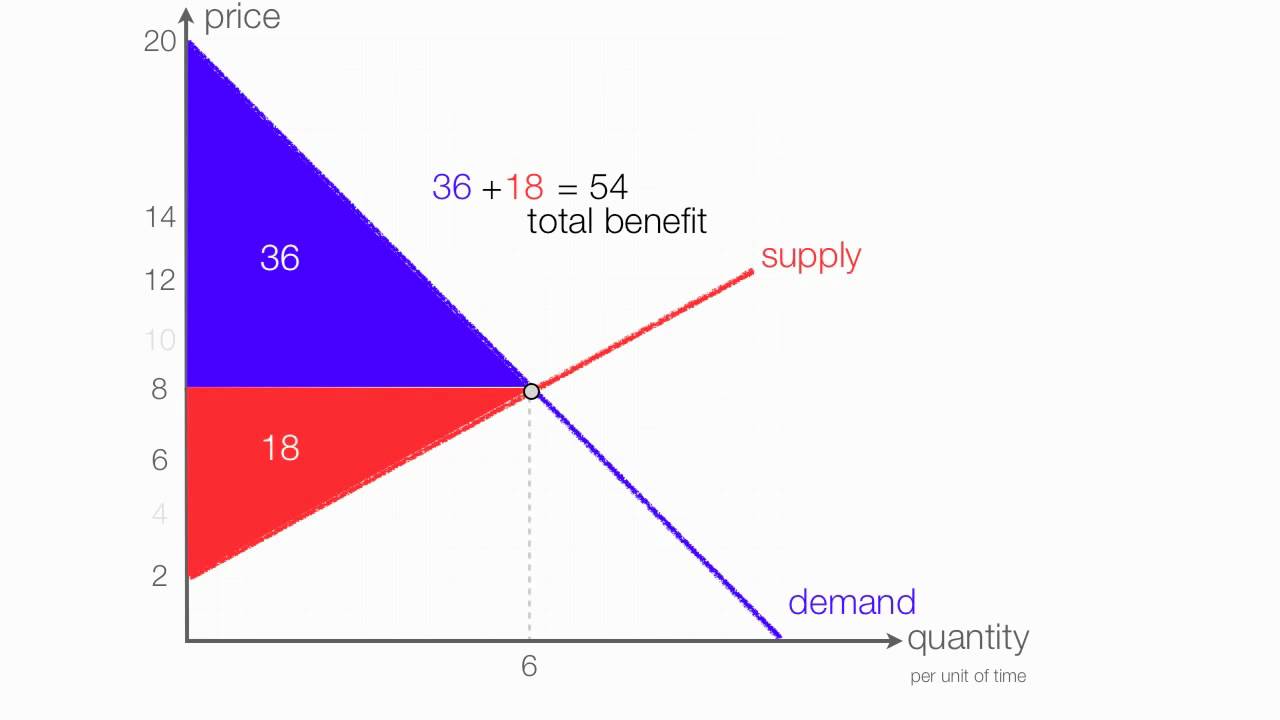
Consumer Surplus & Producer Surplus with Price Ceiling | Deadweight Loss
@economicsfun
591.1K views•2011-05-07

5:07
Impact of Yuan in Indo-Russian Trade Amid Sanctions
@WION
261.9K views•2022-07-01
10:33
Behavioral Economics Explained: Rationality, Nudges, and Risk
@crashcourse
1.1M views•2016-03-12

113:18
The Age of Easy Money: Fed & Inflation | Full Documentary
@frontline
21.2M views•2023-03-15
Related Study Plans & Knowledge Roadmaps
Structured learning paths in Economics
economics
Sovereign Debt: Defaults, IMF & Restructuring
01Introduction to Sovereign Debt & Government Bonds
02Debt Sustainability & Credit Ratings
03Anatomy and History of Debt Crises
+ 2 more learning modules
12h5 modules
Explore Roadmap
economics
Market Design: Matching Theory & Gale-Shapley
01Introduction to Market Design and Price-Free Markets
02Two-Sided Matching & The Gale-Shapley Algorithm
03School Choice Systems and Mechanism Design
+ 2 more learning modules
10h5 modules
Explore Roadmap
economics
Impossible Trinity: Forex, Capital & Policy
01Introduction to Monetary Policy and Central Banking
02Exchange Rates and International Capital Flows
03The Mundell-Fleming Model
+ 2 more learning modules
8h5 modules
Explore Roadmap
economics
Healthcare Economics: Market Failures & Systems
01Introduction to Healthcare Markets and Market Failure
02Asymmetric Information and Adverse Selection
03Moral Hazard and Insurance Design
+ 2 more learning modules
12h5 modules
Explore Roadmap