


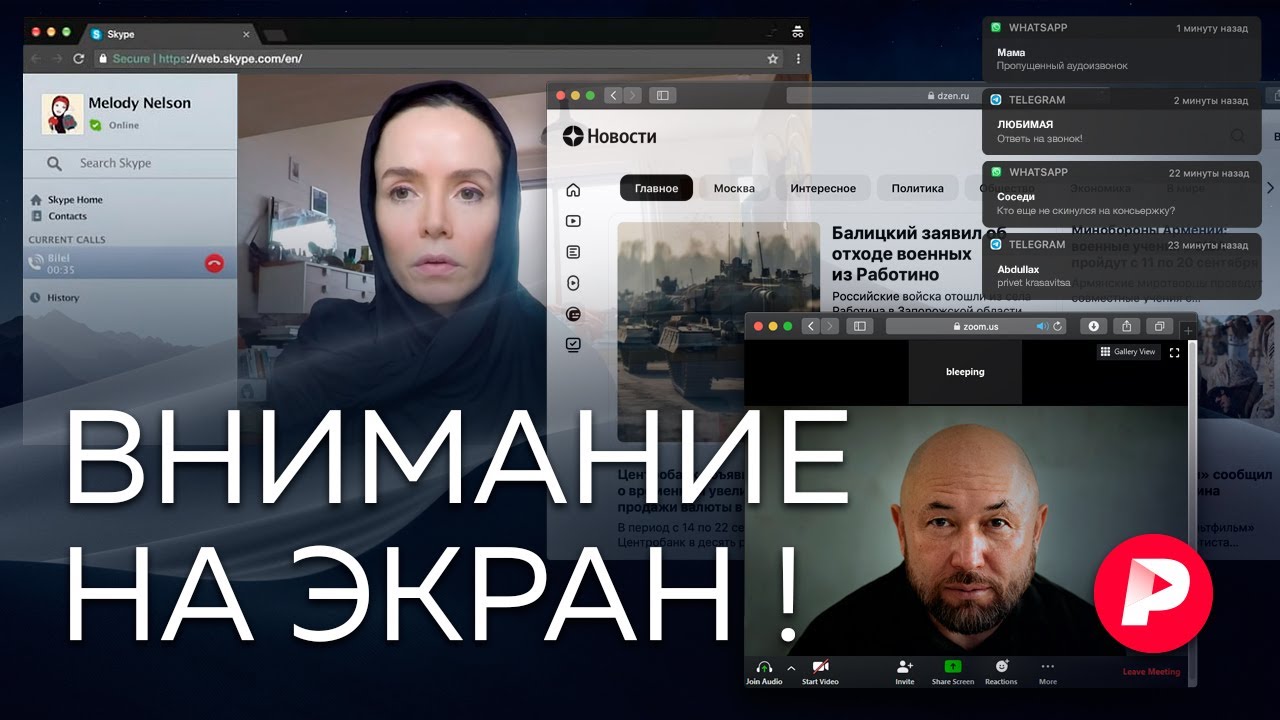


Screenlife is a filmmaking technique that tells stories primarily through computer, phone, or tablet screens, with no glimpse of the real world; while it began as an experimental horror method in 2002 with 'The Collingswood Story' and gained mainstream attention with 'Unfriended' in 2014, its potential to tell profound, emotionally resonant stories beyond horror (as demonstrated by 'Searching' in 2018) remains uncertain due to audience fatigue and genre limitations, with its future dependent on diversifying into new genres and maintaining audience engagement.
Screenlife Cinema: Evolution, Genre, and Future Analysis
Added:Understanding the conventions of the found-footage film genre and point-of-view (POV) storytelling.
Basic knowledge of film genre theory, specifically how cinematic genres are classified, evolve, and intersect.
Familiarity with the concepts of diegesis and how user interfaces (UIs) function as diegetic narrative tools in modern media.
A general awareness of the evolution of desktop computing, social media, and video conferencing interfaces from the late 1990s to the present.
Advanced study of desktop narratology and the unique technical post-production workflows required for screenlife filmmaking (including UI design, screen capture simulation, and digital compositing).
Analysis of digital spectatorship theory, examining how viewers engage emotionally and psychologically with familiar computer screens as cinematic frames.
Exploring the thematic representation of surveillance, data privacy, and online identity in modern digital-first cinema.
Investigating the future integration of screenlife formats with emerging technologies like virtual reality (VR), augmented reality (AR), and spatial computing.
2.6K views92likes17:51Original Release: 2023-06-06
foreign the year is 2014.
everything was actually awesome iPhones with Flappy Bird and sold were being listed for fifty thousand dollars but that's none of my business and Blum House turned heads after co-producing unfriended their first screen life horror film screen life otherwise known as computer screen films are movies which are primarily told through the point of view of a computer screen phone screen or tablet screen with no glimpse of the real world safer what's shown through the device's camera the technique has garnered both a positive and negative reaction from moviegoers with 2014's unfriended being described by critics as superficial trashy and whiny but also as subversive ingenious and Innovative with that final word Innovative occasionally being used to describe this green life technique as a whole the fledgling technique is variously described as a method of filmmaking sub-genre or a fully fledged genre in its own right naturally for such a new development there's not a whole lot of academic writing surrounding screen life which makes any form of unanimous descriptive conventions difficult to agreeably pin down it's often put in the same category as or seen as an offshoot of found footage although I don't think this is a completely accurate comparison the often amateurish and low budget appearance of screen life films certainly resemble the appearance of many found footage films however the digital appearance and content of these films simulate something like an online live stream rather than something you could have found on a lost camera in the woods it takes the point of view nature of found footage and dials it up to 11 inviting the viewer to assume the role of the film's characters in a way more intimate than Blair Witch or Paranormal Activity ever could so it was in 2014 that screen life technique was catapulted into the mainstream with the commercially successful unfriended however this wasn't the first attempt to make a computer screen film and followed numerous quieter less successful experiments in the early naughties to bring the small screen to the big screen and it would be harder to predict where this technique is heading without the context of where these methods first originated and how they developed in what came before 12 years before unfriended Grace's silver Scream the first true screen life film The Collingswood story was released in 2002 advertised as a revolutionary experiment in the Supernatural the film did manage to develop to its revolutionary claims being the first ever feature film to keep its point of view entirely on a computer screen for the entirety of its brisk 82 minute run time the movie however also manages to live up to its experimental claims as the film itself really isn't too great although of course it's easy to say this with the benefit of hindsight and the movie's got to be commended for basically creating an entirely new technique on its own but that doesn't really make up for the half-bake plot about cults rituals and dial-up mediums that culminates in a style over substance horror flick where the scariest part is being reminded of how we all had to connect to the internet back in 2002.
one thing that struck me about Collingswood after watching it was how much it reminded me of watching a basic stage performance the majority of character interactions and shots in this movie are shot reverse shot pieces of dialogue with no real variation the locations are virtually unchanging the entire way through and the techniques weren't yet developed enough to achieve any of the Nuance that future screen life films would be able to take advantage of because yes screen like movies are capable of being nuanced so yes you can call it revolutionary which would be in the first of its kind but it also did little to sell the screen life technique as a legitimate method of filmmaking in the decade from 2003 to 2013 there were very few efforts to engage with screen life and at best only hybrid movies were produced which combine elements of screen life with the much more popular found footage genre the infamous Megan is missing and the Dan in 2011 and 2013 respectively are examples of these hybrid films the segment titled the sick thing that happened to Emily when she was younger from the 2012 Anthology film VHS was also created using the screen life technique and I think there was an episode of Victoria's which dabbled in it too the point is there must have been little confidence that such a technique would have the legs to carry a feature-length filament honestly who could blame them obviously things changed in 2014 with the release of unfriended and massive gamble by the way by a man who has since become known as the pioneer of screen life films and who's been heavily involved with the continued development of the technique ever since tomorrow mcmamatov is a Russian Kazakh filmmaker director producer and screenwriter whose pre-unfriended filmography includes nine Apollo 18 and Abraham Lincoln vampire Hunter all of which he produced and the latter of which he also directed since 2014 however both big mambatov and his production company basilev's company have been best known for producing numerous screen life movies of different genres pushing the boundaries of the types of stories which can be told through this technique the first of these films unfriended is a film witch for the current lack of any established terminology I'd like to call an authentic screen Life by authentic screen life what I mean is a film which is shown from one single point of view for its entire runtime the borders of the computer screen are the permanent unwavering borders of the film's World characters make full screen of video or minimize a window for emphasis but the dimensions of the film never transition from these four fixed Corners this is in contrast to something like the Collingswood story which also plays from the point of view of a computer screen but takes advantage of established cinematic and film techniques such as zooming panning and coding and thus I've coined cinematic screen life I think the best way I can describe it is that authentic screen lifer it's presented as though it's a screen recording and cinematic screen life is presented as though it was filmed by a camera pointing at a computer screen although paslev's company began this Venture with Authentics Green Life they've since produced numerous cinematic screen life movies as well in 2018 the studio released three screen life movies searching profile and a spiritual sequel to unfriended subtitled dark web the first of these movies searching received largely positive reviews and to me is the most important screen Life movie produced to date telling the story of a father searching for his missing daughter the film sheds the stigmatic association of screen life with the horror genre and goes full hog into mystery thriller territory instead making full use of its presentation as a cinematic screen like film through multiple device povs and an internet spanning conspiracy searching fully justifies its computer screen appearance and I think is the movie which finally legitimized screen Life as a real method of telling thrilling but also profound and moving stories grounded in reality and more relatable than just ghost haunts computer this movie as well as the 2018 follow-up to unfriended both showcase just how much character interactions and insight had developed since the shot reverse shot Days of collingswood's story with just as much being said about a person through actions like the hesitation before sending a text message the suggestion of the same passwords being used across multiple online profiles even something as slight as how the mouse moves across the screen tells us something about the character the most mundane and daily websites for us the audience can become a treasure Trove of information about the character that we're watching and seeing how they post on Facebook or their diegetic Spotify playlist have the potential to make characters feel like real people with histories when executed well so although not the most mainstream method of filmmaking screen life was in an interesting and largely positive position in 2018. in the four years since unfriended seven screen life films were released over half of which were produced by baslev's company the method was beginning to Branch into new genres as well and authentic and cinematic screen life were beginning to develop independently of each other but then we reached 2020 and for a brief moment the world was put on hold and then the obvious happened [Music] foreign we're all aware I think I hope of the effect that the Clover pandemic had on the filament Cinema industry in 2020 and the continuing effect into the present day in a period of physical isolation we all witnessed firsthand the rise of online interactivity at a rate we'd probably never seen before work from home school from home play from home pub quiz from home Netflix party from home filmmaking from home well the big studios flounder to select new release dates for Bond and black widow many independent filmmakers took advantage of the Cinematic drought and used these new accessible Technologies to make really one of the only kinds of films that can be made in a lockdown scenario screen life the early twenties were something of a double-edged sword for screen life films on one hand recent screen life films during this period were far more accessible and more abundant than ever between 2020 and 2021 hosts spree dash cam see you soon safer at home dead Ware Untitled horror movie screen life films were being made at a rate that they had never been before not to mention the fact that these films were largely being released on streaming or video on demand Services making them immediately more accessible to anybody with an internet connection and a 90-minute attention span not all of these movies were hits now and honestly most of them weren't but the ones that did hit hit big such an example would be the shutter original film host a screen life horror film released in mid-2020 that takes place entirely through Zoom for its run time as authentic as authentic screen life gets it's full of nice visual touches as far as cybernatural ghost stories go it's definitely not the worst the story involves a group of friends meeting over a zoom call for their scheduled pandemic game night for one of our protagonists to invite her medium friend to perform a digital Seance when one of the friends doesn't take it seriously she accidentally angers a demonic Spirit who begins picking off the friends one by one it's a ghost story as old as ghost stories which is put into a fresh and entertaining context through its digital code of paint and critics and audiences both seem to agree the film boasts an enviable 99 certified fresh rating on Rotten Tomatoes and a very warm response from audiences many reviews for the film price had a lockdown setting of the movie added an extra layer of claustrophobia to the events of the film and how the horror of the film mimicked real-life lockdown fears and paranoia with the Atlantic praising host as quote the first great entry in the new genre of quarantine horror end quote and herein lies what I think is the other edge of the sword yes the explosion of screen life films during the lockdown period made them more accessible to audiences but this quarantine horror label seems worrying for the technique let me try to elaborate throughout this entire review screen Life by name is not mentioned once what is mentioned found footage a subgenre most strongly associated with horror films other less favorable reviews of hosts refer to the technique as a played out gimmick and a Sub sub genre in a flood of lazy made at Home Productions that will be forgotten whenever things go back to some sort of normal for a very young flourishing film technique to be described in this way as a Superfluous sub-genre of a sub-genre of horror that could be disregarded as just an Earth's gimmick is concerning in a way especially given the two years prior the technique proved it could do more than cyber horror with searching and critically acclaimed mystery and to date the most commercially successful screen Life movie ever released two years later and despite being received well host is already being described as a gimmick horror movie and keep in mind this is just the beginning of 2020 other movies would follow spree dash cam and safer at home being three examples which received mix to negative reviews for being shallow for ruining the illusion and again for feeling gimmicky and look that's not to say that no one saw or enjoyed these films plenty did but for a style to go from being near unanimously praised for being slick stylish and effective to being regulated to just another gimmicky horror Trope in just two years it's concerning for a new technique that was just beginning to find its feet pre-pandemic and it really makes one wonder about the future of the technique and what it might hold [Music] to be completely honest it's difficult to predict the near future of screen life and how the technique will fare over the coming years for such a polarizing method of filmmaking still carving out its own identity and often overshadowed by its much more popular much more confident older cousin of found footage it may be difficult to convince General audiences that the technique is anything more than a mid-2020s experimented worst and of pandemic induced necessity at best that's not to say that no attempts have been made though earlier this year a spiritual sequel to searching entitled missing was released another attempt by baslev's company to break screen Life free of its stigmatic association with final footage horror especially post lockdown missing Treads similar Grant to its Standalone predecessor being a missing family member mystery story with just enough melodrama and plot twists to remain entertaining throughout it's received a generally positive response and has made a fairly respectable return in the box office making back its relatively large screen life budget of 7 million dollars fivefold at the time of writing this video although the film has been received warmly even positive reviews are pointing out a growing feeling of fatigue with computer screen films as an example the guardian's review for missing notes that while the movie's use of screen life is genuinely Innovative at times the film Also may not be strong enough for the sub-genre at large to return even noting earlier in the review that the declining enthusiasm for screen life in general noting that in the five years since searching what was predicted to be a quote big Trend in cinema ultimately amounted to little more than a quote tiny blip instead and this notion of screen life fatigue of wearing novelty is echoed across the internet reviews from audiences and critics positive and negative largely share this shared sentiment of what's the point whether this reaction can be chalked up to the audience interest outgrowing screen life in general the question remains how does screen life stay relevant or more accurately can it as things stand now the technique's best hope still lies with the studio that first popularized IT baslev's company to date the studio has released five screen life films with most of the movies having a low budget of just around 1 million dollars a box office of just 10 million dollars would yield a 10-fold return and the majority of these films have made big returns so it's not like audiences aren't seeing them the question is now how to maintain any momentum going forward recently following the release of unfriended dark web macmaputov signed a five film deal with universal to produce screen life films of varying genres which may be the way forward of screen life is to shed its tiring association with horror films in 2022 sources reported that big mambital was collaborating with Ice Cube to develop a science fiction screen life film it may sound like a hard sell but this is the man with four financially successful screen life films under his belt in two entirely separate genres so I think it's worth giving him the benefit of the doubt to continue which honestly might be what screen Life as a whole needs the benefit of the doubt throughout this entire video I've been very careful to refer to screen Life as a technique or a method rather than as a genre or a gimmick for me screen life lies somewhere in the middle a contemporary new technique just waiting for an opportunity to fully Define itself don't get me wrong now it's not the next step in cinematic Evolution it's a young method of filmmaking which was just beginning to find its footing before being prematurely stunted in the early 20s to end up largely disregarded as just another short-lived experiment in horror when it really has so much more to offer we've already seen this in baslev's company's non-harror outings this is a technique which has already proven its capacity to tell real stories enough that it deserves a shot a final shot to grow Beyond its stigma as a gimmicky horror Trope and maybe missing is the first step in this maybe not but it's telling that the studio is first outing in five years isn't a horror the genre best associated with screen life but a mystery that Harkens back to searching in this Gene's opinion the finest screen life film ever made the film that showed that screen life was articulate enough to have genuinely moving shocking and emotional moments flexible enough to post two distinctive filmmaking Styles and if the future stars align developed enough to one day maybe be considered film's newest genre [Music] foreign
Up Next
11:43
Editing a Screen-Life Thriller: Inside an Editor's Workflow
@StandardStoryCo
32.3K views•2023-01-23
20:12
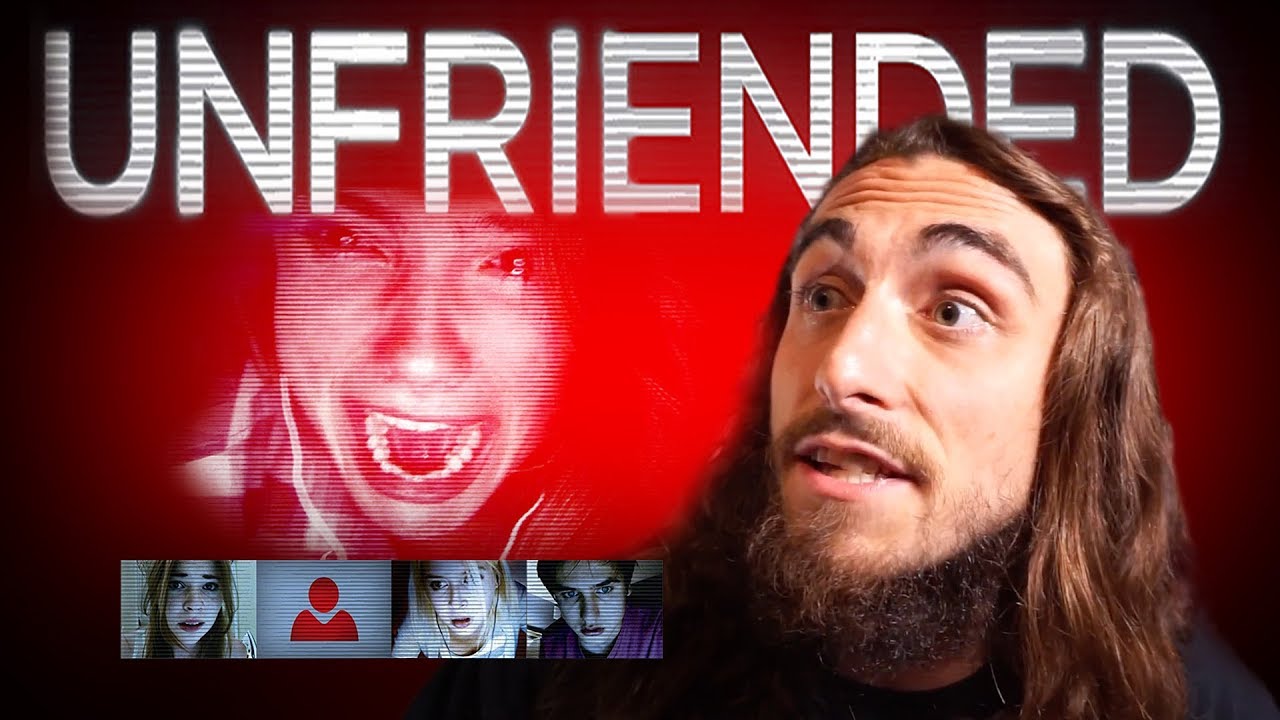
Unfriended (2014) Screenlife Horror Film Analysis and Review
@theboredcyborg
372 views•2019-08-20
4:55
Film Blocking Techniques for Directors: Space, Shapes, Lines
@StudioBinder
1.9M views•2018-07-23

4:00
Evolution of Darth Vader: Anakin Skywalker's Animated Journey Across Star Wars Films
@TellItAnimated
13.4M views•2019-03-30
Related Study Plans & Knowledge Roadmaps
Structured learning paths in Film Analysis
film-analysis
Sensory Cinema: Foley, Haptic Sound & Texture
01Introduction to Film Sound and Foley Artistry
02Micro-Sounds, Textures, and Extreme Amplification
03Haptic Audition and Film Phenomenology
+ 1 more learning modules
12h4 modules
Explore Roadmap
film-analysis
Breaking the Fourth Wall: Mockumentary & Satire
01The Invisible Wall: Basics of Cinematic Illusion
02Looking at the Lens: Direct Address & Character Glances
03The Mockumentary: Satire, Realism, and Complicity
+ 2 more learning modules
12h5 modules
Explore Roadmap
film-analysis
Analyzing the Long Take: Cinema, Space & Ethics
01Foundations of Film Grammar: Montage vs. The Long Take
02Choreography and Mechanics of the Simulated One-Shot
03Phenomenology of Film: Real-Time Spatial Continuity
+ 1 more learning modules
14h4 modules
Explore Roadmap
film-analysis
Anachronistic Music: Period Drama & Subversion
01Foundations of Film Sound and the 'Needle Drop'
02Traditional Authenticity vs. Revisionist History
03The Rise of the Anachronistic Soundtrack
+ 2 more learning modules
12h5 modules
Explore Roadmap