






![DeepMind x UCL RL Lecture Series - Introduction to Reinforcement Learning [1/13]](https://i.ytimg.com/vi_webp/TCCjZe0y4Qc/maxresdefault.webp)
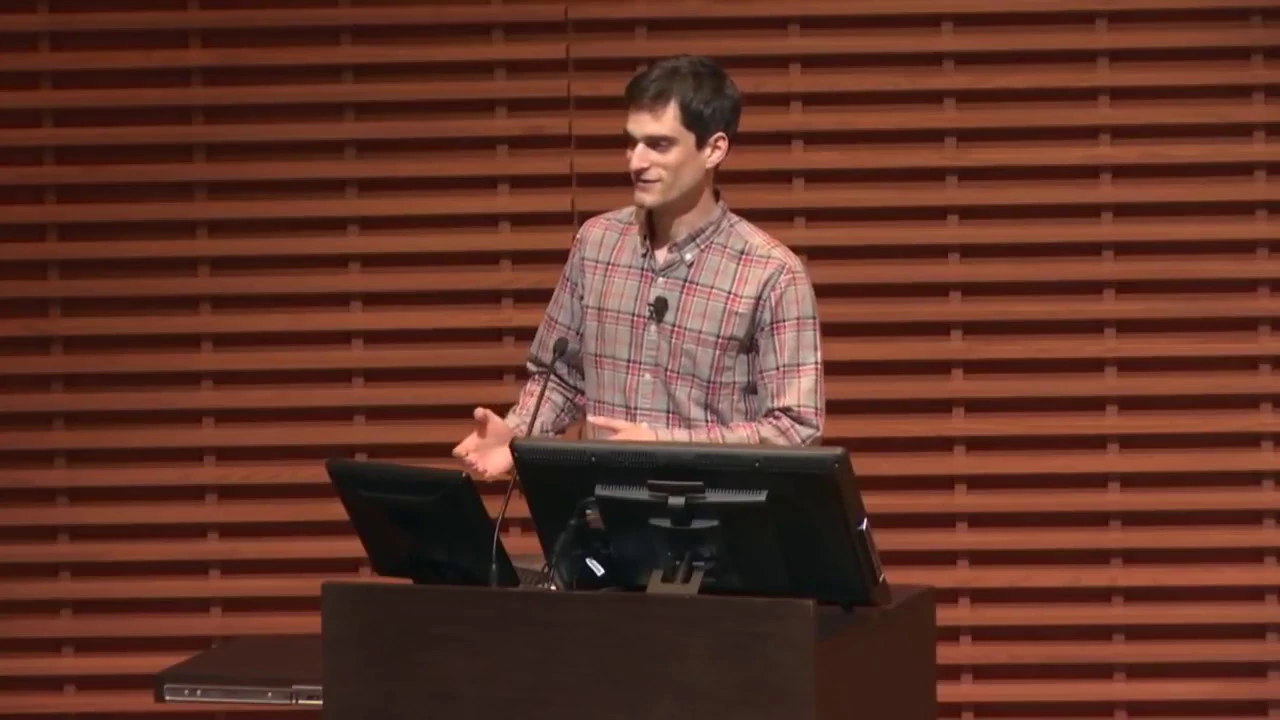





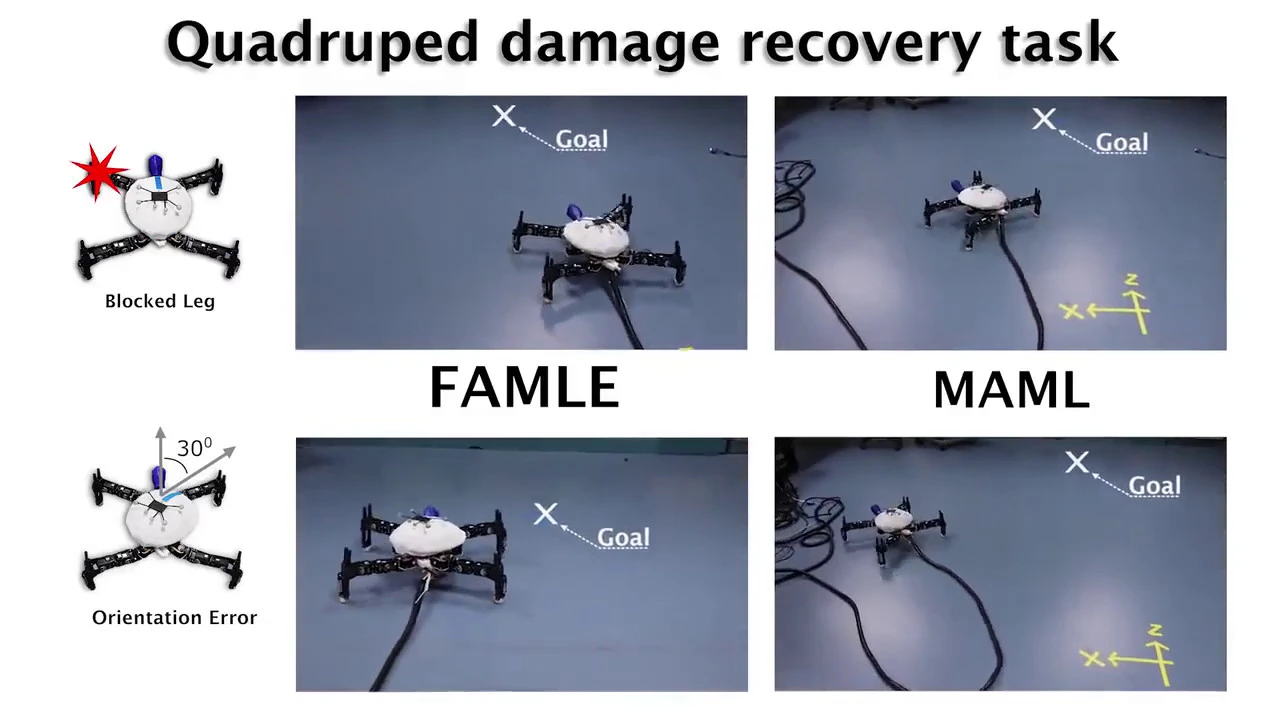





Sim2Real transfer is a robotics research paradigm that enables robots to learn skills in simulation environments and then apply these skills to real-world robotic systems with minimal or no fine-tuning required; however, a significant challenge exists because simulation environments and real-world conditions differ, creating what is known as the 'reality gap' that researchers must address to achieve effective skill transfer.
Sim-to-Real Transfer in Robotics: RSS 2020 Workshop Opening
Added:Understanding of the 'Reality Gap'—the discrepancy between simulated environments and the physical world in robotics.
Familiarity with physics engines and simulators commonly used in robotics, such as MuJoCo, PyBullet, or Gazebo.
Foundational knowledge of machine learning, specifically Reinforcement Learning (RL) and how policies are trained.
Basic concepts of robot dynamics, control theory, and sensor feedback loops.
In-depth study of Domain Randomization (DR) techniques to make trained policies robust to simulation-to-real discrepancies.
Exploration of System Identification (SysID) methods to precisely align simulation parameters with real-world physical dynamics.
Investigation of Domain Adaptation and Meta-Learning algorithms that allow robots to adapt to the real world online.
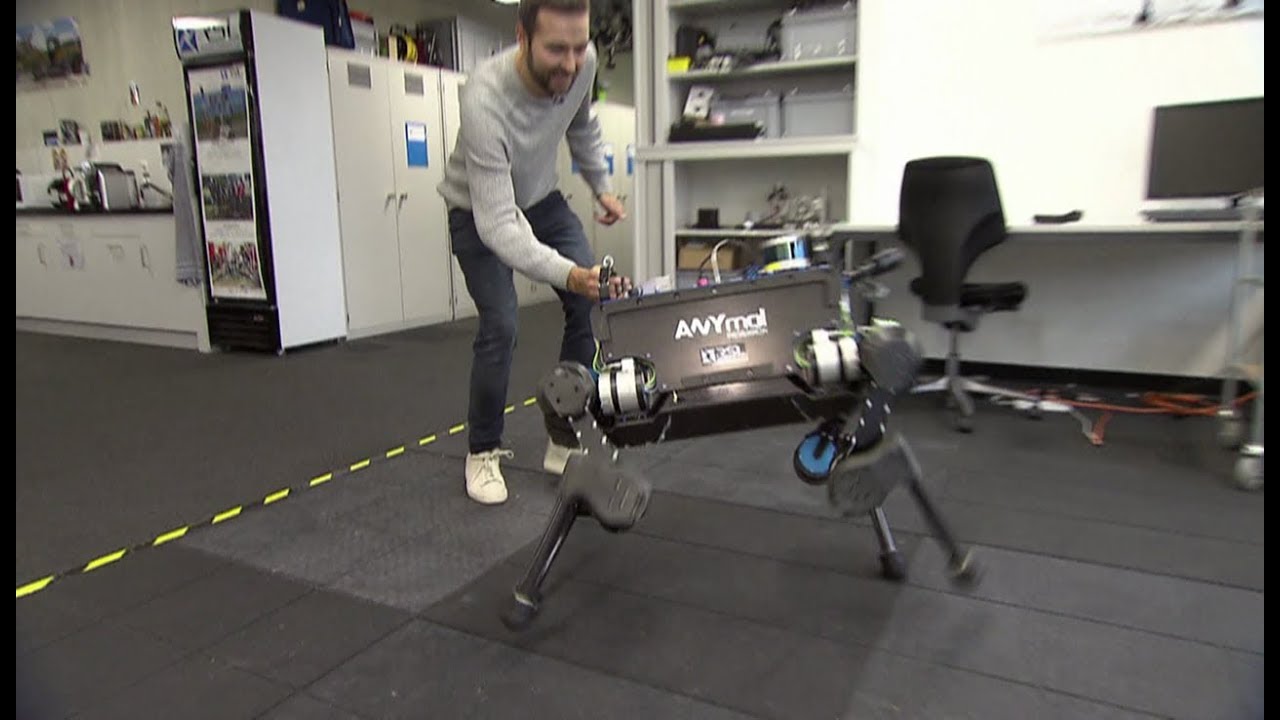
Case studies of successful Sim-to-Real applications, such as legged locomotion (e.g., ANYmal or Unitree) and robotic manipulation.
601 views7likes8:38Original Release: 2020-07-12
hello and welcome to the second workshop on closing the reality gap and sim to Rio transfer for robotics held together with RSS 2020 on behalf of Michael organizers I'm welcoming you to this workshop and I'm looking forward to a great day full of controversial and insightful research discussions about this exciting topic my name is sebastian and together with my co organizers Costas baker's encore honda guan kamila Gamboa quran gala MO and melissa musician we will be guiding you through this virtual RSS workshop today before explaining a bit about the workshop program and the overall format let me quickly introduce the topic of this workshop century of Robotics the goal of Santeria is to enable robots to learn skills in simulation and then apply these skills in the real robot system with no or little fine-tuning required in the real world so what does this usually look like it begins with some sort of simulation which can be a full-fledged physical simulator that simulates the entire behavior of the robotic system and its interaction with the environment but it can also be other forms of simulations such as photorealistic rendering or even simplified models of behavior this simulation can then be used in different ways to generate behavior for example a policy the behavior can be generated in different ways either by training a machine learning model using the simulator as a source for training data or by using the simulator as a back-end or model for example to do planning any case the goal is to take the skill or behavior synthesized or learned in the simulator and transfer it to the real robot with little effort so that means with little amount of fine-tuning or other training needed in the real world so why would be interested in Cinderella well if we were able to significantly reduce the need of a real-world experimentation using simulation over training our robots and simulation this would have a tremendous impact on the way we could do robotics research but there is a catch we know the simulation in the real world do actually differ there is a gap and thanks to a great effort by micro organizes myself we managed to illustrate this gap problem with this highly complex visualization here it goes so the question is how large is this gap have we already closed it sufficiently or will be able to closed anytime soon or not at all we hope we can find some answers to these questions during this workshop after this general introduction let me now tell you what the overall program is for this day so we're gonna feature three types of events the first type are going to be the debates in each debate for experts from the field are going to dispute a controversial statement related to Santeria now that we have pre-recorded these debates last week and you've different ways to watch them either you join the live replay sessions on zoom' indicated at these times and also on our website or you just click on the youtube links which are also available on our website and on the RSS feed club systems to watch the debates at any time convenient for you however please make sure to vote in our polls for each debate there will be two polls one before and after we would like to hear your opinion about the stated proposition in each debate and we will use the results from these polls to later announce the winners of each debate secondly there will be the contributed paper Q&A so in this year we got a large number of high quality submissions and we were able to accept 18 of these submissions at our workshop we have clustered the submissions into three groups each related to one of the debate topics and after each debate there will be a live Q&A sessions long zoo we will first see short teaser videos by the authors and then there will be time for you to ask questions to the authors so please join these live Q&A sessions finally there will be a closing panel in this cloning pedal which will be live as well similar to the contributed paper Q&A we will invite all of our debate to pit participants first of all to wrap up the workshop and do a small retrospective about the debates and what b'fer but we will also announce the winners of each debate using the rel results from the polls I mentioned earlier so to summarize how can you interact with us today so first of all for the debates please participate in the polls as I said there will be two polls one-half before and one after the debate and we criticize when your contribution is posts to be able to determine the winners of each debate secondly join the live Q&A sessions for the contributed papers and third of all please feel free to ask any questions using the RSS platform means feet loop we will we will be monitoring it throughout the day and try to get back to your questions and also take some of the questions we hear and ask them to our panelists at the end in the workshop of the workshop within the closing event okay before I move over to actually showing the first debate that please just give some kudos to the equal 2019 and 2020 workshop organizers who organized the workshop about robotics debates at least at these conferences so we enjoyed watching the piecework did the base during this workshop so much and we realized that it would be a great fit for our workshop topic so I just want to say big thanks to the ikura debate workshop organizers for bringing this fantastic debate forum it into the world of robotics and also big thanks to Lee Clemmie one of the organizers who gave us great advice and how we should go about organizing our debates no virtual as well so all that's left for me now is to say enjoy RSS have an exciting entertaining and insightful conference and after a very short break we're going to air the first debate and the topic of this first debate will be wise into real but the controversial proposition being disputed investing into central is a waste of time and money so stay tuned
Up Next

17:11
Quadruped Robot Control with Deep RL: Training and Deployment on Lite3
@deeprobotics8601
41.5K views•2025-09-06

58:25
MathWorks Virtual RoboSub Simulation Environment | Webinar 2026
@RoboNationInc
209 views•2026-03-10

11:04
How to Build a Self-Balancing Robot: Arduino Nano & MPU6050
@easytechzones
16.8K views•2022-03-09
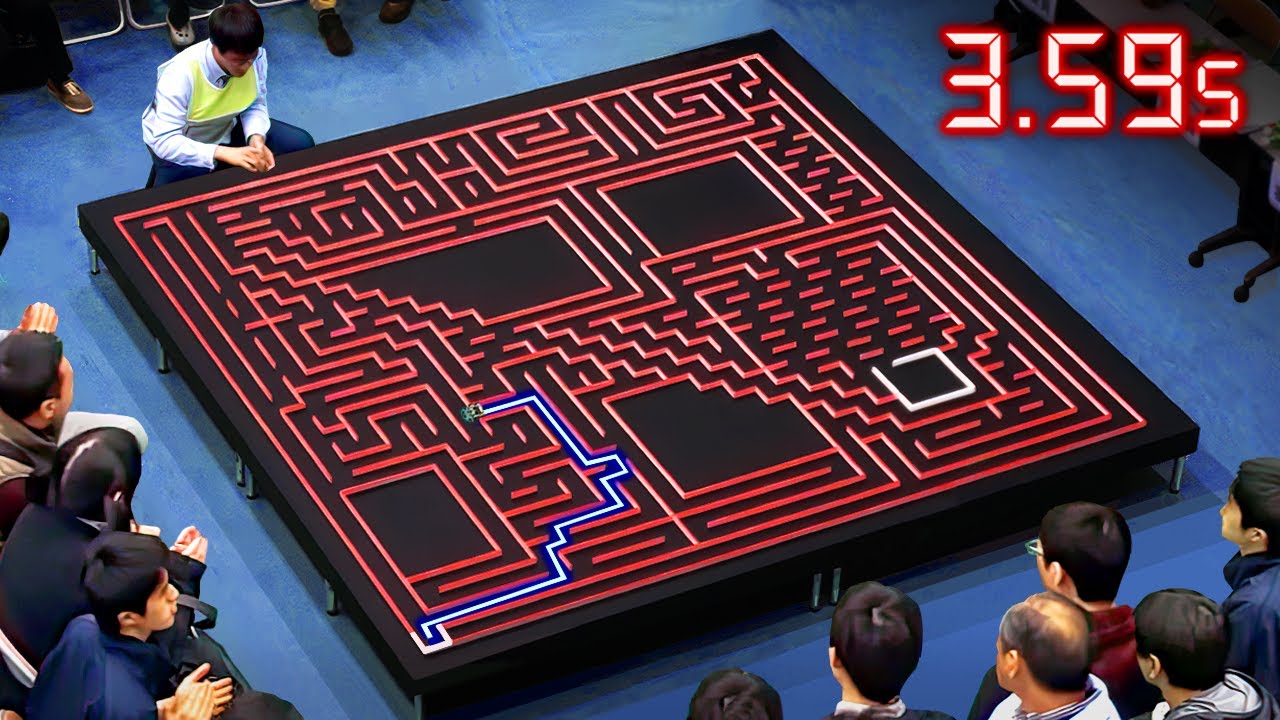
25:22
Micromouse: The Fastest Maze-Solving Robots on Earth
@veritasium
23.5M views•2023-05-24
Related Study Plans & Knowledge Roadmaps
Structured learning paths in Robotics
robotics
Building Delta Robots: Kinematics & Pico
01Foundations of Delta Robots & Mechanical Design
02Electronics and Microcontroller Setup with Pi Pico
03Delta Robot Kinematics and Coordinate Math
+ 3 more learning modules
65h6 modules
Explore Roadmap
robotics
Building Ballbots: Dynamics, Kalman & LQR
01Embedded Electronics & Omniwheel Actuation
02Ballbot Kinematics & Rigid Body Dynamics
03IMU Sensors & Kalman Filter State Estimation
+ 2 more learning modules
42h5 modules
Explore Roadmap
robotics
Micromouse: Hardware, PID Control & Flood-Fill
01Electronics & Teensy Microcontroller Basics
02Sensors and Actuators: Motors, Encoders & IR
03Precision Movement: Implementing PID Control
+ 2 more learning modules
35h5 modules
Explore Roadmap
robotics
CDPR: Kinematics, Arduino & Winch Control
01Foundations of Arduino & Basic Electronics
02Stepper Motors and Winch Mechanics
03Kinematics of 2D Cable-Driven Robots
+ 2 more learning modules
28h5 modules
Explore Roadmap