Tristan Tzara, a key figure in the Dada movement, articulated its core philosophy of rejecting traditional principles, rational explanation, and common sense, instead embracing contradiction and chance; he famously demonstrated this through his cut-up method for creating poetry, where one cuts out words from a newspaper article, places them in a bag, shakes it, and rearranges the words in the order they emerge to produce an 'infinitely original' poem.
Tristan Tzara Explains Dada: Art, Anti-Art, & the Cut-Up Method
Added:Deep Dive
The historical context of World War I, specifically the intellectual disillusionment in Europe that fostered radical artistic rebellion.
Conferencia “Duraciones y retornos en la literatura y el arte de las vanguardias” de Nilo Palenzuela
908
The speaker establishes the historical context of vanguardist movements, focusing on the period 1900-1940, exactly 100 years after World War I. The war created a massive rupture that opened the way for radical artistic experimentation. Both Nietzsche and Baudelaire reacted against 19th-century philosophy and its Enlightenment heritage, confronting the consequences of grand constructions that collided with a new time. The war fundamentally transformed the landscape of art, literature, and philosophy by exposing the failures of traditional narratives and creating conditions for radical experimentation.
Click to watch →

La escuela de la BAUHAUS. El diseño artesanal, la llegada de la máquina y de la mujer a los talleres
76.5K
The Bauhaus was founded in 1919, immediately following World War I (1914-1918). The war was initially welcomed by many artists as a purifying process for Germany, which would help the country become a world power. However, by 1917-1918, before the war ended, many artists began to doubt whether the war had any positive value for them. They did not witness the spiritual renewal that was promised after the war, nor did Germany become the world power it was expected to become. This context of disillusionment led artists to write manifestos calling for intellectual change in Germany.
Click to watch →

Лекция «Первая мировая война и судьбы европейского искусства» | Нина Геташвили
654
World War I (1914-1918) fundamentally transformed European art by ending the Belle Époque and giving rise to modernist movements like Cubism, Fauvism, and the Paris School, which rejected traditional academic art in favor of radical experimentation, while the war's devastation created the 'Lost Generation' of artists and writers who experienced the trauma of trench warfare and gas attacks, leading to profound disillusionment with traditional values and a search for new artistic and cultural paradigms.
Click to watch →

What is Dada? - A Short Introduction
134.5K
Dada emerged in 1916, two years into World War I, in Zurich, Switzerland—a neutral country that hosted many political refugees. Artists like Hugo Ball and Emma Hennings founded the Cabaret Voltaire there, which became the birthplace of the Dada movement. The war's atrocities and barbarism revolted these artists, leading them to devote themselves to art while the guns rumbled in the distance.
Click to watch →

Drieu La Rochelle, Aragon, Malraux : D'une guerre à l'autre.
36.1K
After WWI, European intellectuals searched for alternatives to nationalism and militarism. Dadaism mocked all institutions, while surrealists attacked writers like Anatole France who received state honors. The Russian Revolution of 1917 offered hope, but intellectuals soon became divided. Some saw communism as the solution; others believed fascism might save France from decline. This period of intellectual experimentation and division set the stage for the dramatic political transformations of the 1930s.
Click to watch →
Deep Dive
Traditional Western aesthetic standards and academic art principles of the late 19th and early 20th centuries.

2506 LIVE с профессором истории, автором Андреем Знаменским @maguswest (Мемфис, Теннесси)
6.9K
European aesthetic standards established by Burke and his predecessors began to be challenged in the late 19th and early 20th centuries. Artists like Picasso, Dali, and the Impressionists began to reject traditional realism and the established canons of beauty. This shift reflected broader cultural changes and the rise of modernism, which questioned whether universal aesthetic standards could exist at all.
Click to watch →

نظریه فرهنگ/ مکتب فرانکفورت/1/2/اسفند 1396/ N. Fakouhi/Theory of Culture/ Frankfurt School /2016
282
Aesthetic standards and cultural hierarchies are historically contingent rather than timeless truths. In 19th-century France, academic art standards established specific rules for legitimate art, excluding everyday life and ordinary people from artistic subjects. The Frankfurt School demonstrates that cultural classifications once considered legitimate can become illegitimate over time, as shown by the transformation of Impressionism from 'common' to 'great' art. This historical contingency undermines claims that certain cultural forms are inherently superior to others.
Click to watch →
ИМПРЕССИОНИЗМ и 19 век | Почему импрессионизм случился? | Клод Моне, Огюст Ренуар, Эдгар Дега
23.8K
The Royal Academy of Fine Arts controlled artistic life in mid-19th century Paris, establishing strict canons that artists must follow. The Paris Salon, held annually since the 15th century, was the primary pathway to professional success, with only about one-third of submissions accepted. Selection criteria included elevated allegorical subjects, technical mastery, and closed brushstrokes. By the mid-19th century, this system had become compromised by nepotism, secret agreements, and corruption. Charles Baudelaire's 1859 essay criticized academic art for repeatedly depicting Renaissance-era characters without genuine thought. The 19th century brought unprecedented change—three revolutions, wars, and rapid technological progress including steam engines, railways, and photography. This created a vacuum in academic art, which could not reflect the modern world. Baron Haussmann's reconstruction of Paris (1850s-1870s) demolished approximately 20,000 buildings, replacing narrow medieval streets with wide boulevards. The opening of Japan in the late 1860s brought Japanese woodblock prints to Europe, which featured saturated colors, bold outlines, and absolute simplicity—radically different from Western traditions.
Click to watch →

Lecture: Chapter 25 (Part 1 of 4)
5.4K
The Academy of Fine Arts controlled artistic taste and exhibition in the early 1800s, establishing strict standards for acceptable art. Academic works featured controlled studio lighting, idealized classical subjects, invisible brushwork, and centered compositions. Three major challenges emerged: Delacroix prioritized color over draftsmanship and depicted non-classical subjects like North African scenes; Courbet painted mundane scenes with unconventional color combinations; and the 1830 and 1848 revolutions fueled artistic rebellion. These artists sacrificed market opportunities for their principles, creating art that challenged institutional standards and expanded artistic expression beyond traditional boundaries.
Click to watch →
Prager U and Fascist Art
20.4K
PragerU argues that for centuries artists enriched Western society with works of astonishing beauty (The Night Watch, The Thinker, The Rocky Mountains), but something happened on the way to the 20th century when the profound, inspiring, and beautiful were replaced by the new, different, and ugly. They claim that the thousand-year ascent toward artistic perfection and excellence was pushed out beginning in the late 19th century when impressionists rebelled against classical standards, sowing seeds of aesthetic relativism where beauty is in the eye of the beholder.
Click to watch →
Deep Dive
The concept and role of an artistic 'manifesto' as a tool for ideological disruption and cultural critique.
![[5분 미술사-6] 씹덕들의 혼종의 예찬가 (미래주의)](https://i.ytimg.com/vi/Uf9hOo7CCdg/maxresdefault.jpg)
[5분 미술사-6] 씹덕들의 혼종의 예찬가 (미래주의)
468
Manifestos in the 20th century served as powerful ideological tools that claimed exclusive truth and attacked opposing viewpoints. Unlike modern approaches that tolerate diversity, manifestos of this era were aggressive and uncompromising, presenting their claims as absolute truths without supporting evidence. Like the French Declaration of the Rights of Man, manifestos create conceptual foundations for political programs, even when their claims are false or ideological. The Futurist Manifesto exemplified this by celebrating war, violence, and destruction as artistic ideals, rejecting museums, libraries, and academic institutions. This demonstrates how artistic movements can align with destructive political ideologies, as the Futurist movement's embrace of war and fascism contributed to World War I and 20th-century political transformations.
Click to watch →

PODCAST DE LINGUAGENS: LITERATURA, ARTES, LÍNGUA PORTUGUESA E INGLÊS.
907
Manifestos serve the social function of influencing public opinion and critiquing societal norms. Examples include the Poesia Manifesto for Brazil, the Anthropophagic Manifesto, and the Communist Party Manifesto. These texts were created by artists and intellectuals as tools for social critique and cultural change, establishing parameters for artistic and social transformation. Understanding manifestos helps students recognize how artistic movements articulate their vision and challenge existing cultural and social structures.
Click to watch →
LFF CONNECTS: Julian Rosefeldt & Cate Blanchett | BFI London Film Festival 2017
38.6K
Art manifestos function as 'seismographs' revealing cultural tensions of their era, expressing 'thoughtful anger and a thoughtful wish to change something.' Despite confident proclamations, manifestos reveal underlying artist insecurity, which makes them appealing. The creative process involved researching feminist theory, discovering Valentina Sample's disturbing futurist manifestos about women, and transforming texts into performable dialects. Characters emerged naturally from text material (like stock market traders representing speed and technology) or through collaborative 'ping-pong' between creators. The goal was freeing manifestos from art historical context by performing them rather than reading them, having women speak testosterone-driven text, and getting the text as far away as possible from its original context. Translation research revealed significant distortions between original German Marxist texts and English versions, highlighting how translators exercise freedom with poetry and manifestos.
Click to watch →

"RESISTÊNCIA CULTURAL": cinema • Ed. especial com YASMIN THAYNÁ
2.4K
The speaker describes creating a manifesto as a way to synthesize their artistic and intellectual thoughts, explaining that it will be developed gradually piece by piece and will serve as the 'ponto final' (final point) alongside their album. They discuss the concept of artistic freedom and self-expression, describing how artists must be their own freedom rather than accepting external constraints. The speaker references the concept of 'Arte dos Pés' (Art of the Feet) and discusses how artists can 'escrever a cor da história' (write the color of history) through their creative work. This demonstrates how artists use written manifestos to articulate their creative philosophy and how artistic practice can serve as a form of cultural resistance and identity construction.
Click to watch →

MANIFIESTO EN EL ARTE
792
A manifesto in art is a public declaration that denounces an existing reality and proposes a new one, functioning as both a critique and an affirmation; it is characterized by its liminal nature (existing between individual and collective, real and utopian), its declarative structure (including a title, subject, pause, and call to action), and its purpose of transforming reality through artistic enunciation. Manifestos can be textual, performative, or embodied in works like paintings, songs, or actions, and they serve as the foundational documents for artistic movements such as Dadaism, Surrealism, and Latin American vanguardism.
Click to watch →
Deep Dive
An introduction to Modernism and the early 20th-century avant-garde movements that questioned representational art.

Модернисты и постмодернисты Лекция 11 Джером Дэвид Сэлинджер
5.9K
Modernism marked a fundamental crisis in representational art across all disciplines. In literature, depicting three-dimensional human figures in landscapes became uninteresting. In painting, creating pictures where viewers could mentally enter and where objects receded toward a vanishing point became uninteresting. In music, the traditional seven-tone diatonic scale became uninteresting, replaced by twelve-tone music that doesn't naturally resonate with the human soul. This crisis paralleled a scientific shift away from studying tangible phenomena toward exploring abstract concepts like galaxies and elementary particles. The modernist crisis reflects a broader transformation in human perception and artistic expression during the early 20th century.
Click to watch →

European Intellectual History since Nietzsche: Class 10, Modernism and the Avant-Garde
2.8K
Modernism emerged as an aesthetic response to modernity's uncertainty, beginning with first-wave modernism's Freudian turn inward toward radical subjectivity and the embrace of the ugly and irrational, as exemplified by Baudelaire's rejection of art depicting only beauty and Kafka's exploration of alienation in 'The Metamorphosis.' The second wave, or high modernism/avant-garde, fundamentally transformed art from representation to transformation, severing the connection between signifier and signified through linguistic structuralism (Saussure's signifier/signified model) and Russian formalism's concept of 'ostranenie' (defamiliarization), which makes art a hammer to create life rather than a mirror to reflect it. This radical shift, characterized by internationalism, youth cult, and rejection of bourgeois conventions, ultimately proved existentially unbearable, as the complete freedom from constraints left artists without ground to stand on, leading to tragic outcomes for figures like Mayakovsky.
Click to watch →
The Modern Art Problem
27.1K
Modern Art is defined as an art era from 1860 to 1970, with art eras being 100 years and movements being 10-20 years. Impressionism was the first movement, starting in 1859 when Edouard Manet submitted 'The Absent Drinker' to the Paris Salon, which rejected it for being unfinished and depicting an alcoholic. Despite rejection, the public supported him. Impressionism was centrist art, working within the system while introducing innovation. The Salon was ironically called the 'Salon of Rejects.' When rejected artists formed their own gallery, Impressionism emerged. Modern Art evolved from 'art for art's sake' to creating art increasingly outrageous to the public, increasingly original, and increasingly avant-garde. It became a statement against the bourgeois establishment. World War I significantly influenced art, as traditional art symbolized the bourgeois who sent their generation to war. Artists moved toward non-representational abstract art as protest. Representational art represents something from the real world, while non-representational art is not tied to anything in the real world. Cubism in 1909 was the first concrete manifestation of abstract art. Dadaism in 1917 was created in direct response to World War I, rejecting all representational art as an anarchist movement.
Click to watch →
Le Avanguardie Artistiche del 900
22.5K
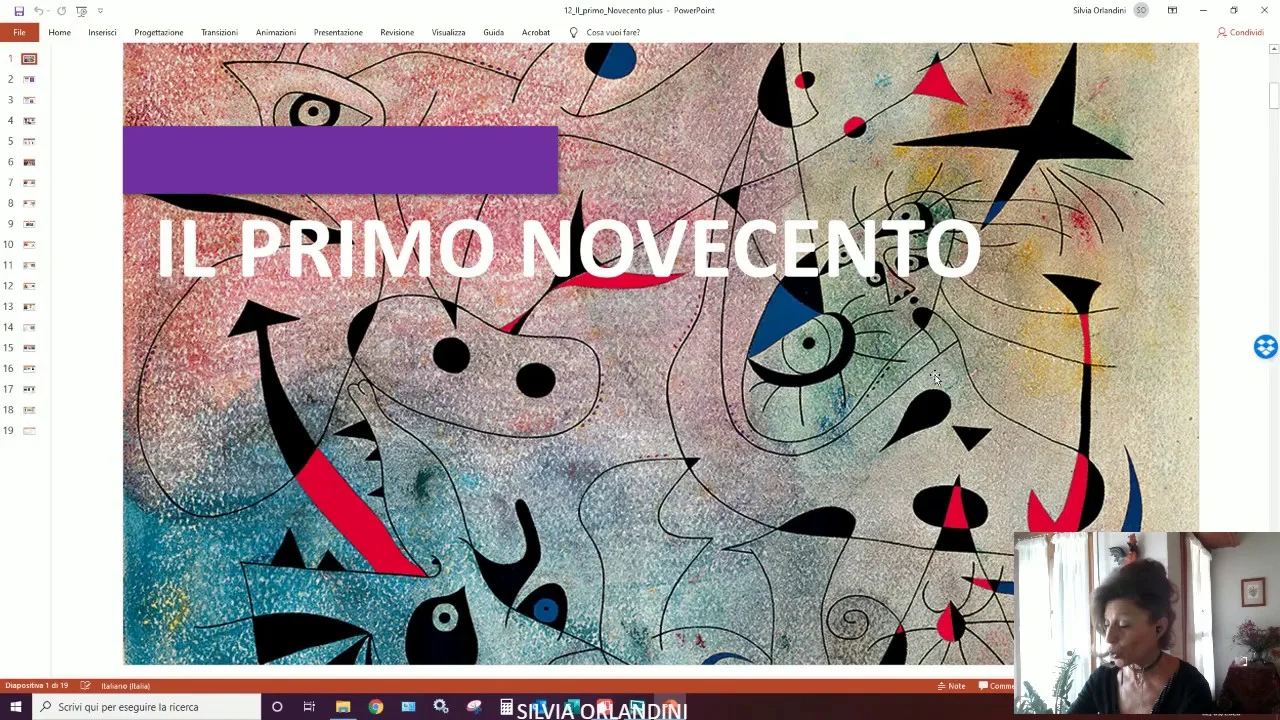
The seven major avant-garde movements of the early 20th century are: German Expressionism (the first major movement), French Expressionism, Cubism (with Picasso as a key figure), Futurism (the last major Italian art movement), Abstract Art (divided into lyrical abstraction led by Kandinsky and geometric abstraction led by Mondrian), Dadaism (a radical movement that deeply influenced contemporary art), and Metaphysical Art (which deals with realities beyond the physical world). Surrealism represents art that goes beyond apparent reality, presenting familiar objects or scenes with particular elements that make them seem unreal or dreamlike. These movements represent the final major avant-garde movements that continue to influence contemporary art.
Click to watch →

Арт завтрак От модерна к авангарду или новые стили в живописи и литературе
606
This comprehensive section establishes the foundational concepts of modernism and avant-garde in art history. Modernism is defined as a new contemporary style representing the last major artistic style, characterized by 'changes' and a new modern aesthetic. Avant-garde, literally meaning 'forward guard' in French, is not a style but a utopian project within modernism that transitions from art to reality. The term was first applied to Russian art by Alexandre Benois but was not self-applied by artists. The era of modernism spans from the 1870s to the mid-20th century, while modern art (модерн) covers the late 19th century to 1914. Modernism represents a socio-cultural paradigm directed toward renewal and breaking with classical art, driven by technological changes, urbanization, and social upheavals at the turn of the century. The expansion of colonial empires brought Europeans into contact with non-Western cultures, including African and Oceanic art. Charles Darwin's theory of evolution challenged religious institutions, while Albert Einstein's theory of relativity (1905) further challenged humanity's understanding of absolute categories. The first decade of the 20th century became a 'crucible' for artistic innovation. A common misconception is that avant-garde emerged completely independently from the past, requiring the destruction of all previous artistic traditions. However, early avant-garde actually emerged at the intersection of traditional understanding and social/technological upheavals. The sense of isolation and fear before the new technical world that could 'crush' individuals became a defining characteristic of European civilization. Artists, as the most sensitive individuals, were among the first to sense the impending catastrophe of World War I. Unlike modernists who sought to create a new style reflecting the new era, avant-garde artists actively blurred the boundaries between art and life, transforming artistic work into a tool for the transformation of human beings and society. The four post-impressionist artists who laid the foundation for new art were Van Gogh, Gauguin, Cézanne, and Toulouse-Lautrec. Van Gogh used color subjectively to express himself, with concentrated shades and contrasting color collisions creating emotional tension. Gauguin was among the first artists to actively seek non-European cultures, challenging eurocentrism in painting. He felt European civilization was outdated and dying, representing 'the sunset of Europe.' He traveled to Tahiti seeking primitive cultures that had preserved their identity, becoming one of the founders of French symbolism. Upon arriving in Tahiti, Gauguin completely reconstructed his artistic system, attempting to emulate the principles of primitive culture. He embraced the tendency of primitive cultures toward large, flat surfaces of rich color. Toulouse-Lautrec was one of the first artists to transform the conventional line into an independent expressive medium, capable of conveying emotions and creating moods. He depicted marginal subjects, outcasts, and women of the demi-monde without fear of criticism. By the end of the 19th century, key categories that had built art for millennia, beginning with mimesis and ending with linear perspective, became unimportant.
Click to watch →
Prerequisite Knowledge
- Concept 01The historical context of World War I, specifically the intellectual disillusionment in Europe that fostered radical artistic rebellion.
- Concept 02Traditional Western aesthetic standards and academic art principles of the late 19th and early 20th centuries.
- Concept 03The concept and role of an artistic 'manifesto' as a tool for ideological disruption and cultural critique.
- Concept 04An introduction to Modernism and the early 20th-century avant-garde movements that questioned representational art.
Subsequent Learning
- Step 01The transition from Dada to Surrealism, analyzing how André Breton and others shifted from chaotic 'anti-art' to the structured exploration of the subconscious.
- Step 02The evolution of the cut-up technique in the mid-20th century, particularly its adoption by William S. Burroughs and influence on Beat Generation literature and music.
- Step 03The legacy of Dadaism in Neo-Dada, Fluxus, and Pop Art, focusing on Marcel Duchamp's concept of 'readymades' and conceptual art.
- Step 04Modern applications of chance-based creation, such as generative art, algorithmic poetry, and contemporary collage techniques.
Dada Manifesto
Dada Manifesto
0:02Playing Section
- 1
Rejects manifestos, principles, and conventional morality.
- 2
Advocates for continuous contradiction and anti-action stance.
- 3
Instructs on creating poems by randomly cutting out newspaper words.
André Breton’s Surrealism and the Critique of Dadaist Negation
While Tristan Tzara’s Dadaism championed absolute nihilism, chaos, and the destruction of traditional meaning through methods like the cut-up technique, it faced a significant historical counterpoint from André Breton and the rise of Surrealism. Breton, originally a Dadaist himself, grew disillusioned with what he saw as Dada's dead-end philosophy of "pure negation." He argued that constant destruction without a constructive alternative was ultimately sterile and politically ineffective. Instead of merely dismantling language and art, Breton advocated for Surrealism—a movement that sought to resolve the crisis of meaning not by destroying it, but by accessing the subconscious mind, dreams, and automatic writing to build a new, deeper reality. From this perspective, Tzara's anti-art was a necessary starting point but a failure as a final destination, as true intellectual and artistic liberation required creation and synthesis rather than perpetual chaos.
Deep Dive
The transition from Dada to Surrealism, analyzing how André Breton and others shifted from chaotic 'anti-art' to the structured exploration of the subconscious.
Man Ray: Dada & Surrealism in Photography and Art
31.2K
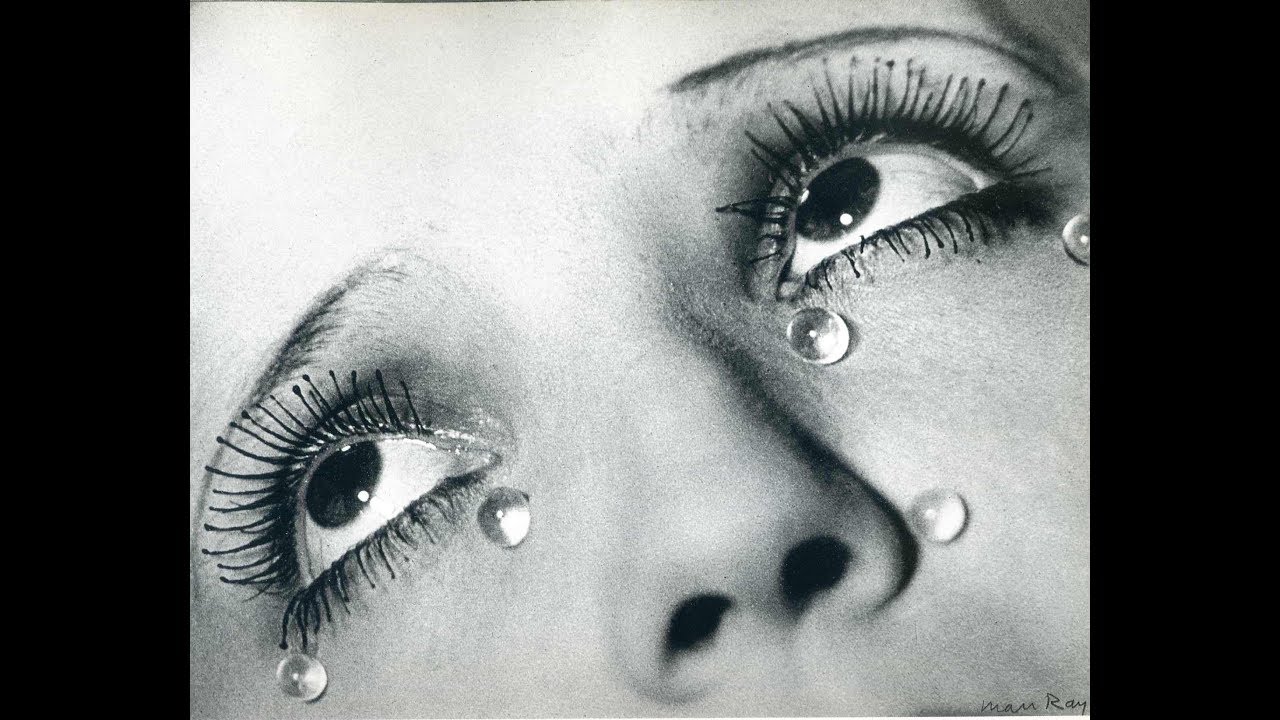
People have been saying before that Dada was dead, but nobody knew it better than the Surrealists. One might say that the Dada movement ended officially around 1923 and it was most of the same poets and painters who slid over into the surrealist movement. The Surrealist managed to publish several magazines and they were all read with a great deal of interest and seemed to influence the younger generations very much. It is primarily a literary movement because the word counts for more than any plastic presentation. Andre Breton, the father of Surrealism, was a very rigorous person, quick to criticize any departure from the rules he had established. Surrealism also is a movement of revolt but it chooses its own weapons—new weapons. Surrealism tried to replace, not to annihilate. It was a more constructive movement, influenced by Freud psychology, with more attention paid to technique.
Click to watch →
NaRt : Le Surréalisme
114.7K
Surrealism emerged as the heir to Dadaism, which began in 1916 as a reaction to World War I's absurdity. Dadaists used absurdity to question Western civilization's foundations, attacking it through destruction, humor, and scandal. They freed art from all constraints, using diverse materials and readymades. However, Dada's theoretical structure contradicted its destructive aims. In 1921, Francis Picabia criticized Dada as pretentious and left, causing its decline. André Breton then founded Surrealism in 1924, adapting Dada's image destruction to conscious thought. Influenced by Freud and African/Oceanic arts, Breton sought to express dreams and desires, publishing the Surrealist Manifesto that established the movement's foundations.
Click to watch →
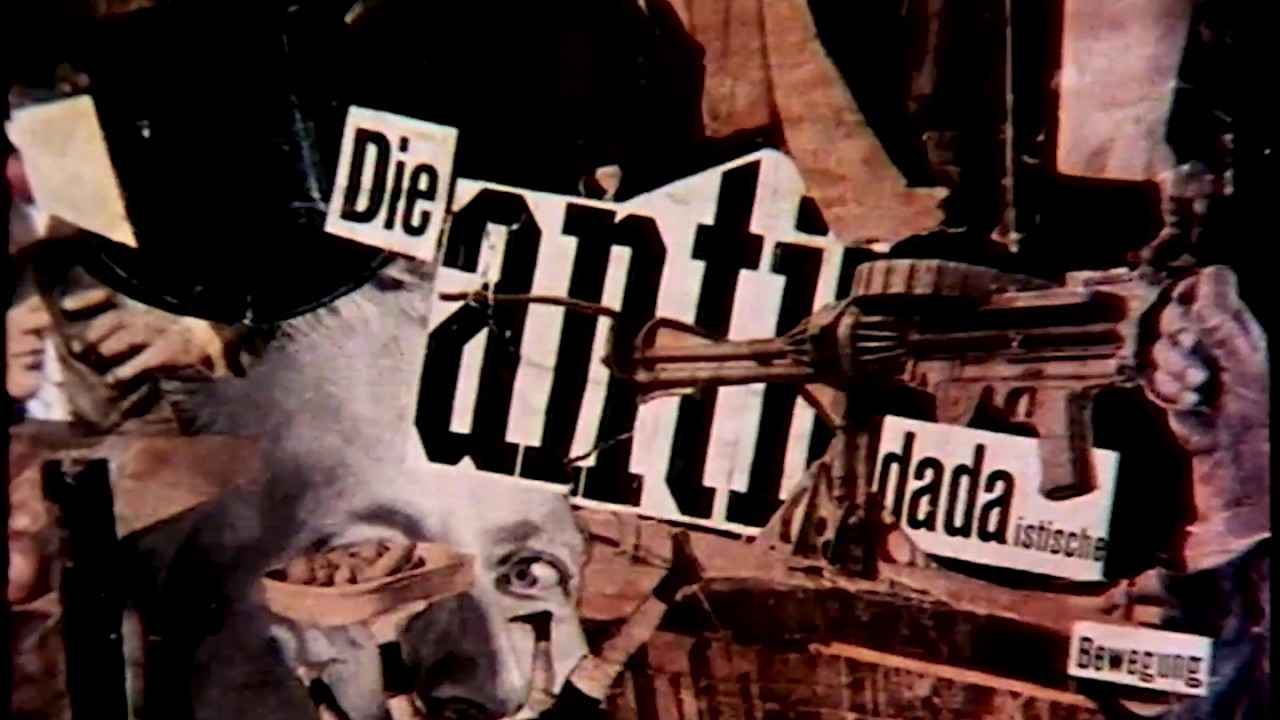
Dada and Surrealism: Europe After the Rain documentary (1978)
269.3K
Dada and Surrealism were early 20th-century artistic and intellectual movements that emerged as profound reactions to the devastation of World War I and the perceived failures of Western rationality; Dada, founded in Zurich in 1916 by artists like Hugo Ball and Tristan Tzara, embraced absurdity and anti-art principles to reject conventional aesthetics, while Surrealism, officially inaugurated in 1924 by André Breton, sought to access the unconscious mind through techniques like automatic writing and collage, representing a shift from Dada's nihilistic rejection toward a more positive exploration of dreams and the irrational.
Click to watch →

A Arte de Ver | Episódio 11 | Dadaísmo e Surrealismo
3.7K
Dadaism and Surrealism emerged as artistic movements reacting to World War I, with Dadaism originating in Zurich as an anarchic protest against rationality and war, founded by Tristan Tzara who randomly selected 'dada' from a dictionary to name the movement; Surrealism evolved from Dadaism as a more structured movement led by André Breton in 1924, utilizing psychic automatism to explore the subconscious, dreams, and irrationality, with the core principle that 'the unreal is as true as real'—representing psychological truth rather than visual reality through both figurative and abstract imagery.
Click to watch →
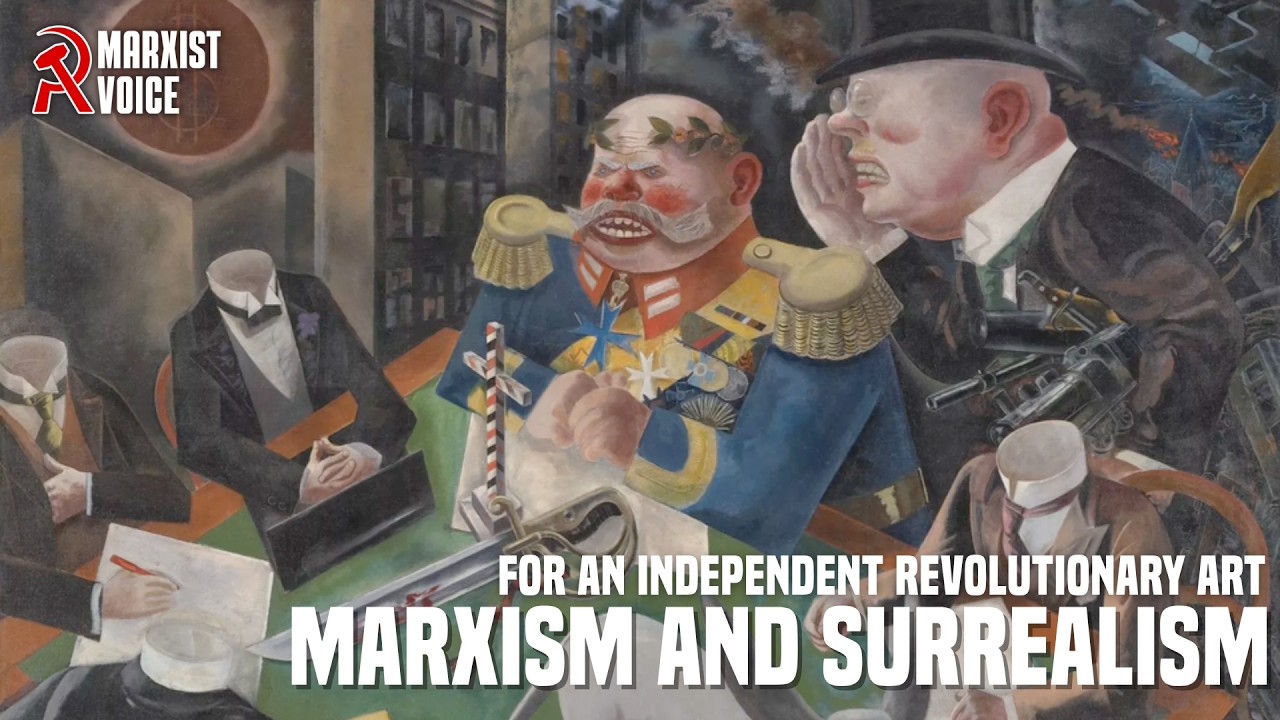
For an independent revolutionary art: Marxism and Surrealism
475
Dadaism emerged in 1916 in neutral Zurich as the first post-WWI artistic response. The Dadaists hosted exhibitions featuring absurd theatrical performances, nonsense poetry, and primitive collages, aiming for total rejection of society, morality, and art—a clean break from what they considered decrepit elements of the past. The movement was explosive and shocking to establishment. The Russian Revolution of 1917 electrified European intellectuals. When Dadaists left Switzerland, they found fertile ground for further activity. André Breton, inspired by Freud's works on dreams and the subconscious, developed surrealism as the logical extension of Dada, defining it as 'pure psychic automatism'—expressing thought without control by reason, outside aesthetic and moral preoccupation.
Click to watch →
Deep Dive
The evolution of the cut-up technique in the mid-20th century, particularly its adoption by William S. Burroughs and influence on Beat Generation literature and music.

Burroughs a Bowie: cómo nació esta técnica experimental
240
The cut-up technique emerged in 1959 Paris when Brian Geisim accidentally discovered that cutting and reorganizing newspaper phrases created unexpected poetic combinations. William Burroughs adopted this method to break free from linear language control, publishing the Nova Trilogy (1961-1964) where he treated language as a virus to be deactivated. Burroughs applied cut-up to cinema with 'Cops' (1966) and sound recordings, anticipating electronic music sampling. The technique spread to popular music when David Bowie used it for 'Diamond Dogs' (1974) and later computer-generated lyrics, while Brian Eno's 'Oblique Strategies' (1975) formalized its creative principles.
Click to watch →

Cut-Ups William S. Burroughs
129.2K
The cut-up technique, pioneered by William S. Burroughs and Brian Gon in 1959, involves cutting up phrases from newspapers and magazines and rearranging them randomly to create new texts; Burroughs discovered that some rearranged passages seemed to predict future events, suggesting that cutting into the present allows the future to 'leak out.'
Click to watch →
![The Source (1999) [Beat Generation Documentary]](https://i.ytimg.com/vi/S3_XN9LXpu0/hqdefault.jpg)
The Source (1999) [Beat Generation Documentary]
16.9K
William Burroughs developed the cut-up technique, influenced by surrealism's emphasis on automatic writing and breaking down conventional thought patterns. He sent Ginsberg letters containing chapters and routines, and together they assembled approximately 500 pages of material. Burroughs' novel 'Naked Lunch' derives its title from Kerouac's suggestion, meaning a frozen moment when everyone sees what is on the end of every fork. The novel depicts surreal dystopian landscapes with bizarre imagery. Burroughs described the novel as requiring readers to sit alone for years, suggesting it demands intense engagement with uncomfortable material. The cut-up technique made perception explicit by showing how random factors continuously shape our experiences, reflecting Burroughs' view that life itself is a cut-up process.
Click to watch →

William S. Burroughs // The Sorcerer of Words
31.3K
William S. Burroughs (1914-1997) was a pioneering American writer whose innovative literary techniques challenged conventional storytelling; born into privilege in St. Louis but drawn to forbidden worlds, he became a key figure of the Beat Generation, developing the revolutionary cut-up technique with painter Brion Gysin to disrupt language's control systems and create his seminal work Naked Lunch (1959), which prophetically warned of a world governed by control machines while establishing the Third Mind concept that two collaborating minds could produce something entirely new.
Click to watch →

William Burroughs' The Soft Machine, The Ticket that Exploded & Nova Express (Speculative Reader)
2.6K
In the early 1960s, Burroughs lived as an expatriate addict drifting between Tangier and London, attempting heroin detox while carrying the psychic weight of accidentally killing his wife Joan Vollmer in 1951. This tragedy created a sense that consciousness is corruptible and humans are easily puppeted through desire, fear, and need. Influenced by Beat camaraderie, pulp crime fiction rhythms, Mayan mythology, and painter Brian Gysin, Burroughs developed the cutup technique in 1959. This involved literally slicing newspapers, magazine articles, and draft pages into strips and rearranging them to create new juxtapositions, later expanded into fold-ins where pages collided line by line. For Burroughs, writing became a weapon against control systems—language, addiction, bureaucracy, government, and authority's insinuating whisper in the mind. The cutup technique both defines and governs the trilogy, representing how the subconscious experiences reality as chaotic overlays of sensations, memories, and intrusions.
Click to watch →
Deep Dive
The legacy of Dadaism in Neo-Dada, Fluxus, and Pop Art, focusing on Marcel Duchamp's concept of 'readymades' and conceptual art.
What is Dada? - A Short Introduction
134.5K
Marcel Duchamp challenged the art world with his readymades—objects that become art through re-contextualization by the artist. His most famous example is 'Fountain' (1917), a urinal signed and presented as art. Duchamp asked whether something becomes art simply by being conceptualized as art. Another readymade, 'L.H.O.O.Q.' (1919), involved drawing a mustache on a postcard of the Mona Lisa, attacking both art and the symbols of traditional bourgeois culture.
Click to watch →
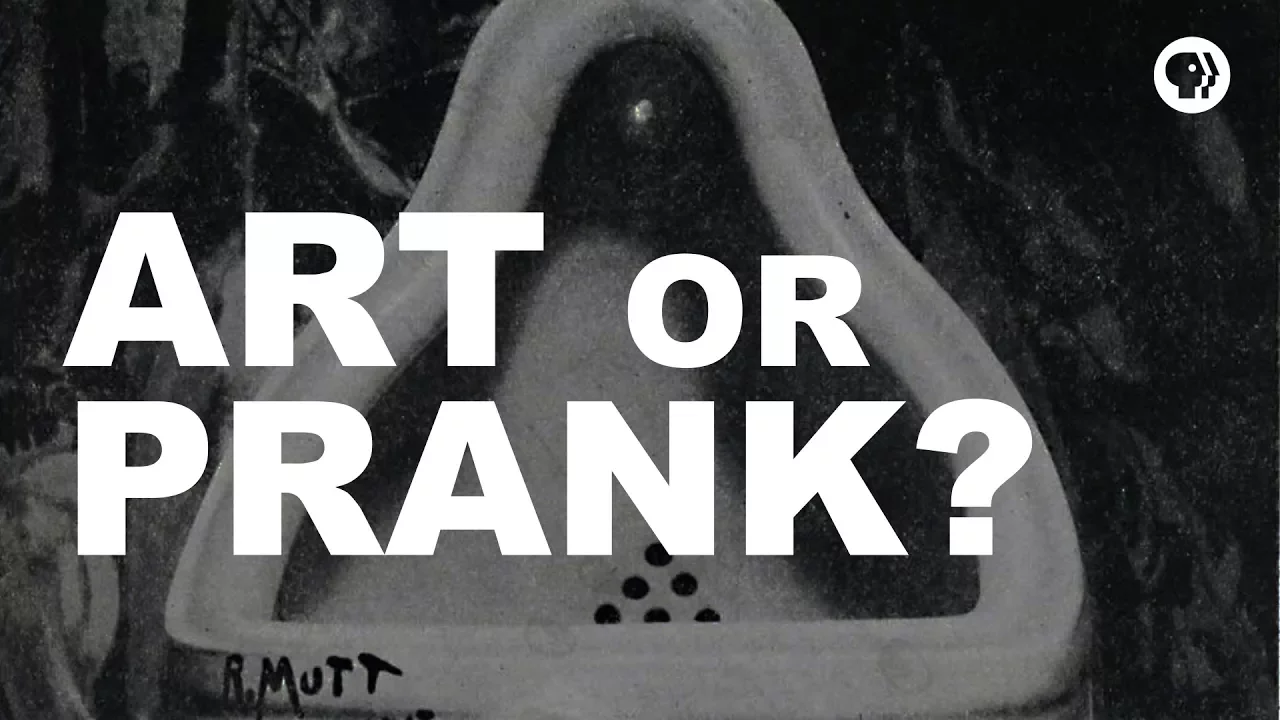
Art or Prank? | The Art Assignment | PBS Digital Studios
287.8K
Marcel Duchamp revolutionized art by presenting ordinary objects as art through his 'readymades.' His 1917 'Fountain'—a urinal signed 'R. Mutt' and placed on a pedestal—tested institutional boundaries. When the Society of Independent Artists rejected it as indecent, Duchamp resigned in protest. The editors of their journal argued that art transforms objects by removing their functional significance and assigning new meaning. This concept—that art derives value from context and designation rather than craftsmanship—laid groundwork for later artists who challenged institutional authority and expanded art's definition beyond traditional categories.
Click to watch →

In Our Time: The Museum of Modern Art
714.2K
Dada emerged post-WWI disillusioned by war, celebrating absurdity and rejecting traditional art values. Marcel Duchamp's readymades—objects like a bicycle wheel mounted on a stool—obliterated the notion that art must be unique creations of the artist's hand. This focus on factory-made objects influenced Robert Rauschenberg, Jasper Johns, and the pop artists of the 1960s. Andy Warhol transformed everyday objects like Campbell's soup cans into high art, combining commercial imagery with traditional painting to create 'pop' art. His silk screening technique allowed color variation using identical screens, producing works like Marilyn Monroe that captured America's celebrity culture. Pop art's message—that the real world can be artistic subject matter—continues influencing contemporary artists like Ryan McGinness who manipulate corporate branding and logos.
Click to watch →
Dada and Surrealism: Europe After the Rain documentary (1978)
269.3K
Marcel Duchamp revolutionized art by creating 'readymades'—ordinary objects chosen and presented as art. He mounted bicycle wheels on stools and selected bottle racks, approaching objects with visual indifference to avoid aesthetic emotion. His famous 'Fountain' (a urinal signed 'R. Mutt') challenged artistic creation by asserting that choosing an object creates new thought for that item. Duchamp argued taste is habit—the repetition of accepted things—while mechanical drawing holds no taste since it lies outside pictorial conventions. This approach devalued art as object, questioning whether saying something is art makes it art.
Click to watch →

The Insane True Story of Virgil Abloh
644.1K
Marcel Duchamp (1888-1968) was a pioneering force behind how we think of and understand art today. His most famous piece was a urinal, which he submitted to the Society of Independent Artists in 1917. While most people were shocked by trying to pass off a urinal as art, Duchamp called it an everyday object raised to the dignity of a work of art by the artist's act of choice. This concept was part of Dadaism, an anti-art European avant-garde movement that challenged traditional definitions of what art is and questioned how much an artist needs to physically do versus how much the artist's intention matters.
Click to watch →
Deep Dive
Modern applications of chance-based creation, such as generative art, algorithmic poetry, and contemporary collage techniques.

El ARTE ha MUERTO ¿Qué vemos ahora en los museos?
4.3K
In traditional art, everything was under the control of logos and perspective. In modern art, chance (azar) becomes what articulates the work. Chance fires, makes elements of matter concord or diverge. Chance is the sign of both difference and concordance simultaneously. Chance allows matter to be free and not a slave to the artist's will who attempts to copy the world. This represents a fundamental shift from controlled artistic creation to embracing unpredictability as an artistic principle.
Click to watch →

peinture, collages,
180
Chance plays a fundamental role across artistic disciplines including poetry, oratory, and painting. Poets experience poetic impulses that carry them into a second state, recognizing they exceed their own capabilities with inspiration seeming to come from elsewhere. Orators do not claim mastery over the extraordinary movements that push them beyond their objectives. In painting, brushstrokes sometimes escape the artist's hand, producing effects beyond their conception. Chance reveals itself most clearly through graces and beauties discovered in works that authors did not premeditate. An intelligent reader often finds perfections in others' writings that the author did not intend, attributing richer meanings than originally conceived. A method for engaging chance should not constrain creative elaboration but facilitate action, increasing the likelihood of unexpected creative opportunities.
Click to watch →

The History of Modern Art
187K
Dada artists created according to the laws of chance, such as tearing paper into pieces, tossing them in the air, and gluing them wherever they landed to create artwork. They created poetry by cutting up newspaper articles, putting words in bags, and drawing them out randomly. They explored collage and photo montages made from cut-up magazine pages, sometimes creating horrific-looking images meant to represent disfigured war victims. Hugo Ball founded the Dada movement and performed nonsense poetry wearing cardboard suits, outrageously mocking traditional poetry.
Click to watch →

Секция «Совриск». Случайность как творческий метод. Полина Картвелишвили
162
This lecture explores how chance has been used as a creative method in art, from Leonardo da Vinci's paint splashing techniques to 20th-century German expressionist Hans Richter's automatic painting method, where artists enter a trance state to let their unconscious guide their work, and finally to 21st-century generative art where computers generate unique artworks through algorithms, demonstrating a consistent artistic principle of surrendering control to randomness across different eras and mediums.
Click to watch →
AULARTE. CLIP. ARTE MODERNO - Hans/Jean Arp. El artista fronterizo. AULARTE
1.1K
Hans/Jean Arp, a half-German half-French artist and key figure in the Dada movement, pioneered the use of chance and randomness in artistic creation, developing a technique where he would cut papers and let them fall arbitrarily to compose collages, believing that by obeying the 'law of chance' one could create life in its purest state without copying nature but creating it organically like plants produce fruits.
Click to watch →
Dada Manifesto
Dada Manifesto
0:02- 1
Rejects manifestos, principles, and conventional morality.
- 2
Advocates for continuous contradiction and anti-action stance.
- 3
Instructs on creating poems by randomly cutting out newspaper words.
André Breton’s Surrealism and the Critique of Dadaist Negation
While Tristan Tzara’s Dadaism championed absolute nihilism, chaos, and the destruction of traditional meaning through methods like the cut-up technique, it faced a significant historical counterpoint from André Breton and the rise of Surrealism. Breton, originally a Dadaist himself, grew disillusioned with what he saw as Dada's dead-end philosophy of "pure negation." He argued that constant destruction without a constructive alternative was ultimately sterile and politically ineffective. Instead of merely dismantling language and art, Breton advocated for Surrealism—a movement that sought to resolve the crisis of meaning not by destroying it, but by accessing the subconscious mind, dreams, and automatic writing to build a new, deeper reality. From this perspective, Tzara's anti-art was a necessary starting point but a failure as a final destination, as true intellectual and artistic liberation required creation and synthesis rather than perpetual chaos.
The historical context of World War I, specifically the intellectual disillusionment in Europe that fostered radical artistic rebellion.
Traditional Western aesthetic standards and academic art principles of the late 19th and early 20th centuries.
The concept and role of an artistic 'manifesto' as a tool for ideological disruption and cultural critique.
An introduction to Modernism and the early 20th-century avant-garde movements that questioned representational art.
The transition from Dada to Surrealism, analyzing how André Breton and others shifted from chaotic 'anti-art' to the structured exploration of the subconscious.
The evolution of the cut-up technique in the mid-20th century, particularly its adoption by William S. Burroughs and influence on Beat Generation literature and music.
The legacy of Dadaism in Neo-Dada, Fluxus, and Pop Art, focusing on Marcel Duchamp's concept of 'readymades' and conceptual art.
Modern applications of chance-based creation, such as generative art, algorithmic poetry, and contemporary collage techniques.
124K views2.1Klikes1:56@OrestePiusOriginal Release: 2012-07-01
Tristan Zara from Romania writes Dada manifestos I write a Manifesto and I want nothing yet I say certain things and in principle I'm against manifestos as I'm also against principles the principle Love Thy Neighbor is in hypocrisy know thyself is utopian but more acceptable since it Embraces wickedness no pity even after this Carnage we still retain the hope of a purified mankind I speak only for myself since I do not wish to convince I have no right to drag others into my River I am against action for continuous contradiction for affirmation to I am neither for nor against and I do not explain because I hate Common Sense some people think they can explain rationally by thought what they think but that is extremely relative psychoanalysis is a dangerous disease it puts to sleep the anti- objective impulses of man and systematizes the Bourgeois the dialectic is an amusing mechanism which guides us in a banal kind of a way to the opinions we had in the first place to make a d is poem take a newspaper take a pair of scissors choose an article as long as you are planning to make your poem cut out the article then cut out out each of the words that make up the article and place in a bag Shake gently then take out each of the scraps one after the other in the order in which they left the bag copy conscientiously the poem will be like you and here you are a writer infinitely original and endowed with a sensibility that is charming though beyond the understanding of the vulgar
Up Next
50:44
Man Ray: Dada & Surrealism in Photography and Art
@VideotekReel
31.2K views•2015-09-19

12:54
Triumph of Orthodoxy Icon: Byzantine Art & History Explained
@BenCallan
2.1K views•2024-08-06

9:49
FastAPI vs Flask vs Django: Choosing the Right Python Web Framework
@TechWithTim
302.5K views•2024-05-26

1:42
Game of Thrones Opening Credits: A Cinematic Analysis
@gameofthrones
46.3M views•2011-04-18
Related Study Plans & Knowledge Roadmaps
Structured learning paths in General & Interdisciplinary Studies
general-studies
Elevator Engineering: History, Physics & Cities
01From Hoists to Safety Brakes: The Dawn of Vertical Lift
02Hydraulic vs. Traction: The Engineering Physics of Elevators
03Modern Speed, Safety, and Algorithms
+ 2 more learning modules
12h5 modules
Explore Roadmap
general-studies
Rubber: Material Science, History & Geopolitics
01Origins of Natural Rubber & Mesoamerican History
02The Chemistry of Natural Rubber & Vulcanization
03The Geopolitics of the Rubber Boom & Colonization
+ 2 more learning modules
12h5 modules
Explore Roadmap
general-studies
Containerization: Evolution, Logistics & Trade
01Ancient Trade & Bulk Cargo: Amphorae to Barrels
02The Industrial Revolution & Cardboard Packaging
03The Containerization Revolution: Malcom McLean
+ 2 more learning modules
12h5 modules
Explore Roadmap
general-studies
Textile Tech: Evolution, Labor & Global Impact
01Pre-Industrial Textiles: Handloom & Cottage Industry
02Mechanization: The Spinning Jenny to the Power Loom
03The Factory System & Global Labor Transformation
+ 2 more learning modules
10h5 modules
Explore Roadmap