






![3.371 Materials Selection and Economics [2/12]](https://i.ytimg.com/vi_webp/HbMbUcuroDY/maxresdefault.webp)





![Union Pacific's Lordsburg Sub Part 2 [Steins, NM to El Paso and the Morenci Copper Mine]](https://i.ytimg.com/vi_webp/Zr7D5vEaUg8/maxresdefault.webp)





![탄소 감축을 위한 차세대 해운 연료계 히어로, 바이오선박유를 만나보세요! [에너지식백과]](https://i.ytimg.com/vi/TGTI09RIoxw/maxresdefault.jpg)




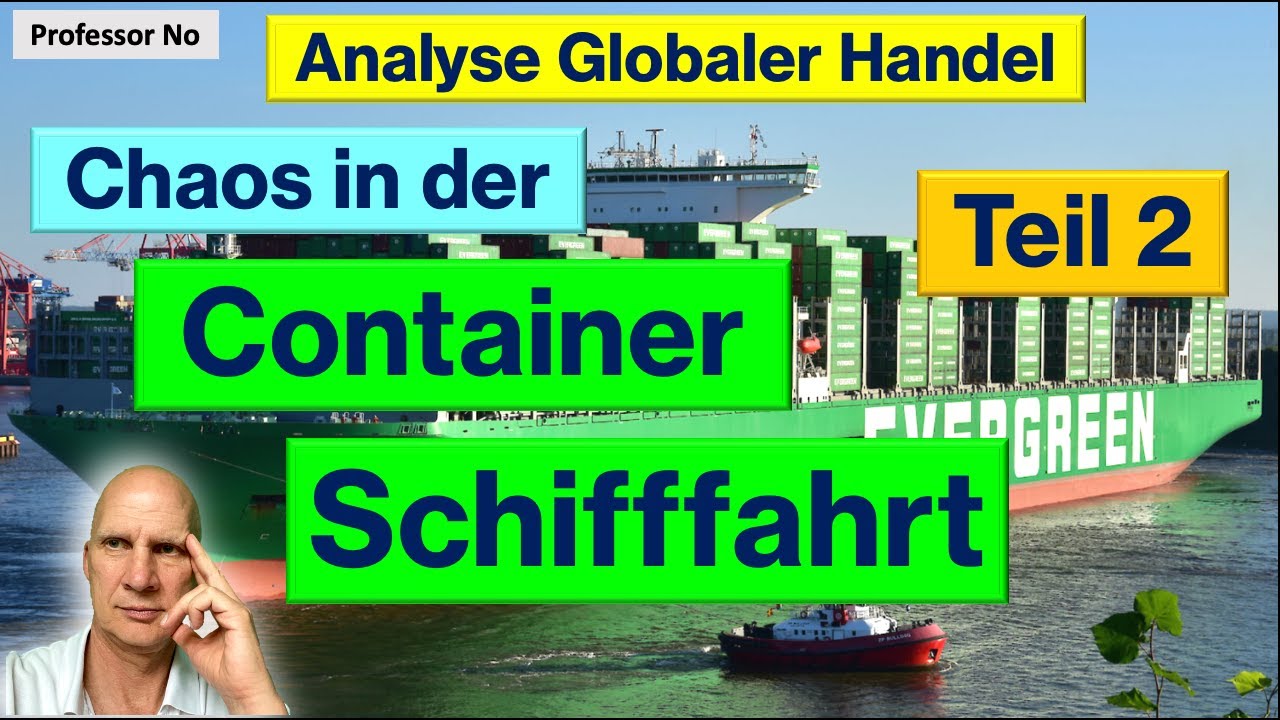


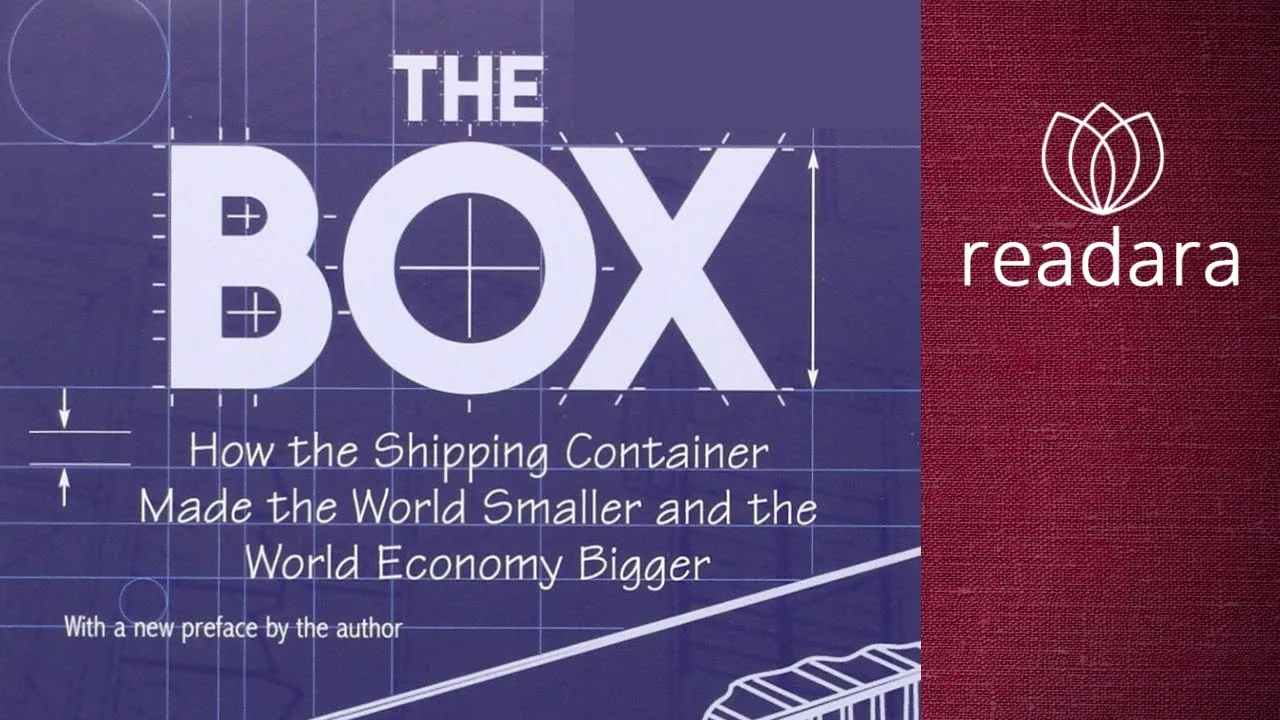
Containerization, invented by trucking entrepreneur Malcolm McLean in 1956 with engineering input from Keith Tantlinger, revolutionized global shipping by replacing traditional breakbulk cargo handling with standardized steel containers that could be efficiently stacked, transported across multiple modes (ships, trucks, trains), and rapidly loaded/unloaded, reducing shipping costs from $5.80 to just 16 cents per ton and enabling over 60% of world maritime cargo to be transported in containers today.
Containerization History: How Container Shipping Works
Added:Basic concepts of global trade, including the flow of imports and exports and the fundamental structure of supply chains.
The traditional 'break-bulk' method of shipping cargo and the labor-intensive nature of pre-1950s logistics.
Elementary economic principles, specifically how transportation costs influence global manufacturing and the final price of consumer goods.
General geography of global maritime trade routes and the historical significance of key deepwater ports.
The operational mechanics of modern intermodal logistics, detailing how rail, road, and sea transport systems integrate seamlessly.
Advanced port automation technologies, including automated guided vehicles (AGVs), automated crane systems, and IoT-enabled container tracking.
The environmental footprint of global shipping and the international regulatory frameworks (e.g., IMO 2020) driving maritime decarbonization.
Supply chain vulnerability and risk management, analyzing real-world disruptions such as port congestion, geopolitical conflicts, and canal blockages.
36.1K views124likes17:42Original Release: 2022-12-04
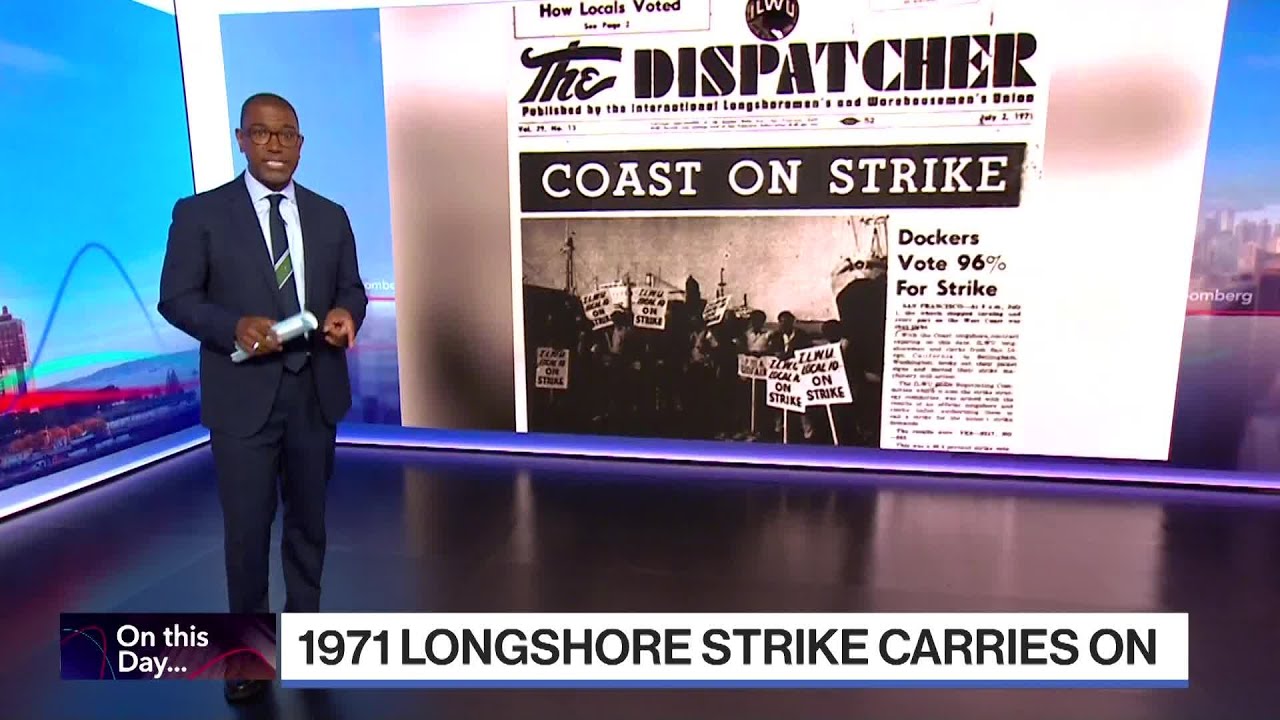
[Music] [Applause] hi everyone welcome to the business History Channel I'm Kiran kasbeer and today I'm going to talk about the history of containerization the system that revolutionized the way in which things are transported around the world across oceans and by Rail and Road think of the world a few thousand years ago when people of different regions began trading with one another they didn't have the Technologies we have today but can you imagine they're being able to trade without using some form or other of of a repository m4a bags barrels bundles drums sacks tubs or other small and big forms of storage of varying sizes to transport Goods or long distances without such means transporting goods across countries and from one country to another would have been next to impossible so the means I described a little earlier were the means by which Goods would be transported across long distances over land and sea then a little over 65 years ago a new form of storage came into being called containerization along with what is known as multimodal transport and this form has steadily pushed out the other means in global trading today an estimated 90% of the world's goods are transported by SE and about 60% of them are transported in containers the long list of things transported in containers includes fresh and canned food stuffs Electronics Goods domestic appliances smartphones virtually everything that is moved across oceans what doesn't go in containers the answer is mainly bulk Commodities which means stuff like grains iron or petroleum Etc but that is the only way these things can be moved in very large bulk spaces like tankers and holds so what is containerization let me explain back in the 1950s if someone said the word containerization most people would have thought that she was referring to the packing of tea coffee chocolates or biscuits in a tin container or milk wine or medicine in a bottle this may sound odd to us now but in those days many consumer products used to be packed in tin or glass containers in developing countries like India most products would be scooped out of larger containers bins in which shops stored them weighed by the pound or kilo on weighing machines and then packed in paper bags or in cloth bags that their consumers customers brought with them less and less people now buy stuff lose so the question of Weighing on scales does not arise the packs or bottles have the weights printed on them tins have more or less completely lost out to laminated paper and plastic glass is also used less and less the word containerize began to be used only about 70 years ago but it didn't start out with the with the meaning to put in a tin of tea coffee chocolate or biscuits or in a carton of milk or a bottle of wine nobody ever visited a shop and said please containerize my tea or give me a container of tea they'd say please give me a kilo of tea or please give me a box of tea or a tin of biscuits or a box bottle of milk the word containerization meant from the beginning which was sometime around 1956 the stuffing of big steel cases with Goods usually an assortment of packages of things to be transported to a common destination so the word container acquired a new meaning in the world of shipping and the word containerization which was in fact a new world clearly and specifically meant one thing shipping stuff in big steel cases called containers the containers we are talking about are big standardized steel boxes of certain standard sizes with the fittings required for them to be secured and fitted alongside or on top of one another on a ship's deck or to be stacked high at the Docks before they are sent on their way across oceans to other ports or to Inland destinations on trucks specifically specially designed to carry such containers before we embark on a trip to explain the basics of containerization let me show you a photograph of what a modern shipping container looks like you must of course have seen containers like this on the roads in your city or on the highways but you may or may not have known what they are called if you have ventured near a port you may have witnessed a scene like this if you ventured closer you would have seen what the container really looks like ah and if you happen to be in a helicopter you might have seen a spectacle like this at the dockyard oh I love this picture considering how the scene has been lit up by the Setting Sun and how the photographer is frame the shot you could frame this picture up as a piece of art so how did the story of containerization unfold this is how the first container Journey began on 26th April 1956 when a ship called the ideal X left the port of New York in New Jersey on the east coast of America and reached Port Houston Texas in the South 5 days later it was a great event for the shipping business but not appreciated by everyone who watched it happen as the container Laden ship left Port Freddy Fields a top official of the international Longshore mens Association the port Workers Union was asked his opinion about the ship Fields reply says it all I'd like to sink that son of a I'm not sure whether Freddy was referring to the ship or the man who launched it Malcolm McLean neither of them sank mlin flew to Houston to be on hand when the ship safely docked there Malcolm mcleen where did this mcleen come from not from any Marine background he was a trucking magnet with no previous experience with chips but he was a man brimming with inventive ideas mcleen and his sister Clara mcleen and brother Jim mcleen had founded their family trucking business in 1934 which they called the McLean Trucking Company McLean Trucking was based in Wiston Salem in North Carolina known for the Winston selm cigarette brand and started its business hauling empty tobacco barrels Malcolm was one of the first drivers soon mlin expanded his business by acquiring more trucks and hiring drivers to drive them by the 1960s mlin Trucking was the fifth largest trucking company in the US Malcolm's hard-nosed business approach was what got the company there most other businessmen would have been content with such success but not mle he saw far bigger prospects in the business of transporting goods on the sea he just needed to do something that would give him an edge over established Marine shipping companies and somewhere in the course of his thinking about it he HD the aha moment what he would do he decided was to load and carry Goods differently differently how he thought he would drive entire trucks or fully loaded trailers onto the ship he acquired the SS IDL X and thus save the time spent on unloading all shapes and sizes of cargo from the truck carrying it across the dock to the wall Warf carrying on gang planks to the deck and down to the ship's hold sometimes with the help of cranes and sometimes without the cranes with manual labor and that's how mle launched his shipping business he drove entire trucks onto the ship's deck having seen the successful launch of the ISS ideal X mle started buying ships just as he bought more trucks in his entrepreneurial past I wonder if mle was inspired with the role on roll of concept in shipping which originated as early as in the 1840s that method was not used for trucks trucks or cars for that matter had not been invented yet they were used for railway trains railway trains would be loaded on trains and taken off at the destination Point what I'd like you to note here is that mle was a man who drove and managed a fleet of trucks on land he had no experience related to ships or ship building what he had was plenty of Common Sense he did understand that if different Transportation modes could be integrated the high cost of Shifting Freight from land to Sea and back again could be cut substantially where Malcolm McLean had the inspiration and the dream another man helped him convert that dream into reality his name was Keith Walton tantlinger six years younger than mcleen tantlinger was a mechanical engineer and inventor with a degree in mechanical engineering from the University of California at Berkeley during the second world war he worked to design tools used to produce produced the B7 bomber for the Douglas Aircraft company which became McDonald Douglas in 1967 so let's come back to mle's idea about rolling entire trailer trucks loaded with containers on board a ship what seemed the easiest thing to do turned out to be cumbersome and uneconomic the reason was the trailers not only were they an avoidable dead weight they also prevented full use of the decks let alone the holds imagine lowering an entire trailer truck onto a ship's deck or into its hold below deck it was tantlinger who persuaded mle that shipping containers should be designed to be separated from a chassis and with strong Corner posts and structures so they could be stacked one on top of another as happens in situations like this the answer was actually quite obvious and brought huge benefits the answer was to have cranes lift the containers from the trucks trailers swing them across to the deck of the ship and stack them there or in the hold below the deck the empty trucks could then return hopefully loaded with incoming containers from other ships so that they could earn Revenue once again the result was a steep drop in the cost of freight from sometimes as high as 25% of the price of a product to a tiny fraction of that what was sad about the conization Revolution was as Freddy Fields the Trade union leader condemned hotly the displacement of workers by a mechanical method but that was what progress was having a assimilated this concept mle introduced The Gateway ships these ships were a significant Improvement on the ideal EGS on ideal X each container had to be individually lashed to the deck which took time in contrast with the Gateway City the deck was 3 m wider and designed to allow containers on deck and in the holes to be stored one on top of the other with the help of cell guides that's the reason the Gateway city is considered the first ship that represented this principle the principle of containerization this revolutionary method is still used today Gateway City would run scheduled Services between the East Coast ports of the United States mle launched the service on 4th October 1957 the same day the Russian satellite Sputnik 1 took off what was so interesting about Sputnik 1 it was the first vehicle to be launched into space from the earth five other similar vels were converted the same way as Gateway City and these six ships formed the sea land C2C class which enabled mlin to expand his services to Puerto Rico in 1958 and then to many other areas curiously the first Puerto Rico voage was a flop because of Dock Workers refusal to offload the ship but mlin took that loss in his stride it was a pawn sacrifice in chest to make a successful attack on the king the service quickly succeeded the service remained until 1978 when the ships were sold for demolition containerization made a big difference to shipping earlier most caros were loaded and unloaded By Hand by Longshore workers or Dock Workers in the mid 1950s manually loading a ship cost $5.8 a ton containers brought that cost down to just 16 cents a ton to load a ship that was a huge 36-fold saving the saving in money was accompanied by big saving in time with containerization ships could be loaded and unloaded very fast that reduced the turnaround time of the ships and the port charges this is what management gurus would have seen mle's achievement as an example of lean management for it avoided certain steps in the shipping process without affecting quality and actually making a big saving in time and other costs this became amply clear from mle's assertion that a ship earns money only when she's at sea while a ship is hanging around in a port waiting to get it St to get a birth and then to have the cargo unloaded and new cargo loaded for other destinations it is not earning any Revenue the sooner a ship can turn around and get on its way to other destinations or back to its Home Port the better it is for its utilization of the capital invested and that's what containerization helped companies to do now did this invention bring an immediate Bonanza for the shipping industry it did not and I'm sure you can guess the reason for that the growth of containerization was not as rapid as it could have been simply because it because in many places the port infrastructure was not ready for it container handling infrastructure such as container Bridges and other handling equipment took time to be installed so for many years the container ships had to make do with Gantry trains on deck and that process was far more cumbersome than what we have today modern container vessels do not need Gantry Trails why because all the required cranes are present on Shore carrying Cargo in containers began to be seen as an alternative to moving loose Cargo in boxes sacks and and stuff of all shapes and sizes dumped in the hold where a substantial amount of time was spent sorting the cargo destination wise with containerization everything going to a particular destination is stuffed into one or more common containers marked for that destination and since they are marked and catalog they can be unloaded in separate quickly at the destination Port loaded on container trucks and sent on their way to their Inland destinations on board instead of the cargo being dumped in cavernous holds the containers stacked one on top of another on the deck of the ships and are removed container by container and sent onward to their Inland destinations in container trucks which are basically flatbed trucks on which containers are lowered and secured with their preset attachments and sent off the modern cranes at container ports are designed to pick and drop containers with great accuracy and speed the difference between the old method of lading Cargo in a ship's hold and the new method of stacking containers on the deck is similar in its effect to the difference between how grossers in the in the past weighed and packed loose products and you're picking up prepackaged stuff from the shop of Supermarket shelves not only is manual labor not needed to pack the material on the spot but buyers can wander through the aisles checking out what's there checking the prices examining new products or Brands they haven't seen before and so on there is no need to ask a salesperson about these things the packages have or are certainly supposed to have all the product and price information printed on them containerization Works more or less like that entire containers are lifted into a ship's hold or taken out and someone sitting some distance away can track on their computer screens what is going in or out today over 60% of cargo carried by ships is carried in containers but it's not just ships that carry the cargo this way the trucks and trains that carry Goods to and from ports also do so in containers but that is a subject of yet another video so keep tuned in to this channel for that and Other Stories taken out of the pages of business history I hope you like this video I shall soon upload yet another story on some other aspect of containerizing ation I hope you will watch it so do visit us again and tell your friends and colleagues too and if you have not already subscribed to the business History Channel please do so but then you will be alerted every time we upload a new video here do also visit our website b.
dob.com to get a lot more content on business history including lists of books and book reviews people some fun tidbits and a business history quiz from there you will also get access to a wide range of business news and other content on INF machine the web based business intelligence and knowledge management system that finds tracks and downloads relevant news from your selected sources saving you hours of grind and toil it's free of cost the product links are given Below in the description to the video thank you for watching and I hope to see you with our next video Until then goodbye
Up Next

4:45
Container Port Operations: How a Shipping Terminal Works (Animation)
@learnlogistics
150.6K views•2021-02-26

12:54
Triumph of Orthodoxy Icon: Byzantine Art & History Explained
@BenCallan
2.1K views•2024-08-06

9:49
FastAPI vs Flask vs Django: Choosing the Right Python Web Framework
@TechWithTim
302.5K views•2024-05-26

1:42
Game of Thrones Opening Credits: A Cinematic Analysis
@gameofthrones
46.3M views•2011-04-18
Related Study Plans & Knowledge Roadmaps
Structured learning paths in General & Interdisciplinary Studies
general-studies
Elevator Engineering: History, Physics & Cities
01From Hoists to Safety Brakes: The Dawn of Vertical Lift
02Hydraulic vs. Traction: The Engineering Physics of Elevators
03Modern Speed, Safety, and Algorithms
+ 2 more learning modules
12h5 modules
Explore Roadmap
general-studies
Rubber: Material Science, History & Geopolitics
01Origins of Natural Rubber & Mesoamerican History
02The Chemistry of Natural Rubber & Vulcanization
03The Geopolitics of the Rubber Boom & Colonization
+ 2 more learning modules
12h5 modules
Explore Roadmap
general-studies
Containerization: Evolution, Logistics & Trade
01Ancient Trade & Bulk Cargo: Amphorae to Barrels
02The Industrial Revolution & Cardboard Packaging
03The Containerization Revolution: Malcom McLean
+ 2 more learning modules
12h5 modules
Explore Roadmap
general-studies
Textile Tech: Evolution, Labor & Global Impact
01Pre-Industrial Textiles: Handloom & Cottage Industry
02Mechanization: The Spinning Jenny to the Power Loom
03The Factory System & Global Labor Transformation
+ 2 more learning modules
10h5 modules
Explore Roadmap