



![5 КРУТЫХ ФРАНЦУЗСКИХ РЕЖИССЁРОВ [ТИПА-ТОП]](https://i.ytimg.com/vi_webp/v1tGB7m7E1g/maxresdefault.webp)




![[청교도 신학 특강] - 제46강 조직신학 신론(10) - 손원배 목사 2025.02.05](https://i.ytimg.com/vi/nWmJGP7xzkY/maxresdefault.jpg)



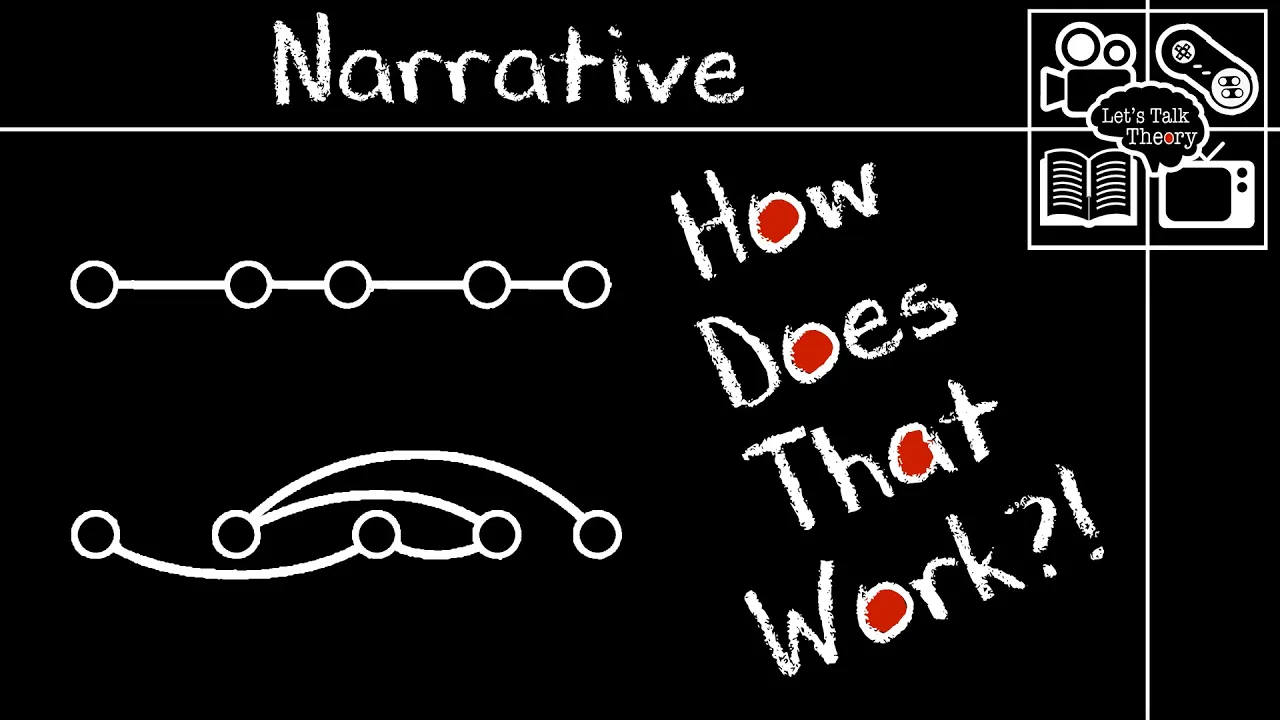






















Eternal Sunshine of the Spotless Mind employs a circular narrative structure where the story is revealed in reverse order, creating a distorted perception that ultimately forms a complete loop. This narrative technique reflects the film's exploration of predestination and determinism, suggesting that Joel and Clementine are destined to meet, fall in love, fall apart, erase each other from their memories, and then meet again. The film implies that despite the memory erasure procedure, certain fragments of their connection transcend the process, including specific locations, salient relationship points, and fundamental attraction. The philosophical concept of determinism, as articulated by Ted Hich, posits that all human choices, intuitions, and actions are the result of equally necessitated events, creating a sense of destiny that binds the characters together in an endless cycle of love and loss.
Eternal Sunshine: Memory, Destiny, and the Philosophy of Love
Added:whenever I find myself watching Eternal Sunshine of the Spotless Mind which is often I always find new layers to the story it is important to note the origins of this film before its meaning can be fully explored the film was written by Charlie Kaufman at a time which many consider the peak of his career a writer not afraid to step outside the conventional and explore ideas of a more weird and hypothetical nature films like being John malovich and adaption had both great success whilst being Odd Ideas compared to the norm this is not the first time Koffman had explored the mind as in Being John malovich he delves into the mind of another the film is what I would describe as a circular narrative to explain explain this we must explore how the story is told to us we begin disorientated like Joel himself and a Fed fragments of the relationship whilst not understanding the time frame or significance whilst this is occurring we meet Clementine as Joel meets her supposedly for the first time as the film progresses we realize that they have met before and we begin to see the Salient points of their relationship in reverse order this gives us understanding but as a viewer our perception of events is distorted fragmented like the real story is by the end of the film a full loop has been made with us now understanding how the more recent story line fits in with the old one [Music] look [Music] around change your heart it will asound you the final scene shows Joel and Clementine on the same Beach we have seen them on before but this time in the present timeline blissfully unaware they have been here before this tells us something there are other Clues as to what this implies as well Clementine remembers when lying on the ice as Patrick recreates Joel's relationship that she has been here before there is a suggestion that at least some fragment therefore transcends the procedure bye Joel I love you me in mon again the meet me in Mont talk scene shows that Joel's understanding of Clementine as a person is so great that he can predict where to find her based on memory and this prediction influences his future decisions causing him to run into her once more what I mean by all this is that the circular narrative is a continuing one Eternal Sunshine of the Spotless Mind is a story about two people who are destined to meet fall in love fall apart erase each other from their memories and then meet again their personalities tell us that they cannot be together forever as it will always fall apart a fact they realize but they accept this and are therefore destined to continue this Loop this is heightened by the fact that they cannot truly forget one another and some fragments transcend the procedure such as a place to meet and Salient points of the relationship or ideas as basic as attraction to one another we can be sure that Joel and Clementine remain together but not continually as they seem set to follow a loop of a relationship before hitting reset and beginning again you erased me that's why I'm here that's why I'm doing this in the first place I'm sorry you know me I'm impulsive this is the idea of predestination the philosophical concept of determinism as Ted hich States all our choices intuitions and actions are no more than the result of equally necessitated events there is a loose idea of Destiny to the film an idea that Joel and Clementine are predetermined to continue being together but only for short periods the impulsive nature of Clementine's personality means that she will continue to get the procedure done listen to this extract from Kaufman's baa screenwriter speech explaining how he feels when a movie of his comes out there's so many there are so many pitfalls when a movie comes out that it's hard it's hard to enjoy it when it comes out I mean obviously if a movie does well and it's critically you know um it well received and I I like it I like it but I'm so um I'm so needful of it that kind of response that I don't think it doesn't feel good it just feels less bad you know it um because it feels really bad um when people say mean things really it feels bad yeah um from this you can really see that Kaufman and Joel are two very similar people in this film Kaufman is trying to convey something more a thing I think is shown most highly in the quote he features by Alexander Pope happy is the blameless vessel's lot the world forgetting by the world forgot Eternal Sunshine of a Spotless Mind each prayer accepted and each wish resigned how happy is the blameless vestal's lot Joel and Clementine are two blameless vestals but they are happy the mind is most fulfilled in what is spotless what is fresh and new and exciting the Eternal Sunshine alludes to Eternal happiness which can only be found in that which is spotless new Koffman is really saying that true happiness is only found in that which is new for us and if new love is all that really maintains is it not Noble that for the sake of love the world be forgot Eternal Sunshine is to be found in the Spotless Mind and spotless Joel and Clementine's Minds remain
Up Next
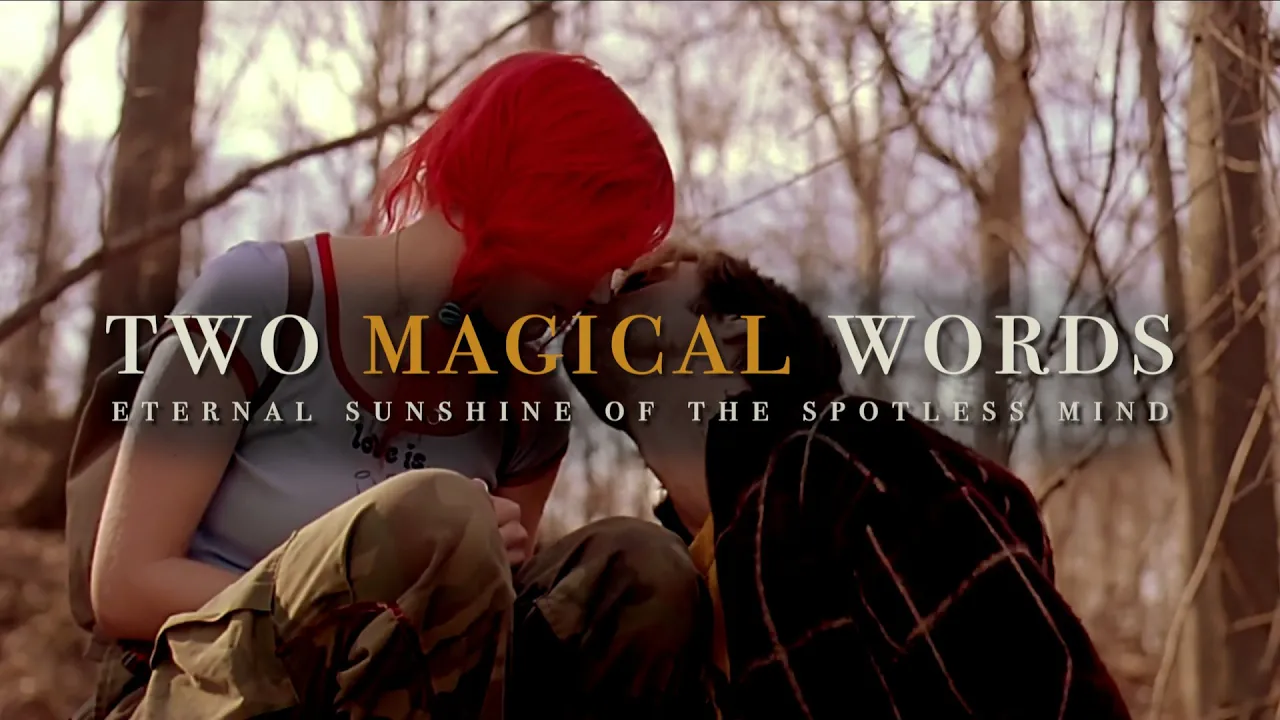
Eternal Sunshine of the Spotless Mind: A Study of Love and Memory
@SpikimaMovies
569.9K views•2021-01-01

Visual Analysis Essay: How to Analyze Graphic Novels in College Writing
@nataliepleimann5941
1K views•2020-10-14

Film Blocking Techniques for Directors: Space, Shapes, Lines
@StudioBinder
1.9M views•2018-07-23

Evolution of Darth Vader: Anakin Skywalker's Animated Journey Across Star Wars Films
@TellItAnimated
13.4M views•2019-03-30
Related Study Plans & Knowledge Roadmaps
Structured learning paths in Film Analysis