

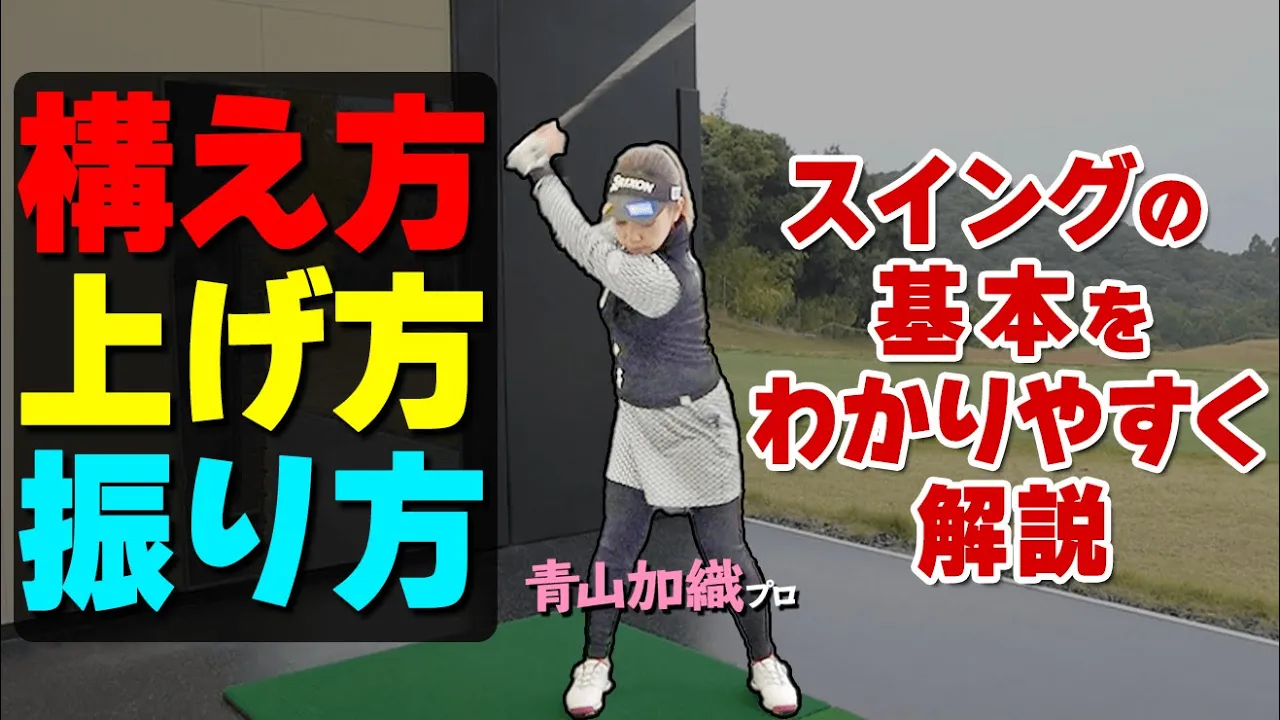

![[골프레시피2] #6.금방 빠져든다! 스윙의 기본 빠르게 익히기](https://i.ytimg.com/vi/Ym_XjjuYQ8c/maxresdefault.jpg)



![[EFI] Estágios da Aprendizagem Motora](https://i.ytimg.com/vi_webp/F-Ra6knNC2k/maxresdefault.webp)



![[2024년 개정판 요양보호사 자격시험 대비] 이론(필기)모의고사 1탄 #요양보호사강의 #요양보호사문제풀이 #요양보호사요점정리 #요양보호사모의고사](https://i.ytimg.com/vi/ITZuS-rjn2Y/maxresdefault.jpg)









The human brain retains neuroplasticity throughout life, meaning older adults can learn new skills and improve existing ones; the only limitation is not age but mindset, as believing you're too old to learn prevents the brain from forming new neural connections and embracing new learning.
Golf Swing Improvement for Seniors: Neuroplasticity and Skill Acquisition
Added:Basic Golf Swing Mechanics: Familiarity with the fundamental phases of the golf swing (takeaway, transition, impact, and follow-through) and the distinction between the full swing and the short game.
Fundamentals of Neuroplasticity: A basic understanding of how the brain adapts, reorganizes, and forms new neural pathways in response to learning and physical practice.
Stages of Motor Learning: Knowledge of how humans acquire physical skills, moving from conscious cognitive effort to autonomous, automatic execution.
Age-Related Physiological Changes: A basic understanding of how aging naturally impacts muscle mass, joint flexibility, and neuromuscular reaction times.
Deliberate Practice Design: Learning how to structure variable and spaced practice routines specifically tailored to aging nervous systems to optimize neural retention.
Biomechanical Adjustments for Seniors: Studying specific swing modifications (such as closed stances or reduced backswing length) that protect aging joints while maintaining clubhead speed.
Proprioceptive and Balance Training: Exploring supplementary exercises that enhance physical balance and body spatial awareness to support the motor control demands of the golf swing.
Focus of Attention Strategies: Understanding the difference between internal and external focus of attention and how to apply them to reduce tension during high-pressure golf shots.
4.2K views3likes6:42Original Release: 2016-01-04
[Music] hello Serge here from the backyard driving range all right I got a great topic today I I read over a lot of things on my computer and and Pro go through a couple magazines and everything else and I came across this article and it's written by a gentleman named Carl Carl Morris Carl spelled with a K and it's from it's it was an excert from a national Club golfers decom all right and uh it's about a one-page article it's got a picture of a brain holding up some the barbells like doing weight lifts you know bench presses or whatever and I'm just just going to paraphrase a few points here the off The Unofficial title after is that it's official you can teach an old dog new tricks it's never too late to learn new skills all right now how many times have we heard that story you can't teach an old dog new tricks every time I I've had people come to me and and and for lessons every now and then and it's just like well I I just want you to you know just fix something just make it a little bit better but I don't want to learn a new swing because I'm too old to learn a new swing I can't I can't learn a new swing I'm too old and and every else and according to here it's official you can't teach an old dog new tricks it's never too late to learn new skills I believe that and I taught my children for this DJ and his sister Kim you are what you eat you are what you think and you are who you hang around with the biggest one in the middle is what you think all right so if you think you're too old to learn something you you won't learn it you think you're no matter how old you are you still want to learn you'll learn all right so with all of that said I have a sism for that you're too old you can't teach an old dog new tricks the swing surgeon for this is the only dog you can't teach a new trick to is a dead dog so as long as you're breathing and alive and you can move you can learn something new if you think that you can and you want want to all right you are what you think all right so what we need here is a change of attitude he went on to say at some points in every it is it is very easy to buy into the story that you are too old to change anything and that your game must neverly begin to decline once you get into your later years well science is now telling us that it isn't true so he went through a whole lot of a lot of situations here where where he talked about it but in the end some other kind of things in the end that came up really close was he he says this is why then the game of golf can be so important as we get older and keep challenging the brain it doesn't mean that you can suddenly hit the ball 50 yards further but you can still develop better skills with the game better skills in terms of a better swing a more efficient swing that hits the ball more solid more straight more consistently every time and also your short game and everything else sure you'll never hit the ball as long as you ever did before every year you as you get older every day as you get older your your muscles are not going to be able to respond as fast and and be as efficient as they were just think about things you did years ago just five years ago if you were a runner or a jogger or you rode a bike or with the plant you the building where you worked in you were were on a fourth floor and you jogged up you you zipped up the stairs and zipped back down you can't zip up and even zip back down as fast as you did today that you did five years ago and certainly not 10 or 20 years ago so if you couldn't do if you can't do normal everything day things as at the same speed and everything else as you did how do you expect to play golf that way but what you can be is keep making your swing more efficient more effective make sure your equipment is more efficient and effective for you that it fits you perfectly and then and then and with the Peak Performance golf swing the least margin error swinging there is you're going to hit the ball more solid straight and you and you and that's going to help you make the better scores but at the same time when you when you've lost the distance then you can't get it back no matter what where you going to make up the scores now spend more time on the short game the chipping the pitching the bunker shots I mean we all know some older Folks at our club that everybody says oh man look at look at look at Joe over there he just bunts it down the middle bunts It Up near the green gets it on the green makes the Putt and getes the next hole everybody loves him everybody brags about him everybody wishes they could be like him well you can be all you got to do is work like he does he's spending I guarantee you he's spending more time around the the chiping green and the pitching green and the sand bunkers uh the the Fairway bunker there I mean the greenside bunker and and doing enough long game practice that he's down the middle down the middle down the middle and that's what you can do you can change he says here taking lessons is worthwhile no matter what age you are by aim by aiming to improve your short game learning to shape the ball or requiring a new acquiring a new routine on the greens you are doing your brain a world of good you can make new connections and literally rewrite your the brain he's talking about the synapses and everything else that that you can do it the consequences of brain plasticity makes a mockery of the concept of old dogs and New Tricks we need to meet our to meet our uh to meet our brains halfway in forming the beliefs that the new learning is that new learning is possible we can change if we put the brain in a position to be able to Embrace new learning and change you can teach an old dog new tricks and the only dog you can't teach a new trick to is a dead dog so let's open our minds let's change our attitudes get out there and start working on your golf game you still want to hit it solid and straight but we really got to become as I like to call it short Game Wizards so when you get near that green you can get it up and down and keep shooting those lower scores that's it for the search for today on old dogs can learn new tricks
Up Next
25:11
The Fashion System by Roland Barthes | Semiotics of Style & Culture Explained
@Zackrature
2.2K views•2023-10-13

12:54
Triumph of Orthodoxy Icon: Byzantine Art & History Explained
@BenCallan
2.1K views•2024-08-06

9:49
FastAPI vs Flask vs Django: Choosing the Right Python Web Framework
@TechWithTim
302.5K views•2024-05-26

1:42
Game of Thrones Opening Credits: A Cinematic Analysis
@gameofthrones
46.3M views•2011-04-18
Related Study Plans & Knowledge Roadmaps
Structured learning paths in General & Interdisciplinary Studies
general-studies
Elevator Engineering: History, Physics & Cities
01From Hoists to Safety Brakes: The Dawn of Vertical Lift
02Hydraulic vs. Traction: The Engineering Physics of Elevators
03Modern Speed, Safety, and Algorithms
+ 2 more learning modules
12h5 modules
Explore Roadmap
general-studies
Rubber: Material Science, History & Geopolitics
01Origins of Natural Rubber & Mesoamerican History
02The Chemistry of Natural Rubber & Vulcanization
03The Geopolitics of the Rubber Boom & Colonization
+ 2 more learning modules
12h5 modules
Explore Roadmap
general-studies
Containerization: Evolution, Logistics & Trade
01Ancient Trade & Bulk Cargo: Amphorae to Barrels
02The Industrial Revolution & Cardboard Packaging
03The Containerization Revolution: Malcom McLean
+ 2 more learning modules
12h5 modules
Explore Roadmap
general-studies
Textile Tech: Evolution, Labor & Global Impact
01Pre-Industrial Textiles: Handloom & Cottage Industry
02Mechanization: The Spinning Jenny to the Power Loom
03The Factory System & Global Labor Transformation
+ 2 more learning modules
10h5 modules
Explore Roadmap