














![Deep Packet Inspection (DPI) (with captions) [Internet Governance Lite]](https://i.ytimg.com/vi/OFPHUv1LfS4/sddefault.jpg?sqp=-oaymwEmCIAFEOAD8quKqQMa8AEB-AHUBoAC1gOKAgwIABABGHIgPChAMA8=&rs=AOn4CLBJfLa9nMJh-yK4ehJiKgYInQXiTg)




Deep Packet Inspection (DPI) is an advanced packet filtering technology used by modern firewalls that examines the actual content of data packets rather than just their headers, enabling detection and blocking of malicious traffic, content filtering, network management, and traffic prioritization through techniques like signature matching, protocol anomaly detection, and intrusion prevention.
Deep Packet Inspection: Techniques, DPI Firewalls, and Applications
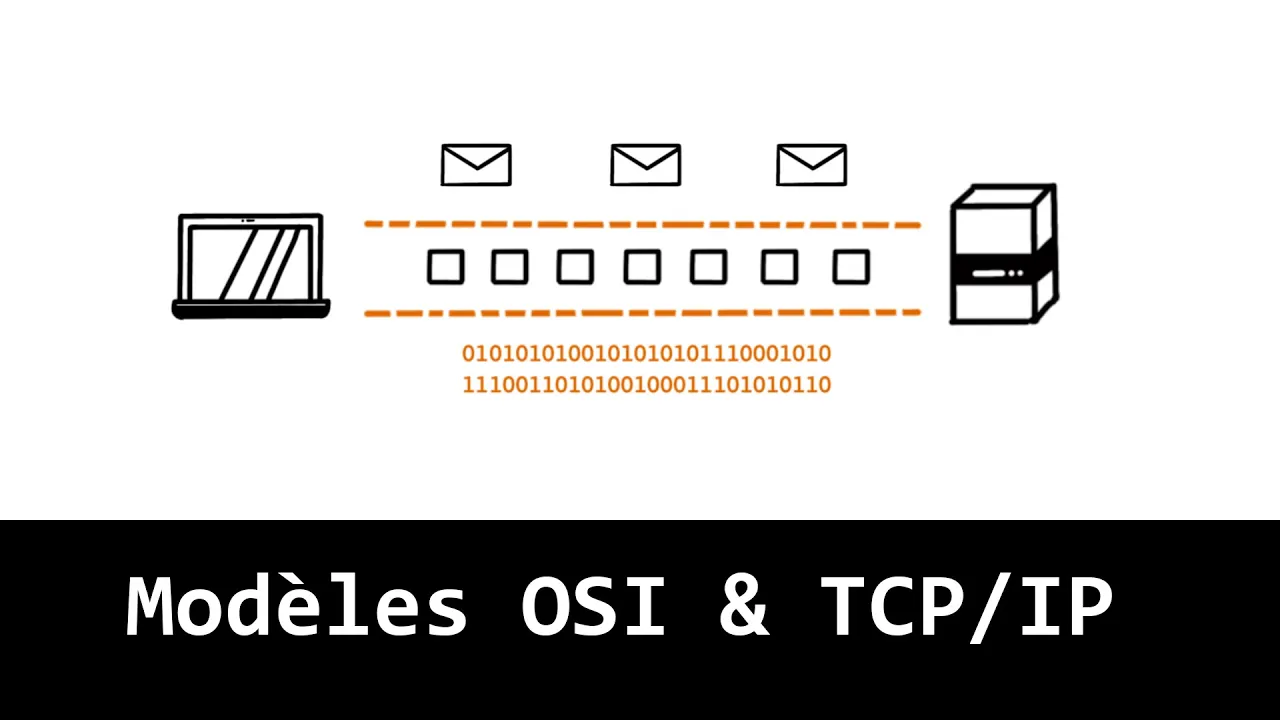
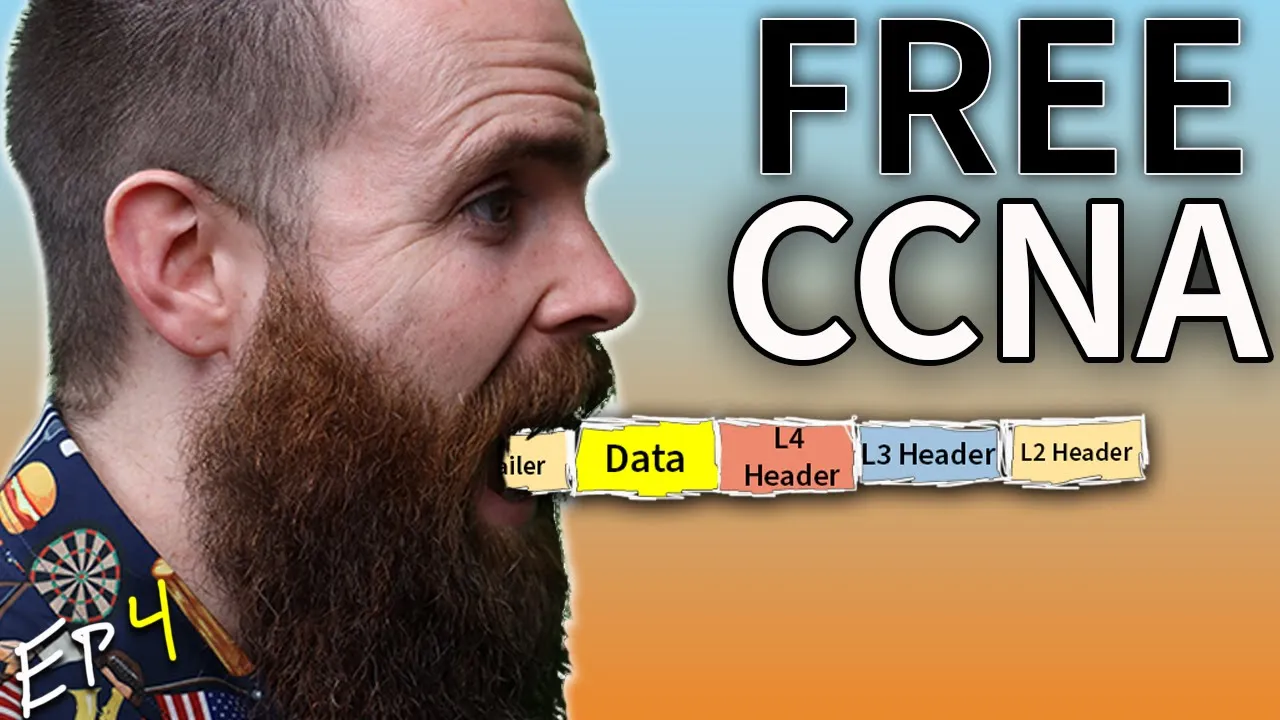
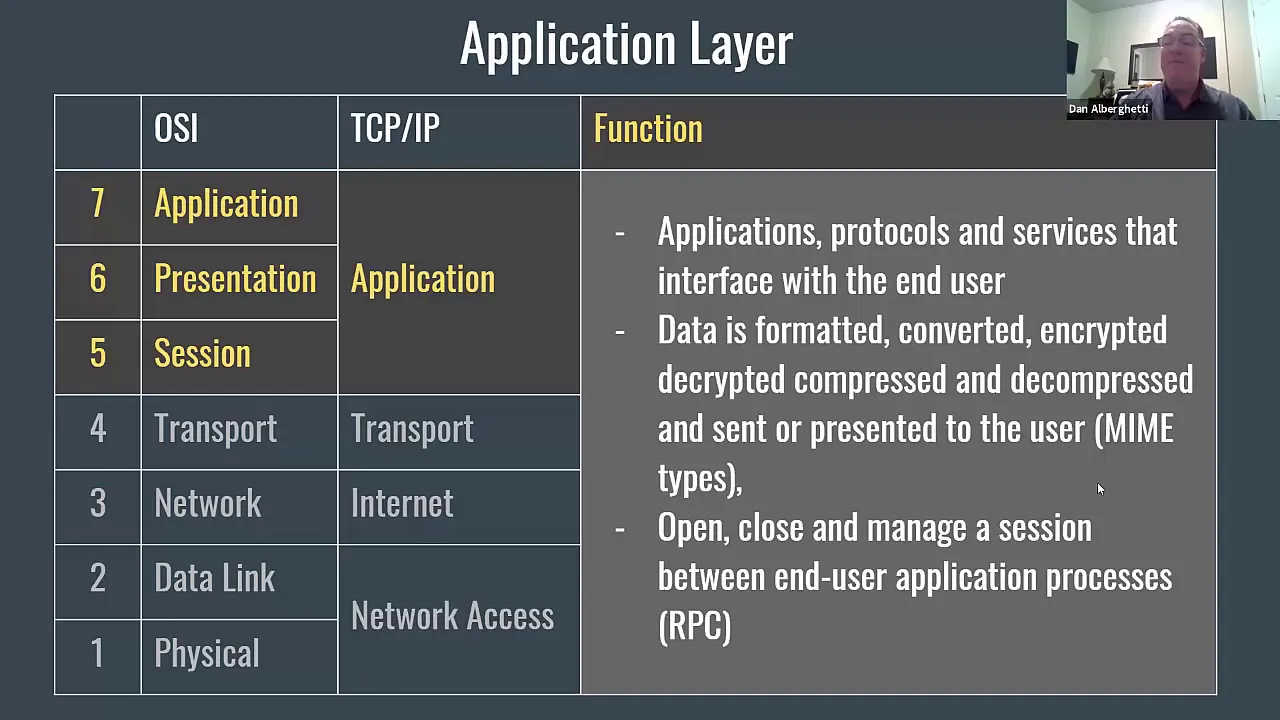
Added:The OSI and TCP/IP models, specifically how data encapsulation works across different network layers.
Traditional packet-filtering techniques, including stateless and stateful inspection at Layer 3 and Layer 4.
Common network protocols such as HTTP, DNS, TCP, and UDP, and how their headers are structured.
Fundamentals of Network Security, including the roles of firewalls, Intrusion Detection Systems (IDS), and Intrusion Prevention Systems (IPS).
SSL/TLS Decryption and Encrypted Traffic Analysis (ETA) to inspect payloads that are encrypted.
Advanced evasion techniques used to bypass DPI, such as protocol obfuscation, VPNs, Tor, and domain fronting.
The integration of Deep Packet Inspection within Next-Generation Firewalls (NGFW) and Unified Threat Management (UTM) systems.
Ethical, legal, and privacy considerations of DPI, particularly regarding censorship, net neutrality, and user surveillance.
6.3K views96likes6:14Original Release: 2024-09-29
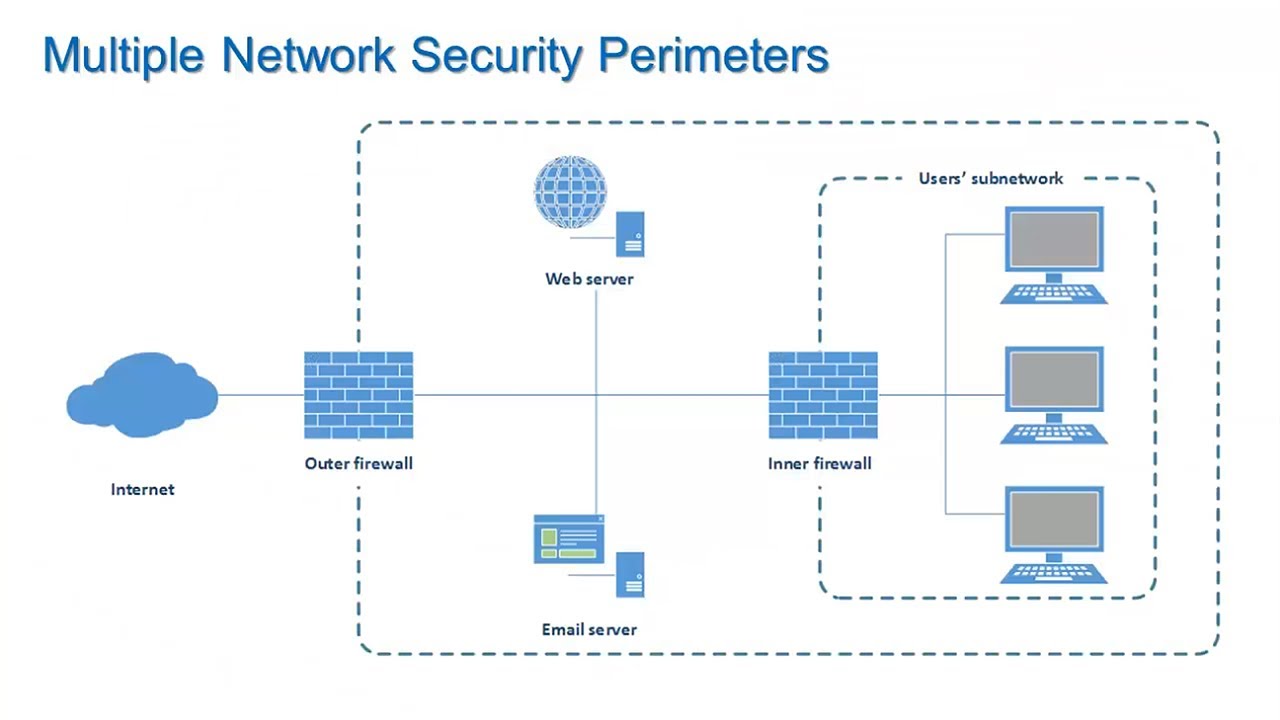
hello everyone how are you going welcome back to another topic today in this video we are going to be talking about deep packet inspection deep packet inspection all DPI is an advanced function for packet filtering used by modern or next Generation firewalls the main purpose of DPI is to examine what kind of information is being sent and make sure it's all good and safe in simple words de packet inspection can find detect classify block or reroute packets with specific code or data payloads that are not found classified blocked or redirected by traditional packet filtering at the most basic level deep packet inspection is like a detailed examination of data being sent over the Internet when data is sent over the Internet it is broken down into smaller pieces called packets packet inspection in general is like a checkpoint for data traveling across a network to clear things up DPI doesn't just look at the package's basic details like where it is going it goes deeper checking its actual content this is what basically deep packet inspection is all about now the question is how does DPI work deep packet inspection Works in a very simple way it examines the contents of data packets passing through a given checkpoint and makes realtime decisions depending on what a packet contains and based on rules assigned by you internet service provider or a network administrator if it finds any content that is forbidden it denies access and blocks the traffic previous forms of packet filtering only looked at packet Header information which is similar to reading an address printed on an envelope without any knowledge of the contents of the envelop this was the main issue with technology until recently firewalls did not have the processing power necessary to perform deeper inspections on large volumes of traffic in real time technological advancements have enabled DPI to perform more advanced inspections so that it can check both packet headers and data so now deep packet inspection is able to check the contents of these packets and then figure out where they came from such as the service or application that sent it in addition to that it can work with filters in order to find and redirect Network traffic from an online service such as Twitter or Facebook or from a particular IP address now D packet inspection uses three main techniques for packet filtering signature or pattern matching in this technique DPI looks for specific patterns that are known to be malicious and blocks the traffic if it finds such a pattern protocol anomaly it follows a default deny approach firewall determines which content or traffic should be allowed based on protocol definitions intrusion prevention system in this method if a particular packet represents a known security threat IPS will proactively deny Network traffic based on a defined rule set now you must be thinking about what are the uses and applications of deep packet inspection right well it can be used for many purposes if your organization has users who are using their laptops for work then deep packet inspection is vital in preventing warms spy wear viruses and other forms of malicious traffic from getting into your corporate Network it can also be used for more nefarious activities like Eaves dropping and state sponsored censorship in fact Chinese government has been known to use deep packet inspection to monitor the country's Network traffic and censor some content and websites that are harmful to their interests this is how China has been able to block out pornography religious information materials concerning political issues and even popular websites such as Wikipedia Google and Facebook deep packet inspection is also useful for Network management and content policy enforcement to stop data leaks and to streamline or modify the flow of network traffic as per specific use cases for instance if you have a high priority message you can use de packet inspection to enable high priority information to pass through immediately ahead of other lower priority messages if you have problems with peer-to-peer downloads you can use deep packet inspection to throttle or slow down the rate of data transfer in spite of having all these use cases deep packet inspection has one big drawback it can reduce Network Speed and Performance because it creates Network bottlenecks and increases the burden on firewall processors for data decryption and inline inspection okay now so as a review traditional inspection just looks at the outer part of the data packets like where they are going and where they came from De packet inspection on the other hand really digs into the det details it opens up the packets and looks closely at the content inside it can understand what kind of information is being sent not just where it is headed the deeper check helps manage the network and keep it safe as DPI can prevent denial of service attacks buffer overflow attacks and even security risks that normal inspection methods would miss in short deep packet inspection is like having a detailed x-ray of data packets while standard methods are more like a basic security check all right so with that this brings me to the end of my video thanks for watching please subscribe [Music]
Up Next
8:30
DFT and IDFT Equations: Derivation & Analysis | DSP Lecture 4
@canaraengineeringcollegema3340
3.9K views•2020-09-02
87:26
Introduction to Secure Multiparty Computation with Yehuda Lindell
@fhe_org
7.7K views•2021-02-04

4:55
HTTP Requests Explained: GET, POST, PUT, DELETE
@codecademy
103.1K views•2021-10-07
19:25
Enigma Machine Mechanics: WWII Encryption Explained
@JaredOwen
13.2M views•2021-12-11
Related Study Plans & Knowledge Roadmaps
Structured learning paths in Computer Science
computer-science
Container Runtimes: Namespaces, Cgroups & Go
01Linux Systems & Go Programming Foundations
02The Core of Isolation: Chroot and Filesystems
03Linux Namespaces: Process Isolation
+ 3 more learning modules
32h6 modules
Explore Roadmap
computer-science
Building a CHIP-8 Emulator: Rust & CPU Basics
01Computer Architecture Foundations (Bits & Bytes)
02Rust Programming for Systems Development
03CHIP-8 Virtual Hardware Specifications
+ 2 more learning modules
32h5 modules
Explore Roadmap
computer-science
Building BitTorrent: Go, P2P & Concurrency
01Go Fundamentals & Concurrency
02Networking Foundations & P2P Architecture
03Bencode Parsing & Torrent Metadata
+ 3 more learning modules
26h6 modules
Explore Roadmap
computer-science
Actor Models (C++ Concurrency & Lock-Free)
01C++ Multi-Threading Foundations
02Thread Pools and Task Scheduling
03Atomics and Lock-Free Queue Design
+ 3 more learning modules
45h6 modules
Explore Roadmap