













![Circular vs. Linear Convolution: What's the Difference? [DSP #08]](https://i.ytimg.com/vi/zquMVVCnmuk/maxresdefault.jpg)







![Fast Convolution: FFT-based, Overlap-Add, Overlap-Save, Partitioned [DSP #09]](https://i.ytimg.com/vi/fYggIQTaVx4/maxresdefault.jpg)

The Discrete Fourier Transform (DFT) analysis equation converts a time-domain signal x(n) to frequency-domain samples X(k) using X(k) = Σ(n=0 to N-1) x(n) e^(-j2πkn/N), while the Inverse DFT (IDFT) synthesis equation reconstructs the time-domain signal from frequency-domain samples using x(n) = (1/N) Σ(k=0 to N-1) X(k) e^(j2πkn/N), where N is the number of samples and k is the frequency bin index.
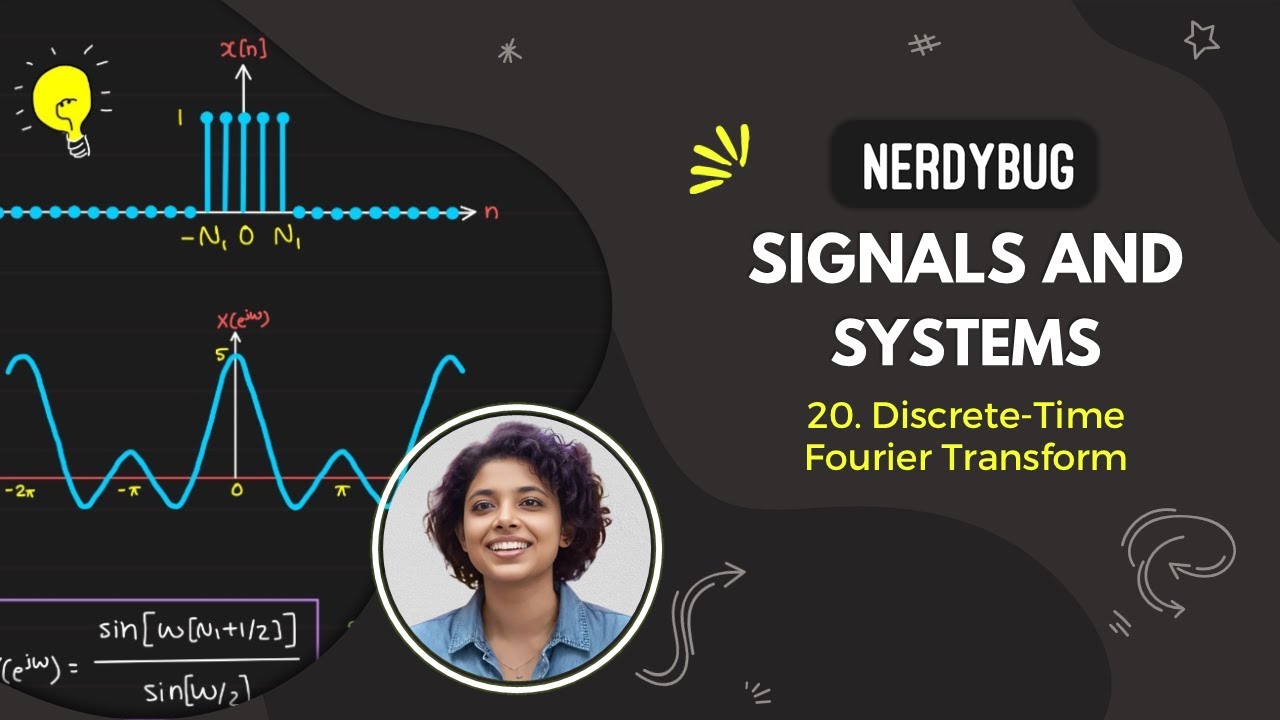
DFT and IDFT Equations: Derivation & Analysis | DSP Lecture 4
Added:Understanding of discrete-time signals and systems, including sampling of continuous-time signals and the Nyquist-Shannon sampling theorem.
The Discrete-Time Fourier Transform (DTFT) and the concept of a continuous frequency spectrum for discrete signals.
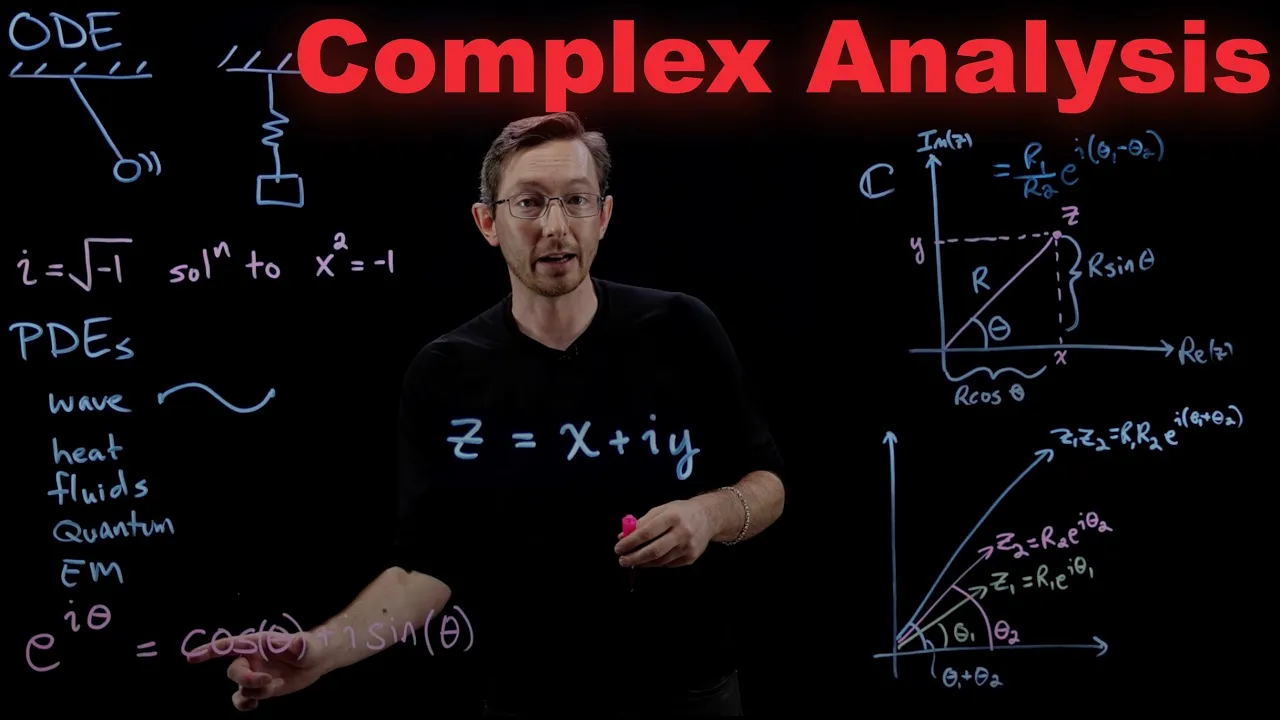
Fundamentals of complex algebra, Euler's formula, and the mathematical properties of complex exponential functions.
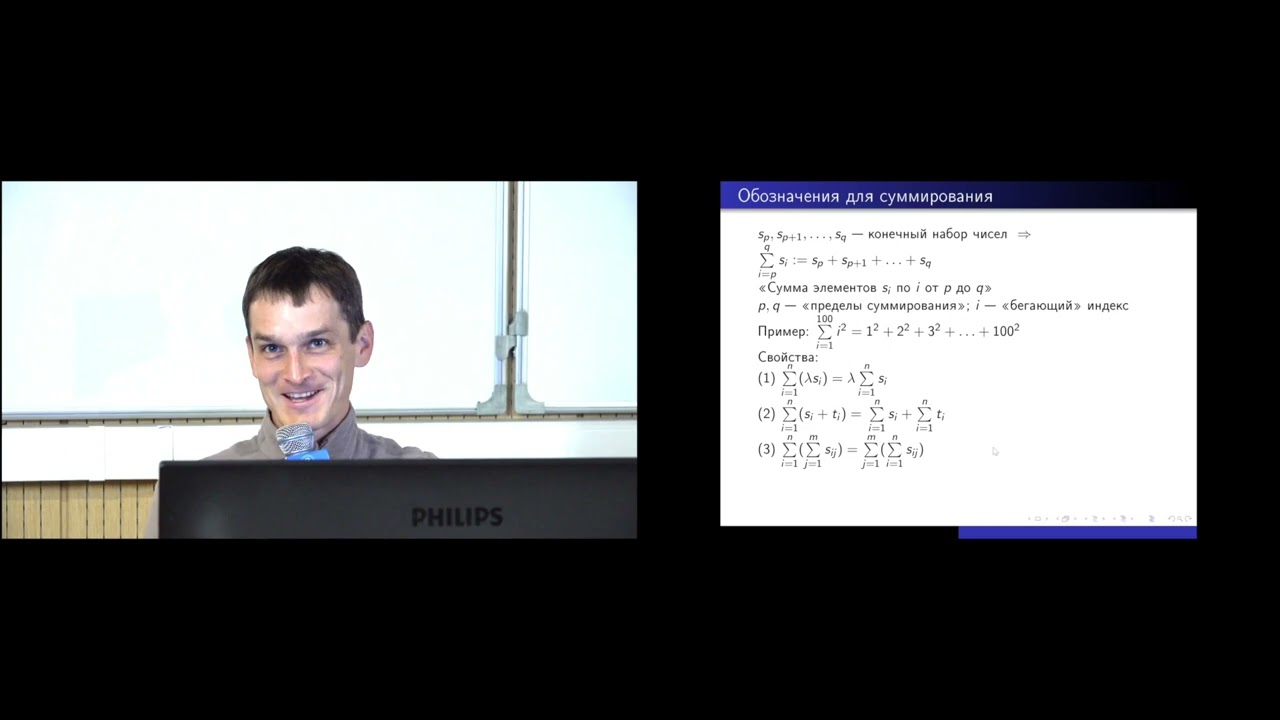
Familiarity with summation notation (sigma notation) and basic linear algebra concepts like vector representations.
Mathematical properties of the DFT, including linearity, periodicity, time-shifting, and circular symmetry.
The concept of circular convolution and how it differs from linear convolution, leading to the circular convolution theorem.
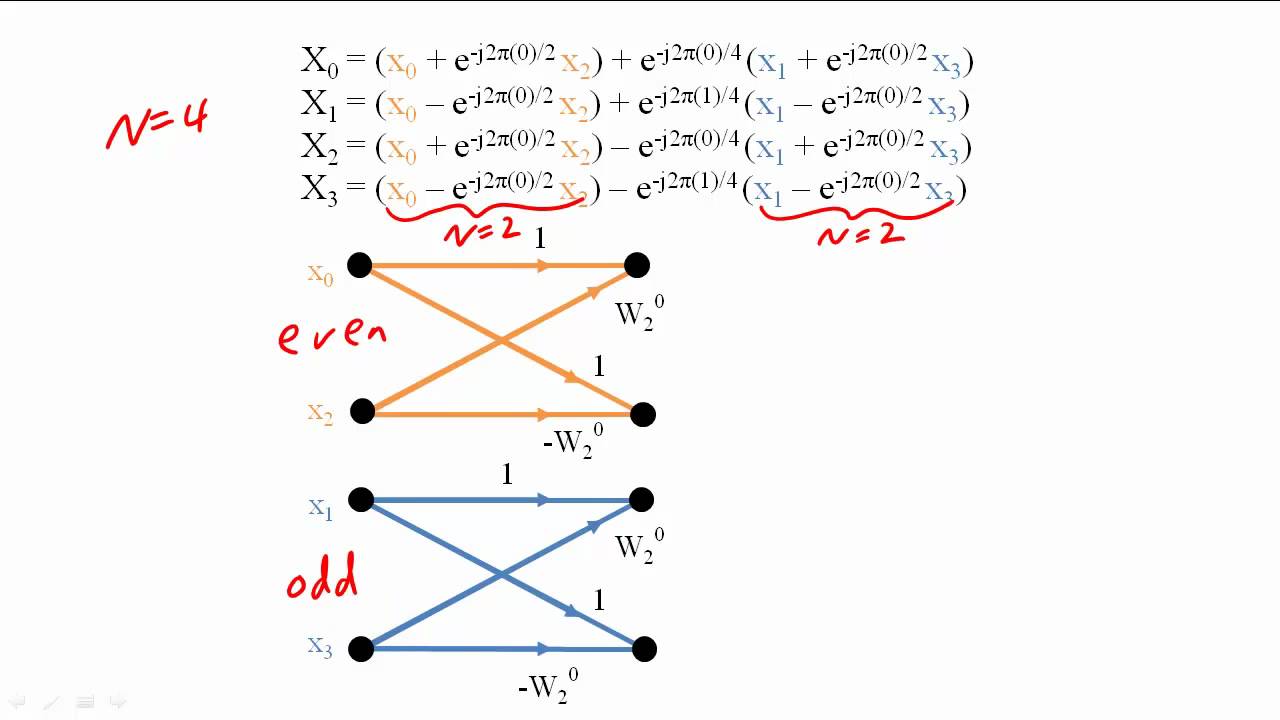
The Fast Fourier Transform (FFT) algorithms (such as Radix-2 Decimation-in-Time) for computationally efficient DFT calculation.
Practical applications of DFT in spectral analysis, including the phenomena of spectral leakage and the application of windowing functions.
Block filtering techniques for processing long data streams, specifically the Overlap-Add and Overlap-Save methods.
3.9K views46likes8:30Original Release: 2020-09-02
hey guys welcome to fourth lecture of module one uh in this lecture we are going to discuss on dft and idft equation defining defining tft and id ft equation [Music] okay so dft of a discrete time discrete time signal signal x often is given by is given by given by so we usually call it as dft in a bracket of x of so dft of x often is equal to it is x of k capital x of k is equal to the formula is summation x of n the input is x often here and the output what we get is x of k where n is varying from 0 to n minus 1 we are going to take totally capital n number of samples e power minus j 2 pi by n into k n okay so where k is varying from 0 to n minus 1 so this equation is called as analysis equation so this is called as if i call it as equation 1 so equation 1 equation 1 is called as called as analysis analysis equation so i have to talk about few parameter in this equation so where where what is x of k x of k is the signal or sample it's the samples samples in frequency domain frequency domain k is the index in x of k k is the index which addresses addresses the samples samples in frequency domain frequency domain okay so this is about x of k and k so x of n what is x of n it is the input signal and this signal is this is a signal or it's a sample it's a sample in time domain it's a time domain signal okay in time domain and what is n in same as k here but it is the index which addresses the samples which addresses and this is the sample samples in time domain okay so k is also called as this k is also called as also called as we also called it call it as bin number and what is this bin number i will let you know later okay and n so what is capital n here capital n nearest is number of number of samples we take number of samples samples are also called as number of points number of points given a sequence we usually take two point dft four point dft eight point dft so on so this number of points is told by this capital n right so this k is an integer this k is an integer which is varying from where to where 0 to n minus 1 and again this n is also an integer which is varying from where to where it is varying from where to get 0 to n minus 1 okay so this is about so dft equation from where we get this from where we got this equation we already derived it right so in frequency domain sampling so what was the equation we had i'll write it here x of 2 pi by n into k is equal to what summation n varying from 0 to n minus 1 x p often e power minus j 2 pi by n into k n where k is varying from 0 to n minus 1 so we know this equation right so just compare these two so instead of writing x of 2 pi by n into k we just normalize this 2 pi by n and we simply simply we write it as x of k instead of writing x p often we are right writing x often basically whatever the uh samples the range of samples we take we assume that it is a periodic signal okay so this equation is actually equation for dft also called as analysis equation so next we discuss equation equation to get to get inverse inverse discrete fourier transform also called as id lift okay so idft of a idft of a signal or sequence x of k is given by is given by so we usually call it as id ft of x of k is equal to x of n which is equal to 1 by n scaling factor okay so summation x of k here input is x of k and output what we get from the equation is x of n so k is varying from 0 to n minus 1 e power j 2 pi by n into k n so this is actually idft equation it is also called as synthesis equation synthesis equation dft equation is called as analysis equation and this equation is called as synthesis equation so where where again what is x of k x of k same as what we had in for dft samples in frequency domain k is what index which represent which represent samples in frequency domain also called as pin number what is x of n x often is samples in time domain and what is an index which represents which represents samples in samples in time domain and what is so what is n n is number of number of points or number of samples okay again okay from where did we get this equation uh in frequency domain sampling what was the equation we had x of n is equal to 1 by n summation x of 2 pi by n into k so where k is varying from 0 to n minus 1 e power j 2 pi by n into k n right so i forgot to put the range of n so here n is varying from where to get 0 to n minus 1 okay in dft equation k is varying from 0 to n minus 1 here n is varying from 0 to n minus 1. so both n and k are varying from 0 to n minus 1 so this is about idft equation
Up Next
15:11
JPEG Discrete Cosine Transform Explained | Image Compression
@Computerphile
679.1K views•2015-05-22
87:26
Introduction to Secure Multiparty Computation with Yehuda Lindell
@fhe_org
7.7K views•2021-02-04

4:55
HTTP Requests Explained: GET, POST, PUT, DELETE
@codecademy
103.1K views•2021-10-07
19:25
Enigma Machine Mechanics: WWII Encryption Explained
@JaredOwen
13.2M views•2021-12-11
Related Study Plans & Knowledge Roadmaps
Structured learning paths in Computer Science
computer-science
Container Runtimes: Namespaces, Cgroups & Go
01Linux Systems & Go Programming Foundations
02The Core of Isolation: Chroot and Filesystems
03Linux Namespaces: Process Isolation
+ 3 more learning modules
32h6 modules
Explore Roadmap
computer-science
Building a CHIP-8 Emulator: Rust & CPU Basics
01Computer Architecture Foundations (Bits & Bytes)
02Rust Programming for Systems Development
03CHIP-8 Virtual Hardware Specifications
+ 2 more learning modules
32h5 modules
Explore Roadmap
computer-science
Building BitTorrent: Go, P2P & Concurrency
01Go Fundamentals & Concurrency
02Networking Foundations & P2P Architecture
03Bencode Parsing & Torrent Metadata
+ 3 more learning modules
26h6 modules
Explore Roadmap
computer-science
Actor Models (C++ Concurrency & Lock-Free)
01C++ Multi-Threading Foundations
02Thread Pools and Task Scheduling
03Atomics and Lock-Free Queue Design
+ 3 more learning modules
45h6 modules
Explore Roadmap