







![[AO VIVO] Me Salva! Resumão de Física - Eletromagnetismo!](https://i.ytimg.com/vi/IWKTuBLan-c/maxresdefault.jpg)










![Проблемы освоения глубокого космоса [космический подкаст]](https://i.ytimg.com/vi/zpWRMvDxNEA/sddefault.jpg)
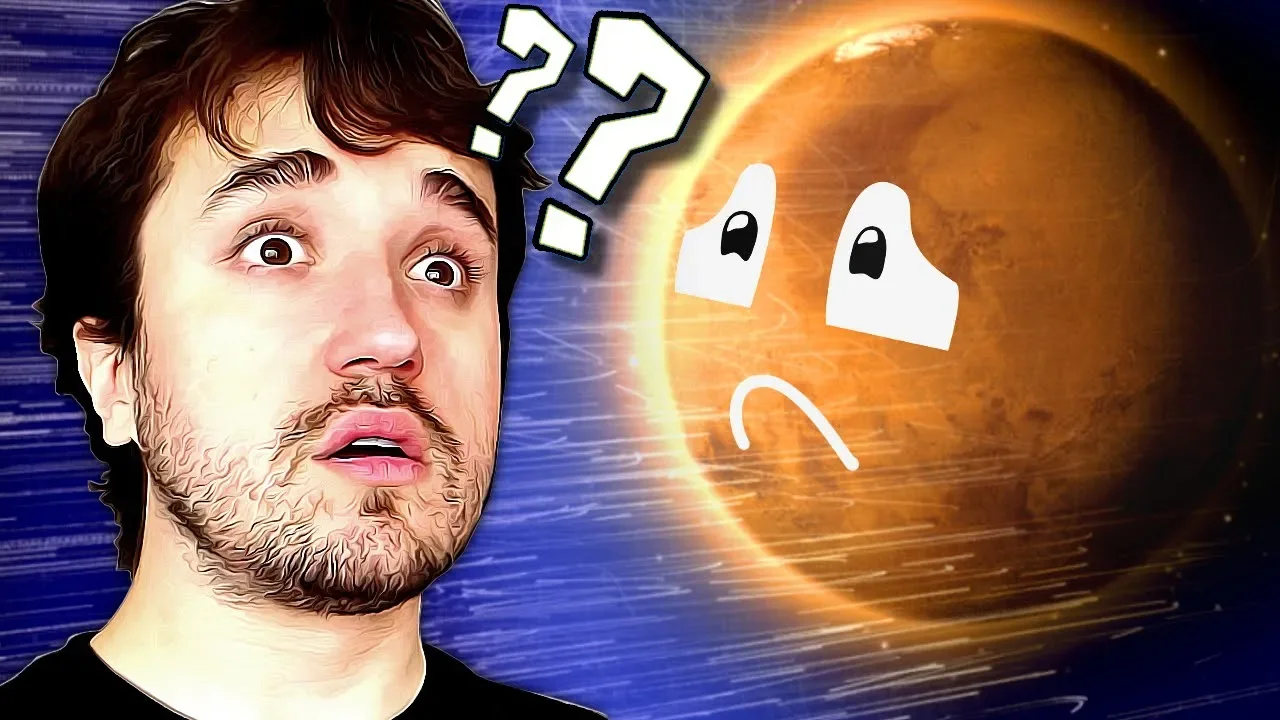
Cosmic rays are the most energetic particles in the universe, primarily accelerated by supernova remnants—the expanding shells of exploded massive stars—where charged particles gain energy by bouncing back and forth through compressed magnetic field lines; these particles originate from the galaxy's interstellar medium and can be detected through their interactions with Earth's atmosphere or instruments like those on the Mars Curiosity rover, which measures radiation levels for future human exploration.
Cosmic Rays Explained: Supernova Remnants & AGN
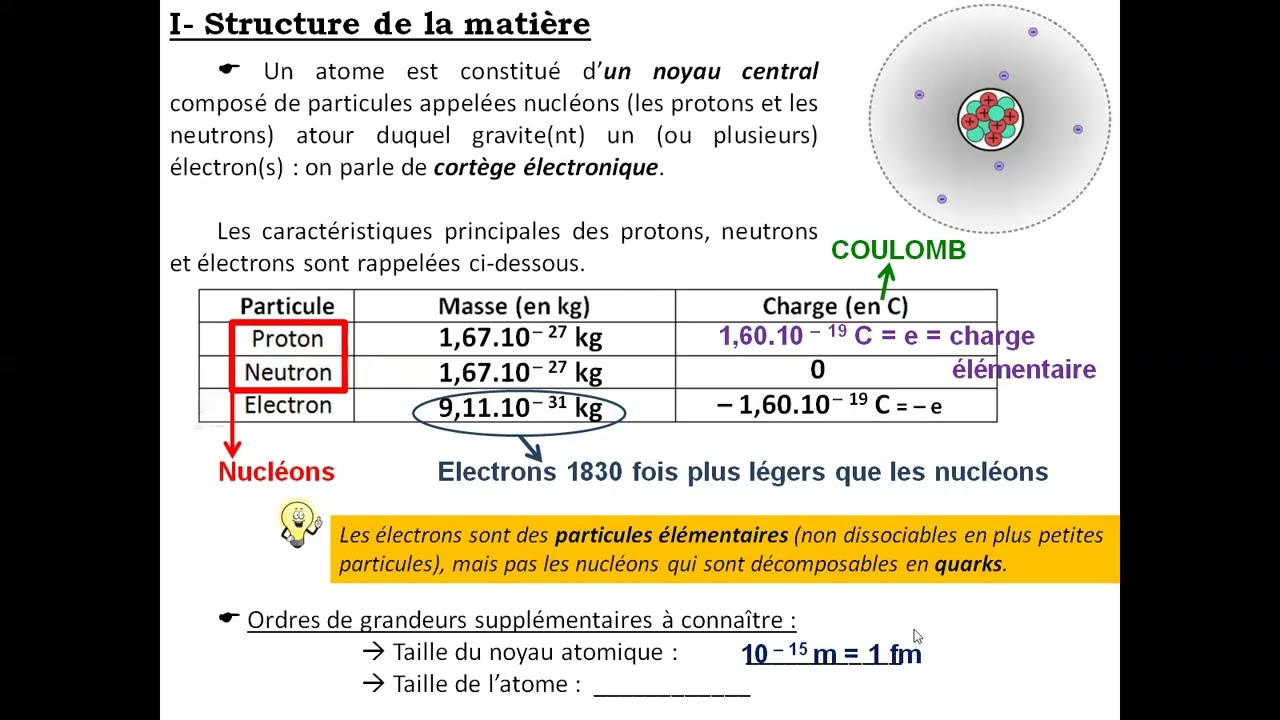
Added:Fundamental particle physics, specifically the nature of subatomic particles such as protons, electrons, and atomic nuclei.
The life cycle of massive stars, including the mechanics of supernova explosions and the resulting remnants.
Basic electromagnetism, particularly how magnetic fields influence and deflect the paths of moving charged particles.
The protective role of planetary magnetospheres and atmospheres, such as Earth's Van Allen belts, against solar and cosmic radiation.
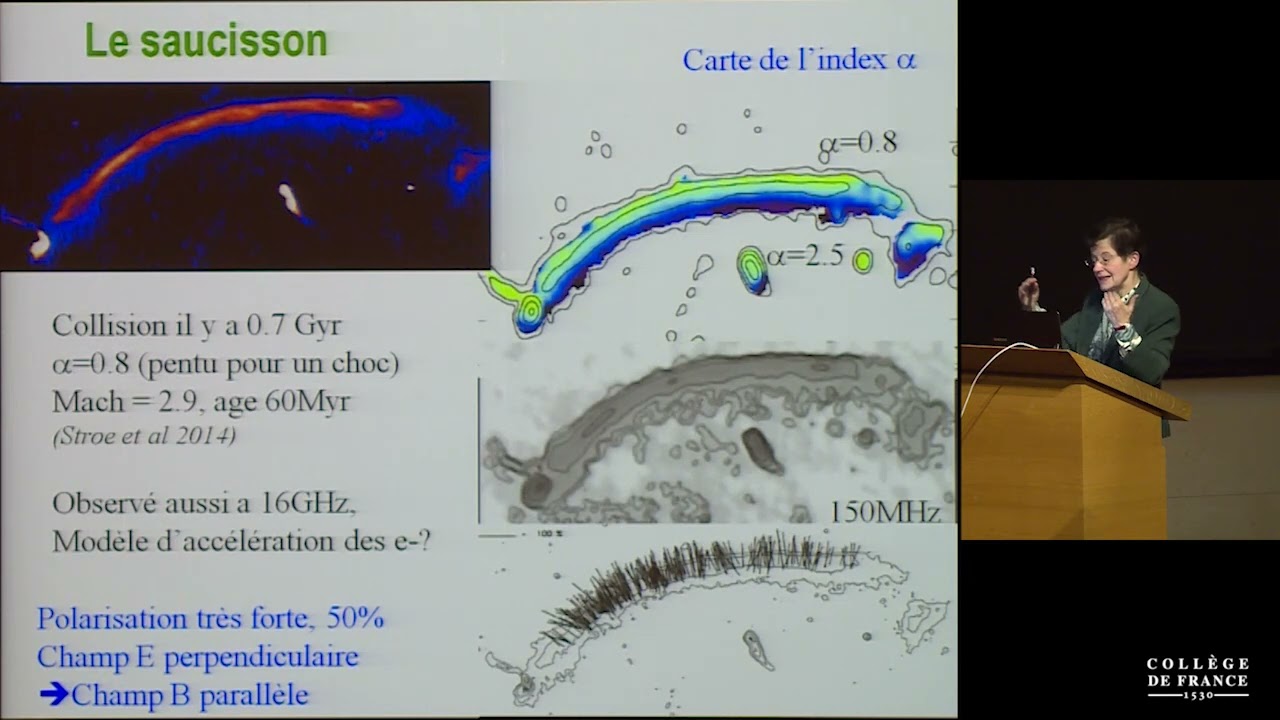
Fermi Acceleration (Diffusive Shock Acceleration), the theoretical mechanism explaining how charged particles bounce across shock fronts to gain relativistic speeds.
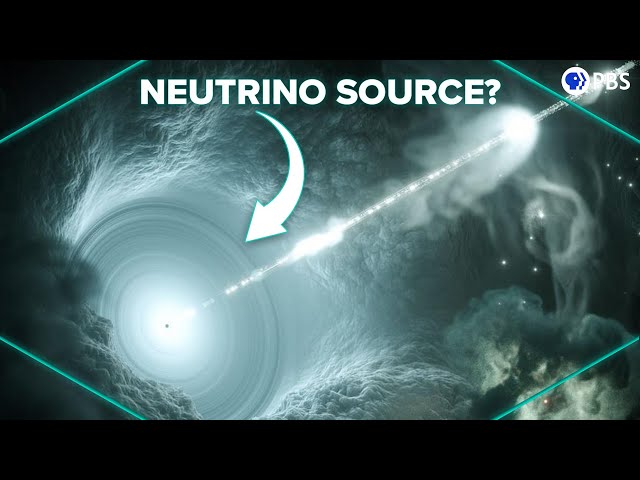
The astrophysics of Active Galactic Nuclei (AGN), including how supermassive black holes launch relativistic jets that act as extragalactic particle accelerators.
Observational methods for cosmic rays, such as detecting Cherenkov radiation, air showers, and utilizing space-based observatories like the Fermi Gamma-ray Space Telescope.
Aerospace engineering and biomedical solutions for long-duration space travel, specifically radiation shielding technologies and biological countermeasures for Mars-bound astronauts.
43.6K views894likes7:31Original Release: 2016-12-09
hi everyone I'm Dr Jay from school of physics and astronomy at Monash and I would like to talk to you about cosmic rays about 100 years ago scientists discovered these mysterious particles called cosmic rays and often what astronomers do is we kind of give names to because things appear One Way first and then we realize that there's something else so these cosmic rays actually not Rays they're particles so they're one of the most energetic particles we know in universe and they accelerated to those uh energies or those velocities by some mechanism uh the way they were discovered is that they were uh um the balloons the scientists were sending balloons up in the atmosphere and they would have uh photographic plates or other means of measuring what's going on and they noticed these particles and they noticed that that the amount of particles increasing as the balloon is going higher up so um although we discovered them 100 years ago we still not sure what producing them uh the reason is because they charge particles mostly they are um very ionized uh atoms nuclei of of certain elements and they're mostly positively charged what that means is that as they're released from whatever source is creating them they have to follow magnetic field lines of interstellar medium between the Stars within the Galaxy we have what we call interstellar medium which is very low density but it has magnetic field and as those charge particles are released they have to they sort of get locked in and follow the path of magnetic field lines so if we are to look the sky and detect cosmic rays we would see them coming uniformally from all over the sky so then we look the energy requirements what could be so powerful to create these particles and one of the most obvious uh sources are Supernova remnants Supernova remnants are remnants of supern noi and supern noi are explosion of massive stars as you probably know the way our sun creates energy is by fusing two hydrogen nuclei sorry four hydrogen nuclei into helium nuclei and in that process some mass is lost and that mass is the energy that is released that gives us uh energy from the sun and stars like our sun burn or fuse uh then helium to carbon and that's where they stop they don't have enough Mass to create temperature in their core to be able to burn um carbon but more massive stars those those that are eight or more times bigger than our sun they can actually fuse carbon into the next element all the way up to ion the reason they stop at ion is that ion is one of the most stable elements in the universe so it requires more energy to be fused together than energy released so these reactions by which stars produce energy basically become inefficient one once the the star the core of the star is full of Fire ion and this is where the thermonuclear reactions stop these reactions of fusing elements in higher elements and the gravity of the star P everything down and then the the shock is created and bounces off this is one of the most energetic events in universe and therefore we could imagine that this this is the energy needed to then accelerate the particles so as the shock is bounces off the core of the star the remain core of the star which usually creates neutron star or in some cases black hole this shop travels and creates beautiful shells that we call Supernova remnants they come in various shapes and sizes and they usually live about a million years and by live we mean we be we are able to detect them we able to see them so in this process as these shocks are traveling basically they're able to um sweep the material in front of them and compress magnetic field as they're compressing um magnetic field in the inter Stell medium the particles that they uh they uh sweep in their shock shells are basically then accelerated by passing back and forward through magnetic field lines and at some point they gain enough energy to leave the source to leave this shell of supernova remnants that's the theory in practice we are struggling still to prove this uh connection mostly because the data that we need to prove this are still not of high quality we just detected about 15 years ago we just detected some of these particles in x-ray energies and now we able to detect them in gar Rays as well but gamar Rays still have quite low spatial resolution so when we compare pictures of of supern no remnants in Optical and radio and x-ray with those of gar Rays we can't make too many um comparisons so this is where the science of cosmic cze is uh at at the moment and we basically rely on getting better and betters obervations and better better telescope to actually prove this um but cosmic rays being mysterious are often blamed for different things one of the things they were blamed was that they kill dinosaurs but that's discredited another thing was that they um responsible for global global warming but that's discre as well several times not working the only thing they really responsible for is basically bombarding Mars with lot of particles so as the M Ray fall all over the sky they interact with our atmosphere and they create shower particles so by the time uh some of those particles reach the ground they quite low energy so they're not as damaging they're not ionizing radiation so higher in atmosphere there are this is why pilots and other people who fly are exposed to radiation bit more and this is why we have to limit how much time they spend high in the orbit like astronauts as well but as those particles are stopped by atmosphere or collide with the um atoms in our atmosphere they slow down and basically lose their energy so by the time they reach the ground they quite weak and you can actually build your own experiment you can build your own cloud chamber and catch some of those particles the link will be underneath this video however Mars doesn't have atmosphere as thick as us it's only about 1% of what we have so there's much less atoms there for Cosmic race to interact with and therefore they lose only a little bit of energy and they slow down only a little bit so most of them Reach the surface of Mars and we have now Mars Curiosity that measured in quite um uh enough details of how much that ration arriving over a long period of time so we know it's okay for um a robot but it's not um it's too much for humans and therefore for our astronauts and colonists they'll be able to spend only certain amount of time on the surface roughly maybe 4 hours a day which when you think about most of us doesn't don't spend even an earth 4 hours outside a day so they will have to we have to monitor how much time they spend outside and then building a martian Colony or a temporary habitat will have to take in account protection from cosmic radiation and therefore there will have to be a thick layer that protects the humans hum habitat and probably the easiest thing is just to use regulate on Mars to use this the the surface of Mars to build our habitats or just to dig and live in caves hope this was fun see you later later
Up Next
57:22
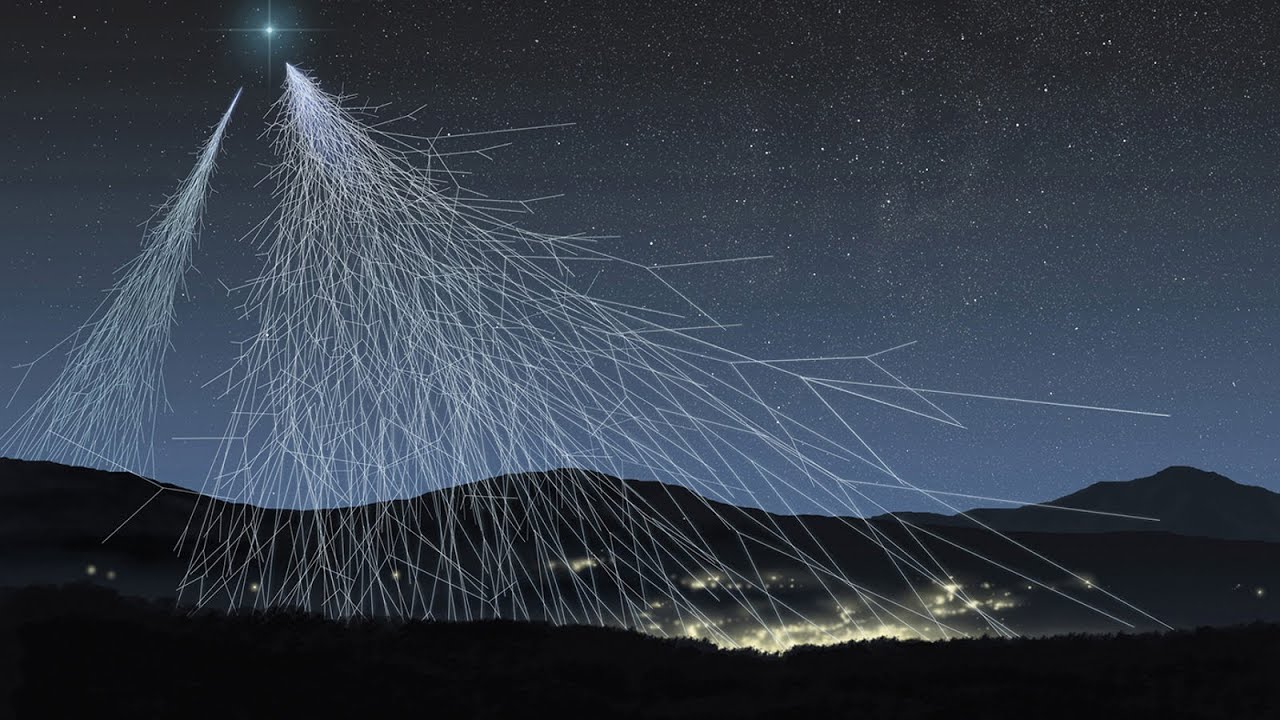
Pierre Auger Cosmic Ray Observatory: Detecting Ultra-High-Energy Particles
@horizonsci1703
892 views•2021-06-17

12:53
21cm Hyperfine Transition in Neutral Hydrogen: Radio Astronomy Basics
@AaronRobertParsons
12.4K views•2011-10-13

32:32
NMR Spin Physics I: Zeeman Effect, Resonance Condition & Larmor Frequency
@nptel-indianinstituteofsci8064
2.3K views•2024-01-17

27:14
Entropy and the Second Law of Thermodynamics Explained
@veritasium
27.5M views•2023-07-01
Related Study Plans & Knowledge Roadmaps
Structured learning paths in Physics
physics
Nuclear Physics (Decay, Fission & Reactors)
01Atomic Structure and the Binding Force
02Radioactive Decay and Half-Life
03Nuclear Fission Mechanics and Chain Reactions
+ 2 more learning modules
12h5 modules
Explore Roadmap
physics
Soft Matter (Polymers, Colloids & Rheology)
01Foundations of Soft Matter & Thermal Forces
02Polymer Physics and Macromolecules
03Colloids, Surfactants, and Self-Assembly
+ 2 more learning modules
38h5 modules
Explore Roadmap
physics
Analytical Mechanics: Lagrangian & Hamiltonian
01Mathematical Foundations: Calculus of Variations
02From Newtonian Mechanics to Constraint Dynamics
03The Principle of Least Action & Lagrangian Mechanics
+ 3 more learning modules
28h6 modules
Explore Roadmap
physics
General Relativity (Spacetime & Cosmology)
01Foundations of Relativity: Special Relativity
02The Geometry of Spacetime: Equivalence Principle & Curvature
03Einstein's Field Equations: The Mathematics of Gravity
+ 2 more learning modules
55h5 modules
Explore Roadmap