


















Bilingualism encompasses several types: early bilingualism (simultaneous or successive before age 8) versus late bilingualism (after age 8), and additive bilingualism (balanced proficiency in both languages) versus subtractive bilingualism (where proficiency in one language decreases as the other increases, potentially leading to passive bilingualism where one language is lost but understood). Research shows that early bilinguals integrate both languages in overlapping brain regions (Broca's and Wernicke's areas), while late bilinguals use distinct brain regions for each language, demonstrating that the neural organization of bilingualism depends on the age at which the second language is acquired.
Bilingualism Types & Cognitive Brain Research | Lecture
Added:Basic neuroanatomy, particularly the location and functions of key language centers in the brain, such as Broca's area and Wernicke's area.
The 'Critical Period Hypothesis' in linguistics, which posits a biologically determined window for acquiring a first language natively.
Fundamental concepts in linguistics, specifically the distinction between first language (L1) and second language (L2) acquisition.
An introductory understanding of common neuroimaging methodologies, such as fMRI, PET, and EEG, used to observe active brain processes.
The 'Bilingual Advantage' hypothesis and its impact on executive function, cognitive reserve, and the delayed onset of neurodegenerative symptoms like dementia.
Clinical neuro-linguistics, specifically the study of bilingual aphasia and how brain damage affects recovery across different languages.
Sociolinguistic dynamics of code-switching, including identity formation, social cohesion, and grammatical constraints within multilingual communities.
The application of cognitive research to foreign language pedagogy and the design of dual-language immersion education programs.
7.6K views166likes16:40Original Release: 2020-11-25
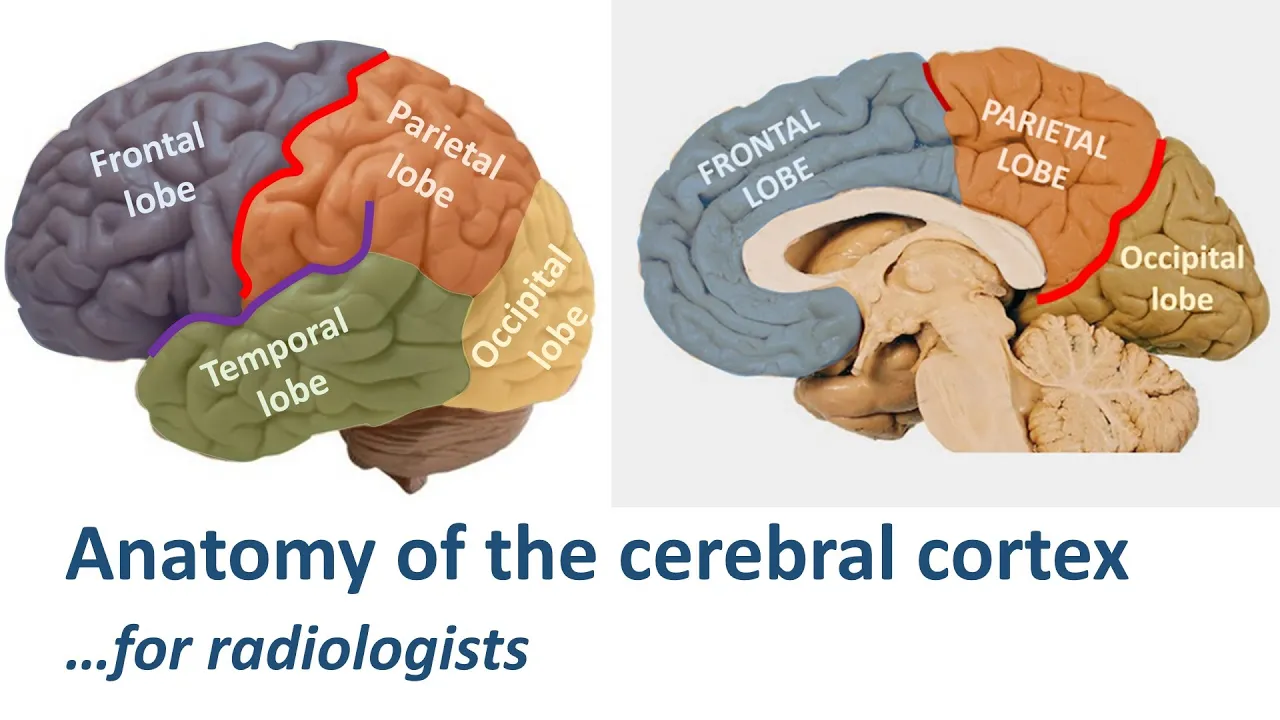
we're going to spend two mini lectures on bilingualism because we're in los angeles and most people in los angeles are bilingual cognitive psychologists have been slow to figure out that bilingualism and multilingualism is actually the norm monolinguals are relatively rare there are fewer monolinguals in the world than there are bilinguals and multilingual people so if you pick up a cognitive psychology textbook especially an older one you will be unlikely to find any research on bilingualism but that's changing textbooks are finally catching up to reality most of the research on bilingualism has taken place only since the 1970s most of that was in french-speaking canada but a lot of bilingualism research is really only 20 30 years old in a previous language lecture we talked about whether the language that you speak determines whether you can understand a concept or how well you can understand a concept if we were to consider all the research together the general conclusion is that the language that you speak determines how you think about things not whether you can think about them let me give you an example in the japanese language there are more words for interpersonal emotions than there are in english and you may be thinking what's an interpersonal emotion well that's part of it already but in japanese they have more words for things like sympathy right you have sympathy for another person you might feel empathy for another person in english we don't have too many of those words and we actually struggle to understand the differences between things like sympathy and empathy when i think about it now i think well isn't sympathy just empathizing with someone when they're going through something painful no they're different concepts but i struggle to understand the depth of those differences because i speak english and not japanese here's a really funny thing for bilinguals you know the personality inventories like the minnesota multiphasic personality inventory the mmpi which is used to measure personality let's say you're a bilingual person and you speak spanish and english if you are given the mmpi in english and maybe the next week you're given the mmpi again but this time in spanish the test will show that you have different personalities in each language that's consistent with a an old czechoslovakian proverb learn a new language and get a new soul or personality now there are a lot of different types of bilingualism the first one is early bilingualism now early bilingualism is when you are raised as a bilingual as a child so you can there are a couple of types of early bilingualism you can be a simultaneous early bilingual in which case you were raised with both languages right from the beginning of your life or you could be a successive early bilingual which means for a few years early in your life you were exposed to one language but then later in your childhood you were exposed to a second language so there's early bilingualism there's also late bilingualism and to understand the difference between early and late we have to talk about a concept that cognitive psychologists are rethinking these days we used to talk about something called a critical period idea was that it was critically important for you to learn a language when you were say younger than eight in order for you to speak that language as a native speaker of that language researchers don't talk about critical periods for language anymore they'll they use more subtle words like the optimal time to learn a language because people who learn a second language after the age of eight can learn to speak it like a native speaker they're more likely to speak it with an accent but if they're highly motivated enough they can even have develop the accent of a native speaker of that language so the difference between early and late bilingualism the line in the sand is usually about eight years old but again it's it's controversial and studies of the difference between late and early bilingualism usually put a big gap in there so they'll have early bilinguals say zero to eight years old and then late bilinguals they'll jump they won't start at nine they'll jump all the way to say 20 or adulthood so late bilingualism is when you pick up your second language after you're about eight years old so you've really become a master at your first language your native tongue as it were and then after that after you've mastered your first language you at the age of nine or older learn a second language after you learn your second language there are again different types of bilingualism there's additive subtractive and the ultimate version of subtractive which is passive so additive bilingualism is said to occur when uh the two languages that you speak or sign are are balanced you're equally strong in both languages that's a strong version of bilingualism when people think of bilinguals really it's the additive bilingualism that they're thinking but as many bilinguals know it doesn't always work that way there's another kind of bilingualism called subtractive bilingualism so for example if you grew up speaking spanish but then went to an elementary school where they really pushed you hard to use english it is possible because you live in a in the u.s and in a society that really pushes everybody to use english it's possible that as you learn more and more english your mastery of spanish starts to drop so with subtractive bilingualism as your mastery or understanding of one of your languages increases your mastery or understanding of the second language decreases subtractive it's one that's added the other's subtracted passive bilingualism is sort of the ultimate subtractive bilingualism that's when bilinguals get to the point where they can no longer speak one language but they can understand it so for example my father grew up speaking a language that doesn't exist anymore serbo-croatian because his parents were from an eastern european country that's now known as slovenia as he became an adult he could not um speak serbo-croatian anymore but when we went back to slovenia and visited family he could understand what people were saying and relatives back in slovenia said that his his phrasing in english showed that he knew cerberation as a child but that's passive bilingualism ah i forgot to tell you subtractive bilingualism a big factor in that is when a society pressures people to use one of their languages over another so subtractive bilingualism really reflects say for example in the u.s the pressure that our society puts on people to use the english language or the american version of the english language okay one thing that bilinguals can do and do do a lot is code switching it's very cool you you need two bilinguals so the the the person producing the language and the person receiving the language both have to know the same two languages but when those folks speak or sign you will see them flip back and forth between the two languages so someone might start off in spanish and then add in a few words of english and then go right back to spanish and uh that could be sort of surprising to non-bilinguals some folks thought early on that code switching was a reflection of cognitive confusion as if someone as if bilinguals got confused about which language they were speaking at any point of time but it's actually an indication of cognitive flexibility people code switch bilinguals code switch for a lot of different reasons those reasons include some languages can convey an idea better than another so if a language is better conveyed in english than in spanish people will flip to english to convey that concept and then flip back to spanish it can be used to show identity identity is a bilingual so code switching very cool now there's also a really interesting reason why bilingual's code switch and that is that it's easier to lie in your second language than in your first language so let me tell you about the study that showed that bilinguals can lie very effectively in their second language but not in their first language this was a study done in germany with german english bilinguals it was a study where they asked people certain questions sometimes the person was told to lie and sometimes the person was told to tell the truth and they were asked these questions in either english or german and asked to reply in the same language so the questions were very simple like do you study agricultural science and either you tell the truth or you lie do you have a driver's license right either you tell the truth or you lie and what they found is in bilinguals your second language there's no difference in reaction time so what this graph right here displays on the vertical axis is reaction time if you ask somebody to tell the truth and to lie in their second language they can do so in exactly the same time window in other words there's no difference in how long it takes bilinguals to respond in their second languages when their response is a truth compared to when their response is a lie but if you ask a bilingual to lie in their first language in their native language it turns out that there is a whopping like fifth or quarter of a second difference in how long it takes people to tell a lie in their native language versus telling the truth in their native language so if you're dealing with a bilingual and all of a sudden they respond to your question in a different language than you asked it in you might want to think about this one or if you want to lie and you're bilingual do it lie in your second language not your first how do bilingual brains work does the neural machinery that bilinguals use to speak their two languages differ do we use one part of our brain for one language in a different part of our brain for the other language psycholinguists and cognitive psychologists fought tooth and nail about this question forever and it turns out they were both right there are differences and there's similarities and the difference between the two whether the same parts of your brain process both languages or different parts of your brain process more languages depends on whether you are an early bilingual you learn both languages before about the age of eight or a late bilingual so this was a really terrific study brain imaging fmri study they had two groups of subjects the early bilinguals learned both their languages before the age of eight and the late bilinguals learned their second language when they were in their twenties or so so clearly early clearly late and they asked people while they were in the magnet to not talk out loud because you you don't want to move the brain and you don't want to trigger motor activity in that way they asked them to use that quiet inner voice in our heads to talk about internally what they did on monday first they did it in one language and then they did it again in another language tell me what you did on monday in english tell me what you did on monday in german or french or mandarin or spanish and they got different results for the early and late bilinguals for the early bilinguals the same brain areas were used with both languages so if you learn both languages early what happens in wernicke's area is the same whether you're speaking your first to your second language and what happens in broca's area is the same when you speak your first and your second language so for early bilinguals the brain bases of language are integrated for both languages for late bilinguals the result was different for late bilinguals different regions of broca's area were active when they spoke their two different languages and different regions or sub-areas of wernicke's area were active when the late bilinguals spoke the two different languages so if you're late bilingual you use different brain areas with both of the languages that you speak and here's some pictures from that study so on the left hand side you can see early bilinguals there these were in this study it was actually turkish and english-speaking bilinguals and you can see there's a orange region in the middle that's where there's big overlap so the red and the yellow are the brain areas activated by each of the languages so red is when people were mentally producing turkish words sentences and the yellow is when they were producing english sentences and where it's orange is where there's overlap but look at the late bilinguals there's no orange at all they're near each other but they're not the same so late bilinguals use distinctly different parts of broca's area when they produce their two languages and early bilinguals use overlapping parts of broca's area when they produce their two languages and that's it come back and we'll talk about all of the advantages of being bilingual if you're thinking about whether or not to raise your child is bilingual you've got to watch the next video
Up Next
63:23
Bilingual Word Recognition: Visual & Auditory Research
@UosCVC
520 views•2013-07-23

36:52
Constraint Interaction in Optimality Theory: Epenthesis & Deletion
@Vidyamitra
180 views•2018-08-20

8:59
Forensic Linguistics: How Language Solves Crimes | PBS
@pbsstoried
1M views•2024-01-25

21:32
Accent Expert Explains U.S. Regional Dialects | Part 1
@WIRED
9.3M views•2021-01-21
Related Study Plans & Knowledge Roadmaps
Structured learning paths in Linguistics
linguistics
Optimality Theory: Tableaux & Constraints
01Phonological Basics: Sounds, Syllables & Rules
02Foundations of Optimality Theory: GEN, CON, and EVAL
03The Constraint Inventory: Markedness vs. Faithfulness
+ 2 more learning modules
15h5 modules
Explore Roadmap
linguistics
Morphosyntactic Alignment: S, A & P Systems
01Foundations of Syntax: Transitivity and Arguments
02The Linguistic Variables: Mapping S, A, and P
03Nominative-Accusative Alignment
+ 3 more learning modules
12h6 modules
Explore Roadmap
linguistics
Analyzing Sign Language: Phonology & Syntax
01Foundations of Sign Language Linguistics
02Phonology: The Five Parameters of a Sign
03Morphology: Word Formation and Classifiers
+ 2 more learning modules
14h5 modules
Explore Roadmap
linguistics
Pragmatics: Speech Acts, Grice & Politeness
01Introduction to Pragmatics: Meaning in Context
02Grice’s Cooperative Principle & Implicature
03Speech Act Theory
+ 2 more learning modules
14h5 modules
Explore Roadmap