

























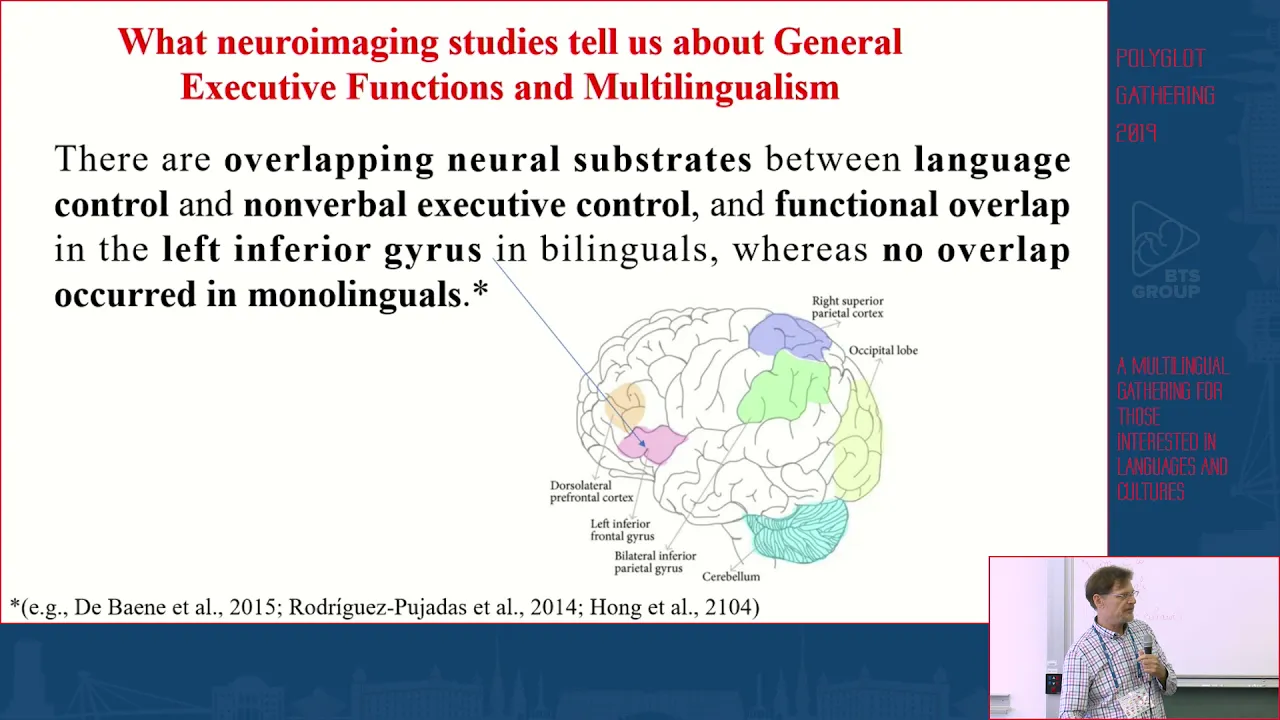

Bilingualism affects the brain by causing languages to share neural representations and requiring active inhibition of one language when using another, which may enhance cognitive control abilities and provide protective effects against cognitive decline, though these findings require careful consideration of confounding variables like socioeconomic status and pre-existing cognitive differences.
Bilingualism and the Brain: Neurocognitive Effects | Cambridge Research
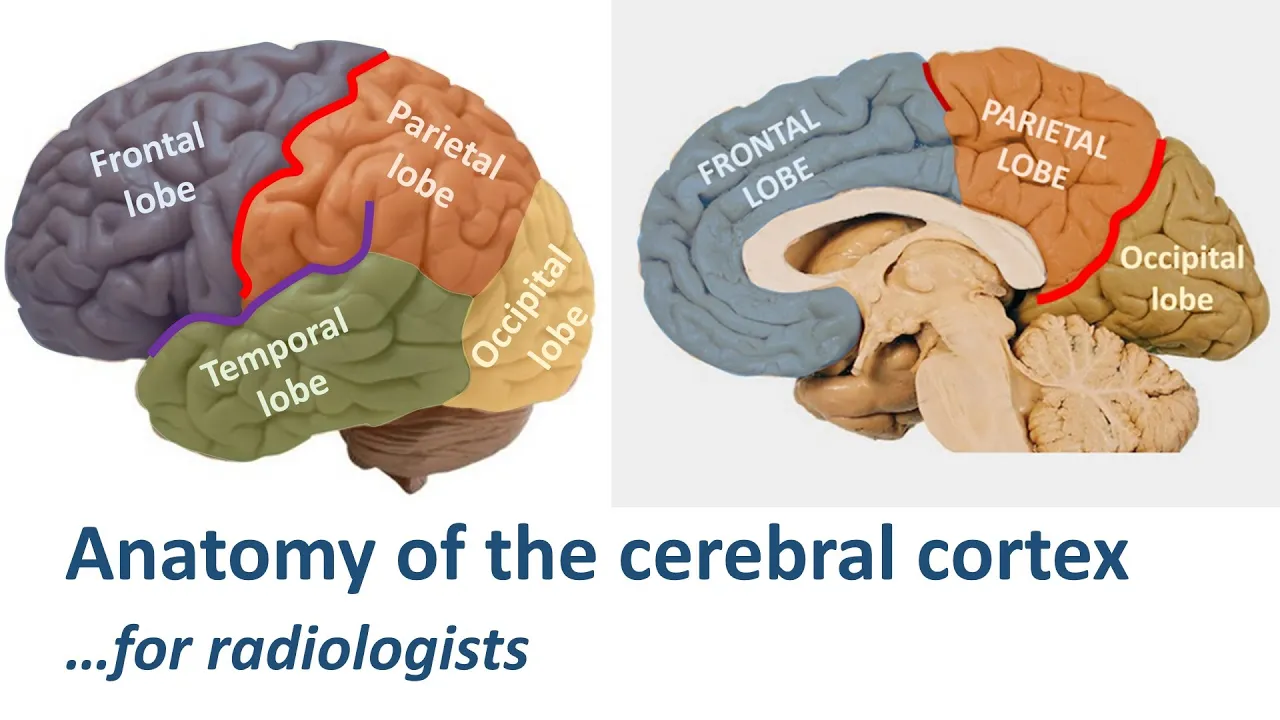
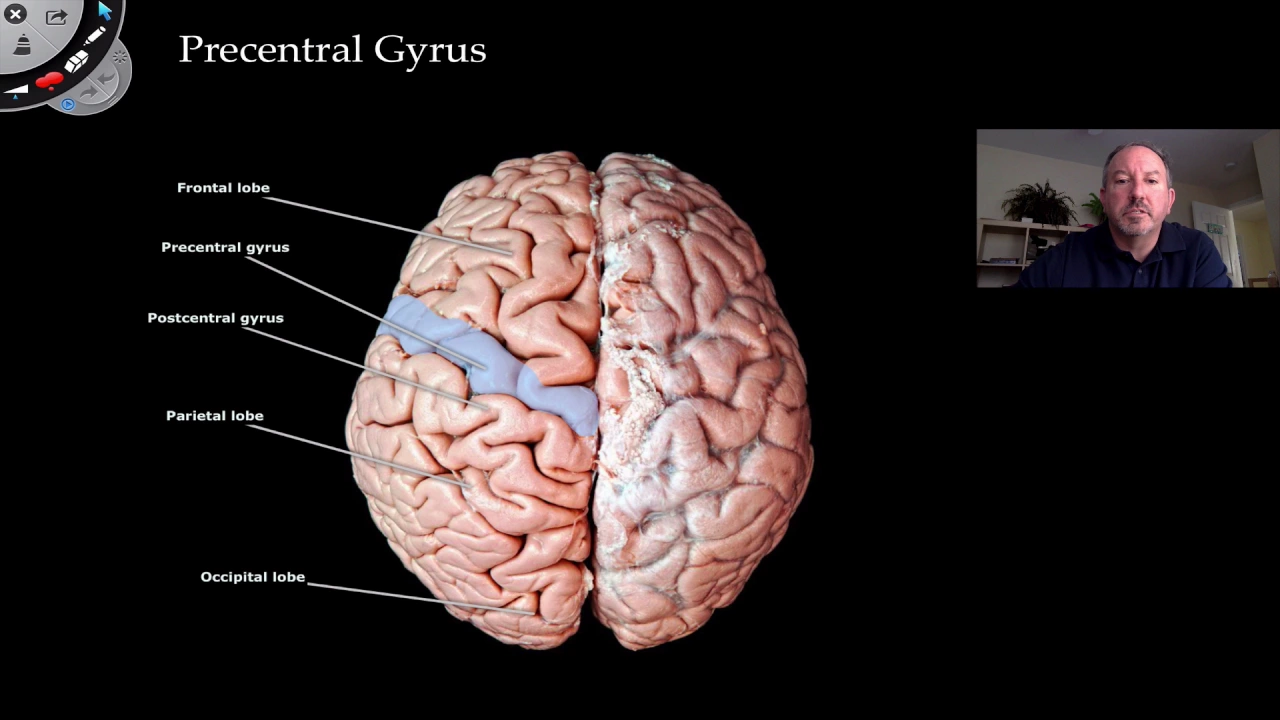
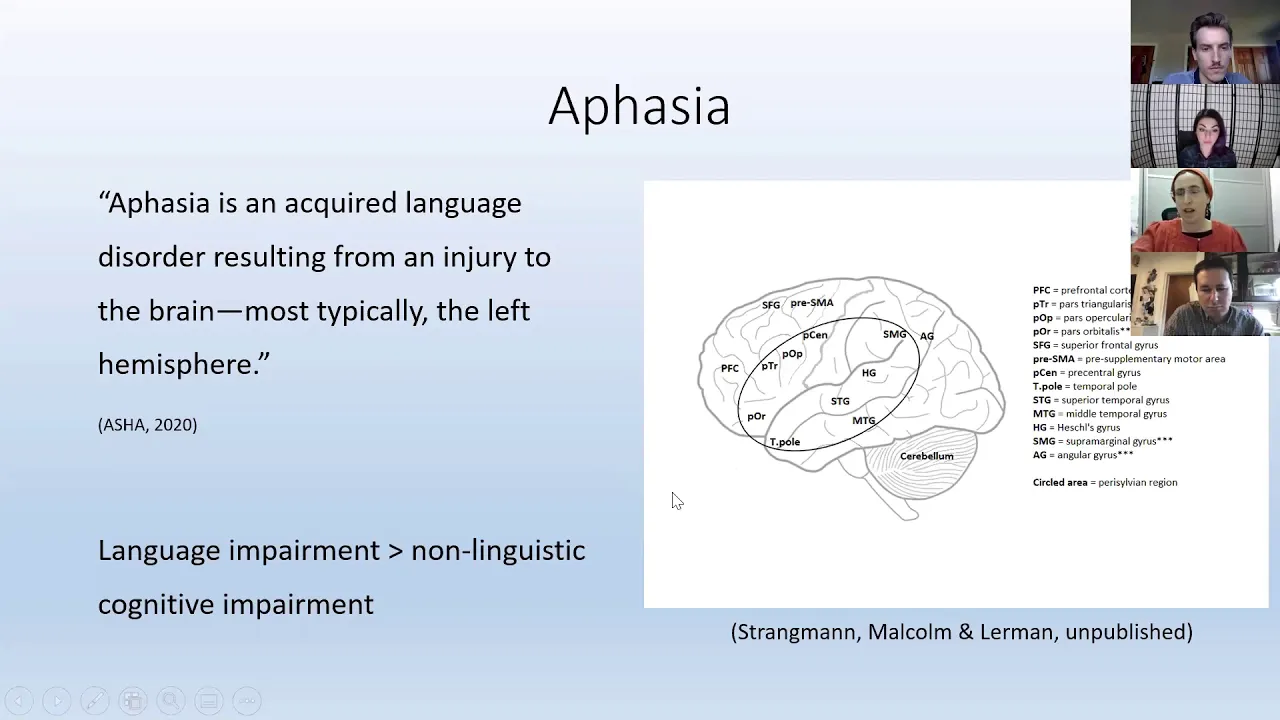
Added:Basic neuroanatomy, specifically the location and function of key language areas such as Broca's and Wernicke's areas and the prefrontal cortex.
The concept of neuroplasticity, which refers to the brain's ability to structurally and functionally reorganize itself in response to learning and environmental stimuli.
Fundamental cognitive psychology concepts, particularly 'executive functions' such as working memory, cognitive flexibility, and inhibitory control.
An introductory understanding of bilingual language processing, including the theory of joint activation (how both languages remain active in the mind simultaneously).
The relationship between bilingualism and 'cognitive reserve', exploring how bilingualism can delay the clinical onset of neurodegenerative symptoms like Alzheimer's disease.
Clinical neurolinguistics and bilingual aphasia, studying how stroke or brain injury affects multiple languages and how recovery patterns differ.
The application of neurocognitive bilingual research to early childhood education policy and second-language pedagogy.
Advanced neuroimaging methodologies (such as fMRI, EEG, and Diffusion Tensor Imaging) used to map structural white-matter changes in the multilingual brain.
18.4K views368likes57:27Original Release: 2018-10-01
[Music] hello hi thank you for the wonderful introduction and for the invitation I'm I'm really delighted to be here so as you just heard my name is Mariana and I do research in basically how the brain supports language so that we have this sort of unique capacity that's really we are the only species that has the ability to communicate in this way that we can sort of combine a finite set of words that we know into effectively an unlimited set of ideas and messages so we can basically express anything and then part of the trick part of that research is looking into effect with what happens when we throw another language in the mix so we have another sort of set of labels and is that going to change the underlying systems that are supporting a language capacity and what I was planning to talk about today is to give you an overview of some of the sort of key findings in this area of how bilingualism affects cognition talk about some of our recent findings from my lab that I think are quite nicely complementing that picture and then obviously discuss a little bit about what possible implications does that have for for education so starting off which is basically setting up the scene so bilingualism has been a topic of intense attention so both in in sort of scientific circles and and in popular media in the last I would say 3 to 4 decades and part of the reason for that is that you know the world is just getting globalized so you know there is internet with getting in touch with more people so just becoming more and more obvious they sort of you know other people speaking other languages and they need to communicate but even without that those sort of more recent advances there are things like this they should just sort of put a few numbers here for you to have a look so there is something like 6,000 languages that have been identified around the world for something like 190 dependant countries and just putting those two figures next to each other is going to make it obvious that they're going to be people in these countries that are speaking more than one language so you can think of countries that have multiple official languages Switzerland or India for instance and some of these languages are going to be huge so they're gonna have millions or billions of speakers some are gonna be tiny they're just gonna have family in a region village but you know multiple languages that's being spoken and their estimates that they are probably more bilingual than model level speakers in the world and if we look at how the EU is doing you can see it's not doing too badly so that these occasional surveys that are done and one from 2012 seems to suggest that sure rather that there is over half of the general population that can communicate in another language to some extent I mean they're not fully proficient and by rising fully balanced but they can use another language and then if we look at the younger populations of students this really should sub this goes something like 80 percent so as a result of these things we are you know have more and more children that are sort of growing up in an environment where bilingualism sort of their first language if you want so you basically you know have this context where one parent speaks one language and other parent speaks another language and then from the onset kids are used to this idea that there are sort of two sets of labels for the same thing so depending on who you talk to it's going to you know you're gonna need to use a different different word so before we start looking into what possible effects this might have on on one's cognition and you can imagine that business might have some effect it's sort of necessary to I think define what do we mean by bilingual here and as I was just showing you now obviously there is going to be a number of children who are growing up in this sort of environment where one parent speaking language and other parents speaking another language and these bilinguals these kids they tend to I mean statistically not necessarily you know in every single case but they sort of tend to grow up into fully proficient bilinguals that are balanced that can sort of effortlessly switch between their languages to the frustration of all us others who are really struggling to you know learn that second language fluently and then there is a whole other set of scenarios in which people are going to acquire second language later in life so obviously you know you're gonna have children who are learning at some point in their education and this is going to depend on which education system they attend so this can be at age of five or 15 or anything in between and then there are adults who would be learning language at some point later in life because they either particularly interested or they are say moving from one country to another so there they need to for personal or or job reasons so they need to learn the second language in order to sort of function in that environment or they're going to be people who don't have the choice so basically the refugees that are going to be moving to another country and need to learn the second language to some extent and they are known as sequential bilinguals so they're acquiring their languages one after another and these are you know there's obvious points to make so this is something that you would know from everyday experience but unflagging this slap to make this point that piling walls are a very very heterogeneous group so there are going to be differences in how early people have started learning the second language why they're doing it how they feel about it how proficient they are how often they use their first and second language and so on and all of those are necessary to take into account when one is thinking about what possible effects this does have on one's cognition so in a way you know again very commonsense point but really well I'll return to this a number of times in the talk to underline the importance of these factors really so why would you know what what affects how we what the effects on our cognition right and bilingualism when when you look at it sort of in a very wide context it has clear advantages and I mean I don't think this is any news to any of your problems of preaching to convert it here but being bilingual is going to if nothing else it's going to allow you to speak to more than one group of people right so it's just sort of broadening those communication capacities it normally tends to go hand in hand with cultural understanding so sort of being able to talk to someone in their language is normally going to get people to sort of better understand where people are coming from so you know their set of beliefs and you understand them a little bit better so there is that obvious advantage job prospects so someone speaking English and Spanish and German and French for instance is going to be in a much better position when they're trying to find a job comparing to person who only speaks one language so again fairly is obvious point travel opportunities and so on so this all sort of again makes perfect sense in that sort of greatest social context but what are the effects on cognition so this is what I'll be focusing on for the rest of the talk and I think in order to to give you an overview of the key findings I thought it's very informative and important to give you a little bit of a sort of historical overview here so how the thinking in this field has developed over the last decades and it turns out the first systematic studies that started looking into facts about legalism mission we're basically showing that bilingualism is bad for you so I'll give you one example so here is a study from early 1900s that looked at the performance on an IQ test for monolingual and bilingual kids and what you can see here is that the bilingual kids in a particular environment sure the sort of marked disadvantage in this particular test so I'm plugging this up because this is an example of a study that didn't necessarily take into account those background variables that I was just flagging up as being really important so if you do not take into account things like educational available availability of educational environment socioeconomic status things like that they are your results are not necessarily going to be reliable because you know nourishment and education and those sorts of things are going to affect someone's performance on a test like this and then any difference between a monolingual and bilingual is basically going to be due to that rather than them being monolingual or bilingual for whatever reasons this was done this way so I did this with sort of lack of you know scientific knowledge or some less charitable reasons you can think of I'm going to go into that but that was sort of the general idea at the time that it's something that's not particularly desirable and then that led to these sorts of claims and I'll read this one for you it's just fantastic here's goes it is of course an advantage for the child to be familiar with two languages but without doubt the advantage may be and generally is purchase 2d first of all the child in question hardly learns either of the two languages as perfectly as he would have done if he had limited he limited himself to one and note he he I mean she just understand the chance at all secondly the brain effort required to master the two languages instead of one certainly diminishes the child's power of learning other things so first time I encountered this quote life immediate association was of another great philosopher of our time Homer every time I learn something new it pushes some old stuff out of my brain I mean it's nonsense there is just no other way to put it our brains don't operate that way so it's not the case that you know if you learn how to drive you're gonna forget how to make vegetable soup it's just simply not brains have this sort of amazing capacity to adapt so you can learn all sorts of things and you know that this is what you're going to be looking at but this was pretty thoroughly debunked this sort of way of thinking as I'll show you in a moment so a change of tide came in the 60s so you can think of sort of different social political environment for this at a time but basically there was a study that found positive correlation between bilingualism and the cognitive performance once all these are the factors have been taken into account properly so socioeconomic status proficiency all sorts of other things and then I think that's sort of the current thinking about this can be pretty much summarized along these lines so one language one wheel gets you place this I mean there's nothing wrong with that people have functioned like that throughout millennia happily efficiently and so on you can get a little bit of boost from learning another language I mean if nothing else you know it can go somewhere and not struggle with ordering things of a menu but having two fully balanced wheels is going to give you a boost again even if you don't think from the cognitive perspective its job social cultural understanding those sorts of advantages or boosts that you can think about so that's the you know background so in terms of the cognitive consequences what is the evidence saying and what I thought would be a useful way to approach this is to sort of go through these three major areas three major things so the first one is the question of when we look in the brain how our language is represented and are the same areas involved in processing one as compared to three or five languages and then move on to how bilinguals are choosing the right language at the right time part of what they have available and I'll have I think maybe a slide or two or one of future this is really just you know the essentials of those findings and then we are going to go and discuss about this sort of potential boosts and you can see that I've put it in quotation marks this is a bilingual advantage because this has created lots of heat in the literature and it's probably not entirely helpful to to frame it in this particular way because it sort of implies superiority and no one really likes that and evidence doesn't quite sort of fully Charlie that's but you're going to go through and see what's what did they'd actually see so focusing on this first question fast so with the neuroimaging well that became available in the last maybe I don't know 40 50 years there is now very solid evidence that there is a certain set of regions that are involved in processing language so when we are speaking or listening or reading and so on normally deactivation is seen in in temporal lobes so inside and frontal lobes normally stronger on the left but right hemisphere is also involved so it's sort of set the front temporal regions so the question is once we throw another mix another language into that mix what happens is it going to be modified that's that sort of underlying architecture and summarising across number of of studies here it turns out that languages are sharing representations so in other words the way one language is represented is going to be the same as the second language is going to be represented and that's if you think about it it's not really surprising because you cannot really expect to have I don't know Spanish here and an English here because you know they are ultimately referring to the same set of concepts so if you want to think about a little fairy animal that meows that is going to be the same whether you calling it cat or you're calling it cat right so it sort of makes sense that that sort of shared knowledge is represented well I mean it's just some one set of information and then the labels are going to be attached to it so here is one example of of a study that I've chosen to show this point I could have chosen any sort of number of illustrations here but I think this sort of nicely makes the point so here is it's almost 15 years old now that study so this is looking at the regions that are supporting language processing so these are the areas that avatar in this sort of orangey red color that are activated when people are using they're in this case first second or third language these are triangles Dutch English French this is an belgium and this is my magnetic resonance imaging so after my study and what this is showing is sort of brain from the top so she can imagine those would be here and then here's on the side but which you can see effectively it's fairly similar well it's identical really so it's the overlapping set of regions whether people are doing the language tasks in the first second or third language so Dutch English or French this was done across a number of tasks so this was when people were listening or talking or reading what I'm showing here is this fluency so this with peoples of producing language and I mean the same story emerges across all these different tasks that effectively you have sort of the same set of regions that are involved in doing these tasks so not much surprise here I guess makes sense so how do we go on then to choose the right word in the right language at the right time and this is where I think it becomes interesting more interesting more surprising so here is one study that out of many I guess again that is making this point that languages are actually activated in parallel and they're competing so this is classical study in the field from 99 assist esting Russian English bilinguals and they came into the lab and they have this contraption put on their head so this is eye tracker so this is basically allowing us to look with really high precision where exactly people are looking and when so it's sort of following the gaze and what's what's done in the study is people are presented with a grid of this sort so they're told to manipulate number of objects there so their tool to manipulate this objects mentally obviously so an example would be either to pick up a marker and put it next to the coin and you look what they're looking at where people are sort of looking at while they're doing the task now one thing to note here is this this task is done in an entirely monolingual environment so what I mean by that is let's say in English here so participants come in and they are spoken to I think instructed what to do in English they're talking to each other in English so them being proficient in Russian is sort of neither here nor there for that task it's just it's using their English knowledge but what the task actually involved is this manipulation of stamp now why is that relevant because in Russian stamp is marker and you can hear that that's very similar to marker all right and the question is is that knowledge even if it's entirely relevant to what they are doing here going to effect how they do the task are they going to be looking in that stamp as they are doing the actual task and it says now that they do so obviously they're going to be looking at the marker most of the time because that's that's you know what they need to do but then the stamp is also going to be prominent they're much more than coin or the keys suggesting that you know there is that knowledge even if it is entirely relevant it's still activated and it is actually sort of affecting how people are doing the task so they're competing in parallel to be the drivers of the behavior of what people actually need to do and I say I mean this has been replicated fairly often in in the literature and then how do we deal with this how do we not just come up with this sort of Garbo of of you know different languages well bilinguals seem to be inhibiting one language if they want to talk in the other so depending what you want to choose so let's say you want to talk about the cat again what again summarizing across many studies what seemed to be happening is that you couldn't activate that sort of general meaning and then let's say you are Russian the earth spanish-english bilingual and you want to speak in English you're going to be suppressing the label the sort of you know name for it in a in in Spanish in order to produce it in English so bilinguals are suppressing the non target language in order to produce the correct one so that's the background so the question now is what effects does this might have on our cognitive performance and here is this one's proposed consequence that is you know as I said potentially really quiet lots of lots of influence lots of impacts of that but that is created lots and lots of discussion in the literature so the idea goes as follows so we have this sort of evidence that bilinguals are suppressing one language and that is going to serve as a sort of mental Jim if you want so that's going to exercise this ability to suppress information that's irrelevant at any particular context and that's going to get you better at doing that particular task so obviously you can sort of you know suppress the irrelevant language and focus on correct one but then critically the argument goes this is going to generalize across domain so it's not not just going to be applicable in the language context but in any context where there is some interfering information some competing information that needs to be suppressed you need to focus on a and surprise B in order to do the task so you know situations like you're down like in a bar and then you're trying to focus on your friend who's talking something and there's someone else shouting in your ear at the same time so that is competing information and that according to this argument is going to be improved by by the experience of bilingualism so you can see it's it's a very bold claim with very profound consequences because it promises you know something quite big as a result of you know learning two languages so what's the evidence for this yes/no or as you will see in the advert all argue I mean is this a little bit too black and white a little bit too binary you know there is no answer to this that one really needs to take into account but in any case let's see what what the evidence says it's been tested across many populations and so on so I'll give you examples of data from children adults and patients so looking at cognitive control and kids a type of task that would be used to test this is something like this Dallas task so you present kids with these two objects and you tell them so these are two tower blocks each one of those has flats so these blocks of flats and there is a family living in each one of these flights so which of the towers has more people living in it and you can see the obvious temptation right so there is more people living in the higher one but that's not the case because they're actually more blocks in this one and it turns out that bilingual kids just are just a little bit better at dealing with this and in conflict sort of suppressing the irrelevant information about size effectively and saying that the the shorter tower is actually going to have more people living in it so there is some evidence there to suggest that sort of you know the experience of bilingualism actually correlates with ability to suppress irrelevant information excellent it adults so you know you obviously cannot use the same task it would be a little bit worrying if adults would be in the same way affected by the information so a similar type of task well the task that would be testing similar type of processes would be something like this so it's called Simon tasks so you bring people in and you tell them there's a screen so there is going to be I'll present either a pink block or or a grey block on the screen and if it's pink you need to make the response using your left hand and if it is great you need to use your right hand and then what can be done very simply is to present the pink one that needs to be responded wide with the left hand on the left hand side of the screen so that's easy enough to do right and the same for the gray so that's sort of congruent there is no conflict when that that type of decision is being made or you can simply swap them round so then you present pink on the right hand side of the screen but response needs to be made with the left hand it is pink and that creates conflict that creates this sort of interfering information that needs to be suppressed in order to do the task properly so then if we just look at responses in that sort of incongruent context how do people behave monolinguals and bilinguals so here is a type of data that studied that reported this data you can see it at the bottom so what this is showing is performance of monolinguals and bilinguals on this task so here on the y-axis is how fast people do the task so to what extent are they actually affected bothered by the presence of interfering information so how long it takes to overcome that sort of conflicting information to make the correct response and the higher the number the slow of people are the more they are affected by by the conflicting information and you can see here that there is some monolingual Saarinen red bilinguals are in black there is small but consistent difference between the two groups so this is in the range of this is millisecond so this is in the range of maybe 100 milliseconds so it's not something that you'd necessarily notice in daily life but it is consistent and significant so monolinguals more affected by conflicting information takes them a bit longer to make this sort of response than bangles and then the other thing to note here is on the x-axis these are ages of participants so people were tested in there so it's not the same participants but there was a group of people in their 30s 40s 50s and so on so now this is just take step back so we know from again lots and lots of literature that this ability to deal with conflicting information is sort of coordinates control it's something that declines with aging I mean it's it's unfortunate but it's natural it's just everyone and everyone's cognitive ability of this sort is declining with aging and the question is is there perhaps some you know effect of bilingualism on on this sort of decline and what you can see here is that these data seems to suggest yes so there is the sort of increase in how long it takes people to respond from about 60s onwards in the bilinguals and it sort of kicks in much earlier in monolinguals so what this seems to suggest is that monolinguals are showing more decline in cognitive control due to aging than bilinguals so possibly you know some effect of in this sense as well so again this is quite cool I mean it's a very promising data and then finally same thing has been looked at in patients so these are patients with dementia so progressive disease that effects all sorts of cognitive processes including cognitive control and there is about 100 patients in each group monolingual and bilingual and then what these researchers have reported is that when they compared to two groups there is something like four and a half to five years difference in the onset of symptoms in one group over the other so let me just be crystal clear here so what what this is suggesting so this is not saying that bilingualism is going to prevent dementia no that would be very common those things don't happen what this is saying or the way it was interpreted is that a language experience might be contributing to cognitive reserve so this sort of lifelong ability to need to suppress the the competing information is going to be in a way accumulating and then once something as destructive as certain dementia kicks in in a way people are going to be better able to suppress that intruding effect or that is negatively affecting the cognitive performance so compensating for the effect of Effects of of neuropathology right so this is really quite quite exciting so I've been painting a very very positive picture as you can see so far this is really quite promising quite a lot across different domains why has this become a little bit controversial so what are they possible you know reasons against I guess part of the reason is that it really promises something quite profound relatively easily and there is lots of human goodwill about this idea so you know it has bigger implications for education and policy makers and so on and perhaps what some people have been arguing the evidence hasn't been scrutinized to quite the same extent as some of the things that don't have that sort of immediate appeal and promise and then as a result there's been quite a lot of suggestions of you know what might you know what you really need to look and into in order to sort of validate these results properly and I'll just flag up a few of these sort of caveats that have been discussed so the first one is that these effects are not consistently replicated so some studies would be comparing performance monogamous buying roles and they sort of come to control reporting results that wasn't reporting difference some would not be reporting any difference and there can be if you want fairly simple methodological reasons for this so some studies just would not have enough participants they don't have enough power so then they don't produce a result or data acquisition was not quite done in the way it should have been done there are some things that could be improved there so these are all very serious problems but they can be solved you know these are things that you know you just run another study with more participants which sort of better data collection and so on so in a way that could be overcome what I think are way more serious problems are these two and they're very tricky to solve proper the first one is that it's really really difficult to match your groups on the relevant variables so things like socioeconomic status that I was saying earlier you know if one group is consistently underperforming because they don't have access to educational system the same way that another group has that is going to affect that performance or this one is an interesting one that's been discussed quite a lot immigration status so this is generalizing widely so there's a statistical trends rather than an individual points but of countries that do these sorts of research are countries that can afford to do this sort of research right so they're going to be better developed countries those countries by default are going to have people coming in for work from elsewhere and again generalizing but people coming in from somewhere are going to be more likely to be bilingual than people who stay put so if you just compare the two groups without taking into account their immigration status for instance you are likely to have some effects of cultural motivational socio-economic differences that will all reflect themselves in how people do the tasks that will not necessarily have to do much with them being bilingual or not so very important thing to bear in mind and then finally there is this chicken-and-egg so quiz ala traversal correlation versus cause a lot a problem so let's say we do find consistent effects of consistent link between bilinguals by bilingualism and performance and these sorts of tasks and one can make an argument that I have been making so far that this is because you need to be suppressing one language and that is going to exercise this ability and you're going to get better at doing these sort of thing across the board so that's that's that argument but equally what's possible is to turn that argument on its head and say well cognitive capacity is something that not really varies in population so some people are going to be better at it some some people are going to be worse just that's the normal thing so what's there to say that people who have cognitive capacity better cognitive capacity are going to be better able to acquire now the language to sort of start learning something that is going to be tricky that's going to be interfering with what you already know with your first language and stick with it so in a way you know one month is it the case that bilingualism influences cognition or is it that pre-existing cognitive capacity is determining affecting the likelihood of learning the second language so in that sense it's really difficult to dissociate you know what's driving words and those are the sort of I think in my mind little in my opinion most important careers that have been raised about this idea of cognitive advantage due to bilingualism okay so I'll now move on to another couple of things that have been discussed in the literature so the first one is meta linguistic knowledge so again an idea that this is something that benefits from bilingualism so meta linguistic knowledge is it's not knowledge of language but knowledge about language so this is not you know how many words you know and how fast you can use them but it's more sort of abstract knowledge knowledge of this as a system that you have labels for things they can be combined in certain ways and so on so I'll just give you an example of what I actually mean by this you know we have a concept and everyone knows the concept but what meta linguistic knowledge is going to tell you is that there is nothing intrinsic in this label that links to this concept so these particular three letters or the combination of those you know that there isn't anything that linking it intrinsically to the concept of dog or I'll give you an example you can it can have some really big words miniscule it's huge it's referring to something small or you can have like big it's referring to something yeah it's more work to something like so in the same way there isn't that sort of direct link it's effectively idiosyncratic what a label link between a label and and the concept and that obviously because you know clear when you take into account that that same concept has been called different things depending on which language you use and the idea is that this is something that bilinguals just by default they're going to be sort of grass being easier because if there isn't that sort of direct link between that label and that object and I'll show you one study that tested this and I think it's beautifully elegant so this was done in South African 70s and there were kids and there are asked two questions so the first one is could you call a cow dog and a dog cow so in other words can you just randomly decide to swap labels for things the answer is no you can't because you're gonna create confusion you know you can't just decide you know like kids and you know I don't like cats being cats any longer they're gonna call them coconuts from now on just not done however so let's know suppose you're making up names for things can you in that case call cow dog and cow so in other words there isn't this prior agreement in the society that there is a particular label for a particular concept can you do this and the answer is yes there isn't anything to prevent you to call these things this way so this is asked of kids and there were four to six year olds and seven to nine year olds that were either monolingual or or bilinguals and here is the sort of range of possible responses so kids can just say or don't be ridiculous you know to both of those can't just go around doing these sorts of things they can agree to both they can do all sorts of things the inconsistent category is where they were asked a number of these question number of pairs so cow dog I don't know water book and so on so the inconsistent is where they changed the mind depending on which particular group which particular pair they're talking about and what I'm showing here is the percentage of responses in each of these categories and you can see that this early age most kids are just going to come in there the response is going to be all over the place they're going to be changing their mind depending on which particular pair you're talking about but this is the combination that we're actually interested in and you can see that bilinguals are more likely to grasp this you know that you can do these sorts of things they sort of break the direct linkage between a label and a concept and then when you go up to seven to nine year olds this really shoots up so again suggesting that you know this sort of meta linguistic knowledge disability if you want to break D clearly said literal links between concepts and a label is something that bilinguals just by their experience of being bilingual or more likely to to be able to understand and then the final one is what's known as theory of mind so theory of mind is it's sort of knowledge about other people's beliefs or awareness that other people might know things differently from you and as a result they might be behaving differently than you are behaving so just awareness of you know not everyone knows the same things as I do and this is something that just develops over time so a verse three year old is going to assume that everyone knows what they know and they should we behave so they're gonna be surprised if you do something that sort of doesn't agree with their view of the world tested in these sorts of this typical test here so you would have scenario two characters introduced so I say there is there is a Sally there is an and Sally takes toy puts her in her basket and then she goes away and then an beings Jamis she moves toy from basket to the box Sally comes back so then you as a child so where is Sully going to look for her toy and there is a conflict here because the child knows that the toy has been moved so they know that you know they should look in the box but Sally doesn't know that because she's been away when this this has been happening so her natural reaction would be to look where she left it so whose perspective is the child going to take like will they grasp that Sally knows small the child knows something that Sally doesn't and it turns out that again bilingual kids are just a little bit better its grasping this you know different beliefs they're going to be driving through different different types of responses so it's not all positive so all I've been showing you so far it is suggesting positive effects but again there is fairly consistent evidence across the board that there are disadvantages so the first one of them is the size of vocabulary and this is going to be reflecting itself in sort of these sorts of tasks so you get a child and you tell them here are four actions pictures of four actions so which one of them is referring to plumbing and a bilingual kit is going to be a little bit worse than a monolingual child in answering this question and the sort of logic of explaining this type thing is is I think fairly straightforward so the idea is that if you only have one set of labels for objects for plumbing for instance you're going to be using that more often you're going to be accessing that particular label more frequently then in the case when you have two labels for the same concept so then you're going to be sort of splitting your usage between language 1 and language - so in other words there's just sort of that frequency of how often you use the word that is going to make it just a little bit more effortful - to actually access it properly so it's a frequency effect and then there are some lifelong consequences of one of them that's really really frustrating is how often or how vulnerable bilinguals are to what's known as a tip of the tongue so is that that sort of really frustrating instead you know experience where you sort of know do it you know that you know it you can know you know it's long it has three syllables it starts with them or something like that but you just cannot come up with the label when you need it and this is normally something that is triggered by words that you've learnt but you don't use on a daily basis or something that's again not very frequently accessed so an example of this sort of thing would be what's name of the process by which plants make their food so other than biology teachers I guess you know it would be something that you sort of encountered at some point but not normally using on a daily basis so I don't know if anyone is having the experience of tip-of-the-tongue and photosynthesis but it's just as those a little bit less used words that are known but not really and when we compare monolinguals and bilinguals and how often they experience tip-of-the-tongue it turns out that bilinguals are experiencing is significantly more often but then interestingly there's always but this only seemed to apply for objects but not for names and the possible explanation here is that if someone is called John they're good they're going to be called John whether you are Spanish or English speaker so you're not going to be splitting the usage of that word depending on which language you're using so again you have this sort of you know the the frequency of accessing and how difficult that makes it is what's driving this particular effect to summarize clear benefits of bilingualism across many personal economic social cultural dimensions its own so I guess there is no serious argument to suggest that wise so alarmingly outweighing costs when we look in this sort of neurocognitive domain what does that do to our brain and our cognitive functioning there is evidence for effects of cognitive control metal linguistic knowledge theory of mind but some of it needs to be scrutinized some of it is still controversial costs on vocabulary speed of an ease of retrieval but critical influence of these other variables that really need to be taken into account if one is seriously to look into any differences between this right the last minutes possible implications for classroom so what has been you know discussed then I'm just you would have much more experience abyss so if there is data to suggest and there seem to be then there is some effect on the ability to manage conflicting demands I mean this is clearly beneficial right so I think this is a fairly common sense arguments that you know being able to focus on something focus your attention to not be distracted by interfering information and so on this has been shown in study after study that this has positive consequence for know what it's maths or reading or or basically whole range of disciplines so that's obvious in a way the less obvious one but I think equally interesting these two so since they're two social cues so this is what I was showing you now with this sort of theory of mind being able to sort of get up yeah understand others beliefs or just in general context of sort of in order to choose which language to use you need to be aware of the environment as in who you're talking to what you're talking about and so on and it has been argued that this can be sort of capitalized upon this can be used to boost knowledge so bilingual kids are going to be this is sort of their trait because from the experience of being bilingual so they're going to be sort of very well prepared to learn from social contexts from environment from I don't know interaction roleplay joint activity and those sorts of things so in a way pre-existing trade that can be used in order to boost acquisition of knowledge and then we have this sort of meta linguistic knowledge so this knowledge of language and sort of more abstract no direct link between label and a concept so again it has been argued that this can be used to promote deeper understanding of semantics of categories so how to learn language so for instance if you are introducing at different breeds of dogs so if you just look at these I mean they look very different from each other and having this sort of direct link okay so here is a dog it's going to exclude this but sort of not having that one-to-one mapping is going to potentially allow deeper understanding of concepts so extracting what is the critical was the essence of a category right of a dog or or any other concepts so in a way pre-existing traits that can be used to to promote deeper understanding of concepts and creation of categories and just the very beginning I'm going to show you some very recent data from my lab where we decided to go beyond this sort of who's better you know bilingual advantage so our modeling was going to be performing better than bilinguals and so on and to look at what are the actual effects on constellation of our neural networks or the sort of neural well exactly the sort of the underlying brain networks that are supporting these processes so we turned to neuroimaging and using EEG so this is the method that allows us to look in some basically in real time how the brain works so these are sort of the data that tell you activation in each one of these electrodes over time and we are interested in looking at how bilingual and monolingual brains are encoding information and critically when they are performing exactly the same so if we give them the task where there isn't you know you're worse you're better they're doing exactly optimally they're both doing equally well but is there any difference in the underlying networks so we put them in this sort of task we're similar what I was telling you earlier so you're at Cinnabar and then you want to focus on your friend saying something but there is someone being really annoying and it's sort of shouting in your ear and we tell our participants you know focus on let's say the blue speaker ignore the red one and they're simply listening to these narratives so they're perfectly able to do this they they you know can focus on one we ask them after so we play them some of the children's stories so this is easy enough to understand you know they don't need to comprehend some sort of complex ideas and these are all Cambridge students so that they spend lots of times and pubs they're perfectly able to do these sorts of tasks right they're focusing on one person well getting rid of the other so they're performing equally well there is no behavioral difference between them and this is work of my excellent doctoral student Andre I'll go in so this is the task so they are in in this environment we were taking their brain measure brain activity so we tell them here is a story a stupa isn't that hearing both of these things simultaneously but we tell them just focus on story a and ignore what's in your idea and then we counterbalance these or swap them around to me sure you know everything is counterbalanced and then we play with what we are actually presenting is interference so we either give them another story in the same language so let's say the listen they're listening to narrative in English we play them another narrative in English so that's you know quite confusing we play them a story in a language that they don't understand so they know it's a language de servian but they're not going to be able to understand what this is or we just give them some sort of acoustic noise that is matched in terms of of course the properties but that happens not to mean anything and then we simply correlate the story sort of they did yeah exactly attended speech with the brain data so we get this time series and then we simply correlate them in each of the electrodes so basically the question is you know to what extent is this encoded in the brain data so these these sort of stories and we tested this in monolinguals and bilinguals so there is about 20-25 people in each of these groups and with this data tell us is that for monolinguals when they are attending to speech they are going there's going to be strongest correlation strung as a encoding of the attended story when the interference is difficult when the interference is in the same language so that's this is with the most difficult listening environment so it makes sense unless so in the case when the interference is in the language they don't understand at least when the language it's it's noise or something that they just cannot make any sense out of and then located bilinguals basically we see this so whether they're Spanish English or Dutch English bilingual is that the best of both we see no difference in the amount in how strongly the the brain data correlating with the speech data so how strongly they are encoding the information in order to understand so the way we interpreted this is that monolinguals are boosting the encoding in order to produce the information to understand these stories bilinguals do not show the same effect but they are both doing equally well so they can both do the task optimally there's no question that sort of decreased performance it's just that the underlying system seems to be slightly organized slightly differently what - main bilinguals brains encoding information differently than monolinguals even if they're achieving equal recall performance they're both doing equally well so this is opening this really interesting you know interpretation that there is a different constellation of skills in one group over the other and well the obvious implication of this even if this is this at the moment more questions and answers is are these fully met fully harnessed in the in the current educational system right so this is something that we're going to be doing lots of research on and in the coming years so I'll just summarize so major advantages in developing bilingual proficiency but it's a complex picture so what lots of things need to be taken into account not to basically be you know there is hype that to deal with the height effects on cognitive control meta linguistic knowledge theory of mind some of it is controversial but this is the really interesting one that there is this possible different constellation of capacities that are clearly reflecting how the brain actually deals with this sort of major environmental demand effectively that's bilingualism that you know as I was saying potentially has profound implications for across the board education and and so on so that's it thank you very much for your attention [Music]
Up Next

8:33
Spinal Nerve Anatomy: Prerequisites & Nervous System Overview
@DrAnujPachhel
110.1K views•2019-06-24

21:55
Deciphering Neural Circuits Controlling Anorexia in Mice | Richard Palmiter
@AllenInstitute
2.3K views•2011-10-10

4:10
Vagus Nerve (CN X): Anatomy, Nuclei & Functions Explained
@Alilamedicalmedia
305.2K views•2022-10-31

13:03
How Exercise Benefits Your Brain: Science Explained
@TED
11.4M views•2018-03-21
Related Study Plans & Knowledge Roadmaps
Structured learning paths in Neuroscience
neuroscience
Appetite Regulation: Brain Circuits & Hormones
01Foundations of Endocrinology and Brain Anatomy
02Introduction to Energy Homeostasis
03Peripheral Signals: Leptin, Ghrelin, and Insulin
+ 2 more learning modules
14h5 modules
Explore Roadmap
neuroscience
Neuroeconomics: Value, Risk & Brain Mechanisms
01Foundations of Neuroscience and Brain Anatomy
02Introduction to Neuroeconomics and Subjective Value
03Dopaminergic Prediction Errors & Reinforcement Learning
+ 3 more learning modules
18h6 modules
Explore Roadmap
neuroscience
Spatial Navigation: Cells, Grids & Brain Maps
01Foundations of Brain Anatomy and Memory
02Place Cells and Head-Direction Cells
03Grid Cells: The Brain's Coordinate System
+ 2 more learning modules
12h5 modules
Explore Roadmap
neuroscience
BCIs: Neural Decoding & Prosthetic Control
01Neuroscience Foundations: How the Brain Signals Intent
02Signal Acquisition: Recording the Brain's Activity
03Neural Decoding: Translating Brain Waves into Data
+ 2 more learning modules
25h5 modules
Explore Roadmap