

![Anatomical Position and Directional Terms [Anatomy MADE EASY]](https://i.ytimg.com/vi/t6-ueqFK1IE/maxresdefault.jpg)







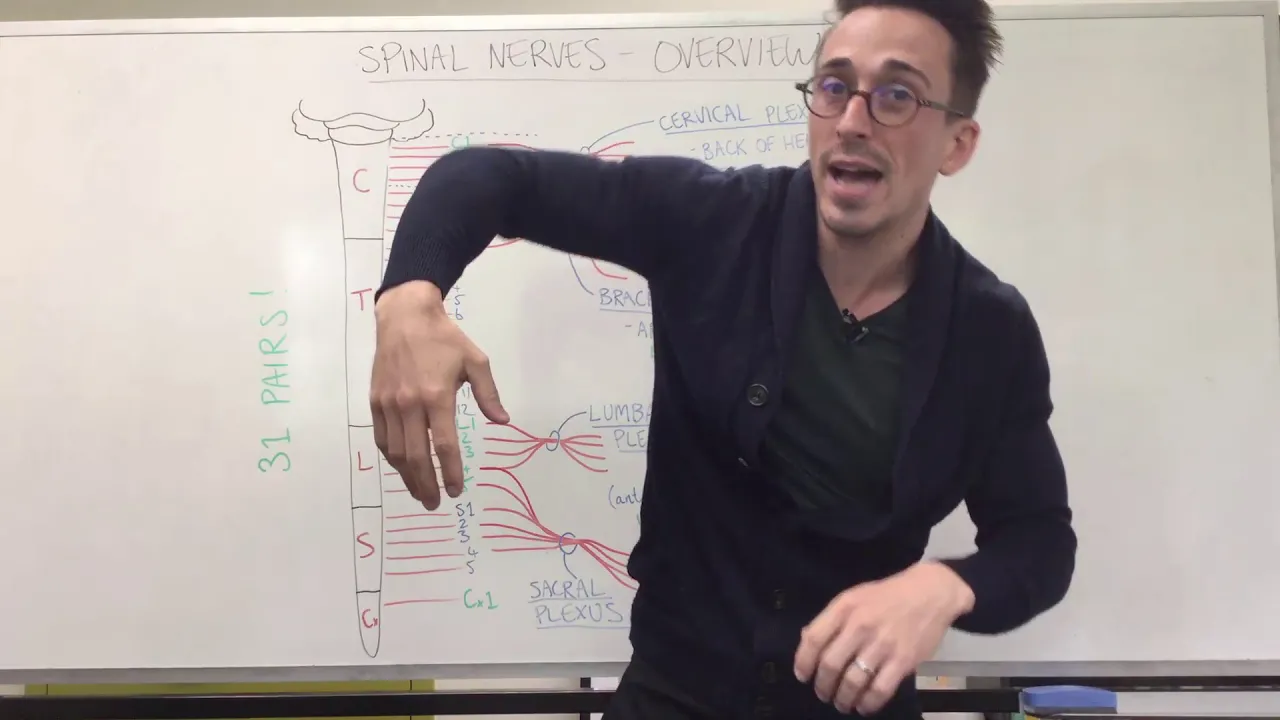

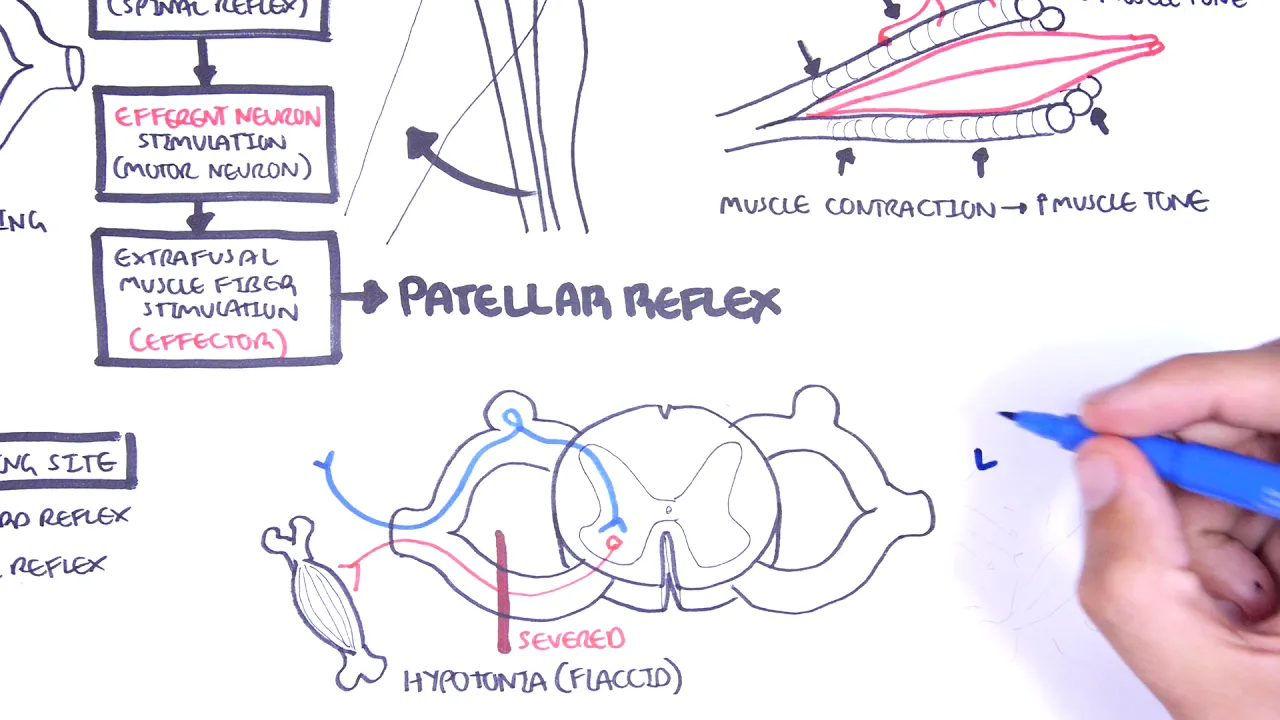




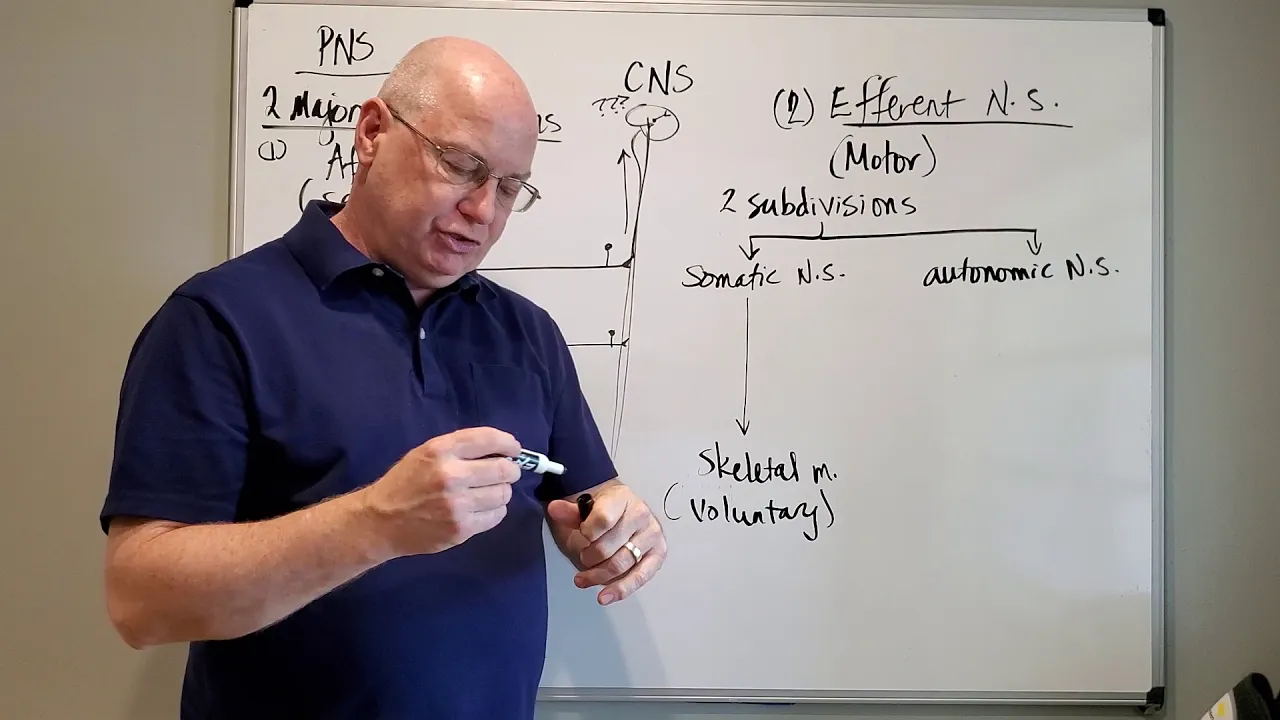
This video introduces the foundational concepts necessary for understanding spinal nerve anatomy, including the upper motor neuron pathway (corticospinal tract) that transmits signals from the cerebral cortex through the brainstem to the spinal cord, the role of receptors (such as Pacinian corpuscles) in transmitting sensory information from the periphery to the CNS, and the classification of the nervous system into central (CNS) and peripheral (PNS) components, with the PNS further divided into somatic (body) and autonomic (visceral) systems, including the parasympathetic and sympathetic branches.
Spinal Nerve Anatomy: Prerequisites & Nervous System Overview
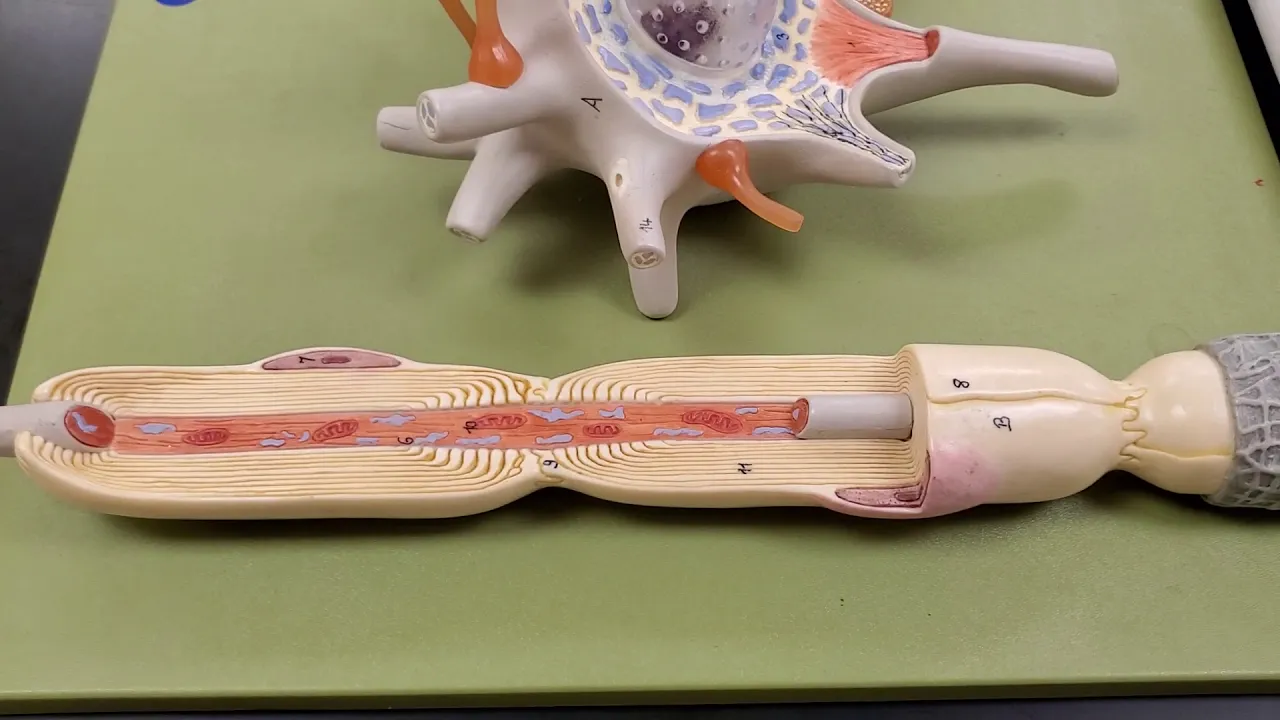
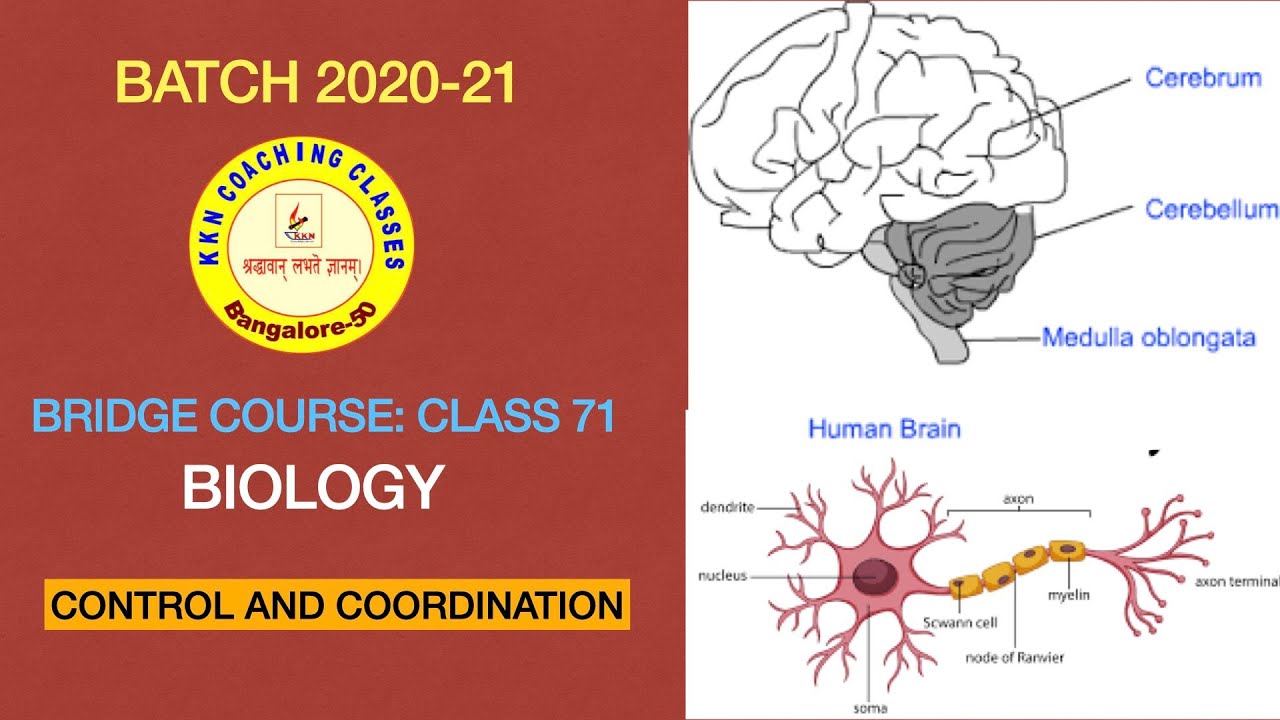
Added:Basic cellular structure of a neuron, including axons, dendrites, myelin sheaths, and synaptic transmission.
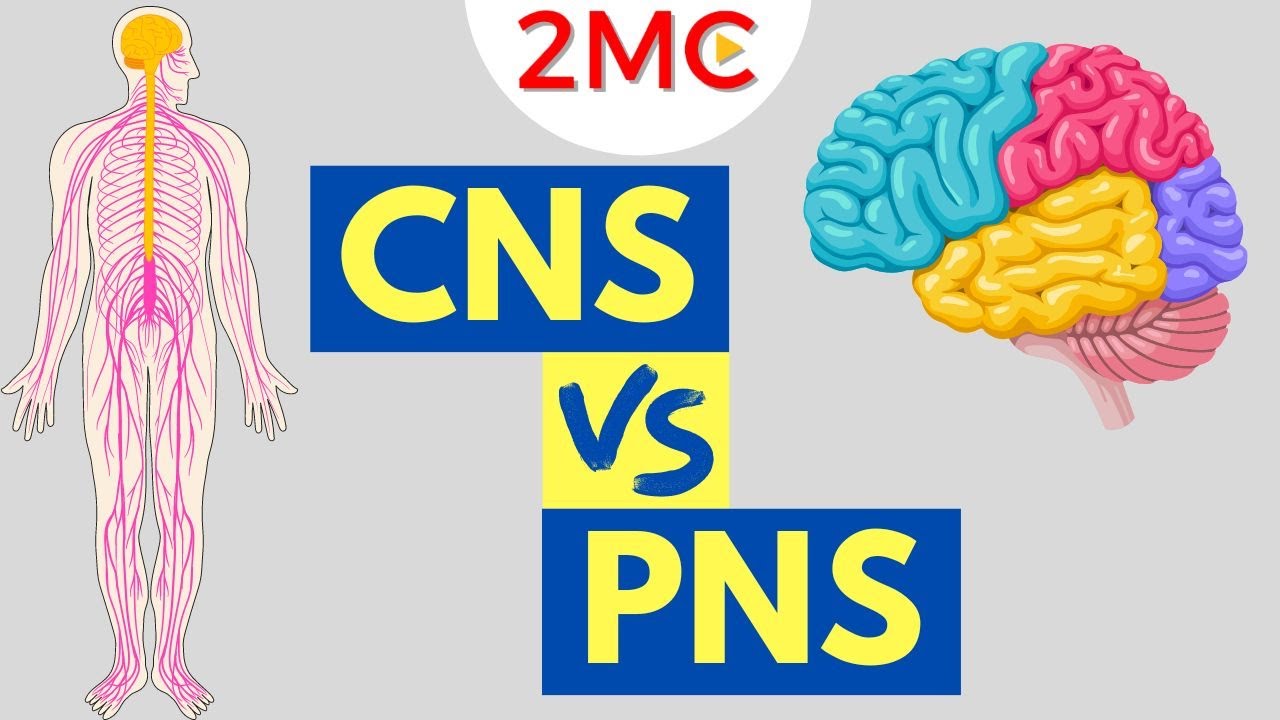
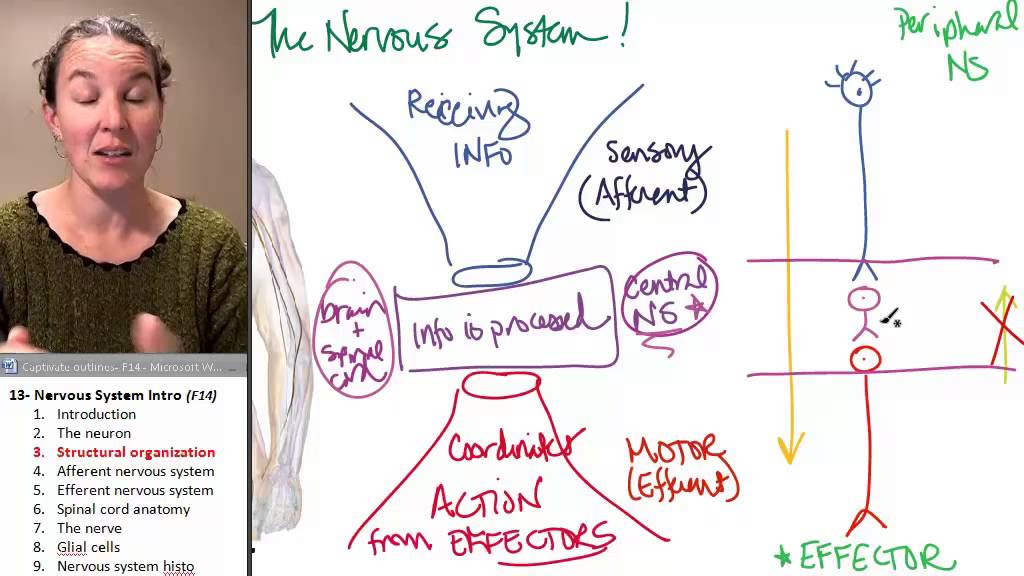
High-level distinction between the Central Nervous System (CNS) and the Peripheral Nervous System (PNS).
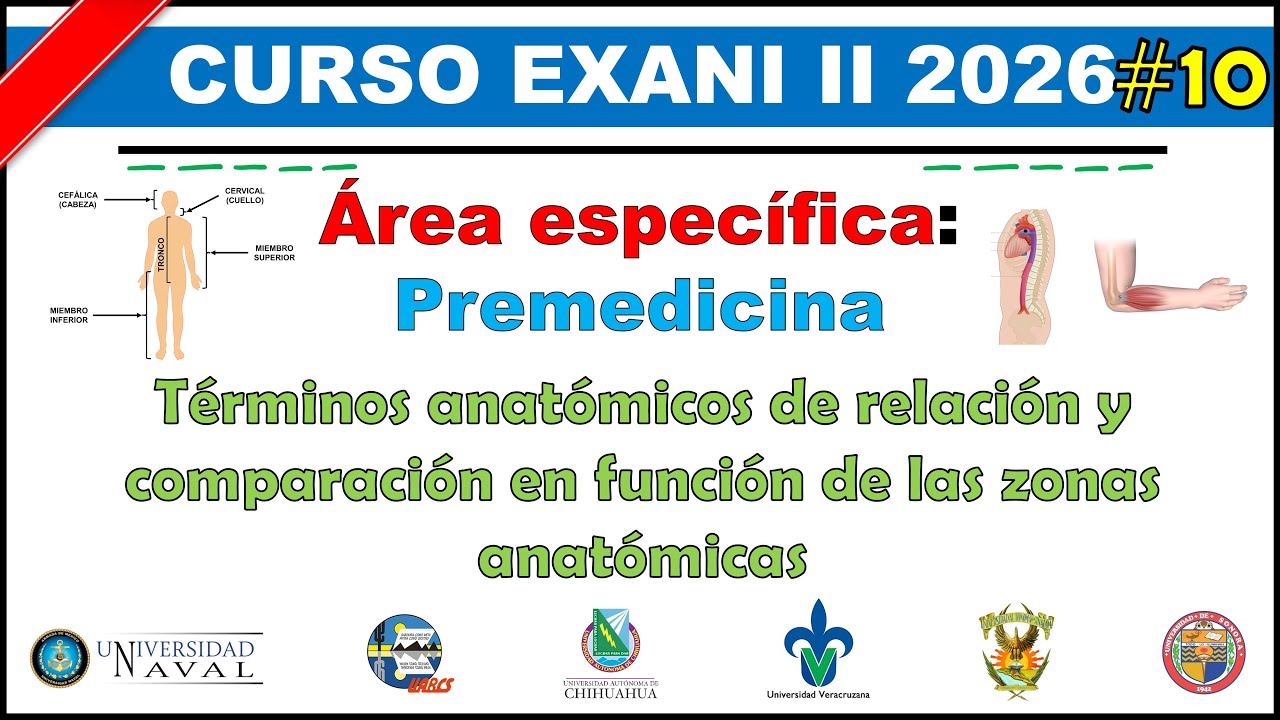
Standard anatomical terminology and directional terms (e.g., anterior, posterior, ipsilateral, contralateral) for spatial orientation.
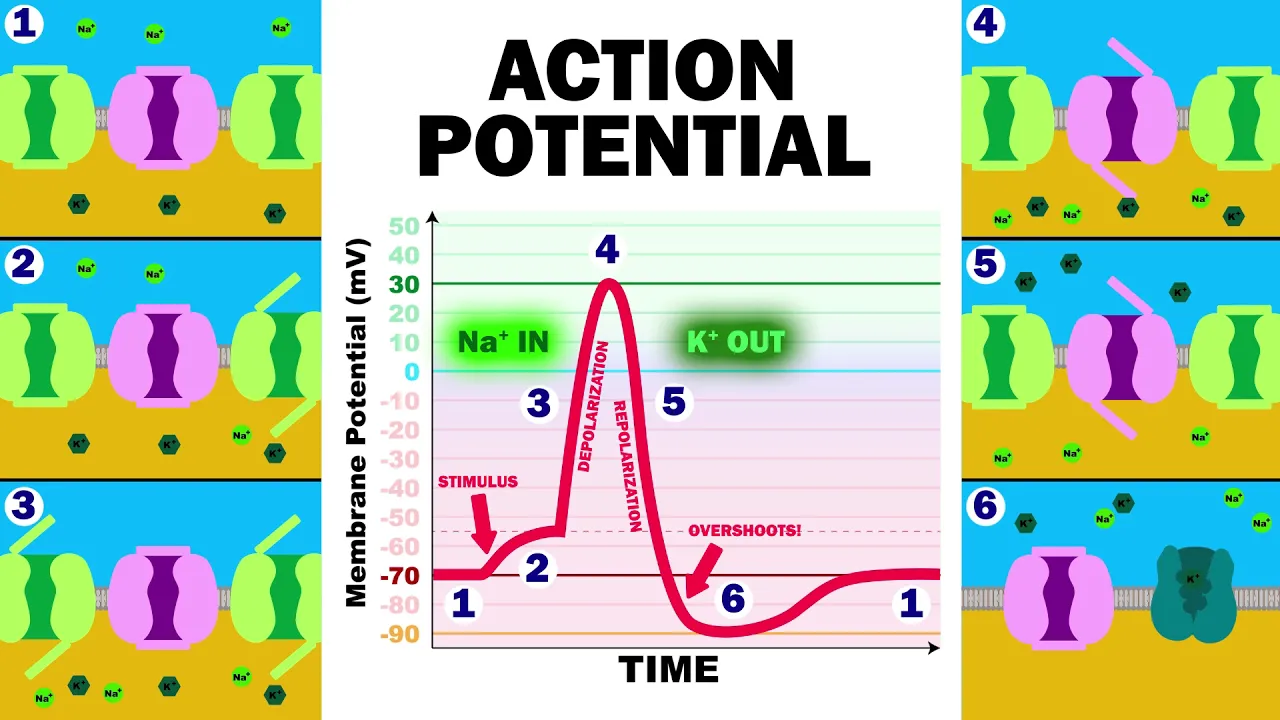
The fundamental concepts of action potentials and how electrical signals propagate through neural tissue.
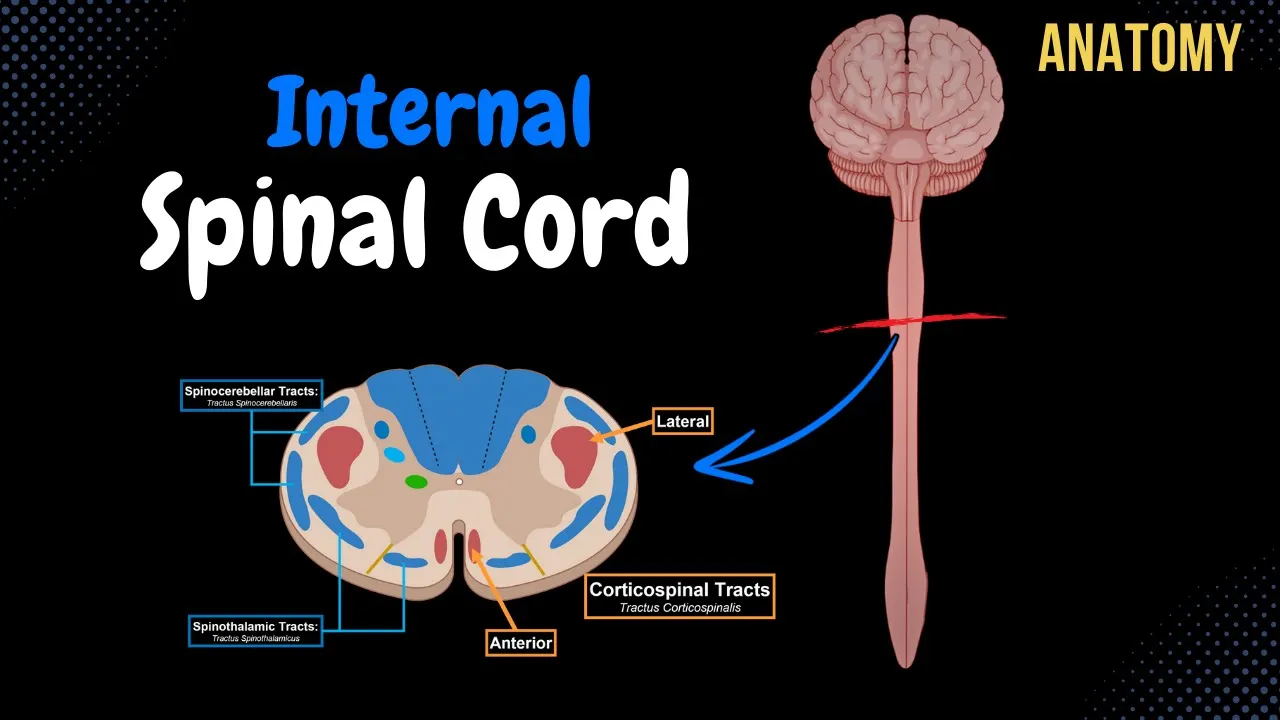
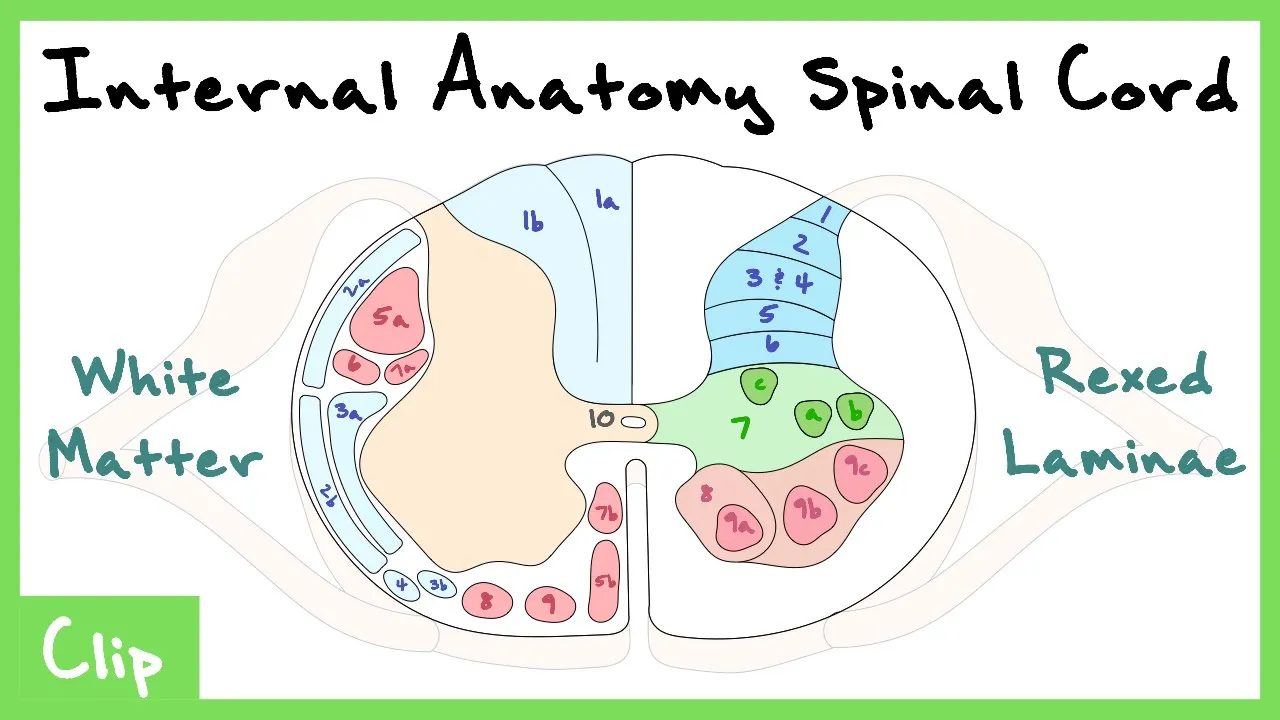
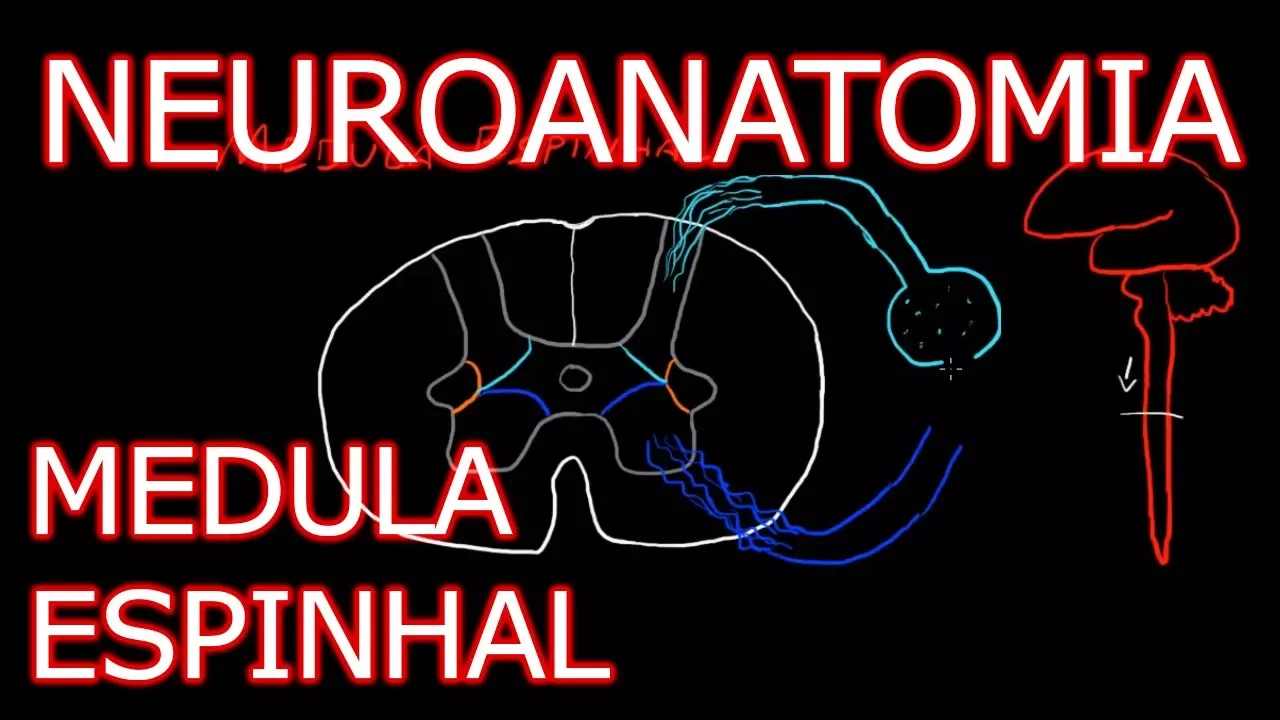
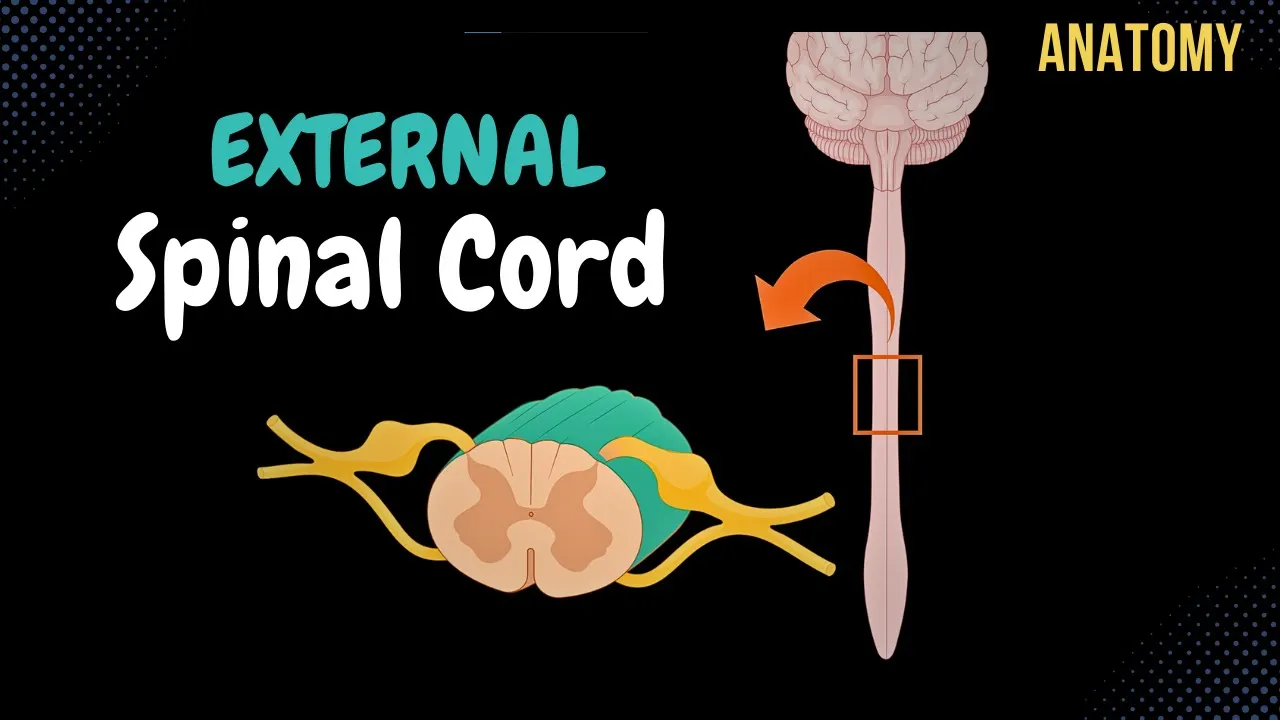
Detailed internal anatomy of the spinal cord, including the organization of grey matter horns and white matter tracts.
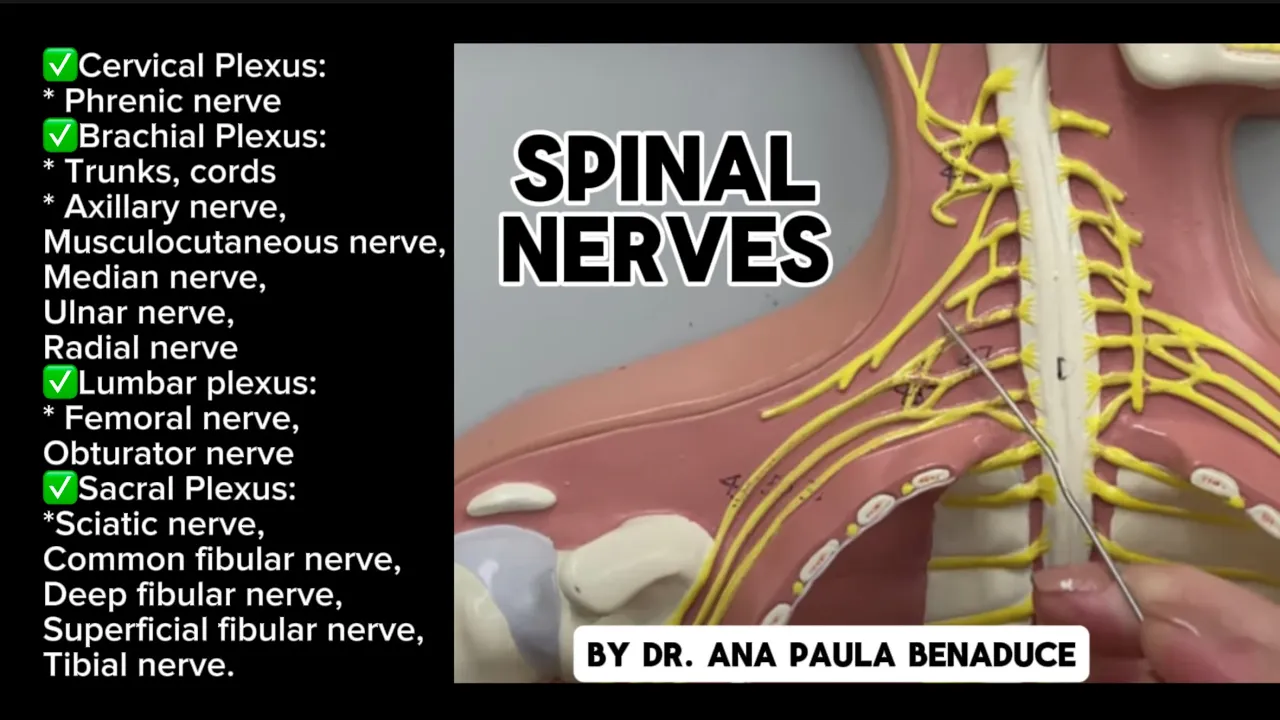
The structure and function of major spinal nerve plexuses (cervical, brachial, lumbar, and sacral) and their peripheral branches.
The physiology of the somatic reflex arc, including monosynaptic and polysynaptic spinal reflexes.
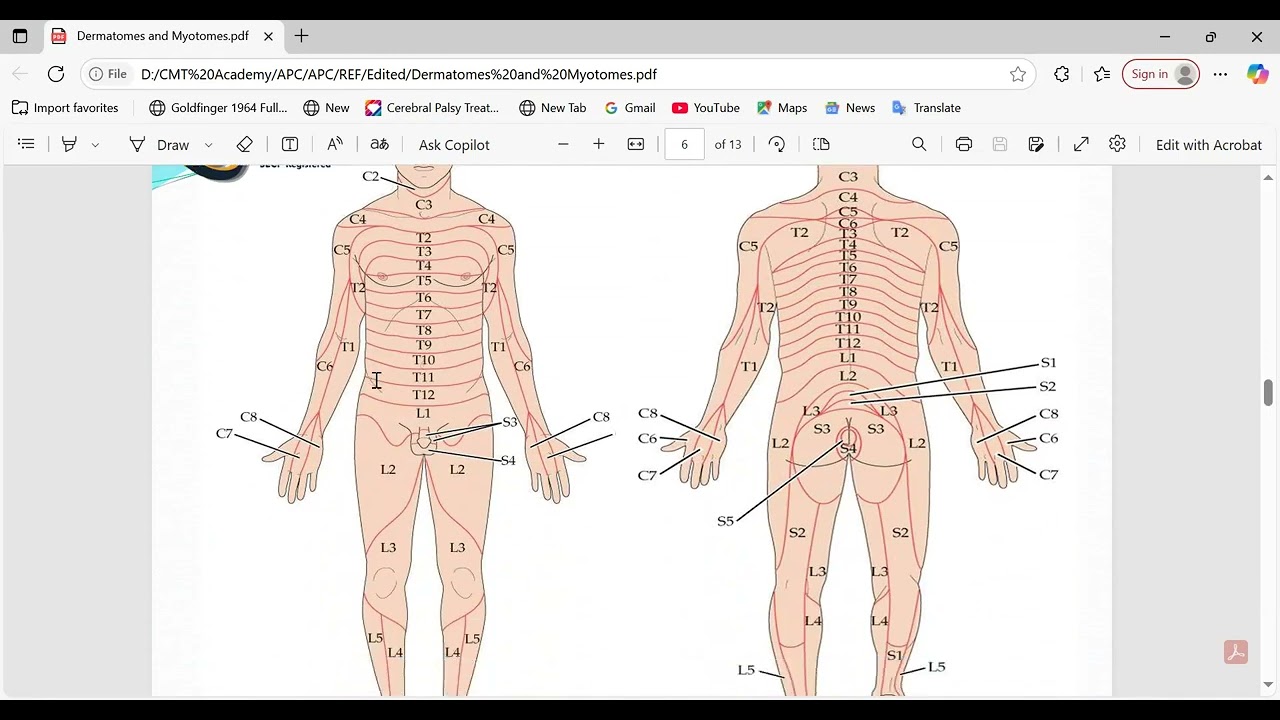
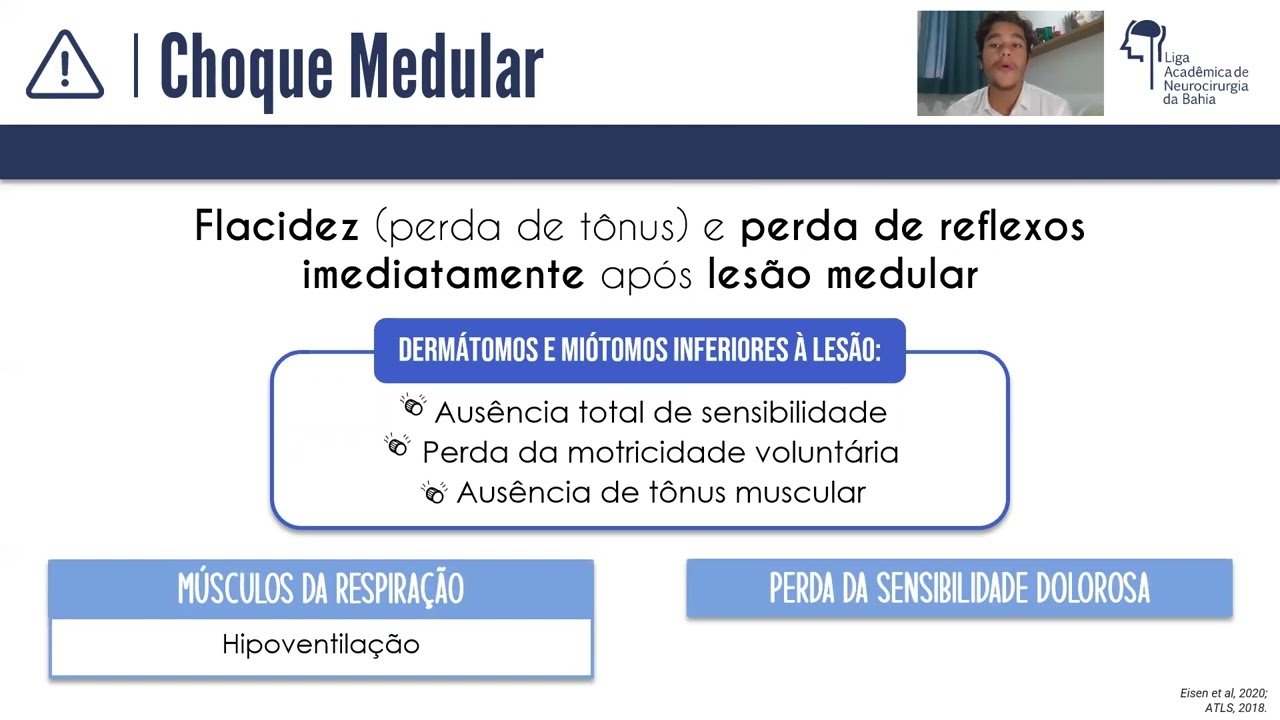
Clinical applications of dermatomes and myotomes in diagnosing spinal cord injuries and peripheral nerve compressions.
110.1K views2.2Klikes8:33Original Release: 2019-06-24
hello everyone this is a much Michelle I am going to start a video series explaining different and atomy topics which we find tedious so this is the first video lecture that I am shooting let's quickly not waste time and go over the topic today I'm going to be teaching you spinal now so I have divided into a series of different things that you need to know and you know and which you will know after the lecture so here it is we need the prerequisite you need to know the upper motor neuron pathway from the corticospinal tract which is basically the brain conveying the spinal cord the information that it has to execute the moment on the effector or gate we have receptors different I will accept as present all of the body that sends different kind of sensations and take it back to the CNS to analyze and approach it we have classification of nerve fibers and classification of the nervous system so the topics in the green you must know a bit about them before entering the video lecture the topics written in black I'll be covering in very detail so we have the headings we have spinal gray matter which is basically the gray matter of the spinal cord and it is the place where most of the interactions between inter neurons happen and the upper motor neuron along with motor you don't happen then we gotta go over the roots the roots are the things that come out of the spinal cord which unite to form the trunks trunks and then we're going to go over the remind the ganglia and this some part of the plexus so we are gonna overview a bit of the histology of the spinal nerve the brachial plexus thus cranial nerves and we're gonna go over the applied part as spondylitis and disp relax so this is what it's going to be about the lecture today I have annotations all over so you can skip to a new topic which you want so let's start it we start it up so first let's discuss about the upper motor neuron pathway I'm gonna tell you what it is it's basically the brain communicating with the spinal cord so here we have the cortex of the cerebrum what happens is that neurons originate from here go down it's a very very rough idea don't take it too seriously neurons go down they go to the spinal cord okay in the spinal cord what happens is that most of the times another neuron is present at the gray matter which gives off a signal which is connected to another neuron and the another neuron goes to the effector organ always remember that when I am drawing the diagram this represents the cell body this represents the axon and this is the tail or any other end plates so what is happening is that the brain is communicating with the spinal cord why are inter neurons or not and finally giving the signal what the action has to be executed certainly an idea are generated in the cortex goes where the spinal cord white smile nerves to the finally the muscles in the organs executing it so that was the permit on your own pathway to go in more detail I can tell you that this is the cerebral cortex the pathway passes from here this is known as the corticospinal pathway it goes through the posterior limb of the internal capsule people who are already aware I can understand much better but if you are not aware it's okay they were is going to pass me into a post feeling of the internal capsule it's going to go through the entire of the brainstem this is the pons the medulla in the midbrain the cross cerebrum of the midbrain the base of the pons and the pyramids of the medulla constitute the spinal tract and finally they are going to end up in the spinal cord as lateral corticospinal tract and the anterior cortical spinal tract which will sign up with the motor neurons which is finally in a wait different rips of muscles so that was upper motor neuron pathway okay the second double that you need to know before going into the spinal nerves is that the thing called receptors receptors are basically endings of the nerve fibers which carry the information from the periphery back to the CNS these are very important as the brain is non-functional without receptors there are several types of receptors which includes photoreceptors which present in your eye there is the gravitational receptors present in your ears there is the pressure and touch receptors present all over your body and different eye producers press for pain touch vibration everything is present so what happens is that basically if let us say that this is a receptor this is a touch receptor the common example of a touch receptor we give is the pacinian corpuscle pacinian corpuscle is nothing but no ending which has lost its myelin sheath and encapsulated by layer layers of connective tissue so what happens is that any mechanical disturbance in the layers of the connective tissue causes mechanical stimulation of the nerve fiber inside which causes it to fire an action potential so this is the connective sheath this is your main receptor nerve ending so the nerve ending is here the dark part is actually the myelin sheath covering the receptor part is lost is myelin covering what happens is that this then goes to this final cord this is a cell body here and another axon and the spinal cord it synapses or not synapses depends on which kind of system you are going into but finally what happens is that this guy will synapse with this and it will reach to the upper motor neuron that is it will reach to the cerebral cortex where different relays and different stations so the point to be noted here is that any disturbance in this layers will cause this impulse to travel from here to the spinal cord and fire to the cortex so this is the classification which is the basic way of how the receptors work there is a different classification of receptors you may note it here so now we have the classification of the nervous system the nervous system is divided in the basis that whether it is present in the center line of the body or the periphery the things which are present in the center line are called the central nervous system and which are not in the page are not in the center called the peripheral nervous system so we have on the basis of the axis the median axis we have the nervous system is divided into two that is one in the central axis and one in the peripheral axis so we have the CNS and the p NS peripheral nervous system in central nervous system respectively The Pianist it is further divided into two types that is the one system which takes the impulses from the brain to the downwards and another system which brings the information upwards so we have the upward track or we call it the ascending track and we have the descending branch so descending craft is basically things information going from the brain downwards ascending is information information coming up up towards the brain this is also known as reference to the brain and this is also known as reference to the brain difference from the brain the efferent pathway can be classified differently it is classified further into types such as somatic somatic mean body soma means body so somatic means related to body which means that any information from the CNS will end up affecting different with non visible things such as muscles and different kind of structures we have the thing that innovates the viscera mr. eyes the organs any organ is known as mr. ah the wizna are special because they are innovated by not by motor neurons but they are actually innovated by different nerve endings which release different kind of chemicals so this can be divided into autonomic nervous system this is actually the autonomic nervous system visceral is autonomic nervous system autonomic nervous system is divided into parasympathetic and sympathetic parasympathetic nervous system is a separate branch of the ANS and sympathetic is the separate branch of ANS these are divided on the basis of the actions of what happens if such a kind of nerve is stimulated for example if I stimulate the parasympathetic nerve it will cause the slowdown of my heart rate if I stimulate my sympathetic plexus it will cause the increase in my heart rate so the final classification of the viscera is on the basis of whether or not they have different actions on the organs they are coming with so this is the autonomic nervous system this was all about the class
Up Next

61:12
Taste and Smell Explained: Chemical Senses | Neuroscience Lecture
@Dr.ChrisThompson
1.4K views•2020-09-10
21:55
Deciphering Neural Circuits Controlling Anorexia in Mice | Richard Palmiter
@AllenInstitute
2.3K views•2011-10-10

4:10
Vagus Nerve (CN X): Anatomy, Nuclei & Functions Explained
@Alilamedicalmedia
305.2K views•2022-10-31
13:03
How Exercise Benefits Your Brain: Science Explained
@TED
11.4M views•2018-03-21
Related Study Plans & Knowledge Roadmaps
Structured learning paths in Neuroscience
neuroscience
Appetite Regulation: Brain Circuits & Hormones
01Foundations of Endocrinology and Brain Anatomy
02Introduction to Energy Homeostasis
03Peripheral Signals: Leptin, Ghrelin, and Insulin
+ 2 more learning modules
14h5 modules
Explore Roadmap
neuroscience
Neuroeconomics: Value, Risk & Brain Mechanisms
01Foundations of Neuroscience and Brain Anatomy
02Introduction to Neuroeconomics and Subjective Value
03Dopaminergic Prediction Errors & Reinforcement Learning
+ 3 more learning modules
18h6 modules
Explore Roadmap
neuroscience
Spatial Navigation: Cells, Grids & Brain Maps
01Foundations of Brain Anatomy and Memory
02Place Cells and Head-Direction Cells
03Grid Cells: The Brain's Coordinate System
+ 2 more learning modules
12h5 modules
Explore Roadmap
neuroscience
BCIs: Neural Decoding & Prosthetic Control
01Neuroscience Foundations: How the Brain Signals Intent
02Signal Acquisition: Recording the Brain's Activity
03Neural Decoding: Translating Brain Waves into Data
+ 2 more learning modules
25h5 modules
Explore Roadmap