
![مناقشة فيلم لوسي مع ماريا وشادي [297]](https://i.ytimg.com/vi/019gQ2Hd87A/maxresdefault.jpg)













![[Conversation] with Ellen Bialystok: The Brain and the Potential of Bilingualism:](https://i.ytimg.com/vi_webp/3KFWc2hF2b4/maxresdefault.webp)










Bilingualism affects brain structure and function, but these effects are conditional and vary based on specific experience-based factors (EBFs) such as duration of bilingual language use and extent of additional language use, rather than bilingualism per se being a sufficient condition for neurocognitive adaptations; research shows that duration-related EBFs correlate with neural adaptations suggesting increased efficiency in language control, while extent-related EBFs correlate with adaptations suggesting increased control demands, and these experience-dependent adaptations may serve as catalysts for cognitive/brain reserve in healthy aging.
How Bilingualism Reshapes the Brain Across the Lifespan
Added:Basic concepts of neuroplasticity, specifically how learning and environmental enrichment can structurally and functionally reorganize the brain.
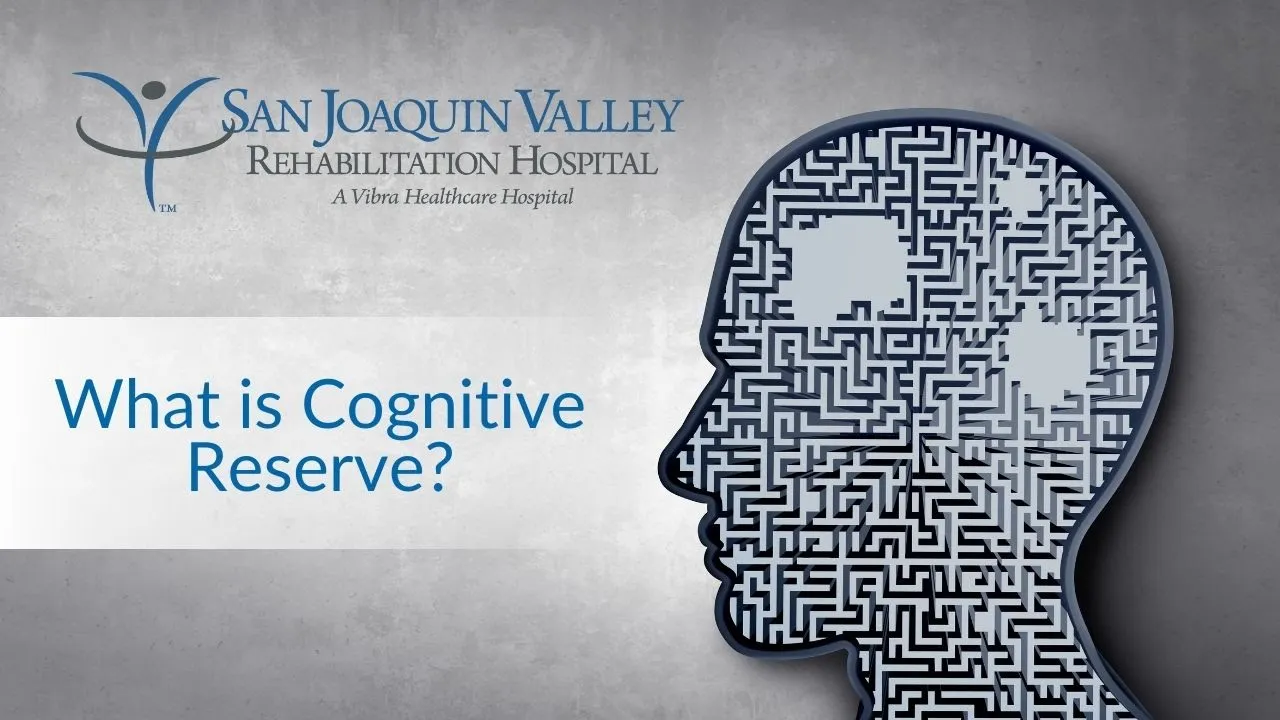
The concept of cognitive reserve, which refers to the brain's resilience and ability to improvise and find alternate ways of getting a job done.
An understanding of core executive functions, particularly inhibitory control, working memory, and cognitive flexibility, and how they relate to goal-directed behavior.
Introductory knowledge of neuroanatomy, specifically the roles of the prefrontal cortex and white matter tracts in communication and cognitive control.
The clinical implications of bilingualism, specifically how it can delay the onset of symptoms associated with neurodegenerative diseases like Alzheimer's.
The neural distinction between early bilinguals (who learn two languages simultaneously in childhood) and late bilinguals (who learn a second language later in life).
How neuroimaging techniques, such as Diffusion Tensor Imaging (DTI) and functional MRI (fMRI), are used to measure changes in the brain's white and gray matter.
The societal and educational implications of bilingualism, including the development of dual-language immersion curricula and cognitive training interventions for seniors.
131 views5likes1:01:59Original Release: 2021-09-02
our information do you have any timeline like how long the presentation will last i think we'll be about an hour all right that's perfect all right great fantastic all right shall we start sure all right so welcome and hello everybody this is another presentation that is part of the language technology and data analysis laboratory webinar series 2021 the la dal webinar series 2010 win because la dal is sponsored and has been established by the university of queensland in australia we'd like to acknowledge the traditional owners and their custodianship on the lands on which we meet which are the lands of the university of queensland we pay our respects to the ancestors and their descendants of the traditional owners and the custodians of the lands who continue cultural and spiritual connections to country we recognize their valuable contributions to australian and global society if you'd like to know more about the language technology and data analysis lab please visit our website which is hosted by github if you would like to know more about the webinar series upcoming events speakers and abstracts please visit the aladol opening webinar series website you can also follow us on twitter to be alerted of upcoming talks and you can contact us anytime using slc ladal uq.edu.edu now it's a real pleasure of mine to introduce three really fantastic speakers the first speaker is vincent luca vincent is associate professor and co-director of the psycholinguistics of language representation lab the polar lab which is part of the aqua aurora center the acquisition variation at attrition center at the university of norway the arctic university of norway uit his research is focused on how different aspects of bilingual language experience variably impact brain structure function and cognitive processes he is particularly interested in how these neural and cognitive adaptations dynamically shift over time and with patterns of languages the second speaker of today's talk is toms voice toms is a postdoctoral researcher at uat and he's also affiliated with the polar lab and the aqua aurora center his work is primarily focused on investigating the effects of bilingualism on neurocognition with a particular interest in examining bilingualism as a contributing factor to cognitive and brain reserves in later years of life last but not least jason rothman jason is professor of linguistics at uit and deputy director of the aqua aurora center where he co-leads the center's theme on the new recognition of bilingualism he co-edits the he co-directs the polar lab and as a linguist by training he has worked extensively on language acquisition linguistic processing and language associated links to domain general new recognition across the life span of various types of bi and multilingual populations he is founding editor of the journal linguistic approaches to bilingualism and executive editor of the book series studies in bilingualism i'd like to welcome our the speakers and i'd like to hand over to them and their talk neurocognitive effects of bilingual experience all right thank you very much martin for that that was great i'm going to now share can everybody see my screen is that yeah okay let me do this and then we'll get started okay so now that uh the technical issues are out of the way they always make me very nervous i feel good and let me really properly thank you uh also for the invitation it's really a pleasure to be here um it's very nice to be back in australia maybe in the future it'll be a real back in australia you guys are doing isb actually in two years so we're all already planning to come back um so also i notice you know we're a relatively intimate group so let me say too that if you have uh a very pressing question just you know put your microphone on especially if it's clarification and you can ask throughout will be about an hour um and today we're gonna go over a bunch of work that we have been doing mostly together in various cohorts regarding neurocognitive effects and neuroanatomical effects in fact um on the bilingual brain by virtue of experience okay so let me give you a little bit of a run back because we're going to play some musical chairs today um i'll start and i'll give you a little bit about the context of bilingualism it's not intended to infantilize anybody probably everybody here works or thinks about bilingualism but we'll just make sure we're on the same pla page i'll then turn over to vince and he'll talk about bilingualism in the brain in in general um and neurocognitive models and methods uh as well as some previous work he'll share that with uh with toms we'll then come to talk to you a little bit about um our work uh particularly in older populations and then i will come back to talk to you about where we are going from here both us and then just future directions okay so to get started what is a bilingual okay so that's that's that's a loaded question actually as most of you should know um i'm going to i'm going to suggest to you that a bilingual is many things um at the same time right so uh but there's a common core uh an individual who has knowledge a mental representation of at least two languages um or two languages if you want to be precise and say bi versus multilingual for the purposes of understanding and or speaking these languages right we know that bilinguals can be passively completely proficient and fluid but seemingly have difficulties or maybe even at least perceive that they can't say much of anything at all but of course if you want to know what it's really like to be monolingual or to not know a language i could start to speak hebrew to you right now and my guess is many of you would have really no knowledge whatsoever right okay so native bilinguals are those that have two native languages often called 2l wonders or simultaneous bilinguals i stress the word native right because sometimes we confuse dominance with the word native right so a heritage speaker which irina and other people who are here work on quite prolifically they are native speakers of their language even if they don't show dominance and what was either their only first language or a language they share natively in terms of naturalistic early childhood acquisition some bilinguals of course become later in life sequential bilinguals after the age of four and beyond a person is considered a second language bilingual but of course not all are the same child second language learners especially in immersion or naturalistic context often present very differently um and potentially or even heritage speakers of uh and become dominant in a different language from the one that they were potentially exclusively exposed to when they were children um so bilingualism and it's extra linguistic outcomes are a spectrum right and and i have really just scratched the surface of all the areas that sit between these two um potentially very recognizable descriptions of of a sharp difference between types of bilinguals there really is potentially dozens if not many many dozens or hundreds of individual contexts that you could say are a type of bilingual skills and opportunities for use of language can vary on a rather wide spectrum from receptive understanding which i mentioned before to full whatever that means let's put that in quotes production comprehension abilities many extra linguistic factors to limit exposure to need and desire for using one or the other language or both in the case of uh code switching and actually one of the things that we'll do is we're going to capitalize this and we we tend to do this over the past couple years in our research to really unpack and regress these um spectral differences of experience and engagement of experience to understand um outcomes as they exist on an equally wide continuum okay and now i can't move there we go okay so let's talk a little bit about bilingualism in a global national and you know um local context right so first of all we all know this right by multilingualism is the default state in the global context that's something that uh maybe in australia is is is perceivable in a way that's different from where i grew up i grew up in the united states um where uh bilingualism is commonly taken to be um exceptional right but we know that it's not exceptional and of course in certain contexts even within so-called monolingual countries this exceptionalism really just fails to to to equate to the reality that you can see around you but of course you could be so maybe if you're in the middle of los angeles that um to say that it's it's the default state makes perfect sense whether or not you are bilingual but maybe in the middle of uh rural idaho that that seems quite exceptional to say okay over 50 percent of the world's population is bi-multilingual many naturalistic children by multilinguals um in the global in the global north right so one in five and by the global north i'm really referring to what most people uh or most people lay people in the context would say are quote monolingual societies you still have one in five um and many more in the global south making estimates already roughly fifty percent in children alone okay in places like africa and asia for example societal multilingualism is very apparently the default norms if you take a country like malaysia for example where there's four national languages and many many like in all contexts heritage languages you'd probably be hard-pressed to find somebody who speaks or has comprehensive knowledge of just one language okay um let's go to these graphs that are on the side the the first one uh on the top is taken from uh marion and shook a paper in 2012 and it schematizes so the numbers because this is from 2012 it's based on the 2006 uh um european commission's report called europeans and their languages and it's probably shifted a little bit but it makes the point nonetheless so in 2006 the european union reported uh bilingualism at a rate of 56 percent that's you know 44 so-called monolinguals but this is not equally distributed and one of the reasons why i like this graph is because it shows how this distribution is is really skewed right so if we're talking about to get to the number to get to the proportion of 56 when you look at individual composite countries and their relative reporting so luxembourg is basically everybody um is at least bilingual with two languages the netherlands reports that 91 percent germany 67. poland is right around that average at 57. there's some things we can take from this norway is actually quite high it wasn't originally uh there but i wouldn't be surprised if it's much like sweden if not between sweden and denmark in terms of the reporting now question can be well how are they reporting this this is not naturalistic bilinguals this is not that 97 of sweden speak a home language and you know in addition to swedish english is kind of uh really lurking here in terms of of boosting these numbers and how a country reports this can depend uh on how uh the country either asks the question or perceives of this but the point is is that the perception of the population is that they are very proficient in it in more than one language in this context now how do we get to 56 percent in the entirety of the european union if we have countries reporting at 97 well the most obvious thing is that germany's proportion of 67 is weighted against 80 million people versus sweden's which is only 9 million people or luxembourg which is fewer than half a million people but you also have contexts in which countries really don't come anywhere close to this 56 um if we were live i would ask you to shout out can you guess what some of those countries are and you would probably be right if you were to shout out the united kingdom ireland and and of course other countries that bring this average kind of down so the one good thing about brexit is that these numbers are sure to rise um once that is officially done and uh the uk i'm of course joking um well yes and no i'm joking it's a reality that that will happen um but even in the context of the uk and i'm not going to give you numbers bilingualism is really prevalent and especially important for the educational system and young children okay but let me move over to the context of the united states because i'm going to take what a lot of people say or think especially within its own context is a monolingual country um and again these are relatively older numbers if we were to look we would see that in the 2016 and beyond census were well over 20 percent but just looking at uh 2007 there was roughly uh 20 uh reported bilingualism in the context of the uni of the united states now much of this is actually not second language learning right as would be reported differently in the european context um and and what the point here what i want to make is to say that yes it's 20 and you could look at that as of course that's extremely important right on 20 of such a large population as many many people and that's what i want to highlight 20 of the us population is in excess of 60 million people okay so just keep that in mind and according to the national center for education statistics in the united states and this is actually quite recent more than one in five school-aged children or 21 speak a language other than english at home in the united states and while this is skewed towards a particular language pairing spanish and english of course it's not exclusive to that right so understanding bilingualism and the many implications that bilingualism can have be it for education be it for um health be it for uh multiple things within society is an imperative no matter where you are even in these so-called monolingual contexts okay and why can't i move forward again okay here we go okay so let's start to get into the background of what we're going to talk about today we're not going to talk about all the implications of bilingualism but in particular bilingualism and its potential effects on uh neurocognition be that in performance and neuroanatomical um uh changes potentially to the brain okay um and so what we see kind of here schematizes the general kind of approach right specific connections between bilingualism and neurocognitive adaptations first of all we want to acknowledge that they're not yet well understood that that shouldn't be such a problem right many things that have been studied for centuries are not particularly well understood but that but we know that there is something uh there uh to be studied so the general idea works like this obviously if you have more than one language language exists it exists in many forms but it certainly exists with an ecological reality in the mind slash brain right um and and the idea here is that the existence of this and the uh management between these two systems to be able to use them efficiently and effectively creates competition that competition has to have some level of resolution and that resolution potentially has uh consequences or knock-on effects that we call adaptations right we're going to try to be neutral in our terminology here and not call them benefits and and all of this but indeed just um uh resolved issues of this competition seem to relate to adaptation um and we're gonna focus primarily today on things that we can't really argue about because they are physiological and we can actually measure and see them um and and so i'm talking about neuroanatomical changes to the brain i don't know why i'm having trouble moving this okay so bilingualism in the brain vids is going to go into much more detail here but you know in the general sense learning and using more than one language does affect brain function and aspects of cognition at least under certain conditions um it's certainly um uh it certainly creates a context in which the brain physiologically adapts to the context of the mental exercising of using more than one brain of course we should acknowledge that extension and coverage of this and i put it in quotes because i don't like the term anyway bilingual advantage especially related to executive function task performance has been the source of contention some serious debate replication issues of course we understand this we're going to shift away from that today you can ask us about it because in all of these studies there is a cognitive aspect we're not going to talk about most of it um studies show that bilingualism affect the structure of the brain and again we can measure this and we'll show you the functional connectivity of the brain so again this is something we can see in a physiological sense and neural recruitment and that is in task performance okay so not necessarily well potentially for executive function but also language processing we can see that the brain is processing uh the information in a different way relative to let's say efficiencies okay we'll come back to that and i'm going to now concede over to vince and i will see you at the end of the talk thanks thanks very much jason so as you mentioned we're going to kind of shift course and bring you some background on kind of what we think we know about um how the brain is adapting to um bilingualism as jason very nicely laid out kind of the mechanism by which this is supposed to happen now the key point here is that sort of variability that we kind of talked about with the sheer number of bilinguals in the world and the potential variability and language experience that exists between them it's unlikely that the same process of adaptation would actually happen for every single bilingual and that's exactly kind of what has been happening in the field in recent years is that several models have been put forward that try to capture different aspects of bilingual experience and make some kind of key predictions as to how the brain might actually go about adapting to these respectively i'm going to give you a quick overview of each of these i'm not going to get into the exact predictions of each but it should give you a flavor of kind of what the models are all getting at so um a couple of models and you may have you probably will have actually heard of several of these take the position of specific communicative context and or the intensity by which one engages within them for notably the adaptive control hypothesis that takes the position that situations where potentially only one language is available where two languages are available but you might only use one or two languages available and you have the ability to use both are going to necessitate different brain regions and neural networks and crucially also cognitive processes to best handle the management of those two systems as jason alluded to earlier to best communicate in those contexts now the act of engaging in each of those is going to reinforce those structures networks and is going to cause the brain to shift accordingly so it can most effectively and then ideally efficiently handle these now some others of these models don't take the same sort of communicative context approach take it more from a trajectory based standpoint notably these two models on the right they take the position of more how the brain goes from initially managing these systems to moving to a position of efficiency and what you see here is that initial contact comes in more of these frontal regions of the brain and i will clarify what i mean by all of this in a minute just so we're all on the same page but the idea here is it shifts the regions that are recruited shift towards regions that we know are more involved in automation and efficiency and i want to have us keep that in mind because that's going to help sort of unpack some of the results that we're going to talk about kind of in due course to this talk but again just to wrap it up there seems to be some specificity of effects predicted by the models and these all seem pretty heavily dependent on the type of experience and the degree to which you engage with it now i'm going to give you a quick recap of neuroanatomy and some of the methods we're going to talk about today again not meant to infantilize anyone just want to make sure that everybody's on the same page we can all best understand the results we'll present to you as we know the brain is comprised heavily of neurons the dendrites and axon terminals of which the two endpoints if you will form what's called the gray matter of the brain which you can see in the cortical and some of the subcortical regions and then of course the tracks that connect them form what are called the white matter of the brain that's notably because there's a layer of myelin which is a fatty layer that surrounds it and you can think of the myelin like the insulation on electric wire the better structure it is the more efficiently communication can happen between regions now the key thing here is that all of these regions are used to variably to handle specific tasks both in some form or combination now when you have to do a task again and again and again it's thought that the increased use of the brain regions used to do that lead to more gray matter and that to handle the processing load similarly more communication between those regions is thought to lead to more myelination again for faster and more efficient communications and that would increase or otherwise change the white matter structure of the brain now you'll note that i put asterisks here and that's because this is a dynamic process more is not always better in fact we've often seen that changes can actually happen in the opposite direction and we'll speak to and that's an important point to keep in mind as we present some of the results we're going to today um quick bit of background as well just in case um any of you are not familiar have been fortunate enough not to have to potentially go into a hospital receive one of these a lot of the research we'll be talking about involves mri and to collect our data and there's three scan types that are going to come up today that all of which give slightly different information about the brain one of which the first of which we'll talk about is a structural scan so this is a high resolution 3d image of the brain and that tends to be used to look at patterns or differences in shape and or size volume if you will of specific brain structures and or regions another one we'll talk about is diffusion weighted scanning which can provide us an indirect measure of the nature and degree of white matter structure in these tracks by measuring water flow you can think of that as sort of the volume and or speed of traffic on a highway and you can use that information to make some inferences about white matter and how it is structured finally we'll discuss some functional scanning which uses measures of cerebral blood flow to identify patterns of brain recruitment and or potentially networks in both at rest and in task related performance okay so with that all in mind we can get to some findings from our lab previously and one of the ones i want to kick us off with is kind of an earlier study that we've run looking at one specific language experience notably language immersion and what it does to the brain over time so again this is from a longitudinal perspective so again the study aims were to assess the sort of longer term effects of linguistic immersion on brain structure and function a bit of background a lot of studies up to this point have looked at the effects of language learning on the brain but it's relatively it was to that point relatively less studied what happens once you've got the languages and are using them continuously what happens later on once you kind of reach more peak efficiency that's kind of foreshadowing here so to look at this we scanned some bilingual adults who all of whom were living in the uk united kingdom at both at the times of testing and learned english in late childhood and then moved to the united kingdom sometime thereafter the procedure generally was as follows two scanning sessions with approximately a three-year interval in between them gave them a variety of scans just as the ones we've talked about and a background measure of an english proficiency test specifically the oxford qpt to see if their english proficiency changed at all during this time period now the english proficiency for these participants during this time didn't change and though there might be several reasons for that which we can discuss in q a if you're interested but we did see several really kind of interesting brain structure adaptations that really nicely sort of paint some pictures about what these adaptations look like over time towards efficiency notably gray matter volume increase in the lower right cerebellum and amine diffusivity increase in left forceps minor what does this mean recall from our um overview of neuroanatomy and physiology volumetric increases tend to mean a greater reliance on the specific structure what do we know about the cerebellum if we're seeing increases there we know it's involved in a lot of automation and efficiency for cognitive processes similarly this mean diffusivity increase would imply that the white the myelination in that structure is decreasing slightly so we're looking at less communication or less reliance on these frontal regions so over this three-year period what we're seeing is a shift in reliance from the front of the brain which is more involved is really cognitively demanding tasks shifting towards more of an efficient use of these management of an automatic use of these two systems that combined with some reshaping within the subcortical structures gives this idea of that shift to automation and efficiency with that prolonged intensive exposure moreover um the change in the cerebellum was actually um predicted by this participant's age of acquisition and immersion both of which point to more exposure and or experience prior to that first scanning session predicted a greater amount of change during that three-year period so that's really cool it looks like there is a specificity of adaptation to this specific effect but that was just one and we jason had already mentioned bilingualism existing on a continuum has potentially a lot of deterministic um aspects to its neurocognitive outcomes so what we're going to do in these next couple of studies is talk about what happens when you examine multiple experiences and how the brain might adapt to these respectively so we're going to look at specific effects of several experience based factors first of all on the sort of brain structure adaptation and then on brain function and behavior similarly the last study we're looking at bilingual adults living in the uk who all of whom have a large variation of language experience across them first one as studies have mentioned we're going to talk about the sort of brain structural adaptations and then the next one we're going to talk about sort of brain recruitment patterns with a flanker task um for the analysis we've we are going to look at sort of two models that we've run that break down experience into two general domains duration abuse and extent of use duration of use we use two factors their second language age of acquisition and their length of immersion the participants prior to the point of testing for extensive use we wanted to use um derive some meaning from factor scores that we can pull from this language and social background questionnaire which is a very detailed questionnaire that documents um language use both in childhood and through to the present day in a variety of settings both in the home and community this allows the questions from it can be entered into factor scores which can give a general measure of non-native use in social and community settings and in the home settings so basically quantifying what is a very qualitative experience and giving composite scores that can give indications of this now what do we find for the results kind of very pleasingly we actually found some overlapping results with the with in a way with the um immersion study we just talked about notably um we see fa values showing a positive correlation with second language acquisition the corpus callosum what do we mean by that fa when it goes up implies a restricted directionality of water and that's basically better white matter structure if you will in a general sense now we see that a positive correlation with age of accession so we've got to remember that actually looks backward what we're seeing here is the later in life the participants learned the language the more white matter microstructure they had in that specific region up towards the front of the brain and attract the connects homologous regions the idea being that the longer you use it the less you potentially need that connectivity between those two regions or it's going back to baseline potentially um conversely what we see for extent of use we actually see gray matter changes in structures that we know are related in language control and processing like the left cut it basically the more you're engaging with that second language in social and community settings the more demands post on and the brain adapts commensurately to handle this so for i'll move on to behavior results um so again these same participants underwent a flanker task and the scanner and what we're seeing here is that the task contrasts um between condition were all significant that is the task did exactly what we would hoped and expected it to do across all participants however these task contrasts were not modulated by the language use factors and there could be several reasons for this and i'm happy to field some questions about that if you're interested however the flanker effect is just one example of the adaptation so incongruent against congruent trials was found to be predicted in terms of the participants brain recruitment processes to handle these and again we're seeing kind of an overlap in brain recruitment as we were to brain structure notably these sort of duration based predictors show adaptations towards increased efficiency in terms of where the brain is or isn't recruited conversely those predictors towards extent of use seem to show adaptations towards handling those increased control demands and this seems to have a knock-on effect to domain general cognition so what can we take from this sort of um studies that we present to you so far before i turn the floor over to toms um first of all it seems that individual differences in language experiences do predict to and correlate with brain adaptation and moreover this isn't random the duration of use seems to be related to adaptations towards that idea of efficiency in language and executive control extensive use at least so far in what we found seems to be correlated to adaptations towards handling those increased control demands the degree of adaptation i should mention as well seems to be calibrated to the degree of experiences and going forward we'd like to maybe also look at how these experience outcomes might actually modulate one another now this is of course what we've talked about so far is evidence from younger adult populations and now i'm going to turn the floor over to toms who's going to talk about how these experiences might interact with aging hey um hello everyone so um uh thank you vince for handing this over um what i focus on what i find really exciting is uh you know what kind of effects bilingualism has on neurocognition and the older age and in particular i'm very fascinated by the potential health effects that it might have so yeah this uh this research will be kind of focused more on the uh the health aspect of cognitive aging and bilingualism um the core kind of finding in the literature that we've seen so far is that bilingualism uh delays the onset of dementia symptoms so there are multiple studies now that have found this to be the case and usually this delay tends to be about four to five years between monolinguals and otherwise matched bilinguals and then to me that seems like a very significant number uh that increases the uh the kind of length of healthy age healthy life in the older age and this is thought to happen through two mechanisms of reserve cognitive reserve and neural reserve um let me maybe start with neural reserve first so this this pertains to the neurostructural changes that vince was talking about earlier in the presentation and it is then seen in the older age that bilinguals would have this kind of progressive reinforcement of the brain and then this comes about in patterns of increased frame either volume or greater grey matter volume greater white matter integrity and then greater structural connectivity in general and this is something that uh you know is thought to be built up over the years of life and and this can actually be uh measured uh by comparing different anatomical brain scans now uh cognitive reserve on the other hand this is more of a theoretical construct and and this refers to the building up of a compensatory cognitive ability in the presence of neural degeneration meaning that there's no one-to-one mapping between brain and cognitive outcomes or cognitive status and there seems to be some kind of compensation where if you may see a neural degeneration uh in one's brain it it might not always be the case that their uh cognitive status would be impeded to what would be expected so there is this some kind of compensation and uh by by no means uh these reserve mechanisms are unique to bilingualism uh they have been reported to other lifestyle factors as well such as uh higher education occupational attainment also physical exercise but bilingualism has now increasingly been uh associated with increases in both of these reserve mechanisms as well um and and so with in terms of bilinguals managing the literature is not as big or as fast as it is with younger individuals but what you see is that when it comes to executive functioning that those who are bilingual may exhibit better executive functioning than healthy age match monolinguals which could be kind of nicely mirroring the results found in younger populations you also see that a gray matter white monostructures are better preserved in aging and this is the case for healthy aging and you know this in turn contributes to this protection against neurotic degeneration more generally right let's uh step aside from bilingualism for for a second let's talk about just aging and the brain so when it comes to aging in the brain as the time passes unfortunately it is the sad reality that there are global reductions in brain volume and structural integrity and that's just perfectly normal and healthy aging it's just the passage of life and um you know along with this there's some decline in the memory function as well and i'd like you to recall that you know when we talk about uh one of the most common types of neurodegeneration or alzheimer's disease uh or dementia or alzheimer's disease uh it is primarily known as a disease of memory and so there's there's this kind of link uh there as well and and one of the core structures uh when it comes to uh memory is the hippocampus uh it is it is also vulnerable to aging in general it's vulnerable to healthy aging uh and and and what i mean with that is that uh although there is this uh uh decline in uh you know total brain volume and surrounding green areas and this is about half percent uh of volume uh in a year the hippocampus actually declines much more rapidly than that at a rate of 0.8 to even 2 percent a year if uh volume and we can see here in this um in this image from oshie and colleagues from 2016 that hippocampal volume sure it's uh it is linked to episodic memory but it's also linked to working memory to processing speed and also to executive functioning is also a very core area or rather i'd say a very poor structure of the brain when it comes to the aspects of recognition that we are interested in uh right so do we have any evidence that bilingualism has an effect on the hippocampus or do we do we know how do do we know that the hippocampus is sensitive to bilingualism and well one of the studies was presented just before uh by vince that was the longitudinal study he was talking about and uh just by virtue of being immersed in an l2 environment these younger adults uh exhibited reshaping in in their hippocampus and and we also see that uh the hippocampus is affected by bilingualism uh in terms of very highly immersive language learning and you know there are a couple of studies one by mortensen and colleagues from 2012 where a highly immersive very intensive interpreting students undergoing an intense language course tested before and after the course exhibited a significantly increased volume of their hippocampus so we know that so we know that the the um uh the the hippocampus is sensitive to uh bilingualism we know that uh the hippocampus is sensitive to aging and we also know that there's this link between bilingualism and aging more generally and and this kind of drove uh the the following studies that that i will present the first study uh is uh investigating these links uh in healthy aging in and healthy aging individuals uh this has now just been revised and resubmitted so hopefully we will see this out in print sooner rather than later the the participants in the study were uh monolingual and bilingual or older adults living in the uk and at an age range of uh 48 and above so mostly the average age was about 62.
uh we did we collected detailed uh language background information about the language and social program questionnaire and uh we collected uh memory measures so we tapped into their uh episodic memory and working memory using an nih toolbox cognition battery which is an ipad based testing tool we also collected their social mri scans and with all this information we have to examine uh and link the kind of behavioral and brain consequences of bilingualism in these healthy aging individuals and that would be do we see any volumetric changes in the hippocampus related to their bilingualism and then do we also see any changes in their kind of behavioral memory outcomes and then jumping to the results here what we saw is that if we look at this more more conventional monolingual versus bilingual group comparison uh we see that bilinguals have a greater a significantly greater hippocampal volume so in this image here we see bilinguals in blue monolinguals in red and we see a left and right hemisphere so the hippocampus is a bilateral structure so there's a left and right hippocampus so we see that there's this between groups comparison reveals a greater volume and the bilingual group but also when we regress bilingualism using the composite score calculated via the lsbq so when we look at this bilingual experience more as a spectrum we also see that this is a significant predictor for hippocampal volume so experiences matter as well now what's uh interesting on the other hand is that there was no significant effect of bilingualism and and it should perform on behavioral outcomes in one of these tests so so that we see uh here at the uh ottawa cognitive examination uh we see it between groups comparison uh where in the individual's court at ceiling we also see no real differences uh between crews uh on episodic memory performance nor on uh working memory performance either um right so yeah just to sum it up we do see changes uh or changes we do see differences uh on the braille level but we do not necessarily observe the same differences um uh on uh on behavior on memory performance and of course you can ask us why and we'll be we'll be very happy to uh to uh give um an answer to that question and moving on to the second study uh which was a you can think of this somewhat as a follow-up to our healthy individuals study or study one we looked at individuals who had a diagnosis of mild cognitive impairment so what mild cognitive impairment is it can be characterized as a state on the cost between healthy aging and dementia so you see some cognitive decline that is more severe than would be expected for healthy aging but it's not really severe enough to be warranted a dementia diagnosis in general so with mci results uh what we see is that they are mixed there are a few studies out there but not really a whole lot of literature um and they're mixed in terms of some evidence seems to point towards an interpretation of bilingualism-related brain reserves some about cognitive reserve um it's it really is quite an under researched area as well we also see that uh just in line with what we see with alzheimer's disease bilingualism also predicts later onset of symptoms uh however progression from mild functioning impairment to alzheimer's disease tends to be more rapid than bilinguals and this might be a result of these exhausted reserves um as the time passes um and we wanted to tap into the same areas and see uh if uh you know if we can see uh the same effects or or uh you know if there's any changes in terms of these reserves especially on memory and the hippocampus in mci patients so for this study 38 bilingual participants were recruited for this study all of them patients with uh amnesty malcolm have an impairment all of them were spanish catalan speakers residing in catalonia and that's why i'm saying they're 38 bilingual patients because they all knew spanish and catalan however some of them only use spanish in their everyday life while others use both spanish and catalan and so the way to uh determine their engagement in uh in in using both languages is uh that there were two uh factors were look we looked at we looked at their self-reported catalan fluency that is it is reasonable to assume if one is fluent in catalan and of course they've had the opportunities for engagement and uh and also their self-reported bilingual engagement which is how much time they spend uh in in in each language context uh similar to before we also had a neuropsychological testing query that was focused on episodic memory uh and structural mri scans were acquired um with a three tesla scanner and as i said this is still in preparation so the results are a bit rough around the edges uh but what we find was that first of all uh active bilingualism is proxied by catalan fluency predicts significantly the later onset of mci symptoms um that it's interesting is that it did not predict later onset later mci diagnosis just uh symptoms and um finding trouble with this okay and um also we saw that active bilingualism was associated with increased hippocampal volume but this time only in the right hippocampus not bilaterally and uh as was the case with with our previous study we didn't see any effects of bilingualism on their memory performance uh at all so to summarize both of these studies is we see that active engagement in bilingual language use would contribute to improved outcomes in the older age the results show that the hippocampus seems to be protected which given the the type of symptoms you see for dementia could be a potential aspect and delayed dimension onset however this this volume uh differences were not linked to the differentiating episodic memory performance nor in healthy aging or um mci uh the clinical implications of bilinguals might be more general uh but this remains an empirical question right and uh with that in mind um i'd give the floor back to uh vince to talk about a study that both him and i are doing together um on the kind of valuable effects across the lifespan thank you thanks toms so um now that we've sort of presented kind of evidence for the say younger side of the house and potentially older side of the house what we have noticed in the literature is that there seems to be kind of a gap for the sort of middle age on this pre-clinical status if you will and what happens in this age and why that might be meaningful to um capture that to know what's going to happen potentially later in life like how bilingual engagement middle age predicts potentially aging accounts down the line it's especially true when we're trying to not just account for the traditional bilingual to monolingual comparison but account for these different experience you know so our knowledge of how the degree of bilingual engagement modulates this nature trajectory across such age groups is pretty limited so what we're doing here is taking a slightly wider age range and looking at how bilingualism might affect the trajectory of white matter decline in aging and how varying degrees of bilingual experience might ameliorate the nature and rate of this trajectory so we're looking at data from a cohort of bilingual and monolingual adults as i mentioned fairly wide age range primarily looking at their white matter structure specifically some mean diffusivity and faa values which i touched on before we'd expect with aging just as a quick aside md should go up fa should go down that'll be kind of important to bear in mind as we present the results we're looking at um these data from both the whole brain perspective is kind of an indication of whole brain health and then some specific regions and tracks of interest which we know from previous literature have been implicated in both bilingual language control but also age-related decline again uh use the lsbq to extract some meaningful language experience measures from these participants and we're looking at um two analyses for this first of all a set of general added models run on a match sample of older bi and monolinguals and then some linear models run on the entire data set looking at an interaction effects of age and bilingual experiences so generally speaking what is it that we're finding um for the gam analysis of looking at the sort of trajectory of aging between groups what we ended up finding was an effective age in the right superior longitudinal fasciculus a track we know is involved in connecting regions associated with language and cognitive control and we see a general effect of age significantly so downwards for monolinguals but that doesn't survive for bilinguals now that suggests to us that the white matter integrity is deteriorating across this trajectory a little more rapidly for the monolingual individuals following this up with the sort of individual differences analysis what we're seeing is kind of a really interesting thing that in several tracks but notably the whole brain md values i'll highlight here seem to show this interaction between degree of bilingualism and age so what that is is that the more engaged with the bilingualism one is through the lifespan the flatter that curve becomes which indicates to us that greater engagement with the languages correlating to a slower decline with white matter integrity and age given this idea that it's not just about bilingualism bolstering the sort of neural reserve it's also about the degree to which you engage with these relevant experiences so last bit we're going to turn the floor over to jason's who's going to talk about where we potentially are going to want to go from here okay thanks um so let me say uh you know first of all thanks for them doing this really great job of summarizing things hopefully it's not too much information this will just be a minute or two but we wanted to talk about where um uh work within the neuro cognition and bilingualism theme with the nakhva aurora and in particular our lab is going um and we're particularly interested in cognitive aging not least because of its practical functional value okay um okay so i'm just going to tell you a little bit about a grant project that we put together with really an amazing wonderful team of people from uh several countries um and from actually several departments here at uit so this involves people both in psychology and clinical medicine which is fantastic and the grant is called uh cabbies so cognitive aging and bilingual experience effects so here we're trying to understand a comprehensive examination of bilingualism as a lifestyle factor right the potential uh lifestyle enrichment factor like physical education physical education education and physical activity that give rise to uh as potential accruers of this cognitive and uh brain reserve we want to understand how this contributes to an amelioration effects related to normal and eventually pathological cognitive aging so you know just in terms of the normal trajectory and then people who are patients um we want to really understand bilingualism as an independent factor feeding into cognitive and or brain reserves as seen in the latter years and by independent factor i want to stress this as i believe tom said and probably all of us other factors are of course important and all of these probably proxy for opportunities you know cognitively demanding tasks that over time give rise to uh cerebrovascular improvement because of the involvement of physical activity right i mean as the brain is working there is a physical realization to all of this juggling that it's doing um we are looking to test people who have recently retired and uh this would be a quite novel approach and the reason is because we especially in norway but in other contexts we have a real potential here for shifts in engagement with bilingualism uh because it will have peaked and potential disengagement at an individual level will set in that'll also help us to understand the temporality of these effects and the um well we see that there are effects but people in most studies continue to be bilingual or have um we're looking at a snapshot what we want to do is kind of understand this um across time but a time where people would disengage so to unpack this let me just explain to you you know many of my colleagues are sound almost like i do or some of them even sound completely native to my ear when they speak english they spend a lot of time because our group is very large here english is the lingua franca the minority of people here are actually norwegian so i know that some of my colleagues use english literally on a daily basis um but maybe when they retire they won't have a need to do that anymore and this would be different than bilinguals in other contexts say catalonia where spanish and and uh catalan it might shift depending on work environment uh but maybe not so much or maybe even less so in the context of the united states for spanish english bilinguals where there is a real societal use of both of those languages and it's not um in just or or relegated to specific context that might change once people retire so the idea here is to track this over time um we will use a core battery i won't bother you too much about it it's the same type of core battery that we've used but we will really focus now on demographic measures diet education exercise social networks so that we could really isolate bilingualism independently from these other factors that we have to that much work kind of assumes doesn't change because it's longitudinal in in nature over short periods of time uh or is are just nuisance variables that that coexist right so we want to measure these things so we can regress them out and get independent value of bilingualism um we're looking at doing four very large work packages it seems like it's not much when you see it in writing but it really is uh quite a bit um first we want to look at cognitive aging outcomes of bilingual engagement and motivations for maintenance um so this will be behave a behavioral study longitudinal in nature tracking people from the time of the retirement over up to five years depending on resources we want to look at bilingualism and neurophysiological decline so this actually would be continuing some of the research that we just showed you so in particular the first study that vince went over following up with uh individuals past three years and looking at themselves and this is to laura's first question but i'll get to it when she asks it i'm looking at themselves as their actual uh controls right um we're comparing an individual's brain to an individual's brain to an individual's brain over time right bilingual experience and functional connectivity and here we'll make use of resting state eeg you can ask me about that if you'd like but it's using uh eeg to look at functional connectivity in particular looking at both a spectral analysis in the different um in the different um in the different waveforms but then also looking at primarily uh functional connectivity via coherence mean coherence and that gives you a really good indication and of course mean coherence is something within the aging literature is shown to correlate with cognitive and brain reserve or a particular um cognitive reserve um and then language learning finally as an intervention so looking at language learning in an older age and plotting again the control would be their individual self much like the mortensen study but now doing this with older age individuals to see well in an older age at the age of 65 or retirement do you have the capacity with intervention to accrue a new or or main to end or maintain um uh brain and cognitive reserve okay let me just give you some take-home messages and we'll get to your questions uh bilingualism is a multi-faceted experience with a range of outcomes not least neurocognitive ones the nature and degree of outcomes in the brain seems to be calibrated to the nature and degree of the experience so bilingualism per se does not afford x y or z but certain constellations of the experiences of bilingualism that proxy for the engagement or juggling of multiple languages seems to be calibrated and agree to that seems to be calibrated to these uh neurocognitive outcomes and neural anatomical adaptations these experiences might also affect the nature and the trajectory of neurodegeneration with aging and we're really interested in that because of the health practical value of it and future work uh attempting to better understand or harness these experiences as a way to ameliorate aging effects is really the focus of what cabbie and and some directions that we would like to take within um this uh within our theme in aqua aurora um of course all of this is a team effort all of these studies this is uh just not maybe even an exhaustive list of apologies for any for anybody who's not included but all of these studies have been undertaken with lots of people involved in different locations and of course in our own universities and then we just want to thank you um and and uh finally just tell you uh well thank you i there's two thank you but also if you're interested in our work at all uh please add us on twitter that's new to me i find these things weird and uh but you know i guess i'm at that cusp of age where it's a little weird but anyway you know you can follow us at uh polar underscore lab and of course please the the center which we represent this is one fraction of the amazing uh research that's coming out of of the akf aurora center uh uh more linguistically focused um and looking at various things within bilingualism language processing language acquisition across the lifespan is coming out so so please add uh akfa underscore aurora as well and you can keep updated so we will now entertain any questions you all might have
Up Next

17:03
How Babies Learn Two Languages: Bilingual Brain Development
@TEDx
2.6M views•2017-02-08

21:55
Deciphering Neural Circuits Controlling Anorexia in Mice | Richard Palmiter
@AllenInstitute
2.3K views•2011-10-10

4:10
Vagus Nerve (CN X): Anatomy, Nuclei & Functions Explained
@Alilamedicalmedia
305.2K views•2022-10-31
13:03
How Exercise Benefits Your Brain: Science Explained
@TED
11.4M views•2018-03-21
Related Study Plans & Knowledge Roadmaps
Structured learning paths in Neuroscience
neuroscience
Appetite Regulation: Brain Circuits & Hormones
01Foundations of Endocrinology and Brain Anatomy
02Introduction to Energy Homeostasis
03Peripheral Signals: Leptin, Ghrelin, and Insulin
+ 2 more learning modules
14h5 modules
Explore Roadmap
neuroscience
Neuroeconomics: Value, Risk & Brain Mechanisms
01Foundations of Neuroscience and Brain Anatomy
02Introduction to Neuroeconomics and Subjective Value
03Dopaminergic Prediction Errors & Reinforcement Learning
+ 3 more learning modules
18h6 modules
Explore Roadmap
neuroscience
Spatial Navigation: Cells, Grids & Brain Maps
01Foundations of Brain Anatomy and Memory
02Place Cells and Head-Direction Cells
03Grid Cells: The Brain's Coordinate System
+ 2 more learning modules
12h5 modules
Explore Roadmap
neuroscience
BCIs: Neural Decoding & Prosthetic Control
01Neuroscience Foundations: How the Brain Signals Intent
02Signal Acquisition: Recording the Brain's Activity
03Neural Decoding: Translating Brain Waves into Data
+ 2 more learning modules
25h5 modules
Explore Roadmap