C4 plants overcome photorespiration by spatially separating carbon fixation into two distinct cell types: mesophyll cells fix CO2 into a four-carbon compound (oxaloacetate) using PEP carboxylase, which has higher CO2 affinity than rubisco, while bundle-sheath cells perform the Calvin cycle; this anatomical arrangement concentrates CO2 around rubisco, enabling efficient photosynthesis even when stomata are partially closed due to heat and drought.
C4 Photosynthesis Explained: Overcoming Photorespiration
Added:Deep Dive
The basic mechanics of C3 photosynthesis, specifically how the Calvin cycle fixes carbon dioxide using the enzyme Rubisco.

Photorespration in plants made easy /CRASH COURSE LECTURE for NEET, AIIMS, JIPMER.
82.1K
In C3 photosynthesis, RuBP (5-carbon compound) combines with CO2 to form an unstable 6-carbon product that splits into two 3-carbon molecules of phosphoglycerate (PGA). This process requires Rubisco enzyme, which is the most endangered enzyme globally. Rubisco can bind both CO2 and O2 as substrates, making it highly vulnerable. The enzyme's dual substrate capability is the fundamental reason for its high vulnerability in photosynthetic processes.
Click to watch →
![Dark reactions _ C3 , C4 CAM plants [ photosynthesis] bsc agriculture 1st year crop physiology](https://i.ytimg.com/vi/WfvhmGY82Y8/maxresdefault.jpg)
Dark reactions _ C3 , C4 CAM plants [ photosynthesis] bsc agriculture 1st year crop physiology
17K
C3 photosynthesis is the most common pathway used by plants, including most crops like rice, wheat, and soybeans. The Calvin cycle, also known as the Calvin-Benson cycle or C3 cycle, was discovered by Melvin Calvin and his colleagues at UC Berkeley in the 1940s-1950s. The cycle was first observed in the green alga Chlamydomonas. In C3 plants, carbon dioxide is fixed directly into a 3-carbon compound called 3-phosphoglycerate (3-PGA) through the enzyme RuBisCO. This process occurs in the mesophyll cells of leaves and is the first step of carbon fixation. The first stable product of the Calvin cycle is 3-phosphoglycerate (3-PGA), a 3-carbon compound.
Click to watch →

دروس التركيب الضوئي : المرحلة الكيموحيوية #06
144.8K
Carbon fixation begins when CO2 combines with ribulose bisphosphate (RuBP) in the active site of Rubisco enzyme, forming an unstable six-carbon compound that immediately splits into two three-carbon molecules of 3-phosphoglyceric acid. Rubisco is the most important enzyme on Earth because without it, carbon fixation and photosynthesis cannot occur. The enzyme can fix carbon dioxide onto RuBP, making it essential for life on Earth.
Click to watch →

Full PLANT PHYSIOLOGY In Just 1 Hrs🔥| ऐसा Revision नहीं देखा होगा😱| Neet 2024
187.3K
The Calvin cycle (C3 photosynthesis) is the dark reaction of photosynthesis where CO2 is fixed into organic molecules. The cycle begins with ribulose-1,5-bisphosphate (RuBP), a 5-carbon compound. CO2 is added to RuBP by the enzyme Rubisco, forming an unstable 6-carbon compound that immediately splits into two 3-carbon molecules called 3-phosphoglycerate (3-PGA). These molecules are then reduced to form glyceraldehyde-3-phosphate (G3P), some of which are used to regenerate RuBP while others are used to synthesize glucose and other carbohydrates.
Click to watch →

ملخص لكل ما تحتاج في التركيب الضوئي ☀️🍀✅
22.9K
The Calvin cycle (light-independent reactions) fixes carbon dioxide into organic molecules using ATP and NADPH from light reactions. Carbon fixation begins when CO2 combines with ribulose-1,5-bisphosphate (RuBP, a 5-carbon sugar) catalyzed by Rubisco, forming an unstable 6-carbon compound that splits into two 3-phosphoglycerate (3-PGA) molecules. For three CO2 molecules, three RuBP molecules (15 carbons) combine with three CO2 (3 carbons) to form six 3-PGA molecules (18 carbons). This carbon fixation step is the primary mechanism by which inorganic carbon enters the biosphere and is essential for organic matter production.
Click to watch →
Deep Dive
The biochemical dual-functionality of Rubisco, including its affinity for both carbon dioxide (carboxylation) and oxygen (oxygenation).

Photosynthesis | NEET | Dark Reaction | Neela Bakore Tutorials
622.6K
RuBisCO is named for its dual function: it can add either carbon dioxide (as carboxylase) or oxygen (as oxygenase). The enzyme's activity depends on environmental conditions such as temperature and the relative concentrations of CO2 and O2. Under normal conditions, it acts primarily as a carboxylase adding CO2, but under certain conditions (like high oxygen concentration or low CO2), it adds oxygen instead, which reduces photosynthetic efficiency.
Click to watch →

RUBISCO enzyme
13.1K
Rubisco's function involves two distinct forms of carbon dioxide serving different purposes. The first carbon dioxide participates in carboxylation by attaching to ribulose-1,5-bisphosphate to form a six-carbon intermediate that splits into two 3-phosphoglycerate molecules. The second carbon dioxide activates rubisco itself by binding to the enzyme's lysine residue. Rubisco possesses both carboxylase and oxygenase activities at the same active site. As a carboxylase, it catalyzes carbon dioxide addition to form two 3-phosphoglycerate molecules. However, rubisco can also bind oxygen at the same active site, leading to an alternative reaction pathway where oxygen attaches to the five-carbon intermediate, forming a hydroperoxide intermediate that breaks down to produce one molecule of 3-phosphoglycerate and one molecule of phosphoglycolate.
Click to watch →

Photosynthesis In Higher Plants in One Shot | NEET 2023 | Nishchay Crash Course | Seep Pahuja
439K
Rubisco (ribulose-1,5-bisphosphate carboxylase/oxygenase) is the key enzyme in carbon fixation. It can catalyze both carboxylation (adding CO2) and oxygenation (adding O2) reactions. When CO2 is high, carboxylation occurs (C3 cycle). When O2 is high, oxygenation occurs (photorespiration), which is wasteful as it produces no ATP or NADPH.
Click to watch →

PYQ PRACTICE SESSION | LEC-06 | PLANT PHYSIOLOGY | BIOSCIENCES | BARC OCES 2026 | BY BHARTI MA'AM
595
Rubisco (ribulose-1,5-bisphosphate carboxylase/oxygenase) has dual enzymatic activities: carboxylation (adding CO2) and oxygenation (adding O2). The active site structure is similar for both substrates. When CO2 concentration is high (in C4 plants or bundle sheath cells), carboxylation predominates, producing two molecules of 3-phosphoglycerate. When O2 concentration is relatively high (in C3 plants under low CO2 conditions), oxygenation predominates, producing one molecule of 3-phosphoglycerate and one molecule of 2-phosphoglycolate.
Click to watch →

SRI GOSALITES | GIFT CLASS IN -2025 | BOTANY CLASS - 20
2.3K
RuBisCO (ribulose-1,5-bisphosphate carboxylase/oxygenase) is the key enzyme in carbon fixation, with dual affinity properties. Under normal conditions, it preferentially binds CO2 for carboxylation, converting it into organic molecules. However, when oxygen concentrations are high, RuBisCO binds O2 instead, initiating photorespiration—a competing pathway that consumes oxygen and releases CO2, reducing net carbon gain. The enzyme exhibits greater affinity for CO2 compared to oxygen. This dual functionality represents a fundamental trade-off in photosynthetic efficiency, with implications for plant productivity under different environmental conditions.
Click to watch →
Deep Dive
The definition and energetic costs of photorespiration, and the environmental conditions (such as high heat and drought) that trigger it.
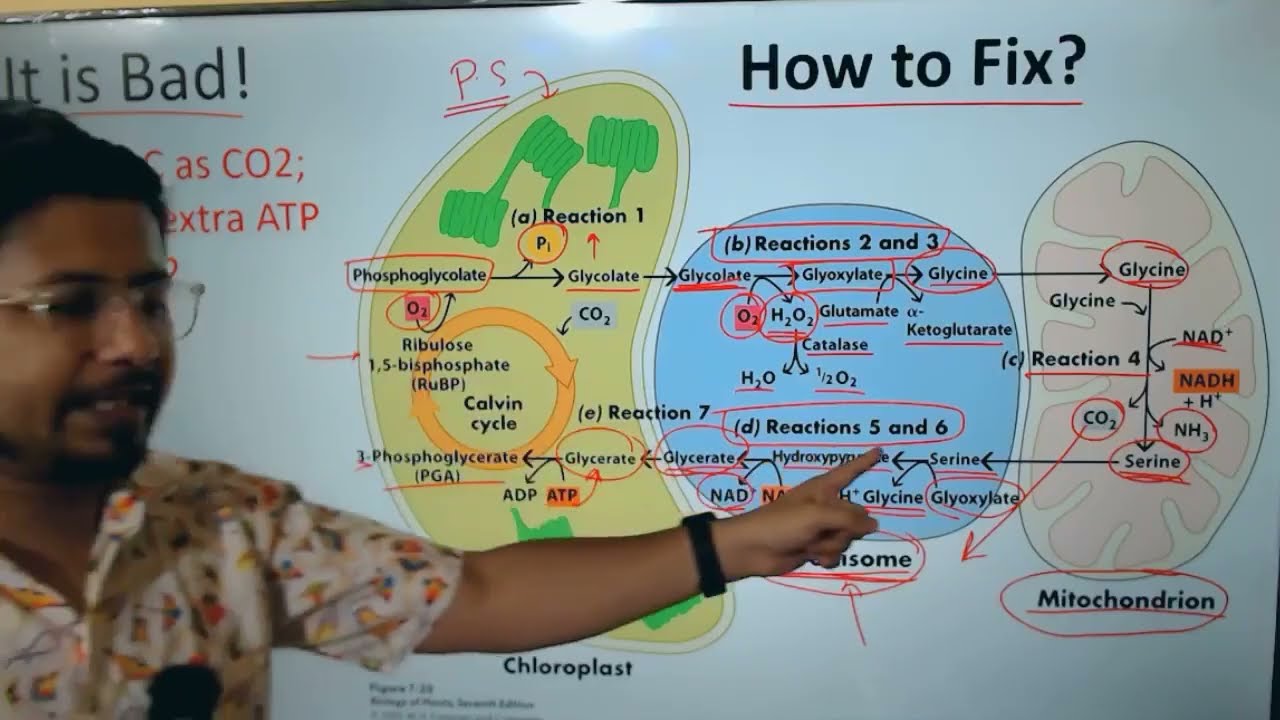
Photorespiration csir net life science | Photorespiration in plants
365
Photorespiration occurs when rubisco fixes oxygen instead of CO2, causing significant metabolic costs: approximately half the fixed carbon is lost as CO2, requiring an additional 2.5 ATP molecules, and oxygen is consumed rather than released. This process is also called the oxidative photosynthetic carbon cycle or C2 photosynthesis because the stable intermediate is glycolate (two carbons) versus C3 photosynthesis. Photorespiration occurs in light and affects approximately one in four reactions under current atmospheric CO2 levels. The process intensifies with increasing temperature due to higher water demands and enhanced rubisco oxygenation activity.
Click to watch →
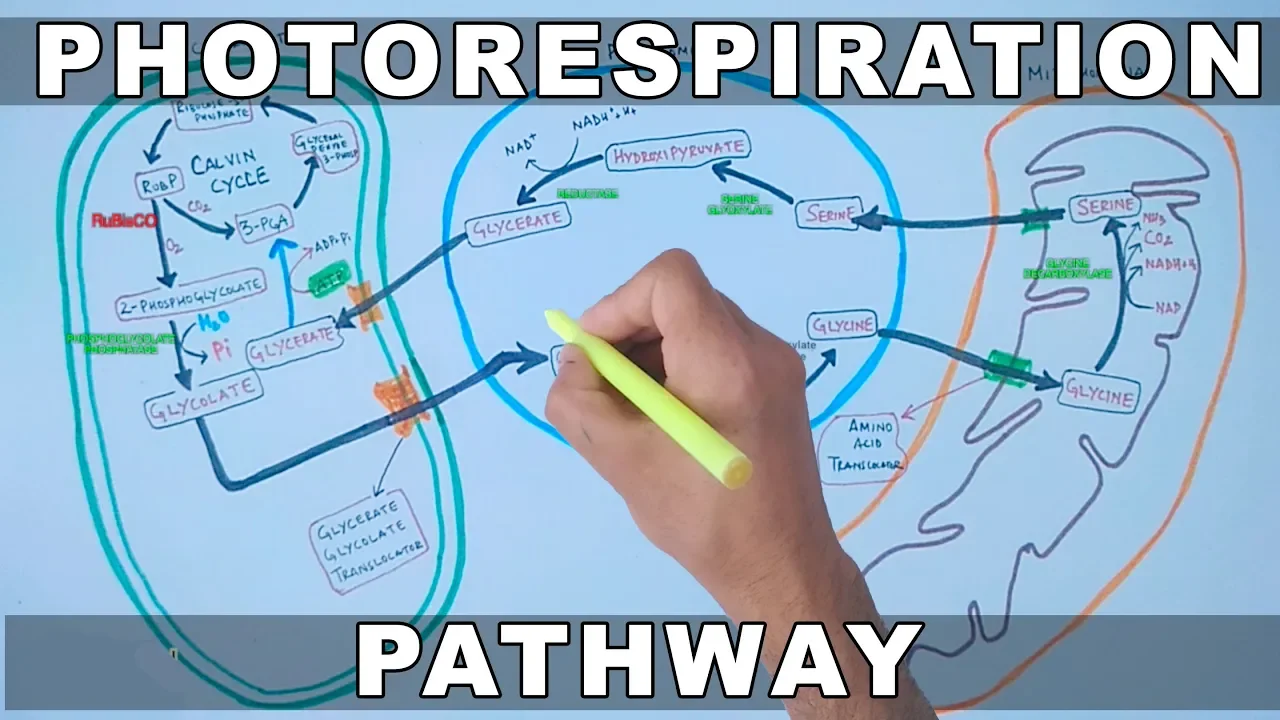
Photorespiration Pathway
141.3K
Photorespiration is a light-dependent metabolic process in plants where the enzyme RuBisCO oxygenates RuBP instead of carboxylating it with CO2, leading to the formation of phosphoglycolate which cannot enter the Calvin cycle; this process involves a complex network of reactions occurring across three organelles (chloroplasts, peroxisomes, and mitochondria) that converts phosphoglycolate back to 3-PGA while consuming ATP and releasing CO2 and ammonia, and is triggered under conditions of high temperature, high oxygen concentration, or drought stress.
Click to watch →

Photosynthesis in Higher Plants in One Shot | Master Your NCERT | NEET 2024 | Dr. N.S. Jain
6K
Photorespiration is defined as the intake of O2 and release of CO2 in the presence of light. It occurs only in C3 plants and is a wasteful process that reduces photosynthetic yield by up to 25%. The conditions for photorespiration are: high O2 concentration, high temperature, high light intensity, and low CO2 concentration. These conditions favor the oxygenation reaction of RuBisCO over the carboxylation reaction.
Click to watch →

Photosynthesis | Photorespiration | C4 and CAM plants| Bioenergetics XI biology
179
Photorespiration is a wasteful process in C3 plants where rubisco enzyme, instead of fixing carbon dioxide, fixes oxygen. This occurs during hot and dry conditions when stomata close to conserve water, causing oxygen to accumulate inside leaves. When oxygen concentration exceeds carbon dioxide, rubisco switches from carboxylase to oxygenase function. The process consumes oxygen and releases carbon dioxide without producing glucose or energy, making it metabolically costly for plants.
Click to watch →
PHOTORESPIRATION || BIOENERGETICS Federal Biology || PHOTORESPIRATION Mdcat lecture || C3 C4 pathway
1K
Photorespiration is a wasteful process where plants consume oxygen and release CO2 without producing ATP, unlike normal respiration. It occurs when the enzyme RuBisCO binds with oxygen instead of CO2, producing toxic phosphoglycolate. This process is triggered during hot, dry days when plants close stomata to conserve water, causing CO2 levels to drop to around 50 parts per million while oxygen accumulates. The mechanism involves RuBisCO's dual activity - it can combine with either CO2 or oxygen, and when CO2 is scarce, it preferentially binds oxygen, initiating photorespiration instead of normal carbon fixation.
Click to watch →
Deep Dive
Basic plant anatomy, particularly the structure and function of mesophyll cells, stomata, and chloroplasts.

जीवविज्ञान | MP Police विज्ञान महा मैराथन | MP Police Science | MP Police Constable 2025 Science
24.8K
Anatomy of flowering plants (angiosperms) is the study of internal structure of seed plants. The term 'anatomy' refers to internal structure, while 'morphology' refers to external structure. The 'Webster' (Wesenberg) is a comprehensive textbook on plant anatomy, considered the 'Bible' of plant anatomy. Mesophyll cells are the primary cells responsible for photosynthesis in leaves. They contain the highest number of chloroplasts among all plant cells. The main function of mesophyll cells is food production through photosynthesis.
Click to watch →
![টিস্যু ও টিস্যুতন্ত্র পর্ব ১ (Tissue and Tissue Structure Part 1) | Sabiha Tasnim Nishy [2017]](https://i.ytimg.com/vi/AT5SJeQrwsc/maxresdefault.jpg)
টিস্যু ও টিস্যুতন্ত্র পর্ব ১ (Tissue and Tissue Structure Part 1) | Sabiha Tasnim Nishy [2017]
110K
Stomata are openings in the epidermis, typically on leaf lower surfaces, consisting of two guard cells with chloroplasts. They regulate gas exchange and water vapor loss. Mesophyll tissue includes palisade parenchyma (elongated cells with many chloroplasts for photosynthesis) and spongy parenchyma (irregular cells with air spaces for gas exchange). In grasses, these tissues may appear as bundle sheath cells.
Click to watch →

Cell Specialization Class 9th | The Alpha Academy Yazman
2.8K
Mesophyll cells are the main plant cells involved in photosynthesis. They are photosynthetic cells that prepare food through photosynthesis. These cells contain a large quantity of chloroplasts (plastids containing chlorophyll) which are spherical in shape. The chloroplasts help absorb maximum amount of light for photosynthesis. Mesophyll cells are located inside the leaf and are responsible for food preparation in plants.
Click to watch →

Class 10 Biology Chapter 1 Life Processes | Respiration in Plants & Other Animals | By Vibhuti mam
624
Between the upper and lower epidermis are mesophyll cells responsible for photosynthesis. There are two types: palisade mesophyll cells (elongated, minimal intercellular spaces) and spongy mesophyll cells (round/oval, large intercellular spaces). Both contain chloroplasts with chlorophyll pigment. Chloroplasts have thylakoids arranged in grana. Chlorophyll traps light energy and converts it to chemical energy. Carbon dioxide enters through stomata and diffuses through intercellular spaces into chloroplasts.
Click to watch →
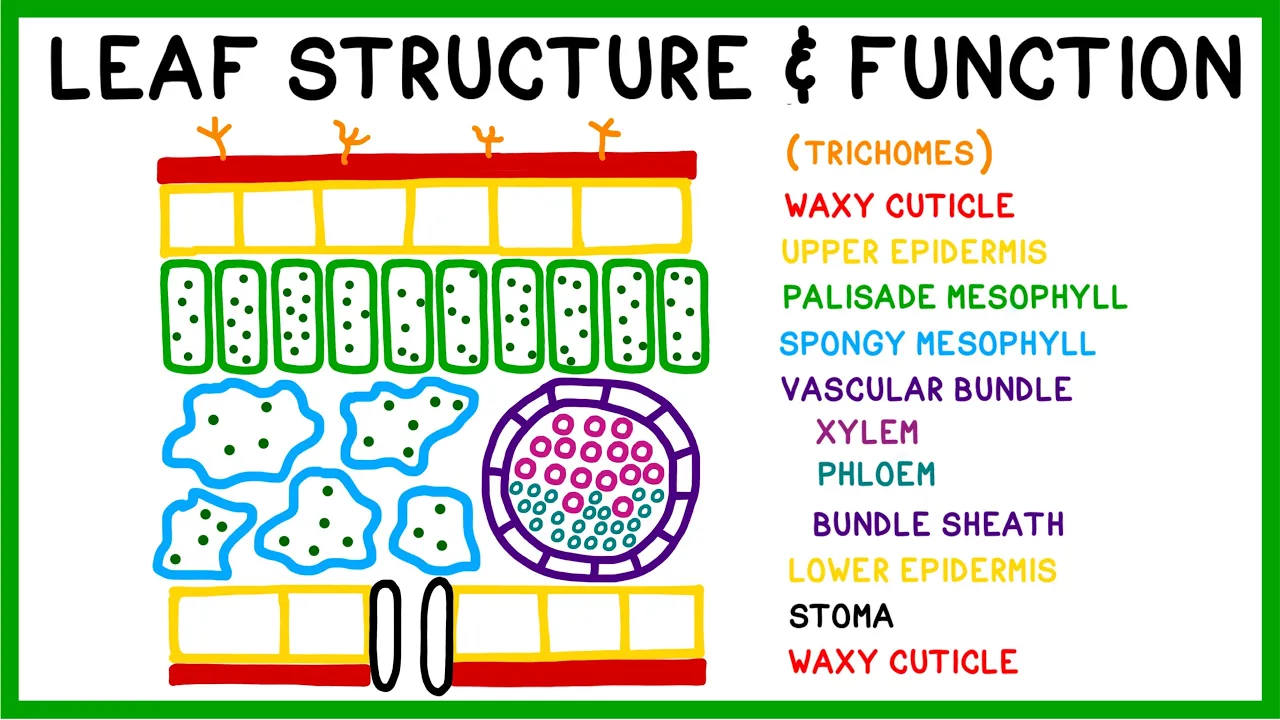
Leaf Structure and Function
297.2K
Leaves are complex organs with specialized internal structures including a waxy cuticle that minimizes water loss, an upper epidermis that allows light transmission, palisade mesophyll cells containing numerous chloroplasts for photosynthesis, spongy mesophyll cells facilitating gas exchange through intercellular spaces, vascular bundles with xylem (transporting water upward) and phloem (transporting glucose bidirectionally), bundle sheath cells supporting specialized photosynthesis in dry environments, and stomata in the lower epidermis controlled by guard cells for carbon dioxide intake and oxygen release; these structures collectively enable photosynthesis, where plants convert sunlight, carbon dioxide, and water into glucose and oxygen.
Click to watch →
Prerequisite Knowledge
- Concept 01The basic mechanics of C3 photosynthesis, specifically how the Calvin cycle fixes carbon dioxide using the enzyme Rubisco.
- Concept 02The biochemical dual-functionality of Rubisco, including its affinity for both carbon dioxide (carboxylation) and oxygen (oxygenation).
- Concept 03The definition and energetic costs of photorespiration, and the environmental conditions (such as high heat and drought) that trigger it.
- Concept 04Basic plant anatomy, particularly the structure and function of mesophyll cells, stomata, and chloroplasts.
Subsequent Learning
- Step 01CAM (Crassulacean Acid Metabolism) photosynthesis, exploring how plants temporally separate carbon fixation to survive extremely arid environments.
- Step 02A comparative analysis of the ecological niches, water-use efficiency, and light-use efficiency among C3, C4, and CAM plants.
- Step 03The evolutionary history of C4 plants, focusing on how environmental selective pressures led to the convergent evolution of this pathway.
- Step 04Agricultural biotechnology applications, such as genetic engineering projects aimed at introducing C4 photosynthetic traits into major C3 crops like rice to increase yields.
C3 Pathway
C4 Pathway
CO2 Transfer
Rubisco Role
C3 Pathway
0:02Playing Section
- 1
Photosynthesis forms three-carbon compound phosphoglycerate as first product.
- 2
Plants using this normal process are classified as C3 plants.
The Energetic Costs of C4 and the Essential Functions of Photorespiration
While C4 photosynthesis is highly efficient in hot, arid conditions, it is not universally superior to C3. The C4 pathway requires a significant investment of additional energy (ATP) to run the CO2-concentrating mechanism. In cooler, wetter, or high-CO2 environments, this metabolic cost outweighs the benefits of avoiding photorespiration, making C3 plants more energetically efficient. Furthermore, modern plant physiology suggests that photorespiration is not merely a wasteful evolutionary flaw. It plays critical roles in nitrogen assimilation, maintaining cellular redox balance, and protecting the photosynthetic apparatus from damage (photoinhibition) under light stress. Consequently, completely bypassing or 'overcoming' photorespiration carries major physiological trade-offs that can disadvantage plants in non-stressful environments.
Deep Dive
CAM (Crassulacean Acid Metabolism) photosynthesis, exploring how plants temporally separate carbon fixation to survive extremely arid environments.

TUDO de BOTÂNICA para o ENEM 2026 (melhor didática do Brasil)
126K
CAM (Crassulacean Acid Metabolism) plants open their stomata at night to fix CO2 into organic acids, which are stored in vacuoles. During the day, stomata close to prevent water loss, and the stored CO2 is released for photosynthesis. This temporal separation of carbon fixation and photosynthesis minimizes water loss in arid environments.
Click to watch →

Complete Plant Physiology | Fast Track Biology Revision | 360 in Biology | NEET 2023 | Gargi Singh
84K
This section covers C4 and CAM photosynthesis as adaptations to minimize photorespiration. C4 plants have specialized leaf anatomy with bundle sheath cells surrounding vascular bundles. In C4 plants, CO2 fixation occurs in mesophyll cells first, where CO2 is combined with phosphoenolpyruvate (PEP) by PEP carboxylase to form oxaloacetate (4 carbons). This is then converted to malate and transported to bundle sheath cells where CO2 is released for the Calvin cycle. CAM plants separate CO2 fixation and Calvin cycle temporally - CO2 is fixed at night when stomata are open and released during the day. This temporal separation minimizes water loss while maintaining photosynthesis. CAM plants include cacti and succulents adapted to arid environments.
Click to watch →
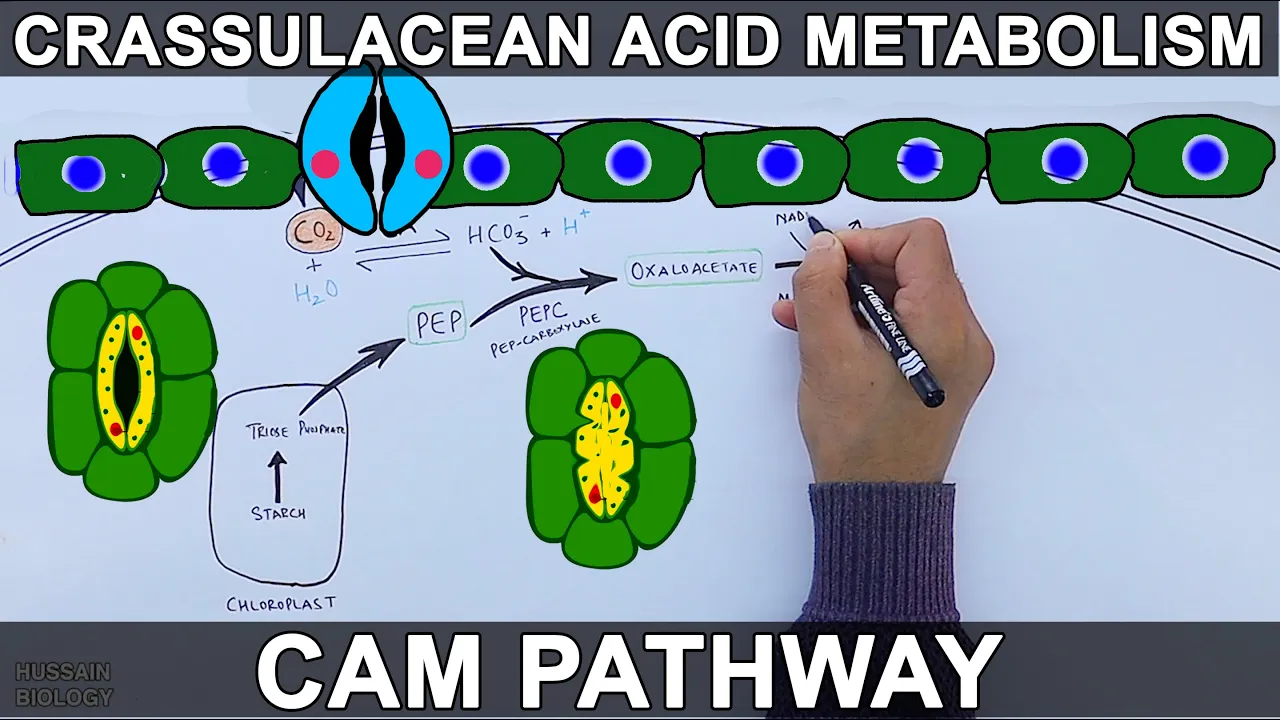
CAM Pathway | Crassulacean Acid Metabolism
51.7K
CAM (Crassulacean Acid Metabolism) is a photosynthetic pathway in succulent plants that allows them to fix CO2 at night when stomata are open to prevent water loss, storing the carbon as malic acid in vacuoles; during the day, the stored malate is decarboxylated to release CO2 for the Calvin cycle, enabling efficient photosynthesis in arid environments.
Click to watch →

FOTOSÍNTESIS: PLANTAS CAM. PEPCA noche - RUBISCO día
42.7K
CAM (Crassulacean Acid Metabolism) is a photosynthetic pathway that solves photorespiration through temporal separation of carbon fixation and the Calvin cycle. Unlike C4 plants that use spatial separation, CAM plants fix CO2 at night when stomata are open and temperatures are cool. During the night, CO2 enters mesophyll cells and is fixed by PEP carboxylase into oxaloacetate, which is reduced by NADH to form malate. This malate is accumulated in the vacuole for daytime use. Starch stored in chloroplasts is hydrolyzed to produce triose phosphates, which are converted to PEP, enabling continued CO2 fixation throughout the night.
Click to watch →

CAM pathway|| crassulacean acid metabolism|| Photosynthesis part-5
81.9K
CAM (Crassulacean Acid Metabolism) photosynthesis is a specialized carbon fixation pathway used by plants in extreme environments like deserts. CAM plants, such as cacti, have stomata that open at night and close during the day to conserve water. During the night, CO2 enters through open stomata and is fixed by PEP carboxylase enzyme, combining with water to form hydrogen carbonate, which then reacts with phosphoenolpyruvate (PEP) to produce oxaloacetate. This is reduced to malic acid and stored in vacuoles. This nighttime fixation creates a carbon reserve that can be utilized during the day when stomata are closed. The CAM pathway is similar to C4 photosynthesis but occurs entirely within the same cell, unlike C4 plants which have spatial separation between fixation stages.
Click to watch →
Deep Dive
A comparative analysis of the ecological niches, water-use efficiency, and light-use efficiency among C3, C4, and CAM plants.
Photosynthesis in Higher Plants l Lecture 7 l Biology l NEET
34.3K
This segment provides a comprehensive comparison of the three photosynthetic pathways. C3 plants: standard pathway, high water loss, susceptible to photorespiration. C4 plants: spatial separation (Kranz anatomy), reduced photorespiration, higher energy cost (5 ATP/CO2), adapted to hot dry regions. CAM plants: temporal separation (night fixation), extreme water conservation, slowest growth, adapted to extreme deserts. Both C4 and CAM plants minimize photorespiration by concentrating CO2 near Rubisco. The choice of pathway represents evolutionary trade-offs between water conservation, energy cost, and growth rate.
Click to watch →

39) C3-C4-CAM BİTKİLERİ VE FOTORESPİRASYON (Biyoloji ÖABT Dersleri)
11.4K
All three plant types use the Calvin cycle but differ in CO2 fixation mechanisms. In C3 plants, the first stable product is 3-phosphoglycerate (3 carbons), and rubisco is the primary CO2-fixing enzyme. In C4 plants, the first stable product is oxaloacetate (4 carbons), and PEP carboxylase is the primary CO2-fixing enzyme in mesophyll cells. In CAM plants, the first stable product is also oxaloacetate (4 carbons), and PEP carboxylase is the primary CO2-fixing enzyme, but fixation occurs at night. C3 plants have chloroplasts only in mesophyll cells, while C4 plants have chloroplasts in both mesophyll and bundle sheath cells. CAM plants have chloroplasts only in mesophyll cells. Photorespiration is severe in C3 plants but minimized in C4 and CAM plants. Photosynthetic efficiency is lowest in C3 plants and highest in C4 and CAM plants, particularly in hot, dry environments.
Click to watch →
Photosynthesis In Higher Plants in One Shot | NEET 2023 | Nishchay Crash Course | Seep Pahuja
439K
C4 plants are more efficient in hot, dry conditions because they concentrate CO2 around Rubisco, reducing photorespiration. C4 plants require 5 ATP per CO2 (vs 3 ATP in C3 plants), but reduced photorespiration offsets this cost. CAM plants (cacti, pineapples) perform carbon fixation at night to minimize water loss. Stomata open at night, CO2 is fixed into oxaloacetate, stored as malic acid in vacuoles. During the day, stomata close, malic acid releases CO2 for the Calvin cycle. This temporal separation conserves water in arid environments.
Click to watch →
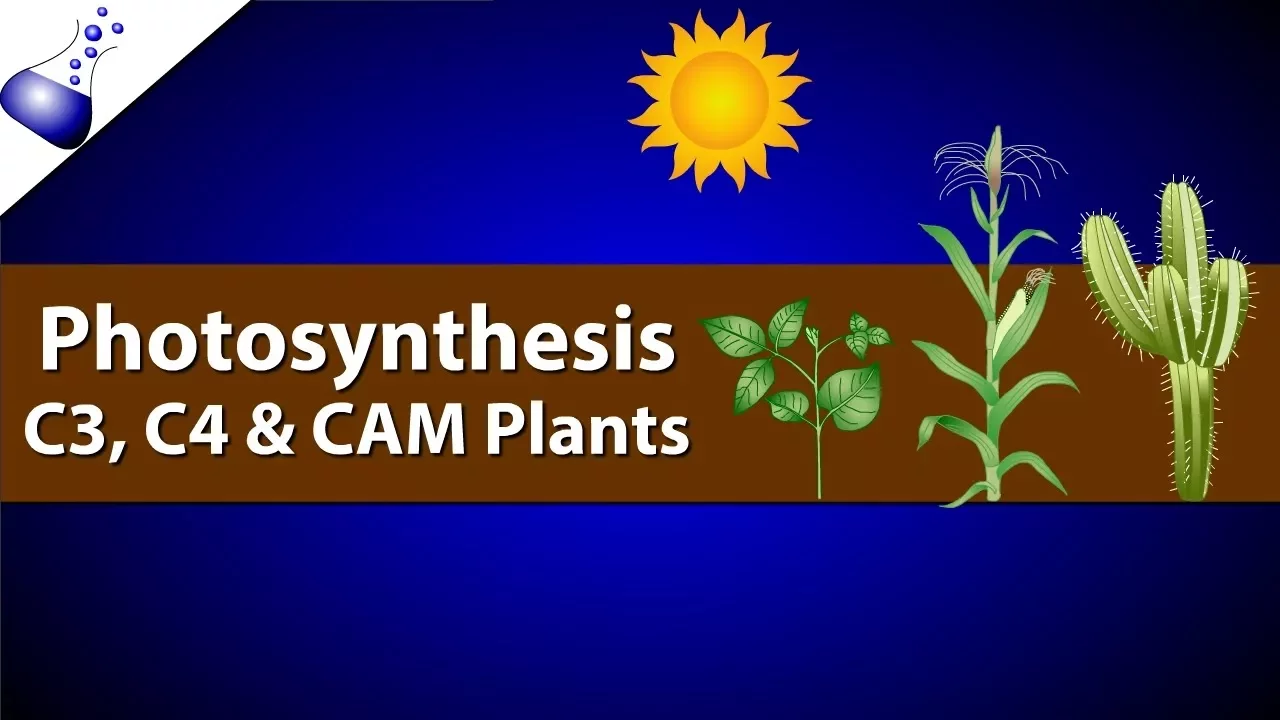
Photosynthesis: Comparing C3, C4 and CAM
707.9K
Photosynthesis varies among plants based on their environment; C3 photosynthesis (used by ~85% of plants) fixes CO2 directly into a 3-carbon molecule in mesophyll cells, but oxygen accumulation during closed stomata inhibits efficiency; C4 plants solve this by spatially separating CO2 fixation into a 4-carbon molecule in mesophyll cells before transporting it to bundle sheath cells for the Calvin Cycle; CAM plants address the same problem temporally by taking up CO2 at night when stomata are open and storing it as a 4-carbon molecule until daytime, enabling survival in drier climates.
Click to watch →

Transport in Plants | Part 2 | NEET 2023 | Nishchay Crash Course | Seep Pahuja
94.3K
C4 plants are more efficient than C3 plants in water use. For the same amount of CO2 fixed, C4 plants lose only half the water compared to C3 plants. This makes C4 plants better adapted to hot, dry environments where water conservation is critical.
Click to watch →
Deep Dive
The evolutionary history of C4 plants, focusing on how environmental selective pressures led to the convergent evolution of this pathway.

Asaph Cousins: Influence of leaf anatomy & biochemistry on C concentrating mechanism in C4 plants
207
C4 photosynthesis evolved independently at least 60 times across angiosperms, with 20-25 origins within grasses alone, representing a classic case of convergent evolution. This widespread evolution suggests strong selective pressure for the carbon-concentrating mechanism under certain conditions. In C4 plants, PEPC was co-opted from other metabolic pathways through gene duplication, followed by modifications in expression, localization, and kinetic properties. Bioinformatics reveals specific amino acid residues enriched in C4 PEPC isoforms, suggesting evolutionary adaptations to enhance performance. Natural variation in PEPC kinetics across species provides insights into what drives photosynthetic efficiency.
Click to watch →

Evolutionary history of plants | Wikipedia audio article
221
Pre-adaptations paved the way for C4, clustering its innovation in certain clades. It has most frequently been innovated in plants already having features like extensive vascular bundle sheath tissue. Many potential evolutionary pathways resulting in the C4 phenotype are possible and have been characterized using Bayesian inference, confirming that non-photosynthetic adaptations often provide evolutionary stepping stones. C4 construction is used by a subset of grasses while CAM is employed by many succulents and cacti. The C4 trait emerged during the Oligocene around 25-32 million years ago but did not become ecologically significant until the Miocene 6-7 million years ago. Remarkably, some charcoalified fossils preserved tissue organized into Kranz anatomy with intact bundle sheath cells, allowing identification of C4 metabolism. Isotopic markers are used to deduce distribution: C3 plants preferentially use lighter carbon isotope 12C, being about 14 per mil lighter than atmospheric ratio; C4 plants are about 28 per mil lighter. Horse teeth provide proxy since horses browsed almost exclusively on grasses—their delta 13C record shows sharp negative inflection around 6-7 million years ago interpreted as rise of C4 plants globally. Why did C4 take so long to arise and appear independently so many times? The Carboniferous (~300 million years ago) had notoriously high oxygen levels (almost enough for spontaneous combustion) and very low CO2, but no C4 isotopic signature exists, and no sudden trigger for Miocene rise.
Click to watch →

LECTURE 5 II PHOTOSYNTHESIS BY ANJU MAM II TGT PGT LT GIC BPSC UK JSSC BIOLOGY
11.3K
C4 plants evolved from C3 plants to overcome two main limitations: (1) High transpiration ratio in C3 plants (500 water molecules lost per CO2 fixed), and (2) Photorespiration in C3 plants. C4 plants have a transpiration ratio of only 250, making them twice as efficient in water use. This evolutionary adaptation allows C4 plants to perform photosynthesis more efficiently in hot, dry environments.
Click to watch →

Hatch & Slack Pathway (C4 Pathway) ||By Anju ma'am|| @scienceplanetbiology
7.4K
C4 plants evolved after C3 plants as an adaptation to hot, dry environments. They have higher water use efficiency, losing only 250 water molecules per carbon dioxide fixed compared to 500 in C3 plants. C4 plants are adapted to dry tropical areas, tolerate high light intensity and temperatures, and do not undergo photorespiration. This evolutionary adaptation allows them to maintain higher productivity in challenging environments where C3 plants would suffer from photorespiration.
Click to watch →

Почему всё превращается в краба? У природы есть любимая форма.
12K
This section covers convergent evolution in plants and deep-sea organisms. C4 photosynthesis (more efficient CO2 fixation in hot, dry climates) evolved independently at least 62 times across 19 families of flowering plants, including maize, sugarcane, sorghum, and amaranth. All independently recruited the same ancient genes (phosphoenolpyruvate carboxylase) to achieve this biochemical pathway. CAM photosynthesis (opening stomata at night to reduce water loss) evolved at least 35 times independently, including cacti and agaves. The most striking example is the morphological convergence between African milkweeds (Euphorbia) and New World cacti (Cactaceae): both evolved spherical bodies with 8 ribs, spines, and reduced leaves, despite being from different plant families. Bioluminescence evolved independently at least 90 times across bacteria, jellyfish, worms, mollusks, crustaceans, and fish. Deep-sea fish independently evolved red bioluminescence (invisible to most deep-sea fish that cannot see red wavelengths) and some (dragonfish) evolved the ability to produce and see red light using unique visual pigments.
Click to watch →
Deep Dive
Agricultural biotechnology applications, such as genetic engineering projects aimed at introducing C4 photosynthetic traits into major C3 crops like rice to increase yields.

How We Could Prevent a Global Rice Shortage
157.3K
Scientists are engineering rice plants to use C4 photosynthesis instead of the current C3 method, which could increase rice yields by 30-50% while using half as much water and nitrogen, addressing the projected 50% increase in rice production needed by 2030 to feed a growing global population; this approach leverages the fact that C4 photosynthesis, which evolved independently over 60 times in different plant species, is more efficient than C3 because it spatially separates Rubisco from oxygen, preventing the wasteful photorespiration that occurs when C3 plants process oxygen instead of carbon dioxide at high temperatures.
Click to watch →

The Future of Farming
2M
Rice yields have plateaued, meaning maximum amounts per acre haven't increased for years. The C4 Rice Project—a massive global collaboration between 18 biology labs across four continents—is trying to genetically engineer rice so its photosynthetic process works more like maize, theoretically turbo-boosting yields by 50%.
Click to watch →

খাদ্য নিরাপত্তা ও নিরাপদ খাদ্য উৎপাদনে বাংলাদেশ ধান গবেষণা ইনস্টিটিউটের ভিশন ২০৫০ | Channel i |
863
This video presents research on developing C4 hybrid rice through genetic modification. Scientists are introducing C4 genes from maize into rice plants to enhance photosynthetic efficiency and increase yield potential. The C4 photosynthetic pathway, typically found in plants like maize and sugarcane, is being transferred to rice to create more productive crop varieties. This represents an advanced application of genetic engineering in agricultural biotechnology, demonstrating how cross-species gene transfer can improve crop productivity and food security.
Click to watch →

La biotecnología como herramienta para aumentar la productividad (#475 2012-09-01)
221
La biotecnología permite mejorar la productividad agrícola mediante la modificación genética de plantas, especialmente en la eficiencia fotosintética; las plantas C3 (trigo, soja, arroz) tienen menor eficiencia que las C4 (maíz, sorgo) debido a la fotorrespiración, y la introducción de genes de plantas C4 en plantas C3 puede aumentar la capacidad fotosintética hasta un 40% y el rendimiento entre 25-50%, además de permitir el uso de pastos naturales como biofábricas para producir biocombustibles.
Click to watch →

Food security & a more efficient photosynthesis - Jane Langdale
5.3K
C4 photosynthesis is a more efficient form of photosynthesis that compartmentalizes CO2 fixation into two cell types (mesophyll and bundle sheath), preventing the oxygenation reaction that reduces efficiency in C3 plants like rice; converting rice to use C4 photosynthesis could potentially increase yields by 50% while requiring less nitrogen fertilizer and water, addressing global food security challenges as population growth demands more food production from limited agricultural land.
Click to watch →
C3 Pathway
C4 Pathway
CO2 Transfer
Rubisco Role
C3 Pathway
0:02- 1
Photosynthesis forms three-carbon compound phosphoglycerate as first product.
- 2
Plants using this normal process are classified as C3 plants.
The Energetic Costs of C4 and the Essential Functions of Photorespiration
While C4 photosynthesis is highly efficient in hot, arid conditions, it is not universally superior to C3. The C4 pathway requires a significant investment of additional energy (ATP) to run the CO2-concentrating mechanism. In cooler, wetter, or high-CO2 environments, this metabolic cost outweighs the benefits of avoiding photorespiration, making C3 plants more energetically efficient. Furthermore, modern plant physiology suggests that photorespiration is not merely a wasteful evolutionary flaw. It plays critical roles in nitrogen assimilation, maintaining cellular redox balance, and protecting the photosynthetic apparatus from damage (photoinhibition) under light stress. Consequently, completely bypassing or 'overcoming' photorespiration carries major physiological trade-offs that can disadvantage plants in non-stressful environments.
The basic mechanics of C3 photosynthesis, specifically how the Calvin cycle fixes carbon dioxide using the enzyme Rubisco.
The biochemical dual-functionality of Rubisco, including its affinity for both carbon dioxide (carboxylation) and oxygen (oxygenation).
The definition and energetic costs of photorespiration, and the environmental conditions (such as high heat and drought) that trigger it.
Basic plant anatomy, particularly the structure and function of mesophyll cells, stomata, and chloroplasts.
CAM (Crassulacean Acid Metabolism) photosynthesis, exploring how plants temporally separate carbon fixation to survive extremely arid environments.
A comparative analysis of the ecological niches, water-use efficiency, and light-use efficiency among C3, C4, and CAM plants.
The evolutionary history of C4 plants, focusing on how environmental selective pressures led to the convergent evolution of this pathway.
Agricultural biotechnology applications, such as genetic engineering projects aimed at introducing C4 photosynthetic traits into major C3 crops like rice to increase yields.
160.8K views3.5Klikes9:27@powerofknowledgeacademyOriginal Release: 2021-12-23
[Music] foreign foreign photosynthesis in normal process of photosynthesis a three carbon compound called phosphoglycerate is formed as a first product and therefore these plants are called c3 plants normal process of photosynthesis carbon dioxide but there are some plants growing in dry and hot condition produce a four carbon compound oxaloacetate as a first product of carbon fixation and therefore these plants are called c4 plant laken [Music] a [Music] into three carbon compound and carbon dioxide yeah carbon dioxide release so we are seeing that only carbon dioxide is entering into the bundle sheet cell so homeowner carbon dioxide [Music] but still there are some uh rubik's cubes i am also present in mesophile cells foreign
Up Next
10:41
Photosynthesis in Higher Plants: C4 Pathway (Hatch-Slack Cycle) Explained
@NeelaBakoreTutorials
372.3K views•2016-07-22

50:12
Bacterial Communication: Quorum Sensing and Biofilm Formation Explained
@JHUAAP
12.6K views•2011-06-28

5:35
Enteric Nervous System Explained: The Gut's Brain | Neurobiology Lecture
@alumniu6029
438 views•2018-09-12

7:08
Bacteriophages: Earth's Deadliest Killers and Future Antibiotics
@kurzgesagt
34.6M views•2018-05-13
Related Study Plans & Knowledge Roadmaps
Structured learning paths in Biology
biology
RNAi: Biogenesis, RISC & Gene Silencing
01Molecular Biology Foundations: DNA to Protein
02Introduction to RNA Interference (RNAi)
03Molecular Biogenesis of miRNA and siRNA
+ 2 more learning modules
10h5 modules
Explore Roadmap
biology
Mycorrhizae: Signaling, Biophysics & Ecology
01Foundations of Mycorrhizal Symbiosis
02Molecular Signaling and Root Colonization
03Biophysics and Bioenergetics of Nutrient Exchange
+ 1 more learning modules
11h4 modules
Explore Roadmap
biology
Circadian Clocks: TTFL, SCN & Periphery
01Foundations of Molecular Biology & Gene Expression
02Introduction to Chronobiology and Actograms
03The Core TTFL: Molecular Architecture of the Clock
+ 3 more learning modules
14h6 modules
Explore Roadmap
biology
Population Genetics: Math, Drift & Selection
01Genetic & Probability Foundations
02The Hardy-Weinberg Principle and Baseline Models
03Mathematical Modeling of Natural Selection
+ 3 more learning modules
18h6 modules
Explore Roadmap