


















![Heizlastberechnung auch ohne Physik-Diplom verstehen [raumweise Heizlast]](https://i.ytimg.com/vi_webp/iwjGjYLrSOM/maxresdefault.webp)






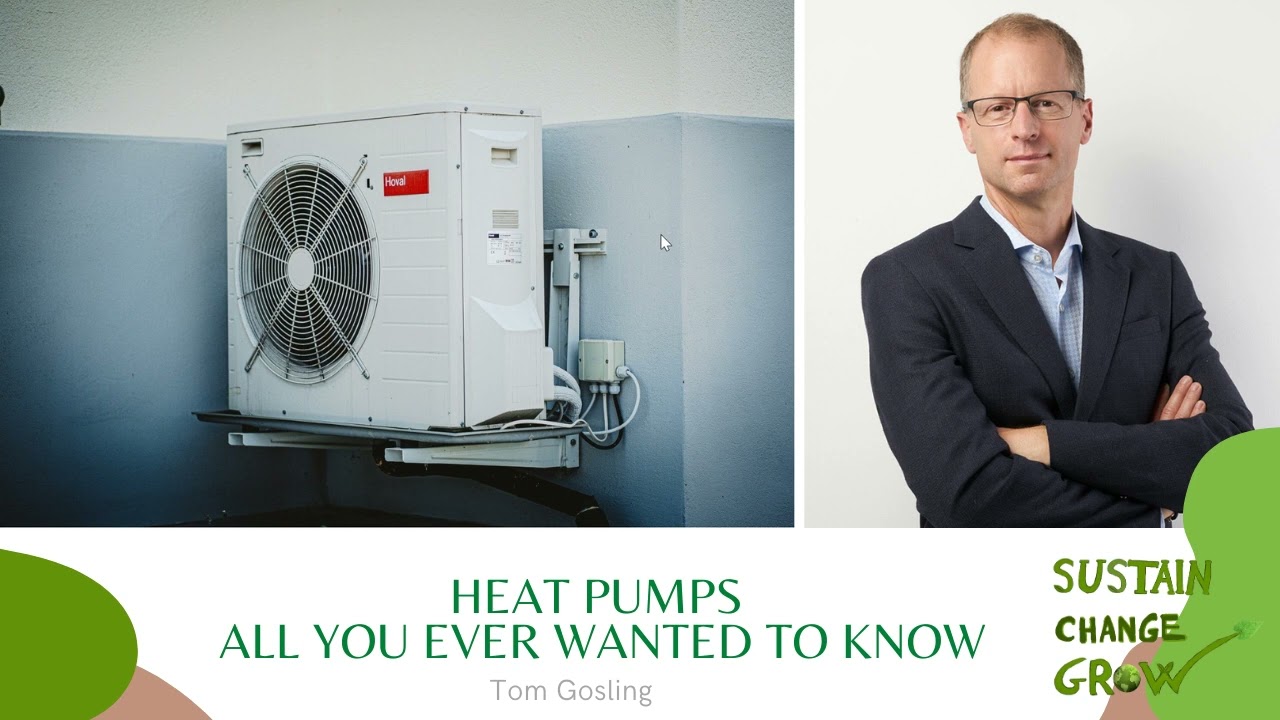
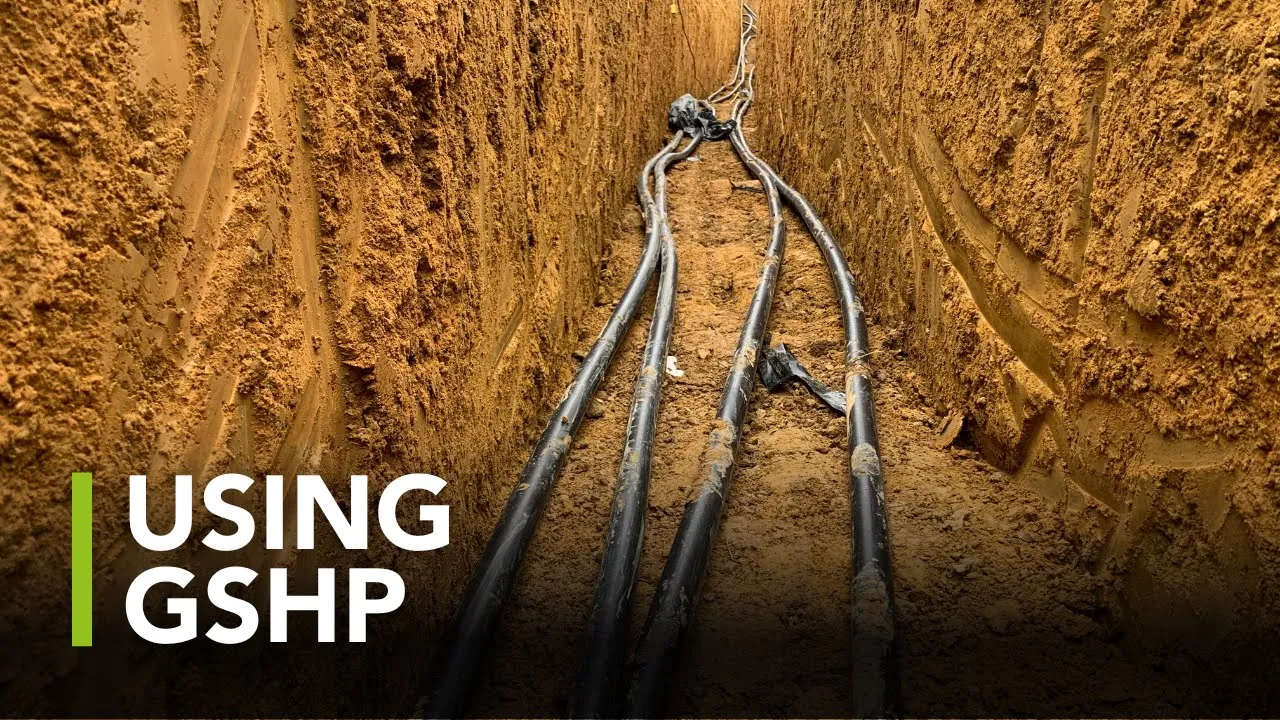



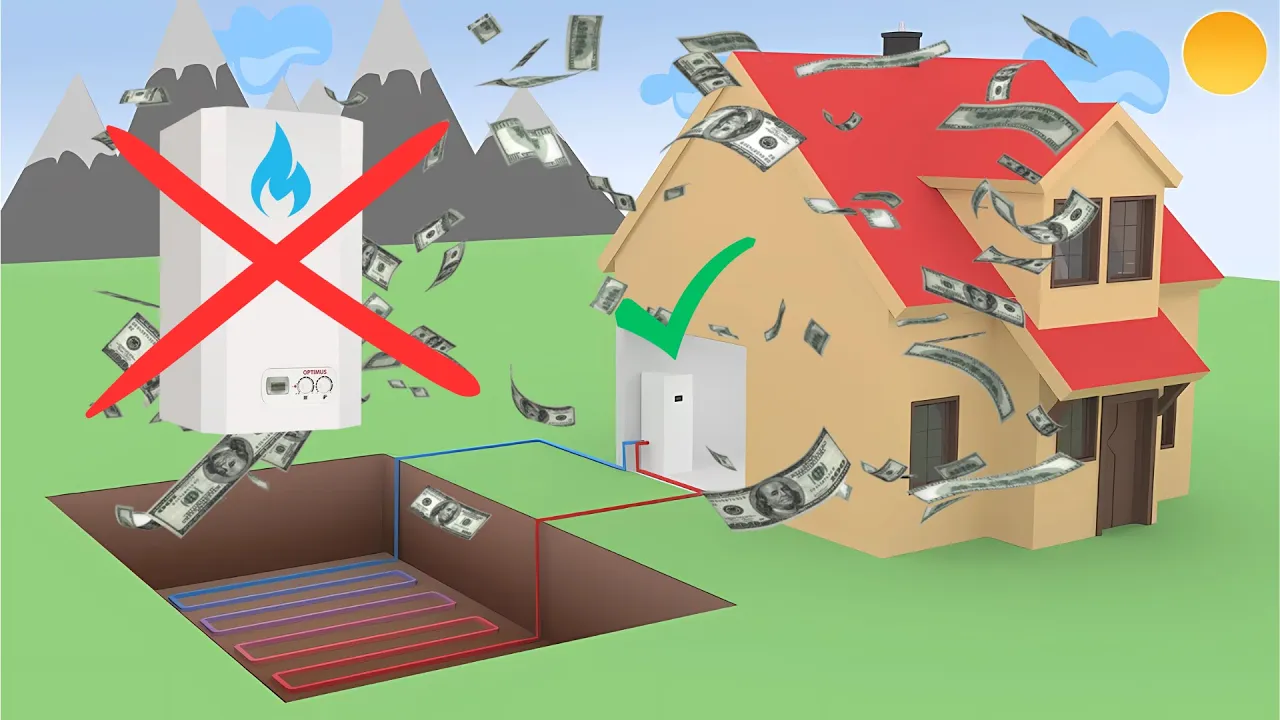
Heat pumps are the leading technology for decarbonizing home heating, using electricity to extract heat from the environment (air or ground) and achieving 300-400% efficiency compared to 80-90% for gas boilers; air source heat pumps are easier to install and suitable for most homes, while ground source heat pumps offer higher efficiency for larger properties with more space, and both technologies are essential for achieving net zero emissions by 2050.
Heat Pumps Explained: Air Source vs Ground Source (UK Home Guide)
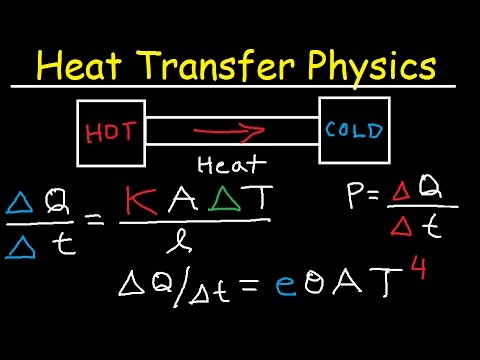
Added:Basic principles of thermodynamics, specifically heat transfer (conduction, convection) and how heat naturally moves from warmer to cooler areas.
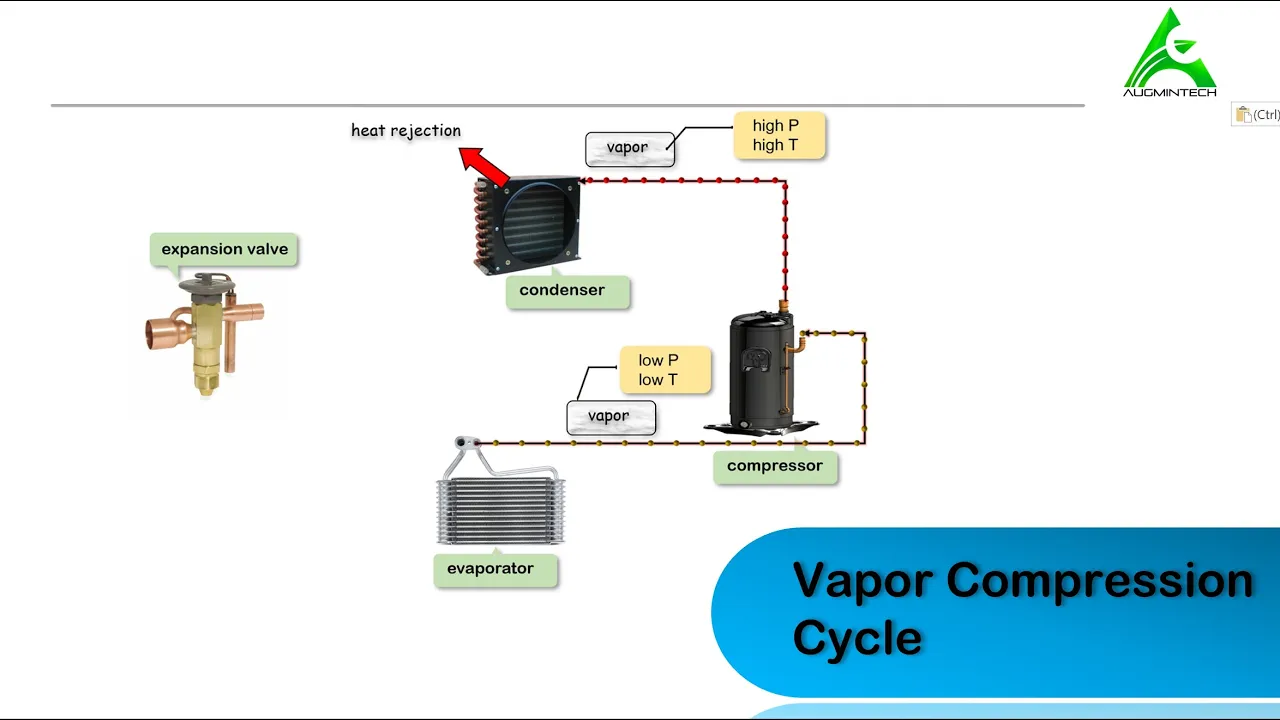
The vapor-compression refrigeration cycle, including the roles of the evaporator, compressor, condenser, and expansion valve.
Understanding the concept of Coefficient of Performance (COP) as a measure of energy efficiency.
Familiarity with standard residential heating systems (such as gas boilers, radiators, and underfloor heating) common in the UK.
Advanced heat loss calculations (such as room-by-room calculations) to determine the precise sizing of a domestic heat pump.
The impact of refrigerant chemistry (such as the shift to low-GWP refrigerants like R290/propane) on system design and environmental safety.
Economic analysis of heat pump viability, including the 'spark spread' (the ratio of electricity to gas prices) and UK policy incentives like the Boiler Upgrade Scheme (BUS).
Geotechnical and engineering considerations for ground source loop design, including soil thermal conductivity and borehole drilling mechanics.
89.4K views2.6Klikes33:42Original Release: 2021-08-24
[Music] so [Music] this the humble boiler has been the dominant technology in heating in the uk for decades but we think it's time for a change in the last 20 years we've been told the solution is increasingly efficient gas boilers or perhaps renewable biomass boilers and now you might be being told that the future is hydrogen boilers in truth we think much like as it has been for cars the future is electrification and the green hydrogen is maybe 10 to 20 years away [Music] richard it's great to talk to you today about one of our favorite topics heat pumps obviously the uk runs a lot of gas boilers some oil boilers as well we're looking to move to low carbon or zero carbon technologies why heat pumps gonna be so important in that move so heat pumps are widely seen as a really important future technology not just for the uk but around the world as a means of getting heat because they can run on renewable and low carbon electricity and because they take a huge proportion of the heat that they actually put into a house or a building from the environment that means that they can be naturally low-carbon sustainable and renewable all of the good things so for the uk we currently rely on about 90 of on fossil fuels for our heating so 85 of homes are connected to the gas grid roughly about another million and have oil heating if we want to get to our net zero goals by 2050 so as a country we've got the target to get to net zero by 2050 to do that we've got to replace all of that oil and gas heating with something else all of these millions of different heating systems have to be replaced we know that heat pumps are a key option to do that there aren't many technologies that you can actually use to produce low carbon heat and repeatedly heat pumps have been seen and shown to be a cost-effective way of doing that so can you kind of just explain briefly the difference between a ground source heat pump and an air source heat pump sure so what a heat pump does is it uses electricity to move heat from the environment so from the air in the case of air source heat pumps off from the ground in the case of ground source heat pumps or potentially in the case of water source heat pumps from rivers and lakes and streams it moves the heat from the environment into a building so it can be used for hot water um all for heating now for airsource heat pumps they can be more easy to install so you don't need to have any ground arrays you don't need bore holes anything like that you can put them on the side of a building on top of a building potentially on the ground near a building and plumb them in and much like a gas boiler you have a flow and return which gives you hot water at one pipe and you have the cold going back to it and for ground source heat pumps it is a bit more complicated so you need to have some ground works to do with the system because it's extracting heat from the ground so you might have a slinky type system dug into the garden or you might have deep borewells obviously that's more expensive than an air source heat pump but the benefit of ground source heat pumps is they tend to be a bit more efficient than air source heat pumps so with a ground source heat pump you get more energy out than you put in compared to an air source heat pump it's not a huge difference but if you have a big building or a bigger house it can make sense to think about ground source rather than air source [Music] so heat pumps are more efficient than your conventional boiler for example but how much more efficient so a gas boiler working at top efficiency will be about 90 efficient so you've got one unit of energy going into it 90 efficiency you get 0.9 units of heat coming out of it and the waste comes out of the flue in the form of hot steam that you normally see but that's working at maximum efficiency in a really efficient system in real life a gas boiler is more likely to be maybe 80 efficient possibly 85 a heat pump however takes one unit of electricity and it can extract so much energy from the environment that can be effectively 300 or even 400 efficient and that's something referred to as the coefficient of performance and you'll see a number like a 3 or a 4 associated with a heat pump and that just means that for one unit of electricity going into it you're getting three or four units out [Music] robert great to see you we're here to talk about air source heat pumps i think one of the things i'd like to ask first of all is is how appropriate are they for british homes because there are some myths and misconceptions out there maybe you can help set that straight for us yeah no problem um with lots of aerosource heat pumps i think one of the biggest misconception is actually can it heat my home will it actually work in very cold climate conditions these machines are proven in very very cold regions nordic regions in the world and they're proven technologies to work and heat the property up very nicely it's that absorption of heat from this unit so extracting the heat from the ambient air and let's face it absolute zeros minus 273 something um there's energy in there all the way down to that temperature so to extract heat at minus 20 minus 25 it's no problem for this machine the best thing to do is to look at actually insulating your property for a store that's that's that's the key thing get the houses insulated as well as possible and you're going to get a very very energy efficient heat pump system so it could work in theory of most different types of homes but you've got to look at your your insulation baby and yeah and the thermal properties the energy efficiency of the of the house as a whole yeah so this this machine will give you um 11 half 12 kilowatt of heat if you've got 11.5 12 kilowatt um boiler on the wall which is heat in the same house it's no problem it's going to heat the same house exactly the same so the coefficient of performance of a boiler might be one unit of energy in uh and one out broadly speaking with this it's more like three times or possibly more this is the key thing and this is one of the key messages i wanted to get across actually it's it's all about design of the system okay so the lower the water flow temperature the more energy efficient the system will become so if you imagine the best heating system in the world which would probably be i will get arguments over this one underfloor heating uh 30 degrees water flow temperature that's the key thing is the 30 degrees water flow temperature okay right you're looking at a seasonal cop of five plus yeah so you're putting in one of the coefficients you put one kilowatt in you get five kilo out of it which is just phenomenal um realistically though let's talk realistically um if you're changing any fit on your house and it's probably going to be radiators if the radiators are maybe oversized already and you've insulated the house that are now even further oversized that radiator motor will already be able to accept 45 55 degrees if you're hitting 45 degrees flow temperature i mean that's a rough ballpark figure you're looking at a seasonal cop of sort of three and a half to four so you you're putting one kilowatt in and you're getting three and a half maybe four kilowatt out of it and that's great because obviously as we're asking more of the grid with electric cars and other technologies if we can actually make these technologies more and more efficient uh that's obviously a huge benefit to the grid as a whole yeah massively and i mean um even even in your show i noticed that you're looking at cars now that are plugging into the house to basically got to give power back to the house to get a grid share um we're looking at technologies as well within heat pumps to be able to grid share energy as well so we can basically offload the heat pump when the grid is in high demand and then come back up and even when there's excess energy we have the potential to be able to heat the domestic hot water for a very cheap price so for one of these magical boxes yeah you know how much does it cost i appreciate it varies different price points but if you can give us an idea of that that'd be great um i would have said equipment costs probably vary between two and a half thousand to maybe five thousand pounds okay okay and that's the equipment itself and then what about the in-store and how intrusive is that as well that's a very very rough rule of thumb yeah um you're probably looking at two times capital cost okay absolutely so if you're getting this done though will you you know can it just go in or just you have to look at all these other things like pipe work and radiates how involved is that process that question's like asking me how long is a piece of string but um effectively you could have a system where it's pretty much just boulder onto the heating system and almost away you go um to the extreme where you've actually got to change the majority of the radiators around the property okay um maybe upside some of the actual pipe within the property and always we always recommend that the cylinders replace because the likelihood is actually the cylinder doesn't meet energy efficiency ratings anyway okay so if i'm sat at home and i'm interested in one of these how do i kind of investigate it further do i get in touch with you guys and actually get you to look at the property how does that process work so normally what you would do is you would actually speak to an installer installers can be found off our website alternatively we are now opening up more and more sustainable centers and you can basically pop along to your local sustainable centre and that's great they'd be able to help you with that selection so you could walk in and have a look around and work out whether it's applicable for your your your home and your your project then yes quite often when we talk about air source heat pumps we talk about newer properties but what about old homes can it can it work in old homes yes it can easily heat our old home it's to do with how much energy you need to heat that all down so if you've got a boiler that's 12 13 kilowatt then an aerosol seat pump like this one can produce 12 13 kilowatt and it will be able to heat your home exactly the same way but i think the key thing to remember is if you have an old home the right thing to do is actually try and insulate it as best as possible first and then then look at the heating source well there's lots of options that we're going through in this series but i can see a lot of homes in the future with a battery on the driveway in their car with a an air source heat pump and with a clean energy tariff and doing all the work basically definitely we're here to talk to kenza about ground source heat pumps this is the ground let's go and see the heat pump [Music] great to see you down we're going to talk about ground source heat pumps today fantastic technologies we love what what kenza do but can you tell me for the people who are kind of watching what type of properties your technology goes into ground source heat pumps that we do can go into um any property really right can he heat anything at all anything that can maintain the heat loss okay yeah you can you can fit a ground source to so what we do is we start with the property see how much energy the property needs and then we look at what size heat pump we need and how much ground or space available we've got and then we decide on decide on a what type of ground rain how we're going to harness the heat from the ground okay in this instance we've used a nine kilowatt heat pump but as as you rightly say there are three and six kilowatt shoe boxes that we make um and they're really successfully installed in retrofit projects such as smaller bungalows flats and stuff like that high-rise flats are perfect a partner for the kensa shoebox a good example so at the end we've got a nine kilowatt kenza evo and that produces heating and hot water harnessing the energy from the ground putting it into your distribution system and your hot water cylinder okay okay so we'll jump to the hot water cylinder next yeah this is a dual twin coil cylinder okay okay which means it's got two coils in there and it can be heated by two different sources of heat one from the heat pump and one from the solar thermal which is up on the roof then we have the buffer vessel in the middle okay and kenzie used the buffer slightly differently than other companies but this is designed to stop the heat pump from short cycling okay so turning on that compressor turning off so it's preventing the heat pump from having a shorter life okay so if you've got a property though and you've got a a plant room that's great obviously but some people could install this in a utility room or loft as well absolutely yeah so the most important thing really is where you locate the heat pump because that's got a little bit of noise and vibration okay i don't know whether you can hear it i can barely hear it yeah they are really really quiet that's one of the benefits of ground source heat pumps but there's no noise that will come from the buffer or from the cylinder right so you could potentially put the cylinder in the cylinder cupboard okay yeah up in an air and cupboard in the property standard sort of thing we see with the boiler system or you could just then put the buffer in the loft or both of them in the loft there'll be lots of people watching this thinking well i'd quite like ground source heap but when they start that process who do they talk to and then how does that begin i think most people would probably say they'd go on to google have a look and then kenza are pretty much all over ground source you know being a british manufacturer a lot of people that come to us literally don't know where to start so it's like what do i do i want a ground source and the first thing we always start with is how well insulated is your property okay what we're heating once we understand what we're heating then we can determine how much what size heat pump we need how much energy need we need from the ground and then if you've got that ground available and the way to get the best cop from a heat pump is to design a system that can operate at a low flow temperature okay so when you think of a new build it's a well protected shell of the house it's going to hold its heat really well what we put in a new build because we're building the house ourselves is underfloor heating yeah it's a massive radiator on the floor which is which allows us to run the heat pump at a really low flow temperature because it's such a big surface area yeah if we don't want underfloor that's absolutely fine too they'll work really well with radiators but you just have to slightly oversize your radiators so that you can operate at a lower flow temperature when we're operating a heat pump at a lower flow temperature for example if the ground temperature is 10 degrees and we want to run our heat pump at 35 degrees for the underfloor we're only doing 25 degrees of work so if you live in a smaller property ground source heat pump could be for you but what are the considerations in if you've got a smaller property so with a smaller property one consideration we can do away with is the buffer all of a sudden as well the heat pumps are a lot smaller so they're typically the size of a large microwave something like that okay so we do a model like that that's perfect for flats and bungalows can be easily retrofitted what you do find sometimes is that they haven't got huge gardens okay so a lot of times they're on boreholes okay okay the majority of social housing projects have been successfully retrofitted with a shoebox heat pump a kansas shoebox heat pump and a sun amp phase change unit weather compensation tell us a bit more about that every model of kensa heat pump that we produce we send out with a weather comp sensor okay that can be located outside your house that picks up the outside temperature and if it's slightly warmer outside it just means that we can use slightly less energy with the heat pump as it gets colder that will then tell the heat pump just to increase in temperature flow temperature until we reach the desired design flow temperature for the property so it can save you energy when it's slightly warmer outside kind of a loaded question of how long is a piece of string but can it can it be quite a quick install is it quite a long long period of time it takes it's quite a quick process but again it all depends on the build and the property if it's a new build it just goes along with the build you know they dig the footings in the ground raising when they start first fixing the plumbing they'll start first fixing the plant room so the two kind of go hand in hand with the new build but with retrofit there's no reason why you couldn't start tomorrow and how much can it cost and is there any government assistance to to help you incentivize you yeah absolutely because they are quite expensive as we know um they as an actual figure of cost for a heat pump they're going to vary because we do a big range of heat pumps um i would say a cost for a system it's approximately about a thousand pound a kilowatt okay okay all right just as an example and yeah there's a rule of thumb because in store installation costs they change right away throughout the country really and the domestic renewal heat incentive is still running till the end of march 2022 that's great correct yeah but we don't know yet if that's going to be extended we don't quite know what's going to happen at the end of that whether it's a one-off fee you know and that's paid to the end user i don't know but something has to be in play because the figures the government are talking about have to be achieved with support from the government well if anyone from the government is watching i hope they're they're taking those as they are thank you darren thanks for your time clearly ground source and air source heat pumps are great technologies for a multitude of different applications and different property types let's go back to richard to find out more [Music] so we've seen firsthand that when you come up with new technology like electric cars those technologies have their detractors normally people are trying to sell you conventional cars of course and we see similar things within the this space you know heat pumps versus the boiler it's often framed as as that and we think it's a bit more uh gas versus electricity might actually be a better way of framing what's what's going on but if i were to talk to you about some of the things that people say about heat pumps and maybe you can help us get past that i mean certainly one of the obvious things is in the depths of winter uh when you know let's say we move to a system where you know heat pumps are a commonplace site you know can can the grid cope with that for example will the grid fall over uh no so one of the amazing things that happened over the past decade actually is something totally separate around led lights so we know that there is a lot of headroom capacity in the electricity grid at the moment national grid have already said that ev charging won't be a problem so we know that uh that should be okay um but this because led lights are just so efficient they've increased the headroom in the grid significantly so there's already some space now that is not to say that at some point in the future the grid won't need to be upgraded and actually that investment seems likely in any sort of future scenario we go down because we're going to be electrifying more things so we know that transport's got to be electrified possibly a bit more quickly than heat though possibly at the same time we know that we need to have a lot more heat pumps so heat will effectively be electrified using heat pumps and so the capacity of the grid will have to increase at some point now i don't know if that will be in five years or in ten years it depends how many of us switch to heat pumps over that time but at some point i think everyone expects the capacity in the grid to increase now this is something that is not unexpected in energy systems particularly when we're planning for something like net zero so we know that the capacity has got to go up so the government will set the networks to invest in that capacity and the electricity generators will invest in that capacity too um so i don't think there's any risk of the grid suddenly falling over because we've added some more heat pumps because it's got to be large a part of a bigger program looking forward part of a wider strategy about electrification and we've talked today uh about wind power as well and uh in terms of there's about 22 i believe of power now coming from from wind expected to be something like uh 75 or 70 by 2030. so how what's the relationship between wind and heat pumps so that's quite a complicated question again um we we sort of know an analysis in denmark has looked at this that um it tends to be that there tends to be more heat demand in homes when it's windier so there can be a match-up between um how much heat we need and the wind blowing however it's not always as simple as that and so i think the thing that often gets talked about is these anti-cyclone conditions which is blue skies not like today um but blue skies not much wind often frosty and i think they're the days and potentially weeks that could be most concerning for people something like the beast from the east actually isn't because it was very windy then so that probably would have been not one of those sort of anti-cyclonic issues there is this really big question in the future about how we overcome those drops in wind so if we have a system that's very reliant on renewables and it's cold there probably won't be much solar production in the uk but there might be lots of wind production um or even if it's anti-cyclonic there might not be wind production and so something's got to fill in those gaps currently we use gas so currently the electricity system is balanced by gas so if it's sunny and windy great we've got loads of electricity flowing around that's clean we turn on the gas power stations and they fill up they fill up those troughs when there is a gap in the supply or a reduction in the supply something's got to replace that i don't think anyone would say exactly what they think that is at the moment there are various options it could be it could just be that we keep burning gas and we have that as the sort of dirty top-up fuel it might be that that's hydrogen so national scale storage of hydrogen produced maybe in the summer over the windy and warmer months that then gets stored somewhere and goes into gas power stations and is burnt much in the same way as gases at the moment and that actually is quite simple quite straightforward um but just perhaps a bit inefficient um other people are also talking about things like liquid air storage which is just squeezing air basically once you let the valve pop open like a bottle of champagne you can then use that pressure to turn the turbine now there is of course batteries to think about and so batteries standalone batteries might have some value but they're still quite expensive so it's not clear that you could use batteries alone to balance the system i think there's some really interesting stuff around vehicle to grid so once lots of people have electric vehicles you've then just got batteries sat there doing nothing for most of the time if we're thinking that you know cars get used to average five percent of their lifetime something like that there might be that there but even so batteries may only be able to do a day or two's worth of um support to the grid so something's got to fill that gap in um there are various options and i don't think anyone would say which they think the best option is yet the uk has a notoriously inefficient housing stock um heat pumps are sometimes said not to be the best fit for kind of leaky properties if you like but ground source and air source they can work with all types of properties but could you go into that in a bit more bit more detail and what if i was worried that my house is just simply too energy efficient to run a heat pump so if you're worried that your house is inefficient sort out the efficiency in the first place no heating system is going to be working at its best in an inefficient house and your bills will be higher and so if you have a gas boiler in an inefficient house not only will it be running at high temperatures meaning it's probably not condensing your builds will also naturally be high because your house is leaking loads of heat in the first place so there's a huge role for energy efficiency in general um in the uk compared to very similar eu nations we're doing really badly on energy efficiency and that's got to be part of the same program as we do the roll out of heat pumps however uh there i know of houses that have solid walls and are uninsulated and have single glazed windows with heat pumps it's possible you just need to make sure that the system is again sized correctly so you need to make sure your heat pump's big enough for the job and you need to make sure that your radiators are suitable for the job as well and so i've spoken to various people one example is a ground source heat pumps church which doesn't have any insulation but they've got under floor heating another example is a granite cornish cottage and you could insulate it but it would change the characteristics of it somewhat um air pump air source heat pumped so you can do it but it's about sizing it correctly but if you want to have a really cozy house that is cheap to run do the energy efficiency as well it's a total membrane there so that's really reassuring but is there do ground source heat pumps belong or work better with kind of houses with bigger proper bigger premises for example and air source is better as a rule of thumb for smaller properties is that a generalization too far i think that's a good generalization actually so um because of the additional investment that's needed for a ground source heat pump um they tend to be better suited to houses with a higher heat demand and because if you're using more heat you want to make sure your system is more efficient than the alternatives if that makes sense and so you might get this 500 or 450 efficiency with a ground source heat pump um but it's got a big high up front investment whereas an air source heat pump will have a lower upfront investment and you'll be getting efficiency of maybe 350 so it's really a balance and as a rule if you had a big property you'd probably do a ground source heat pump if so if you were lucky enough to own a big mansion or a detached house or something like that groundswell seatbelt might be a better option not always and one of the interesting things to note is that the the efficiencies compared between air source and ground source of getting closer and closer actually so air source heat pumps are getting more efficient because of you know clever heat exchangers and stuff like that and just better technology so it there is a sort of race going on fundamentally it doesn't matter because it's all about using electricity and electricity is getting greener but it's always going to be a household decision so air source heat pumps sell well in scandinavia for example so that probably answers the question about can it work in colder climates but why why are they selling more heat pumps in europe than they are in the uk fundamentally it's about what the government's doing so in sweden is the best example so sweden's got i think probably the most mature heat pump market in the world despite the fact it's pretty cold in sweden in the winter and years ago their government decided they wanted to get off fossil fuels it was a slightly different reason so it was the oil crisis but over that um 50-year period really so since 1970 all the way through to today they have eradicated fossil fuels from heating and yes it was oil but it's not that similar to gas you know it's it's quite similar priced easy to transport and burns in a boiler and they made a decision back in the 70s and 80s and 90s and they've kept it going that they wanted to get rid of fossil fuels and they made that decision they put policies in place to do it and they've achieved their goal and so 50 years later we're going okay we've got this climate change target we need to do something and now really the best thing that we can do is look to countries like sweden and scandinavian countries and denmark's a good example too and see what they've done and as researchers and academics we're now in a position where actually we're just basically saying the government needs to look at what other countries have done where they've been successful and just do it because clearly it works and it can be done so specifically what could uk government do to kind of accelerate heat pump deployment well i think there are lots of things they could do so currently you can get um some support from the renewable heat incentive if you get a heat pump but that's coming to an end next year so um after next year we don't know what support is going to be in place after next april so we haven't even got a full year um the government has proposed this grant called the clean heat grant which is supposed to come in but we don't know the details of it we don't know how much it will be to a household four thousand pounds as mentioned that's possibly enough for an air source heat pump to push you over the edge it's not enough for a ground source heat pump uh the proposals were they'd only support a few thousand a year maybe ten or fifteen thousand and that's just not enough so there's got to be a whole package of measures to to do this um i think one of them has to be you have to support households or companies in the first place with cash you can't just expect every single household to pay the additional because we know air source heat pumps and grounds or heat pumps are more expensive than gas boilers and up front running costs are very similar but up front they do cost more and so there needs to be some sort of cash incentive to help them and i think alongside that there needs to be you know the world as it is today fossil fuels remain cheaper because the government's just ignored the fact there's a climate change price associated with them it's like not paying to dispose of your rubbish and just chucking out the window eventually there's going to be a huge pile of rubbish there right that you know is an issue you can't see the climate change emissions but every unit of gas that gets burnt in the uk we're just chucking that waste out of our gas boiler out of our flues and the same with oil boilers we just don't value it and so at some point the government is going to have to make a decision that says we can't keep burning gas we're going to have to make people pay more to do it because you've got to shift the economics from gas because if gas main remains cheaper than a heat pump the vast majority with the people will not do it you know you'd only do it if you really wanted a heat pump and as much as i love heat pumps as much as you might love heat pumps as much as your viewers might love heat pumps it can't just be us that does it can't just be the people that care that do this so the government's got to reshape the market as well and then outside of that there's a whole host of things they can do around building supply chains supporting skills which is a really important one all of these bits need to come together and you need a really thorough package because we're not talking about just making sure everyone's got a smart meter we're talking about something much bigger than that we're talking about going into people's homes potentially requiring to have bigger radiators asking maybe for a hot water tank or some storage to go back in and asking for them to have something like a heat pump on the outside of their house and for most houses that won't be a huge issue but it's still it's still a change from the status quo and it's just there's so much to do in so little time it needs a real kick to get it done thankfully things are changing fast and since we recorded this octopus energy has announced its intentions to cut the cost of an air source heat pump installation to four thousand to five thousand pounds within the next 18 months richard and i talked at length about heat pumps that can cool hydrogen boilers and more and we will share the full interview on fully charged plus soon but we went back to tim pollard for one final time to ask him about how the government accelerated heating efficiency back in 2005.
well you know we we had all sorts of grades of boilers in the past you know and cast iron heat exchangers and whatever and and they ranged in efficiency over a huge you know fantastic scale so you know a government plucked up the courage when they brought a rule in which said actually it's illegal to fit anything other than the condensing boiler and the industry for the previous year had been go oh no this can never happen it'll be disaster there'll be you know people on the streets and it can never work and the day came around the industry all pulled together i have to say the manufacturers the wholesalers the the installers themselves provided and they've got training happening locally etc that day came and guess what from that time onwards condensing boilers were fitted no argument and i'd like to see exactly the same thing happen today not in terms of a technology but to set a standard to say in epc terms you have to achieve x whatever that level is and it is mandatory by building regulations to do that [Music] as you know there's a big shift off of gas we want to stop burning fossil fuels we want to start using renewables and electrification is is the way forward at the moment you think of your gas boiler putting one unit of gas and electric in to run that boiler and only getting potentially one kilowatt of energy out of it we still get that bit of waste heat that goes out of the flue the co2 output from that machine to actually produce that one kilowatt compared to electric which is becoming more and more green with the heat pump we're putting one unit in three units in from the ground we're getting four out so it makes it a very energy efficient device we're quartering the cost of heat for our value for money so in summary then heat pumps are the way forward totally and it's not just me that thinks that the international energy agency and the committee on climate change also say the same thing great thank you richard really good to talk to you pleasure unfortunately that's all we've got time for in this episode and we can't do justice to air source heat pumps and ground source heat pumps in one episode so rest assured we will be back to cover those technologies in much more detail because they are have a huge role to play in our homes in the future we started off by talking about the humble boiler in the next episode we're going to talk about not so humble zero emission boilers so in the meantime if you have been thanks for watching [Music] you
Up Next

5:01
Pinata Go CLI: Installation, Setup, and Core Commands
@pinatacloud
299 views•2024-01-18

12:54
Triumph of Orthodoxy Icon: Byzantine Art & History Explained
@BenCallan
2.1K views•2024-08-06

9:49
FastAPI vs Flask vs Django: Choosing the Right Python Web Framework
@TechWithTim
302.5K views•2024-05-26

1:42
Game of Thrones Opening Credits: A Cinematic Analysis
@gameofthrones
46.3M views•2011-04-18
Related Study Plans & Knowledge Roadmaps
Structured learning paths in General & Interdisciplinary Studies
general-studies
Elevator Engineering: History, Physics & Cities
01From Hoists to Safety Brakes: The Dawn of Vertical Lift
02Hydraulic vs. Traction: The Engineering Physics of Elevators
03Modern Speed, Safety, and Algorithms
+ 2 more learning modules
12h5 modules
Explore Roadmap
general-studies
Rubber: Material Science, History & Geopolitics
01Origins of Natural Rubber & Mesoamerican History
02The Chemistry of Natural Rubber & Vulcanization
03The Geopolitics of the Rubber Boom & Colonization
+ 2 more learning modules
12h5 modules
Explore Roadmap
general-studies
Containerization: Evolution, Logistics & Trade
01Ancient Trade & Bulk Cargo: Amphorae to Barrels
02The Industrial Revolution & Cardboard Packaging
03The Containerization Revolution: Malcom McLean
+ 2 more learning modules
12h5 modules
Explore Roadmap
general-studies
Textile Tech: Evolution, Labor & Global Impact
01Pre-Industrial Textiles: Handloom & Cottage Industry
02Mechanization: The Spinning Jenny to the Power Loom
03The Factory System & Global Labor Transformation
+ 2 more learning modules
10h5 modules
Explore Roadmap