







![सदियों से जमी बर्फ पिघली, क्या इशारा दे रही है [Swiss glaciers melting at alarming rate in June ]](https://i.ytimg.com/vi/fAzbeQY4ru8/maxresdefault.jpg)








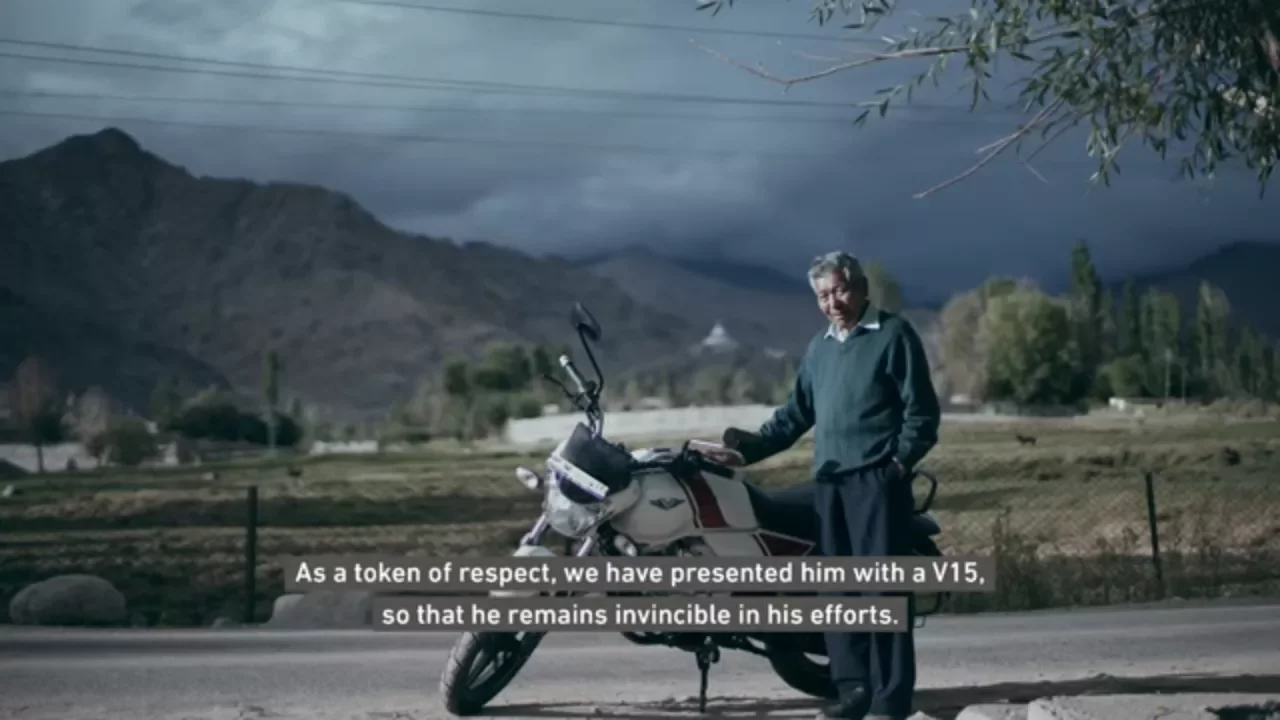
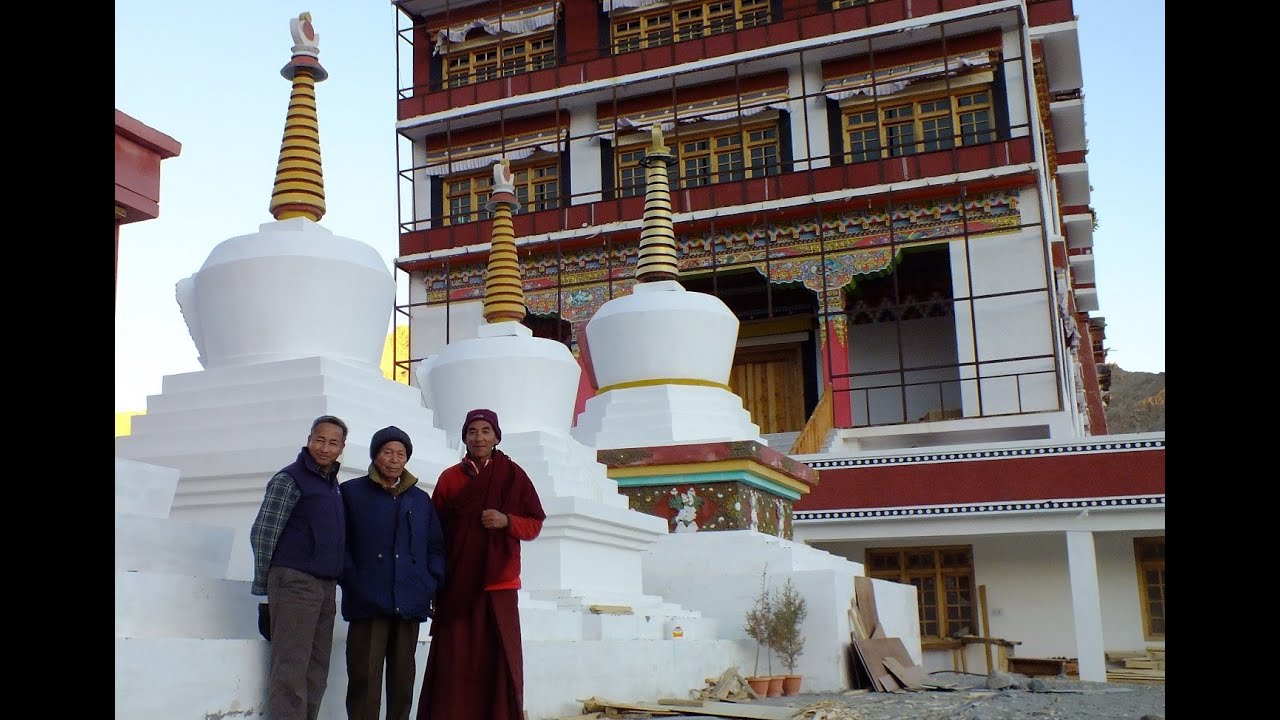




Artificial ice stupas, designed by engineer Sonam Wangchuk in Ladakh, India, are cone-shaped ice reservoirs that store water during winter and release it gradually during spring and summer months when farmers need irrigation water most. These structures utilize gravity-fed water pipes and natural freezing processes without requiring electricity or machinery, providing a sustainable solution to water scarcity in high-altitude cold deserts while also serving as a message about climate change mitigation.
Ice Stupas: Artificial Glaciers Combat Water Scarcity in Ladakh
Added:The fundamentals of the hydrological cycle in mountainous regions, particularly how glacial meltwater serves as a primary water source for downstream agriculture.
The concept of rain shadow deserts and high-altitude arid ecosystems, specifically the climate and geography of the Ladakh region in the Himalayas.
Basic physics principles of thermodynamics, specifically how the surface-area-to-volume ratio of a geometric shape influences the melting rate of ice.
The impact of global climate change on glacial retreat and the resulting seasonal shifts in freshwater availability.
Advanced localized climate adaptation strategies and low-tech geoengineering solutions used to combat water scarcity globally.
The socio-economic and policy challenges of scaling community-scale water storage projects in remote or developing regions.
Comparative studies of alternative artificial glaciation techniques, such as those deployed in the Andes mountains.
Integrated water resource management (IWRM) and the design of high-efficiency micro-irrigation systems for arid agriculture.
129.7K views2.7Klikes3:53Original Release: 2019-12-30
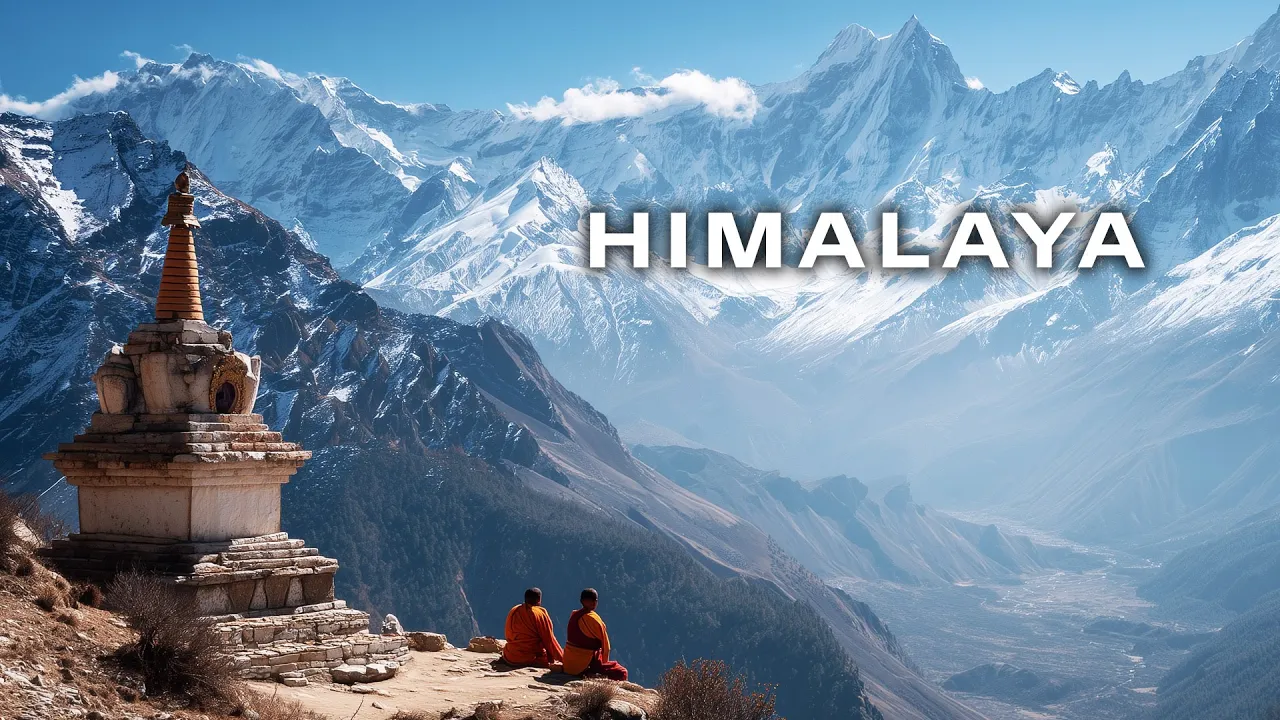
this is not a remnant of a melted glacier it's an artificial water reservoir the shape of which is reminiscent of a Buddhist sanctuary a stupa made of ice the idea was conceived by Sonam Wangchuck an engineer from Ladakh in northwestern India shapes which have minimal surface area for the volume so the Sun cannot melt it as quickly as it does horizontal flat ice and therefore it melts slowly as the summer approaches and as it melts it gives its water to the farmers Ladakh is famous for the world's highest altitude cold desert in a region which gets only between 50 to 100 millimetres of rainfall annually the glaciers have been a life source for ages they provide water for the cities and for the farmers as well but due to climate change almost 20% of the glaciers in the area have been lost in the last 50 years although the glaciers melt during summer time there is still water scarcity during certain months what many people don't understand for farmers the challenge of water is only in springtime April May which is when they need water and which is when the glaciers are still not warm enough up there that means they don't melt a wooden scaffold serves as a skeleton for the ice stupa in winter scarce meltwater from the mountains is transported in underground pipes to lower regions due to the difference in pressure it shoots up all by itself and the minus 20 air will extract the heat in the water and then it falls down and freezes in the shape of a cone and the beauty is that you don't need machines or pumps or electricity or fuels or pollution none of that it's all gravity simple pipes it's summer now this stupa is five months old built by the inhabitants of a nearby village originally it held over 15 million liters of water about 50,000 litres melt daily with the water flowing from the eye stupa the village in the valley has enough water available for the timely irrigation of the fields sanam wangchuk is co-founder of the students educational and cultural movement sec mall because the young people will one day have a say in the fate of the region they need to know how the stupas help the farmers however in the long run artificial glaciers are only a makeshift solution not just a method of making water but it is also a message from the mountain people to the people in big cities of the world it is equally important that you in the big cities do everything to mitigate climate change and change your lifestyle so my message is that please live simply in the big cities of the world so that we in the mountains can simply live there are now about 25 I stupas in the region to create them it needed just a leap of the imagination what's needed now is change on a global scale
Up Next

9:33
The Historical Roots of Our Ecological Crisis | Environmental Ethics Explained
@thomasschultesphilosophyle5893
825 views•2024-06-17

15:54
Life in Biosphere 2: Sustainable Ecosystems & Human Survival
@TED
334.9K views•2009-06-16
14:30
Microplastics Everywhere: How Plastic Impacts Our Lives
@TEDx
100.9K views•2018-05-08
10:28
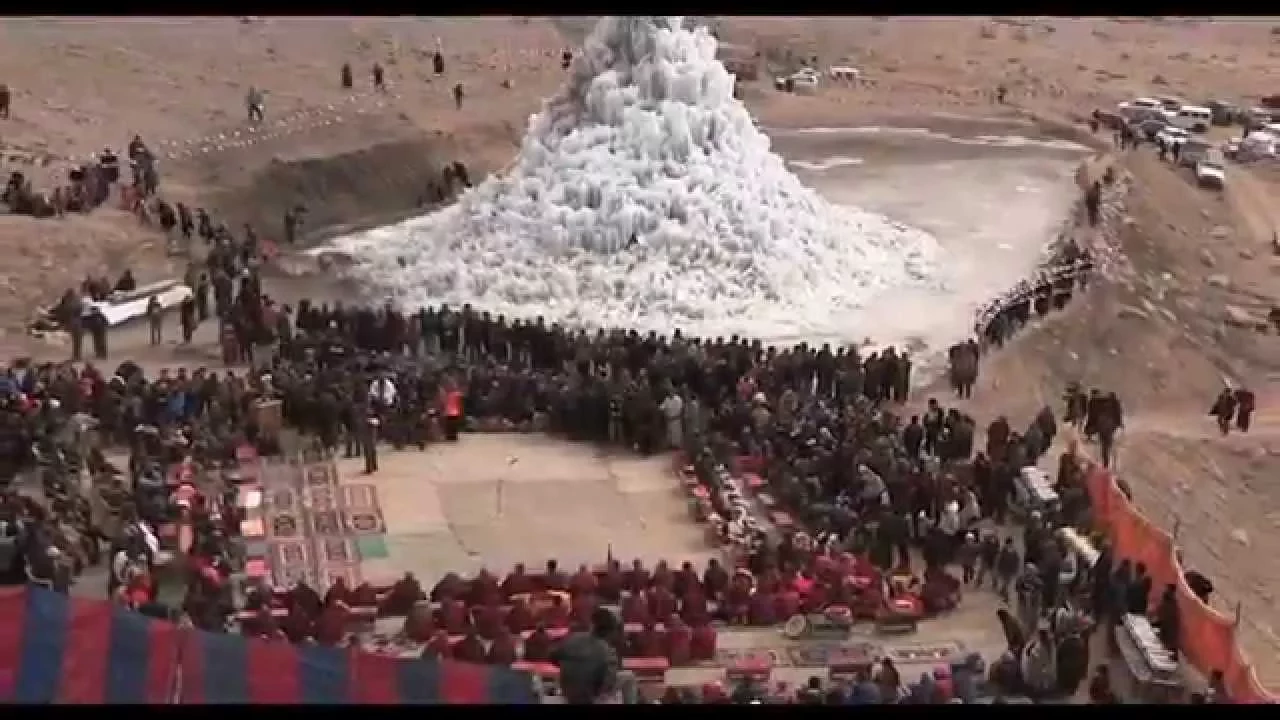
Ice Stupa Artificial Glaciers: Solving Ladakh's Water Crisis
@SonamWangchuk66
3.2M views•2015-05-03
Related Study Plans & Knowledge Roadmaps
Structured learning paths in Environmental Science
environmental-science
Ocean Noise: Cetacean Impacts & Mitigation
01Fundamentals of Underwater Acoustics
02Marine Mammal Bioacoustics
03Anthropogenic Noise: Shipping & Seismic Surveying
+ 2 more learning modules
16h5 modules
Explore Roadmap
environmental-science
Road Ecology: Corridors, Overpasses & Fencing
01Foundations of Habitat Fragmentation and Carnivore Ecology
02The Road Barrier: Ecological Impacts of Transport Infrastructure
03Principles of Ecological Corridors and Connectivity Mapping
+ 3 more learning modules
14h6 modules
Explore Roadmap
environmental-science
Ocean Acidification: Kelp Buffering & Shellfish
01Fundamentals of Ocean Chemistry & pH
02Chemical Pathways of Coastal Acidification
03Bivalve Physiology & Calcification Under Stress
+ 2 more learning modules
18h5 modules
Explore Roadmap
environmental-science
Ice Stupas: Glacial Retreat & Water Security
01Foundations of Glaciology & Mountain Hydrology
02Climate Change and Glacial Retreat Dynamics
03The Science of Ice Stupas & Artificial Glaciers
+ 2 more learning modules
14h5 modules
Explore Roadmap