









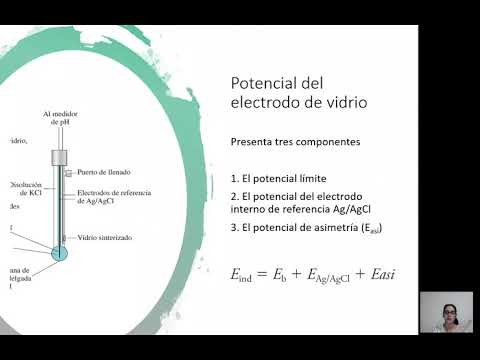




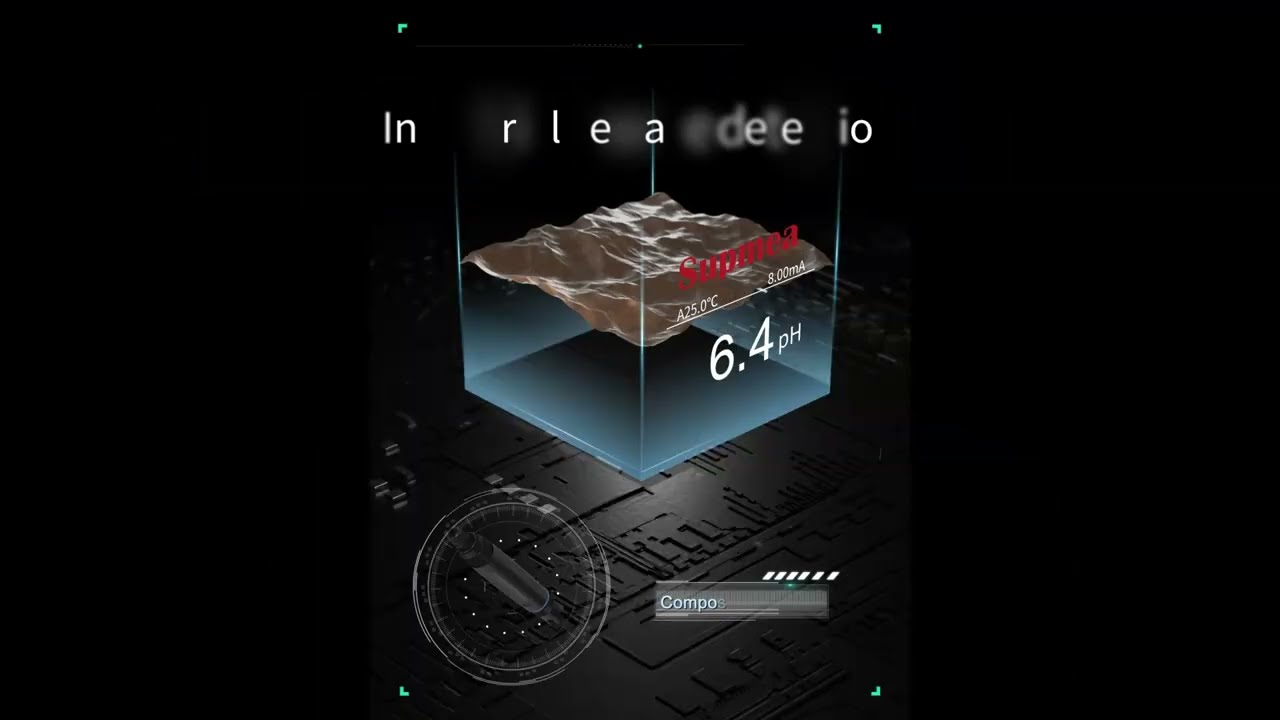
A pH probe operates as an electrochemical cell containing two electrodes: a reference electrode with constant potential (silver/silver chloride wire in saturated KCl solution) and a glass electrode with a special membrane that allows hydrogen ions to diffuse into its outer layers, creating an electric potential difference proportional to the pH of the external solution; this potential difference is measured electronically and converted to a pH reading after calibration against known standards.
How a pH Probe Works: Glass Electrode Explained
Added:The fundamental definition of pH and hydrogen ion activity in aqueous solutions.
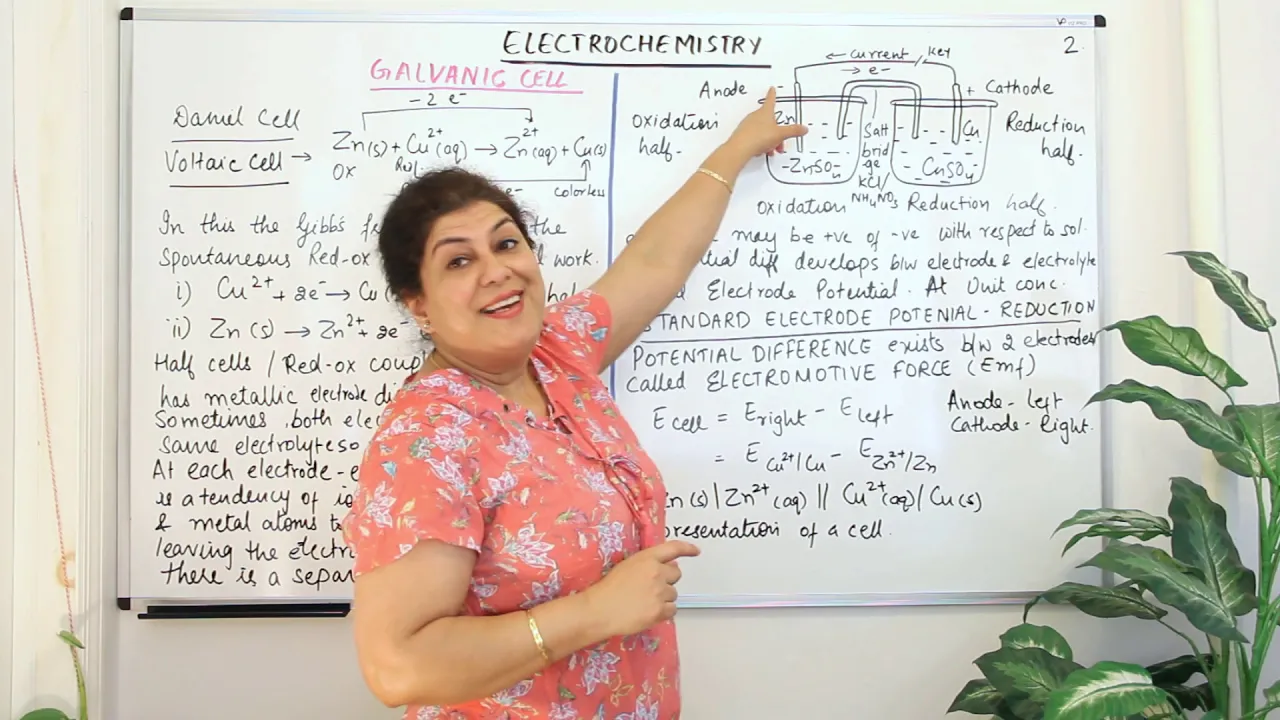
Basic principles of electrochemistry, including galvanic cells, half-reactions, and electrical potential.
The properties and preparation of buffer solutions used in chemical calibration.
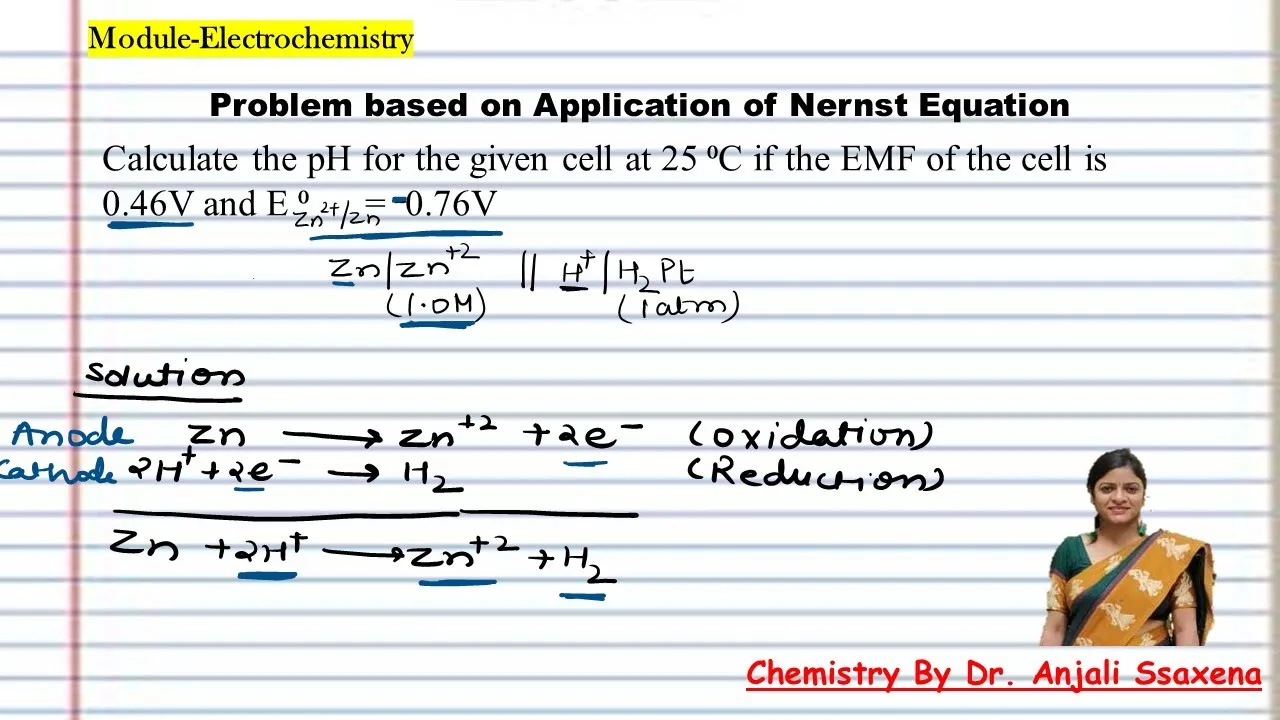
Applying the Nernst Equation to mathematically relate electrode potential (voltage) to pH.
Understanding errors and limitations in glass electrodes, such as alkaline (sodium) error, acid error, and temperature effects.
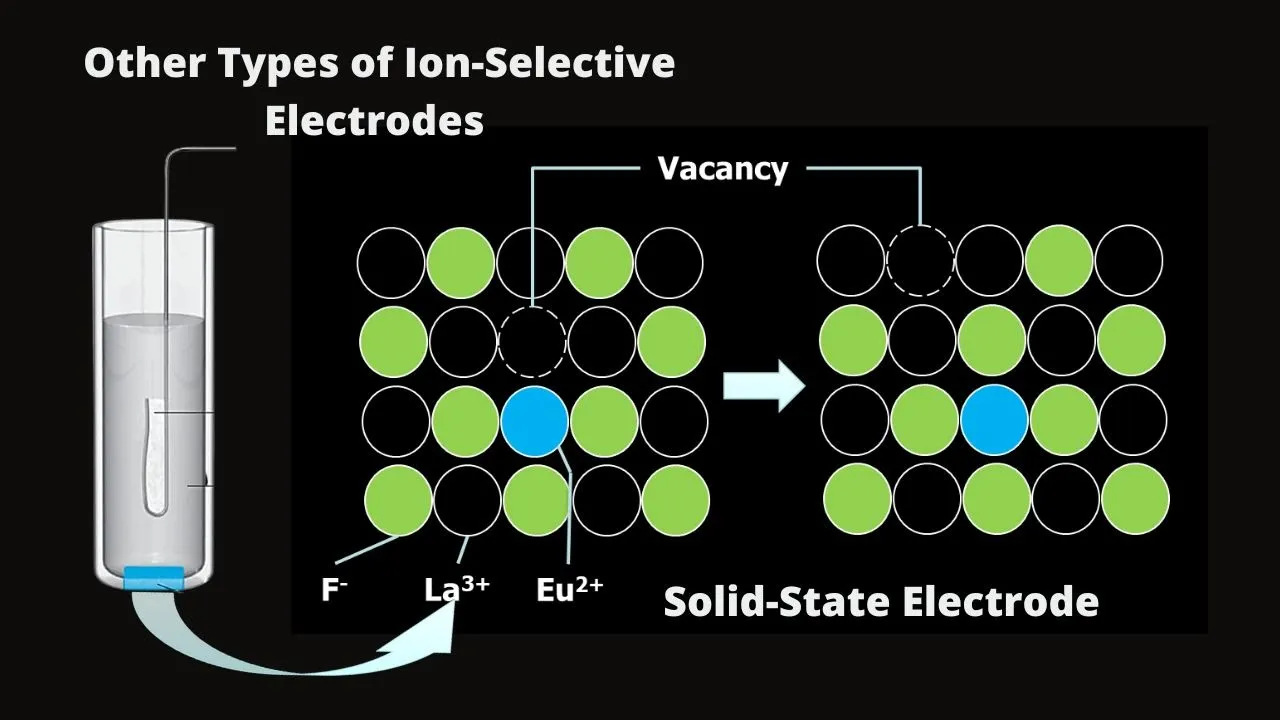
Exploring other Ion-Selective Electrodes (ISEs) and their applications in analytical chemistry.
Industrial and biological applications of automated pH feedback loops in process control.
159.8K views612likes2:30Original Release: 2013-03-08
figure 11.7 shows a pH probe which is the business end of a pH meter I'll go through figure 11.7 and explain the various parts the pH probe is basically an electrochemical cell and like most electrochemical cells it has two electrodes one is a reference electrode which is at a constant electric potential and the other is called a glass electrode and its potential varies according to the pH of the solution it's immersed in first the reference electrode which is in this outer plastic tube it contains a silver wire coated with silver chloride and that's immersed in a saturated solution of potassium chloride this gives a reference electrode with a fixed potential that's all in the outer tube and the glass electrode is in the inner tube it also has a silver wire coated in silver chloride but the really important part is this special glass membrane at the tip it's special kind of glass which allows hydrogen ions to diffuse into its outermost layers and this sets up an electric potential between the solution inside which is a buffer solution of ph7 and the solution outside the glass membrane the size of this potential difference depends on the difference in the concentration of aquous hydrogen ions inside and outside the glass membrane since the pH inside is fixed the potential difference depends on the pH of the solution outside the pH probe is connected to some electronics and a meter which gives a direct RAR to the pH of the solution outside before you start taking measurements you need to calibrate the probe against solution of known pH the glass electrode in the pH meter is an example of an ion selective electrode which responds selectively to a particular type of iron in a solution in this case hydrogen ions there are many other electrodes which are selective to different ions such as fluoride and calcium electrodes as in figure 11.8 on page 521
Up Next
13:14
ESP32 pH Meter with DFRobot SEN0161-V2 Module Guide
@greenponik
67K views•2019-05-29

12:54
Triumph of Orthodoxy Icon: Byzantine Art & History Explained
@BenCallan
2.1K views•2024-08-06

1:58
The Invention That Made Skyscrapers Possible | History of Building Design
@OUPAcademic
32.8K views•2015-08-28

1:42
Game of Thrones Opening Credits: A Cinematic Analysis
@gameofthrones
46.3M views•2011-04-18
Related Study Plans & Knowledge Roadmaps
Structured learning paths in General & Interdisciplinary Studies
general-studies
Elevator Engineering: History, Physics & Cities
01From Hoists to Safety Brakes: The Dawn of Vertical Lift
02Hydraulic vs. Traction: The Engineering Physics of Elevators
03Modern Speed, Safety, and Algorithms
+ 2 more learning modules
12h5 modules
Explore Roadmap
general-studies
Rubber: Material Science, History & Geopolitics
01Origins of Natural Rubber & Mesoamerican History
02The Chemistry of Natural Rubber & Vulcanization
03The Geopolitics of the Rubber Boom & Colonization
+ 2 more learning modules
12h5 modules
Explore Roadmap
general-studies
Containerization: Evolution, Logistics & Trade
01Ancient Trade & Bulk Cargo: Amphorae to Barrels
02The Industrial Revolution & Cardboard Packaging
03The Containerization Revolution: Malcom McLean
+ 2 more learning modules
12h5 modules
Explore Roadmap
general-studies
Textile Tech: Evolution, Labor & Global Impact
01Pre-Industrial Textiles: Handloom & Cottage Industry
02Mechanization: The Spinning Jenny to the Power Loom
03The Factory System & Global Labor Transformation
+ 2 more learning modules
10h5 modules
Explore Roadmap