









![Koncepcje harmoniczne według Barry'ego Harrisa. CZ.1 [SUB] | Jazz Harmony According to Barry Harris](https://i.ytimg.com/vi/RpGfdeLyTkg/maxresdefault.jpg)


![Master Class with Jacob Collier [FULL VIDEO] at Berklee College of Music Learning Center](https://i.ytimg.com/vi_webp/RSPXgdeKLTs/maxresdefault.webp)
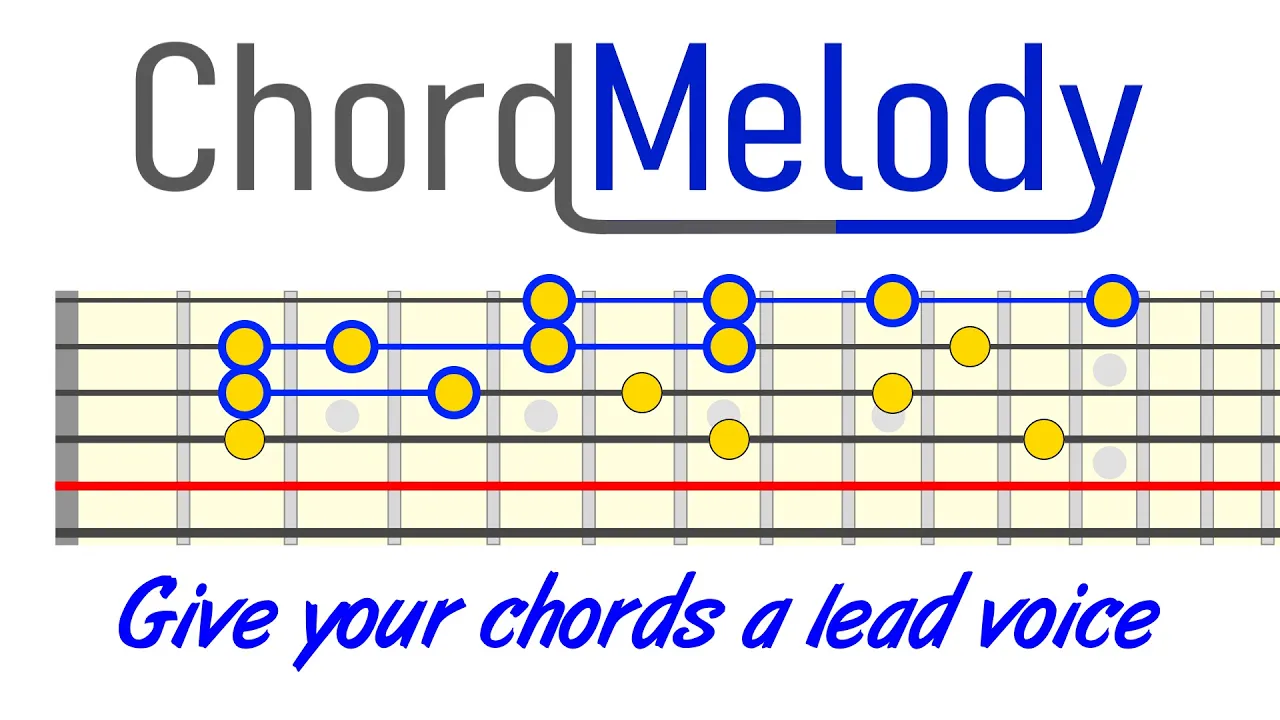


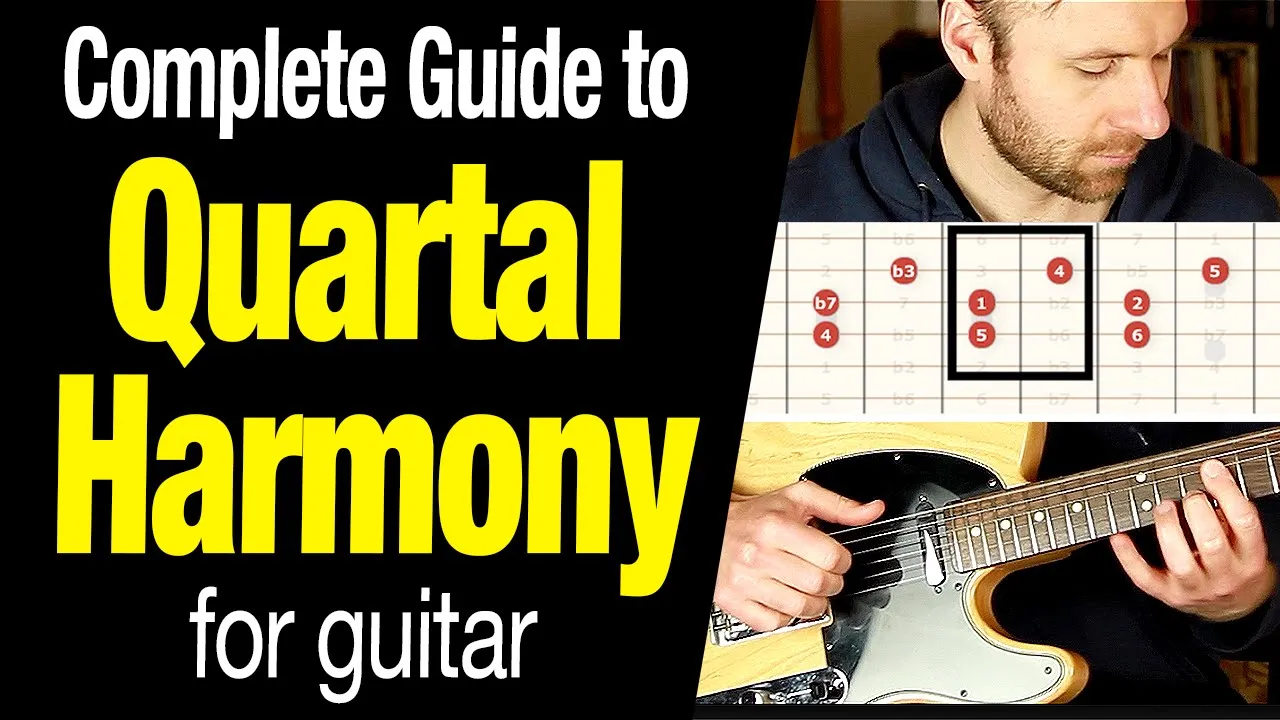



Chromatic voice-leading in jazz involves using chromatic passing chords and moving individual voices (such as the seventh down to the sixth, or the root up to the ninth) to add color, movement, and tension to chord progressions, with the key principle being that context and musical taste determine the best voicings rather than rigid rules.
Jazz Guitar Chromatic Voice-Leading | Passing Chords Explained
Added:Familiarity with basic jazz chord voicings, specifically Drop 2 and Drop 3 seventh chords (maj7, min7, dom7, m7b5).
Understanding of diatonic harmony and the standard ii-V-I chord progression in major and minor keys.
Basic knowledge of guide tones (the 3rd and 7th of a chord) and how they resolve in traditional voice-leading.
Comfortable fretboard navigation, including the ability to quickly locate chord tones and scale degrees across different strings.
Applying the Barry Harris 'Sixth Diminished' scale concept for structured chromatic passing chord movement.
Integrating tritone substitutions and altered dominant chords to expand on chromatic passing options.
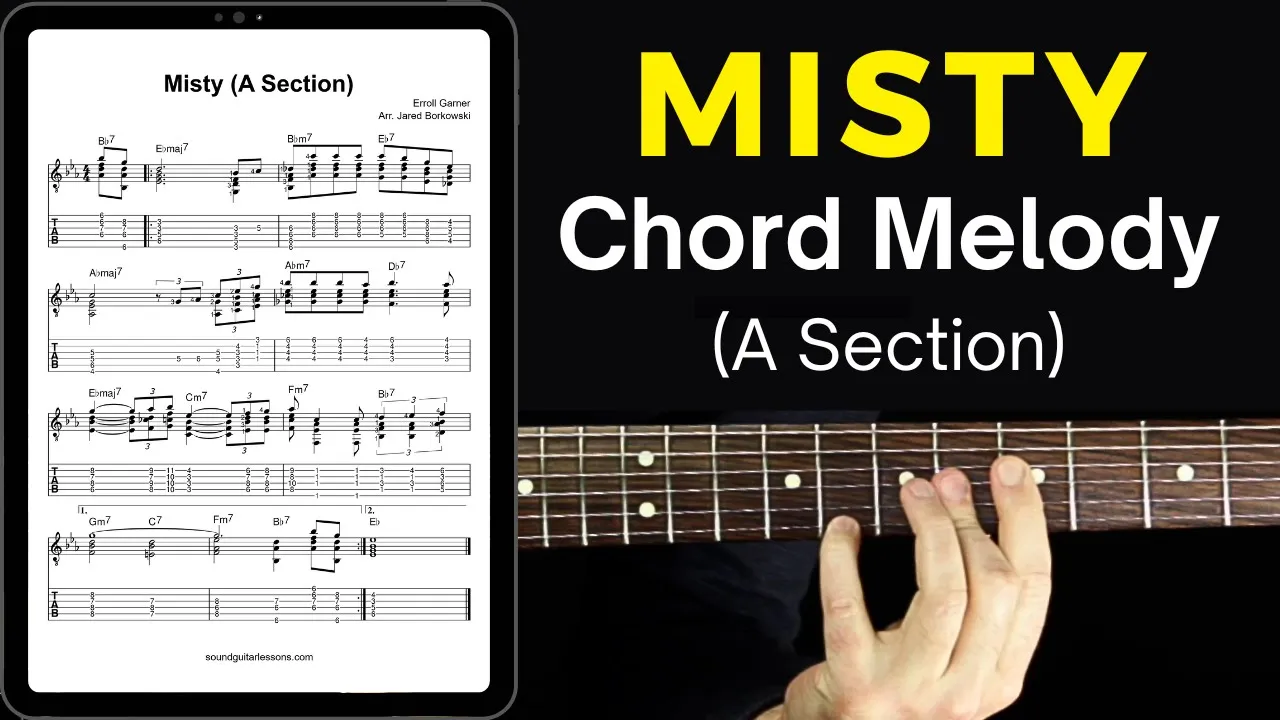
Developing chord melody arrangements by using chromatic voice-leading to harmonize melodic lines on top.
Exploring quartal harmony (chords stacked in fourths) and modern modal comping strategies on guitar.
18.4K views807likes10:03Original Release: 2020-07-06
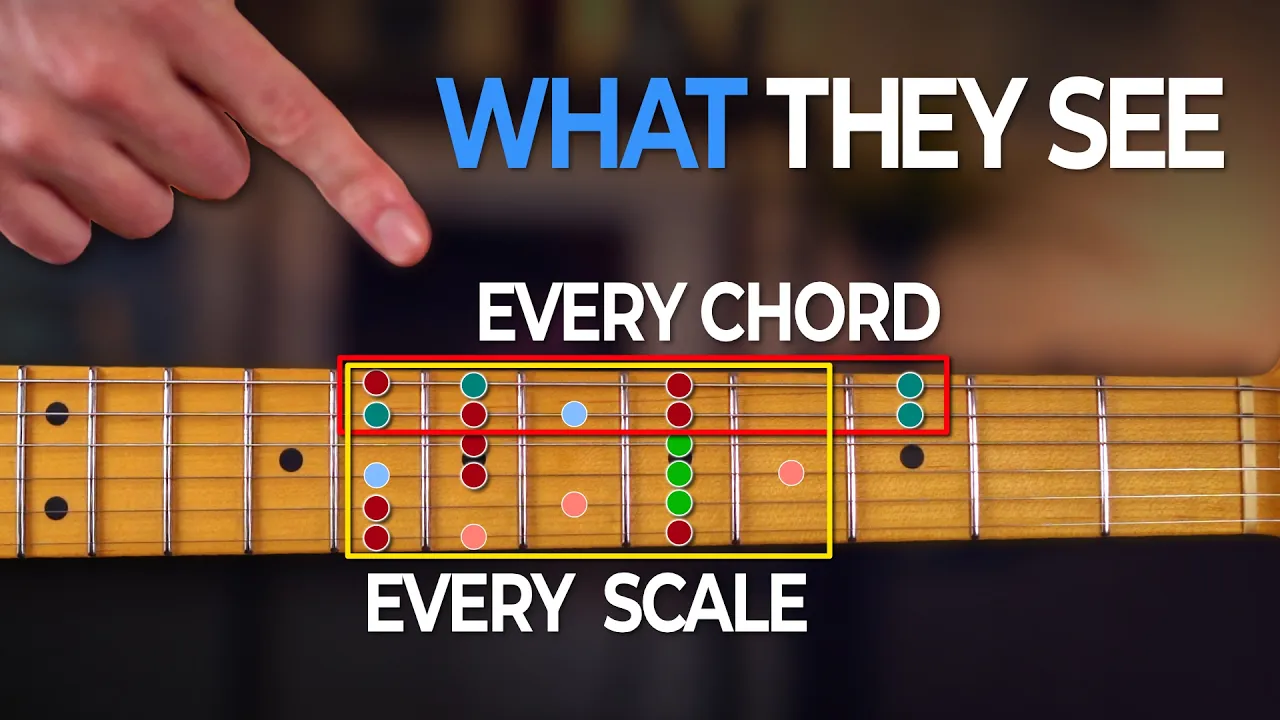
[Music] when you solo you use chromatic passing costs and enclosures all the time it's a part of the jazz sound and actually the same goes for when you're playing jazz chords it's a great way to add some color and movement to your comping in this video I'm going to show you first how you can easily in a very visual way start working with some chromatic passing chords and then later in the video I'm going to take a look at how you can look at the individual voices and that's going to teach you how you can really get to know the chords a lot better but also really open up for a lot of interesting things in terms of moving around and creating variations on the course that you're playing I'm going to do this on a single major seven chord but also put it in context with some two five once once in a while my name is Jen's lesson learned yes make music the easiest way to add chromatic costs is really just to think about the pod version you want to play and then you can add a passing chord to lead into that one by just moving up or down a half step or one fret and in this case if I want to use this C major seven voicing then I can use the B major 7 voicing that's just a half-step below it like this and then resolve that back up and then I can make an example like this but of course when you're comping you want to think more in terms of melody because you're playing music you know thinking about chord shapes and stuff like that so you can also make this a part of a melody for instance like this so here I'm using the leading cord to move from the c6 that I'm playing here and then through the B major 7 up to C major 7 and of course this works if you move the other way as well and you want to move up a half-step if I want to move from the C major 7 down to the c6 then I can make a phrase like this why do you write g7 when there is a 13 in there so very often I'll write g7 and then this voicing and that's weird because when you play chords in jest then you are free to interpret what you want to play you're going to be playing different things different extensions because you can improvise with the cause and of course it has to fit with the music and the context but there is really a lot of room to improvise and I don't want to write a really specific voicing if the next chorus I'm going to be playing something completely different that's why I write mostly just sort of basic voicings and you can see it in these examples as well aware I'm really just mixing up the C major 7 and the C 6 course for tonic voicings in C major it doesn't really matter which one you use the only thing that can sort of be a problem is if you have a high root in the melody like this and then you want to have a 7th under that but you can get that to work as well it's really just about what you think works and what the context is and I think with this there are rules and guidelines but it's really sort of a personal choice and it's a lot about taste so whatever you come across listen to it and see if you like it and then go by that I think that's a much better way to approach this and it's really about understanding the court in the song that you're playing it so as I always say in music context is everything just so you can hear how this works in context and how it might sound if you use it in a song here's a 2 5 1 where I'm using the possible as you may notice in this example then I'm actually using a different kind of resolution when I'm using the pathankot because I'm moving from this one and then down to this one before moving to the c6 oh really what happens here is then that the melody is moving down so [Music] but the court is moving up so in that way I'm sort of making it into two layers and that's really tied into the next thing that we want to work with with these chord voicings as you can tell from the previous example once you start opening up for how you let the voices resolve and move then you get a lot more options and in fact you can start playing examples like this so in the middle here we have a code that looks like this so that could be like an e6 or a c-sharp minor seven but it doesn't really make a lot of sense to think of it like that it's not like we have a progression that goes C major seven three six to C major again so really what's happening here is about the voice is moving and we're really thinking about how this is happening and that's a much better way of understanding it instead of just thinking of these vertical calls and example that you probably already know will be the stairway to heaven or my funny Valentine cliche like [Music] here we also have two voices that stay the same and then one that's moving for the major 7 Barre things we have three places where we can easily add some chromatic movement we have the seven moving down to the six so of course when you can move down you can also move back up so of course when you have you can also do another one you have is the route moving up to the ninth and you can also move from the fifth up to the 6 of 13 if we now try to understand the example then what's happening is that I'm starting with this voicing and then the root is moving up to the ninth and the thirteen or six is moving down to the fifth and then that's happening at the same time so you get and we're moving from this C major seven with a thirteen to C major seven with a nine and this is something that you come across and yes quite often especially there is one version of this that's really common with people and even in some bebop themes one way of using chromatic voice leading that works in a lot of different places and therefore is quite practical is to move the seventh down to the six and in parallel also the ninth down to the root and this is something that I learned from a very Harris piano workshop but it's also really common in harmonization of songs like Lady Bird where that's in the melody if I use this on a two five one with some talk to voicings than it sounds like this [Music] yeah I'm moving first the outer viruses on the major seven so we have this moving down while this middle part just tastes the same then c69 moving down to this C major seven when I'm and here it's this six interval that's just moving down a half step so and of course we have a team called in-between each time but it doesn't really make a lot of sense to think about this as a diminished called and try to add some sort of function to it because the only thing that's happening is just that we are moving voices down now that you've heard the bebop version of this then we can start looking at some other variations where we start working with voices that are moving against each other one example could sound like this [Music] so here first just D minor to G seven altered then I'm resolving to a c6 9 and what is happening here is that the top bar is the ninth is moving down and the six is moving up so we have first this and then I'm ending on this a major 7 and in a way this is the reverse version of that just with drop two voices [Music] so first just D minor g7 flatline then I'm coming out in the C major 7 you can get this voicing because we have the the be under the sea it's a little bit unstable you can't use it but it's a little bit hard to really keep it as a sustained chord but then what happens is that it starts moving so we have the be going down to the B flat and the C up to the C sharp so and then ending on this C 6 [Music] in this example I'm doing something a little bit different and you can go so here that in the two five one because when I'm resolving then the code that I actually start with is really not resolving at all so what I'm doing is that I'm just taking some voices within the court and instead of thinking about moving from one note that works like an extension down to a court own like I've done previously then I'm just changing one note - a chromatic note and that's really what's happening here so I want to resolve to this C major seven with a nine but first I suspend the G and E with an F sharp and D sharp and then I have instead of this C major seven that we expect we get this sound which of course is completely different and also really adding a lot of tension and then it resolves and I'm really just repeating that recipe but then I live it faster I live it smoother later by going which is really just the same suspension so of course you can do something with it that's a little bit less less demanding for the year or maybe for the soloist this is the kind of thing that will get you fired for sure as you can see in this video then there are a lot of things you can do with chromatic passing courts and chromatic voice leading but actually there are a lot of other types of passing costs that are also well worth checking out where you can really add a lot of different colors and a low suspensions into your playing and one video that's discussing three types of passing costs is this one where I'm covering some different types of diminished and secondary dominant and tritone substitutions
Up Next
20:07
Modes of the Melodic Minor Scale Explained
@DavidBennettPiano
119.1K views•2025-03-07

10:20
Mozart's Musical Dice Game Explained: History, Rules, & Fun
@webpianoacademy
5K views•2023-03-13

47:36
Understanding Diatonic 7th Chords in Major Keys | Music Theory Tutorial
@GracieTerzian
54.7K views•2022-03-02
10:49
Understanding John Coltrane's Giant Steps: A Music Theory Analysis
@Vox
10.4M views•2018-11-12
Related Study Plans & Knowledge Roadmaps
Structured learning paths in Music Theory
music-theory
Composing Galant Music: Partimento & Schemata
01Foundations of Figured Bass and Keyboard Harmony
02The Rule of the Octave (Regola dell'Ottava)
03Galant Schemata: The Building Blocks of Form
+ 2 more learning modules
30h5 modules
Explore Roadmap
music-theory
Decoding Overtone Series: Tuning & Drone Music
01Acoustic Foundations: The Physics of the Overtone Series
02Tuning Systems: Equal Temperament vs. Just Intonation
03Microtonality and Spectralism: Beyond Standard Pitches
+ 2 more learning modules
24h5 modules
Explore Roadmap
music-theory
Impressionist Harmony: Scales, Planing & RPGs
01Foundational Music Theory: Keys, Intervals, and Seventh Chords
02Impressionist Color: Chord Planing and Parallel Harmony
03Whimsical Textures: Pentatonic Cascades and Whole-Tone Scales
+ 1 more learning modules
14h4 modules
Explore Roadmap
music-theory
Negative Harmony: Axis Reflection in Indie Pop
01Music Theory Foundations: Scales, Intervals, and Triads
02Functional Harmony and the Circle of Fifths
03Demystifying the Negative Harmony Axis Reflection
+ 2 more learning modules
16h5 modules
Explore Roadmap