











![Psicólogo: Aprenda a Manejar o Estresse - Dr. Ramiro Coni [Ep. 129]](https://i.ytimg.com/vi/etPtb-nua8Y/maxresdefault.jpg)











A growth mindset—the belief that abilities can be developed through dedication and hard work—enhances performance by encouraging people to embrace challenges, persist through setbacks, and see effort as a path to mastery, while a stress-is-enhancing mindset reframes the body's stress response as beneficial rather than debilitating; together, these complementary mindsets create synergistic effects that dramatically improve performance across various domains by shifting attention from emotional reactions to analytical problem-solving and resource mobilization.
Growth Mindset for Learning and Performance Optimization
Added:Carol Dweck's foundational concept of Fixed vs. Growth Mindsets.
The concept of neuroplasticity and how the brain structurally and functionally adapts to effort and learning.
The physiological basics of the human stress response, including the roles of cortisol, adrenaline, and the autonomic nervous system.
Cognitive Appraisal Theory, specifically how the subjective interpretation of a stimulus or stressor alters emotional and physiological outcomes.
Advanced arousal reappraisal techniques for high-stakes performance scenarios, such as athletic competition or public speaking.
The neuroscience of deep focus, memory consolidation, and the role of sleep and NSDR (Non-Sleep Deep Rest) in facilitating learning.
Designing organizational systems and team cultures that foster collective growth mindsets and stress-resilient environments.
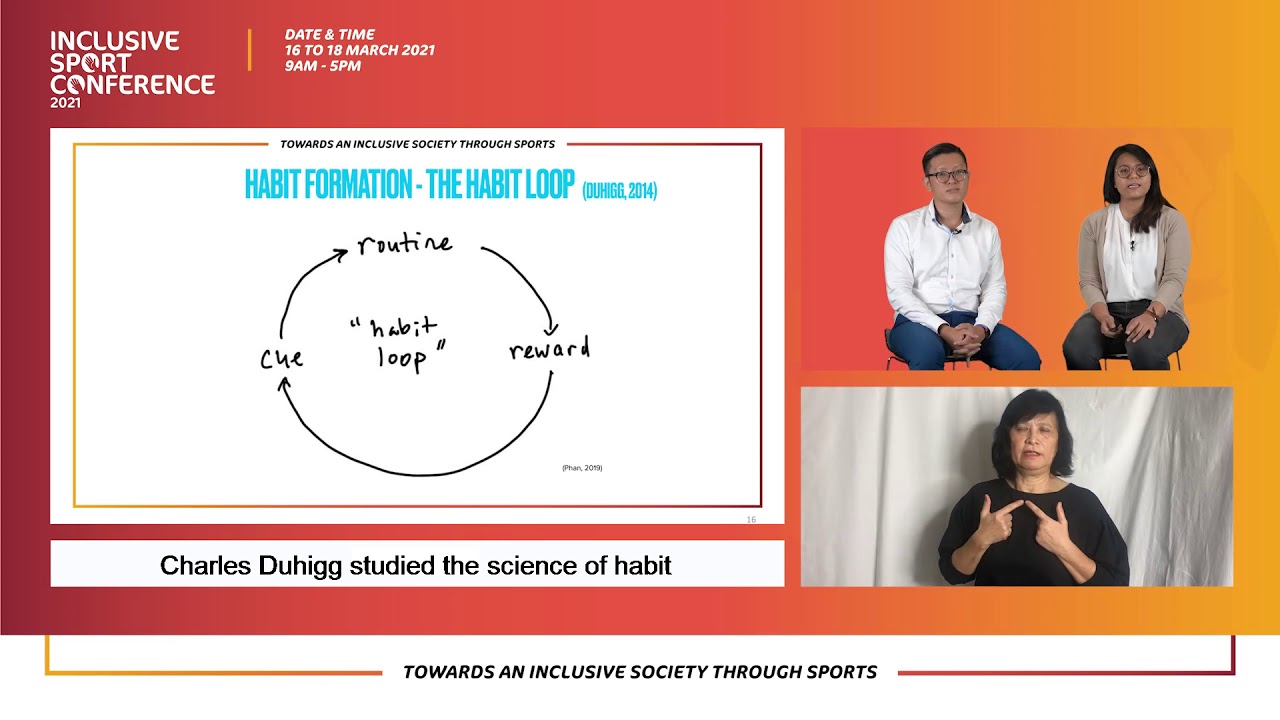
Behavioral change frameworks, such as implementation intentions and habit-loop mechanics, to automate optimized performance strategies.
2M views40.1Klikes1:41:24Original Release: 2023-07-17
welcome to the huberman Lab podcast where we discuss science and science-based tools for everyday life I'm Andrew huberman and I'm a professor of neurobiology and Ophthalmology at Stanford school of medicine today we're discussing growth mindset growth mindset is one of the most interesting and Powerful Concepts in all of psychology growth mindset is essentially a way of embracing Challenge and thinking about your bodily and brain's response to challenge in a way that allows you to optimize your performance growth mindset consists of many things which we will discuss today and of course we will discuss how to implement growth mindset but some of the key features of growth mindset are developing an ability to distance your identity from The Challenge you happen to be embracing now that might come as a bit of a surprise to many of you for instance we grow up hearing we hope from time to time that we are smart that we are talented that we are a good athlete that we are a good artist you know we like to think that we are good at something or perhaps many things but it turns out that the kind of Praise or feedback that we receive that attaches our identity to Performance can actually undermine our performance and believe it or not this is especially problematic for people that perform well in their Endeavors that's right if you are somebody who performs well in school or Athletics or music and you are told that you are very smart that you're an excellent student that you're an excellent athlete or that you're an excellent musician you have much to lose if you at any moment do not perform well and that's because your identity has been integrated with your performance somewhat counter-intuitively growth mindset is the process of distancing your identity from performance and rather attaching your identity and your efforts and your sense of motivation to effort itself and to the process of enjoying learning and getting better at learning anything so today we are going to discuss what growth mindset is and what it isn't because it's often discussed in terms that frankly are not accurate to the science we will also talk about another mindset which is the stress is enhancing mindset that it turns out can act synergistically with growth mindset such that when you combine growth mindset with the stresses enhancing mindset you and anyone it's been shown can vastly improve your performance in essentially anything so today's discussion will of course explore the classic work of Carol dweck who was really the founder of the growth mindset field as well as some of the newer research from people like David Yeager Ali Crum and others who have explored how growth mindset and stress as enhancing mindsets can be applied both in and out of the classroom in children and adults and really in people of all backgrounds by the end of today's episode you will have a rich understanding of the science as well as many tools that you can apply in everyday life in essentially any Endeavor before we begin I'd like to emphasize that this podcast is separate from my teaching and research roles at Stanford it is however part of my desire and effort to bring zero cost to Consumer information about science and science related tools to the general public in keeping with that theme I'd like to thank the sponsors of today's podcast our first sponsor is eight sleep eight sleep makes Smart mattress covers with cooling Heating and sleep tracking capacity there's absolutely no question that sleep is the foundation of mental health physical health and performance when we're sleeping well and we're sleeping long enough everything in our daily life goes that much better now a key component to getting a great night's sleep is the temperature of your sleeping environment and that's because in order to fall and stay deeply asleep your core body temperature actually has to drop by about one to three degrees con conversely in order to wake up feeling refreshed your core body temperature has to increase by about one to three degrees with eight sleep mattress covers you can cool or heat your mattress at the beginning middle and end of your night in order to optimize your night's sleep I started sleeping on an eight-sleep mattress cover about two years ago and it has dramatically improved the sleep that I get each and every night if you'd like to try eight sleep you can go to eightsleep.com huberman and save up to 150 off their pod 3 cover eight sleep currently ships in the USA Canada UK select countries in the EU and Australia again that's eightsleep.com huberman today's episode is also brought To Us by Roca Rocco makes eyeglasses and sunglasses that are the absolute highest quality I've spent a lifetime working on the biology of the visual system and I can tell you that your visual system has to contend with an enormous number of different challenges in order for you to be able to see clearly Roca understands all of those challenges at the level of the eye and the visual system within the brain and they've designed their eyeglasses and sunglasses so that no matter what environment you're in you can always see with Crystal Clarity originally their glasses were designed for sports and as a consequence all of their glasses are extremely lightweight and as well they won't slip off your face even if you get sweaty however despite being designed initially for performance Roca eyeglasses and sunglasses include a lot of different styles that are designed for you to wear to work or out to dinner as well as the what I call the cyborg style they're designed for cycling Etc if you'd like to try Roca eyeglasses or sunglasses go to Roka that's roka.com and enter the code huberman to save 20 off your first order again that's Roca roka.com and enter the code huberman at checkout let's talk about growth mindset growth mindset as the name suggests is the idea that we can get better at things that is that our abilities are not fixed but rather that our abilities are malleable and at the core of growth mindset is the idea that our brains can change and indeed they can we refer to that ability as neuroplasticity or the the nervous system's ability to change in response to experience now I've done several episodes about neuroplasticity so that's a topic unto itself but suffice to say that neuroplasticity Brain Change can occur throughout the entire lifespan it is far more robust early in life from birth until about age 25 neuroplasticity is sort of the default process our brain is being shaped by our everyday experiences but certainly from age 25 and onward and certainly well into people's 90s even it's been shown the brain can change if we want it to it can change for the worse of course through injury or disease things of that sort but it also can change for the better through deliberate focused bouts of learning we can learn new languages we can learn art we can learn music we can get smarter we can get better at essentially anything if we devote our attentional resources to learning those things so really any discussion about growth mindset has as a subtext a discussion about neural elasticity although today we aren't going to focus so much on neuroplasticity meaning we aren't going to focus so much on the neural circuit and neurochemical changes that underlie neuroplasticity because I've covered those on previous episodes we'll talk about them a little bit today but we are mainly going to talk about the data the studies from the field of psychology applying growth mindset in and out of the classroom in children and adults and we are going to talk about tools everyday tools that you can use to enhance growth mindset for yourself and perhaps for those around you if you care to teach growth mindset which is you'll learn later turns out to be an excellent way to reinforce your own growth mindset and we're going to talk about how to apply those tools in a bunch of different domains musical athletic intellectual and on and on no discussion of growth mindset would be complete without mentioning that growth mindset is the brainchild of my colleague Carol dweck in the department of psychology at Stanford University today you'll learn how she discovered growth mindset and you will learn how others have taken that Discovery and expanded upon it and especially its application in and out of the classroom to start off our discussion about growth mindset however we need to Define what a mindset is I think most of us think we know what a mindset is we think oh it's kind of a a mental stance where you know we are positive or we are negative or we believe something or we don't believe something but a mindset actually has a very specific definition and here I'm referring to the definition provided by Dr Ali Crum Ali Crum is also a professor of psychology at Stanford she runs her own laboratory working on stress-related mindsets and other mindsets she's actually been a guest on this podcast previously highly recommend you listen to that episode if you haven't already Dr Crum defines a mindset as quote a mental frame or lens that selectively organizes and encodes information and I think the key thing to highlight there is organizes information because as you all well know we are constantly being bombarded with information from the outside world sensory information about what's going on with our visual system what we're hearing what we're seeing what we're feeling we are also bombarded with internal sensations of how full or empty our gut feels are we hungry are we tired are we anxious are we calm Etc so tons and tons of information funneling into our brain and mindsets really help us organize that information such that we pay attention to certain things and not others and we respond to certain things and not others okay so here I'm not trying to put additional language on something simple in order to make it complex I'm trying to put a little bit of language that is that a mindset does many things but it mainly organizes information I'll add to that for specific actions or inactions in a way that allows us to simplify our world in a way that allows us to make certain choices and do away with thinking about and acting on other types of information the other thing about mindsets is that they include entire narratives and most of the time we aren't even aware of how those narratives are operating meaning we don't walk around looking at opportunities in the world like the opportunity to get better at Fitness or a sport or music or arithmetic or languages or anything for that matter thinking okay what is my mental frame or lens that selectively organizes and encodes information we don't do that instead what we have are stories and those stories are usually attached to our sense of identity like I'll just use myself for instance I do not think of myself as a good musician in fact I can't read music I'm terrible at playing instruments I like listening to music but I consider myself a terrible musician right I've really assigned a value or I've assigned my value to music and my relationship to music right we tend to do that we can also do it in the opposite direction right I'm running a laboratory for a long time been in science for you know close to three decades so if you ask me you know do I feel proficient at science I'd say yeah I'm proficient at science I know how to do experiment setup experiments write research papers write grants Etc I'm pretty good at it right we tend to decide if we are good or bad at things and we tend to integrate those with our identity somewhat or a lot to depending on whether or not you know we're a professional or amateur how much we engage in an activity the point being that mindsets include all of these narratives and often those narratives are visible to us if we think about them but most of the time we are moving through the world meaning school work relationships and all our endeavors without a lot of careful thought about the narratives we carry and the beauty of growth mindset is that it forces us to step back and ask ourselves some simple questions these are questions that you could ask yourself right now and in fact I highly recommend you do you could ask yourself for instance what have I been told I'm really good at you should also ask yourself what have I been told I'm really poor at that I'm just not good at what have I told myself I'm really good at and what have I told myself I'm really bad at and then a second set of questions is what am I good at and why did it come naturally to me did I apply myself for many years meaning did I apply a lot of effort to learning that thing or perhaps both right and then it's also important to ask yourself why am I not good at other things is it simply because you've never applied yourself with those things or is it because you tried and had an early failure or perhaps you tried and tried and tried for many years and you continue to fail at that thing or you just didn't reach a level of proficiency that made you want to pursue it further in asking yourselves those questions you are asking yourself not just what you're good at and bad at and why you should also be thinking about where the messages of being good at something or being bad at something arrived from did they arrive from outside you meaning from your parents from your coaches from your teachers or was it the case that despite a lot of positive feedback you just sort of decided you weren't good at something or conversely was it the case that despite a lot of negative feedback that you would never be good at something or that you weren't good at something that you continue to persist because there are certainly people like that the more negative feedback they get the more they dig their heels in to prove themselves as capable of becoming good at something so I do recommend as we March forward in this conversation you think about those questions what am I good at what am I bad at why am I good at those things why am I bad at those things and ask yourself to what extent your labels that is your identity is attached to the things that you are good at or bad at and the reason I'd like you to ask yourself those questions is that next we're going to talk about some research from Dr Carol dweck's laboratory that was really the seed of the entire field of growth mindset it relates to a specific set of experiments that really show that the specific feedback we get meaning whether or not we get feedback that is attached to our identity like a label like smart or great athlete or talented sends us down a very different path of performance in the short and long run as compared to whether or not we receive feedback that's based on effort meaning you tried really hard or you really seem to apply yourself under conditions where you're getting the right answer over time because you simply refuse to quit those are two very Divergent sets of feedback and as you'll learn in a moment the sorts of feedback that we get especially early in life or early in an Endeavor so this doesn't just apply to young kids this applies to adults too who are taking on a new skill or trying to expand on an existing skill those two Divergent forms of feedback get integrated into our core beliefs about what we think is possible for us in a given Endeavor and the great news is we can also modify those core beliefs simply by changing the feedback that we give ourselves the research paper I'd like to discuss briefly that beautifully embodies the runway that led to the discovery of growth mindset is paper from Dr Carol dweck as well as her colleague Claudia Mueller and the title of the paper essentially says it all the title is praise for intelligence can undermine children's motivation and performance right that should be surprising that praise for intelligence can undermine motivation and performance I would have thought and I think many people probably believe that if you tell a child or an adult that they're really good at something and you're genuine about that feedback meaning they're performing well and you say great you're doing really well you're so smart you're so talented that their performance would continue to improve that it would bolster their motivation to engage in that activity which hopefully they enjoy but regardless provided that it's a safe activity it's educational or what have you that it would serve to encourage them right the kid thinks not only am I engaging in this activity but I'm getting positive feedback presumably from people that I care about or whose opinion I care about wouldn't that serve to elevate performance it does not in fact the exact opposite happens so I'll just give you a few of the key takeaways from this study the way it was done is very interesting they essentially gave feedback about performance that was linked up with a child's intelligence telling kid they're smart they're talented that they can learn things really easily or that they're very good at learning this sort of thing and they call that intelligence feedback or they gave them what was called effort feedback the simple way to think about effort feedback is that it's more attached to verbs as opposed to labels so effort feedback consists of things like you tried really hard on that problem it was great the way that you applied effort it was great the way that you persisted it was great the way that even when you got the wrong answer you spent 10 minutes thinking about it and then you tried again and again or in some cases even if they didn't get the right answer telling them well even though you didn't get the right answer it's really terrific that you continue to try Okay so intelligence feedback was the sort of feedback that was tied to labels of identity things like smart talented Etc whereas effort feedback was tied to verbs choices behavioral and cognitive choices that children made in an effort to learn or get better at something so in this study which included over 100 children they either got the intelligence type feedback or the effort type feedback or there was a control group that didn't get either the intelligence or the effort type feedback and then they looked at a number of different outcomes so I'll just highlight a few examples of what they found first of all the kids that got the intelligence-based feedback when they were then later offered problem sets that were either challenging or were of the sort that they knew they could perform well on they tended to select problems that they knew they could perform well on these are what were referred to as performance goals in other words they picked problems that allowed them to continue to get the praise that they had received previously about being smart or talented whereas the kids that got feedback about their strong effort when later presented with problems that were either easy or hard more often than not they picked the harder problems that stood to teach them more so that's striking it says that if you tell a kid that they're smart or talented and that's the reason why they perform well when they encounter challenges they are likely to go with the least amount of challenge so that they can continue to receive that praise or feedback whereas if you receive praise and feedback for your strong effort then later you tend to pick environments problem sets Etc that allow you to exert the very effort that got you the praise in the first place so in both cases these children are essentially attached to the praise right in some sense I mean we like to think that they enjoy these activities and they're benefiting from them as well but in both cases the praise really serves to reinforce a certain pattern of behavior but in the case of giving intelligence feedback the kids are really just trying to reinforce being told that they're smarter talented as opposed to reinforcing the engagement in the activity that got them the praise in the first place and the converse is also true when kids are told hey you really tried hard and that's great or I like how you persisted or you're so persistent I can really see how persistent you are in trying to get the right answer even if you don't get the right answer well then when you present those kids with additional challenges they work very hard to stay in Challenge and guess what no surprise the kids that are rewarded for effort and that continue to pick harder problems outperform the kids that are given the intelligence praise and feedback by a large margin so what does this tell us this tells us that the narratives that we hear from others of course reinforce certain patterns of behavior what else does this tell us this tells us that if you're a parent or teacher you have to be very careful about giving feedback to a child that is attached to their identity around an endeavor especially if they're performing well at that endeavor right now of course if a child is not performing well at something you also don't want to tell them that they're stupid right you don't want to tell them that they're deficient right but that's a rare occurrence in the classroom one would hope that's a rare occurrence on the field one would hope but what's very common very very common is that when we see children or adults performing well we tend to give them identity labels as a way to try and reinforce whatever Behavior we observe and we like now the other thing they looked at in the study besides whether or not these kids would pick hard or easier challenges down the line where the actual raw performance on cognitive problems and these data I must say are just so interesting they took the kids and they gave them all the same problem sets and all the kids across the board whether or not they were getting intelligence praise or effort praise or they were in the control group we're performing more or less the same way they were getting some of these questions right some of these questions wrong then they gave them praise after they completed those problems they either got intelligence praise you're so smart you're so talented or they got effort praise you tried so hard you really persisted that's fantastic then later they gave them another set of problems and they looked at performance now remember the first time around all the kids got some of the questions right and some of the questions wrong so there's room for improvement for everybody what they found was absolutely striking the kids that were in the control group so they didn't get any specific form of Praise they perform more or less the same way as they did before so if they were getting 75 percent of the answers right the first time they got 75 percent of the answers right the second time 25 wrong in both cases the kids that were in the intelligence praise group that you're so smart you're so talented praise group their performance went down significantly whereas the kids that were in the effort praise group their performance increased significantly okay so this is a bi-directional effect where giving intelligence praise reduces performance and giving effort praise improves performance which is absolutely striking and tells you everything you need to know which is if you're a parent you're a teacher and of course as we all give ourselves feedback rewarding yourself for effort is the best way to improve performance rewarding yourself based on identity labels so smart so talented you're a great athlete Etc all that stare in the mirror and do self-affirmation stuff can actually undermine performance and in fact it does undermine performance it may not do it right away but eventually it does and in a moment I'll explain why the other thing this study looked at that I just have to mention is this notion of persistence so remember earlier I said that the kids that got intelligence praise tended to pick easier problems down the line whereas the kids that got effort praise tended to pick harder problems it turns out that the kids that got intelligence praise also tended to take on fewer problems overall they tended to limit the total number of challenges that they engaged in whereas the kids that got the effort praise that you worked so hard you're so determined that was so impressive how you just kept going even when you got some answers wrong those kids not only opted for harder challenges they not only performed better but they also took on many more challenges so these data really made clear that the effort praise is the way to go now I know many people have heard this whole thing about don't reward the person reward the effort reward the verbs as I'm referring to it but it's actually pretty rare that we hear effort rewarded in everyday settings and it is very common for us to overhear intelligence praise or Talent praise you know a kid comes home with a trophy and we tell them you're a great athlete right a kid comes home with a great report card you know you're so smart congratulations a kid comes home with some sort of win in their world and we tend to give them a label because we like to think that that label will get internalized and they'll start to view themselves as a winner we tell them you can do anything you're a winner you're a winner and of course you don't want to tell children or yourself or any other adult you're a loser right we do not want to do that you don't want to undermine performance that way but it's very clear based on This research and a lot of other papers similar to it that we all have a giant blind spot sitting in our psychological field when we are getting and receiving praise that really it is the sort of praise that's attached to the very efforts that led to the results that will lead to even improved results over time okay so this paper is really truly important it's a landmark paper in the field of psychology motivation learning and performance and that's why I'm discussing it in such detail here but it actually includes one additional piece of information that I also think everyone should know about and that is the tendency for children who get intelligence praise to misrepresent their performance on subsequent efforts what do I mean by that basically what I'm saying is in this paper they had the children perform on a given task and then they either got intelligence praise you're so smart you're so talented or effort praise you worked so hard you're so diligent you kept going even when you were faced with results you didn't like and then they had them do a series of other tasks and then report their results to other kids and what they found is that children who get intelligence praise when they need to report their scores either by walking up to the board and putting a little Mark where their particular score is or telling another student what their score was or even writing it down on a piece of paper covertly so that's not visibly being compared to all the other scores the kids that got intelligence praise tend to lie about their score and as you could imagine they tend to lie in the direction of making themselves appear as having performed better than they actually did so this is a pretty Sinister aspect of intelligence praise that we don't often hear about even if you've heard telling a person that they are smart or talented can ultimately undermine performance rarely if ever do we hear that telling someone that they're smart or talented can increase the probability that that person is going to misrepresent their performance in the future and that's true regardless of whether or not they perform pretty well or not in the past I mean you could imagine that the kids that were told that they were intelligent that they're talented that those kids you know if they were doing well and then suddenly did poorly that they Slide the score up a little bit we don't want anyone to do that but you can imagine how a young kid might do that to kind of preserve their ego but no in some cases these kids are already performing pretty well they're not getting 100 but they're performing in the top bracket and yet if they received intelligence praise they're still more likely to lie about their performance increasing it further still whereas the kids that receive the effort praise do no such thing they Faithfully represent their performance and as I mentioned before for many reasons that we'll talk about in a few minutes meaning the mechanisms and what's really going on in the heads of these kids that get effort praise they're performing better than everybody else so just to illustrate how important the findings in the study really are the paper was Paul published in 1998 but just two years prior in 1996 there was a survey of parents asking to what extent do you believe that intelligence is fixed and 85 percent answered that they thought that intelligence was fixed that means they believe that the brain was sort of a vessel of fixed size that of course when we're born into the world it's kind of empty we don't have any knowledge but that the job of schooling was to teach kids things and reveal an intelligence capacity that was innate and that couldn't be increased upon whereas nowadays we really understand mainly through our deeper understanding of neuroplasticity and how the brain learns that indeed the brain can learn and that intelligence is not fixed however in 1998 when these studies were done most people were of the core belief that intelligence is fixed that it cannot be improved upon and these results really drive home the fact that the type of feedback we get about our performance even when our performance is good can undermine our future performance or if we receive feedback of the effort praise type the you tried so hard you're so persistent type that our abilities can indeed improve and when you look at any intelligence test if you look at standard IQ test or you you know go way out onto the other end of the Continuum in terms of intelligence testing you look at emotional intelligence it is very clear that anyone and everyone can improve their scores on those exams and in fact can improve the various aspects of intelligence because in fact there are many different forms of intelligence through dedicated effort so this paper was really ahead of its time and it's really what seeded the entire field of growth mindset and the understanding of what that is so now I'd like to shift our attention to not just how getting one form of Praise or another form of Praise can diminish or enhance performance but really to ask why that would be how that is because in that understanding there's a very simple set of tools of narratives that you can tell yourself or that you can tell a child as they are attempting to learn that can greatly enhance your or their ability to learn before we go any further however I know many of you are listening to this with an eye toward the tools meaning you want to know what the tools are that you can Implement well earlier I had you ask some questions what are you good at what have you been told you're good at and how did you arrive at being good at those things I also encourage you to think about what you've been told you're bad at or less good at and what you tell yourself you're bad at and less good at and how you arrived at that conclusion right now I'd like you to ask yourself what is your typical narrative when you are engaging in things that you believe you are good at and what is your typical narrative meaning your internal dialogue in your head when you're engaging in things that you are not good at or if you're not engaging in those things when you think about engaging in those things and the tool that's very effective to apply even just in your own mind is to start shifting your narrative from those performance narratives of being really good at something or bad at something which are In fairness are the labels I'm using here but that's for sake of discussion and Clarity and to start to shift those narratives towards effort related narratives so I'll use myself as an example I'm pretty good at learning and remembering things cognitive information I'm pretty terrible at playing music in fact I'm downright terrible if I were to step back from those two statements I could take an intelligence type praise narrative and tell myself okay I'm um I have a great memory right that's that's a intelligence praise type narrative or I could tell myself the truth which is I tend to spend a lot of time with information in different forms I listen to it I read it I write it down I highlight it I put it up on a whiteboard I tell myself that information again in my head I think about it in different contexts I tell other people about it that's how I developed a good memory for certain types of information and that's still how I continue to build my memory and my information Bank in my head to this day it's not because I have a quote unquote great memory it's because I engage in certain verb processes to build up that memory okay I can also take a look at the let's call it the negative statement I am abysmal at music which frankly is a fair statement and I could say okay I'm just a terrible musician I have no musical sense I have no musical ability those are labels of the intelligence type labels or I could look at the verbs this is also true I have never really spent a lot of time trying to learn an instrument I failed early on at least in my mind I failed to get the results I wanted and so I stopped playing I made the dog next door Howell which by the way I did so I stopped playing I ceased the effort process and so in looking at it through that lens yes I'm a terrible musician but I'm a terrible musician as a consequence of having never really engaged in the types of behaviors and effort over time that would have allowed me to be anything but a terrible musician now I'm not asking you to do this exercise simply as a way to Puff yourself up about the things you're good at and reward yourself for all the effort that went into it nor am I asking you to look at the things that you're not good at and trying to take away some of the shame and blame although that would be a good thing as well that led to the fact that you're not good at these things the reason I'm requesting that you ask those questions of yourself is that they can start to give you a sense of the actual tools and how those tools are implemented in order to get better at the things that you want to get better at and and this is a very important and to not set yourself up for getting worse at the things that you already think you're good at because as we'll soon talk about when we attach performance labels to things that we are really good at we internalize that sense of self oh I'm good at this particular thing in my case if I gave a performance label or an intelligence label it would be of the sort okay I have a great memory but what happens when someone gives themselves or hears a performance or intelligence label around something that they're good at and then has an error or has a period where they're not that good at something well if you internalized a sense of identity around performing well at that thing and then at some point you don't perform well you will also attach your identity to that diminished performance whereas if you attach effort verbs to why you got good at something as well as why you are not good at something well then there's only room for improvement why do I say that well when we're talking about effort we're talking about verbs that is inherent to you if you did it in one context you can do it in another whereas ability and performance it's not the case that if you have a good memory You Are by default a good musician that might be the case but in my case certainly it's not the point being that when you think about the effort processes that you've engaged before and over and over again that allows you to continue to get better in a given domain even when or perhaps we should say especially when you stop getting the results you want or you start getting poor results and that effort process of practicing a lot many repetitions analyzing why you didn't get something right that can be engaged in a lot of different Endeavors across domains as we say so when we talk about verbs like effort or persistence or practicing a lot or analyzing errors and why you did something incorrectly and then getting back to the drawing board as it's called when you start to think about your successes and your failures through those lenses through the lens of verbs then you're really talking about something that's Central to who you are it's how you're wired it's Machinery that exists in your brain and nervous system and body that you can engage that time and anytime as many of you know I've been taking ag1 daily since 2012.
so I'm delighted that they're sponsoring the podcast eg1 is a vitamin mineral probiotic drink that's designed to meet all of your foundational nutrition needs now of course I try to get enough servings of vitamins and minerals through whole food sources that include vegetables and fruits every day but oftentimes I simply can't get enough servings but with ag1 I'm sure to get enough vitamins and minerals and the probiotics that I need and it also contains adaptogens to help buffer stress simply put I always feel better when I take ag1 I have more focus and energy and I sleep better and it also happens to taste great for all these reasons whenever I'm asked if you could take Just One supplement what would it be I answer ag1 if you'd like to try ag1 go to drinkag1.com huberman to claim a special offer from now until August 12 2023 ag-1 is giving away 10 free travel packs plus a year supply of vitamin D3 K2 again if you go to drinkag1.com huberman you can claim the special offer of 10 free travel packs plus a year supply of vitamin D3 K2 okay so I've been talking about cognitive or psychological processes and the basic take home is that labels of intelligence labels of identity undermine performance and a striking aspect of that by the way which I failed to mention earlier but I should have is that if we receive those labels of being a high performer smart talented Etc either before or after a given task or game or exam it still has a detrimental effect in both cases meaning you tell someone heading into something you're a great athlete you are so smart you're going to do so well on this exam you undermine their performance or if they take the exam and afterwards before you see their scores or even after they score let's say they get an A plus they get everything perfect and you say you are so smart you are so talented you are undermining the performance on the next exam that's how striking these results are and again they've been shown again and again in different populations of students and adults conversely it's striking how powerful the effort labels can be at improving performance conversely and fortunately the same is true for effort-based praise so if before a kid or adult heads into a competition or exam or preparation for a competition and exam you say you know what I know you to be a really dedicated worker you really persist you know how to do hard things you really dig your heels when it gets hard and you overcome challenges if you do that before that child or adult heads into challenge they will perform better and if after an exam or performance or practice whatever the effort happens to be you tell them you really worked hard I love the way that even when you know you got kicked in the shin and you're limping along there and you're hurt you continue to play or even when you know everyone else went to sleep and you continue to study although by the way I do encourage people to get enough sleep there are times in which let's face it the person who stays up latest studying provides they get enough sleep they're getting the extra hours in right I might have been that kid in college or tried to be that kid in college if you reward effort after the effort you also set the mind the brain of that child or adult up to provide more effort to future endeavors so it's very clear it doesn't matter if the timing of the praise comes before or after a given bout of effort or performance you give identity praise before performance diminishes you give identity praise after subsequent performance diminishes you give effort praise before performance goes up you give effort praise after performance goes up so I know I sound a little bit like a broken record but we hear so often about growth mindset about giving the right form of Praise but it's not often that we are told when to give that praise and the short answer of course is doesn't matter in fact we should always be striving to give others and ourselves praise that is correctly attached to genuine effort and that word correctly is important here I'm not saying you know take a kid who performed poorly on an exam because they kind of loafed or the kid that was just shuffling their feet out on the soccer field and say hey great you know you you worked so hard when they didn't you know we know when we're being lied to or when we're lying to ourselves but that should give you a sense of control not a sense of lack of control because ultimately effort is something that we can control in fact whenever I hear the term control what you can control I get a little bit nauseated and a little bit irritated too because it's never clear what people are referring to when they say control what you can control focus on what you can control what's the thing that we all really can control it's our level of persistence and our level of effort and of course we all have different circumstances such that persistence and effort can be harder in certain circumstances and for certain people certainly but at the end of the day at the end of the year and at the end of our life really the only thing that you really truly can control is where you place your attention and where you place your effort those are the two things that are really inherent to you and your nervous system no one can do the effort for us no one can direct our attention for us things and people can try and divert or distract our attention and our effort but ultimately effort and attention that is intrinsic motivation come as the name suggests directly from us okay so it's clear that we have a striking set of results in the literature and again major hat tip to Carol dweck and her colleagues for making this discovery right it is what eventually led to the discovery of growth mindset and it's what we're really building up to here okay so this early work from dweck and colleagues and by early I mean late 90s right is really spectacular it really transformed the way that we think about education and learning in general and in fact neuroplasticity but what it didn't answer is why you know why is it that effort praise leads to better performance and intelligence praise identity praise leads to diminished performance and it turns out that the answer resides in how people respond to errors how they respond to feedback that they did not want and there's a really nice study that looked at this mechanistically in the brain to ask what's going on under the hood meaning within the brain when people who have one mindset or another adopt a growth mindset that is the idea that if they engage in effort that they can get better at things or if they have what's called a fixed mindset this idea that if they're not performing well it must be because they just simply can't perform well they don't have the capacity or the ability to perform well so the study I'm referring to is a study first author mangles last author no surprise Carol dweck and it's entitled why do beliefs about intelligence influence learning success a social cognitive Neuroscience model I'm not going to go into all the details of the study but the study used what's called erps event related potentials event related potentials are measured by putting a cap on the skull that has a bunch of electrodes but they don't penetrate the skull they're picking up electrical potentials that correlate with shifts in brain activity now an advantage of erps is that it's pretty non-invasive you can even do it on babies you don't have to cut into the skull you don't have to remove any skin as you would if you were going to you know put electrodes down into the brain which essentially is neurosurgery and it's not as disruptive as being put into a functional magnetic Imaging machine where you're put into a tube and you have to lie motionless for an hour or more actually it was in an MRI machine not for any clinical reason but just as a diagnostic scan recently and nowadays they allow you to watch Netflix in there or do something but you have to stay very very still so it's hard for a lot of people to do that but it can be done if you need it to be done you do it but erps are great because people can come into the laboratory put on this skull cap it's got this funny thing or it looks funny with all these little wires coming out of it and you can get a fairly good measure of Global levels of activity across the brain you can't really pinpoint fine structures and you can't look at brain activity deep in the brain that's probably the major drawback of looking at these erps but you can see global shifts in activity across the brain and the other Advantage is you can do that while people are engaging a lot of different types of tasks you can move around a lot whereas when you're in an MRI machine you're in that little tube you can't really do much so this study had people equipped with these skull caps looks like a kind of like a hoodie with a bunch of wires coming out of it and they had them play a game basically what they did is they were asked questions these are trivia type questions like what's the capital of Australia Australians you're not allowed to answer that question but everyone else should try and then here I'm paraphrasing people indicate their confidence in how accurate they were with the response okay so they ask them a question like what's the capital of Australia the person would answer and then they say how confident are you on a scale of say one to ten that you got the answer correct and then they were given two pieces of feedback and the first piece of feedback provided information only about their response accuracy were they right or were they not right and then the second feedback was they got the correct answer so this is a pretty clever experimental design because it allowed the researchers to look at people's thinking as they're trying to get the right answer then compare that to how confident they were that they had the right answer right you could imagine that if someone was really confident like if you ask me what's your name and I say Andrew what's my confidence that my name is Andrew 75 just kidding 100 okay 100 whereas if you asked me um I was confronted this the other day uh in your physics class when they talked about the right hand rule which is if you're listening don't don't worry about it it's just when you put out your index finger your middle finger and your thumb with your right hand in the right hand rule is the magnetic field the the middle finger the index finger the thumb and I'm pretty sure that it's pretty sure that it's the the magnetic field is the the middle finger that's the vector of the middle finger but how confident am I in this result I don't know maybe 50 because it's been a while since I've looked at this stuff and I should know this but I haven't looked at so 50 when you give people these kinds of questions while recording brain activity you're getting a lot of information you're looking at accuracy you're also looking at confidence you're looking at lack of confidence and you can correlate that with different patterns of brain activity now they had essentially two groups of people in the study one group had an intelligence mindset they believed intelligence was more or less fixed the other had what we call a growth mindset they believed that through effort that intelligence was malleable that people could learn new information including themselves they could learn new information and you wouldn't necessarily think that these two groups would show different patterns of brain activity in response to getting things right or wrong while their brain was being imaged but in fact that's exactly what happened there's a certain waveform of activity the name isn't really important you call it the P3 wave in these Erp experiments P3 wave is a certain pattern of activity that emerged during the presentation to the subject that they gotten something wrong so the P3 wave it's just a little blippin neural activity in the brain correlated with when people were told nope you got that one wrong okay and what was really interesting is that the height of the P3 this let's just call it an error signal because it correlated with the error signal this nope you got it wrong signal in the brain that signal was larger in people with a fixed mindset as opposed to in people with the growth mindset now what was especially interesting is that the location of that activity was above a brain area called the interior cingulate cortex the ACC the anterior cingulate cortex is a structure involved in many different functions in the brain but one of its primary functions is that in the front of the ACC what we call the rostral or anterior ACC ivity there tends to correlate with emotional responses it tends to correlate with our internal sense so-called enteroception whereas in the dorsal ACC meaning the top of the ACC activity there tends to correlate with cognitive information and cognitive appraisal meaning this structure has a lot of different functions but it's got a little area within it that tends to be more related to our emotional or somatic responses to things and it's got another area inside of it the tends to be more related to our thinking our cognition and what was really interesting is that in the group that had the fixed mindset when they were told that they got something wrong there tended to be a greater signal in that rostral or anterior ACC meaning they had a bigger emotional response to it or at least the neural activity suggested that whereas people with a growth mindset when presented with ah you got something wrong the error signal the error signal within their brain tended to reside or even to shift toward areas that are associated with cognitive appraisal and so the conclusion of this study as well as other studies using functional magnetic resonance imaging that have looked at similar tasks is that when people have a growth mindset and they are presented with the information that they got something wrong rather than just feel it as a somatic response or an emotional response they tend to appraise it they tend to direct their attentional resources toward trying to understand what the error was and why they got that error and this I believe is absolutely fundamental to understanding the distinction between a fixed mindset and a growth mindset because perhaps you've seen these lists these you know side-by-side lists that you know a fixed mindset versus a growth mindset you know a fixed mindset is one in which you're trying to look smart that you're not so focused on effort that your response to setbacks is to give up you know and your academic and other forms of performance tends to be low whereas in a growth mindset your goal tends to be to learn you tend to Value effort more you tend to respond to setbacks by working harder and your performance is higher and I'm not trying to make light of these lists these lists are important because they help us organize our information and differentiate between a fixed versus growth mindset but they don't tell us why focusing on effort and engaging more effort would actually translate into higher performance for instance you could imagine a scenario where the exact opposite is true right we can make up a just so story where if your identity is so rigidly fixed to high performance you're likely to outwork everybody right that seems like a logical conclusion as well but that's not the way it plays out it's when your identity is attached to yourself sense of ability to engage in ongoing effort especially when you receive signals that you're getting things wrong or not performing well that is tied to elevated performance in the study using erps tells us that's likely to be the case because of how people who have a growth mindset Focus their attention when they're told nope you got that wrong or when people think they got something right right they give an answer and they say what's your confidence level and they say 90 maybe 99 maybe even 100 percent it's wrong people who have a fixed mindset focus on the emotional response to that more of their brain resources are devoted to I got it wrong I thought I got it right then the people who have a growth mindset who are thinking wait okay then what was that answer and how could I possibly get that answer wrong I'm going to figure that out okay now as you're hearing this you're probably thinking oh no I'm somebody who reflexively gets disappointed when I get something wrong well fortunately this is not just about that 100 milliseconds to five seconds after you're told something is wrong you can shift from a fixed mindset to a growth mindset response in fact that's an important tool that we all need to learn how to implement we all suffer from fixed mindset all suffer from fixed mindset in certain Endeavors and when we get things wrong especially when there's some embarrassment or shame which often accompanies when we think we were very right we're convinced we're right that fixed mindset can really hijack our emotional response but there are a lot of data that point to the fact that at those moments if we think okay I'm going to step back from that and I'm going to just think about the error I'm going to think about what led to the error and I'm going to start devoting my intentional resources to that process that process itself can be built up over time such that we start to outweigh the fixed mindset with growth mindset simply by devoting our attentional resources to the error acknowledging it happened maybe feeling something about it maybe not it's really hard to control our feelings what we can control as I mentioned before is our effort and our attention so focusing our attention on why we got something wrong and really digging into that that's growth mindset in action so you'll notice as we have this discussion about the more mechanistic underpinnings of growth mindset is that we're not talking about psychological terms as much we're not talking about ego protection we're not talking about identity now all of those things are extremely important but the problem with things like ego protection and identity is that when we are faced with results that we don't want and we are faced with those results in a real world context like we're not getting the results we want in school in work in athletics in relationships Etc we hear these messages and we try to for instance you know set our ego aside or you know not attach our identity so much to what is happening but it's really really hard and it's really really hard because statements like set your ego aside or don't attach yourself to it so much are wonderful aspirations but there's no actual process that one can go through by oneself that allows you to immediately disentangle yourself from your ego right I mean there's this whole process of ego dissolution that we talked about in the episode with Robin cardard Harris but none of that was directed at specific challenges that one is undertaking in real time right so when you're faced with results that you don't like you can't simply step back nor should you expect yourself to be able to step back and say oh I'm not going to get upset about this error right it makes perfect sense why you would get upset about not getting the results that you want however once you start to understand some of the mechanistic underpinnings of what will allow you to rescue your performance that is to start focusing on those errors from a more cognitive and a slightly less emotional stance or even a combination of emotional and cognitive right because it's very hard to suppress our emotional response to something but oftentimes we can enhance our attentional or cognitive response to Something in parallel with that and in doing so we can kind of Rob some of the emotional response and when we do that sort of thing it's hard and anytime we do hard things we generally want to know that the doing of those hard things is working that it's in service to something and the study I just reviewed as well as what I'm going to talk about next really points to the fact that building up a practice a capacity of focusing on one's effort on focusing on the errors one made from a cognitive standpoint and really trying to understand what led to those errors is the basis it's the Cornerstone of building up growth mindset it does however require that we don't just tell ourselves to focus on effort and the errors and analyzing those errors it also requires an additional piece which is what we're going to talk about now I'd like to take a quick break and acknowledge our sponsor inside tracker inside tracker is a personalized nutrition platform that analyzes data from your blood and DNA to help you better understand your body and help you meet your health goals I'm a big believer in getting regular blood work done for the simple reason that many of the factors that impact your immediate and long-term Health can only be analyzed from a quality blood test however with a lot of blood tests out there you get information back about blood lipids about hormones and so on but you don't know what to do with that information with inside tracker they have a personalized platform that makes it very easy to understand your data that is to understand what those lipids what those hormone levels etc mean and behavioral supplement nutrition and other protocols to adjust those numbers to bring them into the ranges that are ideal for your immediate and long-term Health inside tracker's ultimate plan now includes measures of both apob and of insulin which are key indicators of cardiovascular health and energy regulation if you'd like to try inside tracker you can visit insidetracker.com huberman to get 20 off any of inside tracker's plans again that's inside tracker.com huberman to get 20 off okay so by now I like to think that we all understand what growth mindset is and what differentiates it from a fixed mindset however just understanding what growth mindset is and how having a desire to implement it and a bit of understanding of how to implement it turns out to be necessary but not sufficient there's an additional piece that we need to accomplish the good news is that additional piece is very straightforward to understand if we zoom out and we start to really understand that growth mindset is really a way of connecting motivation to cognition it's taking this thing that we call motivation which is of course what we all want we all want to be motivated we all want to be effort driven Etc and we take motivation and we tie it to a set of specific thoughts or thought processes that we can control that is Far and Away different than looking at motivation simply as an emotional or an internal state of quote unquote feeling motivated and in fact that's what most people including myself default to we want to feel motivated so fortunately we try and get good sleep which is essential that really helps for daytime mood focus and alertness and thereby motivation we hydrate we exercise we might even drink caffeine as a way to increase our level of alertness and motivation and all of that is finding good in fact all of that is encouraged although I would say that the caffeine part is optional but all those other things are encouraged toward mental health physical health and performance and motivation but what growth mindset is really about is it's taking this thing that we call motivation and it's saying okay what are the specific types of thoughts and actually the specific thoughts the specific cognitive processes that will allow us to feel more motivated especially under conditions where we feel something is hard where we are not getting the results we want and in order to master that process we need to embrace another mindset that's right in order to access growth mindset it's very clear that we need to be able to think about errors and we need to overcome errors and we need to devote our attention to errors and we need to devote our attention to reframing what's going on in our head when we're feeling not motivated Etc and all of that is really hard to do from a purely psychological standpoint but there's this additional mindset which has to do with our mindset around stress and frustration itself that can allow us to access growth mindset far more easily and this mindset around stress actually has a name it's called the stress is enhancing mindset and there's a very straightforward way to increase your stress is enhancing mindset so first I want to step back and acknowledge the person who really made some of the key fundamental discoveries in this area that we call stresses enhancing mindsets and that's Dr Alia sometimes referred to as Dr Ali Crum she's a tenured professor of psychology at Stanford she also is a former division one athlete and a licensed clinical psychologist she's an absolute Phenom and I promise you that she is so successful in all those categories by way of immense amounts of effort in addition to that she also happens to be an incredibly kind person and generous person she was a guest on this podcast previously you can find that episode in the show note captions or by going to hubermanlab.com and simply searching for mindset crumb c-r-u-m her personal story and her work and the tool she offers are absolutely spectacular however you don't need to go to that episode just yet I'm going to talk about some of those tools now and I'm going to talk about how using those tools can allow you to access growth mindset and then I'm going to talk about how the combination of applying a stress is enhancing mindset with a growth mindset acts synergistically to even further improve performance in the short and long run the stresses enhancing mindset is the outgrowth of many different studies and not just from Dr Ali Crum but from others as well but for the time being I want to focus on one paper in which Dr Crum was the first author so this work was done before she arrived at Stanford the paper is entitled rethinking stress the role of mindsets in determining the stress response and the key takeaway from this paper is that how we think about stress impacts how we react to stress so much so in fact that what this paper illustrates is that if people are given even just a short tutorial about some of the negative consequences of stress on learning and performance and their physiology and their health they experience a lot of negative consequences of stress when they are put into a stressful circumstance conversely if people are taught about the performance enhancing aspects of stress then those people will experience performance enhancement when they are confronted with stress in a learning or other performance type environment so what we are talking about here is not the placebo effect I want to be very clear about that we are also not talking about lying to people in order to shift their response to stress what we're talking about here is two different conditions one condition where people are exposed to information that is true about how stress can diminish performance and another condition in which people are exposed to information that is also true about how stress can enhance performance now you might be saying how can it be true that stress is both performance diminishing and stress is performance enhancing and ah therein lies the key takeaway from this paper it depends on what you believe about stress in fact a different way to umbrella this whole discussion is to say that how you think about stress impacts the stress response in profound ways so this paper rethinking stress the role of mindsets and determining stress did a very simple set of manipulations they had people in one group listen to a lecture that effectively was titled quote the effects of stress are negative and should be avoided and that lecture included information about how stress diminishes performance and how it can diminish health and vitality learning and performance productivity it increases uncertainty Etc okay and all of that information is true a separate group listened to a lecture entitled quote experiencing stress improves health and vitality and again that information is true now I realize that some of you are probably still asking how can it be that stress diminishes health and performance and stress also enhances health and performance and the answer lies in two things one the level of stress and therefore the level of hormones that are released in response to that stress the duration over which the stress response occurs but the key variable here is that our cognitive understanding about what stress does impacts whether or not our physiology goes down the direction of debilitating or enhancing effects of stress Okay so we've got a condition here where people are being informed very differently about what stress does in one case it's the stresses bad message in the other case it's the stress is good message and there are many different experiments within this paper but one of the more interesting ones I believe is where they looked at work performance both in terms of performance of what they call soft tasks so these are somewhat easier tasks as well as hard tasks and when you look at the group that was given information about how stress diminishes performance in the soft tasks okay so the somewhat easy task You Don't See Much change in their performance as you compare the before the learning about stress is diminishing to after the learning whereas the people who learn that stress is enhancing actually experience some improvement in work performance even though the challenge that they're facing isn't that great so again what this means is that learning that stress can enhance performance by providing people true information about how stress can enhance performance can increase performance even in the context of stuff that's not that hard not that stressful even more interesting is that when you look at performance on tasks that are considered hard and you compare the stresses diminishing group meaning the group that was taught that stress is diminishing and compare that to the stresses enhancing group you see a really Divergent response the people that learn that stress diminishes performance did not improve at all whereas the people that learn that stress can enhance performance enhance their performance significantly now keep in mind all they are doing is learning that stress can enhance their performance and then they're given the task and they're performing better so that's pretty spectacular right there's no training session that they went and did they didn't practice these items that they were being tested on in between they weren't given a bunch of you know drills to do and they didn't take a lot of time to do it they just heard a tutorial about how stress can enhance performance and that I believe is remarkable because what it says is that our cognitive appraisal about stress which we all are going to experience in life right elevated heart rate narrowing a visual Focus you know shifting of blood away from the periphery all of these things are characteristic features of the stress response that we learn especially in this day and age because it's talked about a lot in popular culture that oh you know all of the these mechanisms were put into us in order for us to get away from the saber-toothed tiger or the or the line that's trying to eat us let's be fair the stress response is there for a lot of reasons not just because of saber-toothed tigers and lions I mean that's kind of a story that we make up the stress response is inherent not just to us but to other species as a way to mobilize us either away from things or toward things right we need to have somewhat of a stress response in order to engage in adaptive challenge yes it's true that hundreds and thousands of years ago those adaptive challenges probably involved hunting but they probably involved Social Challenges as well do you think it was you know easy for cavemen and women to engage socially and you know kind of settle out their romantic interactions Etc do you think it was easy for them to raise children no of course not the stress response is there for a variety of reasons not just to get away from predators the really exciting thing that's been discovered in the course of Ali krum's work and other work in the last couple of decades is that the stress response is neither good nor bad the stress response depends on whether or not you believe the sensations that you're experiencing elevated heart rate narrowing a visual Focus Etc are serving to enhance your performance or diminish your performance and this study really points to the fact that just learning that it can enhance performance can enhance performance now I know a number of you are probably saying wait but stress doesn't feel good right and oftentimes we experience stress under conditions where we're trying to learn or get good at something or listen better or do something and it actually is diminishing performance I think it's important to acknowledge that this study and studies like it are not saying that stress becomes pleasant as a sensation in the body nor is it saying that it always leads to improved performance I don't want you to think that's the take-home message sometimes it does it can as was demonstrated in this research paper but oftentimes as we know stress diminishes our performance it takes us away from the landmarks we want to hit it takes us away from the grades we want to get it takes us away from quote unquote showing up how we want to right no one wants to have the blotchy skin and the sweating and the quaking of voice when we're trying to do public speaking and things of that sort no one wants any of that what's important to understand is that learning that stress is a way of mobilizing resources in the body does two things first of all it allows us to dampen or adjust the stress response in real time and it allows us to understand that that stress response heightens our level of focus in a way that allows us to pay attention to the things that are going wrong in a way that allows us us to make correction to those errors in the future so if you think back to that study that Erp study where they measured brain activity and they looked at people who had a fixed mindset versus people who had a growth mindset and the people who had a growth mindset were paying more cognitive attention to what was happening during errors and after errors well this stress is enhancing mindset is very powerful because what it does is it shifts one's attention away from the kind of somatic experience of oh my goodness my heart rate is elevated I'm sweating I'm quaking I'm just I sound terrible I feel terrible I look terrible Etc to a mode of allocating more of our thinking toward analyzing why things might be going wrong and something else powerful happens when we Embrace a stresses-enhancing mindset as well when we Embrace a stress is enhancing mindset it turns out that some of the very physiological processes that we call quote unquote stress shift in important ways some of those include the duration over which the stress hormone cortisol is released and in fact I don't even really want to call it a stress hormone because cortisol does so many other things as well and it's not bad you need cortisol believe me you want cortisol especially released early in the day and in response to acute stressors what you don't want is for cortisol to stay elevated for long long periods of time and you especially don't want it to interfere with your sleep okay so much so that I think at times I wonder whether or not our philosophy on stress should be that stress is fantastic for us except when it interferes with our sleep right and when stress becomes terrible for us is when it starts to be chronically elevated and especially when it starts to inhibit our ability to sleep well enough and long enough okay so the point here is that when we Embrace a stressous enhancing mindset we are able to have shorter duration release of cortisol we are also able to engage what's called increased stroke volume under conditions of stress this gets a little bit technical but the amount of blood that your heart can pump with each beat turns out to be a key metric of stress when we are very stressed even though we need to mobilize a lot of resources somewhat paradoxically our total stroke volume can actually be reduced and we tend to shuttle blood and other resources towards the core of our body and towards major Limbs and away from things like our brain and our periphery so one of the key measures of how a stress response quote-unquote is going is how much peripheral blood flow there is and when we are more relaxed under conditions of stress there tends to be more peripheral blood flow when we are more anxious more panicked under conditions of stress peripheral blood flow is lower and in a remarkable set of experiments Ali Crum and colleagues have shown that when we are just taught that stress can be enhancing and then we are placed into a stressful environment either because we are imagining stress or we are experiencing real stress and then our physiology is measured what is observed is that the total amount of blood that the heart can pump with each beat is actually increase peripheral blood flow increases and our ability to maintain cognition to think clearly under conditions of stress increases and again the only manipulation here is a tutorial about how stress can be enhancing which is essentially what I'm telling you right now in fact for those of you that perhaps have heard stress reduces testosterone levels stress reduces estrogen levels Etc that's true it is also True by the way that when you are informed about how stress can be enhancing of performance it becomes anabolic that's right it actually can lead to deployment of androgens and estrogens things that many not all people desire to have increased or certainly desire to not have diminished below their normal Baseline so there's a lot of false stories out there about stress not false because what you're hearing is wrong because indeed chronic stress chronically elevated cortisol can reduce testosterone reduce estrogen diminish sleep diminish immunity Etc but it is also true that stress under conditions where one believes that stress can be enhancing can be anabolic it can be pro-testosterone pro-estrogen it can be pro-cortisol regulation in ways that allow you to focus your cognition and so on and so forth now that's exciting but I do realize that for some people it might be sufficiently vague to make you wonder well how do I know if I'm getting the right response from stress or the wrong response and the simple answer there is the more that you can learn about how stress can enhance performance and the more that you place yourself into safe I want to underscore it safe yet stressful adaptive circumstances these are going to be circumstances where you stand to learn or grow in some positive way not circumstances where you stand to hurt yourself or others of course the more that you can place yourself into conditions of stress and then to cognitively just tell yourself ah this elevated heart rate this um quaking of my hands this you know sweating Etc this is my body mobilizing resources and the more that you can tell yourself that that's actually affording you an advantage in being able to allocate your attention to specific things maybe why you made an error and analyzing that or maybe why you succeeded at something and thinking about the steps that led to that success the more that you can link that back to the processes that are taking you in the directions that you do and don't want to go and thinking about them because indeed that's what stress can allow you to do the more that you are shifting your mind away from thinking about just the raw uncomfortable sensations of stress you're putting a cognitive appraisal on a physiological process you are thinking about stress in a way that is changing what that stress is doing and you're taking your brain and body from a negative State just to put a little bit of subjective valence on it negative right nobody wants to have the bad stress response to a positive State and when you develop a stresses enhancing mindset you not only are going to feel more comfortable under conditions of stress but you're also developing the perfect tool to plug into the whole process of building up your growth mindset in a way that allows those two things growth mindset and stress is enhancing mindset to synergize and to dramatically improve performance in the short and long term and that's not just a statement that I'm making that's what the research tells us so let's take a look at that research so now I'd like to shift our discussion to some very recent findings about growth mindset and how growth mindset combined with the stresses enhancing mindset can powerfully change outcomes for the better and can do so in a huge variety of real world contexts and the work that I'm referring to is the work of a person named David Yeager Dr David Yeager is a professor at the University of Texas Austin he did his graduate work with Carol dweck at Stanford and he now has his own laboratory in Austin and both when he was a graduate student with Carol and in his own laboratory he's been doing very impressive large-scale studies meaning many thousands of subjects so that itself is important and using subjects from diverse areas rural urban Etc different levels of affluence lack of affluence and finding essentially that when students are taught about a growth mindset what it is how it's different than a fixed mindset and when those same students are also taught about what a stress is enhancing mindset is and cultivating that again simply through information tutorial watching a video about growth mindset watching a video about stress is enhancing mindsets and then confronted with stress confronted with Tess confronted with opportunities to embrace hard challenges or easier paths across the board the results show up again and again as students who are taught about a growth mindset and are taught that stress is enhancing perform better now jaegering colleagues have shown that across a huge number of different experiments in fact there's a paper published quite recently this was about a year ago in July of 2022 in the journal Nature so Apex Journal published as a full article in Nature and Science and elsewhere they have letters and shorter formats like reports and then there are the Articles which correspond to major major findings so they published The Following results as an article in nature in July of 2022 the title of the paper is a synergistic mindsets intervention protects adolescents from stress and what I absolutely love about this paper is that it includes a lot of different kinds of experiments so for instance they looked at high school students who simply anticipated a stressful event and had been instructed on growth mindset or stress's enhancing mindset or both or control conditions where they weren't informed of those mindsets right It's always important to have control experiments where you're getting the same amount of information but it's not the same information and what they found was that anticipatory stress right the stress that we feel in anticipation of something that we think is going to happen is reduced when we are educated about growth mindset and we are educated about a stress's enhancing mindset and the basic takeaway from that experiment was yes indeed being educated on what a growth mindset is and how it differs from a fixed mindset which you now have been educated on definitely buffers you against stress in addition being educated on how stress can enhance performance can buffer you against anticipatory stress but it is clearly the case that when one is educated on both of those things growth mindset and stresses enhancing mindsets that one observes the greatest buffering or offset of the stress response in ways that can improve performance now that is but one experiment of the six yes six experiments included in this single Paper now I'm not going to go through each of those six experiments in detail and just as a side note I've invited Dr David Yeager to be a guest on this podcast and he has agreed so when he's a guest on this podcast I'm sure he will detail all the intricacies of those experiments in order to inform us about exactly what was done and how so that we can benefit from that information but just by way of example another experiment in this paper use what was called the trigger social stress test and the reason I'm going to highlight this a little bit is because I think it relates to a lot of things that many of us have experienced and that will experience that are considered stressful and of course we would all like ways to buffer ourselves against stress and or leverage that stress to improve our performance as well as adopt a growth mindset so the try our social stress test is a kind of standard mode of stressing people out in the laboratory or in the classroom where basically a subject comes in you tell them to wait a little bit of time then you measure their stress response at rest you're looking at their heart rate their blood pressure you might have them spit into a little tube and use that saliva to measure cortisol because that's how you measure cortisol then you're going to tell them that they're going to prepare a speech for presentation in front of a small group of actual people then they actually have to deliver that speech in front of that audience during that speech sometimes the people who are observing it are giving feedback like frowns crossed arms Etc then there's a pop quiz where they get a hard arithmetic test in front of that audience and when they get answer is wrong they're told they're wrong in front of that audience this all might seem kind of playful and silly to you but most people do not experience this as playful and silly almost everybody who goes into one of these experiments as a subject feel some level of stress especially those that don't like public speaking especially those that don't see themselves as very proficient in arithmetic or that don't like to work out problems in real time in front of people you can see how this would be stressful and all the while measures of psychological and physiological reactivity are being measured peripheral blood flow the thing we talked about earlier among those what I just described is pretty extensive but I provide all that as a backdrop so that you can understand what happened before which was people were simply educated on growth mindset how it differs from fixed mindset and or stress enhances performance mindset or not so basically what we have here is a condition in which people are just getting information right there's no pill there's no treadmill there's no going home and doing a bunch of problem sets and what they observe in this experiment and all the other experiments contained within this quite massive paper is that the mere learning about growth mindset and stresses enhancing mindsets allows these students to shift their physiology so enhance peripheral blood flow changes in hormone secretion like cortisol n shifts in their psychology such that when they feel stressed they start to see that and experience that as an opportunity for Challenge and to lean into that challenge and where they are told that they got the wrong answer where they are told that they are not performing well they are able to think about that and to allocate their mental resources such that they do start to perform better and the major takeaway from the study is that across the board in all six experiments in Imagine stress in real stress laboratory stress actual classroom stress and in embracing future challenges just the learning about what stress can enhance your performance mindset is allowed students to do just that now another really interesting feature of this study put out by Jager and colleagues was that the interventions were one time and relatively brief or we could even say extremely brief whereas a lot of previous experiments had looked at growth mindset interventions that were on the order of you know four to six to eight tutorials lasting anywhere from 30 minutes to an hour each this experiment employed just one 30-minute intervention so when I heard about these results and read the paper I got very excited I wanted to know what is this magic intervention exactly and I'm sure you're thinking the same so I contacted Dr Yeager and he was gracious enough to provide me some examples of what's contained within this tutorial so that I could give you those examples in real time during this episode so basically the tutorial starts off with a question about stress it actually has a little field where you can fill in an answer to the following question can you recall a time when you experienced stress and what was that stress related to and here I'm paraphrasing so what I put in response to this because I actually filled out the form itself was when I was a postdoc which by the way is the four to six year period of time that comes after your PhD training I wrote when I was a postdoc I was under a lot of competitive pressure to try and finish my projects I was working under a diminished income meaning I wasn't getting paid very much relative to the cost of living in the area I lived at the time and I was also socially isolated from a lot of my friends that previously I had lived very close to that was a stressful time that I could recall in fact no other time in my life as I recall was as stressful as being a postdoc which is not to say that I didn't enjoy being a postdoc I delighted in doing the science I did and being surrounded by the people I was surrounded by but it was very very stressful for those and additional reasons so that's how this tutorial starts off and I believe that the reason that they asked that question at the beginning of the tutorial is to kind of cue up cognitive mechanisms that surround one's own understanding of stress and then as you click through the tutorial it starts to explain of all things neuroscience and neuroplasticity it says research from Neuroscience tells us that through effort our brain can change it can form new connections that we call synapses so of course I was delighted to see all that information I'm very familiar with that type of information It also says things like and here I'm reading directly from the tutorial difficulty struggle and frustration when you're learning something are not signs that you've reached your limits they're signs that you're expanding your limits okay then you go to the next field and it says let's hear from a scientist Urie triceman is one of the top calculus professors here's what he tells us students on the first day of class quote everyone in this class will struggle no matter who you are questions are going to be flying at you that you cannot answer and when that happens you're going to experience stress and if you don't understand that stress you'll think it means oh no I don't belong here but in fact that stress is an indicator that your understanding is deepening it's not a sign that you're not learning it's a sign that you are learning okay so I could read this entire tutorial for you but that would take up far too much of our time but I think you get the essence of it which is that with each slide within the tutorial you're being told that the thing that you're experiencing that could potentially feel negative because it means negative things you're not learning you're suffering you're suffering health-wise you're suffering performance wise is reappraised it's telling you no the frustration the agitation the thought that you're not capable and you're not capable of getting better it's actually the opposite so what this tutorial really is is it's an information based tutorial it tells you something about the brain's capacity to change it gives you some True by the way mechanistic information about how synapses can change and brain circuits can change because indeed they can and it's telling you that the negative somatic bodily and cognitive thought-based experiences of stress that those represent you getting better that's simply what it is and despite it being simple in its specific message that message turns out to be incredibly powerful how can we say that it's truly powerful well we could turn to essentially any page in this study that Jaeger and colleagues did and see that for instance the intervention again this is the combination of learning about growth mindset and learning that stress can be performance enhancing led to 40 Improvement in self-regard so self-regard is something that can be measured we can have very negative or very positive self-regard 40 improvements in self-regard there was a 14 Improvement in passing of courses that were of the particularly challenging type and there was also a significant Improvement in passing of courses that were less challenging in addition to that people who watched and engaged in this 30 minute tutorial also took on additional hard challenges in the future long after the intervention had ceased now there are a number of other features of the David Yeager work that I think are especially important to consider but rather than go into the specifics of those experiments I'm going to frame them in the context of some very specific tools that I've spelled out for sake of this episode based on the scientific literature that you can use in order to build a growth mindset and in order to build the stress enhances performance mindset now in some sense all of our discussion during this episode up until now has served as a tutorial about growth mindset and about stress enhances performance and how those two things can be combined in order to get a synergistic positive effect nonetheless I do think that it's useful especially when thinking about cognitive tools which are often less concrete and clear to people how they can Implement them compared to say exercise tools like you know get two 100 minutes of Zone 2 cardio per week or get six sets of resistance exercise per major muscle group per week Etc all of that stuff in the physical domain is very concrete whereas stuff that relates to tools in the cognitive domain sometimes can feel a little bit abstract so for that we reason I'm just going to take a couple of minutes and list off some of the key elements to building up a growth mindset and a stress enhances performance mindset that are gleaned from the literature that I've talked about now and related literature the first tool is that whenever possible if both the teacher and the student can adopt a growth mindset and a stress enhances performance mindset that's the best case scenario this has been shown in the classroom and it's been shown in other contexts as well and again it simply means learning about what growth mindset is and how it differs from fixed mindset it also ideally means learning how stress can enhance performance now if that means spending some time with the discussion that we had around Dr Alia crum's data that would be great if it also means just thinking about the stress response and understanding that that stress response indeed is mobilizing resources it's focusing your vision more narrowly right you sort of lose the forest through the trees and yet that allows you to really analyze carefully whatever it is that you choose to focus your attention on well then that's going to be performance enhancing again these tools are purely cognitive but they are well supported by the data and the data also tell us that when teachers and students both adopt this mindset the teachers are viewing the students as less fixed in their abilities and the students are viewing themselves as less fixed in their abilities the next tool which is a really fundamental one to everything we're talking about was actually mentioned at the beginning of the episode which is whenever giving praise or giving feedback of any kind to others or to yourself perhaps even especially to yourself make the effort to make that feedback about verbs not labels okay to really think about praising or in some cases maybe giving feedback about how effort could have been better but ideally you're saying great effort it was great that when you missed that shot on goal that you ran back to your side of the field it was great that when you didn't perform well on that math exam that you went back to those problem sets and that you conversed with other students about why they had performed a certain way and you really dug through it and figured out why you got things wrong now a key aspect of this tool of focusing on verbs not labels is that it is especially important to do this when you've performed well I talked about the reasons a little bit earlier but I cannot emphasize this enough when you've performed well if you tell yourself or you tell somebody else that they're just a great athlete they're just a great student they're talented they're brilliant I promise you you are undermining their future performance when they inevitably encounter challenge if however you give yourself or the other person feedback that's really grounded in effort and persistence in problem solving you are absolutely going the right direction now if you are going to give feedback about errors either to yourself or to somebody else the question really is do you paint that with rose-colored glasses do you try and make it seem like the errors weren't that bad that's not actually what we're talking about we're not talking about what do they say putting lipstick on a pig what we're talking about is looking at those errors and thinking about what led up to those errors and trying to put more of our cognitive attention on the verbs the things that led to those errors and less of our attention on the emotions related to those errors we really need to be analytic about those errors and admittedly we often need to take a day or two or maybe even longer before we can do that process effectively right nothing that I've said thus far has said that we have to do all of this immediately after an error or immediately after a poor performance sometimes we are so caught up in the emotional experience of having performed not as well as we would have liked that there's simply no way that we can allocate our mental resources toward error analysis ideally we can but oftentimes we can so we have to be how do they say gentle with ourselves and allow ourselves to move through that process and then get back to error analysis that's absolutely key but we really want to focus on the verbs leading to those errors not putting labels on the stupid ridiculous silly fill in your blank with whatever negative label you might happen to come up with okay so verbs verbs verbs for analyzing why we did well and verbs verbs verbs for analyzing why we did poorly now you may have noticed that a few minutes ago I mentioned that oftentimes it's beneficial that when we make errors that we seek out others who either performed well ideally but also those who performed poorly in order to get some understanding as to why we did not perform as well as we wanted and that raises another key tool there are a lot of data now to support the fact that one of the key ways to analyze our errors is to get help and this is one of the things that really differentiates the high performers from the low performers over time and yes there I just used a label well I guess I could have said the high effort which leads to Performance people versus the low effort which leads to low performance people but in any case you get the idea people who perform well over time regardless of labels that we place on them tend to be people who seek help in order to understand why they didn't perform well so this is a core component of not just trying and building a growth mindset but really solidifying a growth mindset and a stress can enhance performance mindset so seek help from others in understanding where you didn't perform as well as you like and I would say Seek input from others as to what were the verbs that you think might have led to your heightened performance because we like to think that we have really good Optics on why we did well oh yeah it was because I spent X number of hours practicing but oftentimes those around us have additional perspectives that we can't access and learning about those perspectives of why we've performed poorly but also why we performed well in the context of these verbs not labels is also tremendously beneficial the other thing that's clear from the literature on growth mindset and stress can enhance performance mindset is that all of that stuff all those tutorials are most effective when both teachers and students Embrace those mindsets now that's a wonderful situation if teachers and students are both available and willing to learn those mindsets however for many of us we don't have a teacher we don't have a mentor we're doing all of this on our own and so what's fortunate is that there are also data in the literature showing that under conditions where either the teacher or the mentor is not there or is not embracing a growth mindset or stress enhances performance mindset we actually can serve as our own teacher by using a simple tool and the simple tool that was actually the same tool that was used in one of the Jaeger studies is to take maybe a three by five card or an eight and a half by eleven sheet of paper and write out a letter as if you're writing a letter to the next person coming along trying to get good at the thing that you're trying to get good at and explain to them what growth mindset is and how it differs from a fixed mindset explain to them what the stress enhances performance mindset is how to adopt it and how it can amplify performance that simple exercise of writing a letter which is essentially to oneself but you're sort of pretending that the letter is for somebody else although I suppose you could and perhaps should give it to somebody else so they can benefit that simple exercise has been shown to improve one's own performance and to do so in dramatic ways not just in the immediate term but also in the future now the final tool I'd like to share is one that I've come up with but it's one that's really grounded in the Neuroscience of neuroplasticity and believe it or not that's grounded in our understanding of exercise physiology and that is to reframe this idea that the mind is like a muscle I know we hear that over and over again the mind is like a muscle you know you exercise a muscle it gets stronger you exercise your mind you put it through some strain and you can learn those statements are absolutely true but this statement that the mind is like a muscle that analogy falls short I believe in an important way that can lead a lot of people astray when they try and embrace growth mindset and the stress enhances performance mindset and the reason I say that is the following exercise with weights or resistance training of any kind whether or not it's body weight or machines or free weights has an incredible property to it in that it increases blood flow to the muscles that we're training right this is something that really distinguishes resistance training from other forms of training like long distance running when we train our muscles with resistance the blood flow into that muscle the so-called pump gives us a sort of a hint or a window of the growth of that muscle that is likely to occur if we allow that muscle to recover after that resistance training in other words resistance training provides us a kind of hint of the results we are likely to get so when we hear the analogy that the mind is like a muscle I think it falls short because when we strain to learn something with our mind we don't actually get to feel what it is to perform much better as we are trying to learn that thing actually quite the contrary in fact much of what we've been talking about today is the fact that the stress and strain and the disappointment that is so reflexively felt when we look at our diminished performances we're trying to learn is actually the trigger for invoking the learning itself so what I'm saying here is that it is not the case that when we go in to learn a language or a new skill or mathematics or something new that for a moment we are fluent or partially fluent and then we lose that ability when we walk out of the classroom or the tutorial that's what makes it different than the gym where you go and you lift weights or you use a resistance training of any kind and you get this sort of window into oh this is what the muscle will feel like and look like when it's larger so the mind is like a muscle analogy sort of works in the sense that if you properly stress a muscle using resistance training and then you give it an adequate amount of time to recover it indeed will get bigger and stronger and it is true that when you go in to try and learn something if you provide the adequate stress which is hitting that point where you're not understanding the information it's not sinking in and you give yourself some time to recover which requires sleep by the way then you'll learn that new information over time but where the mind is like a muscle analogy really Falls away I believe is that the mind is not like a muscle because you don't actually get to experience the good growth that you're seeking as you're trying to learn it rather everything we've been talking about today is about learning how to experience the strain of trying to learn the agitation of trying to learn as the learning process itself and understanding that while you might feel back on your heels a little or a lot during that process that you might and in fact very likely are going to experience all the category of things that go along with stress elevated heart rate frustration you know maybe even a little headache or strain difficulty maintaining Focus Etc that if you understand that all of those things are actually creating the specific neurochemical and neural circuit conditions to invoke learning well then that learning will occur so in some ways a better analogy would be if it were the case that when you do resistance training that your muscles actually got smaller during the training and then rebounded to being even bigger than they were prior to the training that would be the appropriate analogy for the mind is like a muscle I say all this because yes adopting a growth mindset is incredibly valuable adopting a stress can enhance performance mindset is incredibly valuable and even more valuable is combining those two mindsets because they do indeed improve performance synergistically however none of this process is expected to be reflexive for most people perhaps for anybody and the process of building up these mindsets involves another mindset which is the one that umbrellas them all or gathers them all together and makes them really work which is the idea that mindsets are indeed powerful that they can have a real effect and that while they do take time to cultivate they can be cultivated thank you for joining me today for our discussion about growth mindset what it is and how to cultivate a growth mindset as well as the related stress can dance performance mindset which can also be cultivated if you're learning from and are enjoying this podcast please subscribe to our YouTube channel that's a terrific zero cost way to support us in addition please subscribe to the podcast on both Spotify and apple and on both Spotify and apple you can leave us up to a five star review if you have questions for me or comments about the podcast or guests that you'd like me to invite onto the uberman Lab podcast please put those in the comments section on YouTube I do read all the comments in addition please check out the sponsors mentioned at the beginning and throughout today's episode that's the best way to support this podcast not so much in today's episode but on many previous episodes of The huberman Lab podcast we discuss supplements while supplements aren't necessary for everybody many people derive tremendous benefit from them for things like enhancing sleep hormone support and focus the uberman Lab podcast has partnered with momentous supplements if you're interested in learning about the supplements discussed on the huberman Lab podcast you can go to live momentous spelled ous so that's livemomentis.com huberman if you're not already following me on social media I'm hubermanlab on all social media platforms so that's Instagram Twitter Twitter threads LinkedIn and Facebook and on all of those platforms I cover science and science-based tools some of which overlaps with the content of the huberman Lab podcast but much of which is distinct from the content on the huberman Lab podcast if you haven't already subscribed to our neural network newsletter the neural network newsletter is a monthly newsletter it's completely zero cost and it provides podcast summaries and toolkits of things like neuroplasticity sleep deliberate cold exposure exercise and so on to sign up for the neural network newsletter simply go to hubermanlab.com go to the menu scroll down a newsletter and provide your email we do not share your email with anybody and again it's completely zero cost thank you once again for joining me for today's discussion all about growth mindset and related mindsets for improving performance and last but certainly not least thank you for your interest in science [Music]
Up Next
20:10
Growth Mindset Lesson Planning for High School ELA | Teacher Vlog
@TheCaffeinatedClassroom
21.4K views•2018-07-15

12:54
Triumph of Orthodoxy Icon: Byzantine Art & History Explained
@BenCallan
2.1K views•2024-08-06
18:48
Tap Water Safety: Endocrine Disruptors and Filtration Methods
@HubermanLabClips
1.4M views•2023-10-27

1:42
Game of Thrones Opening Credits: A Cinematic Analysis
@gameofthrones
46.3M views•2011-04-18
Related Study Plans & Knowledge Roadmaps
Structured learning paths in General & Interdisciplinary Studies
general-studies
Elevator Engineering: History, Physics & Cities
01From Hoists to Safety Brakes: The Dawn of Vertical Lift
02Hydraulic vs. Traction: The Engineering Physics of Elevators
03Modern Speed, Safety, and Algorithms
+ 2 more learning modules
12h5 modules
Explore Roadmap
general-studies
Rubber: Material Science, History & Geopolitics
01Origins of Natural Rubber & Mesoamerican History
02The Chemistry of Natural Rubber & Vulcanization
03The Geopolitics of the Rubber Boom & Colonization
+ 2 more learning modules
12h5 modules
Explore Roadmap
general-studies
Containerization: Evolution, Logistics & Trade
01Ancient Trade & Bulk Cargo: Amphorae to Barrels
02The Industrial Revolution & Cardboard Packaging
03The Containerization Revolution: Malcom McLean
+ 2 more learning modules
12h5 modules
Explore Roadmap
general-studies
Textile Tech: Evolution, Labor & Global Impact
01Pre-Industrial Textiles: Handloom & Cottage Industry
02Mechanization: The Spinning Jenny to the Power Loom
03The Factory System & Global Labor Transformation
+ 2 more learning modules
10h5 modules
Explore Roadmap