



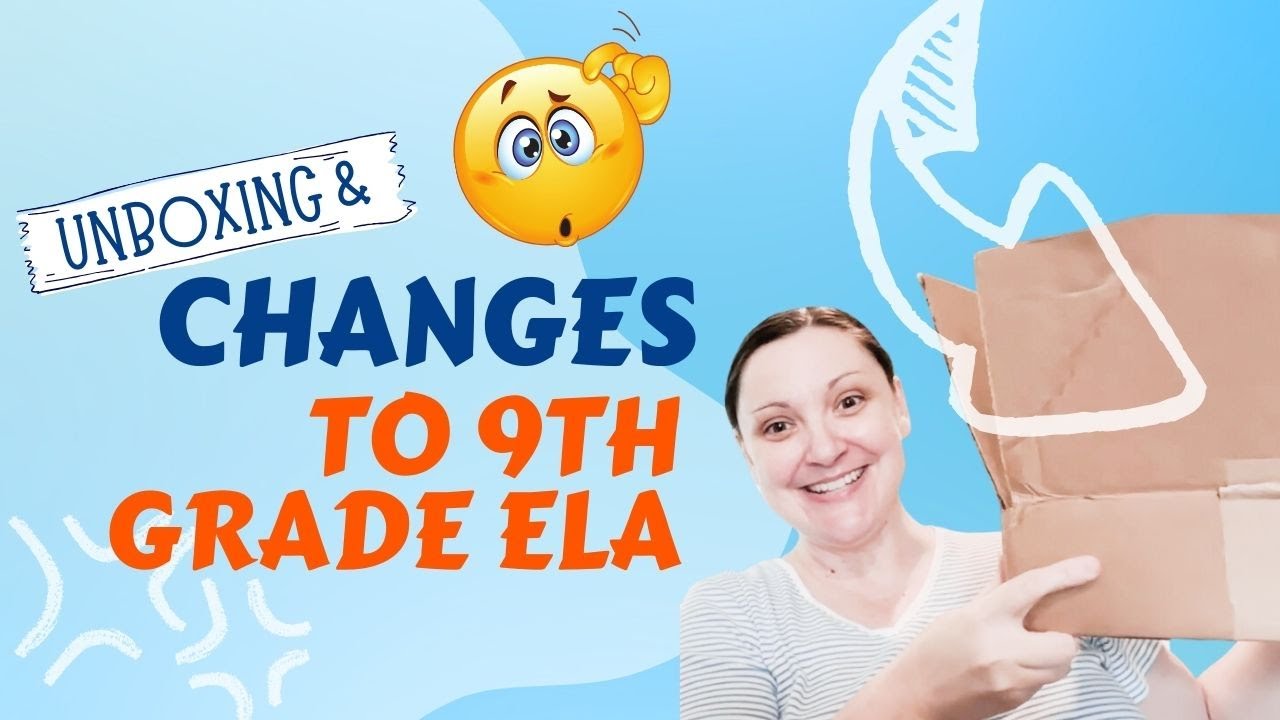



















A high school English teacher demonstrates her comprehensive growth mindset unit planning process, which includes using 'The Most Magnificent Thing' book to teach perseverance, administering a growth mindset quiz, exploring the science of brain development through learning, listening to The Moth podcast with doodle notes for note-taking practice, and implementing SMART goal-setting through a growth journal combined with the RIASEC career interest code to help students discover their passions and develop perseverance skills.
Growth Mindset Lesson Planning for High School ELA | Teacher Vlog
Added:Carol Dweck's Growth Mindset Theory: Understanding the fundamental distinction between fixed and growth mindsets and how they affect student motivation and resilience.
High School ELA Curriculum Standards: Familiarity with secondary English Language Arts standards, including text analysis, writing, and speaking/listening skills.
Instructional Design Frameworks: Basic knowledge of lesson planning structures, such as Backward Design (Understanding by Design) or standard-based planning.
Adolescent Development and Engagement: Concepts related to high school student motivation, self-efficacy, and socio-emotional learning (SEL).
Integrating Digital Media in ELA: Advanced strategies for teaching with and creating podcasts to enhance student communication and auditory literacy.
Formative Assessment of Soft Skills: Methods for evaluating student reflection, goal-setting, and mindset progression without relying solely on traditional grading.
Differentiated Instruction for Diverse Learners: Adapting growth-mindset unit plans to accommodate English Language Learners (ELL) and students with specialized education plans (IEPs).
Action Research on Classroom Culture: Designing a system to measure the long-term impact of growth-mindset interventions on academic resilience and overall classroom performance.
21.4K views482likes20:10Original Release: 2018-07-15
this is my planning process this is where I I like to just do one big open kind of a dump like this and then the weeks leading up to school starting which is the middle of August for me I will actually do a sit-down like calendar out this whole unit and figure out how it's going to go but this is just me putting it down on paper and figuring out what everything is going to be like I am doing a first video of what I think will be a long series I'm hoping to make this actually a weekly series of plan with me videos where I can kind of like a week ahead of time be lesson planning and kind of taking you through the different units that I'm teaching and how I'm gonna space them out and how I'm gonna bring them to each of my classes a next year because I think that's something that as a new teacher would have been really helpful for me and so hopefully that is something that can help some of you who are new who are maybe teaching new material or who are just kind of like hitting a roadblock because you know how that happens sometimes next year I'm going to be teaching all 10th grade English in the fall so that tenth grade English for my school district is actually pretty open because of Common Core Standards we don't have like prescribed text that we have to teach we have text that we normally are traditionally teach but a I'm not feeling too tied to them because I've taught them in the past and I know that a lot of the writing standards and the reading standards and the critical thinking skills can be taught yes through those texts but also through different things so what I'm gonna start with today is um one of my first unit I am going it would help if I actually have my lesson signing but I'm gonna go get it and because they move you've asked in the comments um normally this is coffee and sometimes it's not like right now it's like 8:30 at night so this is totally chardonnay in case you haven't seen what I am using this next year as a lesson planning book it's a doc Journal that I got from Michael's for only like $5 which is kind of amazing and I'm trying my hand at kind of like gasuto bullet journal kind of a thing this year so well let you know how that goes and I have a video already on my channel in case you haven't you know how I set that up because I this year I'm looking at some big overarching themes and just like big concepts to teach and one of those concepts is a growth mindset and is a just an overall perseverance I think that's something that's lacking in tilts but it's also lacking in kids having taught in elementary schools the last two years I just see where kids really need not a push but they need to be trained in how to persevere things are so immediately gratifying there's not a whole lot of need for perseverance except that they're so is they don't immediately see the value in waiting and in trying and because they can just buy a new thing or whatever it is like things something else will come along to give them a dopamine hit pretty quickly so why should they wait or why should they keep trying and so that's something that is skill that I'm looking to develop in my tenth graders this coming year I'm just gonna read like go through with you what I've already kind of figured out and then I have this really cool thing that I bought on teachers pay teachers that I think is gonna be amazing and awesome and I'm super excited about it my anticipatory set my introductory activities what I want to do is read this book that I have called the most magnificent thing and it's a picture book but it's all about this little girl who has a like a box of stuff and she's making a thing and she hits some roadblocks and the thing falls apart and it doesn't look the way she wants it to look and it's just that thing that like we all hit when we're trying to be creative and she hits these huge roadblocks and she persevered and she ends up making this like amazing thing instead and so it really teaches a great message about finding the joy and the treasure in like something that looks like it's totally ruined and then from there we're gonna talk about a fix versus a growth mindset I have a quiz that I found okay so don't mind it too much because it got uhm all the things I'm going to show you have water damage on them because my daughter accidentally spilled my entire cup of water on the whole desk yesterday so that was unfortunate but this mindset quiz I don't think I'm gonna give it to them in this exact format I think I'm gonna give it to them probably verbally have them write down their answer for each question and just like a number it down kind of like a Cosmo quick quiz or like a Seventeen magazine quiz then I'll say okay if you said you know a strongly agree for number one give yourself zero points below and I'll tell them the score and then from there we'll go through this little score chart that's down at the bottom and then once they kind of know their score and just where they lie right here right now I doubt we'll have many way down here unless kids are just kind of feeling a little bit like a turd that day but we'll see idea I have a Google slide presentation but I'm putting together for this whole entire thing that will be up on teachers pay teacher's then I want to talk about the science behind a growth mindset and I have a YouTube video that I found by Fullerton College that I will link actually down below in the description of this video it's only four minutes 405 and it talks about how the human brain needs to grow in order to thrive and the way for the human brain to grow and develop more cells and more tissue and like keep multiplying is by learning new things humans are hard-wired to have a growth mindset we need to be able to learn new things in order for our brain to grow and survive then that is gonna lead me into I don't know if you've ever heard of the moth podcast but it is amazing it is storytelling and the podcast itself normally has like two or three or four segments of stories and it's real people telling their real stories and it's kind of like this I believe which you can find through NPR but it's not like a proclamation it's just telling a story and there are some cool things that you can get out of a lot of these stories and a lot of these stories are told by teenagers are told about by young adults about when they were a teenager but there's this one called the theory of change it's 12 minutes long we are going to listen to it as a whole group and on teachers pay teachers with building book love she made this really great just like a doodle notes sheet for podcasts and so I bought them and I think they're fantastic have three main discussion questions so I'll have the kids like write their discussion questions in those three little banners that go across the note sheet and then they'll take notes as we go and this way I can probably be taking notes on like the docq cam while kids are listening over the loudspeaker to the podcast or to the story being told and they can see me taking notes and they can take the notes I'm taking and just kind of like almost seem I think aloud because I think taking notes from something auditory especially can be really difficult so there's a way for me to do that and then we will debrief with the discussion questions just quick around Robyn of what we're gonna do there's another story called pool party that's only six minutes and 14 seconds that I really liked as well so if we need to do more together we'll do more together otherwise we'll get into some independent practice here you can go through the teacher resources stories for the classroom like through the Mothe website and get um they're shorter stories and they are meant for a high school class and so what I want kids to do is build their own playlists of like three to four stories I want them to be listening for 20 to 25 minutes total and taking notes on each of those stories so I think that's just gonna need a lot of copies of the doodle notes sheets and I'm perfectly fine with that because I think it's good note-taking practice and then okay mind you the timing for this I haven't quite figured out completely yet I just want to read you like go through this unit that I've designed um so you can kind of see what I'm going with us and then when it's actually like time for the first couple weeks of school I'll do another video where I do like a you let me find out I do like a layout like this and I'll show you I'll like break it up into the different because I only teach three periods of the day cuz we're on a four by four I'll chunk this out and I'll actually go through it because I think that's something that's really good but right now I just want to show you how I'm planning this unit this day I'm gonna have to make sure that kids bring headphones if they don't normally bring headphones but I will have a handful who don't have any headphones with them so I'll make sure that I have some provided and anybody that doesn't have a phone or like they can't access the internet or whatever I will also check out a chrome cart this day so that I can make sure kids have access to computers I find it really important that they will do this on their own that they'll go through and I'll look at the list of stories that's on here and they'll kind of look at the little blurbs the descriptions under them I want them to pick their own so that they have some ownership in it and they're not just like listening and not paying attention but it's actually something that they've chosen to listen to so a quick little whole group share out about what they found this is all leading us to the big part here which is goal-setting so I'm kind of like tying together this whole thing this also this growth mindset the activities we're doing here lead into a bigger overall I guess it's thematic students are developing their own voice as writers as people as critical thinkers that they are coming to terms with what they like and discovering what they like and discovering what they think because this is such a such a big part of their lives where they're really like that's why there's teenage rebellion they're figuring stuff out for themselves so I try to help them do that in a safe way so we're getting into goal-setting you guys I found the coolest stuff on teachers pay teachers for this year and I'm so excited so building book loves her amazing doodle notes and she's got so much cool stuff on there so bear with me a little bit this product on teacher pay teachers is worth every penny there's a whole entire unit on growth mindset there's like all this cool stuff there's a whole years worth of bell ringers before like starting class and prompts and that sort of thing I just went for a small one because I knew I wanted it to be part of this like mini unit the growth Journal it's cool because this page the cover that you can print out is like a coloring page so as kids are like listening to things or taking notes or whatever they can color that's the other thing I like about the doodle notes from building book love is that I'm just going to give kids colored pencils and markers and let them just doodle in color and kind of like listen and process to these things as they're taking notes so that they can see that Cornell notes doesn't have to be the way that they do everything this is a whole journal and I haven't really assembled mine completely incorrectly like I didn't even do the double-sided printing because I was just doing this on my inkjet but this journal is so so cool because it's all about teaching kids how to set a SMART goal someone that is specific measurable attainable relevant and time-bound and then to be detailed in their reflection and their tracking their always like planning and like action steps and I'll show you a couple of the pages in a second that's really like what this whole journal is all about so it's something that we will be doing pretty much every single day for like the first month month and a half of school um and it's going to lead into something even bigger which I'll touch on in just a moment it's so cool sorry about the water damage um it's all about like a whole plan of action teaching different parts of like a goal setting and creating that plan of action and like what it looks like to actually set a goal that's real and that's not just like lofty and then you start getting into weekly tracking and there's a whole like gratitude and reflection that we can go through every Friday there's a whole daily actions to set up and something that they're going to actually do towards attaining this goal and like checking it off as they go every day it's a super cool journal so if this is something you're interested in I'm not in any way like this isn't sponsored I just really love this product so it's by the superhero teacher um there's that this will be leading into another big project which I'm going to do that's gonna be course long which is a like a genius our passion project that'll be a whole nother plane with me video but basically in order to get to these smart goals and get to the journal that I was just talking about we need to find a passion they need to find something they are interested in so that leads me to one of the few really really good PD like um last year I saw some really bad consultants and this guy was actually good he came in and he talked about rice sack and rice SEC is a tool that actually a lot of our unemployment agencies use to help people find what they're passionate about so that's what I'm gonna do in order to help them find a goal so that their goals aren't just to get an A in this class because that's not something you can do in a month this will also lead us to passion projects because they're finding things that they're interested in they will take your rice that quiz there's a lot to it forty-two questions they bubble in wherever their answer is and then they will actually like Spore up these different letters so how many times they got on our and I and a and s and heat and a/c so they bubble it in if they agree with it and then it lies in a different basically like a not quite personality type but like interest yeah interest code and so it's like those those personality trusts that you can take you know and you get like I'm a qvr seven or whatever and you sound like a cyborg but so it's realistic investigative artistic social enterprising and conventional and people are normally a mixture of two or three and so it gives you a code and then they get to take a look at what each of those means there are a bunch of videos on YouTube about right second about the different like interest areas so we're gonna watch one of those so that they can kind of see that we'll talk about it a little bit I have more to do here and then there comes a brainstorming session so that they can kind of brainstorm some of the different areas of their three that they found in their code then comes the research piece so what I'm thinking oh gosh the blank space is so overwhelming what I'm thinking I want to do is give them almost like a like a career research and report kind of a thing that they need to do so like okay so if they have three letters and they look at like at the very bare minimum they have three careers that they're looking at right let's pretend they are realistic they are artistic and they are conventional so then they're going to have career one career two career three um I think what I'll have them do is oh I know they are going to look at like hobbies a list of them of activities etc those sorts of things that they can do having to do with whatever that career is and they'll do that for all three careers so they'll come up with a list of hobbies and activities and sorts of things that they can are may be skills that they could learn that would contribute to whatever that career area is and then from there that they're going to come up with three possible SMART goals so I think this part okay let me go backwards I will show you obviously all of this is gonna be in class an introductory actually kind of thing this is probably going to be like a day maybe a day and a half because this is we have 90 minute periods but like this this will get stale so I'll probably split this up into a couple of days then we'll get into the podcast this one these will probably take a couple of days so now I'm at four days right so there's almost a week um maybe three days for all of this and then the goal setting will start yeah this will be a full week actually I think this whole little mini unit this whole goal setting and then over like a weekend or leading up to Friday maybe will be this part this will be homework this will be in class so the obviously the last thing that we've done is we took the quiz we watched a video then they are going to be going home because this part right here is the homework on the next page they're gonna go home they're going to figure out three careers that interest them one from each of their letters they shouldn't really do more so forget that optional piece I guess I could erase but I'm not going to I think that that's too much I think three is just fine they're going to make a list of at least three to five hobbies activities skills associated with each career um list for each and then when they come in the next day in class the thing that we'll do when we sit down I'll have like up on the board as a bell ringer will be figuring out three SMART goals and then like narrowing it down to one maverick goal and then we'll just go through the whole process of the growth journal and that will be that in and of itself is the whole month so this whole entire thing is probably going to take about five weeks and I'm all about it because then it's going to feed into passion projects and this will actually stir to be part of our genius our is them working on their goal will be a genius hour every single week because it is something that they have chosen it's something that they have grown themselves and then I didn't have to be like it has to be academic it has to I think this will organically get them to something that they are a passion about interested in oh my gosh maybe I've had too much wine passionate about interested in and if you guys have made it through this whole entire video and you have ideas or you have responses when you please comment below I'm or if you have questions we comment below because you might ask a question that I need tasks and I need to answer myself I can't do it and calendar all at the same time because it's too hard for me I have to be able to let the creativity flow and then once I feel good about what I have which is why I didn't make you sit through this whole entire thing with me I just looked at like the last piece I really wanted to be good I want it to be polished I've been teaching for over a decade so like I know my process um yeah but those of you who are new at this hopefully just gave you a little insight I like to do you think'll ads for my kids for my students so and for my own children so I feel like I think a lot might help you to please like this video like I said comment below with questions concerns if you have suggestions if you've not already subscribed to the caffeinated classroom please do so umm I am trying to make as much new content as I can over the summer so that I can put it out there into the world and be as helpful as I can to my fellow teachers thank you so much for tuning in and [Music]
Up Next

62:40
Teaching Growth Mindset: District 51's 5 Strategies for Student Success
@FullScaleLearning
158 views•2020-05-29

26:22
Walking in the City: Urban Rituals and the Flâneur in Contemporary India
@PSBTIndia
1.9K views•2016-08-02

9:49
FastAPI vs Flask vs Django: Choosing the Right Python Web Framework
@TechWithTim
302.5K views•2024-05-26

1:42
Game of Thrones Opening Credits: A Cinematic Analysis
@gameofthrones
46.3M views•2011-04-18
Related Study Plans & Knowledge Roadmaps
Structured learning paths in General & Interdisciplinary Studies
general-studies
Artificial Light: History, Tech & Human Impact
01The Pre-Electric Era: Fire, Oil, and Gas Lighting
02The Incandescent Revolution and Grid Electrification
03Gas Discharge and Fluorescent Illumination
+ 3 more learning modules
14h6 modules
Explore Roadmap
general-studies
Elevator Engineering: History, Physics & Cities
01From Hoists to Safety Brakes: The Dawn of Vertical Lift
02Hydraulic vs. Traction: The Engineering Physics of Elevators
03Modern Speed, Safety, and Algorithms
+ 2 more learning modules
12h5 modules
Explore Roadmap
general-studies
Rubber: Material Science, History & Geopolitics
01Origins of Natural Rubber & Mesoamerican History
02The Chemistry of Natural Rubber & Vulcanization
03The Geopolitics of the Rubber Boom & Colonization
+ 2 more learning modules
12h5 modules
Explore Roadmap
general-studies
Containerization: Evolution, Logistics & Trade
01Ancient Trade & Bulk Cargo: Amphorae to Barrels
02The Industrial Revolution & Cardboard Packaging
03The Containerization Revolution: Malcom McLean
+ 2 more learning modules
12h5 modules
Explore Roadmap