




















The interstellar medium (ISM) is the tenuous gas between stars in our Galaxy, containing multiple phases with vastly different temperatures and densities: atomic hydrogen (100-10,000 K, 1 particle/cm³) detected via the 21 cm radio line, ionized hydrogen (H II regions, ~10,000 K) created by massive stars, hot X-ray emitting gas (~1 million K, ~0.001 particle/cm³) extending into the galactic halo, and cold molecular hydrogen (~10 K, ~1,000 particle/cm³) concentrated in giant molecular clouds; these phases are pervaded by interstellar dust particles and cosmic rays, with the dominant heating mechanism being starlight absorption by dust grains that eject electrons and heat the surrounding gas.
The Interstellar Medium Explained by Christopher McKee
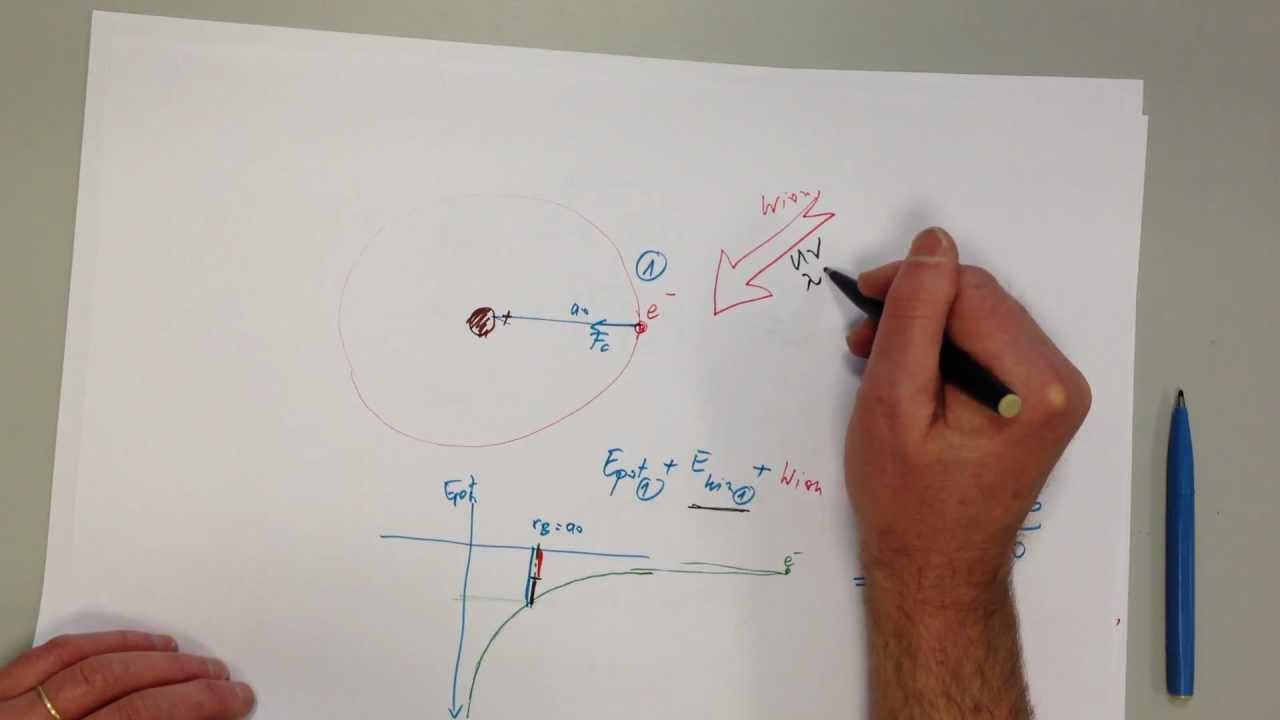
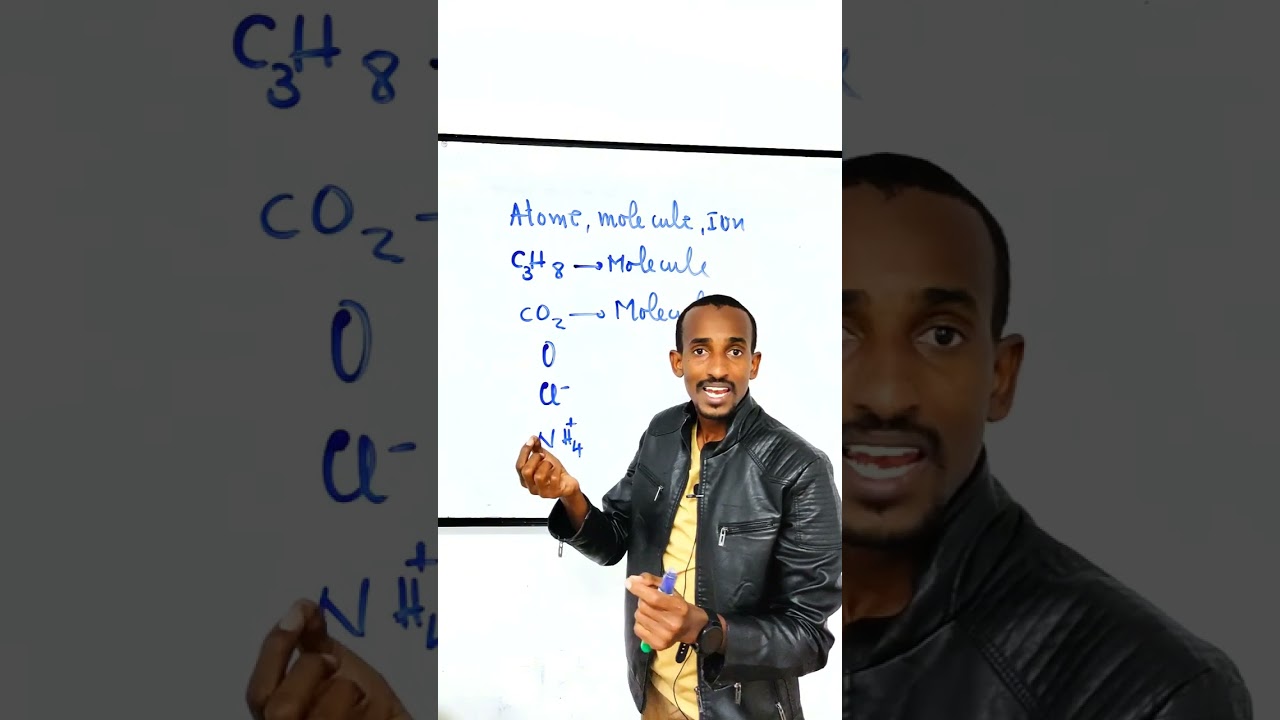
Added:Basic atomic physics, specifically the structure of hydrogen, ionization, and the differences between atoms, ions, and molecules.
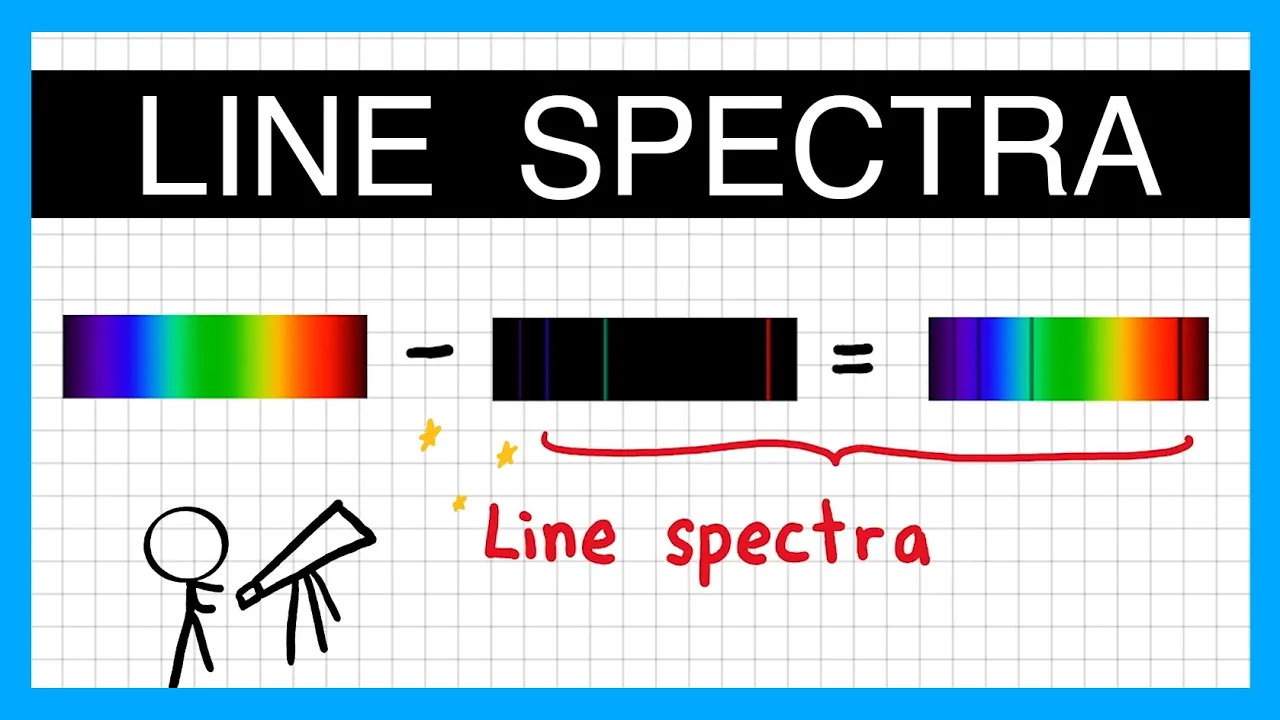
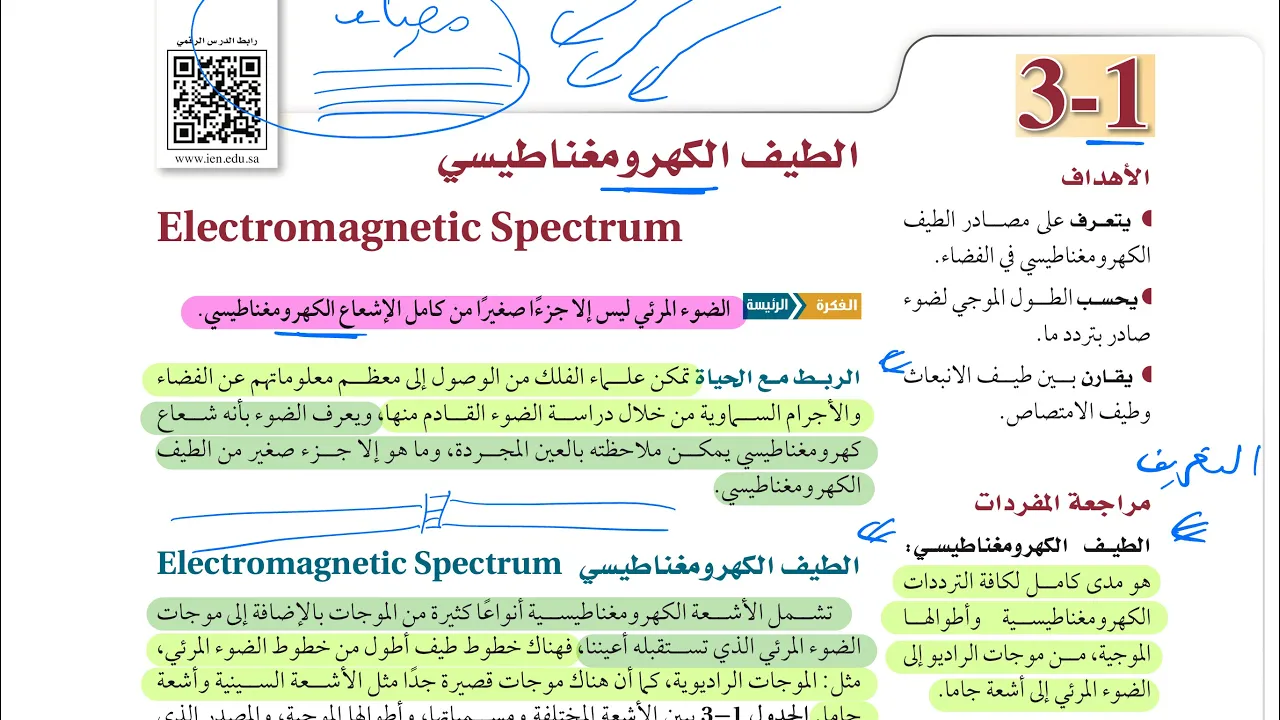
The electromagnetic spectrum and spectroscopy, to understand how astronomers detect different gases in space through emission and absorption lines.
Fundamental concepts of thermal physics and gas dynamics, such as temperature, density, and pressure relationships in a vacuum.
The basic structure of the Milky Way galaxy, including the disk, halo, and spiral arms where the interstellar medium is concentrated.
The physics of star formation, specifically how the Jeans instability causes giant molecular clouds to collapse into protostars.
Stellar feedback and the galactic recycling process, studying how supernovae and stellar winds return heavy elements back into the interstellar medium.
Astrochemistry, exploring the chemical reactions that occur on dust grains and the synthesis of complex organic molecules in space.
The role of magnetic fields, turbulence, and cosmic rays in regulating the pressure and evolution of the interstellar medium.
9.7K views191likes13:24Original Release: 2014-07-21
[Music] the interstellar medium is the gas between the stars and there's almost nothing there the average density in the interstellar medium is one particle one atom per cubic centimeter that's so tenuous that if you were to take just uh a few liters of water and imagine putting it and imagine that the Earth were Hollow and that you just put that few liters of water you allow it to evaporate and fill the whole interior volume of the Earth that would be the density of the interstellar medium so there's almost nothing there but this the Galaxy is so vast that actually there's a huge amount of mass in this very tenuous gas this gas has a number of different uh Parts the most abundant part is uh Atomic hydrogen hydrogen is most abundant element in the universe and so it's no surprise that the most abundant thing that we see is just the individual hydrogen atoms and these atoms uh can range in temperature from a order 100° Kelvin to up to about 10,000 degrees Kelvin the atomic hydrogen was discovered uh many years ago was first detected in the late 1940s uh and the emission is very interesting the hydrogen atom em because there is a spin of the proton and a spin of the electron and when they are spinning in parallel that's actually slightly more energetic than when they're anti-parallel so if you start off with hydrogen atom in this state and then it goes to that state it will emit a radiation at a wavelength of 21 cm which is about that that big and astronomers or physicist detected it in the uh late 1940s and now we have a huge amount of information about the hydrogen from very large radio telescopes another very important constituent of the interstellar medium is what astronomers call H2 here the two is a Roman numeral 2 not the uh digit two and that's ionized gas the gas is mainly ionized by very hot Stars a star like the sun emits radiation that is peaked at about the wavelength that we see our eyes uh and the typical energy of a photon is say a couple of electron volts however when you get up to an energy of more than 13.6 electron bolts then the radiation is energetic enough to actually take the electron from the hydrogen atom and split it away so you have a separate electron and a proton and this is then makes an H2 region in order to do that you need to have a star that's much hotter than the Sun and the temperatures of stars get larger and larger as the stars get more massive so when you get to very large Stars such as in the trapezium nebula uh in in the Orion Nebula you have stars that are up to about 40 times the mass of the Sun and they create the Orion Nebula which is visible by eye another important constituent then is actually even hotter gas I should say that the H2 is typically temperature of around 10,000 de that there's hotter gas that is revealed by its xray emission this hot interstellar medium has a temperature of order a million de and it's in rough pressure balance with the colder gas so that means that since it's so much hotter it must be much less dense and the typical density might only be uh few thousandths of a particle per cubic centimeter and this gas then pervades uh a lot of the dis of the Galaxy but it also extends high up into the Halo of the Galaxy in fact we do not know how much of this hot gas there is as far above the Galaxy as possible that there's as much gas hot gas high above the Halo as there is in the main dis of the Galaxy then uh perhaps one of the most important constituents of the interstellar medium is the molecular hydrogen this gas is very cold it typically has a temperature of only 10° above absolute zero it is uh concentrated in clouds most of the gas is in what are called giant molecular clouds when you can actually see these uh visibly if you look at a picture of the disc of the Milky Way you'll see a band of stars but there're all these dark patches in them those dark patches are generally regions where there's molecular gas now you could say well why is it that the you have these dark patches the gas itself the molecular hydrogen is not absorbing the radio ration it's transparent and that's because you have a constituent of the interstellar medium which pervades all the different phases that I've been describing and that's Interstellar dust particles much of the heavy elements in the uh interstellar medium for example like iron and silicon uh are primarily in solid particles these solid particles are less than a micron in size they essentially act like tiny little uh particles of dirt if you will and as you you know dirt sand things like that are opaque so you have these tiny particles their size is comparable to the size of the wavelength of visible light and ultraviolet light and so those particles are very effective at absorbing light and you it's dark as you go to longer wavelengths so if I have a little teeny particle I'm exaggerating here but imagine the distance between my fingers is a size of a particle but the wavelength of my radiation is much bigger then the radiation does not interact very strongly with the particle and it can penetrate through and so then in order to study these molecular clouds we use observations in the infrared region of the spectrum where the wavelength is longer many of the infrared wavelengths are blocked by the earth atmosphere so it's been particularly important to be able to use satellites in space such as the uh recent um spiter satellite that NASA uh launched several years ago that has made a lot of studies of star forming regions in the infrared but I was showing you if a particle was this big then the infrared wavelengths are this big radio wavelengths are far bigger as I mentioned in real units the radio wavelength is say for Atomic hydrogen is this big to study molecular gas you actually want to have wavelengths that are order a millimeter or a few millimeters in size uh but then in that case you would have to have the dust grain would be too small to be seen and its real size is only about less than a micron so radio astronomers have been studying these giant molecular clouds for decades and they have identified many molecules the most abundant molecule of course is molecular hydrogen and unfortunately as I said a molecular hydrogen is transparent it's almost impossible to obser to observe certainly you cannot observe it uh from the ground in space if the hydrogen is hot enough then you can see it in the infrared but you cannot see it in the optical in the infrared we can see from the ground or in the radio so instead astronomers use the next most abundant molecule in these molecular clouds that's carbon monoxide which is just one carbon atom joined with one oxygen atom and they can map out all the molecular gas in the Galaxy using this Co and they find that the dens the typical density in these molecular clouds is thousands of particles per cubic cmet so that's still an extremely hard vacuum by Earth standards but very dense compared to the typical density of the atomic hydrogen and as I mentioned the temperature of this molecular hydrogen is of order uh 10 degrees celvin so I mentioned that there have this this dust pervades all these different phases there a couple of other things that pervade the interstellar medium also one is magnetic fields uh it's well known that the magnetic field of the Earth for example is about half a gal the typical magnetic field in the interstellar medium is about 100,000 times weaker than that five or six micro gals when you get into the molecular clouds then the magnetic field can be somewhat stronger another uh constituent that pervades the interstellar medium is cosmic rays these cosmic rays were discovered on the earth early in the 20th century as people went up in balloons they noticed that the rate of ionization uh increased and now we understand that these cosmic rays pervade the entire galaxy so you could ask why is it that the uh different constituents of interstellar medium have the temperatures that they do the uh temperature of space of the universe is about 2.7 de Kelvin that's the temperature of the cosmic microwave back ground so why doesn't everything just cool down to that well if you look at the atomic hydrogen that I talked about at first and as I mentioned it has this dust that's embedded in it this hydrogen is heated primarily by Starlight Starlight is particularly in the ultraviolet is absorbed by these dust grains and when an UltraViolet Photon comes in and hits a dust grain it will eject an electron and that electron carries energy with it which then heats up the gas so that's the dominant heating mechanism for the neutral gas if you get to the ionized gas as I mentioned that is also heated by Starlite but in this case by the radiation which is more than 13.6 electron volts so uh what is the um origin of the interstellar medium the gas in the uh un Universe was accreted into galaxies and this is how galaxies are formed most of that gas has gone into stars but we still have gas left in the interstellar medium this gas is gradually being converted to Stars itself It is believed that there's a continual flow of gas into the Halo of our galaxy from The Intergalactic medium and that this gas then is also very gradually accreting into the Galaxy so the Galaxy is growing albeit very slowly now and uh this gas starts off and it can be quite hot but then it cools off uh when it joins the Galaxy some of the main questions that we want to understand about the interstellar medium is to try to get a much better understanding of this cycle that I uh described where I had Starlight that was produced by the Stars heating energizing the gas than having the gas uh forming Stars we need to understand this whole life cycle in uh much more detail how much of this hot gas is there there if you ask uh how many uh barant there are in the galaxy and compare that with the amount of Dark Matter we're actually missing uh the a lot of Barons and the SC SC of the universe as a whole the there's about 20 or 25% of the Dark Matter mass is actually in bionic Mass but in our galaxy it's less where did those Barons go some of them could be in Hot Gas some of that hot gas could be in the Halo of our galaxy and it's believed that some of the gas actually is not even has been blown out of the Galaxy and is uh now uh in The Intergalactic medium but we don't have a very good uh understanding of that gas yet because it's very hard to detect it's very has very faint x-ray emission and it's difficult to measure the U x-ray absorption lines that it produces there's also gas at cooler temperatures like a b of 10,000 degrees there and that gas can be studied by using ultraviolet observations from instruments such as the Hubble Space Telescope so in the uh future it's hoped that with uh much more extensive studies of this extra emitting gas will be able to get a much better handle on uh the its nature and abundance in the in the [Music] galaxy
Up Next

134:35
From Atoms to Seeds of Life: An Astrochemical Journey | Paola Caselli
@NanoSpace-gd5qn
255 views•2024-02-27
61:17
First Billion Years of the Universe with the Square Kilometre Array
@iaaudc
121 views•2022-05-26

6:25
Kepler's Laws of Planetary Motion Explained (Educational Astronomy Video)
@Peekaboo_Kidz
404.9K views•2023-02-17
6:10
Gamma-Ray Bursts: Cosmic Snipers Explained | Astronomy
@kurzgesagt
15M views•2016-07-31
Related Study Plans & Knowledge Roadmaps
Structured learning paths in Astronomy
astronomy
Reionization: Pop III Stars, IGM & 21cm Line
01Foundations of Cosmology & the Early Universe
02Population III Stars & Cosmic Dawn
03Physical Mechanisms of Reionization
+ 2 more learning modules
17h5 modules
Explore Roadmap
astronomy
Planetary Rings: Dynamics, Roche & Resonances
01Foundations of Gravity and Orbital Mechanics
02Tidal Forces and the Roche Limit
03Structure, Composition, and Collisions
+ 2 more learning modules
10h5 modules
Explore Roadmap
astronomy
Asteroseismology: Stellar Waves, Ages & Cores
01Foundations of Stellar Astrophysics & Wave Mechanics
02Stellar Oscillation Modes: P-modes and G-modes
03Mathematical Framework of Asteroseismology
+ 2 more learning modules
35h5 modules
Explore Roadmap
astronomy
Adaptive Optics: Physics, Engineering & Control
01Foundations of Wave Optics and Wavefronts
02Atmospheric Turbulence & Optical Distortion
03Wavefront Sensing Technologies
+ 3 more learning modules
35h6 modules
Explore Roadmap