







![ВСЕ ЛИ ПЛАНЕТЫ ЛЕЖАТ В ОДНОЙ ПЛОСКОСТИ СВОИХ ЗВЕЗД? [Формирование звездных систем]](https://i.ytimg.com/vi/AT26KtcI7P0/sddefault.jpg)
![SACANI RESPONDE [TERRA] - Ciência Sem Fim #189](https://i.ytimg.com/vi/EtqFKF9AtGY/maxresdefault.jpg)











In molecular clouds, hydrogen forms on dust grain surfaces where cosmic rays ionize H2 to create H3+, which catalyzes cascades producing complex organic molecules that freeze onto icy dust mantles; these prebiotic precursors are then delivered to protoplanetary disks and eventually to planets, potentially seeding the chemistry necessary for life.
From Atoms to Seeds of Life: An Astrochemical Journey | Paola Caselli
Added:Basic principles of organic chemistry, including covalent bonding, molecular structure, and the significance of carbon-based compounds.
An understanding of the interstellar medium (ISM), specifically the physical conditions (temperature, density) of cold molecular clouds.
The basics of astronomical spectroscopy, explaining how scientists detect chemical elements and molecules in distant space via electromagnetic radiation.
Fundamentals of star and planet formation, specifically the transition from collapsing molecular clouds to protoplanetary disks.
Prebiotic chemistry on early Earth, including the synthesis of amino acids, nucleotides, and the transition from abiotic chemistry to protocells.
The role of minor solar system bodies (comets, asteroids, and meteorites) in delivering water and organic molecules to young terrestrial planets.
Techniques in exoplanet atmospheric characterization and the search for chemical biosignatures using modern space observatories like the James Webb Space Telescope (JWST).
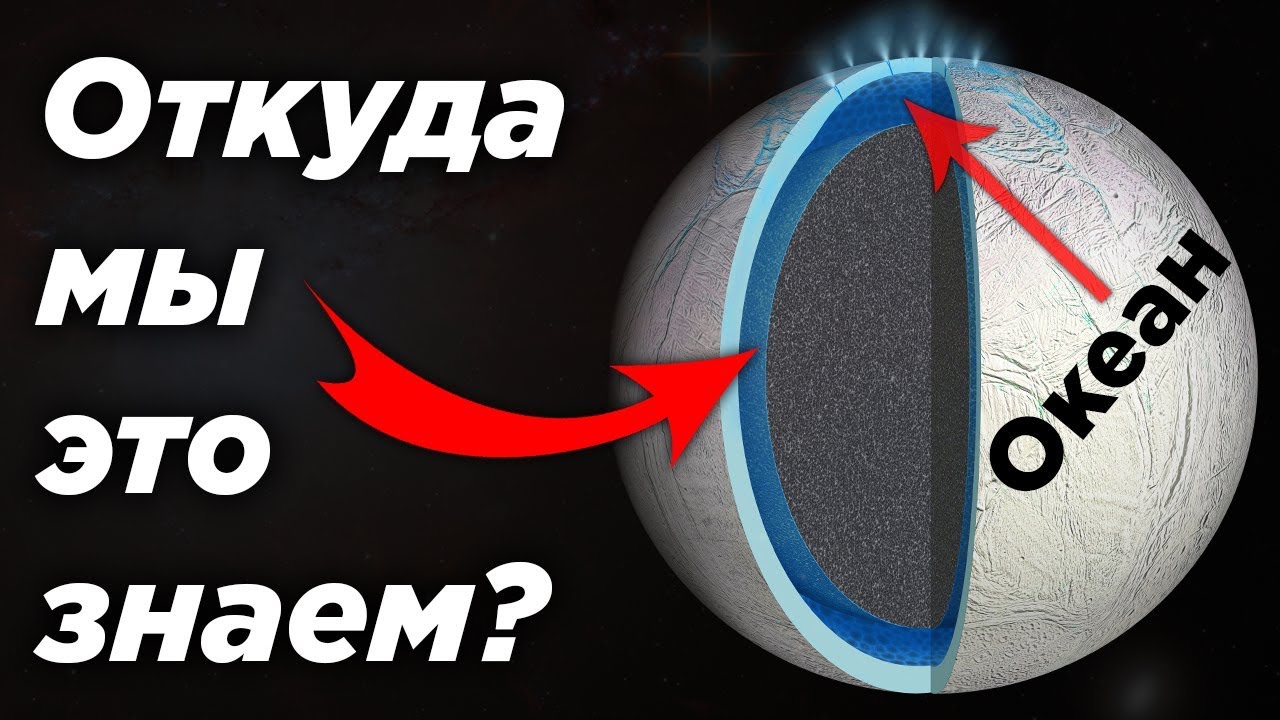
Astrobiological models of habitability in icy moons of the outer solar system, such as Europa and Enceladus, where subsurface oceans interact with rocky cores.
255 views6likes2:14:35Original Release: 2024-02-27
okay I think it's already time to start our lecture so I welcome everyone on our eighth lecture of our astrochemical lecture course this lecture will be given by Professor paa Kazi from Max plank Institute for extraterrestrial physics she will speak about from atoms to the seats of Life the astrochemical survey so paa please the floor is yours thank you very much Seri and I would like to thank everybody for joining uh today so I um I hope you are hearing me well H so I just uh start my lecture so this is uh going to be um h looks like a little bit say h too much going from atoms to Seeds of Life so I'll do my best to say summarize um things as much as possible and then of course if you have questions at the end you can ask me so in this first slide you see the type of tour that we are going to do today so we will start from uh say molecular clouds to we will then go inside these molecular clouds where stars form so this is a young star you have probably have seen this beautiful image from the jwd and then within this little region here is this is where the protostars and protoplanetary dis will form and of course within the protoplanetary disc like this beautiful dis that was observed with the Alma we can see structures that looks like rings that uh probably are carved by um planetesimals or planets and in fact here we also see uh evidence um say of formation now actually of of planets but these are also the regions where primitive material like like small bodies or say planetesimals are are formed and here there is an example of comets in in our solar system and then of course this planetesimal will feed onto planets and forming uh for example terrestrial planets like our Earth and here you can see in fact a a picture of our Earth with a DNA molecule that it's a say I put it there just because it's a beautiful molecule but not just for that also because the molecules of this DNA we would see that pieces of that are actually seen or say found in primitive material in our solar system and precursors molecules to these Prebiotic molecules are found in the intercellular medium so molecules are super important because of course we need to observe them during this journey from clouds to planets to understand how the chemical complex complexity increases but so they are important as astrophysical tools because with the measurements of their lines we know their frequencies with high Precision we can then say measure the frequency as it changes within within a cloud and then or a disk and then from here we can deduce for example if there are motions if there are uh certain physical conditions that can produce these lines so molecules are really fundamental to understand the physical properties the chemical processes and also the Dynamics so then we can link all together these various steps and understand our astrochemical Origins so uh before going into the ESS say chemistry I just wanted to you to um say show something so this is a piece of our Milky Way so this is the Milky Way as seen in the optical just to give you an say idea of the size of our Milky Way and also to show you where these molecules come from so you can see here that in this pictures you see dark Lanes these are the uh lanes and structures that in fact are containing a molecular uh clouds and where molecules are uh are forming together with stars and planets and in fact if we switch wavelength and go to say millimeter regime and in particular this is the regime of the co1 to0 transition you see that the where it was dark it is now bright this is the in fact the map done in long time ago in 2001 of our galaxy so is it using molecules allow us to actually penetrate these very dark Regions they're dark of course because they contain dust and gas so gas first of all and then Dust with the mass to gas dust ratio that is say um say gas to dust Mass ratios of 100 so we have here uh two um so these task grains that are sub micrometer in size can actually absorb the light coming from the background stars and that's why we see them uh dark uh so we really need the molecules to penetrate inside these regions and this is for example a very famous example you can see here the from the 12C 160 map that is shown in in this map of day metal in 2001 if you want to go deeper inside you need actually to use rarer molecules or RAR isotopologues in this in this part particular case the 13 Co to uh make sure that you can see structures of the cloud because with the 12C 16 o line the one to zero is so optically thick that you are only able to see the skin of the cloud then this color dots are star forming regions so it is obvious that stars indeed are forming where there is more molecular material the crosses here are more evolved uh starts and and if you want to go even deeper then you need to go to even rarer Isotopes in this case the c80 so you now you are filtering out this extended emission where the C8 no is not very strong because it is probably photo dissociated and then here you start to see the filaments and these blue dots now are the what we call the dance course so these are the really the beginning the first units of stat formation and in fact we can study them with high density tracers like n 2 H+ one to zero Etc so this from here it starts our journey now let me tell you a little bit before we start the chemistry that indeed in our uh say um interstellar medium in in our galaxy more than 270 species have been detected these are just some of them they're not all and this is fine I mean you can see actually um the um say more updated version of this table in the Maguire 2021 live paper so Brett Maguire is keeping up to dat with all the discoveries and once in a while publishes a new uh paper with all the new uh detections and what we see here is that the majority of molecules are actually uh organic in nature so here we see uh that uh we have like many of them are actually precursor of Prebiotic molecules so for example in this case we have the amino aceton nitride that was discovered in 2008 by arnob belos and collaborators and this is just one step away from from the glycine which as you know is the simplest amino acids glycine has not yet been detected in this form in this interstellar medium but has been detected widely in meteoritic material primitive material and in the comet that has been recently um 67p we will talk a little bit about that later on uh so there is a lot of interesting chemistry going on and we will start from the beginning so this is the outline we will go uh relatively briefly in all of these points starting from the number one step which is the H2 formation and moving on toward the complex organic molecules that as you have probably have already say learned complex organic molecules for astronomers are those molecules that have at least say six atoms uh in in they have a size of at least six atoms so let me start with the H2 uh H2 formation now here in this slide title slide I put a um say an example of dust grain in a diffus cloud so you know we start with this larger scale clouds before going to this Compact and then regions where stars are forming in this condition there is little ice on top of dust grains so this a typical bare dust grain where which could be say uh made out of silicates so um amoros silicates or for example am morphos carbon and in this on the surface of these dust grains as you can see they're very rough in their surfaces you H you can have a say adsorption of hydrogen atoms for example and one once hydrogen atoms as they land on the surface of these dust grains they can move very fast and we will see that this is indeed a a very important process for de formation of H2 because hydrogen atoms can then meet together on the surface and form H2 uh so one little parth is that I wanted to uh say tell you is about the fact that for example chemistry that happens um every day say in our uh in in our conditions in terrestrial conditions with the very high densities of our atmosphere so you know in our atmosphere we have something like 10 to 19 molecules per cubic cm so it is a very large number you have to compare this with say 10 to the 3 10 to the four molecules per cubic cm in a molecular cloud so you can imagine that the um say it is very hard to have chemistry that is similar to to what happens in in terrestrial conditions or in atmospheric say planetary atmospheric conditions in molecular clouds in fact this say the most Elementary chemical reaction so the association what we call it Association of species a with species B which could be say two atoms then uh is so if this happens it goes into a Ab star where star is means that whatever it is formed has an extra energy that needs to be um say uh lost otherwise the this energy will be so much that the the two species will just break apart and don't form the ab molecule so sorry I just saw there there is some chat I don't know if somebody so if everything is okay I will just go on otherwise sergy please let me know if no no everything is fine ah okay thank you so okay so we are here we have we are at this AB star for ab start to lose energy and in our atmosphere in our Earth the best solution is to give this energy to a third body the densities are so high that it's very fast the collision with another species so once this happens as you can see here you the ab star react or say collide with another species gives energy to the other species releases the extra energy and the molecues stabilize okay these the So-Cal three body reactions are very um are not typically encountered in the same molecular clouds we can we can find them in denser region like in a protoplanetary discs in the midplane or in a very close to the protostar where where you have high densities but in molecular clouds this is really very rare or say so it will not so the rate is so low that it will not um happen we are talking about rates of the order of say 10 Theus 36 times the N the the number density Cube per cubic centimeter per second these numbers are really tiny so we need to move on and uh this is where now we are going back on the surface of these DUS grains so as I said that this is the first step that we need to take into account so once you have a hydrogen molecule that is forming on the surface of dust grains what happen is that you form H2 now this H2 should be an H2 star so it means that you have this formation energy uh that is kept within the H2 molecule but now because the H2 molecule is sitting on the surface of D grain this extra energy can be given to the dust uh and basically it allows the stabilization of the molecule to and if there is any extra energy left to the H2 molecule this will be used by the molecule to actually lift off again and go back into the uh gas phase so in fact I tell you this reaction is known since a long time so the first paper that was talking about this dates back to 1963 and this was gold and salpeter many more studies here I just mentioned a few of those have been um say following up this making more precise estimates uh Etc but what is important to say remember is the form of the rate formation rate of H2 which is in per cubic cimer per second and which is given by this uh expression here here here the one half is due to the fact that you are using two hydrogen atoms to form one molecule and then you of course the rate will be proportional to the number density of hydrogen atoms the velocity uh of a hydrogen um molecule so basically is the say turbulent uh speed the cross-sectional area of the grain the number density of dust grains what we call the sticking probability which is relatively close to one except for the most light species like a hydrogen which is closer to say to uh 30% and then gamma gamma is the surface reaction probability which is actually uh in the case of hydrogen formation is one so this actually reduces to in a even simpler uh expression for the H2 formation and the typical numbers that are are 10us 17 per cubic cmet per second but in regions where there is evidence of polycyclic aromatic hydrocarbons so these very small grains or very large molecules depending on uh which point of view you are taking so here you have these phes that are these very thin say mono layer of carbon atoms with the um in aromatic form so these Cycles with the hydrogen atoms around and you can have efficient formation of hydrogen on these uh phes and this was in fact this mechanism has been studied quite a lot uh in the in the recent years the evidence that H2 has to be formed at High High rate about an order of magnitude higher than what we see saying in theuse clouds H has been clearly shown by these papers by habart atal in 2004 and Bosman atal in 2015 so now that we have our H2 molecules of course things gets more funny for people who are interested in the chemistry because the first step is done now the next step is to form molecule so how do you go on with that so you have H2 and then you have all these elements in in atomic form how do we proceed so to do say order of magnitude estimates and to understand if a certain reaction can proceed of or not one thing you could do is to look into the dissociation energy of the molecule for example here we have H2 which has a dissociation energy of 4 48 electron volt and then there are other species here with their dissociation energy that you can find tabulated you can find it very easily uh say online so then the question here could be can the following reaction proceed in the C interstellar medium so this for example I have an example here of carbon plus H2 you know that we have carbon atoms of course in the interstellar medium actually in diffuse clouds you mostly have C+ so we could ask if C+ plus H2 proceeds and then form the uh ch+ or CH or in the case of oxygen if you form o you can form o or um O+ so to look in this to look into this you have to compare the dissociation energy of H2 with the dissociation energy of the species that are on the right side of these reactions so let's look more closely to one for example and this you can apply then the same thing to the others so you have carbon plus h H2 which should form a CH plus h is this really going through in in molecular clouds well first of all we immediately see that the dissociation energy or you can also view that as the bond strength of H2 is actually larger than that of the CH so this means that the reaction is not energetically favorable you see this number here is larger than this what this is called is endothermicity so the reaction is endothermic and you can calculate the endothermicity simply doing the difference between these two number which is actually it amounts to 1.01 electron volt now one electron volt of endothermicity it's really hard to uh overcome because actually there is not in General on average there is not so much energy in molecular clouds and we can know that looking at the temperature of molecular clouds so if you are in a diffused clouds you can have temperatures of say of the order of 100 Kelvin if you are in a denser region like in the molecular cloud dark region then you have temperature of about 10 Kelvin so with temperatures of 100 Kelvin KB so the amount of energy equivalent energy is actually less than 0.01 electron volt so you can see that you don't have one electron volt to proceed to make this reaction uh proceed here in this yellow figure you see actually what happen What happens in terms of uh dissociation energy or bond strength that I was talking about so here is the potential curve and you see here the energy and here is at the minimum when you have the molecues say bond together and then if you increase the separation of the uh two uh say atoms uh you increase here the the energy until you have a dissociation and the the two atoms flow apart so going back to our reactions we can see that most of them are actually endothermic endothermic by um it seems like a small numbers but actually as I said we have to compare this with the 0.01 electron volt that is available in the interstellar medium so all these reactions cannot actually proceed um easy easily in in the interstellar medium however there was one that was the o plus plus H2 which is indeed exothermic because here the dissociation energy now for the O+ is larger than H2 so the reaction is energetically favorable so it can actually proceed and release uh say this 62 electron volt of of energy other things that are needed for people who are interested in for example running chemical model we need that to understand some Concepts so I will give uh this concept to you now in simple terms so one are the rate coefficients so if you want to know how fast a reaction is going ahead compared to say other reactions you need to know the rate coefficients and the activation energies I I will I will explain to you um also visually what is this activation energy but just let me start with the rate coefficient rate coefficients that are typically um and so the symbol of this is a small k and it's the units are cubic cm per second and so the rate coefficients of a generic reaction that start with uh say um reaction reactants and ends up in products C plus Z is given by an average so these uh uh symbols here represent average over the thermal distribution of say your gas Sigma is is the total cross-section of the reactant and B is the relative velocity of the reactant so now we already said that we already saw that reactions and in general any reaction possess activation energy of the order of 0.1 one electron volt even in case of exothermic reaction and in this case in fact you can see this looking at the arenus formula that was it can be is explained very well in all the details by this relatively old paper but still really good of are curs in 1990 where it shows that the Decay is in fact exponentially dependent on the activation energy you see is that you have this activation energy here divided by KBT KBT is our pocket of energy that is available in in the cloud so the boltzman constant and the kinetic temperature of the of of your Cloud this is a pre-exponential factor that is a weak function of the temper temperature and it depends of course on the shape of the uh reaction potential surface so it's it's a little bit complicated term but what is important is this exponential term to show you how crucial it is to uh this activation energy of the um of the reaction the is one type or say one set of of reactions that are particularly important in the cold regions and of molecular clouds and these are the so-called ion neutral reactions why is that because I just mentioned that uh typically reactions even if they are exothermic need that overcome a barrier I will show you actually in a uh very soon what I mean by this barrier but if you have a barrier then it can be really hard to go through this barrier however if your reactants are uh say made out of a ion which could be an atomic ion or a molecular ion and a species NE neutral species B these things are much uh more um uh how to say f f favorable in in this dark and cold the regions of interstellar medium because U as Herbst and clamper in 1973 so this was the PHD thesis of Eric CBS in the 70s and and also explained in an an and Huntress in 1986 this reaction don't actually possess activation energy how can it be this can be just looking at this a simple picture where you have the ionized particle that actually induces a dipo moment to the neutral particle so in this case when you have two charg particle you can think of this attraction potential that actually the Collision of say the encounter of these two species is enhanced in energy so the V the relative velocity is anoun so much that actually the reaction can go on overcoming the the activation energy now this is the potential uh of the uh say reaction and this is proportional to Alpha in this case Alpha is the polarizability of the neutral species of course this has to be polarized able to actually shift the clouds of electrons to have this dipole induced e is the electronic charge and R is the separation you can find this formula by simp looking into the um say the property of say what is the to have a sufficiently close encounter so to to allow these two species to actually orbit uh around each other or actually Collide uh and or spiraling so in this case you can actually arrive at this simple equation the important thing here that I want to arrive at and this is all explained in fact in Herbst and cl clamper is that the K so the rate coefficient in this case has a very simple form has a very simple form where you have actually Alpha the polarizability MU is the reduced mass in the collision and you can see basically nothing about activation energy or temperature so it's independent of temp temperature that's why these reactions uh these type of reactions are really important in regions where there is little energy to extract from and proceed and here it is the activation energy that I was talking about this is a old picture coming from an old but still valid book from Dulan Williams in 1984 where actually it shows all these uh um in a simplified version all you need to know about the first steps in understanding chemistry in the intercellular medium so here you have the energy this is you have the reaction path of minimum energy so you have reactants here products here so you see even in exothermic reactions sometimes you need to overcome this barrier this is the barrier and why there is a barrier well because typically before going to products you need to modify your reactants in this particular case you need for example to break the bond BC Bond so this requires energy and then you can make another bond this you can do that if this bond is actually stronger than the BC Bond so then it's exothermic in fact you see the products go down in energy have to go down in energy if you have an exothermic reaction but even in exothermic reactions you still have you may have this activation energy remember that in molecular cloud the budget of energy is less than 01 electron volt so some of these reaction may not proceed for uh for example neutral neutral reactions are particularly difficult in at least I mean this has been I will show in the next slide that there is some hope in this as well but for example here for the Oxygen Plus H2 which should be say the most basic reaction that one could think of after you produce H2 well this actually cannot proceed in cold clouds because you need to break the H2 Bond and then form the O Bond and there is not enough energy to do that but however this reaction for example is one of the most important reactions to produce o in a shocked environment or where the temperature of the gas becomes higher than say 200 250 Kelvin so back to the neutral neutral reactions neutral neutral reactions so in this case you don't have the ion that induce a dipole and then you have this enhanced uh energy of the Collision that can overcome the barrier neutr neut reaction have been consider say since several years ago maybe more challenging because it's very hard to overcome these barriers however um about say 10 years ago um there have been a work done in lit at the University of litz it is a work by shanon Nal in 2013 that was published in nature nature chemistry now follow me a little bit now here uh I hope you can see my cursor so here you have the K so the rate coefficient and um this is the temperature this is one over T so just focus on the temperature I think it's easier to follow so these points here show the measurements that were done before shanon Nal on the system o plus methanol this is actually a very important system because it provides then formation of methoxy which is a reactive organic molecule that can then proceed for example in the gas space to form even bigger complex Organics as we will see uh a little bit later so this rate was measured at room temperature from say a bit higher room temperature but then down to say about 200 Kelvin and you can see that this rate was decreasing and this was in kind of an exponential uh form that made sense because if you decrease the temperature remember the rate goes as e to the minus activation energy divided by KT so you expect to have this drop in rate so at the time of these older experiments people were thinking that this reaction cannot proceed in in the interstellar medium because the temperature in our clouds are actually not even in this scale they are very far away because they are closer say to 10 Kelvin in in in dark molecular clouds what shanon Nal did in 2013 and this work then was followed up by other experiments done in Spain and you see that they measured this rate uh at lower temperature 80 and 66 67 uh Kelvin finding that there is no way that this uh Trend can be extrapolated to low temperature but you actually have a much uh higher rates than predicted by the theory so this was a a kind of a breakthrough at that time because in fact showed that Neutron neutral reaction could go ahead and actually the rates could become even larger at low temperature so now you know I'm sure you're say okay she doesn't make any sense we need to we need to clear our minds I don't understand anything anymore so what Shandon Nal explained very beautifully in their nature chemistry paper was the following so you take consider these two species okay and now assume that they are in a very low temperature environment so very very quiet uh very slow motions because the temperature is given by the motion of of the species in in our molecular cloud mostly it would be H2 but of course also the other mole follow say similar Trends so you have to imagine these two species that are encountering each other in in a very very gentle way no is some kind of a slow dance and when they get together what happen is that there is a what is called a hydrogen bonded complex that is formed so there is this Loosely bound comp complex but it's the hydrogen bond that actually uh allow these two pieces to stay together and the C there it is the longer this complex can survive okay so then if you have this long live complex what happen is that there could be and like in this case there is a tunneling that proceeds during this time that this hydrogen bonded complex is is existing so H this is what was actually found and indeed this work has been say later on uh also say followed up with other reactions neutral neut reaction and there is of course not for all of them but in particular for spe for reactions that include this radical o there is a way to indeed to abstract you see here you abstract the hydrogen from the methanol in this case you take one of these hydrogen you keep it to make water and leave the methoxy ready to form even more complex molecules so this is a very important process that we need to take into account in the to understand the chemistry now after the formation of H2 there is another thing that it's super important so for the formation of H2 we have I have mentioned the DUS RS this is super important for uh say galaxies like our own that are relatively old of course if you are in an early Universe you don't have dust so you have to form H2 in some other way but we are now in the neighborhood say in our in our galaxy and uh so we have dust that is very important the other super important ingredients are cosmic ray Cosmic without Cosmic mic Rays we couldn't be here so cosmic rays as you probably know are energetic particles that are accelerated in typically so in during super noi um explosion and that they are then propagating through molecular clouds they are so energetic that they can just go through molecular clouds without mat loss and uh so what they do when they enter a molecular clouds and for example the main say um molecule that they encounter is of course H2 because that is the most abundant one and if they do that they actually for uh the majority of the time say about 97% of the time they ionize H2 molecules and release electrons these electrons have actually extra energy that in fact are very important for the heating of this uh Cloud now once you have h2+ formed h2+ is super reactive and in a molecular cloud where you have many other H2 molecules what happen is that H2 plus will almost immediately uh react with another H2 molecule and this look that this is an ion molecule reaction and this produces the most important molecular ion in astrochemistry which is H3 plus so H3 plus uh and and then of course there is an extra hydrogen H3 plus you can think of it as so this is H3 plus you can think of it as a H2 molecule with the Loosely bound proton attached now this Loosely boundness it's very important because this means that this proton can be G given to or um as a present to other elements that are in in in these clouds so let's see what happens so in uh molecular clouds or say even starting from of course you need to have some H2 there but once H3 plus is formed you can have Cascade of reactions in the gas phase like for example in this case assume that H3 plus encounters an oxygen which is kind of likely because oxygen is one of the most abundant uh elements so after hydrogen and helium we have oxygen H so H3 plus plus oxygen what will do as I told you there is this Loosely bound proton so the proton will be given to the oxygen and you have O+ now reactive species and this is another say secret of astrochemistry if you if you want not really a secret but it's some kind of um order of magnetude approximation if you don't know how to proceed to understand the composition of your of your Cloud chemical composition if your molecule can react efficiently with the an H2 molecule you can forget about everything else every other reactions make sure that you will be sure that you will be uh fine if you consider H2 as the uh main reaction partner just because the abundance is so much higher say order to magnitude higher of any other species okay so in this case then O+ will react with H2 this is an exothermic reaction so we'll abstract a hydrogen from H2O plus and then this procedure will go on until you arrive here at h3o plus and h3o plus cannot get another hydrogen just is not there is no valence elect and it cannot proceed so the only uh thing that H3 plus can do is to recombine dissociatively you can see here dissociatively with electrons that are available in the cloud to produce either water or o or oxygen and this is depending so the fraction of water o and oxygen depends of course on the what we call the branching ratio of these reactions with electrons and for example examp you can even form molecular oxygen if you have o reacting with atomic oxygen so the H3 plus basically allow the formation of O and water and O2 in the gas phase starting from this simply simple reaction and cascade of reactions similarly very similar is also the chemistry related to carbon and this is particularly important because organic molecules of contain carbon so in fact we have here a very similar Cascade as we have seen for the oxygen so you have the carbon atoms here and the H3 plus you see here proton transfer the transfer of the proton from adh3 plus to the carbon which gives it a ch+ and then you have this series of abstraction reactions so H2 provides an extra hydrogen and this uh reaction Cascade the say proceeds until again the reaction with another H2 becomes less favorable uh and in this case for example the ch3 plus when it arrives here it can actually uh also can also actually um react with H2 but the rate is really low in this case so it can more favorably depending also on the ionization fraction present in your cloud can react and form ch2 or CH so this is the down of hydrocarbon chemistry so this again the yellow arrows here mean dissociative Rec combination of these particular ions with with electrons so let me then move to the formation of say C because Co is the after H2 is the most abundant molecule and actually is much more useful than H2 because is easily excited here is just little say simple example that shows the H2 that are kicked by some H so this is co kicked by H2 molecules and when they're kicked so there is some transfer of energy they are they they get say excited to the first uh um layer uh of the first energetic level for the rotational ladder um and but then they because the density as I said are so low in molecular cloud Theo will just go back in the ground state emitting this beautiful line at 2.6 mimer that we have seen at the map of the entire galaxy so it is very important to understand because is again a very important molecule because we see we observe it very uh easily and it provides a lot of information on say the um the chemistry as well as say the temperature and say it's of course a major component of of the gas so how does it form so we if you remember in the previous slides I have mentioned h3o plus and ch3 plus as ending points to this Cascade a of reaction starting from H3 plus so here if you for example if you have h3o plus and then um you add a carbon you can form H+ plus H2 same if you have a ch3 plus reacting with an oxygen you can also form HC plus plus H2 and then from here it's a very e it's a easy step to go from HC plus to co because in fact it can dissociatively combines with electrons and form Co and this is the most important source of Co in SE in fact in molecular uh clouds once a c uh is formed it's really difficult to remove that's of course the reason why there is a lot of Co everywhere in in our galaxy and also in external galaxies so it reacts it can react with H3 plus fine you see here H3 Plus plus can Pro can give the proton to the co form H Co plus plus H2 however this is not the a real distruction mechanism because you see you go back to C here to this reaction and you see that h plus can go back to co so it's it's some kind of loop that you you you do and in fact this Loop is very convenient because you can have a rough uh estimate if you can observe C on HC Plus in your Cloud you can have rough estimate of the electron fraction which is of course super important for magnetized clouds as the ones that we are observing so the main mechanism that remove SE from the gas phase are actually mainly two except as we will see also the freezing out onto the surface of D grains but this happens in a very dense and cold environment so the main mechanism for for removing Co are reaction with helium Plus is a helium plus where is helium why is helium plus there well helium plus is there because cosmic rays are ionizing helium and in fact they you can have a significant amount of helium plus that could become important um to actually remove and this is a a very a real remove say distraction of Co because you see the helium plus plus Co makes C+ and oxygen so it's destroying the triple bond of the SE the same thing of course is true for for the photons so if you are in the outer part of the cloud where you have enough UV photons you can actually photo dissociate the molecule in more diffus clouds so if you start for example in regions where the carbon is mostly in C+ Co can form through also these various reactions as I showed here so you can have C+ reacting with with o that forms co+ then co+ can actually abstract hydrogen from the H2 to form H+ or for example if you have water you can also form uh H+ um from C+ plus H2O and then once you have HC plus you go back to this C uh reaction and from here I just wanted to give you a rough uh say understanding of on the time scale for formation Co and you see you will see that actually the time scale is also very fast so now here to simplify things we are just assuming that we are in a dark region where most of the hydrogen is in H2 and uh um all atoms are in neutral form so there is there are no uh ion ioniz there is no ionizing radiation um in in the cloud so if we make this simplistic assumption then the time scale on which all carbon or say almost all carbon becomes containing remember that the number density of so the oxygen ele So elementally speaking so the elemental abundance of oxygen is larger than the elemental abundance of carbon so in in our galaxy at least so this is at least equal to the time scale for one hydrogen molecule to be ionized for every carbon why is that remember that we need to have H3 plus to uh as a first step that then gives a um say a proton to the carbon atom so that that is the limiting step so equal to the time scale for one H2 to be ionized because then you can have H3 plus almost immediately you see we don't even think here we don't even mention H3 plus because once you have h2+ it goes immediately to H3 Plus in a dark uh cloud and this to be ionized for every carbon atom so this time scale then will be equal to the number density of carbon atoms this is the elemental abundance of carbon divided by this rate of formation of Co which is given by The Cosmic rization rate times the number density of H2 uh molecules so in a in a sense you can also now take consider fact that nh2 is equal to two times the NH so you can have a better looking equation here and also you have NC over NH so the elemental abundance of carbon about 10 the minus 4 Cosmic rization rate of about few times 10us 17 per second so the above expression gives a value of about two * 10 the 5 years so although this may seem long actually you have to compare this with the lifetime of molecular clouds which is of the order of say at least a million year or more so the time scale for formation of Co in a molecular cloud is really short so again these are the processes going from C H3 plus proton um say the proton goes to the carbon and then obstruction reaction reaction with oxygen formation of H Co plus recombination with electrons and formation of Co and now I before I stop for a few minutes um um I want to give you this next information and this is about nitrogen chemistry so I mentioned that so far that carbon and oxygen atoms both can react with H3 plus and do a rich say chemistry in the gas phase produce on one side the water in the other hydrocarbons nitrogen is not the same as carbon or oxygen in a sense that does not like to react so it does not react in fact with H3 plus because this reaction uh cannot proceed it's not energetically favorable and what happened is that if you want to make molecular nitrogen from Atomic nitrogen you have to go through neutral neutral reactions and here you remember that the neutron neutral reaction okay they can proceed but they are a bit slower can be a bit slower than the um ion molecule reactions so they will go ahead this is a little scheme chemical schema that you can find in Hil blant atal 2010 paper and also flower atal 2006 that you you show there is this Cascade of reaction so n reacting for example with CH producing CN and then you need another neutral neutral reaction to form N2 and you need n two to form a very important molecules that are actually the ones that we use for observations which is ammonia on one side or n h plus in the other side now if we look if we consider our chemical models we can see that for assuming similar physical conditions as the one that we have considered for the C formation we can see that the N2 time scale is about five between five and 10 times longer to form compared to Co in UV shielded clouds okay same same condition as before so it takes longer and this was already known actually even before the papers that I mentioned this is a beautiful paper by stanberg and algaro back in 1995 where they actually studied the chemical processes in the Orion bar which is a very well known and very well studied photo dissociation region and you can see here that here you have Extinction so is a function of abundance of a certain species and you can see that here you have to consider these um plots as entering the cloud so here the extinction is zero so here you have all the radiation from the trapezium cluster here and then you go to higher and higher Extinction so you are entering the molecular cloud so you see that at the very beginning so with Extinction even less than one magnitude you start to form very rapidly Co because Co is very easy to form as I show you before while for N2 it takes longer to arrive at say abundances that becomes now comparable with the atomic nitrogen and you see here n2+ whoa it takes really long so you have to go deep deep to to have N2 H+ okay now it's uh one hour um and I would like maybe a couple of minutes two three minutes of uh say short break and then we will come back uh say yeah I think two three minutes is enough I just take a little water and then come back to you so then we can proceed with the ice formation and freeze out we are getting close to the complex organic molecule so I will then uh just uh let's see where I am so stop my video for two minutes and then come back soon I hope it's okay Sergi yeah yeah sure sure press it in this way yes thank you thank you I'll see you in a few minutes I am back so SE if the others are on I can continue yes please okay good so thanks for allowing me this little break so okay so now we start with the ice formation so I spend a little bit more time at the very basic because I want you to keep following me in the next steps so you have already seen this figure which is the figure of the Dust grain bear grain and the diffuse cloud with H2 forming on Top This is actually something else this is another grain is an artistic view again that shows a little kind of almost a snowball and we will see that this is the type of um we imagine in our we considering our chemical uh models that indeed deep inside the the clouds Where Stars just before stars are forming they will the dust grains will become cover by thick IC mantles so let's see how this works so first of all uh to understand the surface chemistry so there is still a lot of say to understand on the surface chemistry but the very basic can be explained with this a simple figure so assume this is the surface of your dust grains and you have here site of absorption this is where species like a hydrogen can say absorb and then H you can have different type of chem chemistry or reactions so for first of course you have to accrete the the atom or the molecule then this atom uh or molecule should be able to follow uh say go around the surface and we will see that this is mostly important for light species like hydrogen and etherium and they can actually thermal hop on the barriers that are separating these sides of absorption so light species can also Quantum tunnel in to to diffuse and if they encounter another reactive species they can then react like in the case of H+ H forming H2 and then uh release the energy of formation and they can also disorb after the formation or can also disorb before for uh encountering a partner especially if the dust temperature is relatively large this depends of course on The Binding energy of the species another so this type of chemistry on the surface is called the lwar H Hood reaction scheme but there is also the soal AAL these of course are names of people important people who have actually studied these reactions and physics of reactions on on on the surface theal mechanism is actually when you have a species coming from the gas space and impinging directly directly onto a absorption site that is already occupied so it can actually react immediately now here I put some I mean the literature is really long so I put some uh papers that you can have a look from say the beginning from th and Hagen uh paper famous paper in the 80s to much more say comprehensive um say reaction schemes for example with the Rob G and collaborators okay so in typically molecular in I say chemist chemical codes we assume very simplistically that tus grains are about.1 micrometer in size and they have a total of about a million sites of absorp absorption on their surfaces so what happen on their surfaces so first of all you can if you have a hydrogen or also a tinium these species are very mobile very fast and they can actually uh say go around and find the partner like in the case of hydrogen or for for example if you have oxygen carbon nitrogen or Co you can actually hydrogenate these species and form very fast water so from oxygen you go you just go to O and then water that's it because water is you cannot add another hydrogen to water then from for carbon you go all the way to methane nitrogen all the way to ammonia NCO all the way to methanol so these are the saturated forms of all these species and this is very fast because in fact you can I put here some numbers so to ACR so everything is limited by the accretion of this species on the surface so for example here for the accretion because the densities are so low so the you can consider like something like every 10 days or so or a few days considering here there is the temperature and one hydrogen atom can actually go onto the surface of that scin so the process is really slow in this dark region or even say in in more diffused clouds but we have to be careful in diffused clouds because you have also a lot of photons that can photo disorb and photo dissociate once the species touches the ground of of the Dust grain then if can Quantum tunnel like for hydrogen then the tunneling rate is so fast you see here that this is the time scale for tunneling sweeping around the whole dust grain it's only a fraction of a second so this is in fact one of the problem that we have in chemistry we are dealing with the very different time scales for the formation of this species on the one side very very rapid on the surface but then we have this accretion the two body collisions and things that proceed much slower so things can actually slow down all this can slow down very much models if you for example if you wanted to model the Dynamics of a cloud including the chemistry this process of course can slow down a lot your uh your chemistry and the the dynamical evolution so one thing that we need to consider is uh and in fact it's very uh important for this specific topic of the of the fre out is uh at the time scales because when we talk about the chemistry it's in the in interstellar medium you always want to compare say the time scale for a certain reaction or in this case for the freeze out with the dynamical time scale so here in this figure we have the time scale in ears as a function of number density of a hydrogen nuclei so hydrogen H2 molecules and you can see here that the freeze out this is the line for the freeze out the freeze out time scale is is one over the rate of res and this is the rate and this n this um say quantities are the sticking coefficient H sorry I use a different symbol from the previous formula but this is the sticking coefficient the number density of D grains the Sigma Pi a sar this is the cross-section of the of the particle and this is the thermal velocity so the the velocity of of your particle so if you put in typical values uh for example of the sticking coefficient say one and the typical number density uh and then of course this is a function of an H uh and uh typical size of D grains you see that order of magnitude estimate is that the time scale for freeze out of a certain species is 10 to the nine years divided by the number density of of your Cloud so if you are in a cloud of 10 to the four you see that now here you have about say 10 to the five years to freeze out but 10 to the five is not so uh long because as I mentioned before the lifetime of this molecular clouds can be even one million year or even longer so uh this is a problem and the other problem is that within the same time frame if a cloud is gravitationally bound so it will actually can actually contract and uh um collapse to form say a star the Free Fall time scale is actually longer than the freeze out and in taking into account the magnetic fields then the ambipolar diffusion which is actually a slower process because ions and neutral can say Collide the ions are along the magnetic field lines you can have a slower contraction motion all the time sces are actually written down here uh for the amolar diffusion that depends on the electron fraction and the freeold time that depends on the density inverts square root of the density so you can see that if you look at this you expected that basically all the molecules should freeze out way before the the cloud is collapsing but actually we don't see that we don't see that we have all the molecule disappears at some point actually yes I will show you but in general in molecular clouds we still have you know a lot of Co in other molecules that are present so of course here we are not taking into account the aborption processes that are actually important including for example non-thermal desorption of course the thermal dsorption does not proceed in these conditions of 10 Kelvin because say molecules don't have the energy to go back but nonthermal aborption like due for example to the impinging of cosmic race and other um processes like even the formation of a molecule on the surfaces and I will talk about it that so we know that there are Isis on top of these D grains and this was n already um say well also with the ground uh based telescopes but for example with the Spitzer telescope we had beautiful Spectra along the line of sight of background starts from so stars that are behind the cloud then you look at the the spectrum of the star and if this if the line say if if the light of the star goes through a cloud before coming to us you will then start to see absorption features that are in correspondence of certain wavelength that can be recognized as a specific solid molecule like for example in this beautiful Spectrum here so we see of course a silicates at the 10 Micron because you have a lot of amoros silicates in in the dust but you also see water ice methanol eyes carbon dioxide eyes and now with jwst you have probably seen much more complex structures of course the sensitivity of jwst is so high that allows you to even see uh com more complex Organics now here I just put an example this is the from the paper in National astronomy from Melissa McLure and a collaborator of the Ice Age collaboration that shows these very very strong absorption features along the line of sight of the ground star in a very dark region where the extinction in one case is a 60 magnitude and in the other is 95 magnitude so you see a lot of say wellknown The Usual Suspects So Co water CO2 methanol and ammonium Etc but if we look closely to the wavelength range between seven and eight micrometer actually we start to see interesting furts that are in correspondence of more complex Organics like for example here we have the acetal deide this blue line uh so so these uh Spectra here are from the lab uh from the L lab so here we have acetal deide then we have ch3 ch also um so this is ethyl alcohol and then acetone and you can see that in the observe Spectra there are features that correspond to the wavelength of of this complex Organics beautiful data are also presented in the mor in the very recently say posted on archive in December by Rosia a vanal in23 and this is towered say protostellar objects so there is also an another uh indirect way to know that these molecules disappear from the gas phase and actually deplete on top of the surface this is a much older work uh that I remember I um I really enjoyed doing a long time ago so this is what we call the catastrophic seof res because at some point if you look at one of these dense cores we call it prell courts the cours that are actually have evidence of contraction and they are going to form a star soon but they have not yet a protostar inside you can see in the millimeter wavelength a very well defined p this is where majority of the gas is so the density is the highest but if we look at the particular C70 to avoid problems with Optical depth this is a very rare isotopologue more than 2,000 times less abundant than the the 12 C60 isotopologue and here you see in correspondence of the d p we have a Coole and the only way or say the simplest way to explain this this appearance of SE is actually to have SE coated onto the uh onto the dust grain more recently so actually you we can easily say that more than 90% of the co molecules are frozen onto the dust grains within the central uh five to 6,000 astronomical units in the say in the center more recently we have done work with Alma in the same object and showing this time looking at the deated ammonia I'm not going to talk about the deoration today I don't have the time but just to say that detated molecule typically tend to like the very cold and dense region again for from the point of view of the chemistry it's say easily explained because we have reactions that are exothermic and tend to say increase the production of deated molecule so with this deated molecule observations that we did with Alma at 110 GHz so this the B three observations you see we made a mosaic to make sure that we didn't lose any flock and what we did we look at the Spectra along this radius and also this radius here and here I show some of the Spectra and overla you see in red is our modeling so the model of our chemical model considering the physical structure of F1 1544 so if we do that our so to reproduce the observations we need to let the deated ammonia freeze out almost completely to this in within the central 2000 astronomical unit of our model core and if we look at all the other species in our model we see that inside 200 we have an almost complete free out uh so we have a total depletion factor that goes up to 10 to the four so total depletion Factor this is the sum of gas plus dust divided by gas so if you have a total depletion factor of 10 to the four it means that one so 0.1% 0.1% of species heavier than helium are left in the gas phase so you have a gas phase that is mostly reach enriched with hydr deum helium but everything else all the volatiles are locked in these tiny DUS grains so just to give you a visualization of this so you think about your dark core this is b68 very famous 2001 paper from Jo Alves so think that in the center you have these dust grains that are have thick layers of ice we with our models of course we don't know exactly how this is structured but with our model we have more than 100 monol layers of ice and you think that this is so these conditions are just before the formation of a protostar and protoplanetary disk so this means that we have a storage uh Reservoir here of ice and volatile water Organics in this that we actually feed later on the protoplanetary disk where uh planets are going to form and of course with wst h now the first paper are coming out looking also at the Isis in in this and but also we need more data for this called the regions the central region of prell core to actually test our modeling so um The Cosmic race brief ly I want to say that indeed that they are very important for the chemistry we already saw that they are the ones that produce allow the production of H3 plus the most important molecular ion in asro chemistry but also they can have interesting effects if one take into into account this icy grains so where you have the um refractory core of the of your dust um surrounded by these icy mantles one thing that in fact they are important about is that they provide a way to um say allow some remants although very small amount but some remnants of molecules in the gas phas okay so this is for example what we found back in 2012 when we use a hersel within the uh water in star forming region with hersel larger project that was led by a banduk so here what we did we uh stared for 13 hours at l1544 so this prestellar core in Taurus and we detected for the first time water in a mission in a cold region and more than that this line is has inverse P profile as you can see here emission and absorption absorption at the say higher velocity that shows info so the way the only way to reproduce this Wing the blue wing of the water was to allow some of the water at very low level you know 10us 9 in abundance compared to H2 instead of the 10 to minus 4 of water that you have in ice H to reproduce what we we observed so in fact the main result of this study where first of all this subsonic in Fall so we have this contraction of the center region at a very relatively slow rate within the central 1000 Au we measured the amass of water vapor and deduc the total mass of water ice look at this 2.6 Jupiter masses of water already available H just even before forming the protostar and then they cosmic rays again are important because they allow water absorption but cosmic ray don't just do that why they allow desorption well there are several processes one is just say heating the whole grain for example and allow molecules to absorb but this doesn't really work for water another is in fact the the fact that the the cosmic rays can both ionize I mentioned 97 % if you remember roughly 97% of the H2 molecules are ionized and then you form H3 plus but you can also so a cosmic race can also excite H2 molecules that then they flues back and during this fluorescence they produce a very tenous UV field and the UV photons produced by the cosmic ray can actually allow some of the molecules to photo disorb from the from the surface another thing that they do and this is shown in this beautiful pictures that was done by Chris shingle deer and he shows here is grain so we are on the top of the Dust grain so this is the silicate or say anyway refractory part of the Dust Rin this is the icy mantle on top and you see here if you have the cosmic race Cosmic race can go through the the dust and while they go through they form a hot cylinder on one side and in the other they are actually producing secondary electrons that go um say perpendicular to the direction of propagation which can start interesting chemistry for example they can break bones you can get rid of a hydrogen from the water produce the reactive o and form more complex species and these processes have been studied um they are continuing to be studied these are very very complex and there is still a lot of work to be done and uh for example yeah there have been papers published in 2015 and also more recently last year by Alexa evev at the max blank working on the theory and also experiments of this interaction between say energetic particles and ice in this case you have the column this hot column produced by cos and Chris shinger during his PhD with Eric Herbst and also when he came to Max Frank with the humble Fellowship he did a lot of work on on this for example here is his PhD work when he was looking into trying to reproduce experiments that shows that you have a primary ion uh say with the energy say 100 kilon volt protons that are propagating into O2 I and here you see the secondary electrons and he reproduced the experiments based on his uh say um code that includes ionizing radiation and he also showed that with cosmic ray you can even enhance the the coms so these complex organic molecules because you are allowing this uh react so the the um radicals to be be produced more copiously inside the ice and then you can form a more complex Organics an interesting point that maybe some of you could be interested is the sulfur chemistry so Chris shinger showed that taking into account the ice formation so you have water house but for example for sulfur you make H2S which is the equivalent in a sense of H2O H you make a lot of it but in pres of cosmic rays you um there is the breaking of the bonds of this H2S molecule in the surface and the tendency for the sulfur to produce allotropes so these chains well actually uh say S2 S3 S4 and other allotropes culminating into the most stable form of sulfur which is the S8 this beautiful crown that you can actually see as a yellow for in yellow form in rocks in if you go nearby a volcano or sulfur Rich part of the earth and you can see these yellow um say areas on the on the on the stone and that is S8 so he was able to actually H put significant amount of sulfur in this S8 which is actually not observable so this could solve the problem of the sulfur and what the problem of the sulfur the sulfur we know that it's in the gas phas in diffused clouds but when we go to dark clouds there is a missing sulfur we don't know where the sulfur is gone we cannot see it even if we try to measure a lot of sufur Bing molecules there is still a lot of missing sulfur that we were we don't know where to put it and this could be a way to actually put it in this refractory material that is not observable un unless for example you are disorb part of these chains like for example S2 S3 and and S4 have been detected in the comet uh 67p um in the coma so it could well be that indeed we have these chains formed thanks to the cosmic race right so now H in the last say um minutes I would like to before we stop for the for the questions I'd like to say a little bit more more about complex organic molecules because of course we wanted to get closer to the um say to the Prebiotic molecules so complex organic molecules as I said that they have more than six atoms and they have been detected in very active star forming regions this is a spectrum coming from the beautiful paper by Crocket atal in 2015 showing the Spectrum coming from the Orion region taken with the her but we don't need to go in Star forming regions or say in the very active star forming region because we know that complex Organics are also present already in this very cold and very uh low temperature environment and this is an example there are many papers many people are actively working on this to look at how far we can go in the complexity of the chemistry um for these uh for these clouds and here is another one of these very cold regions with the very well defined center that is in a fucus this is hmm1 in a fucus and this is the detated ammonia Maps done with Alma but if we tune to the frequency of methanol which is the simplest com complex organic molecule because in fact as say um six atoms and also is precursor so much more complex Organics you see that the methanol tend to be in a ring around this cloud and this is understood with the fact that the complex organic molecules form at the when the SE start to catastrophically freeze out onto the surface of D grains and this is work that I'm not going into the detail this is in 2017 Anon basun made this nice work focusing on one of the objects where we had the majority of the data and finding that indeed you have uh you can have this increase in abundance of the methanol not in the center but but in the outer part say of the core exactly where SE started to catastrophically freeze out and why is that the reason for this is due to the fact that you have Isis in these regions that are rich in and once you have C rich surfaces and this is work based on laboratory work by minis salal you see that here is a reactive dsorption efficiency so this is the efficiency of dsorption upon the reaction for example in the case of formal deide and methanol just focus on methanol because this is the end point of the hydrogenation of Co so you can see that if you have mostly water Rich surface the reactive aborption is very low basically the forms and is able to give back most of the energy to the water molecules basically but in the case of a s Rich surface there is bouncing of the molecule in the in say a certain probability of bouncing back in the gas phace and this is you can see here is still low about 10 minus two but it's enough to allow us to have enough methanol in the gas space to reproduce what we observe and this is very important because again it's can also explain how you actually form more complex Organics in the gas phase starting from the methanol and also with a series of neutral neutral reaction going back to what I saw here there is a lot of work also from say Nadia balani and chilia Scout Aries and other people who have been looking into bazaral that have been looking this neutral neutri reactions that can actually make complex organic in the gas Space by the way this is the reaction reactive dsorption efficiency as a function of effective mass of surface so is not really the mass of the molecule but is the mass of what we call a surface structural element you know which is made of a group of of molecules on the surfaces not just that you form a methanol and then the methanol react with one water molecule or one Co molecule reacts with the say a little packet of of molecules in a solid form so just to give you an example this is a beautiful paper by uh say s Sergio yopo that was published in 2021 in natureal astronomy showing the Pathways Tower glycine because glycine was found in fact in the comet 67p and so it was interesting to see if we could actually arrive at glycine without any processing of the ice without UV because this must happen in these dark regions where U photons are not present so this is in fact shows that starting with some precursors of glycine and without any UV you can actually go all the way from say simple species up to Glycine and here I also mention the paper by my chair here uh that was in fact in 2022 also in natural astronomy paper that showed also a very nice Pathway to uh say peptides in in space starting from carbon atom absorption onto surfaces so uh let me give you then just a few more things um information because once you have the protostar formed some of these eyes will be evaporating because if you are close enough to the protostar U sorry you can actually get heed by the protostar or there may be say shocks that vaporize the ice so you can have this release of species back in the gas phas again here there is a lot of literature you know on for example starting from ector arts ital in 2008 finding complex Organics along outflows this is a beautiful map showing the interaction of an out with the molecular cloud so the release of species also from organs andal but also in hot cor and hot corinos you can see a lot of complex Organics so these are the regions nearby protostars massive for hot course and hot corinos are for the low mass sources and what we believe what we are looking at here are this central region where you have uh say the protoplanetary dis forming and then in these early phases becomes pretty hot and you can have the release and of of molecules back in in the gas phase it's interesting inter in to show that actually if you compare the Organics with that are found in these young star forming regions with those that are found in the Comets 67 pip that was visited by the Roseta uh Mission H you can find a pretty good correlation so this is work done by maraya and collaborators and it's interesting that this correlation is basically telling us that the volatile composition this is I just quote some words from their paper um vola composition of kimal and planetesimal is partially inherited from the pre and protocell phases of evolution so there is there is some inheritage of of these early phases of of chemistry then you know we I can site beautiful data like the discovery in a solar typee protostar of the glycol alide which is the simple sugar and then of course this can go all the way to form rol that is the backbone of RNA recently Ral found ethanol amine which is the say forms this hydrophilic head of the simplest most abundant phospholipid in membrane like it is shown here so you have all the ingredients in in in gas phas and him t on himer and collaborators are actively working into understanding the missing pieces to arrive at RNA formation because RNA is indeed what is needed as far as we know to start life on planets so to conclude I want to me mention that if we look into our primitive material in particular carbonous condres they are just treasure boxes okay because they include they contain everything we need to form a living being of course going from the ingredients to a living being it takes quite a lot of chemistry and biochemistry and this is of course beyond what what I know but I think it's also in general still people are still struggling to understand how you go from these building blocks to RNA this is the big question mark at the more experimentally but you see that in some of these material more than 200 amino acid have been found 20 are used uh by all living beings on Earth so even much more in order a magnitude more than what we need sayfe for living being on N there are fatty acids there are bases all bases of RNA and DNA as you can find in this paper by Oral 2022 ribos has been detected so and you can make this molecules from the building blocks that we have seen before so you can think of this planet so these small rocks containing probably simple Isis and then going through processing and uh within say the young during the early phases of our son and then arriving at this complexity then of course theoretically you can actually make RNA that have been worked by piers at all including also Thomas hening and Deon sov at npia where actually they show that if you have if you take into account this material depositing onto the early Earth with A continuous cycle of day and night wet and dry you can actually break bones form new bones produce more complex species until you arrive at the RNA formation in a very short time they say within 200 million years of the Moon forming impact that was 4.2 billion years ago so it's really past so if we can only prove it experimentally we are almost done of course then you have to make a life living been but you know once you form RNA is really a big milestone and this is my final slide just to connect to the fact we shouldn't forget that this planetesimal these rocks that are filled with um volatiles Organics Prebiotic molecules are the building blocks of planets and if you read this beautiful uh review from pp7 by kite and at all 2022 you can find it in the archive they show how uh you can actually considering the say um where the planet is formed if it is like a water world or or a earthlike planet or a Venus like Planet you can and considering all the exchanging between exchanges between the atmosphere and the interior you can actually uh also produce uh say Organics that can be important say for starting uh life on on them so with this I end and I'm opening up for questions thank you very much for your attention thank you Paula very much for this very excellent clear and informative lecture on the molec formation so please everybody ask your question in chat and we will start now with a few questions which already appeared during the lecture so the first question was are the co formation and removal reaction in gas phas or on Surface like a morphos eyes okay okay yeah this is a a good very good question so I here what I have shown is the formation of Co in the gas phase H and I can go back here to this slide that in fact we said we need to start the chemistry in this molecular clouds we need the dust because you need to form a first stage to but then the C is mainly formed in the gas phase through very simple reactions that require the formation of um let me and here this is probably clearer the formation of H3 plus that then reacts with carbon and then goes all the way to co through this series of abstraction reaction and then dissociative Rec combination so it's a gas phase I have been talking mostly so here exclusively about the formation of SE in the gas phase okay thank you so the next question I do not completely understand but I hope you will what are the blue and red wings in terms of Spectra is it as simple as blue corresponding to Shorter wavelength and red corresponding to longer ones or is it something else aha yes so this is probably refers to yes so to this uh profile here that I showed so this is the in fact here there is velocity so this is say uh when we have small velocities we talk about so basically you have approaching you like in the Doppler effect so you have approaching motion so motions material that comes toward you this will have a blue shifted we call it blue shifted so a shorter velocity H compared to um say the the line of s the standard of rest velocity of the of the sorts while red is actually material that is moving farther away from you okay so here the velocity is increasing and the frequency is say the reverse in this case of the of the Velocity just following the the Doppler effect so the blue emission comes from the back of the cloud that is Contracting and this is coming toed us the red is the material of the cloud that is in front of us and it is Contracting but it is moving toward the center so it is going away from us I hope it's yes yes thank you so the next question in terms of oops in terms of the history of science will the discovery of new space telescopes and missions allow us to speak of a new era in astrochemistry or even scientific revolution in chemistry ahuh so well I would say that um now with jwst we will definit we are definitely entering a new era because we have in fact we can go deeper into the composition of the ice that IES that are actually seen in these dark regions but but also in protoplanetary discs so these are the say precursors to the formation of planetesimals and then planets so it's really this is I think is going to be fundamental and uh it's so important because the surface chemistry is one of the most say uncertain parts of our modeling so we need very good constraints to that from the point of view of new discoveries of molecules I could actually point my finger Tower in the direction of for example the green Bank telescope and also the Yus telescope they have been really amazing in the past years to discover new molecules so these telescopes actually unlik JW St they are uh observing at low frequencies and in low frequencies this is where you have large Organics that can be discovered in fact for example example Brett McGuire discovered the first P so the first pocy aromatic hydrocarbon this Benzene with the CN attached and more and more of these aromatic compounds have been discovered also by the group led by Pepe chern Naro in Spain so you need um new instruments to say of course to open new windows and have more sensitive observations but also with in our say for example lower radio wavelength regime that is easily accessible from Earth you can actually build very sensitive receivers and actually do an amazing job to discover new species and you you can see that I don't know if you are familiar with the rate of discovery of new molecules in the past say few years there have been a exponential increase thanks to the sensitivity of Y telescope in Spain and and the green Bank telescope in the states okay thank you so the next question what is the difference in the order of magnitude of the rate of H2 formation when PHS are present in diffus clouds ah okay so yes so I go back to my um one of my first here so yes so if we do not take into account the PHS and we are just considering the say what we call it the mrm distribution of D grain so this is the matis rample Nordic paper 1977 where they show this distribution of DUS grains in the interstellar medium that they deduce from the extinction curve blah blah blah so if you just take into account this dusk grain you get this number okay so this you have like 10 Theus 17 per cubic cmet per second now if you take into account phes which is not obvious that they are everywhere but we see them very well nearby massive star forming regions because they are illuminated by the massive starts so then you see them in emission uh they're like a large m in fact so in these regions as habart atal showed the formation rate of H2 can be higher by an order of magnitude so this was the 10 to Theus 16 sorry if it was not so clear so 10 to so it could be like the rate of formation of H2 can be enhanced by an order of magnitude compared to what you have if you don't take into account uh phes and this is because phes have a very large surface area being very small and you can produce H2 on their surfaces uh relatively easily so that's why the formation even if you have a large star that can dissociate your H2 but the production of H2 becomes much higher so you can actually form H2 copiously there and in fact this is what habber and also BOS manal have seen close to PDR to this photo dissociation regions okay thank you uh the next question is I was wondering what is the most abundant com in the interstellar clouds that's very interesting so I would say that if we take into account the um uh the fact so if we are considering coms as the molecules with at least six atoms in size I am pretty confident to tell you that the most abundant com is methanol in fact if we go in say Tower young Stellar objects methanol lines are everywhere and if you measure the abundance I mean it has been measured the abundance uh also looking into less abundant uh isotopologs like with the 13 C Etc you arrive at fractions that are significant fraction of the co so the C abundance is about 10 to minus 4 when it is not depleted uh on the the on the dust grain so you have 10us 4 compar with respect to H2 molecules methanol can get as high as 10 the minus 5 so you a significant fraction of C is found to be converted into into the methanol so I would say that methanol is the most abundant com and then from there there is a Cascade of reaction that can bring so the next for example for the oxygen bearing species the next uh most abundant could be but this I you know I should check but I just intuitively it could be the acetal deide that it is the one step away from from the methanol and then you have methyl formate that is also very abundant and then for the nitrogen uh you have like um the uh ethy cyanide so this is the fully hydrogenated CN type of species associ H3 ch2 CN and and also depends where you look because for example in very energetic regions where you have dust temperatures that can exceed say 100 Kelvin or more you start to see also molecules that are more refractory like for formamide so this is a a molecule that is very important actually as a Prebiotic molecule but you don't see it everywhere because most of the time resides and the ice is frozen into the ice we don't know if it is form it's probably forming the gas space and then Frozen up but so going back to your question to be short I would say methanol thank you uh the next question uh could you please speak about the formation of PHS where and how are those com are formed oh this is such a difficult question so yeah it's it's interesting I mean it's it's a very important question actually because now we see um for example just again taking into account all the work that has been done with the yees telescope by Pepe chernish and collaborators and also Brett Maguire and collaborators at gbt so they have been observing these aromatic species in dark clouds so this is the famous tmc1 this is a region of the taus molecular cloud where there is no star formation going on so the claim as far as I understand is that these species are actually formed locally so from a bottom up um reaction so starting from simple species hydrocarbon and then you form these aromatics in in the gas phase locally of course you have formation of pH is also in say in the atmosphere of more of carbon reach starts because there you have enough temp so the temperature is high enough the density is high enough that you can actually and if the carbon to oxygen ratio is say relatively large so in this case in cases of this carbon Rich starts you could have atmospheres where the C overall ratio is larger than one then in this condition you can also start to form chains and then say probably form form uh form structures that then can end up into aromatics and phes now I think this is not solved this question yet uh it's still people are still working on that if you are interested in this I would suggest to look into the for example the exander th book uh the interstellar where exander th is one of the say person who have spent really many years in trying to understand the physics and chemistry of phes but so it's still an open question and uh it's I'll be also very curious to know exactly how how it goes and I want to tell you one more thing is that in these clouds so in the dark clouds where um say CH sh collaborators Etc are claiming that the production is local I have a problem with that because in these regions you have to have all ratios that are larger than one and it's not clear for me how you can actually get rid of the oxygen to be able to produce these these aromatics so this is still a big open question so thanks for the for the question it's it's very important thank you so the next question is the formation of C molecules from the collisions of O and carbon atoms possible o plus carbon atoms o plus carbon atoms so this is I mean is on the you're talking about I presume gas phas so this is a neutral neutral reaction and I I need to check because you see from what I said at the beginning so let me go back to the slide with this this type of thing so let's see it's not in here but so what we have to do we have to look into the dissociation energy of O and the dissociation energy of Co so the dissociation energy of Co I think the Bond the bond is stronger for C because you have a triple bond and the O is only one Bond so it should be energetically favorable but it's it's maybe you know it's it's a slower process compared to uh the the process that I show you before starting from the H3 plus so it's something that I need to look at the numbers to to make sure what I'm saying is correct but so if you start for example in diffus clouds okay diffuse clouds carbon is mostly in C+ so this should be a reaction mostly in dark region and in dark region I have the impression again this is just intuition is not quantitative work here is that if you have carbon the most important reaction will be with the H3 plus and so faster compared to this one this could have an importance but relatively speaking I think the C+ H3 Plus will be safe faster to form coo than this neutral neutral reaction but if you want I mean you can send me an email and we can look into this more accurately because I cannot remember all the rates but yeah this is my intuition so it could go ahead but it will not be important as C+ H3 plus and Then followed by the ch3 plus plus oxygen which is a ion neutral reaction at the end of the Cascade okay thank you so the next question does this way of synthesis of amino acid have the same stereo selectivity as as it is seen on amino acids on living beans ahuh yeah this is also very interesting almost all of them of the L type right yes so so actually as far as I know the there is no um concluding concluding evidence conclusive evidence that the amino acids that have been found in meteoritic material are either you know there is an excess of uh left-handed or an excess of right-handed H there have been some claims but it's not obvious uh to me that this is the case uh there is no one paper that I can say say okay yes they are mostly left-handed and this is what we need for life however I found I find this point um not super important not your question your question is very important but the point of not having a left-handed or right-handed excess in meteoritic material for example I don't think it's important for the origins of life and the reason for this is that once you start using a certain um say confirmation so in this case either left-handed or right-handed it's really hard to mix up the two so assume that you start with the Ramic mixture so you have 5050 left-handed or right-handed and assume that during the process of in this early phasis of formation of life so we are back here in the early Earth you you start to make a lot of molecules lots of complex Organics but then one will be more successful than the other in our case was the left-handed amino acid there is no way that you can actually mix up the two so basically it's just a 5050 chance do we start with leftand or right-handed well in our case we started with left-handed and then we proceeded with the left-handed and think that the uh sugars that are in the backbone they are right-handed so I think it's more like the energetics that are needed for the formation of the Prebiotic molecules that are driving the excess in living forms more than you know the very beginning uh so this this Prebiotic molecules that we find in meteoritic material but this is my point of view I cannot prove it because I didn't do myself these calculations that are shown here so it could be actually very interesting to ask uh people in this team about about this point uh yeah okay thank you the next question could you please clarify the distinguishment between thermal chemistry and radiochemistry when is the radio chemistry uh radio when is the radiochemistry more important in other words when can one take the energy of photons for input of chemical reaction okay let's see I think I need the to uh so I I I I think the so the question is when is a thermal for example I I I'm assuming here maybe I'm wrong I we talking about surface chemistry or say Gas Face chemistry um because okay so let let me say in this way so I do I do both both cases so let's assume that the question is on gas phase so radiation chemistry so by radiation now in this case I assume we are talking about for example photons so photochemistry uh is important at the edge of molecular clouds that are exposed to the interstellar radiation field so now the extinction the visual Extinction that is basically it's a measure of the column of the dust that you have from say the edge of the cloud to the center of the cloud um the extinction is very important because the extinction of this radiation is a an is basically an exponential f factor with the extinction so as you go deeper inside the cloud the photons are basically extincted and then then you are left with the dark chemistry you know Dark Cloud chemistry inside so the edge of the clouds can be considered as a photo dissociation region Photon dominated region where you have photochemistry radiation chemistry if we are talking about surface so again this what I just said it also applies to the say edge of the cloud you have more radiation so you can have photochemistry you can have dissociation of molecules formation of more complex molecule but you can also have a photodesorption so you are actually you are in a regime where the ice is thin in this outer part however in the inner part of the clouds where there are no photons we still have this cosmic rays no and this is the other form of radiation that we we are talking about so I to do this I put up this slide again so radiation chemistry becomes important in in these particular models that I've been talking about from Chris shing shing deer and collaborators becomes important in very dark regions where you can actually accumulate ice and then you let the cosmic ray go through and this cosmic ray can actually uh as it shows here in this in this figure can actually uh produce uh allows the production of more molecules or more complex molecules because they can break the bond like in this case from H2O you go to o o is very reactive and can actually produce more complex species so radiation chemistry is important when we talk about cosmic ray in dark and dense region of Mo ular clouds if we are talking about IR radiation say from photons Etc we are talking about the edge of the clouds or regions that are nearby starts which could be also young starts along the outflows of young starts or you know nearby in the in the this protoplanetary dis that are close by or on the surface of protoplanetary dis so yeah sorry it was not clear to me exactly but I hope is with this two uh I answer your question and if I didn't feel free to send me an email okay thank you very much so we have another question uh does the possibility of the C+ o reaction to form C depends on its rate if it is to be included in the chemical model okay so this we are talking about the uh C+ plus o you said C+ o yes producing SE yeah yes yes so in in the chemical model yes definitely so you need to know the rate you need to to know the rate coefficient and this this in fact is a little bit of the problem in these big chemical networks uh because yeah several of these rates have been measured but not definitely not all I'm not sure about these specific molecules I need to check the you know one way to check is to look into one of these uh um so the main databases for reaction is the K datab base H so this is Valentine WAM and other people in Bordeaux that are maintaining this database but there is also the umist database that where you can actually just connect online to the database write the the reaction and then they provide information about the rate not just the number but they they also provide information about if the rate has been measured and if it is measured in which range of temperatures and this is also very important because sometimes and in general these rates are measured for example at room temperature so that then people are typically extrapolating to low temperature and this could be of course a problem because as we have seen Al in the case of neutral neutral reaction the rates can be very different if you go to low temperature and high temperature this is an i molecule reaction so this should be uh say um in this condition where the temperature is not important because as I mentioned in the case of this is the uh slide that I mentioned the I molecule reaction they should be say relatively independent of the temperature because of the um polarizability of the O molecule so but of course you need to know this uh these rates uh relatively accurately because of course when you put this plugged in in into a chemical model if you have a large eror bar in a rate then of course this will propagate for in other abundances of other species and it of course that what is making astrochemical modeling uncertain so we we and this is why as astrochemist are always in very close contact with say experimentalists and also theoreticians that allow us to refine these these numbers the best we can M okay thank you so our time is almost over but I still want to ask at the end a question about S8 so you you said that it's uh could be expected to be present in the solid state but was it also detected in the gas phas and if not why not right yes so S8 has not been detected in the gas phase so this is because it's um so there is no dipole moment here so and it is uh very hard say to detect in the say in absorption say in the in the in the infrared so the but we have a hope and the hope is given by these uh uh pieces of S8 so we could be able to say detect some of these uh say derived uh say assuming that you have some photo dissociation or for example if you are in a region where you are exposed to uuv and you can actually like in the case of the Comet where in fact this species have been detected you can have pieces of these um say allotropes of of sulfur back in the gas phase and then you can have some chemistry in the gas phase and this could give you some indirect evidence of the presence of of S8 yeah unfortunately this is uh this is a problem but in a sense I how to say help us to understand this sulfur problem because given that this is like a dark sulfur no you put the sulfur in this form that it's uh basically impossible to detect and then it's it's just in a dark form and it could be actually a large repository of of of sulfur that could solve this problem why we need to reduce the sulfur abundance in our chemical model by three orders of magnitude compared to the cosmic abundance when we look at the chemistry in dark clouds besides it's very refractory so it could actually become a how to say part of the uh refractory materal material of the of the dust that in in these in these regions which it's interesting and it could be actually interesting to um say go deeper in this analysis of the Comet especially the dust the dust dust grains that have been studied coming from the comet 67p to see if there is evidence of this sulfur uh allotropes or also maybe in um the recent uh uh missions that took back material from these old say primitive asteroids that have been visited so this was benu and ryugu and so hopefully there will be some more work done to look into the presence of sulfur in this in this uh primitive material in our Sol system but it's very hard to very hard to detect yeah I say I see okay thank you very much yeah I I think our time is now over but everybody who still have questions could um ask question in slack or send an email to paa and yeah continue the discussion yeah yeah that is perfect I thank you all very much thank sagy and this is very nice very good questions so thank you all so still a lot of work to do in astrochemistry all the best bye thank you and bye yeah bye bye bye
Up Next

48:14
Molecular Clouds & Star Formation: Mark Krumholz, Protostars & Planets VI
@protostars_and_planets_vi7123
6.6K views•2013-08-09
61:17
First Billion Years of the Universe with the Square Kilometre Array
@iaaudc
121 views•2022-05-26

6:25
Kepler's Laws of Planetary Motion Explained (Educational Astronomy Video)
@Peekaboo_Kidz
404.9K views•2023-02-17

6:10
Gamma-Ray Bursts: Cosmic Snipers Explained | Astronomy
@kurzgesagt
15M views•2016-07-31
Related Study Plans & Knowledge Roadmaps
Structured learning paths in Astronomy
astronomy
Reionization: Pop III Stars, IGM & 21cm Line
01Foundations of Cosmology & the Early Universe
02Population III Stars & Cosmic Dawn
03Physical Mechanisms of Reionization
+ 2 more learning modules
17h5 modules
Explore Roadmap
astronomy
Planetary Rings: Dynamics, Roche & Resonances
01Foundations of Gravity and Orbital Mechanics
02Tidal Forces and the Roche Limit
03Structure, Composition, and Collisions
+ 2 more learning modules
10h5 modules
Explore Roadmap
astronomy
Asteroseismology: Stellar Waves, Ages & Cores
01Foundations of Stellar Astrophysics & Wave Mechanics
02Stellar Oscillation Modes: P-modes and G-modes
03Mathematical Framework of Asteroseismology
+ 2 more learning modules
35h5 modules
Explore Roadmap
astronomy
Adaptive Optics: Physics, Engineering & Control
01Foundations of Wave Optics and Wavefronts
02Atmospheric Turbulence & Optical Distortion
03Wavefront Sensing Technologies
+ 3 more learning modules
35h6 modules
Explore Roadmap