























Agrobacterium-mediated gene transfer is a biotechnological technique that uses the soil bacterium Agrobacterium tumefaciens to insert foreign genes into plant cells by exploiting its natural ability to transfer tumor-inducing DNA (tDNA) from its Ti plasmid into the plant genome; scientists have modified this system by replacing the disease-causing tumor-inducing genes with genes of interest while preserving the DNA transfer mechanism, making it one of the most widely used methods for creating genetically modified plants with applications in crop improvement, pharmaceutical production, and research.
Agrobacterium-Mediated Gene Transfer: Plant Transformation
Added:Fundamental concepts of recombinant DNA technology, including restriction enzymes, ligases, and plasmid vectors.
Basic plant cell biology and the concept of cellular totipotency, which allows a single plant cell to regenerate into a whole plant.
The central dogma of molecular biology: understanding gene structure, transcription, and translation.
The distinction between prokaryotic and eukaryotic genetic systems and how genes are expressed in different domains of life.
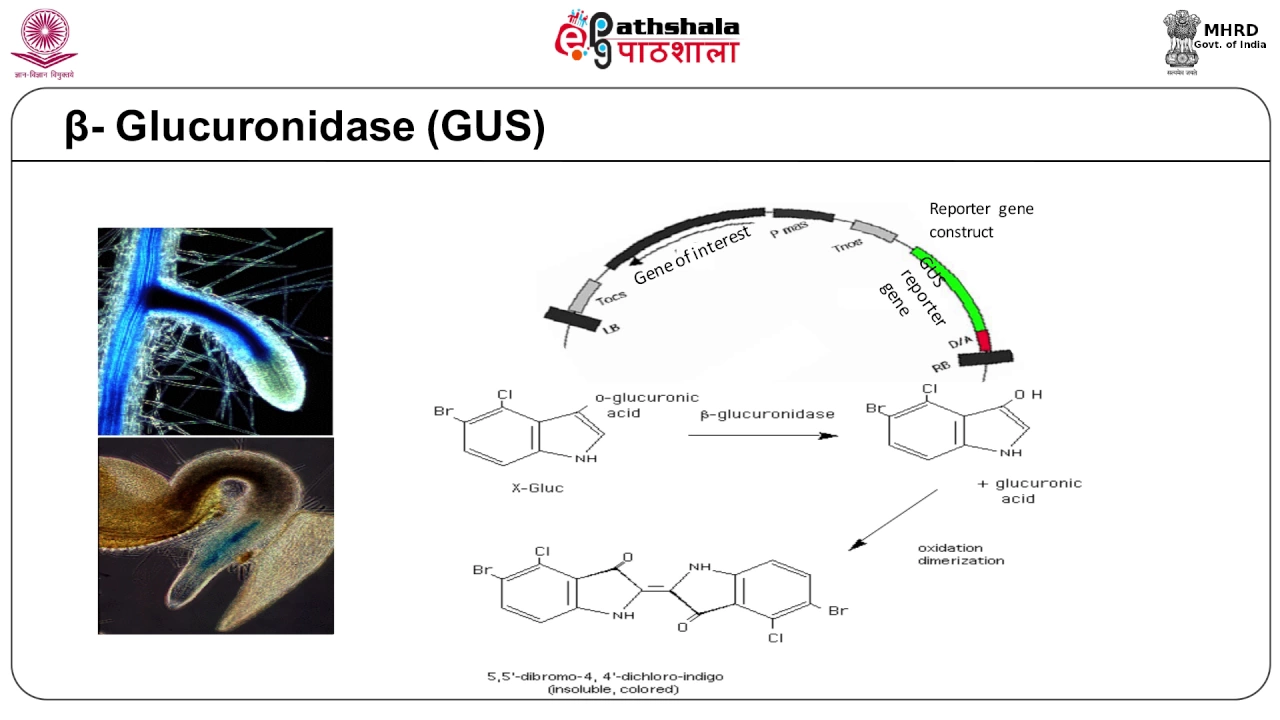
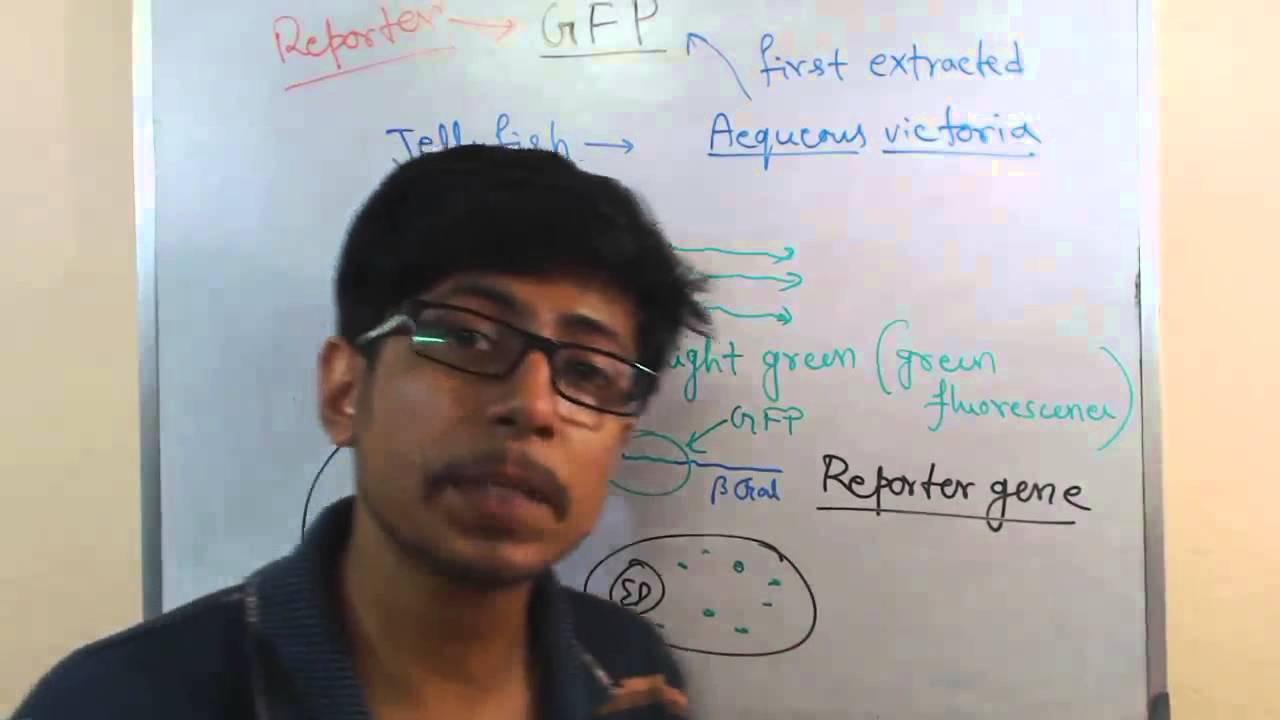
Methods for verifying successful gene integration and expression, such as PCR, Southern blotting, and the use of reporter genes (e.g., GFP, GUS).
Alternative plant transformation techniques, including biolistics (gene gun bombardment) and direct gene transfer via protoplasts.
Real-world biotechnology applications, such as developing pest-resistant (Bt), herbicide-tolerant, or nutritionally enhanced crops (e.g., Golden Rice).
Biosafety regulations, ethical implications, and environmental impact assessments of Genetically Modified Organisms (GMOs) in agriculture.
471 views14likes42:05Original Release: 2025-05-30
Section one, what is agroacterium mediated gene transfer? Agroacterium mediated gene transfer is a biotechnological technique that uses soil bacteria to insert foreign genes into plant cells. This method has become one of the most widely used approaches for creating genetically modified plants. The technique uses agroacterium tumafacins, a soil bacterium that naturally infects plant wound sites.
What makes this bacterium special is its natural ability to transfer a segment of DNA called tDNA from its tumor inducing plasmid into the plant's genome. Let's explore how this process works and why it's so important for plant biotechnology. To understand agroacterium mediated gene transfer, we need to compare the natural process with its biotechnological application. In nature, agroacterium transfers tna containing genes that alter plant hormone production, causing tumorous growths known as crown gall disease.
Scientists have ingeniously modified this system by replacing the tumorinducing genes with genes of interest, creating a powerful tool for plant genetic engineering. Agroacterium is a soil dwelling bacterium that has evolved a remarkable ability to genetically modify plants. In nature, agroacterium targets plant wound sites, exploiting the plant's vulnerability to infection. The bacteria are attracted to chemical signals released by wounded plant tissue. Once at the wound site, agroacterium transfers a portion of its DNA into the plant cells causing crown gall disease characterized by tumor-like growths. The transferred genes force the plant to produce unique compounds called opines. These serve as specialized nutrients that only the agroacterium can use, creating a parasitic relationship. Scientists recognized the remarkable potential of agroacterium's natural gene transferability and modified it for biotechnology applications. By removing the disease-causing genes while preserving the DNA transfer mechanism, researchers transformed this plant pathogen into a powerful tool for genetic engineering.
This ingenious repurposing allows scientists to insert beneficial genes into plant genomes with precision without causing disease. Essentially, nature's genetic engineer has been harnessed for sustainable crop improvement. Agroacterium is a genus of soil bacteria widely used for plant genetic transformation.
There are three main agroacterium species used in plant biotechnology each with unique characteristics.
Agroacterium tumapacins is the most commonly used species. It causes crown gall disease in plants contains the ti plasmid and can infect a wide range of plant species. Agroacterium risogynes induces hairy root disease. It contains the root inducing or rimid and is particularly useful for generating transgenic root cultures. Agroacterium vitis is specific to grape vines causing grape crown gall disease. It has a narrower host range and is primarily used in viticulture applications. Let's explore how each species is applied in plant biotechnology. Agroacterium tumafacins is widely used for crop improvement including introducing herbicide resistance, insect resistance and enhancing nutritional qualities.
Agroacterium risogenies is particularly valuable for producing secondary metabolites and medicinal compounds, studying root systems and developing stress tolerant plants. Agroacterium vitus is applied specifically in grapevine improvement, enhancing disease resistance, wine quality and drought tolerance in vineyards. When choosing an aggroacterium species for plant transformation, consider these guidelines. Choose agroacterium tumafacans for most dicot crops and general applications. Use agroacterium risogynes when root development or root cultures are desired. Select agroacterium vitis specifically for grapevine transformation. Always consider bacterial strain compatibility with your plant host and match your transformation goals with the specific plasmid properties of each species.
Each agroacterium species offers unique advantages for specific plant transformation objectives. Understanding their differences is crucial for successful genetic engineering in plants. The TI plasmid or tumorinducing plasmid is a crucial component in agroacterium mediated gene transfer.
This circular DNA molecule contains several key regions that work together during the infection and genetic transformation process. The tDNA or transferred DNA is the region that gets integrated into the plant genome. In nature, this region contains genes that induce tumor formation and a pine synthesis. The virilence genes or ver genes encode proteins that recognize plant signals and facilitate the transfer of tDNA into plant cells. The opine catabolism genes allow agroacterium to metabolize ops produced by the transformed plant cells providing a selective advantage. The origin of replication ensures that the plasmid can replicate independently within the bacterial cell. The tDNA is flanked by specific 25 base pair sequences called border sequences. These borders are essential for tDNA transfer as they are recognized by the ver proteins during the transfer process. For biotechnology applications, the TI plasmid is modified by removing the tumor inducing genes from the tdna region. Scientists replace these genes with the gene of interest they want to introduce into plants while keeping the essential border sequences intact. The virilence genes are maintained as they are essential for the DNA transfer mechanism and the origin of replication is preserved to ensure plasmid survival in bacteria.
To summarize, the key points about TI plasmid modification include keeping the border sequences intact, removing tumorinducing genes, preserving virulence genes, and inserting the gene of interest within the TDNA region. This understanding of the TI plasmid structure is essential for developing binary vector systems, which we'll explore next.
Binary vector systems revolutionized plant genetic engineering by separating the aggroacterium TI plasmid into two distinct components. The traditional TI plasmid system contains both virulence genes and the TDNA region on a single large plasmid. Scientists developed the binary vector system to overcome the challenges of manipulating the large TI plasmid. In this improved system, the virilance genes are carried on a helper plasmid, which is a disarmed TI plasmid with the tDNA region removed. The TDNA region is then placed on a separate smaller binary vector, which is much easier to manipulate in the laboratory.
This binary vector contains the tDNA borders and the gene of interest that researchers want to introduce into the plant genome.
The binary vector system offers several significant advantages for plant genetic engineering. First, it makes manipulating the tna region much easier as researchers work with a smaller plasmid. The smaller size of the binary vector also makes cloning procedures more efficient and reliable. This system provides higher transformation efficiency compared to traditional methods. Finally, it offers greater flexibility in designing and testing different genes and constructs. Let's examine how this binary vector system works at the molecular level. The process begins when virilence genes on the helper plasmid sense signals from wounded plant cells. These activated virulence proteins then process the tDNA region from the binary vector, preparing it for transfer. Next, the tDNA containing the gene of interest is transferred from the bacteria into the plant cell. Finally, the tDNA integrates into the plant genome, allowing expression of the introduced gene. By separating these components, scientists can more easily engineer plants with new traits while maintaining efficient transformation. For successful agroacterium mediated transformation, specific laboratory equipment is essential. Sterilization equipment like autoclaves operating at 121 degrees C and 15 PSI are essential for creating sterile materials. These devices eliminate microbial contaminants that would interfere with transformation.
Laminer flow hoods and biosafety cabinets provide sterile working environments by creating a positive pressure of filtered air. These workspaces are critical for handling plant tissues and bacterial cultures.
Specialized growth chambers with controlled temperature, humidity, and light cycles are needed to maintain optimal conditions for both bacteria and plant tissues during transformation. Equipment like centrifuges for bacterial culture preparation and microscopes for examining transformed tissues are essential for monitoring and analyzing the transformation process. Contamination is the primary cause of failed transformations. Even minor lapses in sterility can introduce microorganisms that compete with agroacterium or cause tissue damage requiring strict adherence to aseptic techniques. To summarize, proper equipment and maintaining sterile conditions are critical for successful agroacterium mediated transformation.
This section covers the essential materials and reagents required for agroacterium mediated gene transfer.
Plant tissue culture media forms the foundation for growing plant tissues.
Common formulations include murashig and skoo medium and gamorg's B5 medium which provide essential macro and micronutrients, vitamins, and carbon sources for plant growth. Selection antibiotics are crucial for identifying transformed plant cells. Antibiotics like canomycin and hyroycin select for plant cells containing the resistance gene while carbonic and sephotaxim help eliminate residual agroacterium after transformation. Plant growth regulators control cell division and differentiation. Oxins like 24D and NAA promote callus formation and root development while cytokinins such as BAP and zetin stimulate chute development.
The balance between these hormones determines regeneration outcomes.
Sterile culture containers are essential for maintaining aseptic conditions.
Petri dishes, culture tubes, and specialized plant culture vessels provide the environment for plant growth. Proper sealing with microour tape or paraffilm ensures sterility while allowing gas exchange. Bacterial culture media are used for growing agroacterium strains.
LB, YB and MGL media provide nutrients for bacterial growth. These media are supplemented with antibiotics to maintain the selection pressure for the binary vector system. Quality and sterility are non-negotiable in agroacterium mediated transformation. Contamination with fungi or bacteria can lead to complete experimental failure. All media must be prepared with high-grade reagents and properly sterilized by autoclaving or filter sterilization for heat sensitive components. To ensure successful agroacterium mediated transformation, maintain a carefully prepared inventory of all essential materials including media, antibiotics, growth regulators, sterile containers, and bacterial culture supplies.
With these materials prepared, we are ready to proceed to the next steps in the transformation process. This section covers seed sterilization and germination. Essential steps in agroacterium mediated transformation.
The process involves five critical steps. Seed selection, surface sterilization, washing, plating on sterile media, and controlled germination. Begin by selecting highquality mature seeds of uniform size. This ensures consistent results and reduces contamination risks. Several sterilization methods can be used. Sodium hypocchlorite at 1 to 5% is common for 5 to 15 minutes. 70% ethanol provides rapid sterilization, but only for 30 to 60 seconds to avoid seed damage. Hydrogen peroxide is a gentler alternative. It's critical to note that extended exposure to sterilizing agents can damage seeds and reduce germination rates.
A typical protocol begins with a brief ethanol rinse followed by sodium hypocchlorite treatment for 10 to 15 minutes. Seeds must then be thoroughly rinsed with sterile distilled water, typically 3 to five times. The washing process is critical for removing all traces of sterilizing agents. Each wash involves gently agitating the seeds in sterile water.
After sterilization, seeds are placed on sterile growth medium containing essential nutrients, a carbon source like sucrossse and a solidifying agent such as agar with pH adjusted to 5.7 to 5.8. Germination occurs under carefully controlled conditions, temperature of 22 to 25°, 16-hour light and 8hour dark photo period, moderate light intensity, and controlled humidity. Most plant species begin germination within 3 to 4 days as evidenced by radical emergence. By 7 to 10 days, seedlings develop true leaves and are ready for transformation experiments. Remember these key points.
Start with highquality seeds. Balance sterilization efficacy with seed viability. Ensure thorough washing.
Maintain aseptic conditions. And recognize that healthy seedlings are essential for successful transformation.
With properly sterilized and germinated seedlings, we can proceed to the next step. Preparing the agroacterium culture for transformation. Preparing agroacterium cultures is a critical step for successful plant transformation. First, select a single colony of agroacterium containing your gene of interest. Inoculate it into liquid media such as LB or YB supplemented with appropriate antibiotics for selection. Incubate the inoculated culture at 28° C with shaking at 180 to 200 RPM. Monitor bacterial growth by measuring optical density at 600 nm. The optimal density for transformation is between 0.6 and 0.8, which typically occurs during the log phase of bacterial growth.
Once the culture reaches optimal density, transfer it to sterile centrifuge tubes. Centrifuge at 3000 to 5,000 gs for 10 minutes to pellet the bacterial cells. After centrifugation, carefully discard the supernent, leaving the bacterial pellet intact. Resuspend the bacterial pellet in fresh liquid medium. Adjust the concentration to OD600 of 0.3 to your.5 for optimal transformation efficiency.
Add acettosyangone to induce virulence genes. Allow the suspension to incubate for 1 to 3 hours before using it to infect plant tissue. To maximize transformation efficiency, use fresh bacterial cultures that are 18 to 24 hours old. Ensure precise optical density measurements and maintain sterile conditions throughout the process. For optimal results, adjust the protocol based on the specific plant species being transformed.
Expplant preparation is a critical step in agroacterium mediated transformation.
Expplants are plant tissue segments that are used for transformation and the regeneration of transgenic plants.
Different types of expplants can be used depending on the plant species and experimental goals. Common expplant types include leaf discs, codalons, hypocodals and stem segments. Expplants must be carefully prepared to create wound sites. For leaf discs, a cork borer is commonly used to cut uniform circles from intact leaves. Wounding is essential for successful transformation.
Cut edges release phenolic compounds that attract agroacterium and create entry points for bacterial invasion. The choice of expplant varies significantly by plant species. Some plants like tobacco transform efficiently using leaf discs while others may require specialized tissue like embryogenic callus. Multiple factors affect transformation success rates. The age of donor tissue and size of expplants are particularly important with young tissues and smaller expplants generally yielding better results. When preparing expplants, maintain strict sterile conditions to prevent contamination. Use young, actively growing tissue and create clean, precise cuts to optimize transformation efficiency. Proper expplant preparation is a foundation for successful agroacterium mediated transformation and can significantly impact your experimental outcomes.
Section 11, infection and co-ultivation.
The infection process begins by immersing plant expplants in an agroacterium suspension. The bacteria surround and attach to the plant tissue initiating the gene transfer process.
After infection, the expplants are transferred to co-ultivation media without any selection agents.
Co-ultivation typically lasts for 2 to 3 days. During this critical period, agroacterium transfers its tna into the plant cells. At the molecular level, agroacterium attaches to the plant cell and creates a channel to transfer its tna.
Controlling co-ultivation conditions is crucial for successful transformation.
Important factors include temperature, light, pH, and hormone balance. It's essential to balance transformation efficiency with bacterial control.
Extended co-ultivation can lead to bacterial overgrowth, reducing transformation success. After co-ultivation of plant tissue with agroacterium, washing is a critical step. Excess bacteria must be removed to prevent overgrowth that could damage or kill the plant tissue. Proper washing protects the expplant's viability while ensuring that transformation has had sufficient time to occur. Let's examine the step-by-step washing procedure to eliminate excess agroacterium from plant tissues. First, prepare sterile wash solutions and antibiotics at appropriate concentrations. Next, carefully transfer the co-ultivated expplants to a sterile container to begin washing. Wash the expplants three to four times with sterile distilled water to remove the majority of bacteria. In the final wash, add appropriate antibiotics to kill any remaining bacteria. Finally, transfer the expplants to selection media containing antibiotics to continue the transformation process.
Several antibiotics can be used to eliminate agroacterium. Here are the most commonly used options and their typical concentrations. Cyphotaxam is commonly used at concentrations between 250 and 500 mg per liter to inhibit bacterial cell wall synthesis. Tmentin a mixture of ticarcillin and clavulanic acid provides broadspectctrum activity at 150 to 300 mg per liter. Carbon serves as an alternative to sephotaxim and is used at similar concentrations. Now let's visualize how the bacterial washing process works.
Initially the expplant is surrounded by a high density of agroacterium cells after co-ultivation. After the first wash with sterile water, we see a significant reduction in bacterial numbers. The second wash further reduces bacterial density. Finally, after treatment with antibiotics, virtually all bacteria are eliminated while the transformed plant DNA remains integrated. There are several critical considerations for successful bacterial elimination. Timing is crucial. Allow 24 to 48 hours of co-ultivation before washing to ensure proper gene transfer.
Wash solutions should be at room temperature to minimize stress to the plant tissues.
Gentle handling of expplants is essential to minimize tissue damage during the washing process. Maintain strict aseptic conditions throughout to prevent contamination. Select antibiotics based on the specific agroacterium strain used for transformation. After plant tissues have been infected with agroacterium and co-ultivated, the next critical step is selecting cells that have successfully incorporated the transferred DNA. The selection process relies on antibiotic or herbicide resistance genes that are transferred alongside the genes of interest. These resistance genes allow transformed cells to survive in the presence of selection agents. When selection agents are added to the culture medium, non-transformed cells cannot survive because they lack the resistance gene. In contrast, transformed cells express the resistance gene and can detoxify or block the selection agent, allowing them to grow and divide. Several selection agents are commonly used in plant transformation.
Each works with a specific resistance gene that counteracts the agents toxic effects.
The mechanism of resistance varies depending on the selection system used.
In most cases, the resistance gene encodes an enzyme that inactivates the antibiotic or herbicide. The selection process isn't a one-time event. Selection pressure must be maintained through multiple subcultures over several weeks to ensure only truly transformed cells continue to grow. With each subculture, the proportion of transformed cells increases as any remaining non-transformed cells are eliminated.
This process typically takes 3 to four weeks. To summarize the key points about selection, selection agents eliminate non-transformed cells while transformed cells with resistance genes survive.
Multiple subcultures ensure pure transformance and selection pressure must be maintained throughout the process.
After successful transformation and selection, the next critical step is chute regeneration. This begins with transformed callus tissue which consists of undifferentiated cells. Chute regeneration relies heavily on plant hormones called cytokinins. These specialized hormones including BAP, TDZ, kinetan and zetin stimulate cell division and promote chute formation from the callus.
The media formulation is critical for successful chute regeneration. It typically contains MS or B5 basil salts, vitamins, a carbon source like sucrose, and most importantly, cytoinins at concentrations between 0.5 and 5 mg per liter. The ratio of cytoinins to oxins must favor cytoin for chute development.
The media also includes selective agents to maintain selection pressure and prevent growth of non-transformed cells.
Shoot regeneration is a time-intensive process that typically unfolds over several weeks. After transferring the callus to regeneration media, the first signs of regeneration appear within 1 to two weeks as small green spots indicating chlorophyll production. By weeks 3 to 4, chute primordia begin to form as organized meristematic centers.
During weeks 5 to six, these primordia elongate into recognizable shoots and by weeks 7 to 8, leaf development becomes apparent. The visual progression of chute regeneration begins with small green spots on the callus indicating areas where cells are beginning to organize into meristematic regions.
These develop into chute primordia, which are small dome-shaped structures with organized cell layers. The early shoots then begin to elongate with rudimentary leaf structures. Finally, fully developed shoots emerge with well-formed stems and leaves ready for the root induction phase. Several factors critically influence chute regeneration success.
The hormone concentration and ratio is particularly important as is the expplant source and age. Environmental conditions like light intensity and temperature must be carefully controlled. When troubleshooting regeneration issues, consider trying different cytokinine types and concentrations. If shoots develop abnormally with a glassy appearance, this vitrification can be addressed by reducing humidity in culture vessels.
Slow growth may indicate suboptimal light quality or temperature.
Successful chute regeneration is indicated by multiple healthy green shoots with normal leaf morphology that continue to grow on selective media.
Once shoots reach 2 to 3 cm in height and have developed several leaves, they're ready to move to the next stage, root induction. Root induction is a critical phase in plant transformation where regenerated shoots develop root systems to become complete plantlets. During this phase, regenerated chutes are transferred from chute induction media to specialized rooting media. This transfer must be done under aseptic conditions to prevent contamination. Oxins are the key plant hormones responsible for root development. Common oxins used include IA, NAA, and IBA which stimulate cell division and differentiation in the stem base. When exposed to the correct oxin concentration, cells at the base of the chute begin to divide and differentiate into root primordia, eventually forming a complete root system. The efficiency of root induction varies greatly between plant species.
Some plants like tobacco or tomato develop roots easily with standard protocols. Other species, particularly woody plants and some cereals, are more recalcitrant to rooting and may require higher oxin concentrations or additional treatments to stimulate root development. For difficult to root species, several additional treatments may be employed. These include pulse treatments with high oxin concentrations, the addition of phenolic compounds, or physical wounding of the stem base to stimulate rooting. Other factors that can enhance rooting include optimizing light and dark exposure periods, adjusting temperature, or adding specific rooting co-actors depending on the plant species. The end result of successful root induction is a complete plantlet with a functional root system connected to the chute. These roots will allow the plant to absorb water and nutrients independently. A well-rooted plantlet represents the final stage before acclimatization to soil conditions, bridging the gap between in vitro and invivo environments. After successfully inducing roots, the complete plantlets are ready for the next critical phase, acclimatization to soil conditions. Alatization to soil is a critical step in transferring transformed plantlets from tissue culture to normal growing conditions.
The process begins with carefully removing plantlets from their sterile culture vessels. These plantlets must be gradually adapted to soil conditions as they've been growing in a protected high humidity environment. The acclimatization process consists of several critical steps.
First, carefully transfer plantlets to a sterile potting mix with good drainage.
Second, cover the plants with a humidity dome or plastic bag to maintain high humidity. Third, gradually reduce humidity by incrementally opening vents or lifting the dome over one to two weeks. Fourth, provide controlled light exposure, starting with indirect light and slowly increasing intensity.
Finally, transition to a normal fertilizer regime as plants establish. The most critical aspect of acclimatization is the gradual humidity reduction. Initially, plants are kept at nearly 100% humidity using a dome or plastic covering. After about a week, begin creating small openings to gradually reduce humidity. By the end of the second week, the cover can be removed completely as plants adapt to ambient humidity. Several key factors determine successful acclimatization of transformed plantlets. First, timing is critical. Transfer plants during their active growth phase. Temperature should be maintained between 22 and 25°.
Light exposure should start with indirect light and increase gradually.
The substrate should be a well- draining sterile mix, often containing perlite.
Regular monitoring is essential to identify and address any signs of stress. Proper acclimatization ensures plants can successfully transition from controlled lab conditions to natural environments. During this process, plants shift from heterotrophic to fully autorophic growth. Functional stmata develop for normal gas exchange. Plants form a protective cuticle layer to prevent water loss. The root system strengthens for efficient nutrient uptake from soil. All these adaptations enable the transformed plants to establish successfully in natural growing conditions. After the plant transformation process, confirming successful gene integration is a critical step. Scientists use four key methods to verify that the genetic transformation was successful. PCR or polymerase chain reaction detects the presence of the inserted gene in the plant DNA. This technique uses specific primers that bind to and amplify the transgene sequence if it's present, providing a quick and reliable first confirmation.
RTPCR or reverse transcription PCR goes beyond detection to verify if the trans gene is being expressed at the RNA level. This method first converts messenger RNA to complimentary DNA, then performs PCR, indicating whether the gene is functionally active in the plant. Southern blotting is a more definitive technique that confirms actual integration of the gene into the plant genome. It can also determine the number of gene copies inserted, though it's more labor intensive than PCR based methods. Phenotypic analysis involves observing visible traits resulting from transgene expression, such as herbicide resistance or color changes. While it provides simple visual confirmation, not all trans genes produce visible phenotypes, so molecular methods are still essential.
Molecular verification before proceeding with further research is absolutely critical. It prevents false positives, saves resources, and provides the validation required for publication and regulatory approval. Environmental conditions significantly impact both transformation efficiency and regeneration success in agroacterium mediated gene transfer. Temperature is a critical factor. The optimal range is 22 to 25° C. Higher temperatures promote bacterial overgrowth while lower temperatures reduce virulence gene expression. Light conditions also play a key role. The standard 16-hour light, 8-hour dark cycle with moderate intensity provides optimal results.
Higher light intensity can induce oxidative stress. Humidity should be maintained at 60 to 70%.
Proper air flow and carbon dioxide levels also influence transformation success by affecting plant physiology. To summarize, the optimal environmental conditions include temperatures of 22 to 25° C, 16-hour light and 8hour dark cycle, light intensity of 50 to 100 micro moles per square meter/s, and relative humidity of 60 to 70%.
Deviations from optimal conditions can significantly reduce transformation efficiency. Temperature stress decreases tna transfer. Light stress causes oxidative damage and humidity fluctuations lead to tissue desiccation. For best results, use controlled growth chambers to maintain consistent conditions. Monitor parameters throughout the transformation process and adjust protocols based on your specific plant species requirements.
Selecting the appropriate agroacterium strain is critical for successful plant transformation. Agroacterium strains differ in several key properties that significantly affect transformation efficiency. These include virilence genes, host range specificity, antibiotic resistance markers, and chromosomeal background.
Let's examine the most commonly used agroacterium strains in plant biotechnology. GV3101 based on the PMP9TI plasmid has high virilence and broad host range making it ideal for most dicots including arabidopsis. EHA 105 features the pay 105 plasmid with very high virilence and exceptionally broad host range making it suitable for serals and recalcitrant species.
LBA4404 with the PLA4404 plasmid has moderate virilence and more limited host range but works well with solenacious plants like tobacco and tomato. Virulence factors significantly impact transformation efficiency in different plant species. This chart shows transformation efficiency in arabidopsis using different strains. EHA 105 delivers the highest efficiency at 85% followed by GV3101 at 65% while LBA 4404 shows lower efficiency at 45%. Different aggroacterium strains exhibit varying levels of host specificity across plant families. For brassacy species like arabidopsis, GV3101 and EHA 105 are preferred.
Solenacious plants like tobacco respond well to LBA4404. EHA 105 excels with cereals and legumes while recalcitrant woody plants often require highly virulent strains like AGL1. When selecting an aggroacterium strain for your experiment, consider these key factors. Consider your target plant species, desired efficiency, vector compatibility, selection markers, and your lab's experience with specific strains. Remember that a strain efficient for one species may fail with another. Always run pilot experiments with multiple strains when optimizing new transformation protocols. Agroacterium mediated genetic transformation has revolutionized crop improvement by enabling precise insertion of beneficial genes into plant genomes.
Crop improvement through genetic engineering focuses on four key trait categories that address major agricultural challenges. B cotton contains genes from basillus thringensis bacteria that produce proteins toxic to specific insect pests like bullworm. This technology has reduced insecticide use by up to 80% increased yields by 20 to 30% and has been adopted in more than 15 countries worldwide.
Herbicide tolerant crops contain genes that allow them to survive application of specific herbicides that would normally kill the crop along with weeds.
Popular examples include Roundup Ready soybeans with glyphosate resistance and Liberty Link corn with gluosinate tolerance, both using bacterial genes to confer resistance.
Drought tolerant crops use genes that regulate stress response pathways to improve water use efficiency and yield stability. Commercial examples include drought guard maze which maintains yields with 30 to 50% less water and experimental drought drought tolerant wheat varieties being developed for aid regions.
Golden rice is engineered to contain beta carotene, a precursor of vitamin A in the rice endoperm. It contains genes from soil bacteria and either daffodil or maize to enable this biosynthesis pathway. This innovation has the potential to prevent 250,000 to 500,000 cases of childhood blindness annually in regions where vitamin A deficiency is prevalent.
The impact of genetically engineered crops extends beyond individual traits leading to increased yields, reduced chemical use, enhanced food security, and improved nutritional outcomes. Agroacterium mediated transformation has enabled plants to serve as bofactories for valuable compounds. This process known as molecular farming transforms plants into living factories that can produce pharmaceuticals and industrial compounds. In pharmaceutical applications, transformed plants can produce vaccines against diseases like hepatitis B and influenza. They can also produce antibodies for diagnostic and therapeutic use as well as therapeutic proteins like insulin and growth factors. For industrial applications, plants can be engineered to produce enzymes like amaes and cellulaces used in manufacturing processes. One of the most promising areas is the production of bioplastics and biodegradable polymers, addressing environmental concerns about plastic waste. Plants can also be engineered to produce specialty oils and bofuels, offering renewable alternatives to petroleumbased products.
Plant-based production systems offer significant cost advantages over traditional production methods.
Traditional biioharmaceutical production can be expensive, requiring complex fermentation or cell culture systems. In contrast, plant-based systems can reduce production costs by 50 to 90% through simpler growth requirements and scalability. Plants as bofactories offer a unique advantage. They can produce complex compounds through their natural growth processes. Once transformed, these plants can synthesize valuable compounds that accumulate in their tissues ready for extraction and purification. While agroacterium mediated transformation is a powerful technique, it faces several limitations and challenges that researchers must overcome. Many plant species, particularly monocots and gymnosperms, are naturally resistant to agroacterium infection, limiting its applicability.
Even within the same species, different cultivars can show dramatically different transformation efficiencies, requiring optimization for each genotype. Agroacterium mediated transformation protocols are timeconuming and require specialized skills and equipment. There are physical limitations to the size of DNA that can be transferred. typically between 25 and 30 kilobases for binary vectors. Regulatory frameworks for genetically modified organisms create significant hurdles for commercial applications of this technology. As agroacterium mediated transformation continues to evolve, several emerging technologies are poised to revolutionize this cornerstone of plant biotechnology.
Integration of crisper cast 9 delivery through agroacterium enables precise genome editing within the transformation process. This approach allows researchers to deliver editing machinery and make targeted genetic modifications with reduced offtarget effects. Nanoparticle assisted transformation represents another frontier where engineered particles enhance DNA delivery efficiency and protect genetic material from degradation. These approaches are especially promising for recalcitrant plant species that have traditionally been difficult to transform. Automated high throughput systems are revolutionizing transformation processes through robotic tissue handling, standardized protocols, and artificial intelligence for optimization. These advancements dramatically increase throughput while improving reproducibility across experiments.
As research continues, agroacterium mediated transformation expands to new plant species while becoming faster, more efficient, and cost-effective. The integration of these emerging technologies ensures this method will remain a cornerstone of plant biotechnology and play a critical role in developing sustainable agriculture solutions for our changing world.
Up Next

6:29
Ti Plasmid in Agrobacterium-Mediated Plant Transformation: Features and Role
@BioResource
58.9K views•2016-01-04
14:12
Quantitative Real-Time PCR (qPCR): Principle, Method & Data Analysis
@animatedbiologywitharpan
129.2K views•2023-09-06
23:33
Microbial Degradation of Plastics: Biodegradation Pathways & Sustainability
@majeedhammad
2.9K views•2021-04-11

16:04
CRISPR and Genetic Engineering: How Gene Editing Works and Why It Matters
@kurzgesagt
30.5M views•2016-08-10
Related Study Plans & Knowledge Roadmaps
Structured learning paths in Biotechnology
biotechnology
AAV Production: Transfection, Prep & qPCR
01Introduction to Gene Therapy and AAV Biology
02Mammalian Cell Culture: Suspension HEK293 Cells
03Upstream Bioprocessing: Triple-Transfection Optimization
+ 2 more learning modules
18h5 modules
Explore Roadmap
biotechnology
Building Gut-on-a-Chip: PDMS, Cells & TEER
01Foundations of Microfluidics and Gut Anatomy
02Cleanroom Fabrication & PDMS Soft Lithography
03Epithelial Cell Culture and On-Chip Seeding
+ 2 more learning modules
26h5 modules
Explore Roadmap
biotechnology
Optimizing CFPS: E. coli Extract & Yield
01Fundamentals of Molecular Biology and Translation
02Introduction to Cell-Free Protein Synthesis (CFPS)
03Preparing E. coli Crude Lysate (The Extract)
+ 2 more learning modules
19h5 modules
Explore Roadmap
biotechnology
Haematococcus PBR: Design, Stress & Astaxanthin
01Biology and Life Cycle of Haematococcus pluvialis
02Bench-Scale Photobioreactor (PBR) Design and Engineering
03Culture Media Formulation and Inoculation
+ 2 more learning modules
15h5 modules
Explore Roadmap