








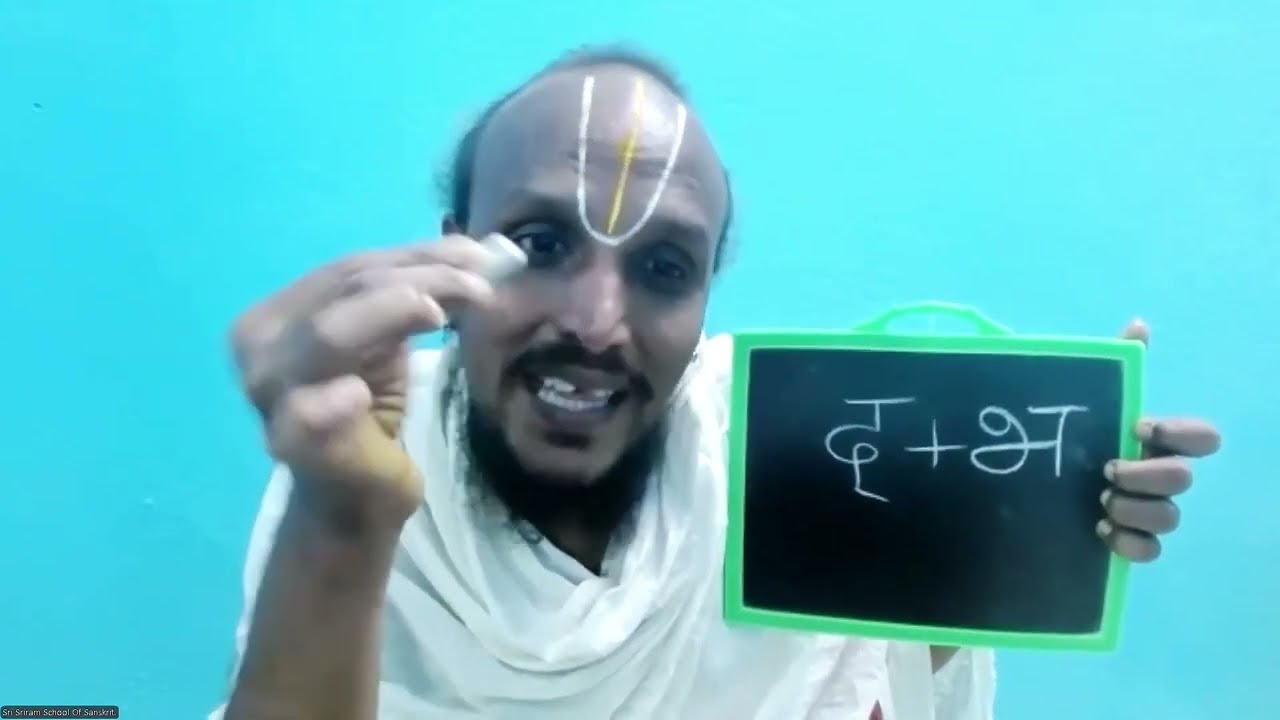








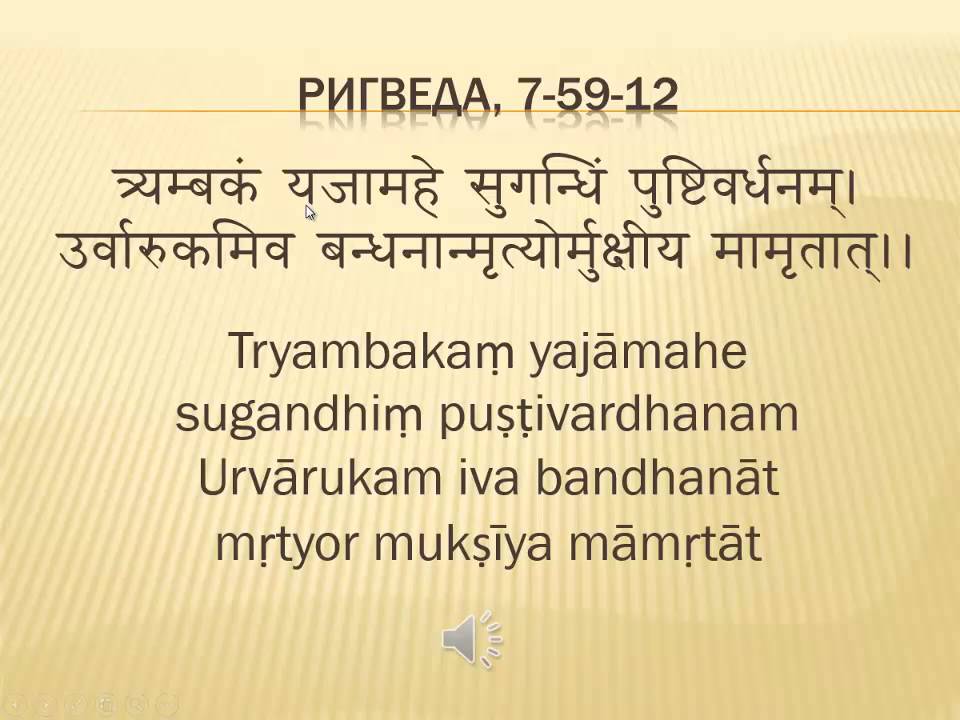
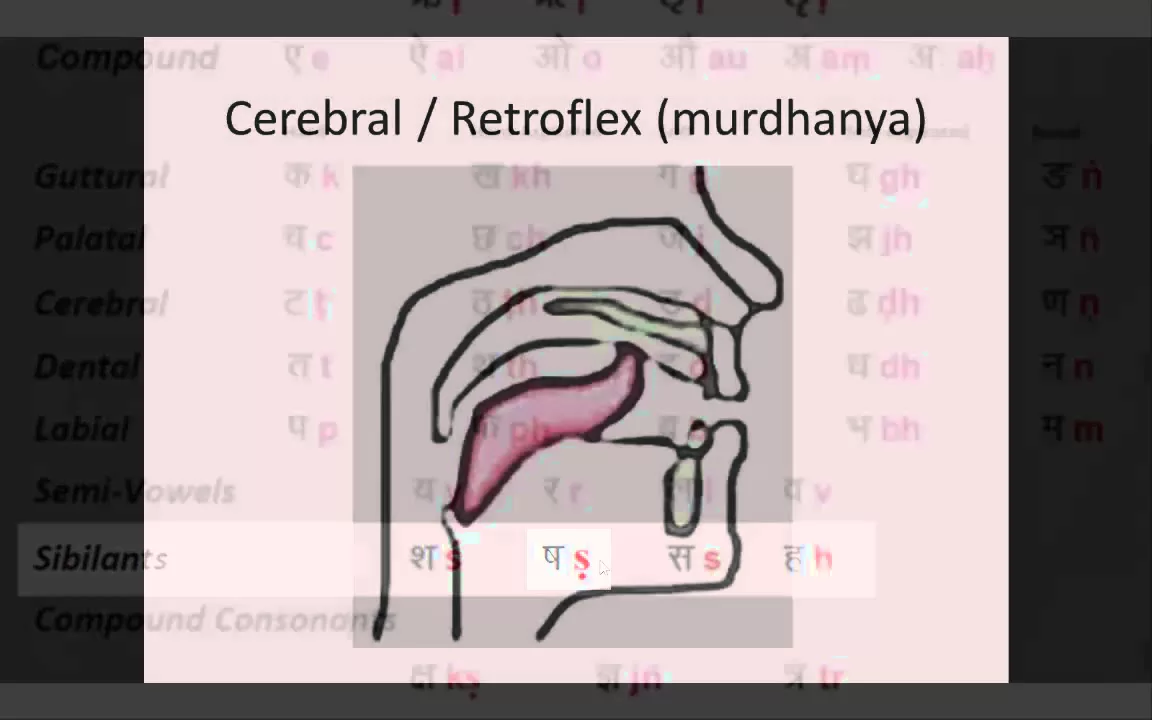
In Devanagari script, conjunct consonants are formed by combining two or more consonants without a vowel, and they follow specific rules based on the shape of the preceding consonant: (1) consonants with vertical strokes at the rightmost end lose their vertical stroke to form half-letters; (2) consonants with vertical strokes in the middle have their rightmost part cut and the next consonant written beside it; (3) round-shaped consonants like t, th, d, dh, n, and n̄ can be written either with a halant (bottom stroke) followed by the next consonant or fully formed with the next letter written below. Additionally, when ra (र) precedes a consonant, it creates a C-curve above the shira (top) of the next letter, while when ra follows a consonant, a slanting line joins at the middle of the previous letter.
Devanagari Script for Sanskrit | Conjunct Consonants Explained
Added:[Music] SRI gurub namaha namas I welcome you all to the seventh session of dagar script for Sanskrit okay so let us uh see if you can recognize this different uh uh scripts can you read Z not [Music] Z can you repeat this last one uh so this is r n k and th together so it is plus th okay thank you will you continue uh yes okay read this ch yeah very good thank you yeah yeah thank you H GR that uh should come softly okay so what is the difference between the third and the fourth sound in the third sound it is down no you tell me the sound you just pronounce this no so this this third one is g g like R is softer and R is with r when we are saying we put more effort there is more of friction in the mouth between the Vel and the consonant the difference is that WBLS are all spoken very softly the air flows smoothly and the sounds are softer so it's just R okay very uh little uh this friction happens in the mouth whereas for um raar Rapa or any other consonant there's more friction in the mouth so this goes very soft it is just gr and this is gr you have to um make it very obvious g g this is g g okay let me read this four sounds this is gr gr okay we are putting we are putting more of effort to say that rakara sorry sorry Rapa should be very obvious so it is gr gri this is G soft and this is Gru gr I hope all this gr gri gr Gru are um there is uh you can all catch the difference between the sounds I hope so okay read this CH what is this yeah that's good then okay so ra H ra very good s ra see [Music] not the the huh can you read the next [Music] one okay so here we have e e n j d d d this is Rapa plus uh so D and this is Da can you read the what is this du du are you saying duh the what was the first sound the this is t uh t as in tomato T this is yeah yes correct [Music] H yes this is t t d du this is here why we are putting two bottoms of inverted I have explained that very clearly I just told no how it has come so when we are writing so this is how we write one bottom Stoke for T and R is the this is followed by Rapa so what will happen this stroke will come right Rapa stroke that will come here so that becomes this way I have clearly explained how this stroke comes so all the rounded uh ones this is the Hal the halant and this is the Raa stroke this is the halant this will be the Raa stroke so it will be like an inverted V only this is how we'll write only for the it will be like this that is how it is okay two what is this two two h Huh this is what is the third one then what is this first one what is the first one to to do this is not do it is this is the conjunct consonant the and the vakara here so this is d to do d d okay so can you read uh these words h yeah so if You observe here we have half s then T and Thena s Anda so and here T no and vakara so there are three uh uh uh consonants which are uh in combination can you read sh this [Music] is no what is this what letter is this K yes K yes [Music] very what is this here you're missing this one yesma nma can you continue so you please observe the uh print forms this is how we will find in books what is this again why are you saying G there is no G anywhere here there are five five five letters here see first is see see see so first is Rapa that will come first wait wait so you have Rapa first then you have Tak bini you listen first so you just see the F there are five consonants here first first uh you have to first sound will be Rapa followed by Takara then Sakara then nakara then yakara why coming later you are starting witha car so you have then Takara and Sakara Ah that's it that's it again you're saying rakara in the end there is no ra sorry Rapa in the end you are not supposed to say rap are there this has to come here immediately after is right yes okay okay y [Music] sorry c yes so and please see in the print you will get uh this is how it will be in the print this forms okay so you yeah so we will be uh we have to in this case we read it uh from top to bottom here we have written it horizontally this is then this is yeah yeah thank you thank you yeah just a small highlight on the previous one the second column the last word Thea is between the jakara and yakara so a oh man yeah yeah if it Isa the after Yara it will look little different uh maybe uh I can send it in the chat here oh so that tra would have come here sir yeah see I sent in the chat uh this is how it looks two variations so what is the right pronunciation for this word adriam aam okay yeah a aam okay that is much easier uh that is the your pronunciation aam that is the second name okay okay okay okay so if we would have given uh the C curve then R will come before jakara so that's why it has been given between jakara and jakara yes yes okay so this is quite interesting me just do uh suppose we write J and uh dra and now off dra now now yeah okay and uh then we'll have H Adria and then yeah this the thank you thank you thank you so much okay so um so uh let us see the um summary of this conjunct consonants we uh saw first uh yesterday the consonants that have a vertical stroke at the end that is towards the rightmost of the letter and in such cases we remove that vertical stroke and we get the half letters so for example uh for c g g t we have uh forms like this when we combine with another consonant then the second category is uh those consonants which have a vertical stroke in the middle like C and P and what happens is we um cut the rightmost part and then write the next uh consonant like here uh then we saw the third category is those consonants which have uh round shape and like t t her Etc and in such cases there are two ways of writing we either write the um uh round shaped consonant with a halant the bottom stroke following it with a next consonant or we write this letter fully and write the next letter below this letter so uh like this cha then this is also this is writing horizontally with the Hala here so then today we uh saw Raa before a consonant we get the C curve on the uh above the Shira of the next letter so then we saw Rapa after the consonant there is uh one um stroke which is a slanting line that is joined at the middle of the uh previous letter so this is the example for that and then we also saw some special forms like UHA shra Etc so this this is about the conjunct consonants d
Up Next
Featural Writing Systems: How Hangul Revolutionized Korean Script
@NativLang
891.5K views•2015-10-23
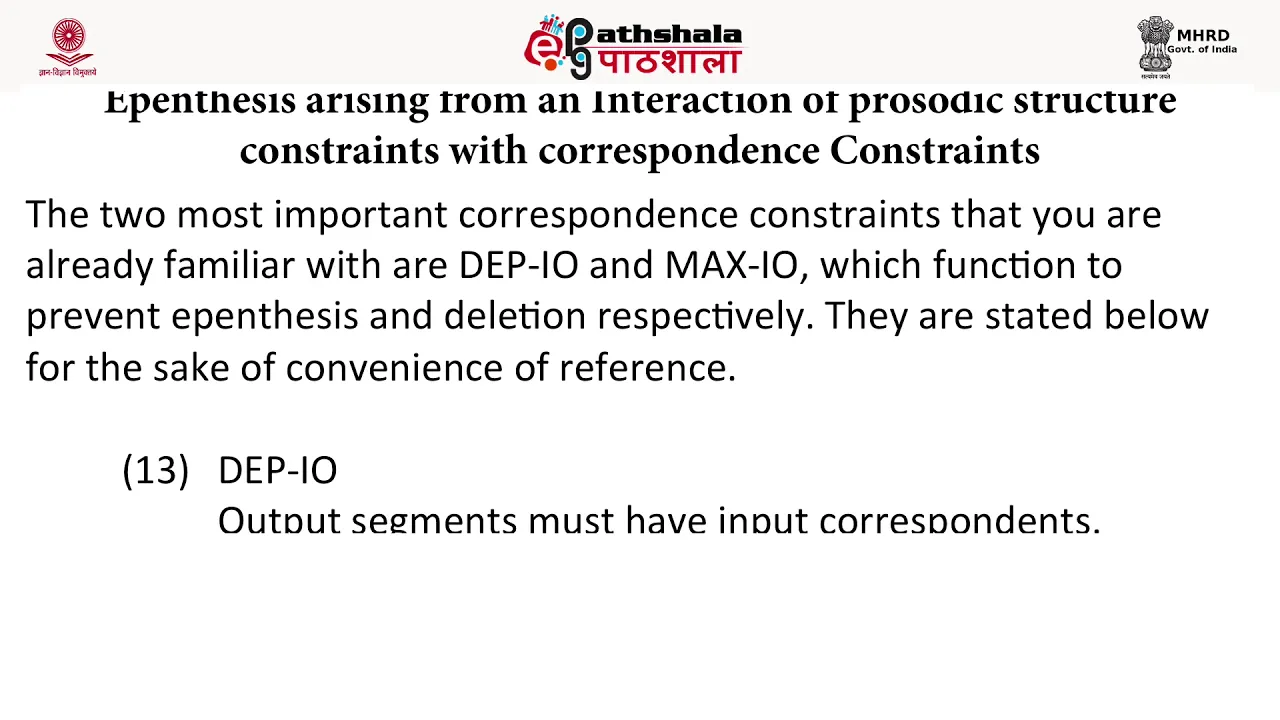
Constraint Interaction in Optimality Theory: Epenthesis & Deletion
@Vidyamitra
180 views•2018-08-20

Forensic Linguistics: How Language Solves Crimes | PBS
@pbsstoried
1M views•2024-01-25

Accent Expert Explains U.S. Regional Dialects | Part 1
@WIRED
9.3M views•2021-01-21
Related Study Plans & Knowledge Roadmaps
Structured learning paths in Linguistics