





















Constructed wetlands are eco-friendly wastewater treatment systems consisting of shallow gravel-filled tanks planted with emergent wetland plants like common reeds; as wastewater flows through the gravel and plant roots, pollutants are progressively removed through physical, chemical, and microbiological processes involving bacteria growth on the root-gravel media, making them a low-cost, low-energy alternative to conventional treatment plants for smaller populations.
Constructed Wetlands for Wastewater Treatment Explained
Added:Basic composition of municipal wastewater, including organic matter, pathogens, and nutrients like nitrogen and phosphorus.
Fundamental ecological concepts of natural purification, specifically how soil, plants, and microorganisms interact to filter water.
The traditional stages of wastewater treatment, particularly the distinction between primary physical sedimentation and secondary biological treatment.
The distinction between aerobic (oxygen-rich) and anaerobic (oxygen-poor) microbial processes in decomposing organic waste.
Detailed engineering design of constructed wetlands, including differences between surface flow and subsurface flow (horizontal and vertical) systems.
Specific macrophyte plant species selection (such as reeds and cattails) and their role in phytoremediation and nutrient uptake.
Operational challenges, maintenance protocols, and vector control (such as mosquito management) in managed wetland systems.
Regulatory frameworks, water quality standards, and the feasibility of scaling these systems for industrial or agricultural runoff.
90.6K views788likes8:46Original Release: 2013-05-24
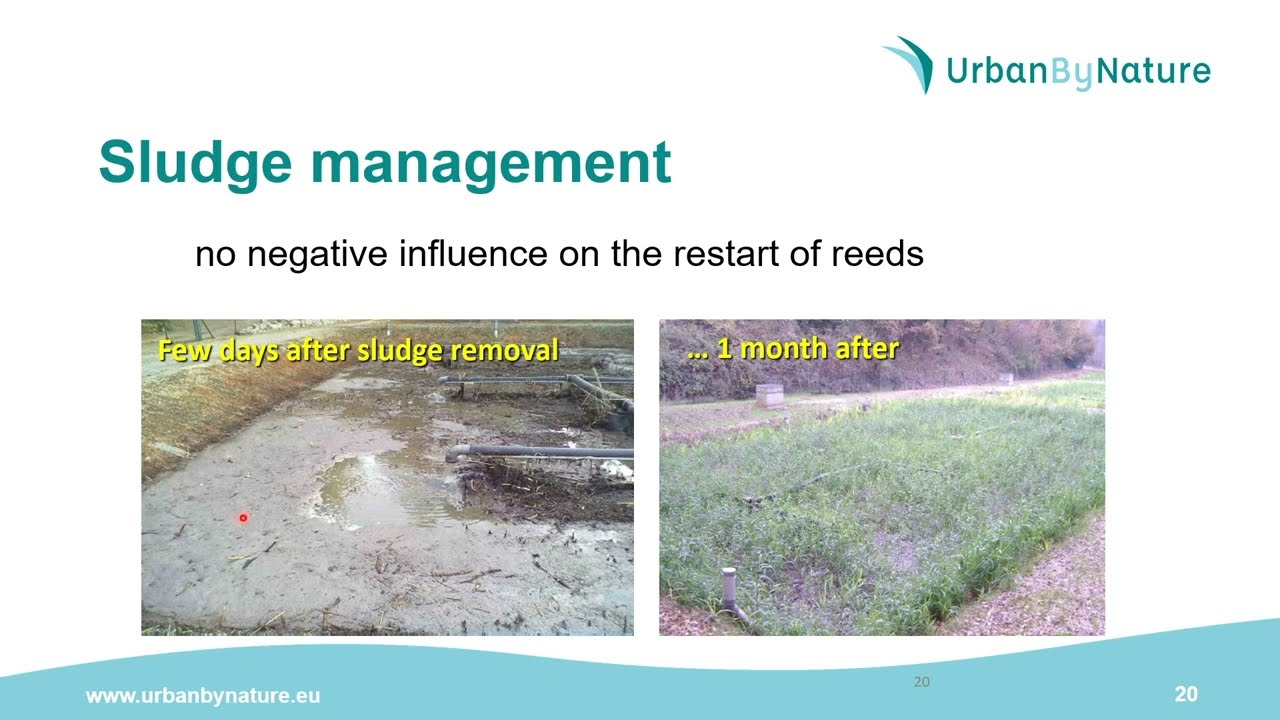
[Music] waste water is treated to remove several substances which if discharg to our rivers lakes and seas would cause pollution this treated waste water is a resource and can be recycled and used for irrigation in agriculture parks and golf courses it can also be used for street cleaning the current scarcity of water and recurrent droughts have made wastewater treatment and recycling important elements in the sustainable management of Water Resources in large cities complex and highly technical processes are used to treat the waste water these conventional treatment plans are expensive and require a lot of energy the waste water passes through a series of sequential phases these are called pre-treatment primary secondary and tertiary treatment where the pollutants are progressively removed from the waste water these processes allow the treated affluent to either be discharged into the environment or to be reused for smaller populations conventional treatment plants are often not suitable since they constitute an expensive and a high energy consuming process however constructed wands represent an ideal eco-friendly and sustainable technology with a low cost of operation maintenance and energy constructed wetlands are simple wastewater treatment systems they consist of shallow tanks filled with a gravel layer and planting with emergent rooted Wetland plants such as the common re these plants are well adapted to live in flooded conditions found in wetlands as the waste water flows through the gravel and the roots of the waths pollutants are progressively removed wetlands are constructed so that the waste water flows below the gravel layer this results in the absence of mosquitoes and bad others to observe the waste water flowing through the constructed Wetland it is necessary to dig a hole in the gravel this also allows us to observe the roots of the re it is in this environment of roots and gravel that the waste water is treated here pollutants are removed by physical chemical and microbiological processes the roots and gravel form a media ideally suitable for the growth of bacteria it is these microorganisms which contribute most to pollutant removal constructive Wetlands do not require as many components as conventional wastewater treatment plants they require pre-treatment a system for sedimentation of solids and the Wetland itself retreatment consists of screens to separate gross solids and Plastics these solids can easily cause obstructions and thus it is best to separate them from the waste water after pre treatment the waste water flows to a septic tank where suspended solids are settled by gravity after Passage through the septic tank the waste water is partially clarified as a final stage the constructed Wetland removes the remaining pollutants waste water is fed to the wetlands by means of channels therefore ensuring a uniform distribution throughout the bed water flows through the wand and is finally collected by means of drainage pipe located at the bottom of the [Music] Basin Wetland influent flows out through a swivel pipe that allows control of the water level in the Wetland the affluent from the Wetland is very clear as all pollutants have been removed therefore the affluent is suitable for water reuse or discharge into the environment a research group at the Technical University of Catalonia has built a constructed wedland pilot plan on the floor of the laboratory of the environmental division results obtained will serve to improve the efficiency of future systems the pilot plant is constructed such that analysis can be carried out to evaluate the efficiency of different operational [Music] parameters Urban waste water is pumped from a street adjacent to the university to a storage tank then the water flows to a system of Tanks where the solids are partially removed by means of gravity the waste water then flows to the constructive Woodland the aim of the pilot plant is scientific research but it also functions as a demonstration project thus the pilot PL serves to encourage the use of constructed Welland technology while also proven to be a successful educational tool one of the main problems with constructive Wetlands is the clogging of the gravel media clogging is characterized by the appearance of pwns on the surface of the gravel it is a problem when it creates surface [Music] flow this leads to the creation of small rivers which flow across the gravel rather than through it this results in reduced treatment efficiency and can result in bad odors one of the major purposes of the pilot plant is to study the clogging process and to determine the mechanisms involved the results will enable a better scientific understanding of the clogging process it will also enable The Proposal of a methodology to stop the clogging as part of this research Wastewater samples are collected and analyz in the [Music] laboratory special sampling devices enable gravel and root samples to be taken these devices can also be taken out of the Wetland to study the amount and characteristic of the accumulated solids the pilot plant also has online recorders which measure several water quality parameters once measured and stored this data can be downloaded to the researcher computers through wireless connections in this way the operation of the W lens can be monitored very efficiently constructed Woodlands are increasingly being employed for wastewater treatment in small communities the main advantages of that technology are that constructed wetlands are simple to operate and do not require a skilled labor energy and economic demands are low the process does not generate waste and it is very adaptable to the rural landscape what is more they don't have visual or audio impacts and can act as environmental restoration [Music] projects [Music]
Up Next
38:17
Mining Best Management Practices for Water Quality | Kentucky Watershed Academy
@kentuckywaterresourcesrese6881
249 views•2020-06-24

15:54
Life in Biosphere 2: Sustainable Ecosystems & Human Survival
@TED
334.9K views•2009-06-16
14:30
Microplastics Everywhere: How Plastic Impacts Our Lives
@TEDx
100.9K views•2018-05-08
10:28
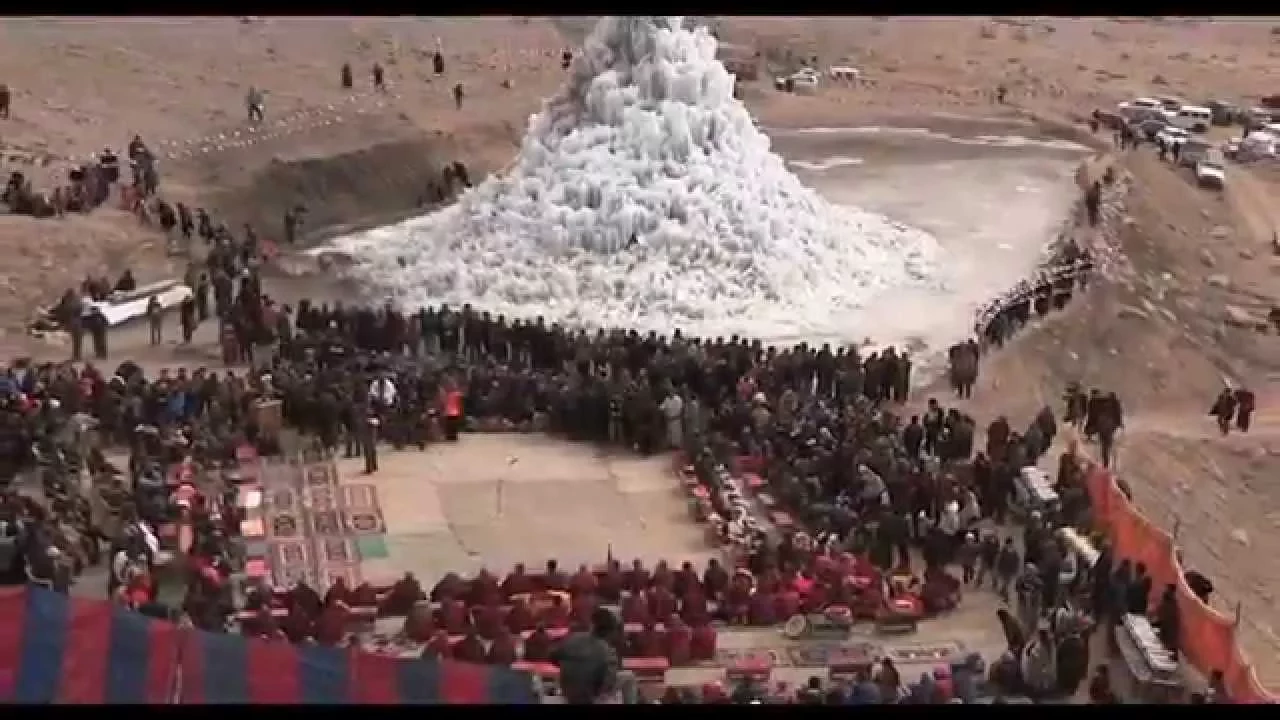
Ice Stupa Artificial Glaciers: Solving Ladakh's Water Crisis
@SonamWangchuk66
3.2M views•2015-05-03
Related Study Plans & Knowledge Roadmaps
Structured learning paths in Environmental Science
environmental-science
Ocean Noise: Cetacean Impacts & Mitigation
01Fundamentals of Underwater Acoustics
02Marine Mammal Bioacoustics
03Anthropogenic Noise: Shipping & Seismic Surveying
+ 2 more learning modules
16h5 modules
Explore Roadmap
environmental-science
Road Ecology: Corridors, Overpasses & Fencing
01Foundations of Habitat Fragmentation and Carnivore Ecology
02The Road Barrier: Ecological Impacts of Transport Infrastructure
03Principles of Ecological Corridors and Connectivity Mapping
+ 3 more learning modules
14h6 modules
Explore Roadmap
environmental-science
Ocean Acidification: Kelp Buffering & Shellfish
01Fundamentals of Ocean Chemistry & pH
02Chemical Pathways of Coastal Acidification
03Bivalve Physiology & Calcification Under Stress
+ 2 more learning modules
18h5 modules
Explore Roadmap
environmental-science
Ice Stupas: Glacial Retreat & Water Security
01Foundations of Glaciology & Mountain Hydrology
02Climate Change and Glacial Retreat Dynamics
03The Science of Ice Stupas & Artificial Glaciers
+ 2 more learning modules
14h5 modules
Explore Roadmap